 One of my moto buddies stopped by Tinfiny Ranch, our high desert lair in New Mexico, and in the course of showing him around the property we got to talking about how incomplete everything was. He called it the 70% rule. As in 70% is close enough and time to move on to another project.
I blame it on my upbringing because I was raised in a house that was under construction for 16 of the 19 years I lived at home. There were additions, a second floor added, Walls knocked out and relocated, wall unit air conditioners installed and all manner of improvements that never saw completion. Oh, the stuff was sort of finished. The air conditioners worked fine but were never trimmed out, leaving a jagged edge around the face. The second floor had a beautiful staircase and the roof didn’t leak but it was still bare walls and floors when I left home for good. Same for the upstairs bathroom: the plumbing was stubbed out but the fixtures never were installed. The cats loved it up there. They had the whole floor to themselves.
Finishing just doesn’t seem that important to me. I’ve got the off-grid solar panel system working in Tinfiny’s large metal shed. Except it needs more batteries to complete the storage system. I have the 3000-watt array connected to four group 31 batteries, which the solar can charge in about an hour of sunshine. The rest of the day the solar power is wasted. I need about 12 more batteries to give the solar panels something to keep them busy. And I’ve yet to run the 12-volt circuits or the 24-volt circuits but I do have some LED lights and 120-volt outlets.
 I’d like to have a concrete floor in Tinfiny’s shed. I’ve been working on it. Sadly, only around 25% of the floor is concrete leaving 75% (AKA the lion’s share) dirt. It’s a solid sort of dirt though, and not much water runs under the building’s edge when it rains, unless it rains really hard. Then it gets a bit muddy. It would have been a heck of a lot easier to pour the slab first, then put the building up but that ship has sailed.
 I’ve nearly finished the water system. There’s a 2500-gallon tank being fed rainwater from half of the shed roof. I plan to gutter the other half some day but first I have to finish those 24-volt circuits to get the pressure pump working. I know the pump works ok because I’ve rigged it up to an 18-volt Ryobi battery. It’s just temporary, you know? There’s a pesky leak on one of the Big Blue filters. I’ve taken the canister apart several times but it still leaks from the large o-ring recessed into the canister. I leave the Ryobi battery out of the jury-rigged power connector when I don’t need water. That slows the leak quite a bit.
 When you are off-grid you need a generator as backup in case a series of cloudy days runs the battery-bank down. Of course, the generator needs its own well-ventilated, soundproofed shed to keep the generator out of the elements and not drive everyone within a 4 square mile area crazy. I have almost finished the generator shed. I’ve got the floor poured, the wiring to the solar-generator transfer switch installed and complete but for some reason the wheels came off and the project stalled.
 Lately I’ve been tinkering with an old Kawasaki Z900. If I run true to form and leave it 70% finished something will have to give. I could eliminate the brakes or maybe run 3 sparkplugs instead of 4. Tinfiny Ranch has more examples of my inability to complete a project. I estimate around 30% more. Hey wait a minute, this means we are nearly 70% done with this story. I guess that’s close enough.


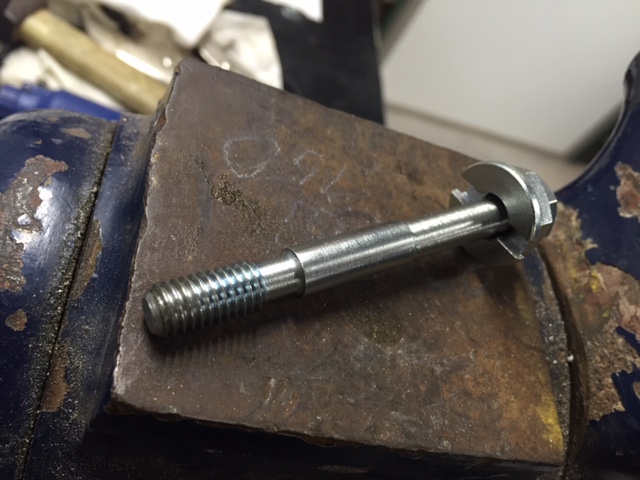
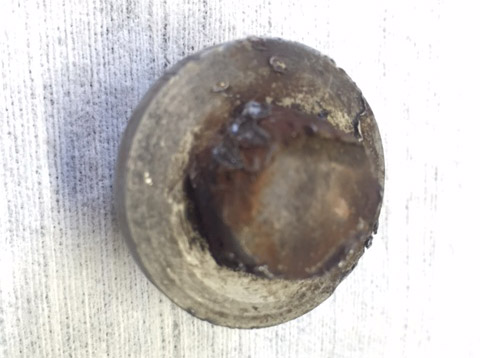
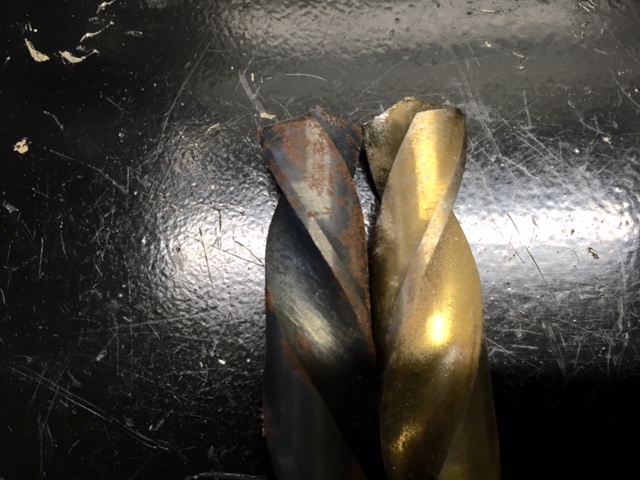 The reason lefty bits are the nads for removing stuck or broken bolts is because of their natural tendency to unscrew whatever they are drilling into. By increasing the bit size in stages hopefully you can get the offending screw so thin that the remaining threads weaken, collapse slightly and wind out of the hole looking like a coil spring. And that’s mostly what happened except the thread came out in pieces.
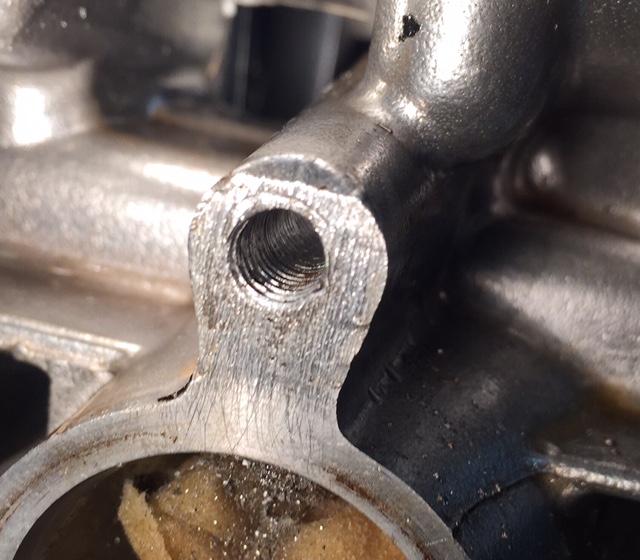 After clearing out the swarf I ran a bottoming tap into the hole and tidied up the threads as much as possible. I will use a slightly longer screw to compensate for the compromised hole but I’m pretty sure it will be fine and I have avoided using a Helicoil thread repair, which is the hack mechanic’s favorite crutch.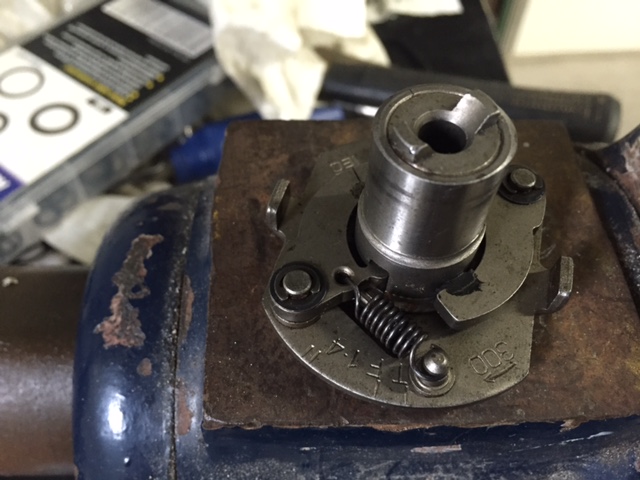
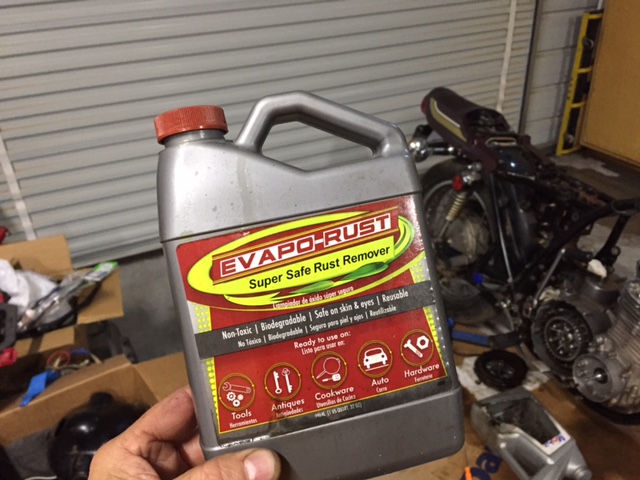
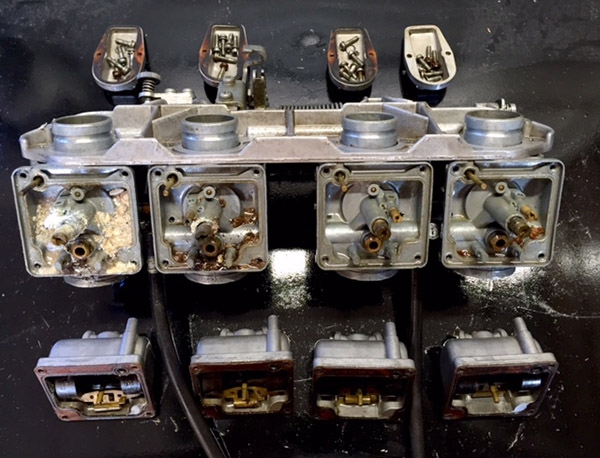
 I haven’t forgotten about the carburetors either. I’ve been soaking them in Evapor-rust and the stuff is doing a fine job. It’s very mild so you can leave zinc carb bodies immersed for days without fear of eating away the good parts. All four of the carbs are clean and I’m waiting on a few parts before I can reassemble the rack.
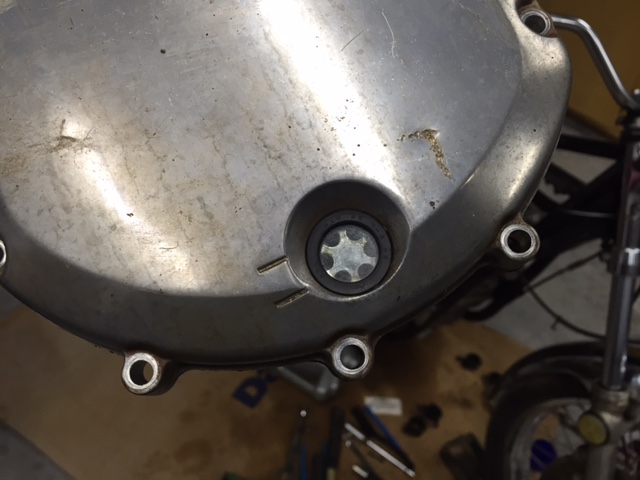
 Zed’s little clutch-cover, oil level window was black with sitting-bike mung. It was so black the oil level could not be determined. I removed the cover and cleaned out behind the metal back-plate. Since I had the cover off I figured it would be a good idea to check the clutch plates for wear. The fibers are within tolerance and the steels are only slightly rusty so I’ll clean all those parts up and Zed should have a functioning clutch.
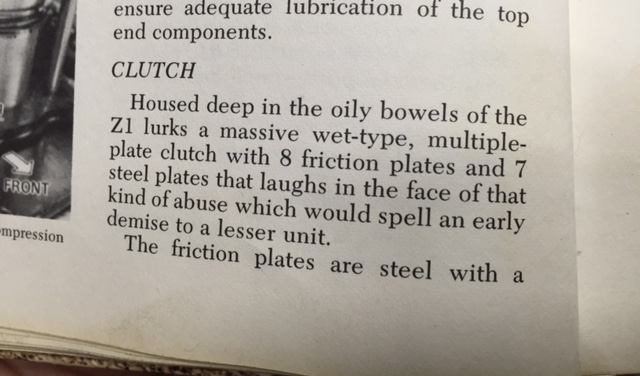
 When Kawasaki designed the Z1 they went all out. This was Big K’s flagship motorcycle and the robust clutch is a fine example of strength. The large, straight-cut clutch gear would not look out of place in a one-ton manual truck transmission. The fingers that locate the fiber plates are surrounded by a steel band to prevent them from spreading under load. This clutch is awe-inspiring and looks like it could handle double the Z1’s 82 (claimed) horsepower. The bike has 41,000 miles showing on the clock and the metal parts show minimal wear. I am impressed.
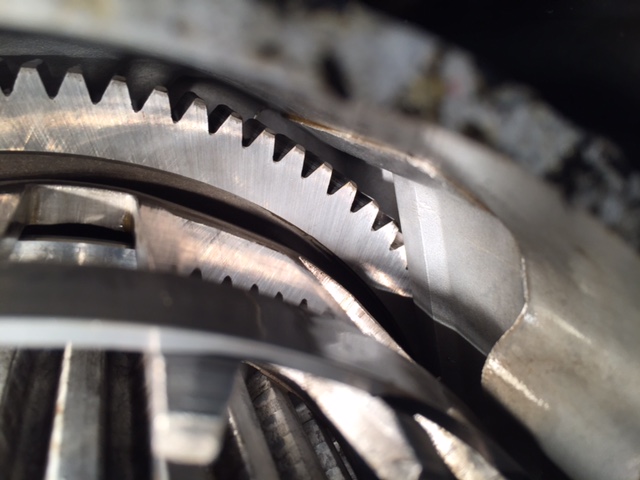 Don’t take my word for it, here is the author of the Z1 repair manual waxing eloquent over the Z’s clutch.
 I’m making another list of parts and will be blowing more money on Zed. I really hope this engine runs without a lot of knocking and the transmission shifts like butter.

 Jack Lewis and I used to work for the same motorcycle magazine. We both started at the magazine about the same time. Our moto-journo fortunes seemed linked for 10 years and we both faded from the magazine’s pages nearly in lock step. One month on, one month off: Being platooned with Jack Lewis was like batting cleanup behind Babe Ruth. The crowd would be atwitter over the mammoth home run Jack smashed out into the parking lot, where the cigarette smoking kids would fight each other for the ball. Then it was my turn. No pressure.
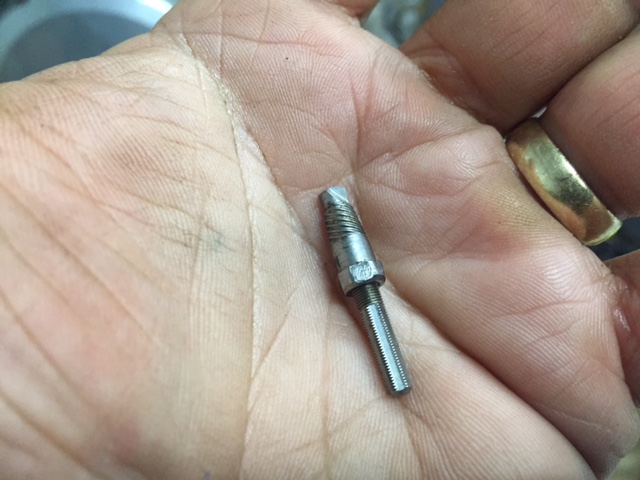 I drilled the screw in stages until I could try my handy-dandy left-hand drill/remover tool.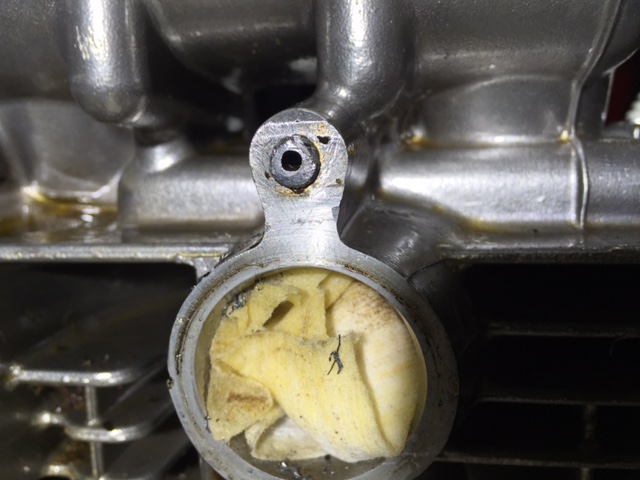
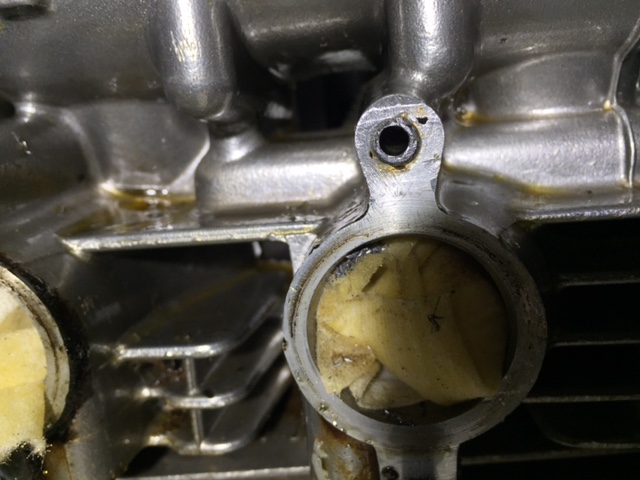 The broken screw is small, like a 4mm, maybe a 6mm and there’s not a lot of room for error. The little extractor tool had a good bite into the screw but the thing would not budge. One thing you don’t want to do is break off an easy out because they are super hard material. There’s no drilling the things and you are well and truly screwed if you manage to get the hole full of busted tool steel. I eased off. Sometimes you make more progress doing nothing rather than doing the wrong thing.
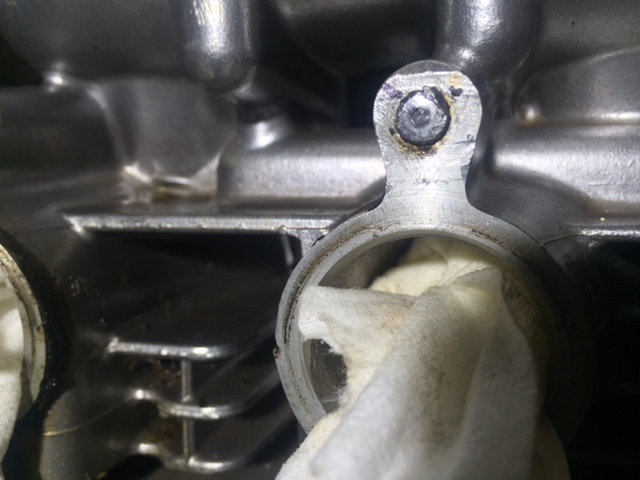 Admitting defeat today I decided to step away from the cylinder head and give the hole a few more days soaking with penetrating oil now that I can get to the backside of the situation. In addition to soaking I’ll heat-cycle the aluminum with a 1500-watt heat gun in the hopes of disrupting the steel screw/aluminum head interface. I guess the worse case would be to drill the thing all the way out and use a thread repair insert but I really don’t want to do that. That would be true hackery.
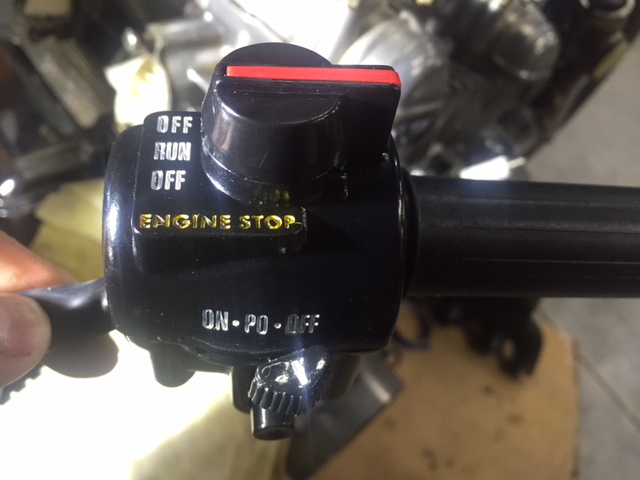 A complete
  Included in the order was an O-ring for the re-sized drain plug and the washer that goes between the oil filter and the oil filter spring. With these parts I managed to get the bottom of the engine buttoned up. Progress has been fitful but Zed is getting closer. I’m really jonesing for concrete so I may have to pull off Zed and pour a yard to keep my soul on ice.
 After I made a particularly snarky Facebook comment regarding some newfangled electronic rider aid, a former editor sent me an email asking why I always slag off electronic controls. He asked if I had ever ridden a motorcycle equipped with traction control, wheelie control, engine power selector toggle or one built after 1971.
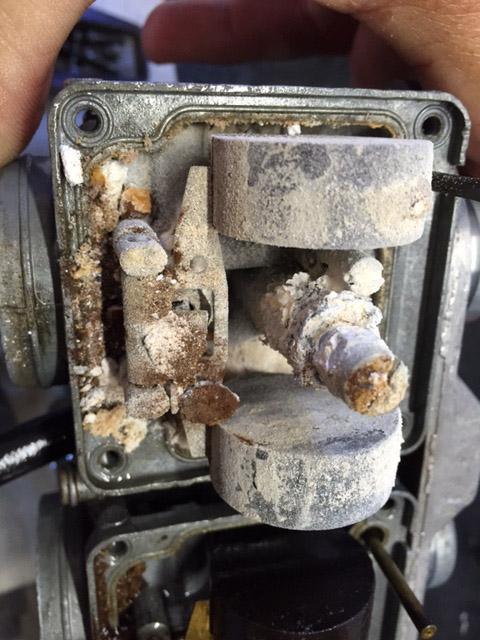 My idealized, simple douche with carb spray has turned into a complete tear down of the 4-carb bank. I haven’t counted but there must be well over 100 parts between the set. Cleaning the white, calcareous deposit liberally coating the inside of the float chamber has kept me occupied and humble.
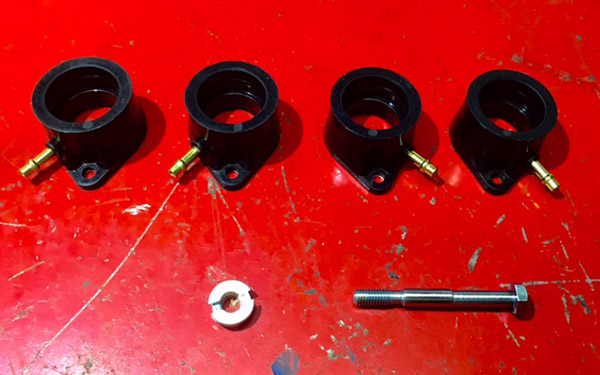
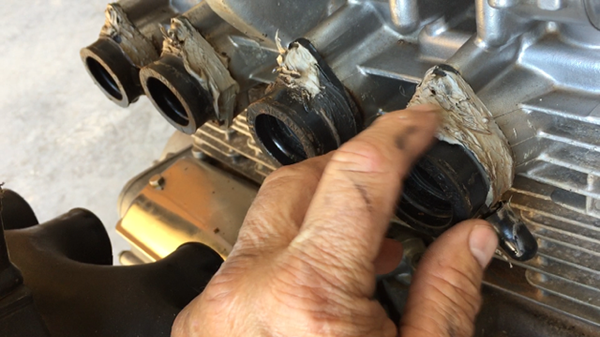
 Parts for Zed have begun to trickle into Tinfiny Ranch’s high altitude motorcycle shop. I scored four new intake rubbers for $50 off of Ebay, which seemed like a good deal to me. Not such a good Ebay deal was the ignition advancer bolt and grooved washer. I paid $19 and later found the two parts on Z1 Enterprises for $13.
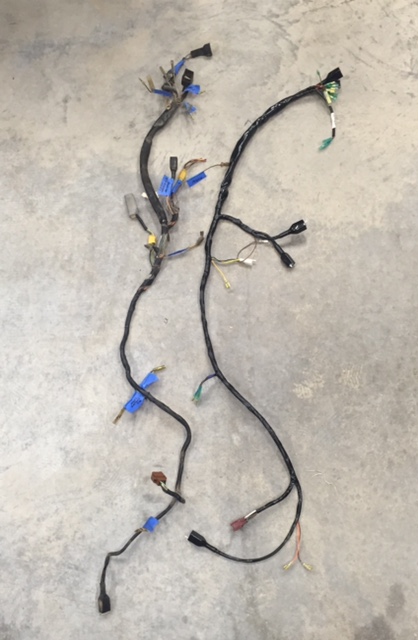
 Z1 Enterprises has a lot of Kawasaki Z1 parts for not unreasonable prices. I bought a complete new wiring harness for $139. The harness comes with the main wiring loom, the gauge cluster loom, the rear tail light/blinker loom and the loom underneath the battery box that the regulator, stator, main harness and some other junk I can’t remember plug into.
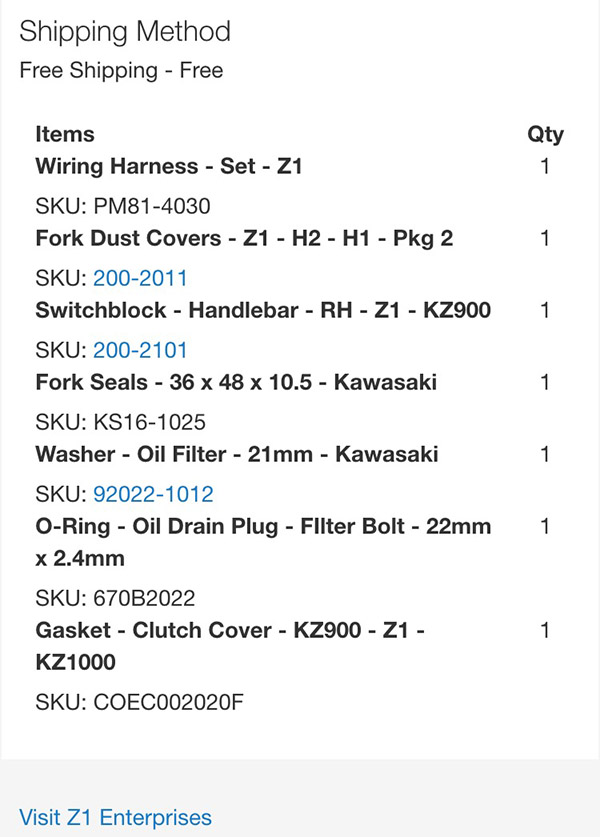 I’m into Zed’s resurrection for about $240 so far. I’ll be going back to carb cleaning now. The things are a mess and every time they dry out a new, white-powder film appears. I’m using mild solvents so far but I may have to step up my game to get the carbs spic and span. You know the routine; Part 4 to follow.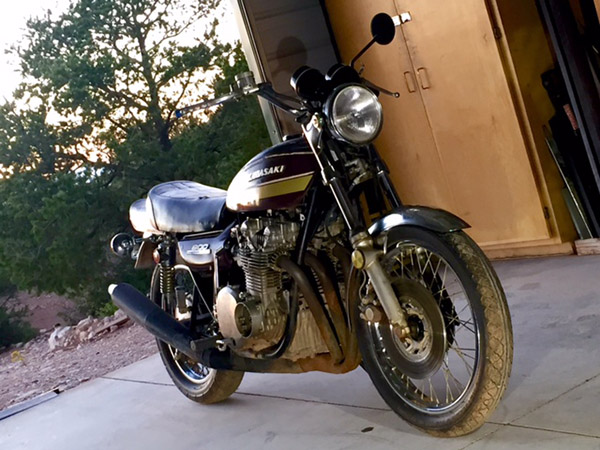
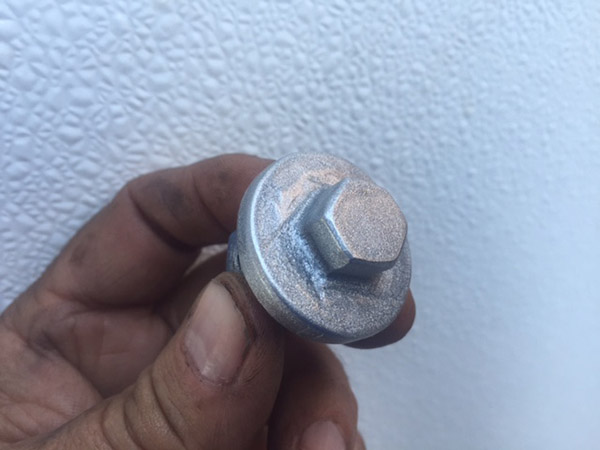
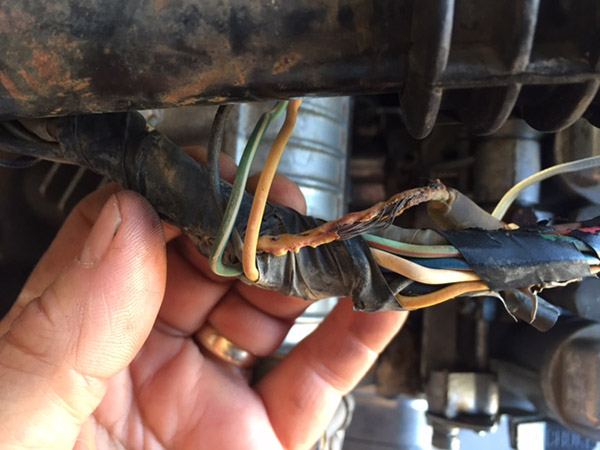
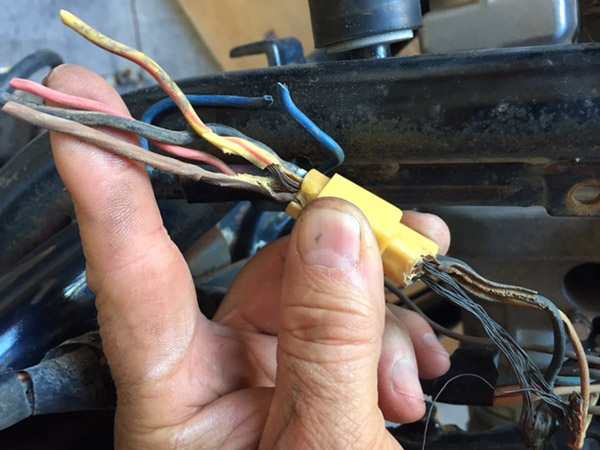
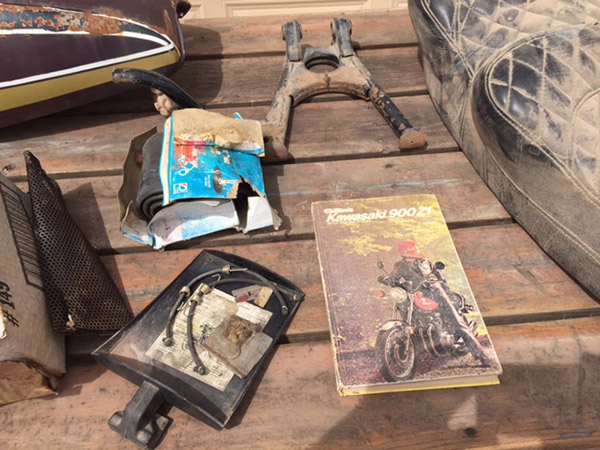
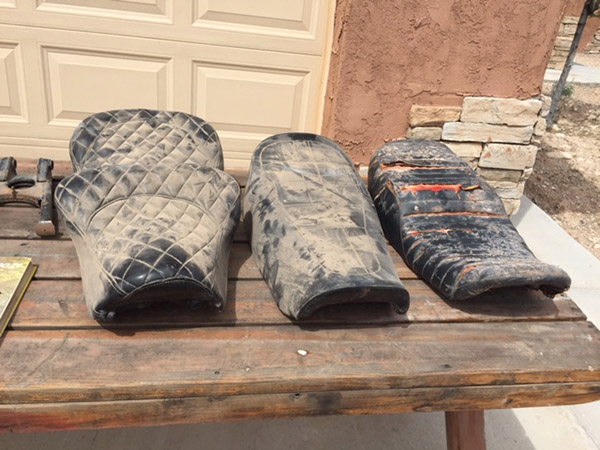
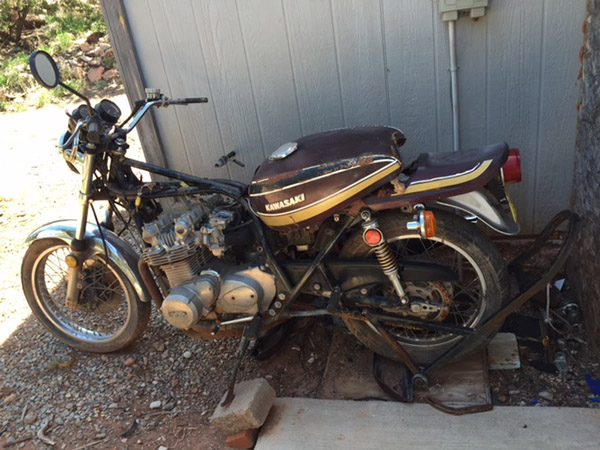 Zed came with no title, two Emgo café farings (one color-matched!), three seats, a box full of parts, a repair manual and any other bits I could find digging through the little junk-filled storage area next to the bike. Zed’s chain was rusted and the bike was difficult to push. I used a come-a-long to winch the thing up into the truck and hauled the mess back to our rental place.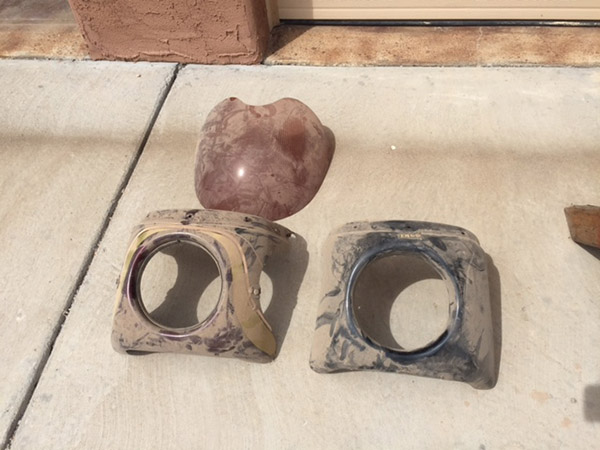
 Then they sold the place we were renting. CT (my wife) found another rental in Tularosa, 10 miles north of Alamogordo and we hauled all the junk we had accumulated, including Zed, to the new joint.
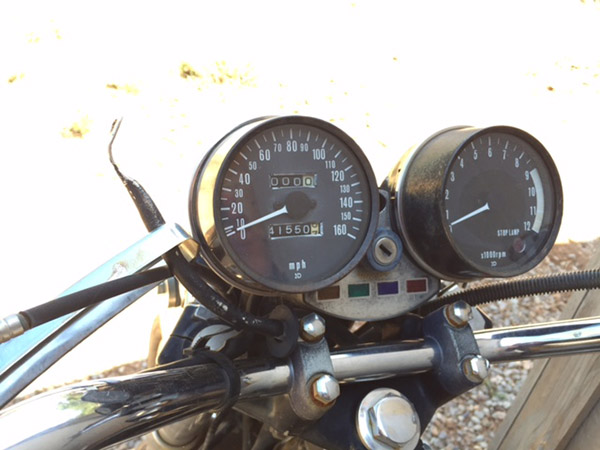 Yeah, I’m gonna fix it, but not a restoration, that’s for people who can’t accept a missing eye on an old teddy bear. Life leaves scars. This will be a repair, a salvage operation to get Zed back on the road. I don’t know how long it will take but I know now is the time to start. At this point in my life I’m in no rush and it looks like Zed isn’t going anywhere either.