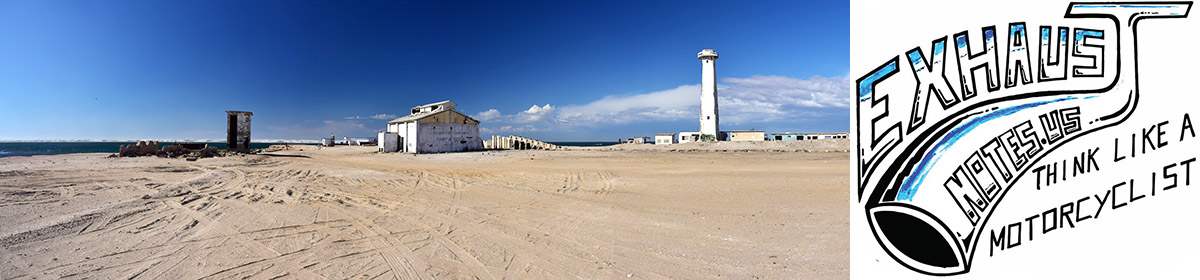
The right bike and the right clothes make for good traveling, and this is especially important when you’re riding Baja. Travel light and travel right is the way to go. What you don’t want to do is travel like I did on my first Baja trip. On that one, my Harley looked like that opening scene in The Beverly Hillbillies (you know, the one with everything strapped to Jed Clampett’s old pickup, including Granny in a rocking chair on top).
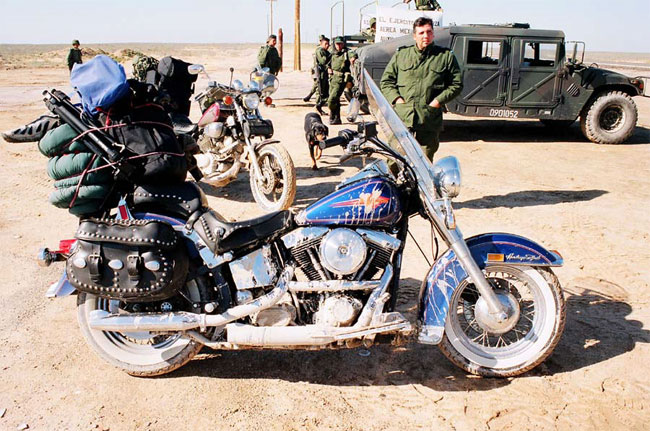
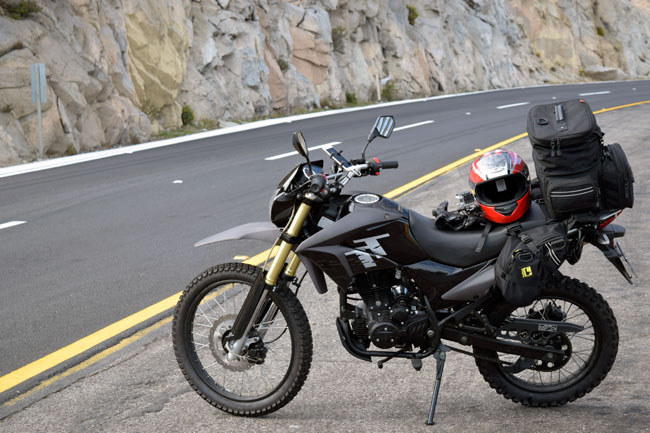
I guess it all starts with the right bike, and for all of us, that’s the bike we have. I’ve ridden Baja on many different motorcycles, and they all worked for me. My preferred bike for Baja riding, though, is my CSC RX3, which I think is perfect (especially with its standard luggage). I’ve settled on a 250 as the perfect size for real adventure travel (your choice may be different, I’m not trying to pick a fight, and if my choice upsets you, hey, you’re young…you’ll get over it).
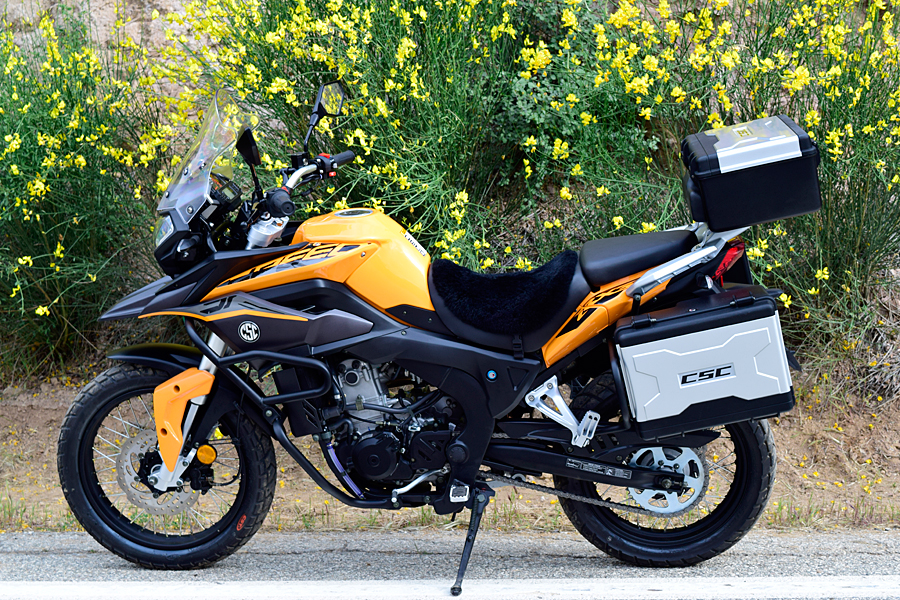
When I’m on the RX3, I can carry everything I need in its two panniers and the top case, with nothing strapped onto the bike with bungee cords. I don’t like to carry stuff outside the luggage, because everything is locked and I can leave the bike when we stop to eat or take pictures without worrying about anyone stealing anything. I’m usually carrying more than most of the folks I ride with, too, because I’ve got my Nikon DSLR, a laptop computer, the power supply and cord for the laptop, the recharger for the camera battery, an extra camera battery, and a laptop mouse. I need to keep the beast fed (i.e., this blog), and I blog daily from the road. The top case is devoted to the computer and the camera gear. I keep tools, spare parts (you can read about recommended Baja spares here), and chain lube in the right pannier, and clothes in the left pannier. Remember what I said above…travel light and travel right.
If I’m on a bike that doesn’t have luggage, my preferred approach includes an older Nelson Rigg tailpack and a set of Wolfman soft pannier bags. That’s all I need. These two items go on and off the bike easily and they are high quality items. I bought the Nelson-Rigg tailpack 20 years ago when I rode Baja on my TL1000S, and I bought the Wolfman bags from CSC when I rode Baja with my TT250. I’ve been impressed with both the Wolfman and Nelson-Rigg brands. Wolfman, especially…it’s good gear.
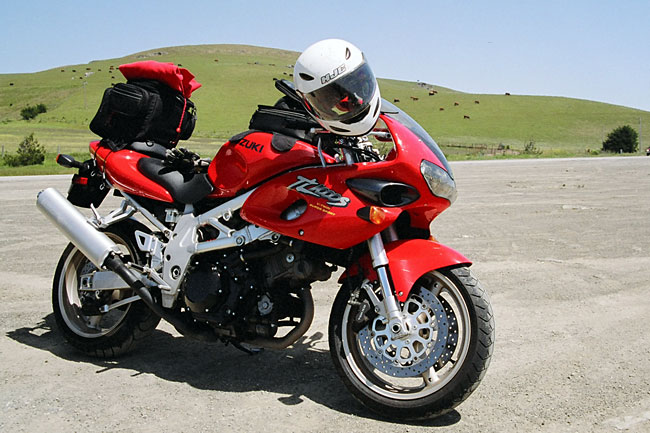
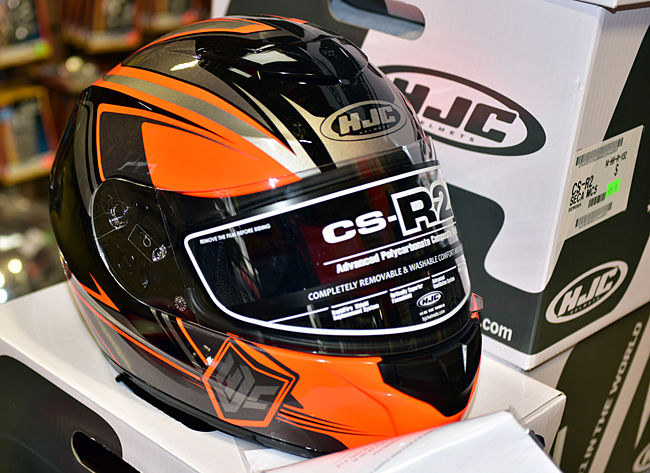
My helmet is another item I bought from CSC. It’s an HJC and I like it. It’s not heavy (which makes a huge difference when you’re covering hundreds of miles day after day) and it’s comfortable. I’ve tried others, but I keep coming back to the HJC line. I have a Scorpion, but it doesn’t have a visor position that allows opening the visor slightly for air flow. Others don’t form a good seal between the visor and the helmet, so when it rains the visor gets wet on both the inside and the outside. Nope, for me that HJC works.
My jacket is made by Olympia. I like it because of the color (fluorescent yellow), and the fact that it is all one color. Most (maybe all) of the other fluorescent yellow jackets available today have black panels along with the fluorescent yellow and I don’t care for that approach. My jacket has a removable liner and it keeps me warm, and at night if it’s cool and I’m off the bike, I can wear just the liner as a light jacket.
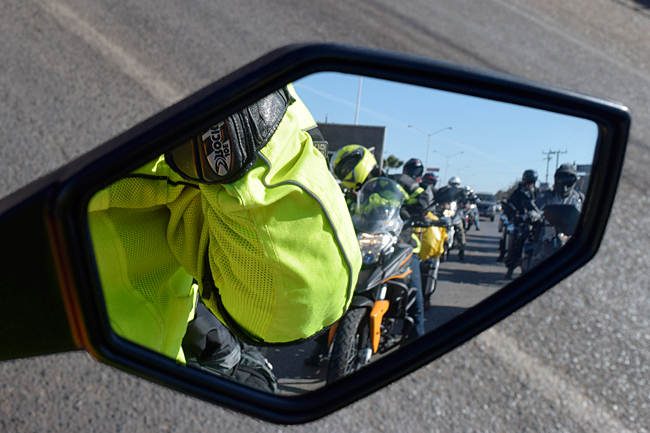
I should mention that I hated the Olympia jacket the first two years I owned it. Olympia used cheap stitching when they had these made, and most of it came undone. Every time I washed that jacket, more stitching came apart. Oly wouldn’t make good on it (they were quick to point out that the jacket had a 1-year warranty). I paid a tailor to resew all the seams, though, and after that, it stayed together (even after repeated washings). It’s the jacket I wear most often now.
I always bring along my R Heroes 505 workshirt, an ultra-high quality sweatshirt I wrote about in an ExNotes blog a few months ago. I own two of these shirts (one of which has held up for 10 years now). It’s warm and it’s extremely comfortable. It’s also loose enough that if you’re carrying a concealed sidearm, it provides good coverage (don’t do that in Baja, though). I love my R Heroes shirts.
I wear Walmart jeans (I’m not into fancy jeans and I think anybody that pays big bucks for blue jeans is bonkers) and an old set of motorcycle pants. On warmer days, the motorcycle pants go into one of my bags and it’s just the jeans. On cooler days or if it’s raining, I wear both. My motorcycle pants are water resistant but not waterproof (if the rain lasts long enough, they’ll soak through). Every year or so, I’ll spray the paints with Kiwi water repellant to refresh the Scotchguard. I’m kind of embarrassed that I don’t know who made the motorcycle pants. I’ve had them for more than 20 years and the labels are long gone.
My gloves are Joe Rocket. Joe Rocket gear is reasonably priced and the quality is there. I have two pair. I cut off the right index finger tip off on one so I can work my iPhone when I’m using it as a nav system. I also have an older set of BMW cold weather riding gloves, and they work gangbusters. I think I paid a hundred bucks for the BMW gloves (everything that says BMW is big bucks), but on supercold mornings, I’m constantly reminded that was money well spent.
The last item I’ll mention are my boots. I’m not a big fan of any of the motorcycle-specific boots because they are too big, too heavy, and too uncomfortable when you get off the bike. I like military or police style boots, and my preferred brand is from an outfit called HAIX. They’re Austrian (the boots are actually manufactured in Croatia). They’re expensive (about $200), but they are worth it. The first pair I bought lasted 10 years. I bought a new pair a year or two ago, and I’ll get 10 years with them, too.
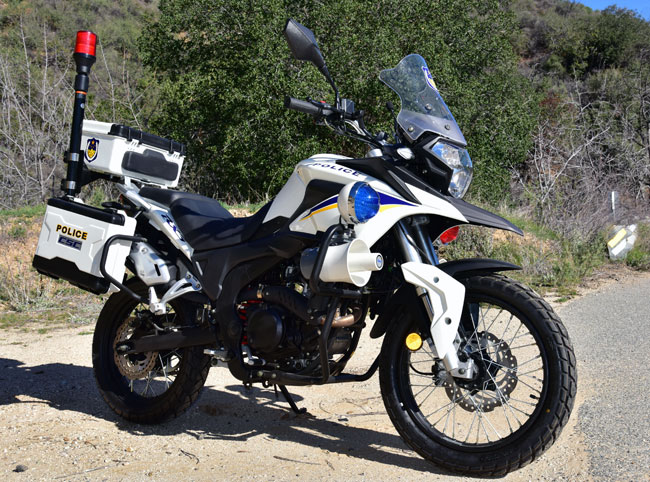 A few years ago when visiting the Zongshen plant in Chongqing, I spotted an RX3 set up as a police bike. It caught my eye for several reasons. First and foremost, it was a snappy looking motorcycle. I had written the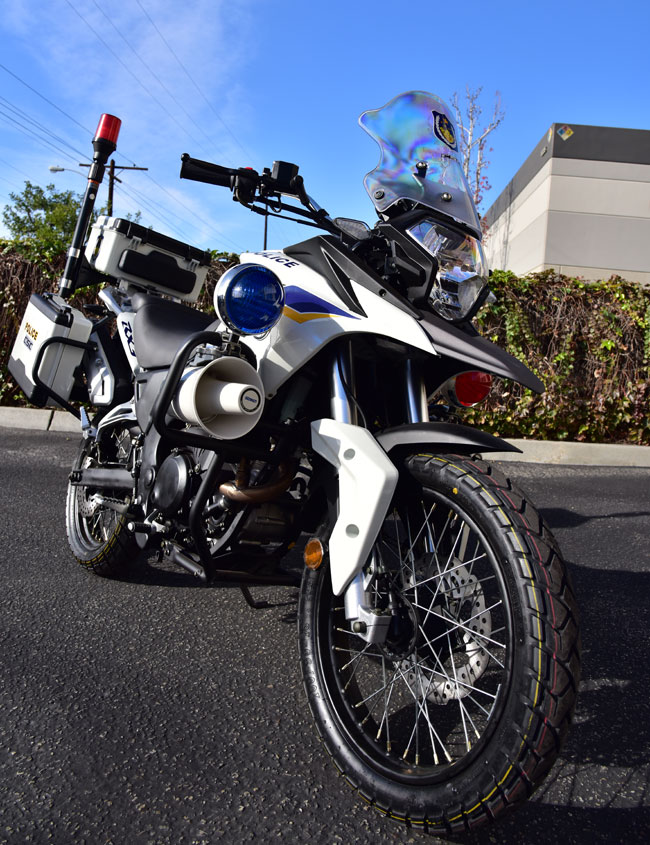
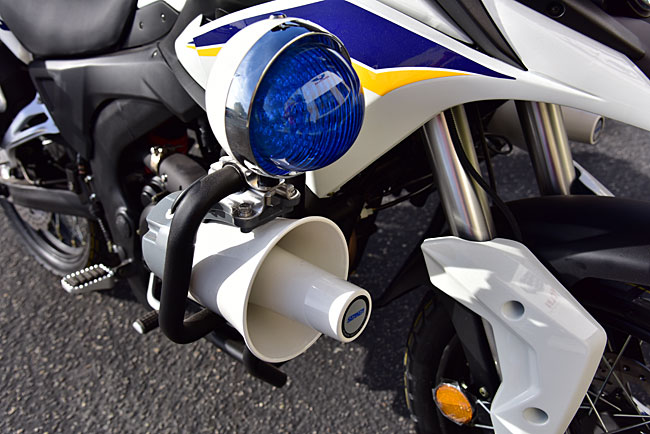
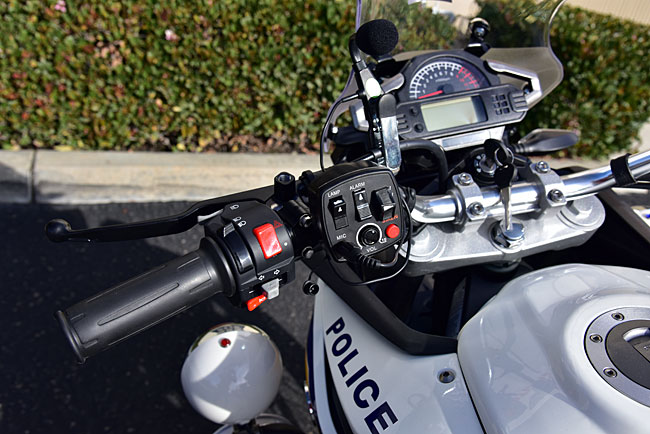 I was still pumped about the police bike, though, and I convinced CSC to bring the RX3-P to the US for a trial marketing period. You can see my enthusiasm in the video we put together on the bike…
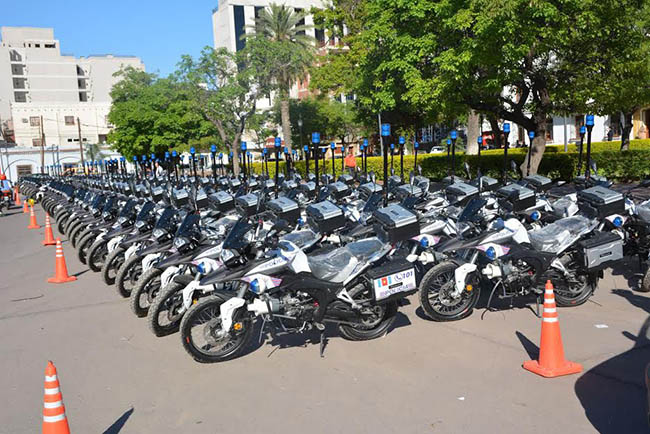 We publicized the bike big time on the CSC blog, and I think that got noticed around the world. The RX3-P found a home with several large police departments in Asia and South America. That’s a good thing, because it’s a great bike. I’d still like to see it happen here in America. I imagine Zongshen will introduce a police version of their RX4, and maybe that larger bike will have a better chance at breaking into the US police motorcycle market. Someday. Maybe. We’ll see.
 The China tour story I wrote took a long, winding road to publication. I like to pre-sell any feature-ish story and since we had recently done another big CSC story at That Other Magazine I pitched the China ride to Editor in Chief, Marc Cook. He liked the idea and suggested making the story less about the CSC motorcycle and more about the ride.
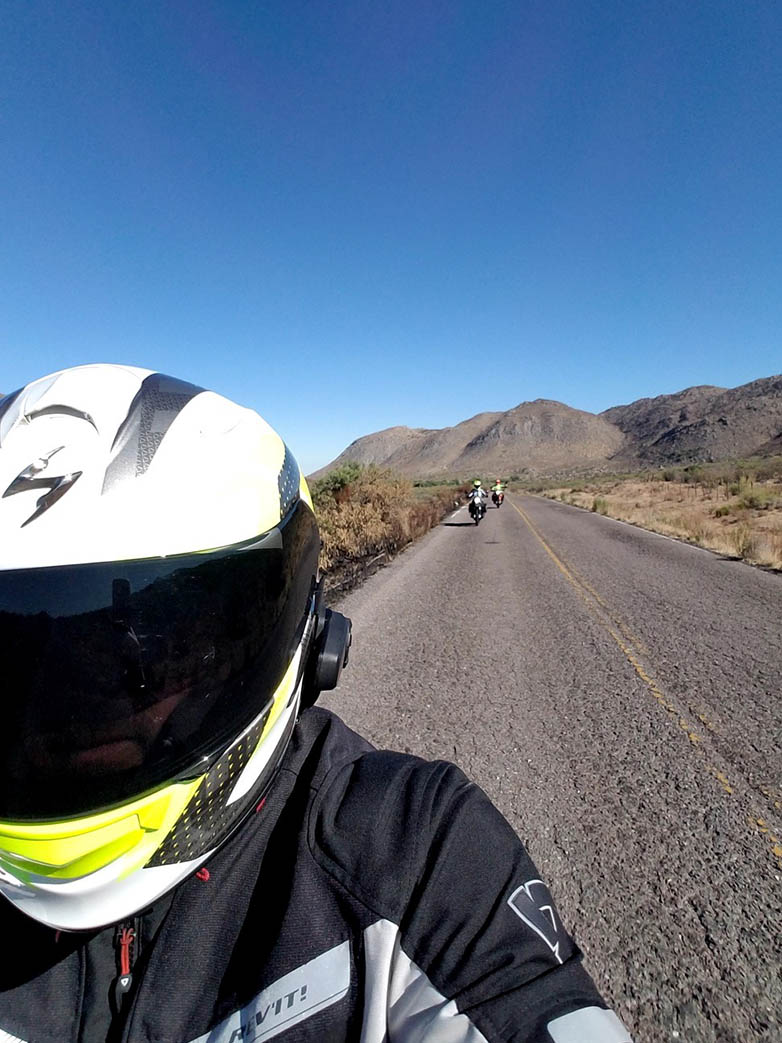 Two cousins, and one’s 18 year old daughter, ride their CSC RX3 250cc adventure bikes on a 5 day adventure in Baja, Mexico.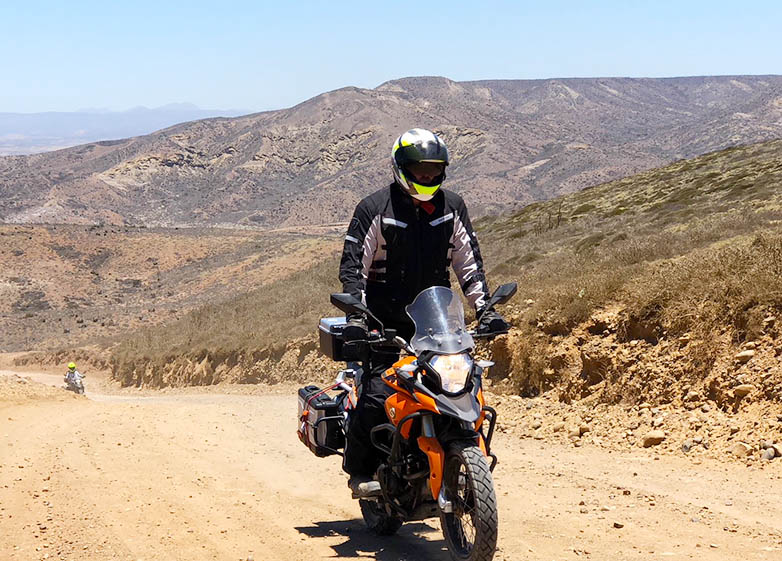
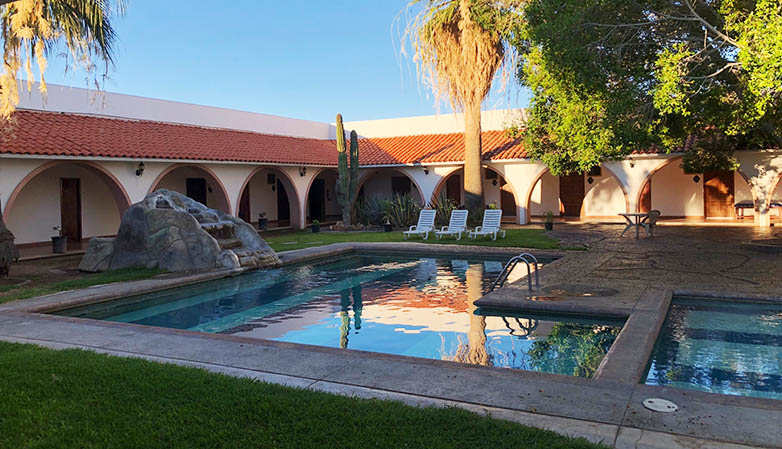
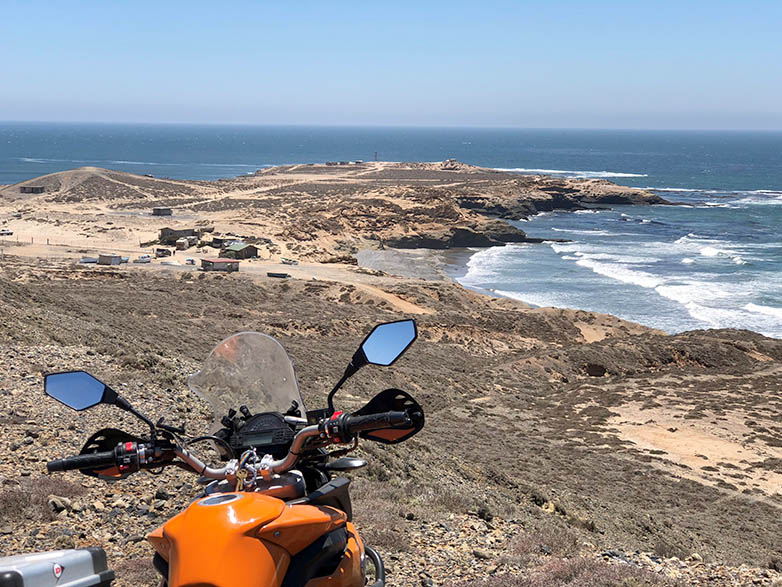
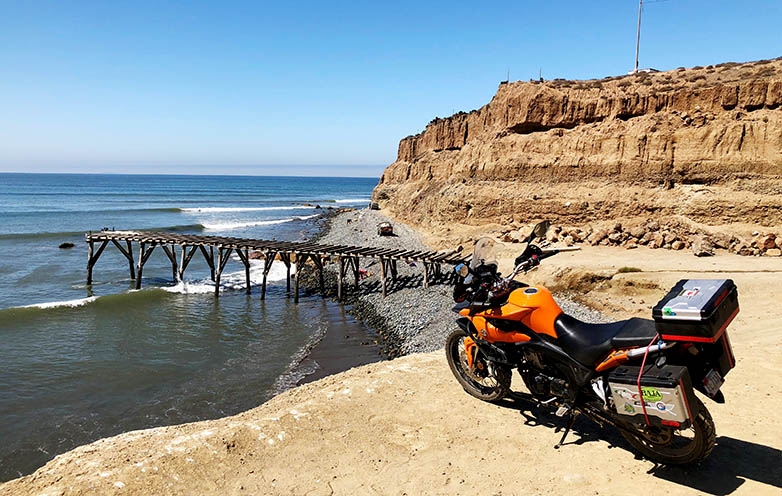 Day 3 – We rode south along a beautiful coastal section of Hwy 1 before a short but fun mountain pass, a military checkpoint, and then into El Rosario, where we decided to take the 16km (10 mile) dirt/gravel road out to Punta Baja, which is just a little fishing village with a dozen or so buildings. We asked some fisherman and found a little collection of picnic tables on a dirt floor under a building, where a lovely woman named Betty made us some abalone soup and fish tacos, and we met a lawyer from Texas with a dual sport and a surf board that was staying in one of the rooms upstairs and still hadn’t figured out how to work the toilets. The ride back to the highway was fast and fun, now that we knew the road and where the dogs would make chase. Next we rode up up up and into the desert of giant boulders and giant Saguaro cactus on our way to our turn-around point of Cataviña, where we stayed at the nice but pricey Hotel Mission Cataviña, with its delicious Micheladas and iffy electricity.
 Day 4 – Since there are no gas stations, we began our ride back northwest by buying three plastic jugs of gasoline from some guys on the side of the road with our last twenty dollars cash, and had a lovely early morning ride through the desert before the day got too hot. Coming back to El Rosario, we had a fantastic mid-morning breakfast at the famous Mama Espinosa’s (cash only, try the ABD Supermarket), and headed north again. Back in Ensenada we cranked the Mexico-style adventure to eleven and got matching tattoos before having some tasty street tacos and cervezas.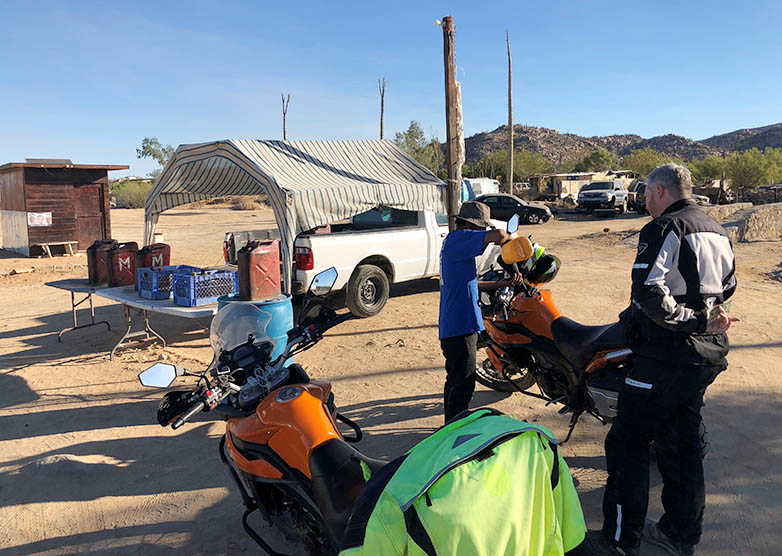
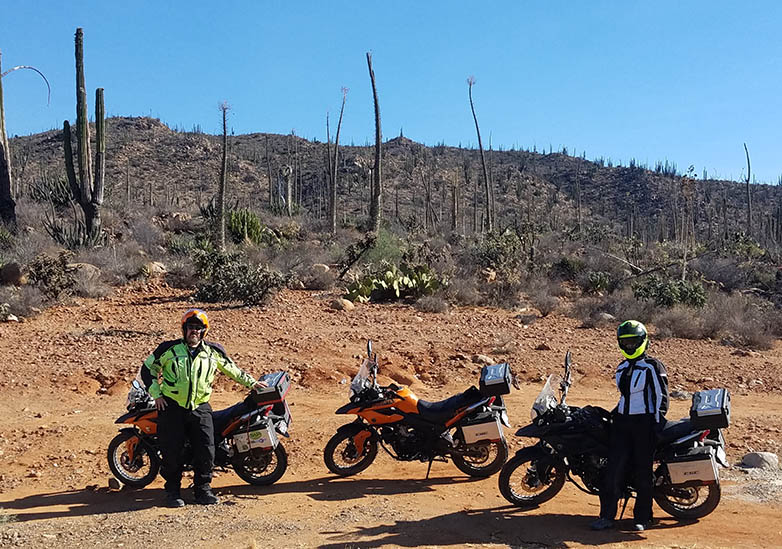 Day 5 – Taking Hwy 3 just north of Ensenada, we finally passed a stinky truck likely carrying fish guts and rode the beautiful La Ruta del Vino (wine route) through the Guadalupe Valley and the mountains towards Tecate. We jumped on our last chance for some authentic Mexican street tacos at Tacos el Guero, and then we rode up Presidente Rubio Street and popped out right at a gap in the traffic barriers to meet the front of the line to cross the border. We were waved in by a nice man in a Mexican-plated pickup truck. Total time to cross: about 4 minutes. The hill country ride up Hwy 94 was a pleasant re-acclimation to driving in the U.S., and soon we were splitting lanes on the 15 North back to the LA area.