
By Joe Berk
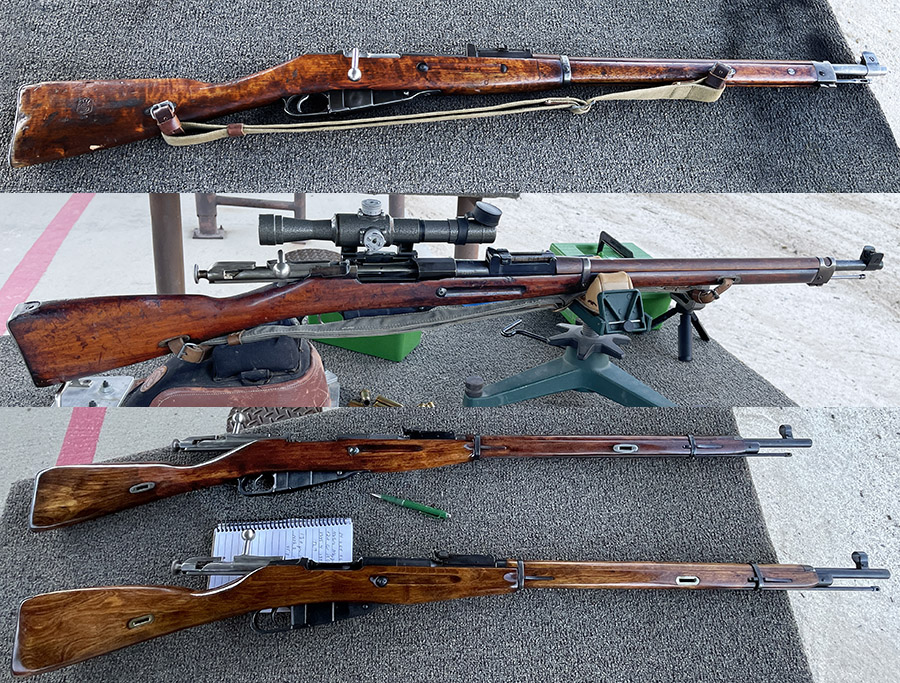
Yep, this is another “A Tale of (fill in the number) (fill in the firearm)” blog. The topic du jour? Four Mosin Nagant rifles. My two Mosins have appeared many times in this blog before; my buddy Kevin’s two Finnish Mosins are new to these pages. In the photo above, Kevin’s rifles are the two on top; mine are the two lower rifles.
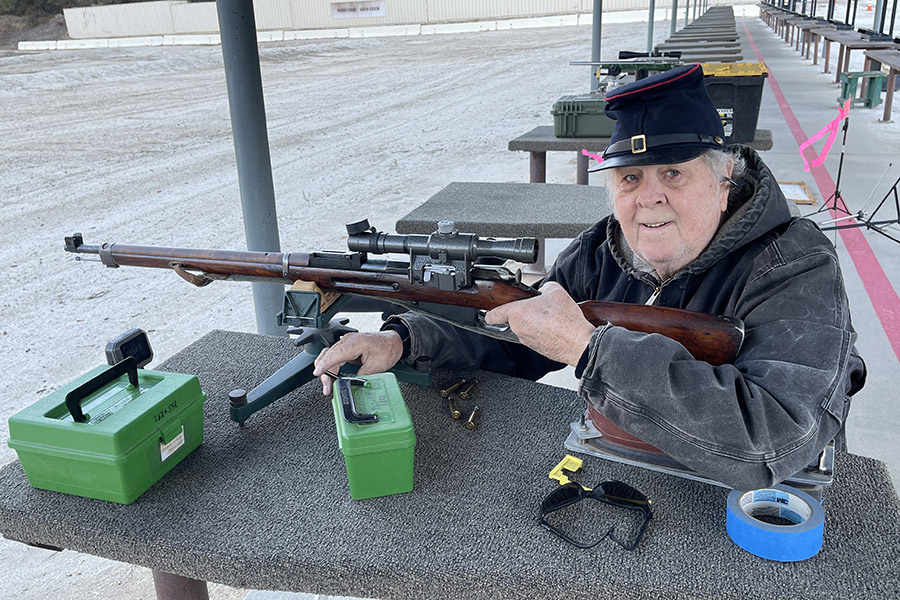
It was another early Wednesday morning at the West End Gun Club (we were there before sunup, and we had to wait for enough light to shoot). The objective for me was to evaluate “the load” in the Mosin (more on that in just a second) and to simply enjoy another day on the range. Any day on the firing line is a good day.
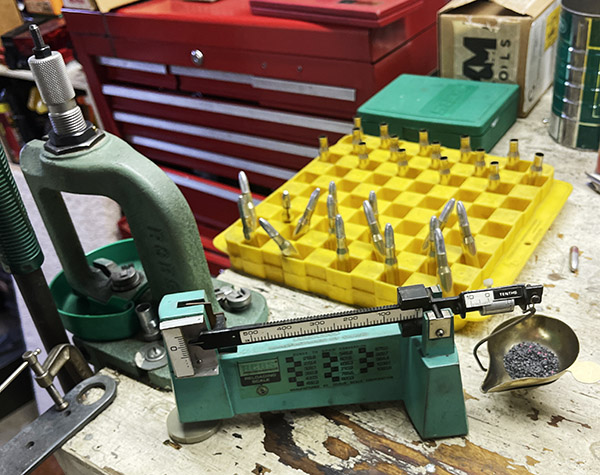
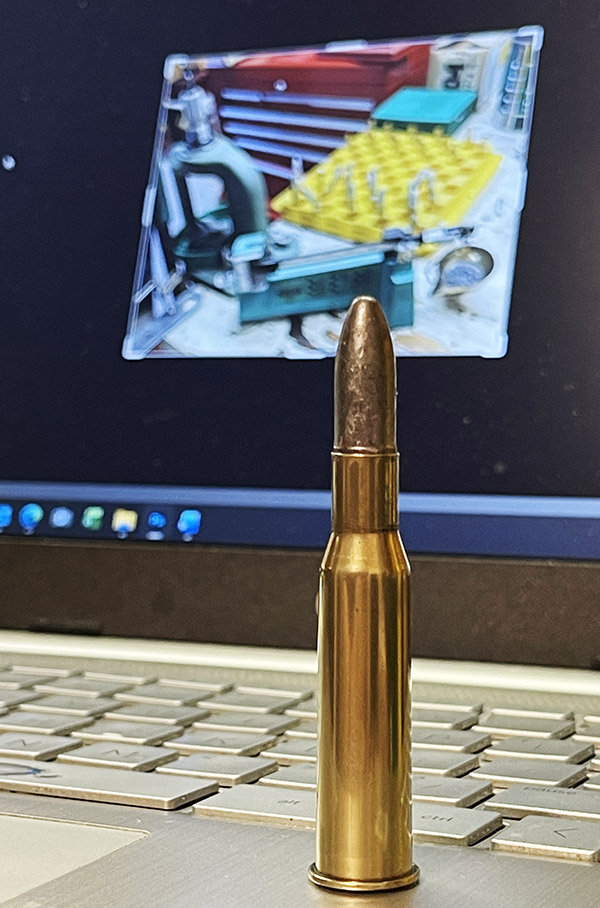
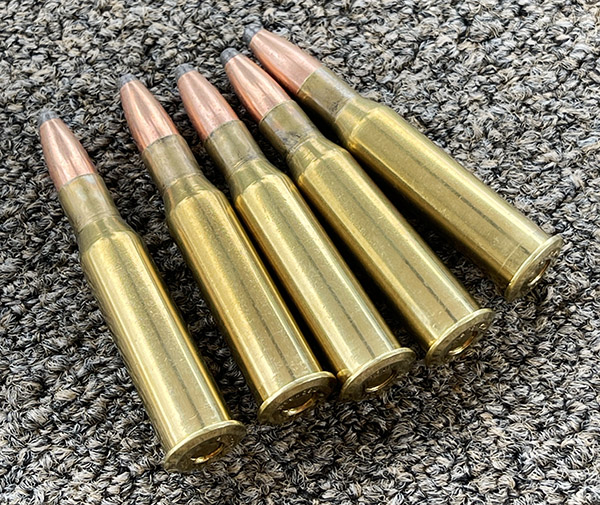
On that topic: The Load. If you play with .30-caliber rifles, shoot cast bullets, and spend any time around rifle cast bullet shooters, you’re going to hear about “the load.” The conventional wisdom is that 12.0 grains of Red Dot powder works well with any weight cast bullet in any .30-caliber rifle. 7.62x54R, the cartridge the Russian Mosin-Nagant fires, is pretty close to .30 caliber. Its bullets are 0.312 inches in diameter, which is very close to the American .308-inch diameter rifle cartridges for which “the load” is appropriate. I couldn’t find anything on “the load” for the Mosin-Nagant, so I wanted to try it myself to evaluate its performance. (Update: Good buddy John later sent an excellent article on the use of cast bullets in the Mosin-Nagant, and it mentions a 13.0-grain Red Dot load in the 7.62x54R cartridge. That article can be found here.)
I loaded at three levels: 12.0 grains, 13.0 grains, and later (after trying both loads with no pressure signs), 13.5 grains of Red Dot. I used the same 200-grain cast lead bullet I’ve loaded for the Mosin and my Modelo 1909 Argentine Mauser in the past, and I loaded 15 rounds at each level. The bullets were seated with no crimp just below the first driving band, with a cartridge overall length of 2.900 inches.
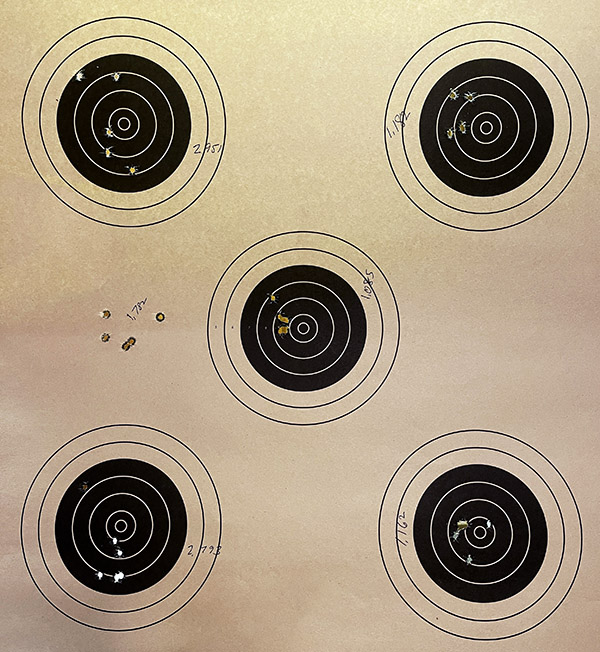
“The load” (i.e., 12.0 grains of Red Dot) for me was just so so. At 50 yards, the first group of five shots went low, just making it onto the bottom of the target. I came up three notches on the Mosin’s rear sight, and the next group was still a bit low. I bumped it to 8 notches, and that group was high. The groups weren’t great, but they weren’t terrible, either. As a point of reference, my usual cast bullet load for the Mosin is 18.0 grains of SR 4759. That one is spot on at 50 yards (it does well at 100 yards, too), it shoots a much tighter group, and it shoots right where I want it to with the Mosin’s rear sight a few notches up.
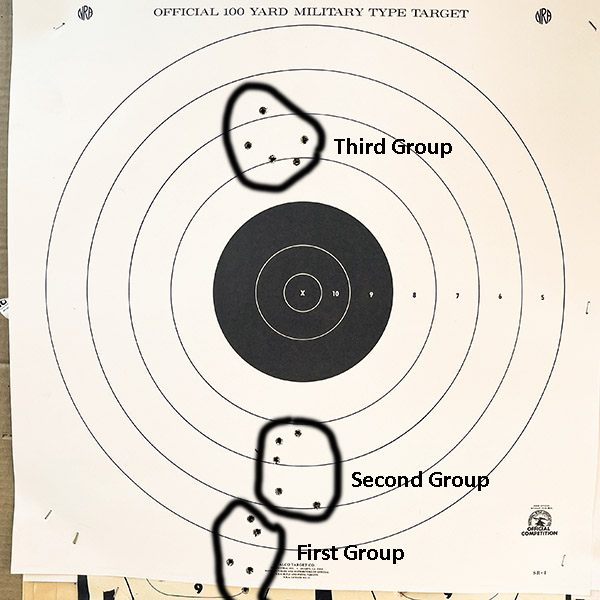
I then moved on to the next target with the 13.0 Red Dot grain load, after dropping the Mosin’s rear sight down to 5 notches above zero.
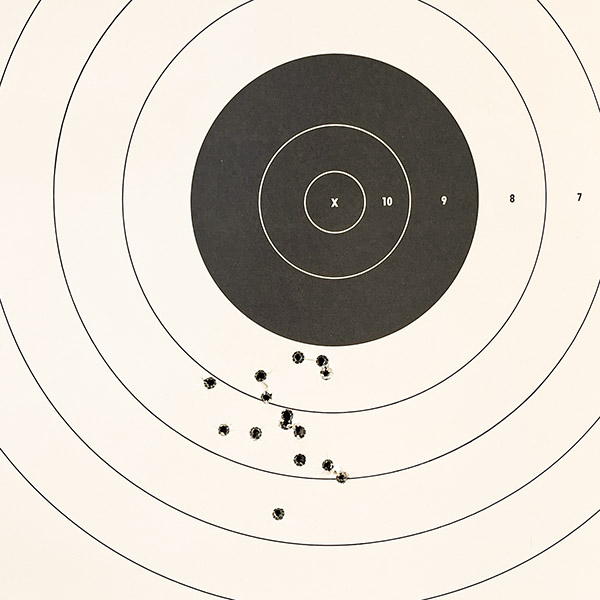
All this intrigued me, and as mentioned above (and after seeing no excess pressure signs), I went up to 13.5 grains of Red Dot (with the same bullet). I didn’t save the target, but I can tell you that the group was a little tighter. The 13.5-grain Red Dot load was better than the other two, but not as good as I remembered my preferred 7.62x54R cast bullet load (and as mentioned above, that’s 18.o grains of SR 4759 propellant).
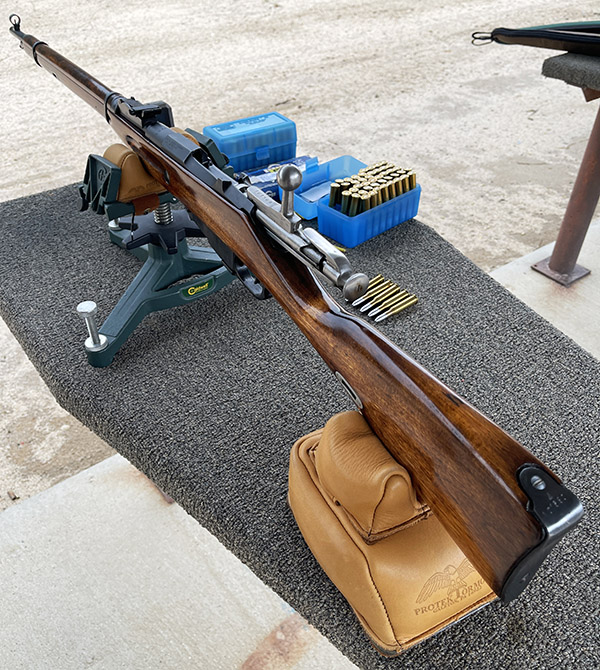
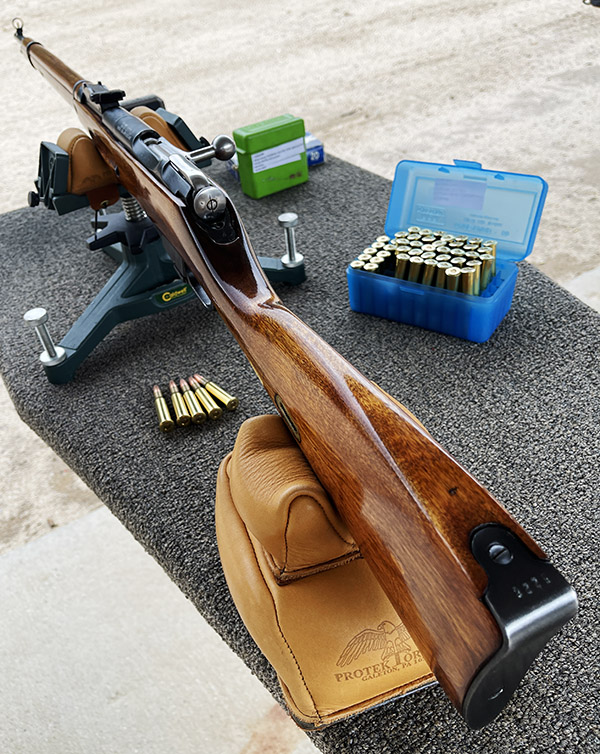
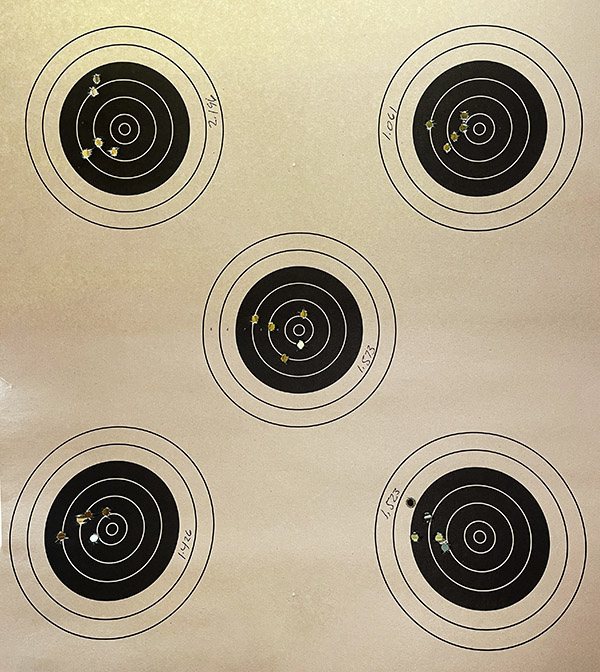
Later than morning, I switched to the Mosin I use for jacketed bullets. I shot my standard jacketed bullet load (a 150-grain jacketed PPU softpoint bullet with 43.7 grains of IMR 4320). I was disappointed with the groups. At 50 yards and on a good day, I used to be able to shoot one ragged hole. I guess I wasn’t having a good day. Nah, scratch that. See above. Any day on the range is a good day.
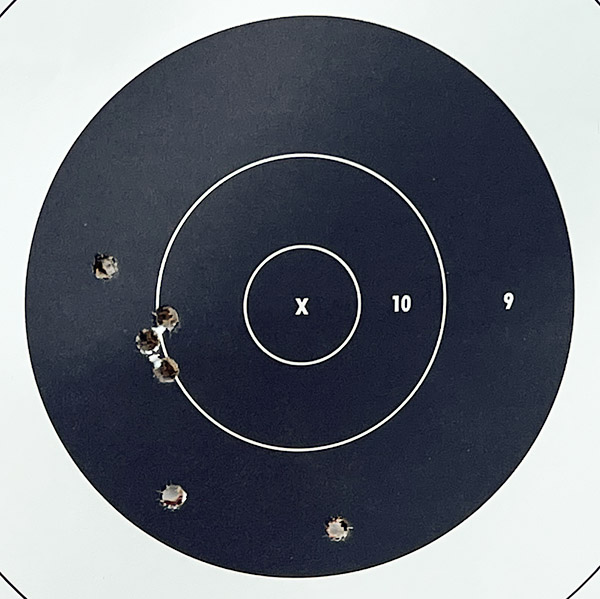
But still, those jacketed groups bothered me, as did the chrono data for the jacketed load. The spread and the standard deviation were huge. Something had to be going on (the jacketed loads had never performed this poorly before), so I looked at the brass more closely to see if what I thought was happening had actually happened. Sure enough, I had case neck splits and impending case separations. This brass had been reloaded too many times, neck tension on the bullets was probably inconsistent due to the brass work hardening, and the cracked cases were allowing pressure to escape. Small wonder the chrono data and the groups were terrible.
I then moseyed over to Kevin’s bench. He was doing a lot better than me. His Mosins are better than mine, being Finnish rifles with Sako barrels, and I think he is a better shot (but don’t tell him I told you that). He’s probably a more diligent reloader, too.
Both of Kevin’s Mosins were taken from the Russians during Finland’s winter war with Russia in 1941. They were both rebuilt and rebarreled by the Finns with Sako barrels. Among Mosin collectors, they are considered the most desirable rifles.
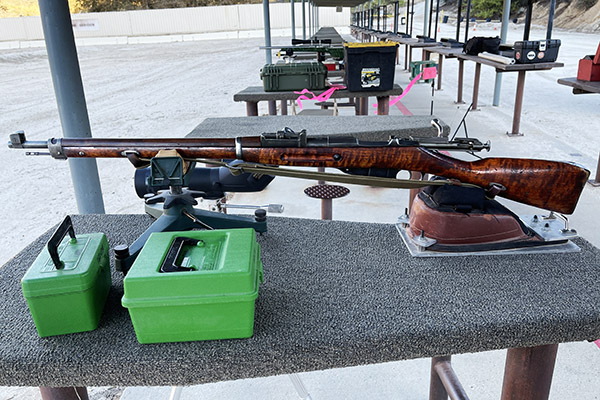
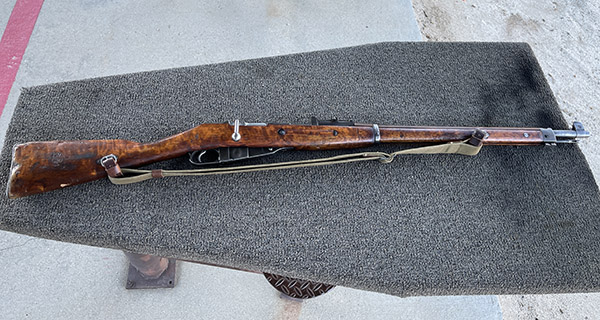
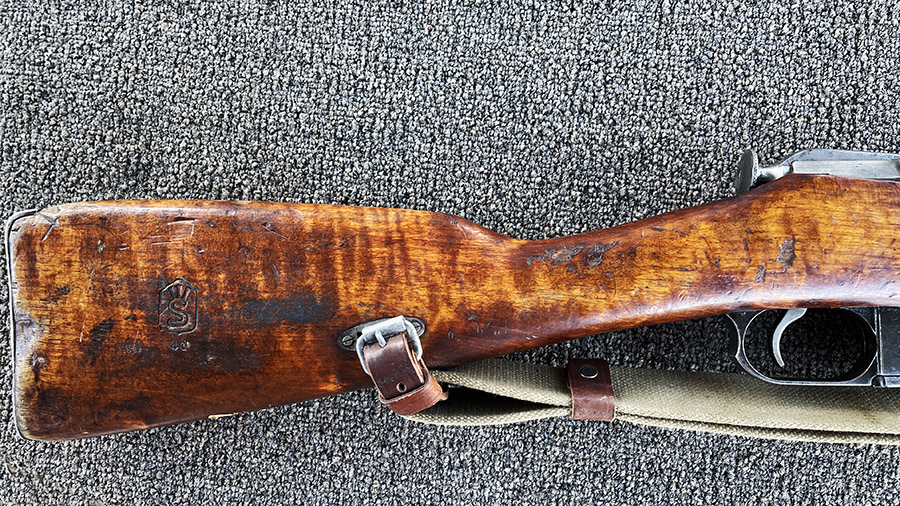
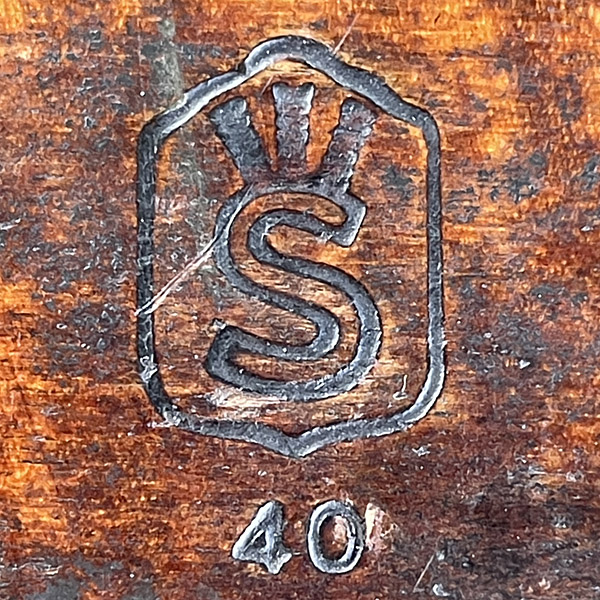
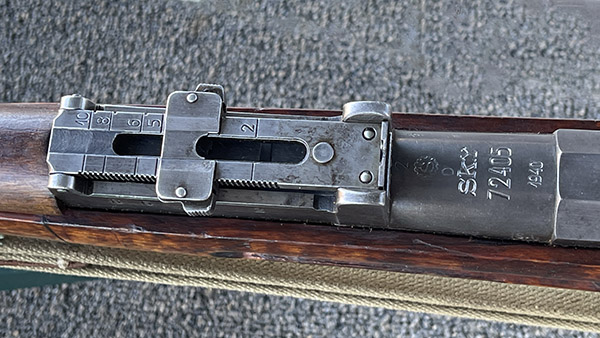
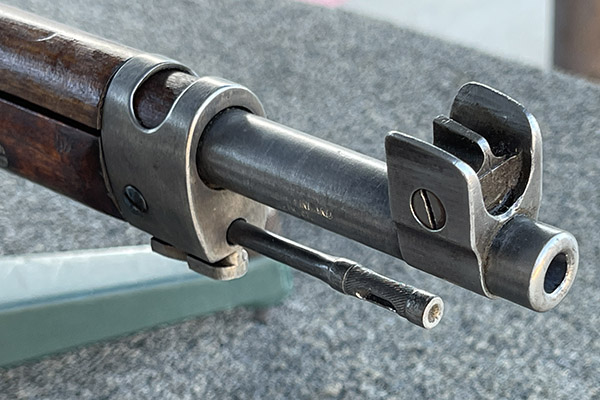
Kevin, like me, reloads his own ammo. He also shoots both jacketed and cast bullets in his reloaded 7.62x54R ammo.
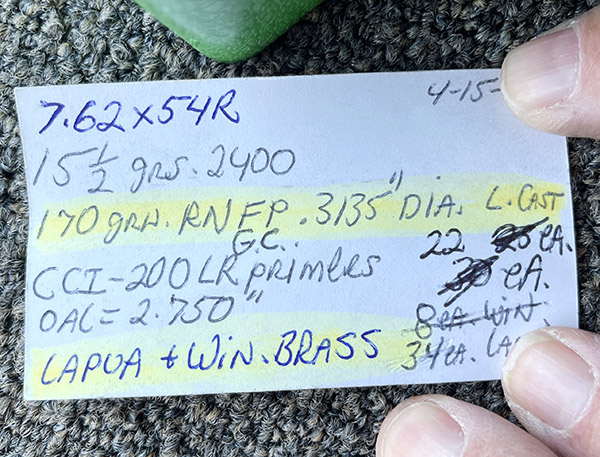
I grabbed a quick video of Kevin shooting his scoped 1941 Sako-barreled Model 28-30 Mosin-Nagant. You can see in the video that shooting cast bullets in these rifles is very pleasant. The cast bullet load’s lower velocity makes for much lower recoil.
Kevin’s 50-yard cast bullet groups were, as mentioned above, better than mine. You can see one group at the upper left corner of his target that is very tight. Kevin shot that group with jacketed bullets from his scoped Mosin.
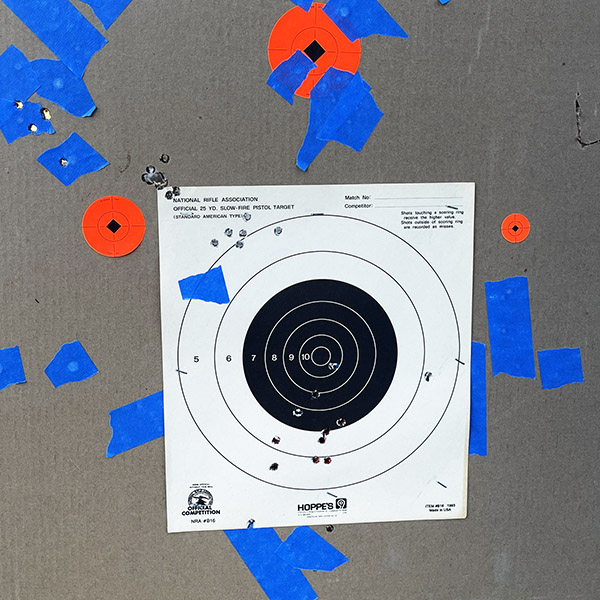
My poor shooting bothered me, so I went out again a few days later and shot my preferred cast bullet load, and then I shot again with another jacketed l0ad.
The groups on target were maybe a bit better, as you can see below. I first shot my 18.o-grain SR 4759 cast bullet loads.
Then it was time to try an IMR 3031 jacketed bullet load through the other Mosin. Again, the groups were maybe a little better than they had been a few days earlier with the IMR 4320 load.
Here’s the chrono data for the different loads outlined above, including both my loads and Kevin’s.
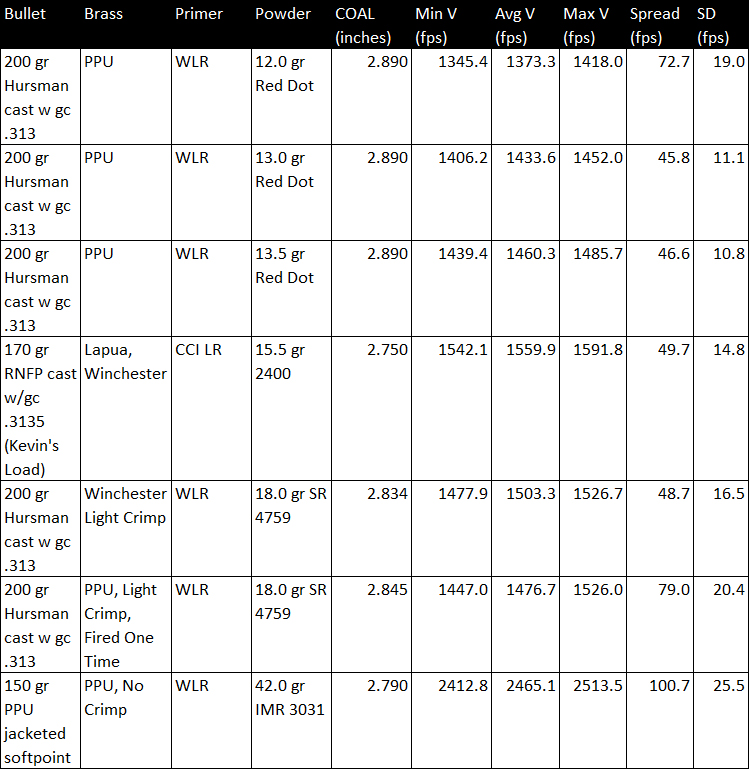
You know, this reloading game can get as complicated as you’d care to make it. The issue of brass age isn’t one I haven’t paid much attention to; the above shows that I need to. I don’t usually record how many times I’ve reloaded a batch of brass and I can see now that I need to. I don’t anneal my brass (and I don’t plan to start doing so; as I don’t like the idea of working with open flame in my reloading area). But the cast bullet target shown above tells me that brass life is something I need to consider. It’s another reloading rabbit hole I’ve avoided going down, but it’s time to rethink that. I’ll start recording case usage (i.e., how many times I’ve reloaded a case) and limit the number of reloads to 5 or 6 times. Cases don’t last forever, and I think accuracy starts to deteriorate long before the cases start cracking.
Interesting stuff, to be sure.
A word about the Mosin-Nagant rifles: Mosins have climbed in price during and after Obama’s stint in the White House because they are no longer being imported from Russia. Mosins still show up in gunstores and in the online auction sites, though, and I believe they are still worth picking up even at today’s inflated prices. Mosins are great shooters, they have a deep and interesting history, and collecting them is a fascinating hobby. And no, mine are not for sale.
A video on loading cast bullet 7.62x54R ammo? You bet!
Hey, it’s free! Subscribe to ExNotes!