Drinking our own bathwater…

By Joe Berk

A few months ago I wrote a blog about artificial intelligence and I promised we would never use it for the ExhaustNotes blog.

I lied.

Good friends Liz and Sebastian were over for dinner a few nights ago and Sebastian told me about Google’s Gemini AI program.  The next morning he sent an email in which he suggested trying it with this prompt: Joe Berk has written extensively about motorcycles, including motorcycle touring. Summarize his work in this area and summarize what else he has written or is known for.  So I did.  What came back in a second or two floored me.  Take a look…


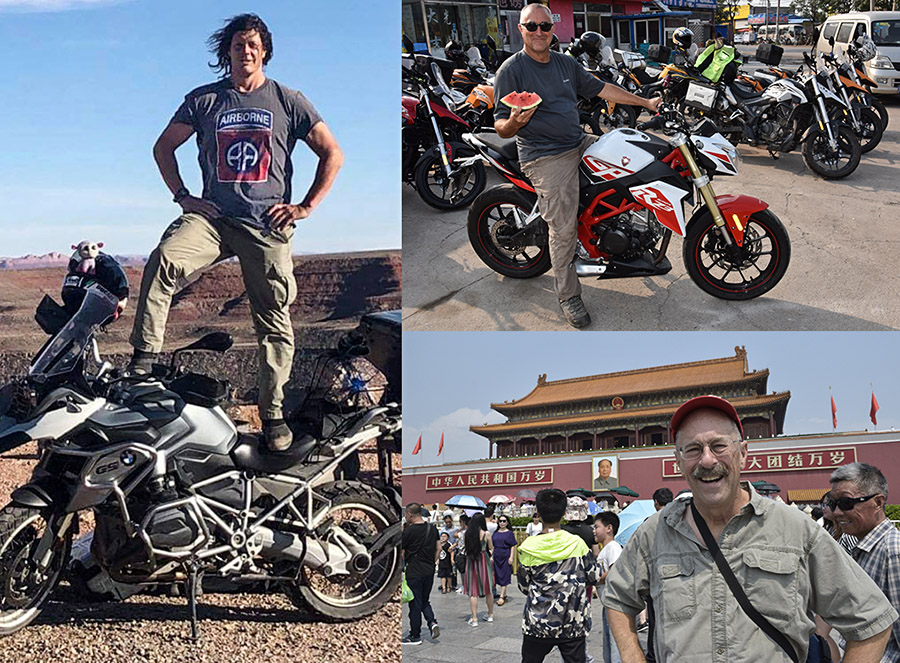
Joe Berk is a prolific author and motorcycle enthusiast whose work is characterized by a blend of technical expertise and a “dry, tongue-in-cheek” narrative style. He is perhaps most recognized in the riding community for his adventures with CSC Motorcycles and his deep connection to long-distance touring in Mexico.

Motorcycle Touring and Writing

Berk’s motorcycle writing often focuses on the intersection of adventure, small-displacement bikes, and international travel.

Baja and Mexico Exploration: Berk is an authority on riding in Baja California. His book Moto Baja! chronicles his transition from riding a heavy Harley-Davidson Softail to exploring the peninsula on various smaller machines. He has led numerous tours for CSC Motorcycles, detailing routes through Ensenada, Cataviña, and Guerrero Negro.

The ExhaustNotes Blog: As a primary contributor to ExhaustNotes, Berk writes extensively about “resurrecting” vintage bikes (such as Buells and KLRs), gear reviews, and the technical nuances of reloading ammunition for sport.

Police and Military History: He authored The Complete Book of Police and Military Motorcycles, which serves as a definitive reference for the evolution of service bikes globally.

Small-Bike Advocacy: Much of his touring work highlights that you don’t need a massive touring rig to see the world; he frequently documents 2,000-mile journeys on 250cc machines, focusing on the scenery, local food (like Tony’s fish tacos in Baja), and the mechanical reliability of the bikes.

Professional and Technical Works

Outside of the motorcycle world, Joe Berk (often published as Joseph H. Berk) is a highly regarded expert in engineering and industrial management. His “day job” expertise frequently bleeds into his motorcycle writing through his meticulous attention to mechanical failure and process.

Engineering Management: He has written over ten books on technical subjects, including Systems Failure Analysis, Total Quality Management, and Cost Reduction and Optimization.

Defense and Munitions: Berk has a background in the defense industry and is known for pioneering the use of fault tree analysis in munitions manufacturing. This technical background informs his writing on ballistics and firearms reloading.

Creativity and Leadership: He has published works aimed at professionals, such as Unleashing Engineering Creativity and Managing Effectively: A Handbook for First-Time Managers.

History and Firearms: Beyond engineering, he wrote The Gatling Gun, a historical look at the weapon’s evolution from the 19th century to the modern Vulcan cannon.

Distinctive Style

Berk is known for a “military-style” brevity mixed with humor. Whether he is explaining the metallurgy of a .357 Magnum reload or describing a tarantula photo shoot on the Transpeninsular Highway, his writing remains grounded in a “straight-talk” philosophy that prioritizes authentic experience over marketing fluff.


Wow, that was not bad.  Aside from a few inaccuracies, I couldn’t have done better myself.  I had to try the same AI prompt for Huber and Gresh.  Here’s what came back for Uncle Joe…


Joe Gresh is an acclaimed motorcycle journalist and adventurer known for his self-deprecating humor, technical “backyard” mechanical skills, and a “ride what you have” philosophy. He is a frequent collaborator with Joe Berk, most notably through the ExhaustNotes blog and various high-profile projects for Motorcyclist magazine.

Motorcycle Touring and Writing

Gresh’s touring work is defined by a grit that eschews the luxury of modern adventure riding. He often chooses machines that are intentionally underpowered or aged for his journeys.

The Trans-America Trail (TAT): Gresh is famous for his multiple assaults on the Trans-America Trail—a grueling off-road route across the U.S. He famously attempted it on a Kawasaki KLR250 (nicknamed “The Widowmaker”) and a vintage two-stroke Yamaha DT400, documenting the mechanical failures and physical tolls with a trademark cynical wit.

The CSC Western America Adventure: He was a key figure in the “publicity stunt” ride where a group of riders took 250cc Zongshen (CSC) motorcycles on a 5,000-mile loop of the Western United States. His writing helped prove that small-displacement bikes could handle serious American touring.

“Toxic” Tours: Gresh has a penchant for “Toxic Tours,” such as flying to Washington to buy a 1971 Yamaha RT360 Enduro sight-unseen and attempting to ride it home to Florida, dealing with decades-old seals and “petroleum hairballs” along the way.

International Adventures: He participated in an epic 6,000-mile ride across China, which further solidified his partnership with Joe Berk and resulted in extensive digital and print chronicles of the culture and mechanical challenges of riding in Asia.

The “Backyard” Mechanic and Technical Style:  Beyond touring, Gresh is revered for his technical “how-to” (and sometimes “how-not-to”) articles. Unlike factory-service manuals, his writing focuses on the reality of the home garage.

Resurrection Projects: He is known for “resurrecting” neglected bikes, including Buells, Kawasaki ZRXs, and ancient Japanese two-strokes. His articles often involve ingenious, low-budget fixes for things like worn-out kickstands or leaking fork seals.

Streamlining and Efficiency: Gresh has a deep interest in motorcycle aerodynamics and fuel efficiency. He often writes about the “Vetter” era of streamlining, arguing that modern bikes are unnecessarily blocky and fuel-inefficient.

Industry Commentary: As a former columnist for Motorcyclist (specifically the “Cranked” column), he provided a counter-culture voice to the industry, often critiquing the high costs and complexity of modern motorcycles.

Other Work and Public Persona

ExhaustNotes Blog: Gresh is a co-founder and primary voice of ExhaustNotes.us, where he writes on everything from tool reviews (comparing Harbor Freight to Craftsman) to photography.

Firearms and Ballistics: Much like Joe Berk, Gresh is an enthusiast of firearms and reloading, frequently weaving technical ballistics data and shooting range stories into his blog posts.

Cultural Critique: His writing often touches on music (Australian cult classic movies like Stone), the “absurdity of the modern world,” and the decline of the traditional biker lifestyle.

In essence, if Joe Berk is the disciplined, engineering-focused half of the duo, Joe Gresh is the chaotic, grease-stained poet who proves that the best stories usually come from the most unreliable motorcycles.


Wow again.  And again, aside from a few inaccuracies, this was indeed Joe Gresh.   It is good stuff.   Next up?  Google Gemini’s take on Mike Huber…


Mike Huber is a motorcycle adventurer, author, and journalist whose work focuses on the philosophy of travel, the freedom of a nomadic lifestyle, and the technical realities of long-distance touring. Like Joe Berk and Joe Gresh, he is a significant contributor to the ExhaustNotes community.

Motorcycle Touring and Writing

Huber’s writing is often deeply personal, focusing on the mental and emotional shifts that occur during long-term travel.

Living Off a Motorcycle:  Huber is well-known for his “Year in America” project, where he sold his possessions, left a traditional life in Seattle, and spent over a year living entirely off his motorcycle. He used Airbnb and camping to maintain a remote career while traveling, proving the viability of the “digital nomad” lifestyle on two wheels.

A Trip Into The Moment: This is his primary literary work, a memoir that chronicles his motorcycle journeys. It emphasizes the concept of “The Moment”—the meditative state reached when the distractions of modern life are replaced by the immediate requirements of the road.

Small-Bike International Touring: While he is often associated with the BMW GS series (his “UberMoto”), Huber is a proponent of using small-displacement bikes for international travel. He has documented extensive tours through Japan, Thailand, and Mexico (specifically Baja), often arguing that smaller bikes offer better agility and a more authentic connection to local cultures.

The “Huber” Style: In the ExhaustNotes circle, a “Huber” has become a colloquialism for a specific type of travel—minimal planning, flipping coins to decide the next destination, and embracing the “beautiful uncertainty” of the road.

Military Background and “UberMoto:”

Huber’s perspective is heavily influenced by his service in the U.S. Army’s 82nd Airborne Division.

The Airborne Connection: His writing frequently references his background as a paratrooper (with 19 jumps to his credit). This “All-American” military discipline often contrasts with his otherwise free-spirited “motorcycle gypsy” persona, giving his work a unique groundedness.

The BMW GS (“UberMoto”): Much of his technical writing and gear reviews revolve around the BMW GS platform. He is known for pushing these heavy adventure bikes into challenging terrain, often adorned with his 82nd Airborne decals.

In the context of motorcycle journalism, Mike Huber is defined by the intersection of the veteran’s discipline and the nomad’s soul, making him a go-to voice for those looking to escape the “gray” of conventional life for the vibrant reality of the road.


Again, good stuff.  Gemini got Mike’s number of jumps wrong (actually, it’s 25, but Mike figures Google didn’t include his five during Jump School).

Overall, I’m impressed.  But not to worry…I’m not impressed enough to start using it for our regular blogging.  That will be us for real.


Subscribe to ExNotes for free!


We need your support! Do what you can to help ExNotes stay in the black!


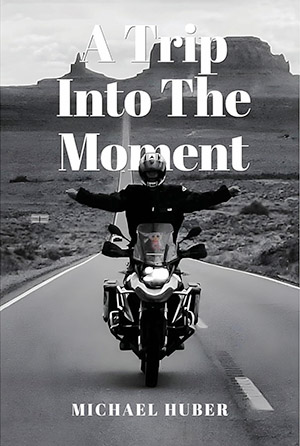
More Huber? Check out A Trip Into The Moment.
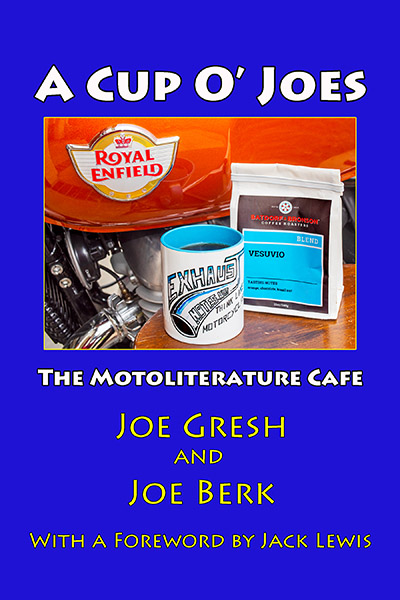
More Gresh and Berk? You bet! Check out A Cup O’ Joes!

Join our Facebook ExNotes page!
Buell Fever Part 8: Slippery Business

By Joe Gresh

The stereotypical image of a Harley-Davidson motorcycle leaking oil has become a cultural icon. Dirty, unshaven and drunk riders astride seeping, smoking, rattling, home-built murdercycles were made popular in biker movies from the 1970’s and the image persists today.

How real is that image? I can’t say because my Buell was manufactured in 1995 but I hear new Harleys mostly don’t leak…much, if at all. My 30 year-old Buell leaked oil. Before we dive into the engine oil leak we have to get a few other leaks out of the way. .

You’ll remember all the trouble I had with the original Mikuni carburetor, the float needle leaked through various repair attempts and I thought I had the problem licked. The Buell ran good and got 50 miles to a gallon of gas. I took it out for a few rides and no carburetor leaks. Then I walked into the shed one day, straddled the Buell, hoisted it up straight and gas poured out the air cleaner. Like a lot of gas.

China, China, China.

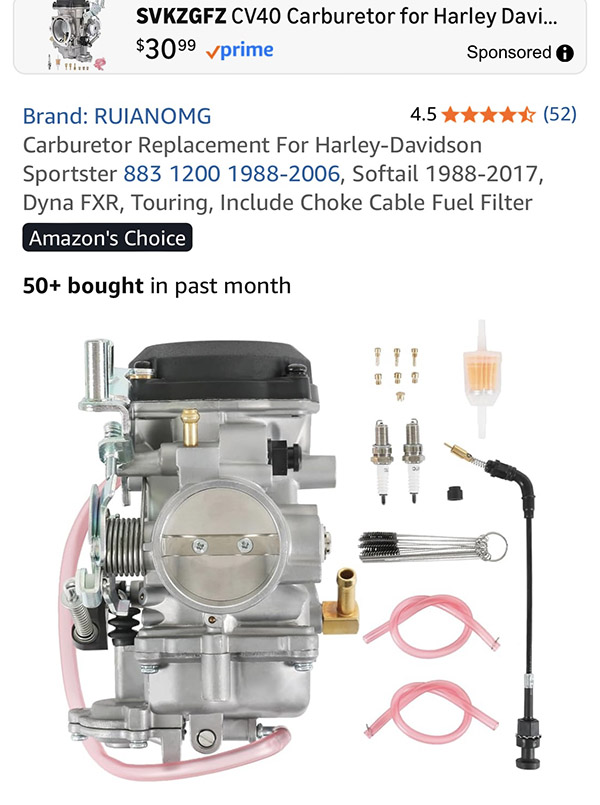
That was the final straw for the original Mikuni carburetor. I replaced the entire unit with a Chinese clone carb from Amazon and the bike has never run better and it doesn’t leak out of the carburetor or the air cleaner. Thanks, Global Trade!

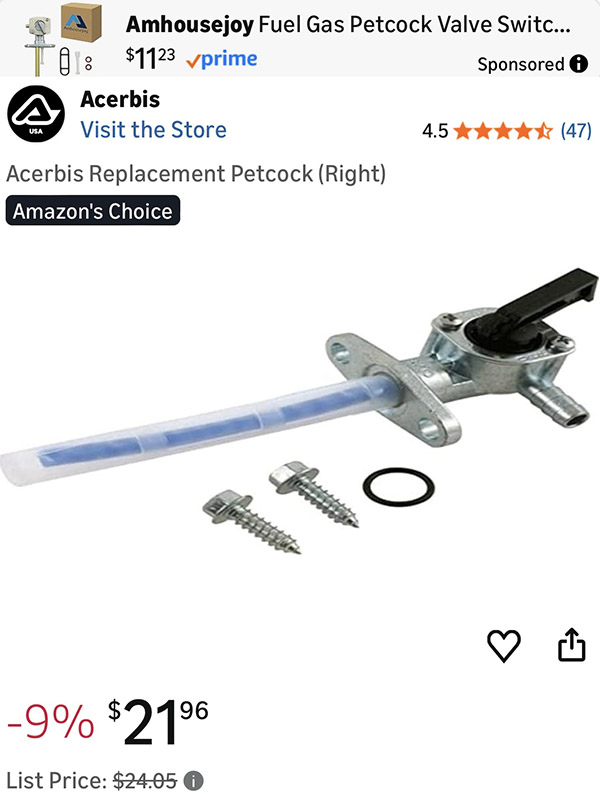
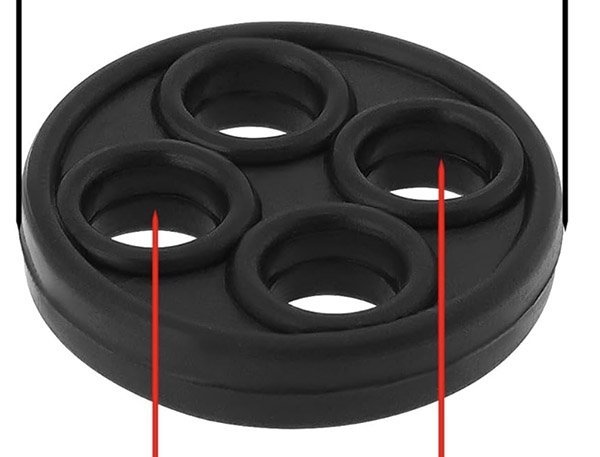
But here’s my question: why did the old carburetor overflow at all? I had the fuel petcock off, where did the gas running out of the carb come from, you may well ask?  Turns out the petcock was not completely shutting off as a steady drip of gasoline wormed its way past the 4-hole rubber seal in the petcock. Thus, the fuel shut-off was never really shut-off.

This isn’t the actual petcock gasket but you get the idea.

I took the petcock apart and flipped the 4-hole rubber seal around. That cured the fuel leaking to the carburetor in the off position but it created a bigger problem in that gas leaked out of the body of the petcock in all positions.

Finding a replacement rubber, 4-hole o-ring was uneventful as none were to be found. Instead, I bought a new petcock on Amazon and the new valve fixed the bypassing problem. But there was another gas leak.

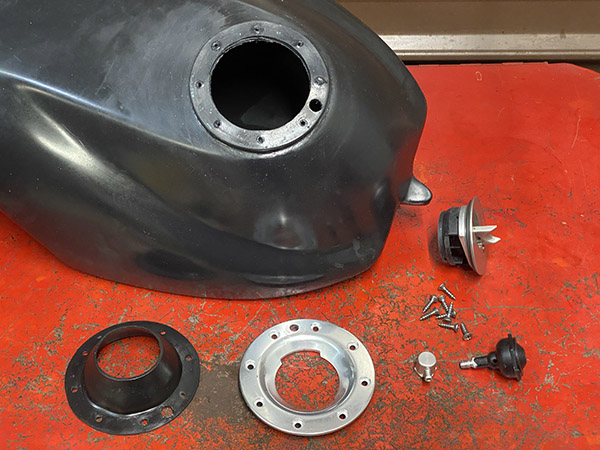
The Buell has a roto-cast plastic gas tank under that pretty, race-bike inspired, but heavy, fiberglass bodywork. An aluminum gas cap flange screws onto the tank with a rubber gasket. This joint weeped gas when riding the bike. Not a lot, but annoying and enough to leave streaks of fuel mungus down the side of the gas tank.

Not so many parts to the Buell tank but the few that are there may leak.

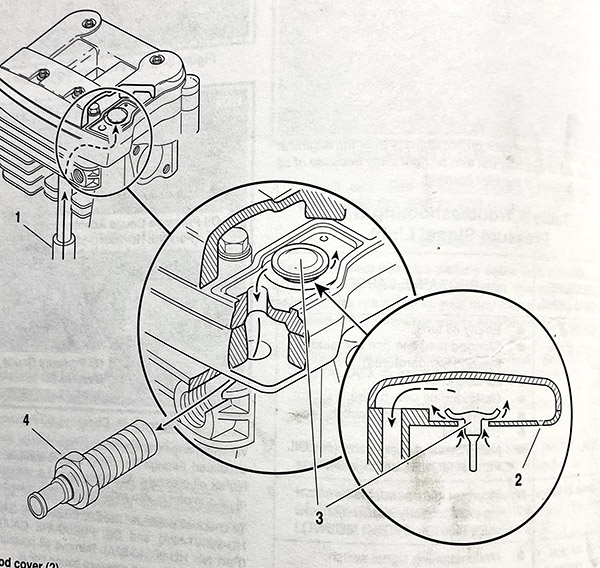
Dismantling the flange, I discovered a check valve under the tank vent that needed to be removed before the flange would come off.

I got rid of this check valve. I expect the bike to burst into flames any minute.

The valve must have something to do with emissions control as it only let air into the tank. I’m sure this added to the float needle issue as the tank was under slight pressure just sitting in the warm New Mexico sun.

Fixing the flange leak was as easy as cleaning off the gasket. Blasting it with a little Permatex high-tack and reassembling the mess. I omitted the check valve to equalize the pressure between the tank and the Earth’s atmosphere. Of course now when the bike falls over it will leak gas like every other old motorcycle I own.

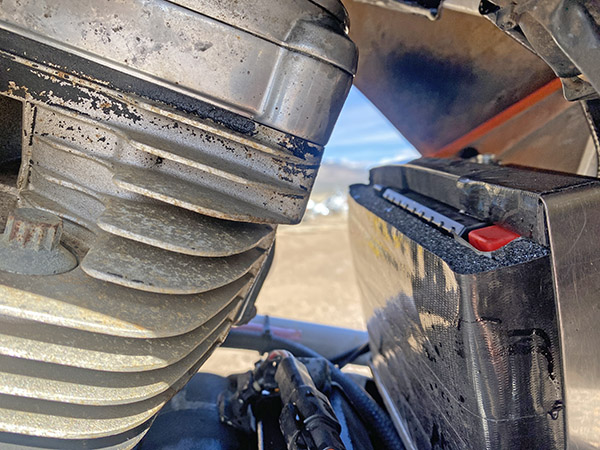
You can’t see it well in this photo but the rear cylinder is an oily mess.

With the gas leaks sorted I turned my attention to the oil leaks. The rear rocker cover was dribbling oil down the cylinder where turbulent air whisked it onto the battery and all points south. It wasn’t a huge leak but let’s just say the back of the Buell is not likely to rust anytime soon.

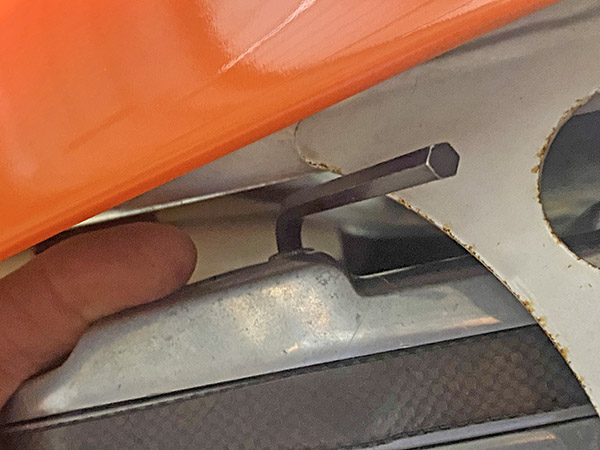
Luckily Erik built the S2 so that the rocker covers are removable without dropping the engine. I did have to cut an Allen wrench short to clear the frame tube, but it was an easy job all things considered.

It’s a snug fit but as long as you’re willing to chop your tools it’s do-able.

With the new rocker cover gaskets, I took the bike out for a spin and the rear cylinder puked oil as badly as ever. I figured the oil must be leaking from under the rocker box. I’m nothing if not persistent so I took the rocker covers back off and then the rocker boxes. (This year Sportster engine has 3-piece rocker assemblies)

The gaskets crumbled upon removal of the rocker boxes.

The paper gasket is under the rear rocker box was brittle and broken. I replaced both front and rear gaskets with a metal version of the paper gasket. I knew for sure I had the leak fixed.

On the test run the reassembled rear rocker leaked as bad as ever. Back to the shed and everything came apart again for the third time. I was pretty much out of ideas.

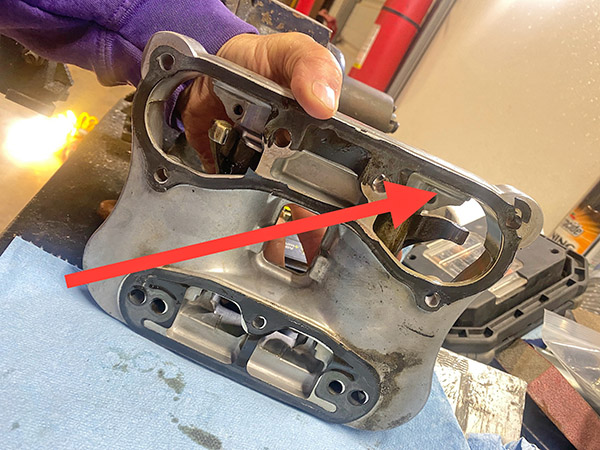
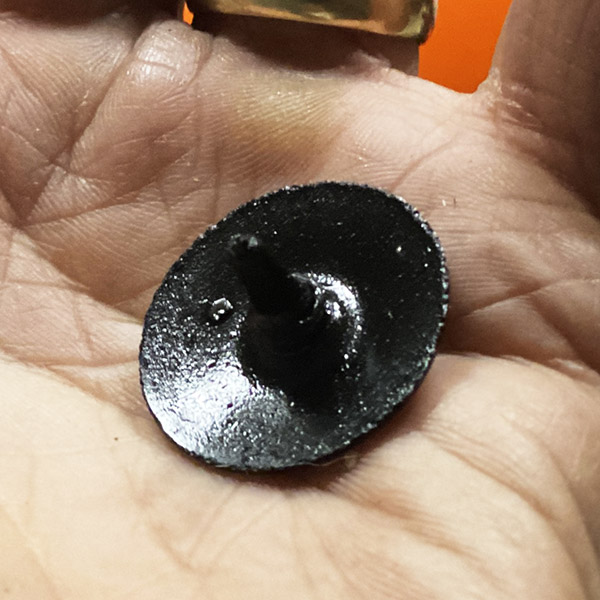
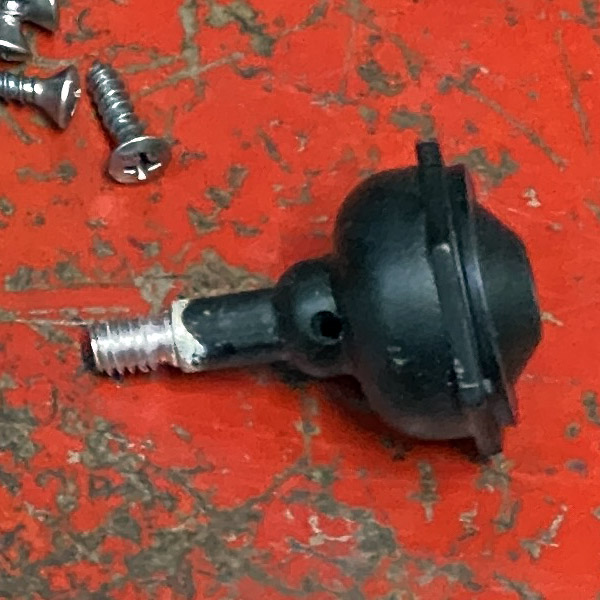
Studying the situation over the course of several days I observed the rear umbrella valve (a nickel-sized, round flapper-type deal in the rocker cover) was much harder than the front umbrella valve. Like hard plastic instead of soft rubber. I swapped both umbrella valves with new ones. Then assembled the mess thinking no way it could be those little valves.

This little valve caused the rear cylinder rocker cover leak.

I test rode the Buell 200 miles and no oil leaked out the rear cylinder. The battery area and aft sections were dry. Look, I’m not complaining. I can’t pin this on Harley’s image. 30-year old motorcycles are going to leak oil. Seals harden, gaskets dry up and split, 0-rings lose their O-ness and umbrella valves aren’t going to bounce.  Besides, I enjoy working on the Buell. It’s a weird, wonderful machine that fits no known stereotype.


Subscribe to ExNotes for free!


We need your support!  Do what you can to help ExNotes stay in the black!


More Huber? Check out A Trip Into The Moment.

More Gresh and Berk?  You bet!  Check out A Cup O’ Joes!


Join our Facebook ExNotes page!
My Vintage Bike Wish List

By Joe Berk

Like most of you, I spend a lot of time thinking about what I’d park in my garage if I had the money and the space for a motorcycle collection.  At various times in my life I’ve owned several motorcycles at the same time and I’ve sort of realized the dream I describe here (at least in terms of how many motorcycles I owned), but this blog describes something different.  The bikes I owned in the past came about as the result of having the time and the money when something cool caught my fancy.  This time, I’d start from scratch and define what would go into my ideal collection.  Gresh and I have theorized and fantasized and written about this in the past (see our Dream Bikes page).   Here, I’m starting from scratch and I’m limiting myself to six motorcycles (just because I think that should be the right number of bikes).  You might be surprised at some of my choices.

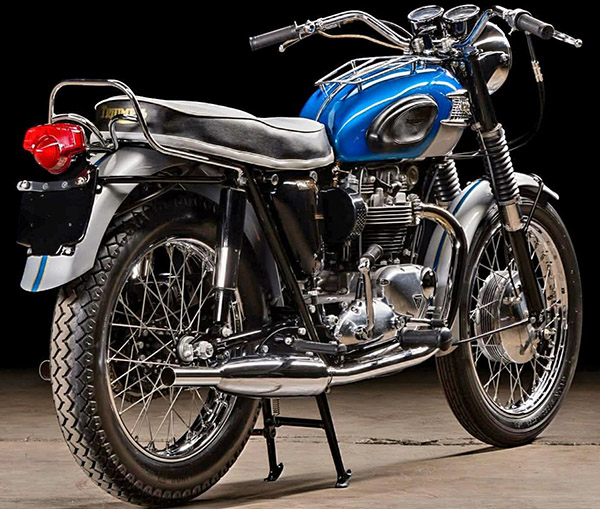
1965 Triumph Bonneville

When I was a kid in high school, one of the seniors (a fellow named Walt Skok) bought a new Triumph Bonneville.  I thought it was the most beautiful thing I’d ever seen, and I wanted one.  Later in life, I bought, rode, and sold several Triumph Bonnevilles, but I never scratched that itch for a ’65 model.  Someday…

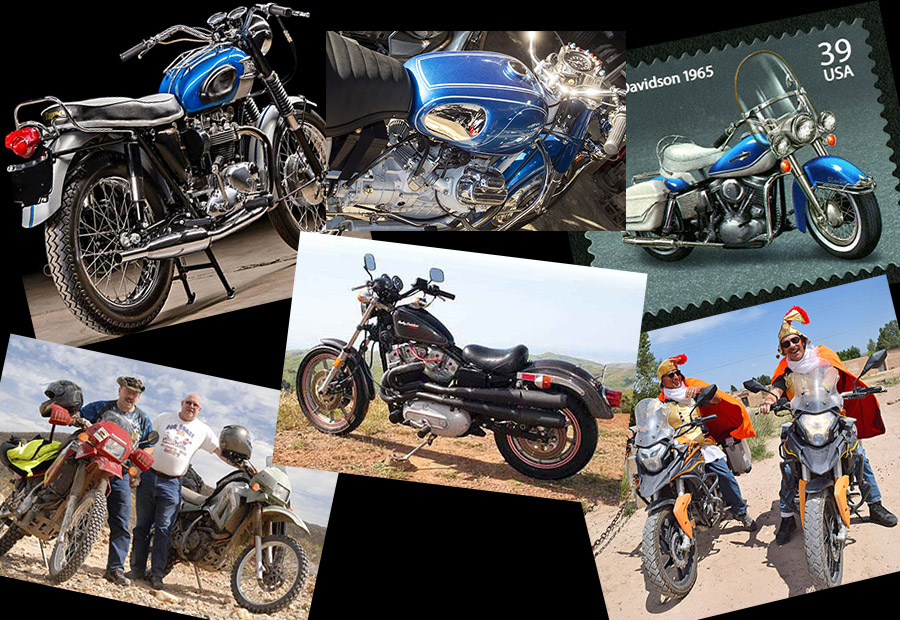
To me, everything about the 1965 Triumph Bonneville was perfect:  The colors, the exhaust system, the exhaust notes, the tank parcel grid, the design symmetry, the little decal recognizing Triumph’s world speed record, and more.  I always wanted one and I still do.

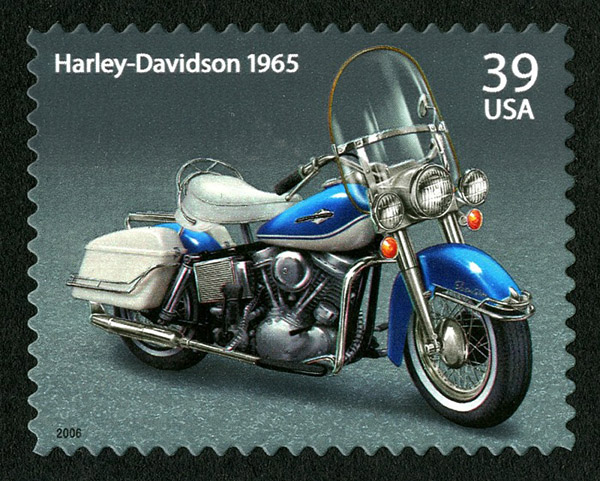
1965 Harley-Davidson Electra-Glide

I’ve owned a couple of Harley full dressers, but the one I always wanted was the 1965 Electra-Glide.  That year was the first year Harley offered electric starting and it was the last year of the panhead engine (which I think is the best-looking big twin engine Harley ever made).

The ’65 Electra-Glide is another bike that, in my opinion, was styled perfectly.  I like the tank contours, the 1965 paint design, the panhead engine’s look, the fishtail mufflers, the saddlebag contours, the potato-potato-potato exhaust note, and more.  Apparently, my thoughts about this motorcycle’s intrinsic beauty are also shared by the U.S. Post Office (see the above postage stamp).  The ’65 Electra-Glide is the bike I used to think about as a teenager when I rode around on my Schwinn bicycle, imagining that my Schwin was a Harley.

Cycle Garden 1974 Moto Guzzi El Dorado

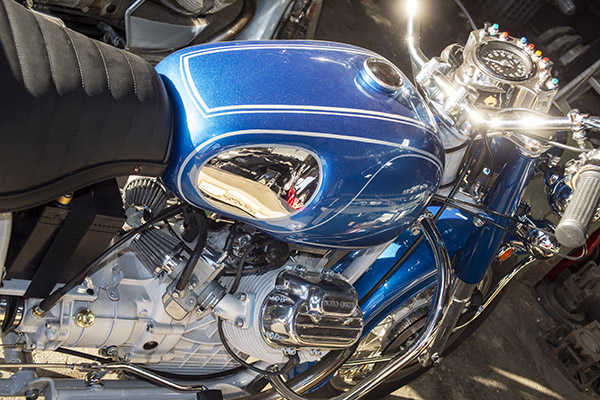
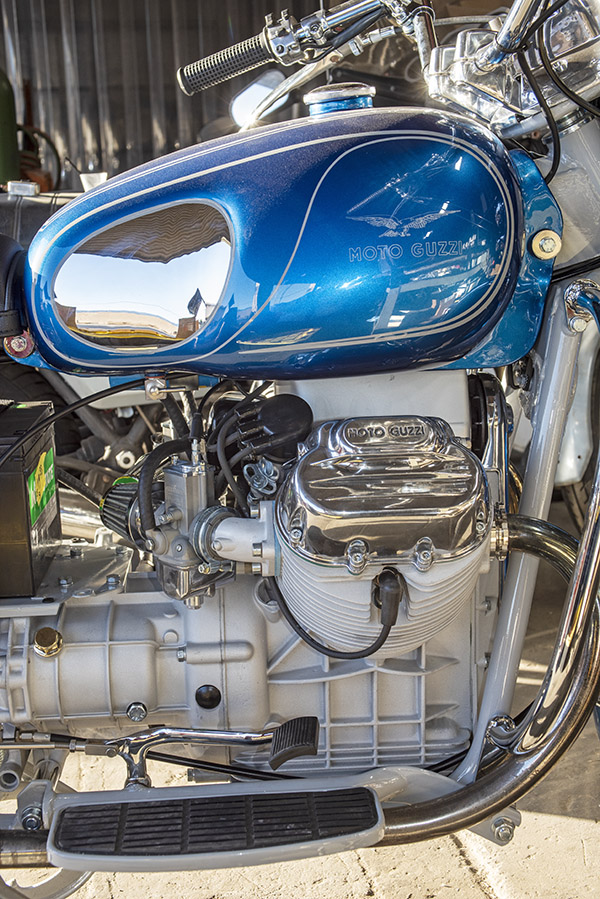
Ah, a Cycle Garden Guzzi.  This is one I tumbled to only recently.  I’ve been writing a series of articles for Motorcycle Classics magazine, and one of the shops that’s been helping me is Moe Moore’s Cycle Garden in Indio, California.  I always thought the mid-1970s Moto Guzzi were stunning in their stock and restored configurations.  Then, during one Cycle Garden visit, I saw a custom bike that Moe and his crew had assembled for a client.

The bike was a 1974 police motorcycle, but it painted in a breathtaking battleship gray and metallic blue paint theme.  I could see myself riding it, rumbling through the open roads and magnificent landscapes of Baja.  It is a motorcycle that is firmly on my list.

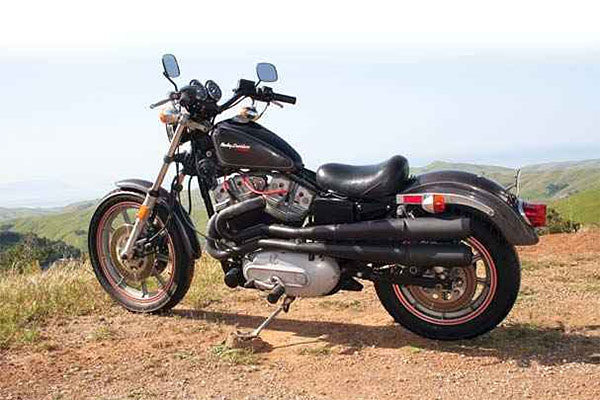
1983 Harley XR-1000

I wrote a Dream Bike piece about this during the first year of  the ExhaustNotes.us blog’s existence, and the thing that struck me about it was that Joe Gresh told me I’d beat him to it…he was thinking about doing a Dream Bike piece on the same motorcycle.

I’ve never owned or ridden an XR-1000.  Come to think of it, I never heard one run.  I could have bought an XR-1000 new for around $8K when they were new, but I didn’t have a spare $8K laying around in those days.  It’s another one of those motorcycles bikes for which I think the visual and visceral appeal is perfect.  Maybe someday I’ll get to scratch that itch.

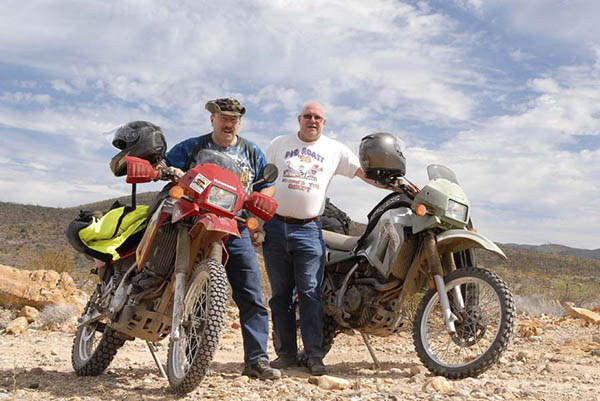
2006 Kawasaki KLR 650

To me, this is an interesting choice with which some might take issue.  I don’t care.   I loved my KLR 650.   Lifelong good buddy Baja John had one, too.  That’s Baja John and yours truly somewhere in Baja in the photo below.

The KLR 650 is one of my all time favorite motorcycles.  Mine was a first-gen KLR, and I think those are more desirable than the second gen bikes.  My KLR was perfect for exploring Baja, and I did a lot of that on it.  It had just the right amount of power, it was simple (except for the shim-and-bucket valve adjustments), it was a very comfortable motorcycle (the ergos were perfect), and it was inexpensive.  I bought it new in 2006.  It was one of the best motor vehicles (of any kind) I ever owned.   If you’re wondering why I sold it, so am I.

2015 CSC RX3

The CSC RX3 motorcycle is another bike that I thought was just perfect for me.   I covered a lot of miles in Baja and elsewhere in the world on it.

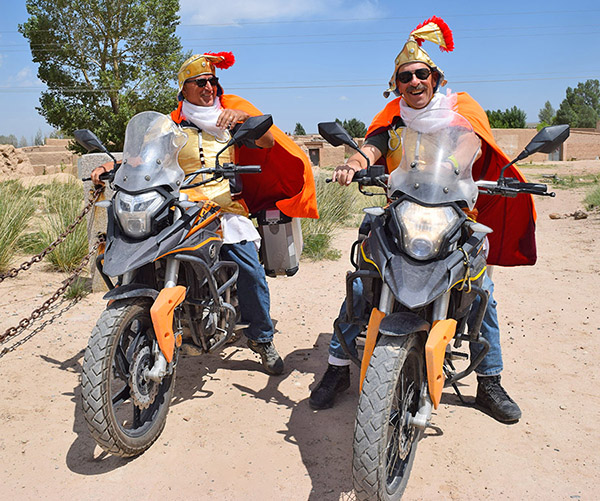
I think a 250 is the perfect size for a motorcycle (you can read why here).  I traveled through a lot of the world on one:  Through the American West, Mexico, the Andes Mountains in Colombia, and China (with Joe Gresh; Joe and I are in the photo above auditioning for a Chinese gladiator movie).  All those trips and all those miles were awesome, and the RX3 didn’t miss a beat on any of them.  I almost cried when I learned Zongshen discontinued the RX3, and if they were to bring it back (which they should), I would no doubt be riding the world and blogging the RX3’s virtues again.


There you have it.  It was fun thinking about this, writing this blog, imagining the above six motorcycles parked in my garage, and riding them in different parts of the world.  A quick mental tally tells me I could make the above wish list a reality for something around $120K in today’s dollars.  Hmmmm…I don’t have a spare $120K laying around, but maybe if a few of you hit that donate below…


What about you?  What would be the ideal collection you’d like to see in your garage?  Let us know in the comments below.


You know you want it.   Go ahead.


A Tale of Two Bowsers

By Joe Gresh

I’m stealing the two-fer idea from Berk mostly because I haven’t had an original thought in 10 years. This Bowsers thing happened last week when I was changing the tire on the ZRX1100 for an upcoming trip to Utah.

The tire, a Bridgestone, was a bear to get on the rim, very stiff and it took lots of lube and struggle to get the thing fitted. One casualty of the battle was the little dot that is supposed to be near the valve stem ended up 180 degrees opposite. I don’t know how that happened, I started with it in the correct position.

The tire was so difficult I left the dot position where is was, figuring to cancel out any imbalance with wheel weights later.

Normally I don’t have much trouble airing up a tubeless motorcycle tire and use a little 12-volt pump for the task. The Bridgestone had other ideas. The damn beads would not seat. I needed more air pressure and more air volume.

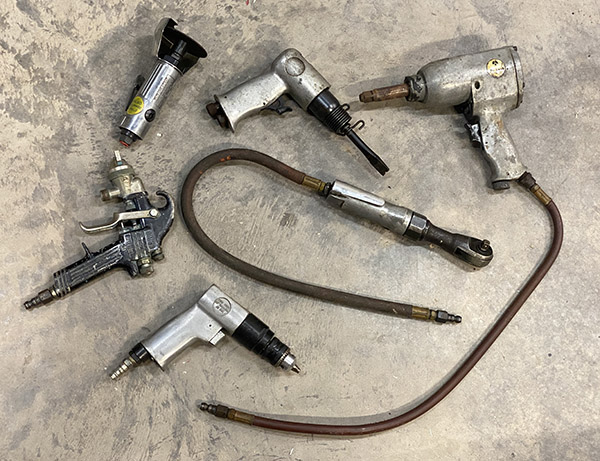
Tools of the trade for a cosplay mechanic.

Back in my youth I wanted to be an auto mechanic and I worked at a few shops mopping floors. In the 1970’s there were no cordless tools. Since all shops had a big compressor I needed an air impact, hammer, ratchet, drill to complete my cosplay mechanic’s kit.

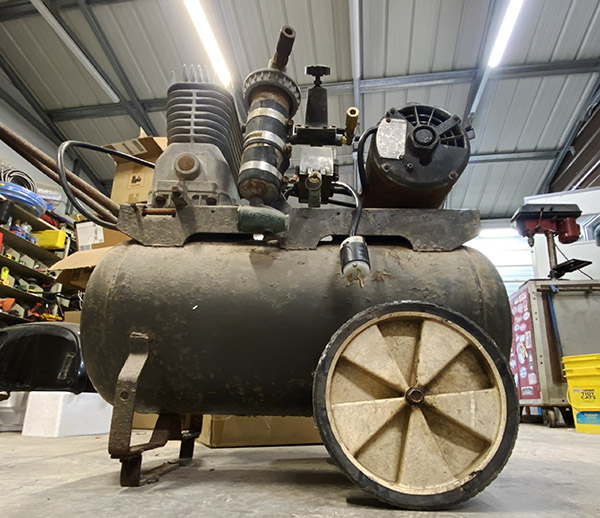
The old Craftsman, sporting an air/water separator filter. Lots of air has gone through this rig.

Once you have a bunch of air tools you’ll need a compressor to operate the tools at home so I bought a Sears compressor, I was around 15 years old at the time and since I fancied my self a custom painter in addition to being a mechanic the compressor was used most every day.

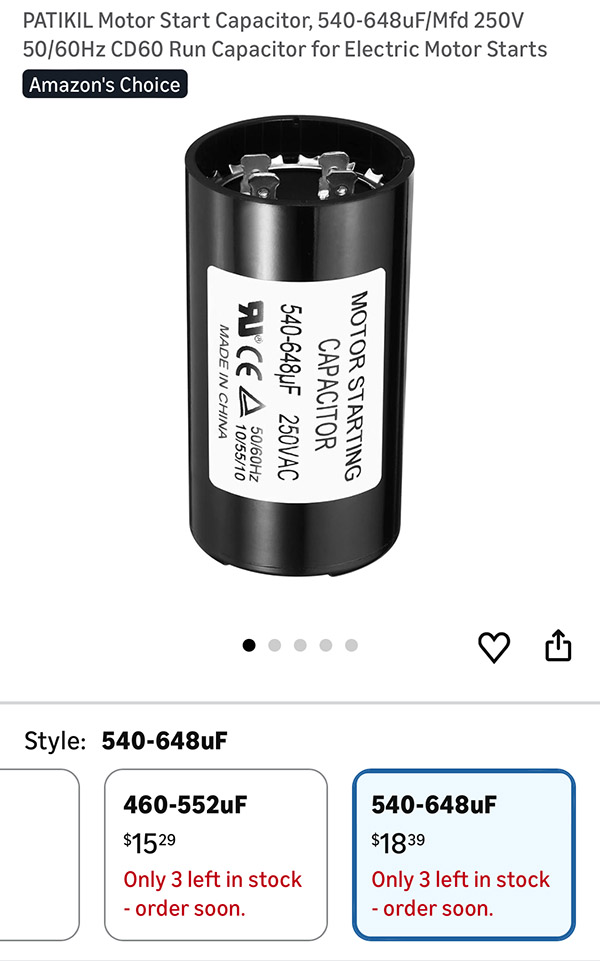
Fast forward 50 years and the Bridgestone tire: I flipped the switch on the Craftsman compressor and a loud buzzing sound was all I got. My first guess was a bad capacitor. I ordered one from Amazon as there was nowhere close to buy electrical bit. Still, I had no air. I needed a compressor right now.

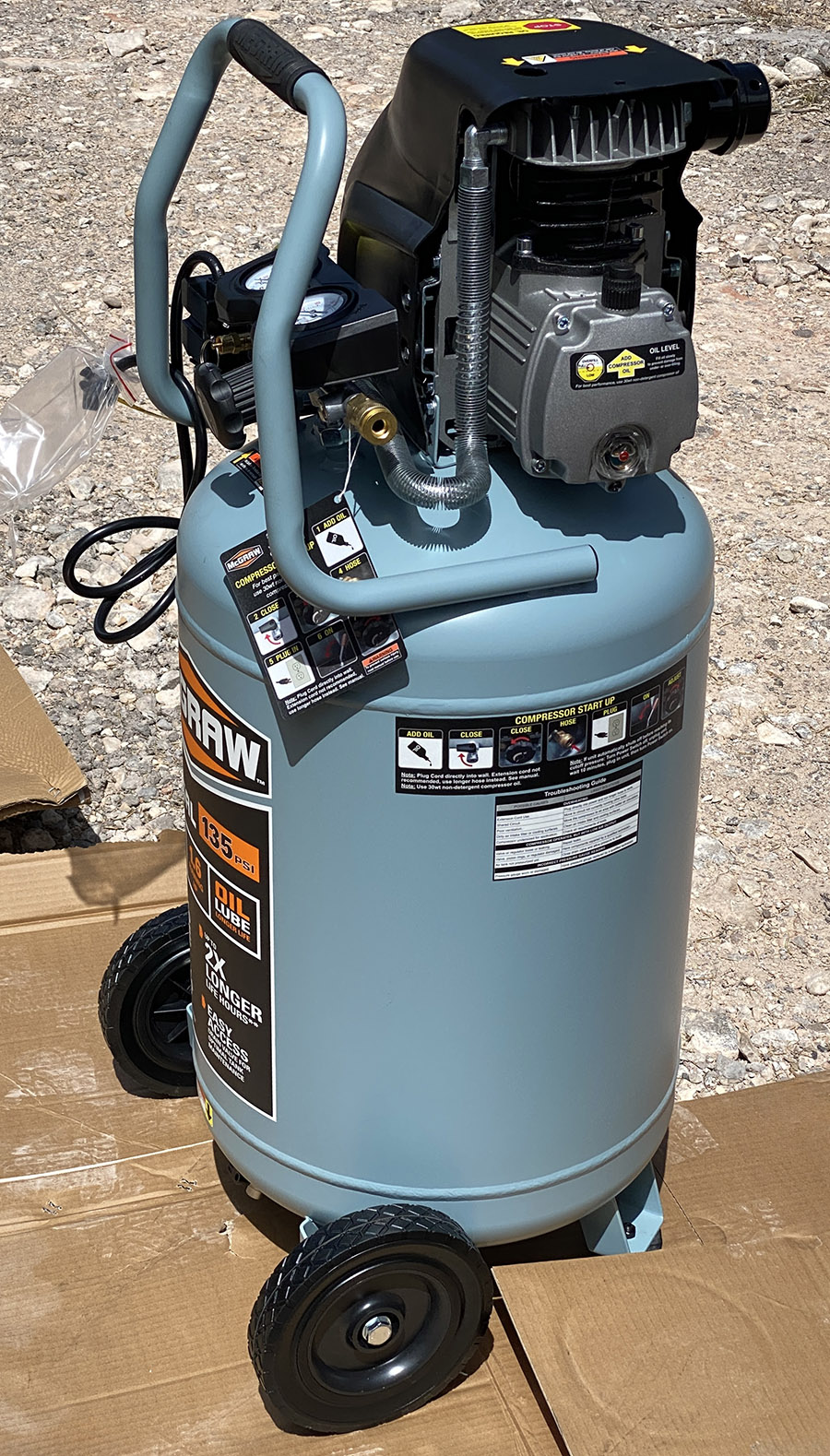
As luck would have it Harbor Freight (I get no commission, although I should) had a 20-gallon unit on sale for $200. I drove down the hill and picked up a copy.

The new compressor looks well made. It’s a vertical unit so the thing takes up slightly less floor space. A big difference between the direct-drive, single cylinder Harbor Freight and the belt-driven, two cylinder Craftsman is the noise: the HF is loud as hell.

With the new compressor’s 125 psi blast it was easy as pie to get the beads seated on the Bridgestone. The tire was well made and it only took 1/2 ounce to balance. Closing that chapter of my life I moved on to the old compressor.

The new Amazon capacitor arrived and I swapped it into the Sears compressor. The result was the same: a loud buzzing sound. Having eliminated one variable I decided the motor start/run switch wasn’t working and the compressor was trying to start on the run circuit.

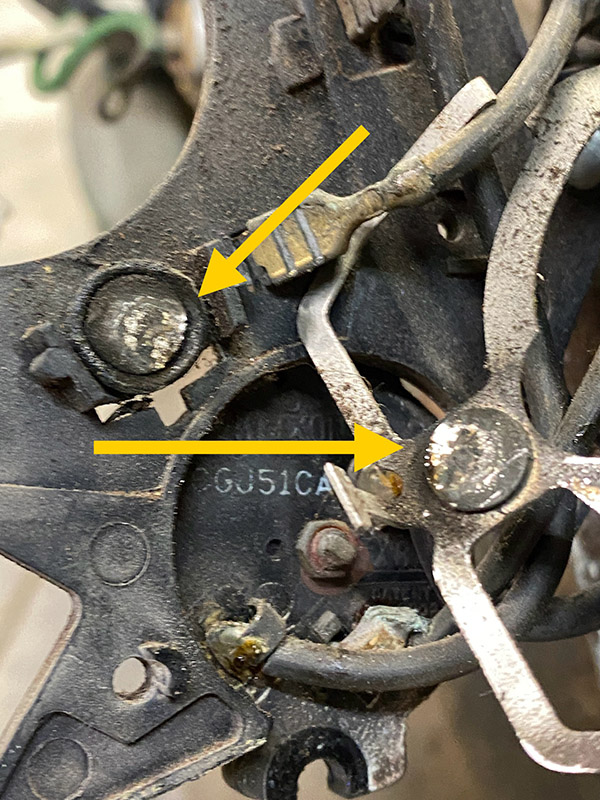
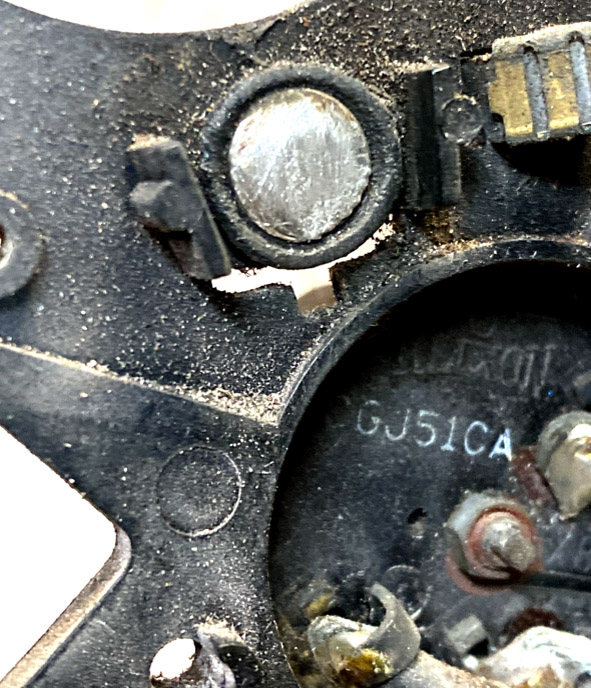
After 50 years and 3 states the contacts finally lost continuity.

Taking the motor apart was easy and the contacts for start/run were arced and corroded. I felt this was the problem and cleaned the contacts as best I could.

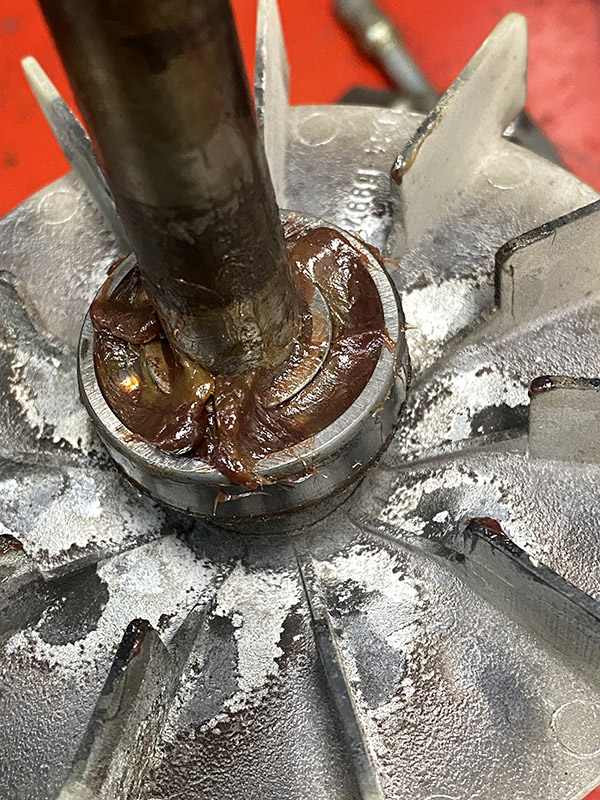
While I had the motor apart I greased the unsealed ball bearings for the first time in 50 years. I’ll be long dead before they need grease again. The pulley was well rusted onto the shaft, it took some heat, penetrating oil and lots of back and forthing to get it pulled off so that I could grease the output side bearing.

After 50 years the bearings were dry. Amazingly they still spun relatively smooth.

I reassembled the mess, crossed my fingers and plugged in the compressor. The smooth whir coming from the compressor belied its age. The Craftsman was back in business at 50 years old.

So now I have two compressors. The 220-volt Craftsman and the 110-volt Harbor Freight. Even though it’s lower voltage the HF starts with less amp surge which helps out the 6000-watt inverter but it’s loud. The HF also makes 45 pounds more pressure.

The 1-horse motor on the Craftsman packs a wallop on startup, even at the higher voltage, but you can carry on a conversation standing next to the thing. It struggles to get to 80 psi and that is probably due to needing new rings or reed valves.

I guess the big difference is I’m pretty sure the Harbor Freight won’t be working in 2075 but you never know. I wouldn’t bet against that old Craftsman still pumping air for another 50 years.


You know you want it.   Go ahead.


The Wayback Machine: CHiPs!

By Joe Berk

In the 1960s and 70s, you couldn’t turn on a TV and flip through the channels without encountering a cop show.   Hawaii Five O, Kojak, and more.  TV series had shifted from westerns to police drama, and TV was what many of us did in the evening.  Basically, we watched what the entertainment industry brainwashed us into watching.   It’s no small wonder a lot of guys my age wanted to be cops when they grew up.  Rick Rosner (a TV producer and one of the certifiably-smartest guys on the planet…Google him and you’ll see) was also an LA County Reserve Sheriff’s deputy.  One night while on duty during a coffee break (a donut may have been involved), he saw two CHP motor officers roll by.  That’s how and where the idea for CHiPs was born:  Motorcycles.  Southern California.  Police.  All the right pieces fell into place.

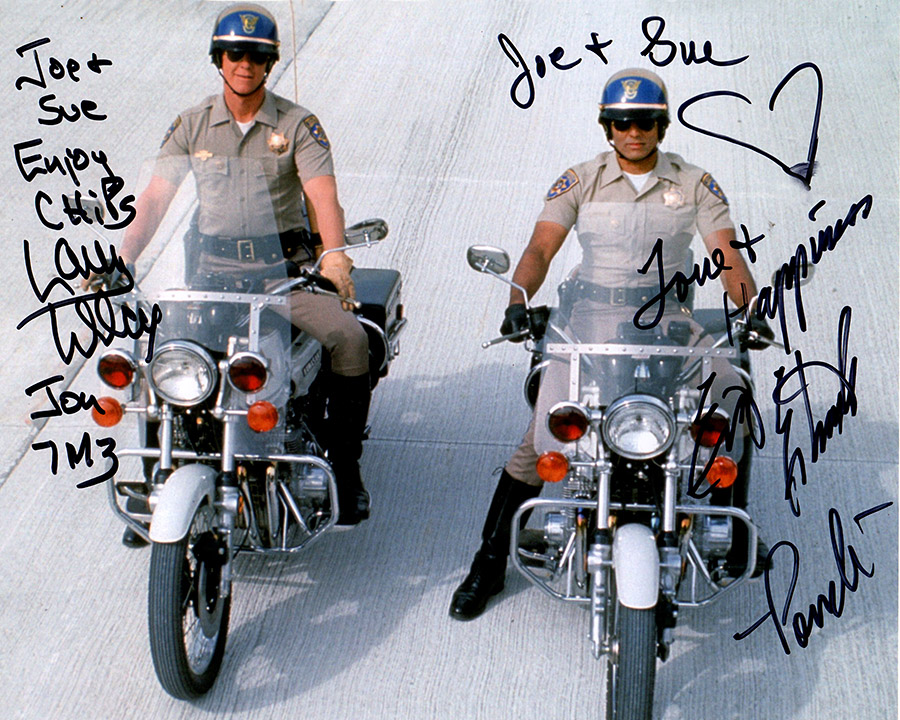
I had just returned from a year overseas (where I enjoyed nonstop good times during a 13-month party, courtesy of Uncle Sam) when CHiPs first aired in 1977.  It was hokey…the music, the scenes, the premise of nearly every episode, but it was motorcycles, and I never missed an episode.  The series ran for five or six years, and it featured two main characters:  Ponch Poncharello (played by Eric Estrada) and Jon (played by Larry Wilcox).  Their sergeant, Joe Getraer (played by Robert Pine) was also a regular on the show.

Guys like Gresh and me know that running a Z-1 Kawasaki through soft sand, up and down stairs, and other motoshenanigans doesn’t make a lot of sense (EDIT:  Maybe I’m wrong about this…see the video at the end of this blog).  But we’re mere mortals.  Ponch and Jon made the big Kawis behave in every episode.  It was all part of the story, and it was all set in and around Los Angeles.  That’s one of the reasons, I think, many of my early experiences in So Cal were like deja vu all over again when I moved here.  I’d seen all these places in CHiPs before I left Texas and came to California: Angeles Crest Highway, Malibu, downtown LA, the Pacific Coast Highway…the locations and the motorcycle scenes were burned into my brain.

Susie was putzing around on Facebook the other day when she found a local community bulletin board that said the CHiPs stars would be here for autographs and photos.  Did I want to go?  Hell, yeah!

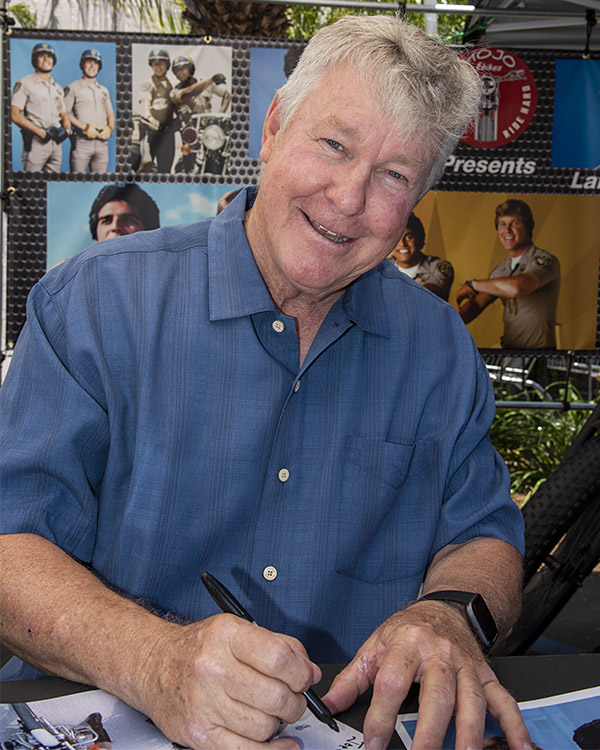
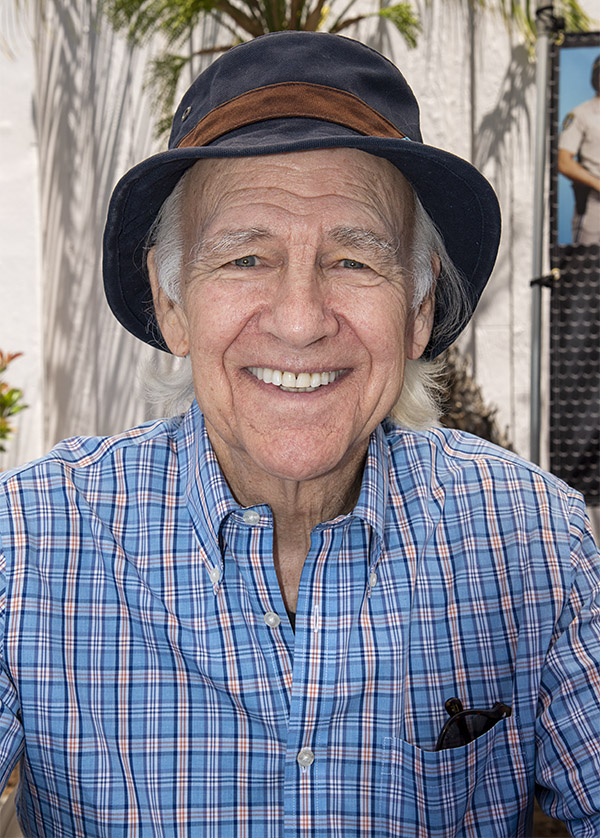
Larry Wilcox, aka Jon Baker, signing a photo for me. He seemed like a genuine nice guy. In real life, Wilcox was a Marine in Vietnam who served in an artillery unit.  Wilcox is a year or two older than me.

The CHiPs show had a motor sergeant (Sergeant Joe Getraer) who was played by Robert Pine.  Pine was there as well, and he was happy to pose for a photograph.  Mr. Pine is 80 years old now.

Sergeant Joe Getraer, played by Robert Pine, who had a full time job keeping Ponch and Jon in line. Pine, like Estrada and Wilcox, had a welcoming personality. It was a fun day.

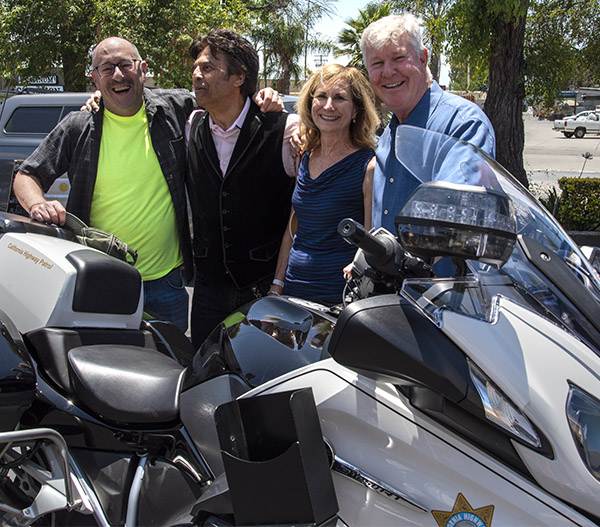
Erik Estrada was a central character in the show, the one who was always in some kind of trouble with Sergeant Getraer.  Ponch (his nickname, as in Ponch Poncharello) and Jon no doubt influenced a lot of guys to apply for jobs in the real California Highway Patrol.  The real California Highway Patrol had a real motor officer and a real CHP BMW at this event, along with a couple of patrol cars.

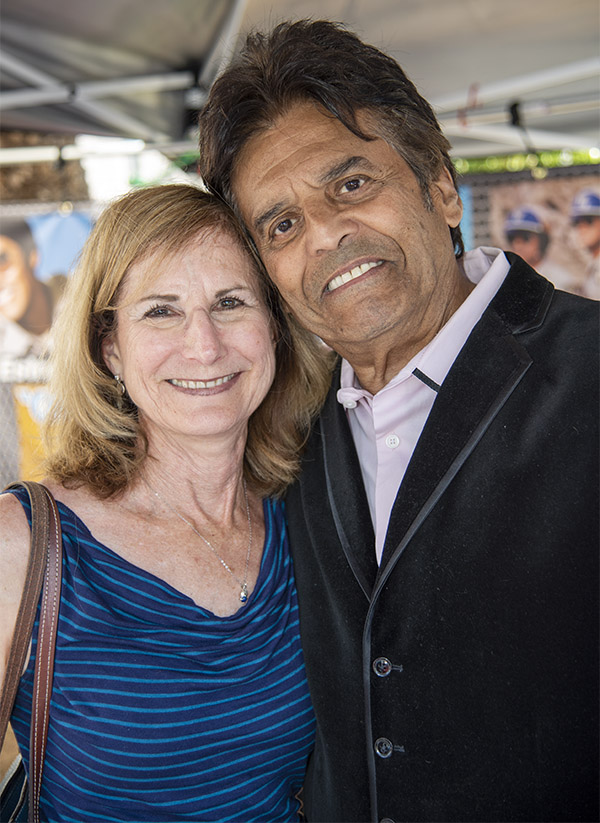
Susie and Erik Estrada.  All three of the CHiPs stars allowed everyone to take as many photos as they wanted.  There’s nothing pretentious about these guys.

There were a lot of things I enjoyed about this event.  We had to wait in line to get up to the table for autographs, but the wait wasn’t too bad and the event wasn’t rushed at all.  The weather was nice and it was a fun way to spend a Saturday morning.  Pine, Wilcox, and Estrada chatted with everybody, and Mr. Estrada walked the length of the line several times apologizing for the wait and telling us they were going as fast as they could.  There were a few people in line who were disabled, and Ponch helped them maneuver up to the picture-posing area (he was very friendly).  All three of the TV CHiPs seemed to have the same personalities as the characters they played 50 years ago, with Estrada being the most mischievous (and, where the ladies were involved, the most flirtatious).

I asked Estrada if he still rode and what kind of motorcycle he had.  It was a topic he wanted to talk about.  “Ponch” told me he sold his Harley Softail 20 years ago, and that he now owned one of the six Kawasaki police motors used on the show.  “The Teamsters gave it to me,” he said.  I thought that was pretty cool.

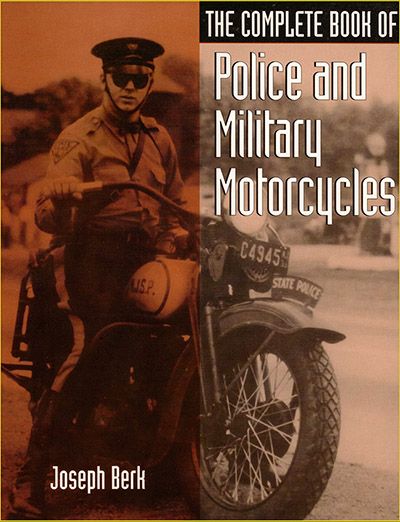
The other stars in the show were southern California, the California Highway Patrol, and the Kawasaki Police 1000 motorcycle.  I imagine CHiPs did a lot for CHP recruitment, and the Kawasaki police motorcycles did a lot for Kawasaki (in both the police and civilian markets).  It was a brilliant bit of product placement before product placement became a thing, and it led to a nearly complete bifurcation of the police motorcycle market.  Departments east of the Mississippi River stuck with Harley-Davidson, and departments west of the Mississippi went with Kawasaki (although that has changed in recent years).  If you are wondering how I know that, I did a fair amount of research for The Complete Book of Police and Military Motorcycles when I wrote it 20 years ago.

The Complete Book of Police and Military Motorcycles is back in print and you can purchase a copy for a low, low $9.95.


Whoa…check this out…it just happened yesterday right here in LA.  Who’d a thought?  The CHP on full dress Harleys chasing down a guy on a Kawasaki KLR 650, and staying with him on the freeways, splitting lanes, on surface streets, and off road.  These are CHiPs legends being created as this blog was being written!

Whatever the two CHP officers’ names are, you can bet they’re being called Ponch and Jon now!


Don’t forget to click on those pop up ads!


Keep us going!


Never miss an ExNotes blog…sign up here for a free subscription:

Why Are All My Friends Buying Harleys?

By Joe Berk

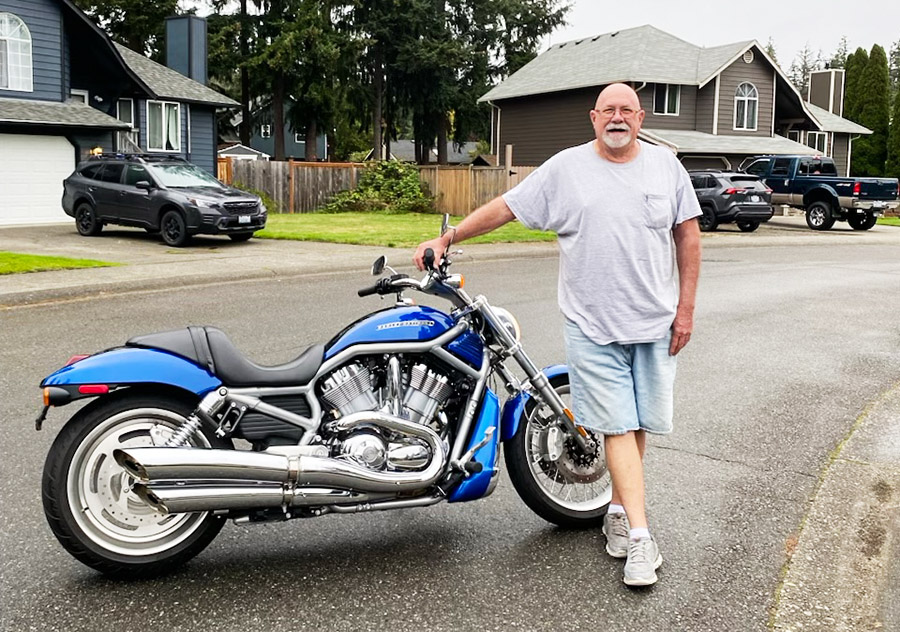
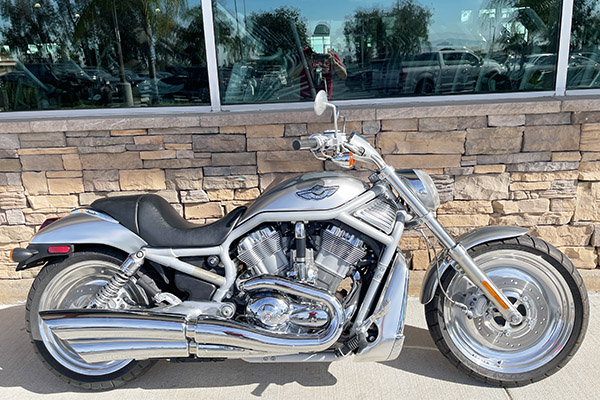
Don’t get excited; I don’t have that many friends.  But lately two of them (Baja John and Uncle Joe Gresh) both bought Harleys.  I guess I started thinking about it when I went to the gym yesterday morning.  There was an early Harley V-Rod parked in front.  It looked brand new.  It’s too bad that bike didn’t make it with the beer bellies and tattoos bunch.  Harley is on the skids now, struggling through a huge sales downturn and significant layoffs.  I guess they don’t know what to do.  I do (small bikes and even smaller prices; it ain’t rocket science, Milwaukee).  Eh, what do I know?

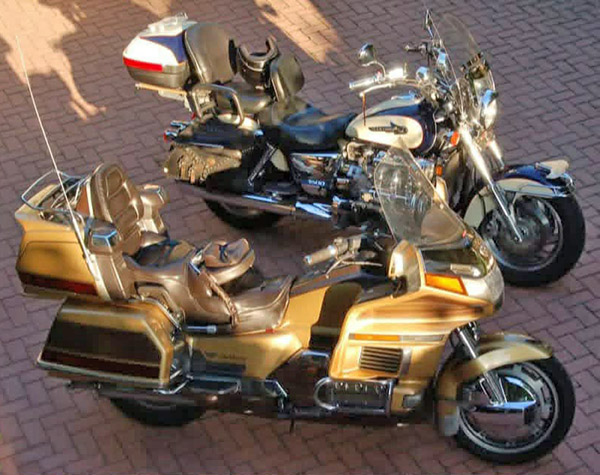
The V-Rod had me thinking about Baja John.  He bought a V-Rod last year.  I haven’t seen it yet, so I called John and asked him to send a photo.  It’s the one you see at the top of this blog.  I need to get out there to Arizona and visit with John again.  Maybe on the next pig hunt.  Maybe sooner.

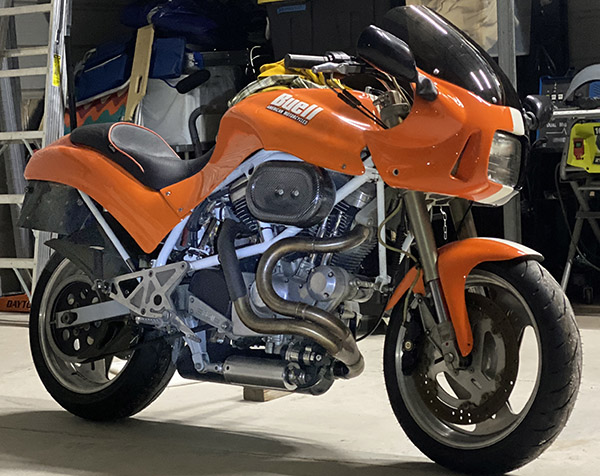
And then there’s Gresh and his Buell.  I knew more about that motorcycle, as Sue and I hosted Gresh out here in La La Land when he came out to pick it up.   It’s a beautiful motorcycle, and it’s been fun watching Joe resurrect it.  He’s having fun.  It’s too bad Buell didn’t work out for Harley, either.  I thought those bikes might have been the answer.  Joe’s adventures have had me thinking maybe I need to find an older Buell to play with.  It would be fun.  But there aren’t too many Harley dealers around here anymore; they’ve been dropping like left wing loonies (sorry for the redundancy) at a MAGA rally.  Seriously.  Harley dealers are falling fast.  It’s a shame, really.

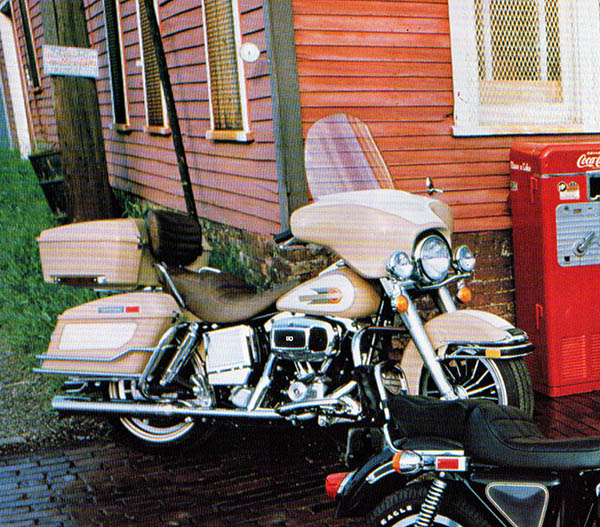
The upshot of the above, of course, is that if you are in the market for a Harley, this is probably a good time to buy.  I’ve owned two Harleys; one was a turd and the other was awesome.  They sure were beautiful, though.  Even the ’79 Electra-Glide (the turd) that treated me worse than Kamala Harris at a Toastmasters meeting was drop dead gorgeous.

I think if I was going to buy another motorcycle, it would be a Moto Guzzi.  The work I’ve been doing for Motorcycle Classics magazine with Cycle Garden in Indio cemented what I already felt:  Guzzis are the world’s most beautiful motorcycles.  I like the Ambassadors and El Dorados from the 1970s, and I also like the Griso.  I’m keeping my eyes peeled.  And there’s another plus on the Guzzis:  They sure are easy to maintain.

How easy?  Hey, buy a recent issue of Motorcycle Classics, turn to the “How To” section, and you’ll see.  The upcoming issue has a feature on how to de-rust a gas tank, and it’s pretty interesting.  I think you’ll like it.


Subscribe to ExNotes for free!


We need your support!  Do what you can to help ExNotes stay in the black!


More Huber? Check out A Trip Into The Moment.

More Gresh and Berk?  You bet!  Check out A Cup O’ Joes!


Join our Facebook ExNotes page!

Help us keep the lights on:

Tokyo Road: Part 3

By Mike Huber

I slowly awoke to a sunny Tokyo October morning.  It obviously took me a bit to realize it was sunny as I was inside a windowless pod.  Once I was out and about into the busy streets of Tokyo, I could actually embrace the sun’s warmth. It was time to enjoy a coffee and ensure my head was clear from the previous night’s adventure in Akihabara.  Today was the day I was to begin an 8-day motorcycle adventure through Japan.

The caffeine kicked in as I boarded the Tokyo train to Rental819 in Odaiba, where I had reserved a motorcycle 2 weeks prior. Throughout my world travels I have found renting a smaller displacement on a motorcycle when outside the United States is the way to go.  The larger heavier bikes just can’t compete in terms of agility in most other countries.  For Japan I chose a displacement more in the middle as there are expansive highways in Japan where having some more pick up would be required.  A Suzuki V-Strom 500cc would be my chosen steed for this journey through the land of the rising sun.

You never realize the expansiveness and density of Tokyo until you motorcycle through it. I was familiar with driving on the left side of the road as I have been flip flopping directional driving over the past 2 years month to month and country to country. With this level of comfort, I could fully absorb the awesomeness and size of Tokyo in its entirety. With no highway speed cameras it didn’t take long before I was out of the city and on my way towards Mount Fuji, but before that there was one place I wanted to experience.

I was on the outskirts of the Aokigahara Forest as mist and clouds began to surround me while the trees grew denser. This forest is also known as the suicide forest. This location is one of the most used places for suicides on earth. I parked the motorcycle next to a small sedan and decided to do a short hike to stretch out from the 3-hour ride.  As I began hiking it hit me that maybe that sedan belonged to someone that came here with a purpose.  The atmosphere was already very heavy and not wanting to see a body swinging from a tree I opted to end the hike and briskly return to the motorcycle and leave the forest.

A downside of riding this time of year in Japan was that Mount Fuji was hidden behind a wall of clouds.  It reminded me of my home from a previous life near Mount Rainier, which would only show its ghostly glowing during the summer months. It seemed as though today would not be the day I would get my first glimpse of Mount Fuji, so as the sun began to dip into the clouds I opted to find a hotel for the evening, have dinner and prepare a direction for tomorrow’s adventure.


More Huber?  You bet!


Help us keep the lights on!


Never miss an ExNotes blog:


Join our Facebook ExNotes page!

Aldo: An ExNotes Renaissance Man

By Joe Berk

Last year I started a Facebook group focused on Uberti firearms (and that’s the name I gave it).  I saw a note on Facebook that if you didn’t see a group you wanted, you could create your own group, and I did.  I created the group because I’ll sometimes post firearms-related blogs there. It was trivially easy to do, and within weeks, membership had grown to 13,500 members. I like Uberti guns, I’ve written about them before here on ExNotes, and it just sort of seemed like a good thing to do.

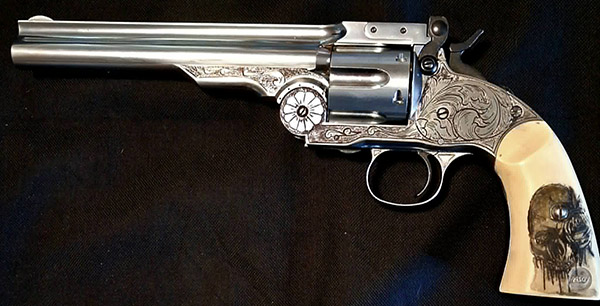
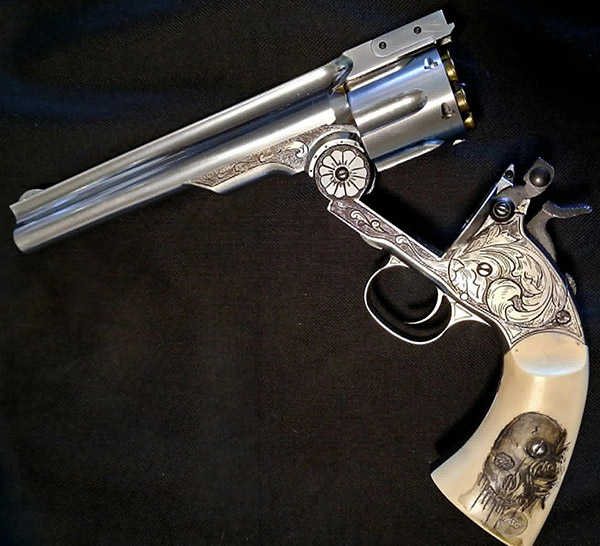
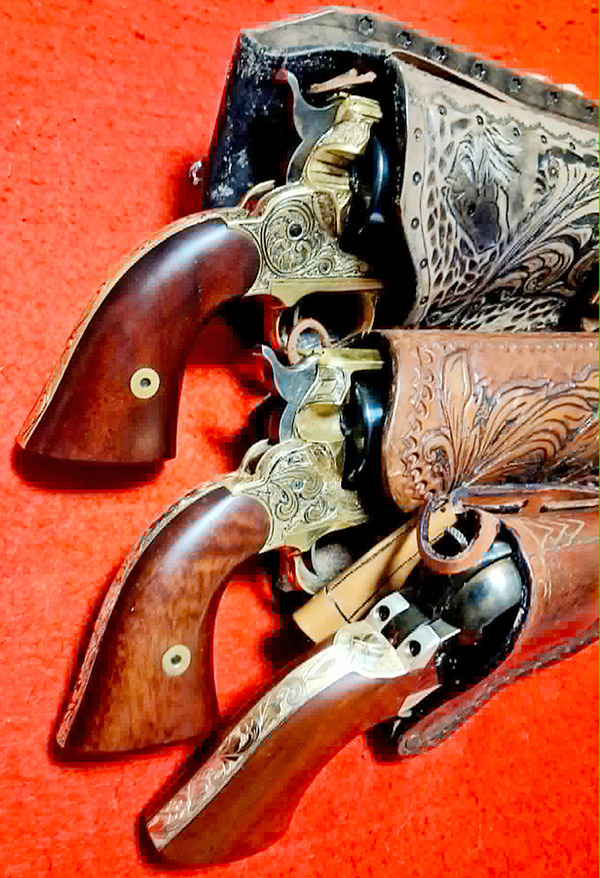
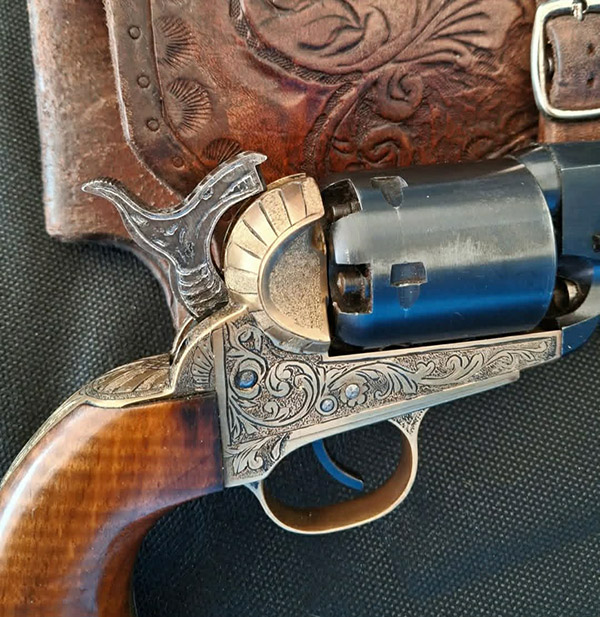
Last week, a fellow named Aldo Venturini posted some intriguing pictures of cap and ball revolvers he had engraved, along with a few knives he had made.  One thing led to another, and with the help from Translate.Google.com we had an interesting conversation.   Here’s what Aldo told me:

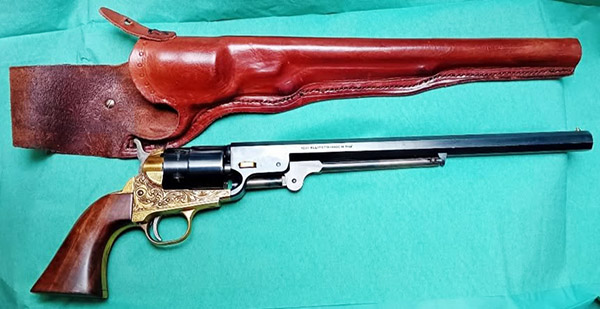
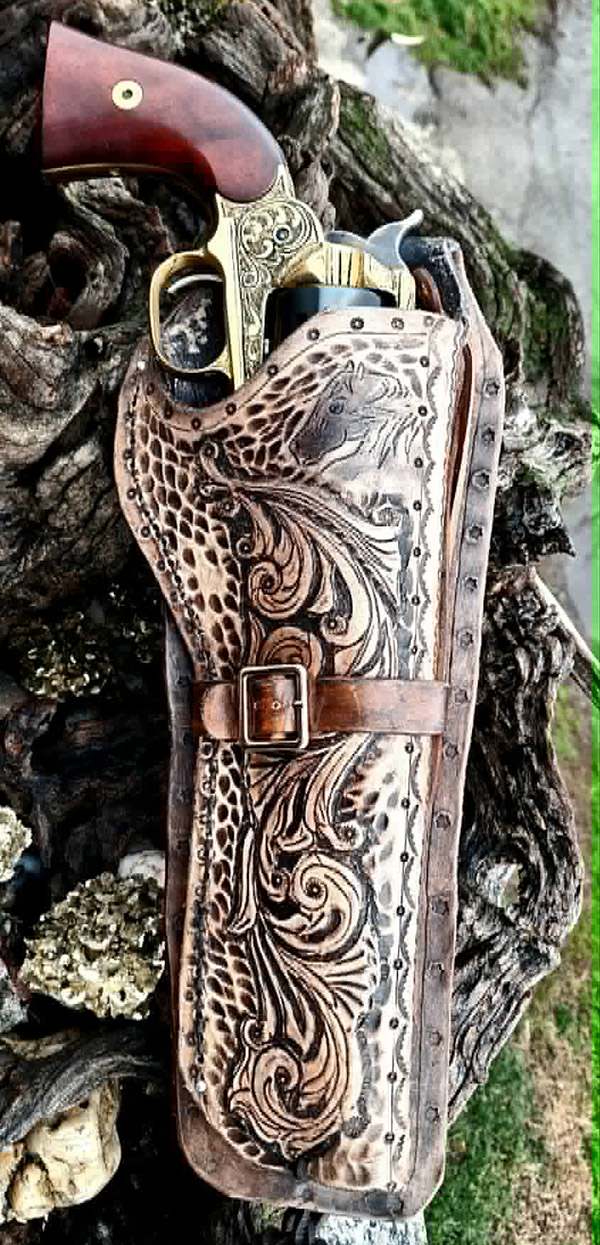
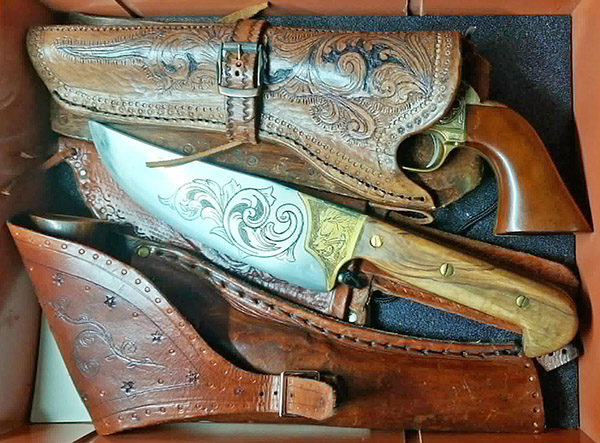
I’m a passionate engraver. I’ve been engraving for 15 years.  I’m experienced in various engraving techniques.  I also work with leather, which allows me to make sheaths for both the guns I engrave and the knives.  With engraving, I do what inspires me…I don’t have any established subjects.

I’m a lover of weapons as objects and believe that weapons are the best canvas for engraving.

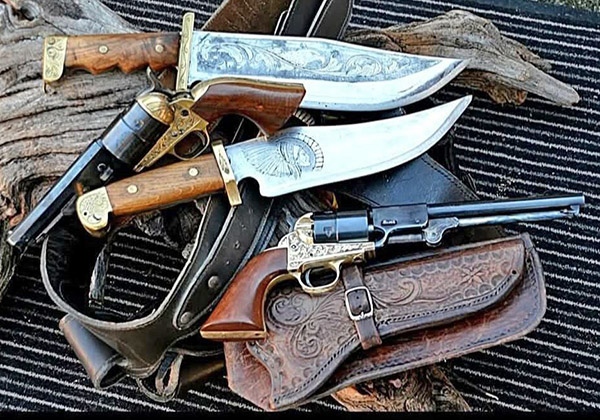
For variety, I make knives, mainly Bowie knives. I own a fair number of my own.

All work is done in-house by hand. The knives are made entirely, complete with sheaths. The Colt sheaths are also handmade. For my personal satisfaction…I do engravings upon request, after agreeing on the work and cost.  I don’t do it for the money.

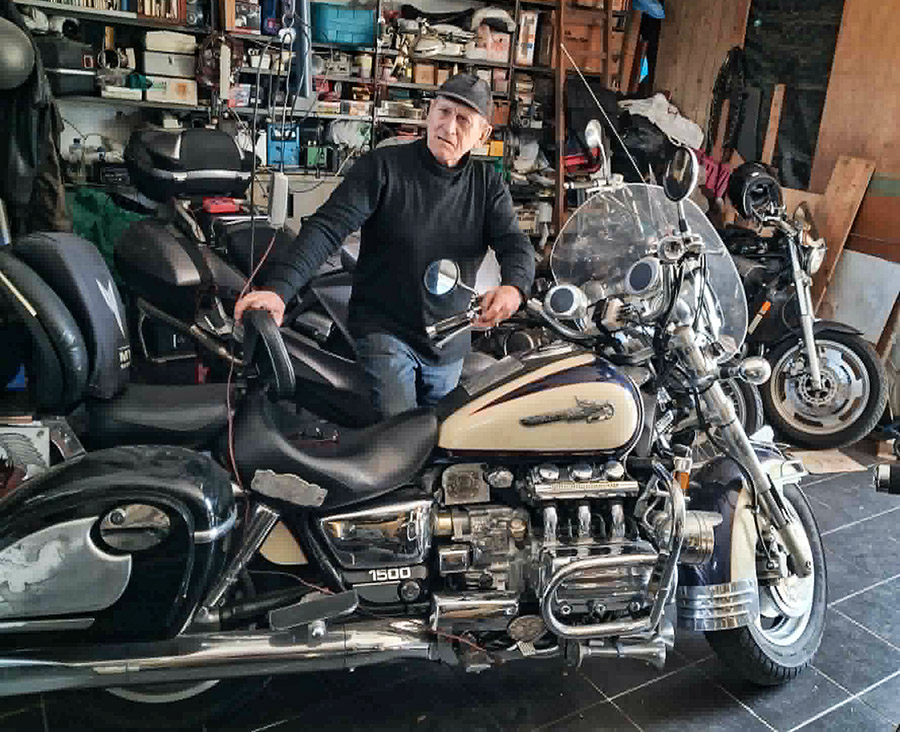
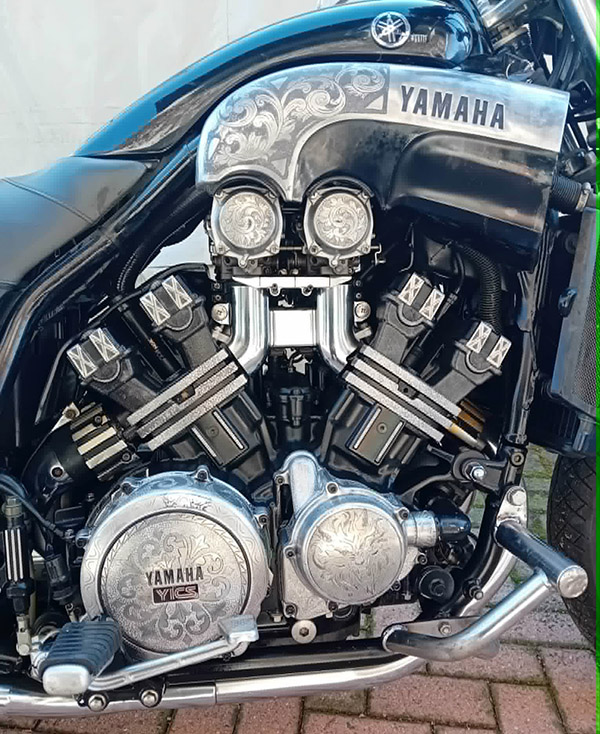
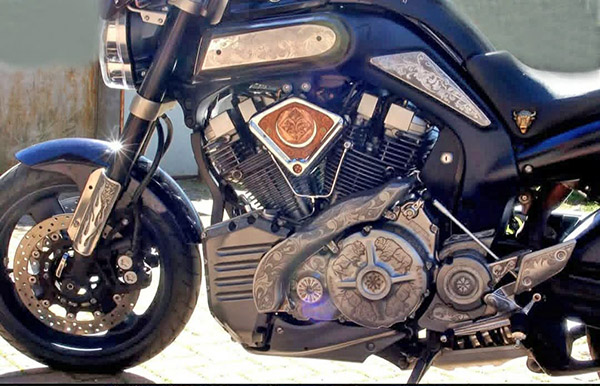
I’m self-taught, and I learned because I wanted to engrave my motorcycle the way I liked it. Then, once I finished, I continued with other engravings.  I have 10 motorcycles….😄I’ll give you one that’s a bison…1700 cc twin-cylinder.

I’ll be 80 this year.  I have no problems and can still afford to ride my 10 motorcycles (all large-displacement bikes).  I’m also an inventor…with several patents filed, including one in the United States in the medical field. Check my name. Others are filed in the European Patent Office in Munich.

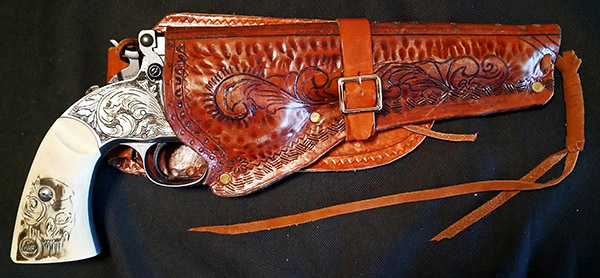
I asked Aldo if I could post some of his photos here on the ExNotes blog and he said okay.  This is beautiful work and I’m happy to share it with you. First, a few of the guns and their holsters…

Next are a few of Aldo’s knives…

And here are photos of some of Aldo’s motorcycles…

Aldo is an interesting man.  I wish he lived closer than Torino (in Italy).  He’d fit right in with the ExhaustNotes crowd.


Aldo, grazie mille per aver condiviso la tua arte con noi. Guida con prudenza e restiamo in contatto, amico mio!


Join our Facebook Uberti Firearms page!


Keep us in components!


Never miss an ExNotes blog:


More gun stuff? You bet!


Join our Facebook ExNotes page!
A Few More Colt Python Loads

By Joe Berk

Man, I love my Colt Python.  I thought I’d get that out of the way first in case anyone had any doubts.  The Python is one of those things that just feels right.  I’m glad I bought it and every time I take it to the range I feel good because I know I made a good decision.

I’ve been on a kick lately developing different loads for the Python with a focus on 158-grain and 180-grain jacketed bullets, and different propellants (including Winchester 296, Bullseye, IMR 4227, and Unique).   Not to be combative and before you get your inner keyboard commando up, let me state at the outset that I can hear the comments already: What about 2400, or Power Pistol, or (fill in with your favorite powder).  You go to war with the Army you have and I had to put a cap on the development work (and the above listed powders are what I had).  If you want to see more development work with other powders, hit the donate button below and send me a note.  Or start your own website.

158-grain DKC bullets, .357 Magnum reloads, and the Colt Python: A marriage made in Heaven.

I keep a stash of Hornady jacketed bullets as my preferred projectiles in the .357 Magnum, mostly because of their consistent quality and accuracy.  Recently, I received an email from Raven Rocks for DKC 158-grain jacketed hollowpoint bullets, so I thought I’d try those.  DKC is a Turkish bullet maker, and I know from prior defense industry experience that the Turks usually do a good job on armament components.  You may recall that I recently tested some of DKC’s 147-grain 9mm bullets in three different handguns and I wasn’t too impressed with them (that blog is here).   I wanted to see if the DKC .357 bullets were any better than the 9mm bullets (spoiler alert:  they are).

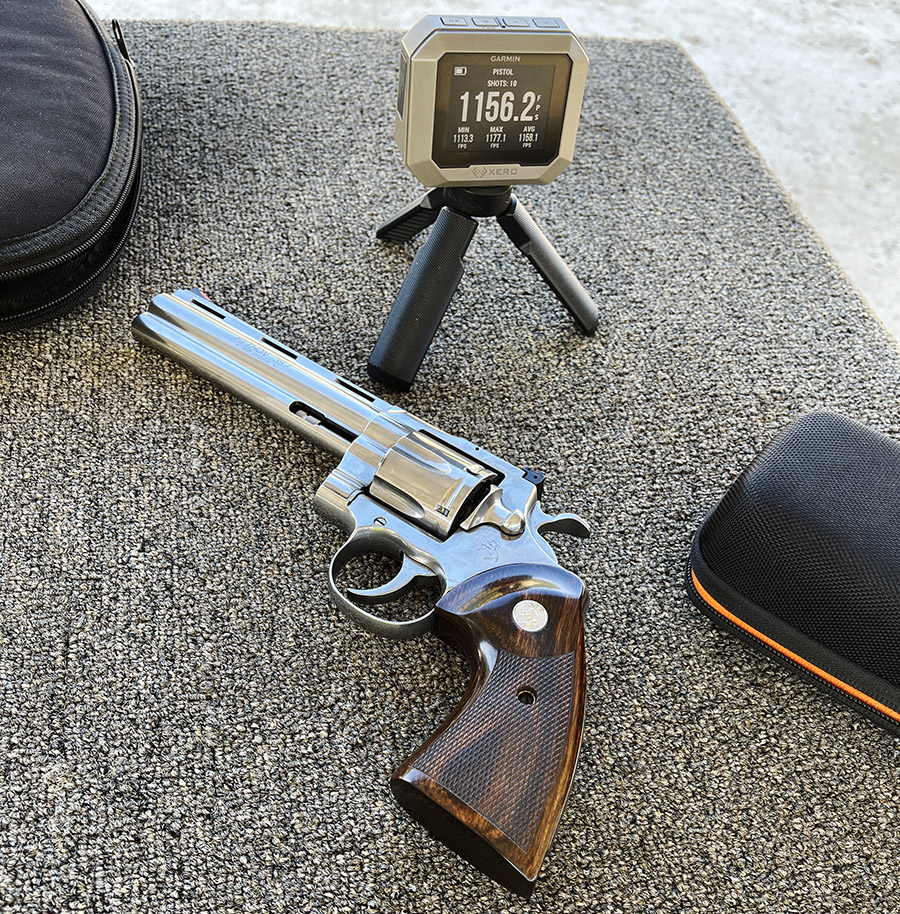
For this testing, I fired all loads at 50 feet, I used my Garmin chronograph to measure the velocities, and I used my Lee classic four turret press and Lee’s .38/.357 four-die set for loading the ammo.  I believe in Lee reloading gear, and when it comes to getting a good crimp on hot revolver cartridges, the Lee dies work best (you can read about that here).  That’s especially critical on the Colt Python, which has a very short cylinder compared to some other sixguns).  Making sure the other bullets in the cylinder don’t jump forward under recoil is critical with the Python (see our earlier testing).

So what’s the bottom line?

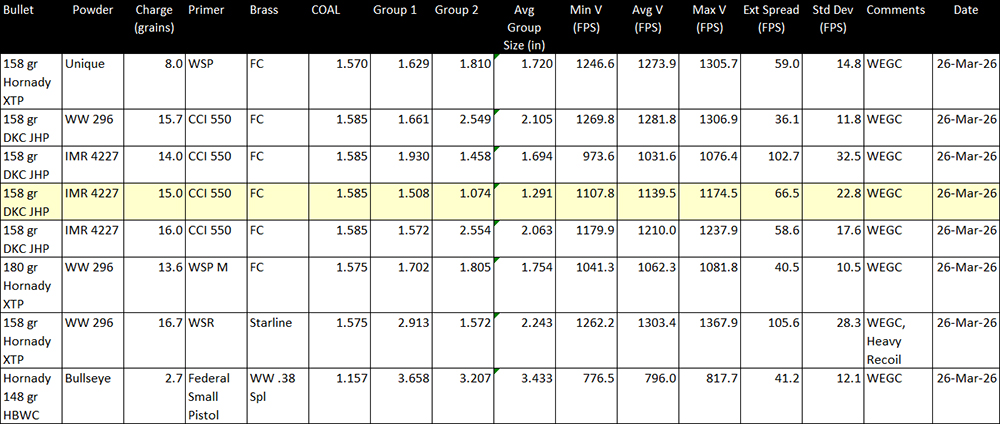
It’s 15.0 grains of IMR 4227, CCI 550 primers, and the DKC 158-grain jacketed hollowpoint bullet.   Here’s how I got there:

I know the table’s font is too small to read as presented here.  If you click on the table, a larger table will appear.   You can thank me by clicking on the Donate button.

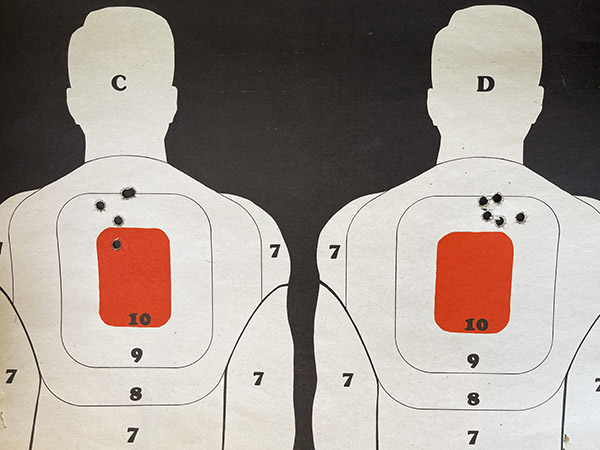
Oh yeah! A 50-foot target shot with the 15.0-grain IMR 4227 load. Point of aim was 6:00 on the orange bullseyes.

As stated above, I found that 15.0 grains of IMR 4227, a magnum primer (I used CCI 550 primers), and the DKC 158-grain bullet gave the smallest groups, but several of the other recipes were not too far behind.  Just about any load combo worked well.  But that 15.0-grain load…wow, it was a honey.  The velocity (which averaged 1140 fps) was what I would consider moderate for a .357 Magnum.   The recoil was correspondingly moderate.

Every gun is different, and it’s interesting to see what works best in different guns chambered for the same cartridge.   The Unique load at the top of the table above was the accuracy load for my 6 1/2-inch blue steel Ruger Blackhawk.  The 158-grain Hornady jacketed hollowpoint load with 16.7 grains of Winchester’s 296 worked best in my 6 1/2-inch Ruger stainless Blackhawk and it was stunningly accurate in my 8 3/8-inch Model 27 Smith and Wesson 40 years ago.  But 16.7 grains of 296 makes for a religious experience type of load.   Recoil is impressive and steady servings of those cartridges beat both the stainless Ruger Blackhawk and the Smith  Model 27 to death.  I only tried a few of those monster loads in the Python, and I’m glad they weren’t the accuracy winner.

I keep a stash of the .38 Special standard target load (2.7 grains of Bullseye with a 148-grain Hornady hollowbase wadcutter bullet) on hand.  It is a one-hole load in my Model 52 Smith, and it’s been accurate in other .357 and .38 Special handguns.  I wanted to use it in the Python as a standard of comparison, and it surprised me.   It was the least accurate of any of the loads tested in my Python.  Like I said above:  Every gun is different.

After settling on the 15.0-grain IMR 4227 load, I wanted to see how it would do at 25 and 50 yards.  I went to the West End Gun Club on a beautiful Sunday morning and set up targets at both distances.

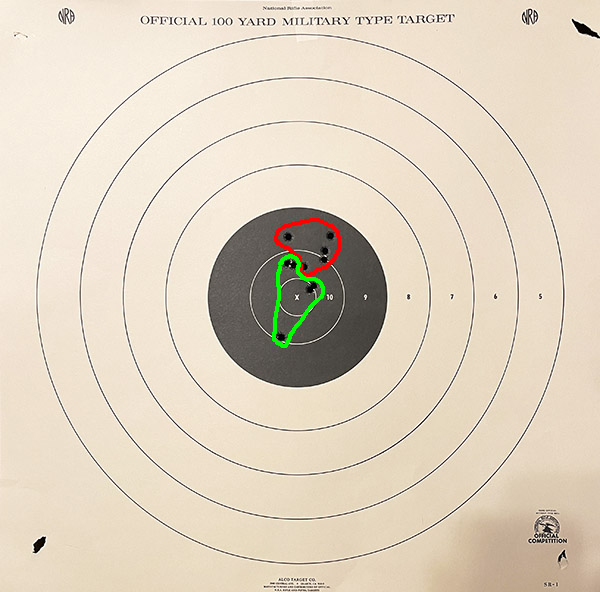
I first shot at the 25-yard target and shot a great group, but it was high (it’s the group circled in red in the target below).  The rear sight only had four more clicks left in the down direction, so I dialed those in and fired another five rounds.  That produced the group circled in green in the target below.  I used a 6:00 hold on the black bullseye for both groups.

A 25-yard target with my 15.0-grain IMR 4227 load. Two groups…one in red before lowering the rear sight, and one in green after lowering the green sight.

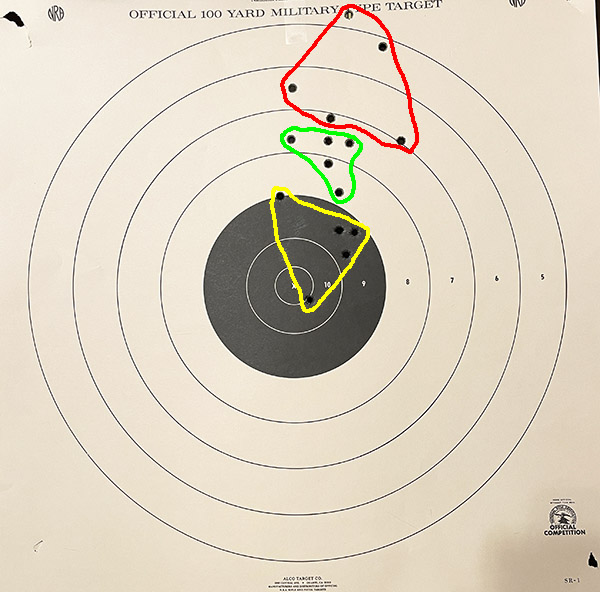
After firing the first 25-yard group, I shifted to the 50-yard target before adjusting the rear sight.  That produced the group outlined in red in the target below.  After lowering the rear sight, I shot the group outlined in green in the target below.  It was a good group at 50 yards, but still too high (I was using the same 6:00 bullseye hold mentioned above).  Because I was out of adjustment on the rear sight, I tried to hold about 4 inches below the bottom of the bullseye, and I shot the group outlined in yellow.

I couldn’t get the rear sight low enough at 50 yards, so I dialed in a little Kentucky droppage to get the group in yellow.

I’m pleased with these results.  I might need to move the rear sight a scosh to the left, but I want to shoot a few more groups to confirm that.  That will happen in the near term.  I am also thinking about a taller front sight.   The rear sight is already in its lowest position; a taller front sight would bring the point of impact in line with the point of aim.  We’ll see.

What’s next?  I’m thinking a trip to Arizona for some more pork.  I’d like to see how this combo works on a pig, and I think there’s enough energy and accuracy to humanely take next year’s stash of bacon.  Well, okay, you got me:  I’m just kidding about the bacon part.  There’s no belly fat on a wild pig.  There’s plenty of other meat on one of those Arizona hogs, though, and I’m already thinking about a cookbook featuring recipes for the same.

Stay tuned.


Keep us in components!


Never miss an ExNotes blog:


More gun stuff? You bet!


More Python?  You bet.  Here are our earlier Python related posts:

Python versus Blackhawk
110-Grain Python Load
Python TJ Trigger
Python Update
New Python Range Test
New Colt Python
A Colt Visit
Boudreau Bullets
A Pair of Prancing Ponies


Join our Facebook ExNotes page!
The Wayback Machine: Toxic Masculinity

By Joe Berk

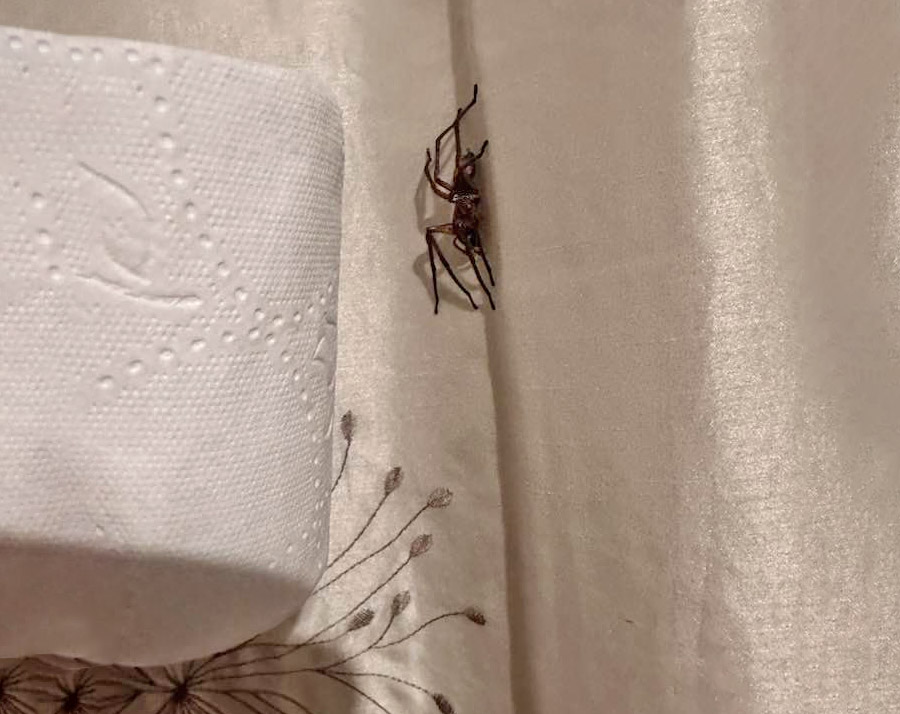
I’ve always been afraid of (and morbidly curious about) spiders, so when Bobbie Surber posted the photo you see above of a spider in her Ecuadorean hotel room’s bathroom, it had my attention.  I don’t think I could stay in a hotel room where a spider like that put in an appearance.  I know I’m a big tough guy who rides motorcycles and made it through jump school in a prior life, but spiders creep me out.  I’m deathly afraid of the things.

Which doesn’t mean I’m going to pass up an opportunity to get a photo of one.  Baja John and I were rolling through Baja a decade and a half ago on our KLRs (I loved that motorcycle; it was one of the best I ever owned).  We were doing maybe doing 60 mph when I somehow spotted a tarantula creeping along the pavement’s edge.  I had to turn around and get a photo (it’s the one that sometimes graces the scrolling photo collection you see at the top of every ExNotes blog).  Baja John, being a curious sort, did a U-turn and parked his KLR by the side of the road, too. I had my old D200 Nikon with its first-gen 24-120 Nikon lens (not a good choice for a spider macro shot, but it did the job).

The KLRs of Baja John and yours truly stopped along the Transpeninsular Highway for an impromptu tarantula photo shoot.  Those KLRs were great bikes.
A Baja tarantula minding his (or her) own business.
Cover and concealment, tarantula-style.

Before you knew it, I was snapping away while Baja John and I were crouched down in front of the hairy thing.  The tarantula’s ostrich-like behavior was kind of funny.  It hunkered down with a weed over its six or eight (or whatever the number is) eyes, thinking because the weed covered its eyes it was concealed.  At least for a while.  Then it realized we were still there and it charged.  I’m not kidding.  The thing charged at us with startling speed.  Both of us did our best impersonation of Looney Tunes cartoon characters, our feet moving faster than we were, trying to run backwards from the crouched position, screaming like little girls.   We made it, and the spider scurried off to wherever it thought was a better spot.  Baja John and I, thoroughly adrenalized, laughed so hard I thought I was going to pee my pants.

I’m an old fart who really doesn’t give a rat’s ass about what anybody thinks of me anymore, so I’ll tell you that I am scared of spiders on some basic, fundamental, hardwired-into-my-psyche level.  That said, I know that some of you younger guys who read ExNotes probably still worry about being perceived as tough macho men (you guys who haven’t achieved my level of self-awareness and acceptance yet).  Because of that, I’ll share with you a technique I’ve used for decades.   You know the deal…your significant other spots a spider, usually in the bathtub, and the job of sending it to the promised land naturally falls to you, the man.   You’re as scared as she is, but your ego won’t let you admit it.  There’s a spider there, and militant feminism be damned, it’s your job (as the man) to “get it.”

Here’s where the story turns to my other favorite topic:  Guns.  I’m helping you out here, guys.  Here’s an excuse to pick up another firearm.  You can thank me later.

What you need is a pellet pistol.  Preferably a manually-cocked model that doesn’t require a CO2 cartridge.  My weapon of choice is the Daisy 777 air pistol.  It’s a fantastic gun and it is quite accurate (I used to compete with one in bullseye air pistol competition, but I digress…back to the story at hand).

When your lovely significant other comes to you announcing a spider in the bathtub, choke down those feelings of fear, revulsion, and inadequacy. Here’s what you do:  Grab your air pistol.  Cock it, but (and this part is very important) do not put a pellet in the chamber.  While maintaining a firm grip on the weapon, point it at the offending arachnid with the muzzle approximately one inch away from your target.  Do not stand directly under the spider (for reasons that will become clear momentarily, this is also very important).  Take a deep breath, let it halfway out, and while maintaining focus on the front sight and proper sight alignment, gently squeeze (do not jerk) the trigger.  A high-speed jet of compressed air will  exit the muzzle, strike the spider, and break it up into legs, thorax, abdomen, and other body parts.  They will float to the ground and in most cases, the separate parts will continue twitching (adding to the excitement, the thrill of the hunt, and proof of your masculinity).  Mission accomplished, as old George W liked to say.  Your job (which was to “get it”) is done.   You can now turn to your sweetheart, smile, and ask her to clean it up.


Never miss an ExNotes blog:


Keep the magic coming!