
By Joe Gresh
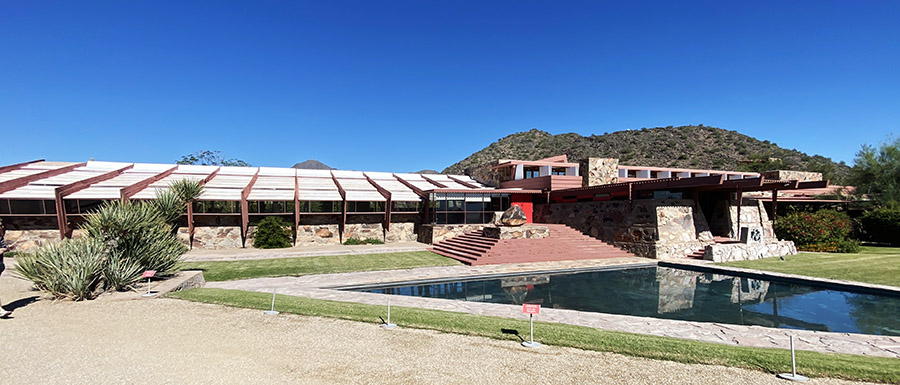
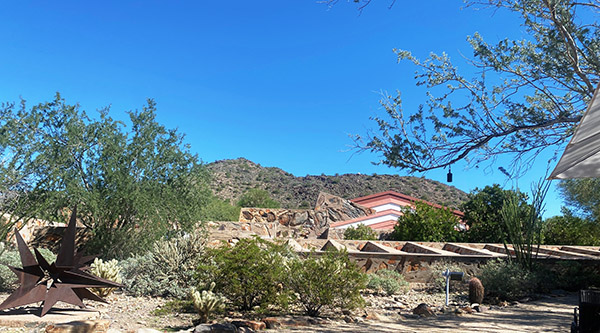
East of Scottsdale, Arizona, is a Frank Lloyd Wright house he named Taliesin West. The word “house” is being kind; it’s a mashup of tent and stone. The place is built using local rock and concrete, so you know I’m predisposed to like Taliesin.
I’m usually not a fan of Wright’s designs. They pointlessly stretch the function of materials and the idea of space in directions I dislike. Wright pushed the boundary of possibilities: A structure didn’t have to provide structure, it could exist simply as an idea. Take Falling Water. It barges in on the environment lording itself over the river and unnecessarily cantilevering all over the place. It’s a rude work. Not to mention his stuff leaks.
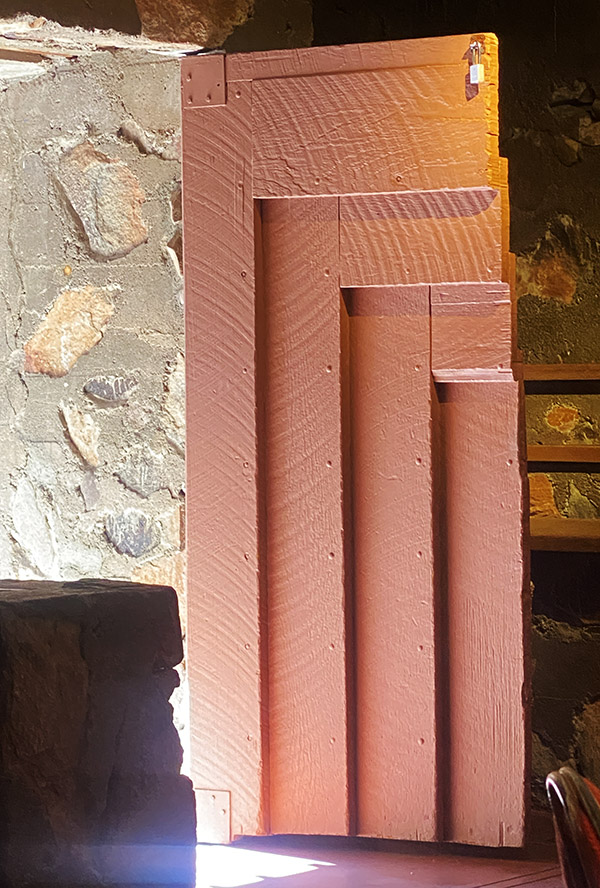
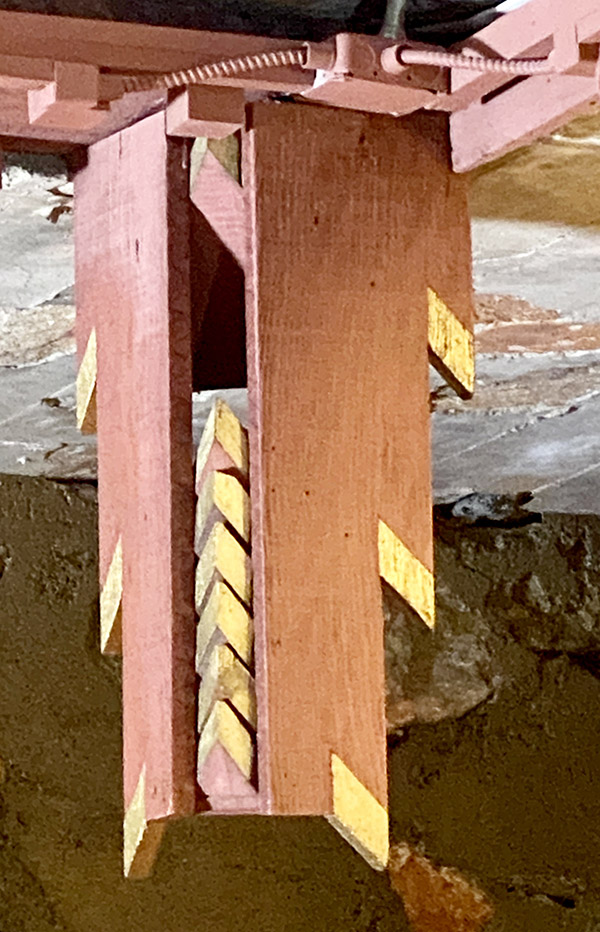
Taliesin West follows Wright’s usual distain for practicality and water tightness. Many roofs are canvas. Shutters open backwards so rain can blow in instead of shielding the windows. Painted plywood, probably the miracle material of the 1940s, is used extensively and today lends a cheap feel to the building. Not to mention the constant painting and replacement plywood requires. Odd little squares line the eaves requiring constant upkeep. Shallow reflecting pools breed slime and need cleaning frequently.
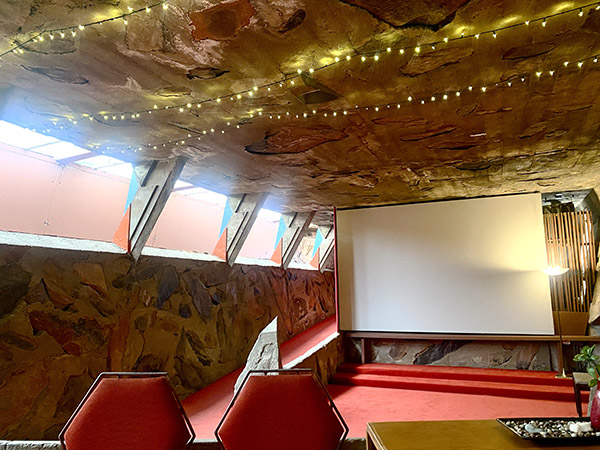
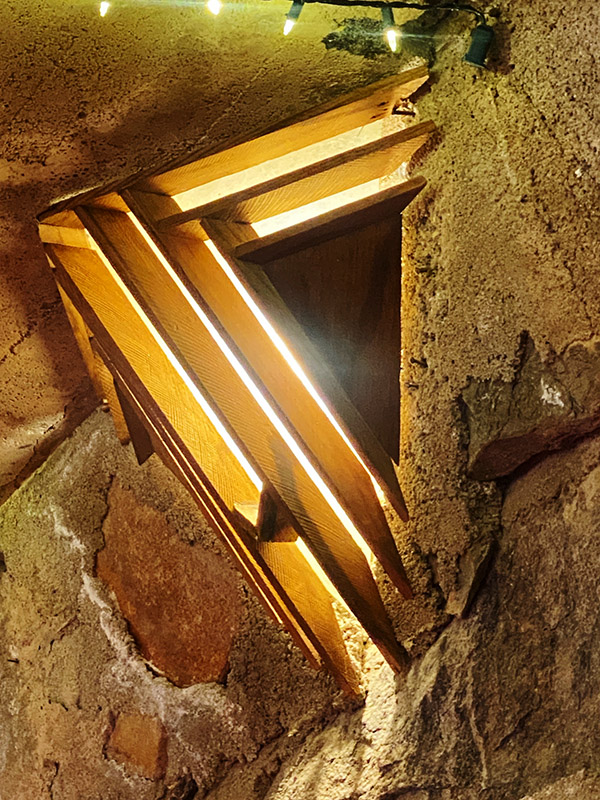
Over the entertainment area the roof is a series of angled concrete and stone boxes that look like ideal water traps. Ceilings are low most everywhere and typically large Americans had to duck to get inside rooms. There’s a reason we all live in boxes. Boxes work.
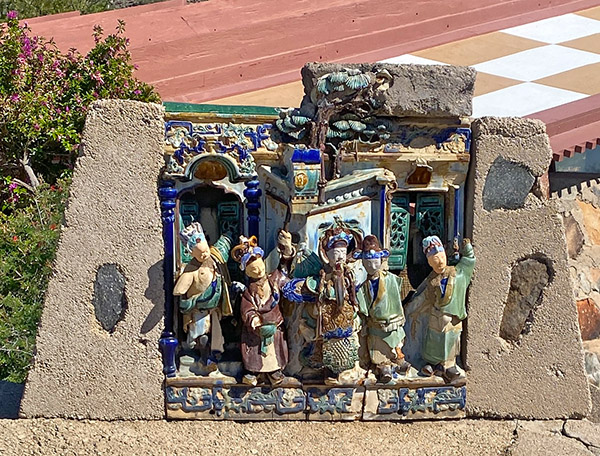
Having said all that, I loved Taliesin. Wandering around, my inability to think outside the box kept me shocked at the unsuitable designs Wright employed. I’ll never be as free as him. Things like moving a window because he didn’t want to move a vase amaze me. My values always default to sensible. I’m going to move the vase no matter how much I like it there. Wright doesn’t do sensible.
Sitting in the Garden Room, looking out the low, western wall, gave a feeling of it being a special place. None of the boxes I build feel special. The density of the walls with their large rocks strangled in concrete felt safe. My dry-stack rock walls can tumble down at any moment. Corrugated metal buildings feel anything but safe.
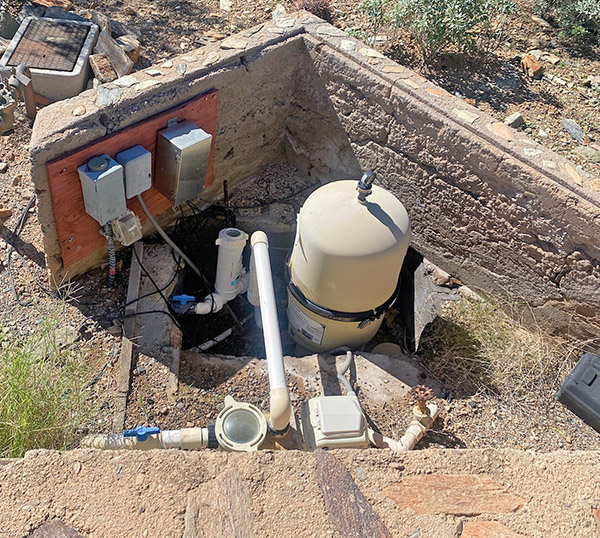
Taliesin started out as a 500-ace campsite and when Wright left for the summer the canvas roofs were removed and the buildings were left to the elements. Returning for winter the place would be reassembled and a crowd of designers worked there. Taliesin has a magical, Disney-theme-park feel. You expect a gnome to pop out and spin a hex around every corner.
My takeaway is this: I’m never going to build something that is doomed to fail, but I might be able to loosen up a bit and do some dumb things just because I want to. At least I’m going to try and stretch my thinking. Wright showed us that we don’t always have to follow the rules.
Join our Facebook ExNotes page!
Never miss an ExNotes blog:
Help us keep the lights on:
Don’t forget: Visit our advertisers!