

By Joe Berk
Minnesota’s Fort Snelling State Park is a subject more worthy of a multi-volume book than a single blog post. The challenge in a blog piece is to hit the high points, so bear with me as I attempt to do so. Sue and I recently visited the Minneapolis/St. Paul area, and Sue found several interesting spots to visit. One of them was Fort Snelling.
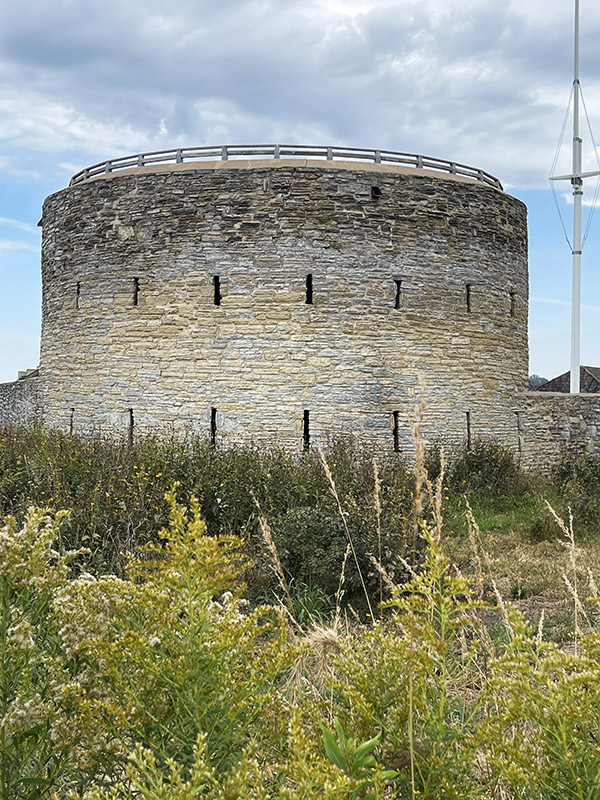
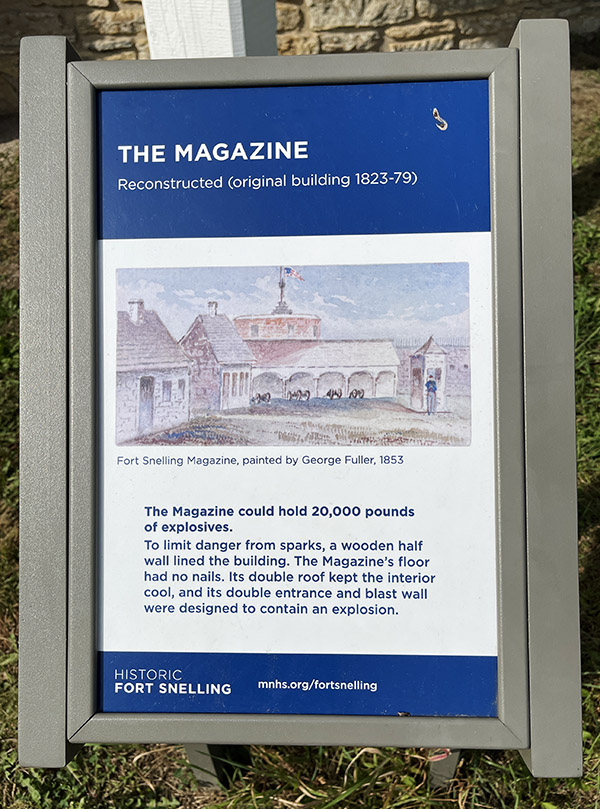
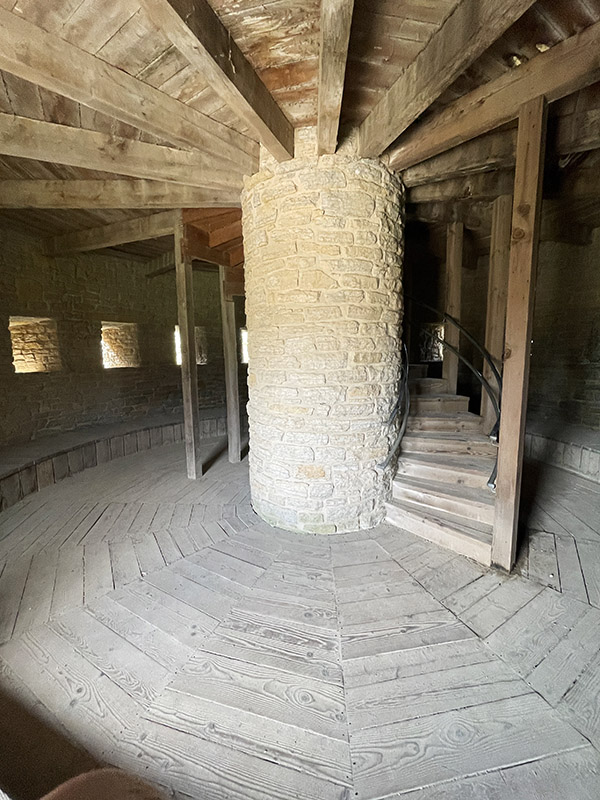
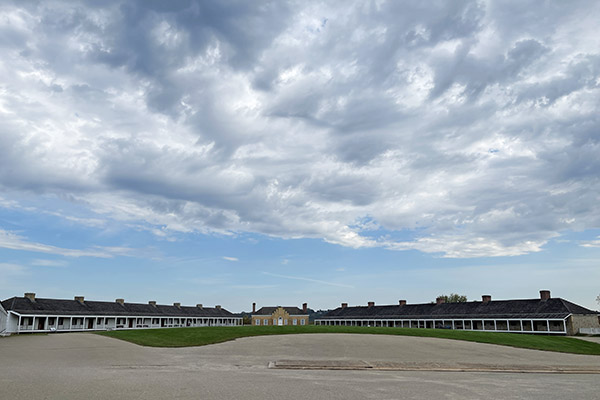
Fort Snelling is located where the Minnesota and Mississippi Rivers meet. Here’s a bit of its background and just a few of the significant things that happened there:
-
- Fort Snelling was founded in 1820
- The Mdewakanton Dakota Native American people believe that this area is the center of the Earth.
- In 1805, Lieutenant Zebulon Pike met with the Mdewakanton Dakota and signed a questionable treaty to purchase the area for the United States. Most historians believe that neither Pike (of Pike’s Peak fame) nor the Native American representatives were authorized to strike such a deal. Pike paid about $200,000 for the area, which consisted of about 155,320 acres, but left the amount blank in the treaty he brought back to Washington. The US Congress changed the amount to $2,000, but didn’t pay the Dakota people in cash. The Government instead provided goods it felt were worth about $2,000.
- Lieutenant Colonel Henry Leavenworth built the initial outpost in 1819.
- Colonel Josiah Snelling assumed command in 1820 and finished construction; he died in 1827 after being recalled to Washington.
- Minnesota’s first post office opened at Fort Snelling in 1827, the same year that Colonel Zachary Taylor assumed command.
- Slavery existed at Fort Snelling up until 1857.
- Dred Scott (of the Dredd Scott Decision fame) and Harriet Robinson Scott were among slave population at Fort Snelling.
- Fort Snelling acted as a concentration camp for the Dakota people before they were sent to Nebraska.
- The fort was a primary recruiting station during the Civil War, the Spanish American War, World War I, and World War II.
- In 1848, portions of the military reservation were set aside and would become St. Paul.
- In 1856 Major Edward Canby became the fort. Canby would go on to become a general, and would hold the dubious distinction the only general killed in the Indian wars. Canby, a Minnesota town, bears his name.
- The fort was the primary military base during the Dakota War of 1862.
- In 1916, when General John J. Pershing was chasing Pancho Villa in Mexico, Minnesota’s National Guard was activated at Fort Snelling to provide border security.
- In 1944, the Army’s Military Intelligence branch operated at Japanese language school at Fort Snelling, which was relocated to its current location in Monterey, California when Fort Snelling was decommissioned in 1946.
- Restoration of the old Fort Snelling began in 1957.
- Fort Snelling became a National Historic Landmark in 1960.
- Fort Snelling State Park opened in 1962. It is Minnesota’s most visited state park.
Here are a few additional photos we grabbed as we wandered through the Fort Snelling grounds.
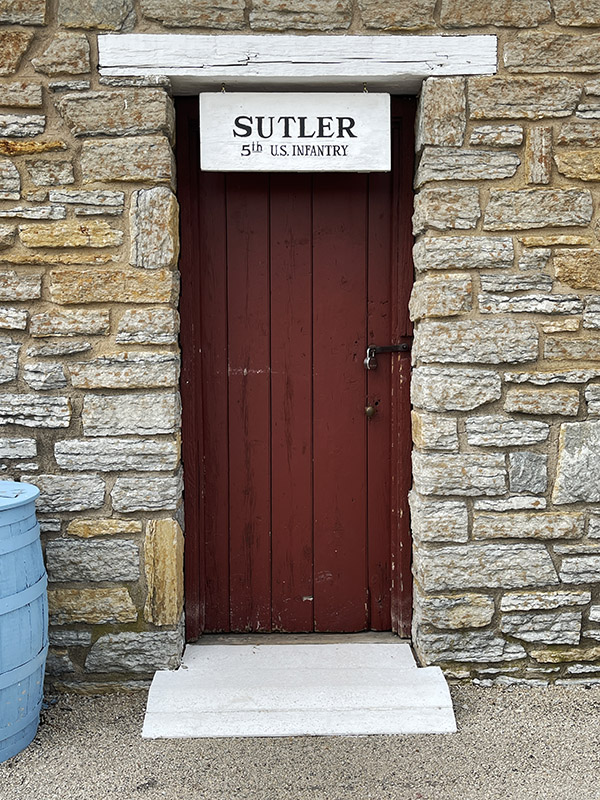
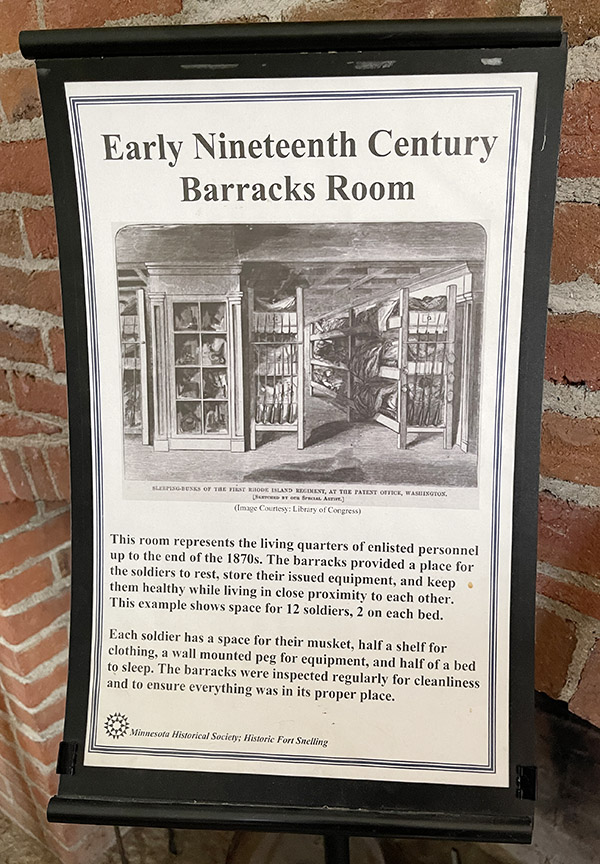
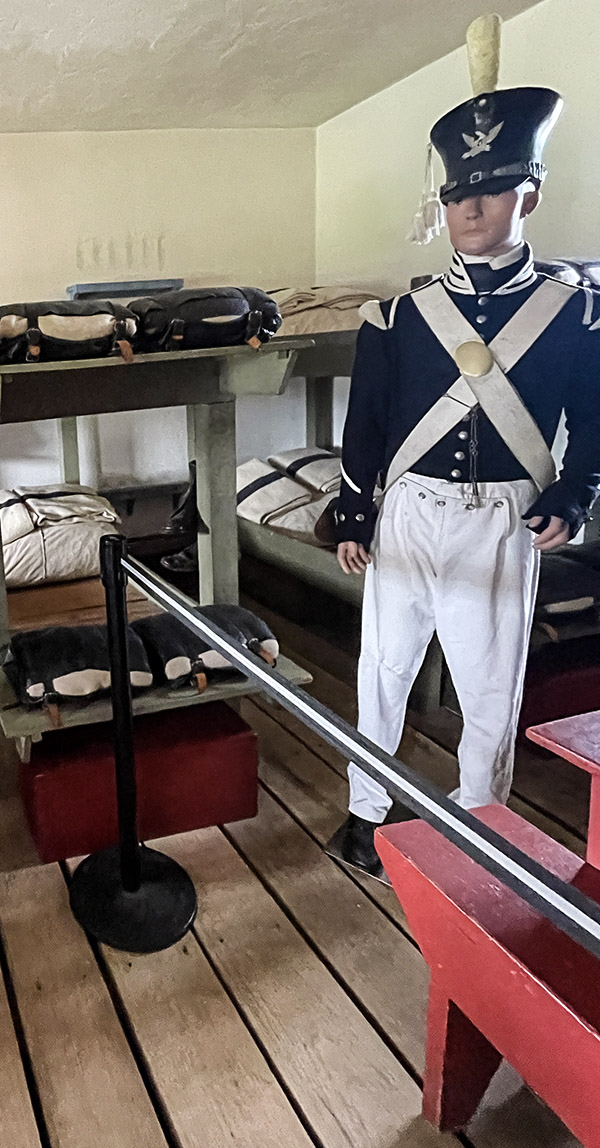
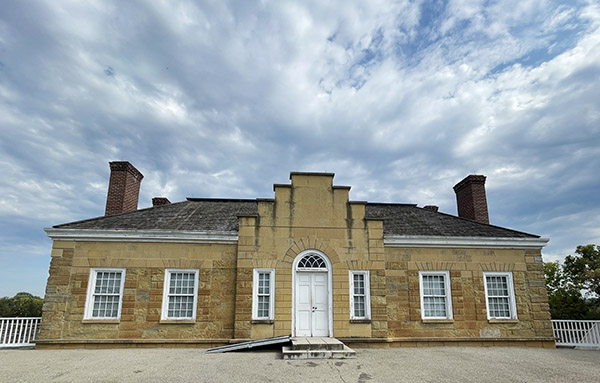
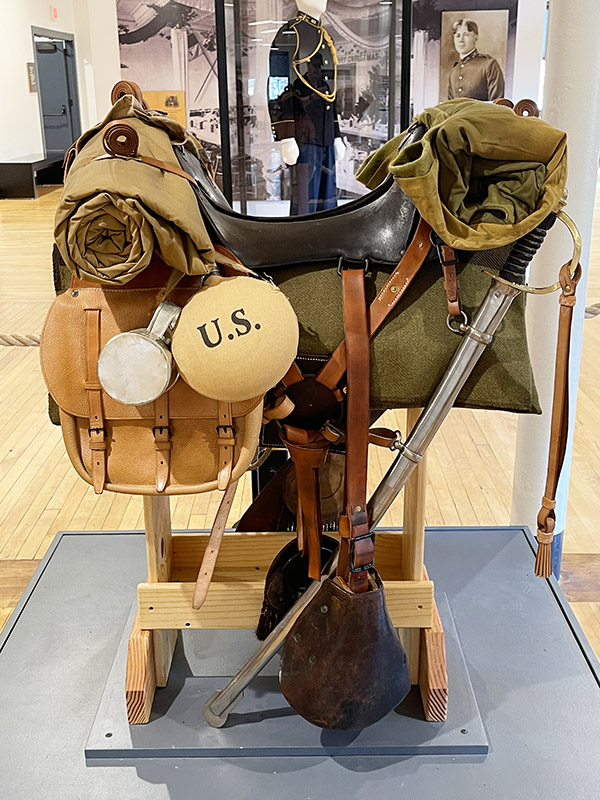
There’s an interesting Museum that houses a number of exhibits as you enter Fort Snelling State Park. Our visit was a good one. We opted for the guided tour and it was money well spent. Our tour guide was enthusiastic and made the tour interesting. If you ever pass through the Minneapolis/St. Paul area, Fort Snelling should be on your list of places to visit.
Join our Facebook ExNotes page!
Never miss an ExNotes blog:
Help us keep the lights on:
Don’t forget: Visit our advertisers!