
By Joe Berk
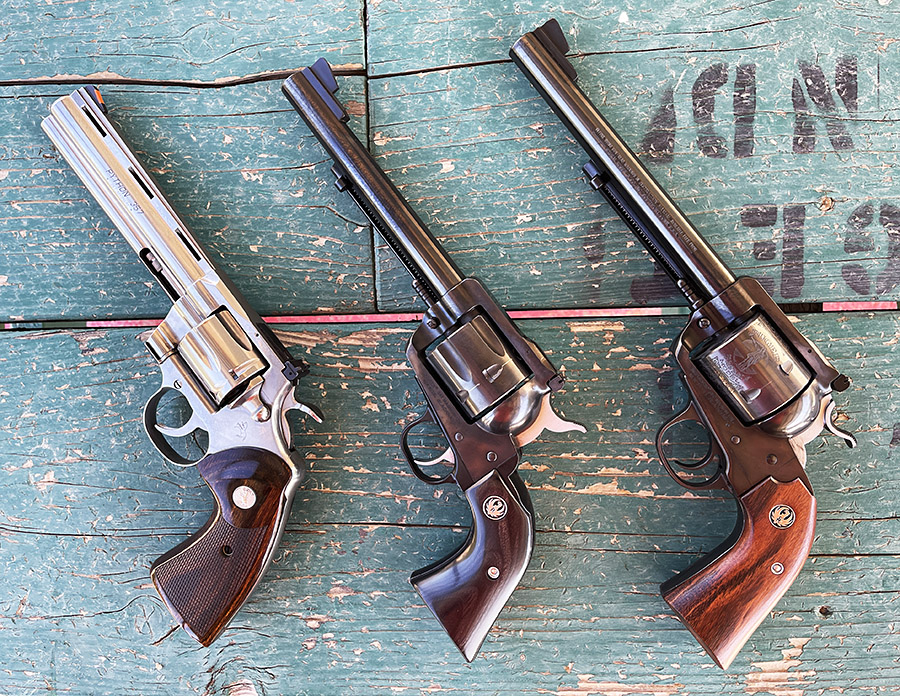
This blog focuses on an evaluation of the Missouri Bullets 180-grain cast lead bullet with IMR 4227 powder in the three .357 Magnum revolvers shown above: A 6-inch Colt Python, a 6 1/2-inch Ruger Blackhawk, and the 7 1/2-inch Ruger Bisley. All three revolvers have graced these pages previously (I will provide a link to the earlier blogs below); today’s story specifically assesses the Missouri cast bullet and IMR 4227 performance.
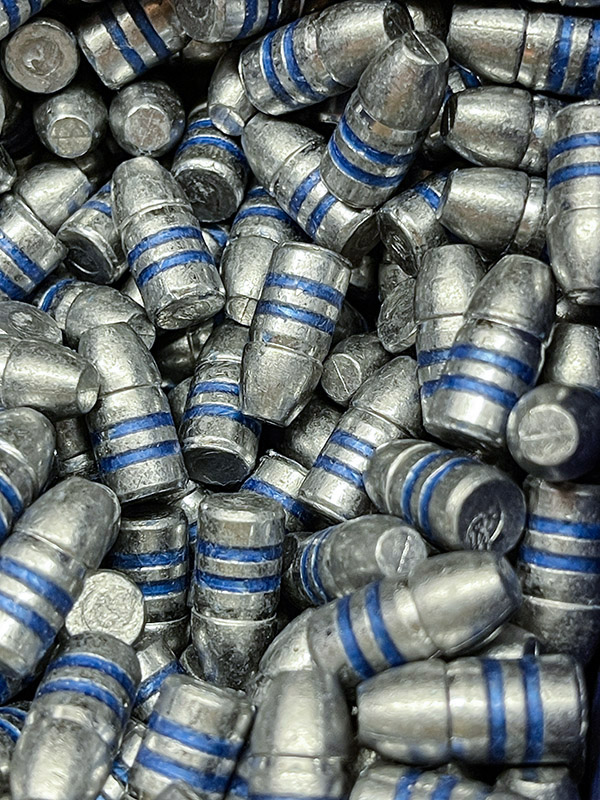
The Missouri bullet is heavier than most .357 bullets, which I like. I generally prefer heavy-for-caliber bullets. The jury was out on these, though. I was not too pleased with an earlier batch due to casting imperfections on the bullet base. Missouri gave me a credit for that box and I ordered another thousand. These were better, but still not what I expected (the bullets still had some base smears and runs, as can be seen in the above photograph).
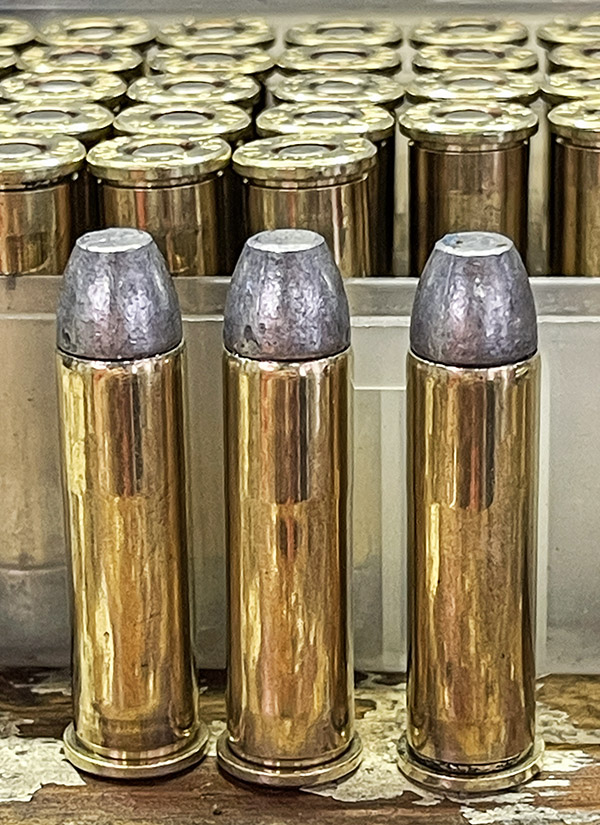
The Missouri bullets made for a nice-looking load. I loaded the ammo used for this test on my Lee Classic Four Turret press, which is my go-to reloading setup for just about any handgun cartridge. I can’t say enough good things about the Lee gear. It’s been great.
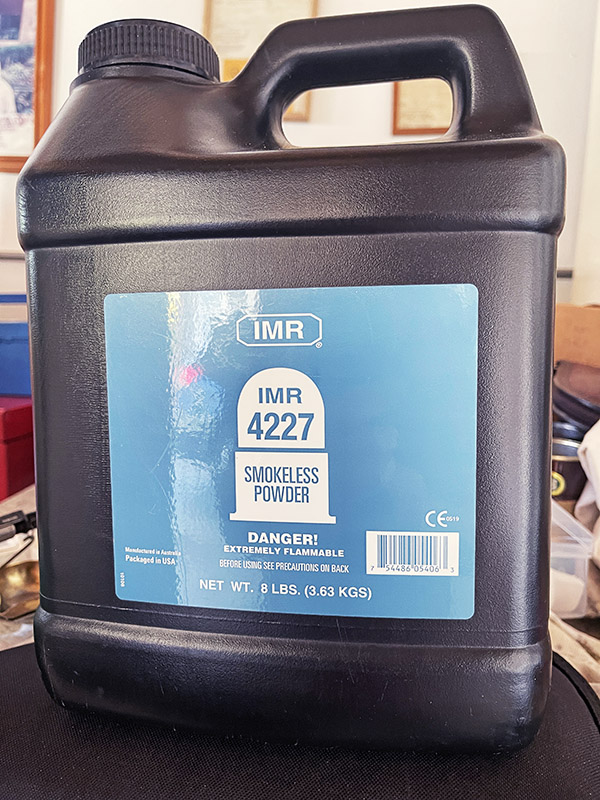
As mentioned above, all loads used IMR 4227 powder. I loaded in increments of 13.5 grains, 14.0 grains, and 15. o grains. The 15.0 grains is above what most reloading references list as a max load. I found a reference to that load on the Missouri Bullets website so I thought I would try it. It is a very hot load. I would not advise using it and I’m not including data for it here.
I used brass as identified in the table below, and CCI 550 small pistol magnum primers. All cartridges were loaded to an overall length of 1.585 inches and firmly crimped with Lee’s crimping die. My Garmin chronograph recorded all velocities.
How did I do? The chart below summarizes what I found.

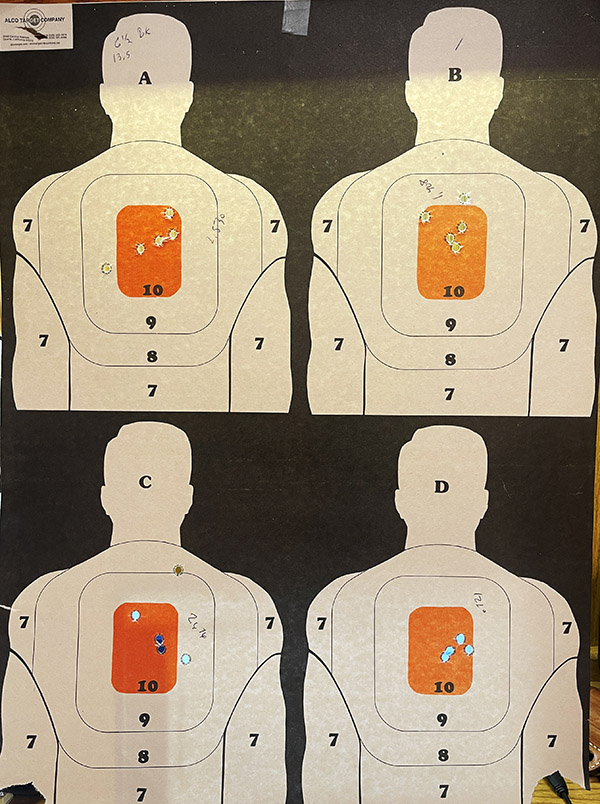
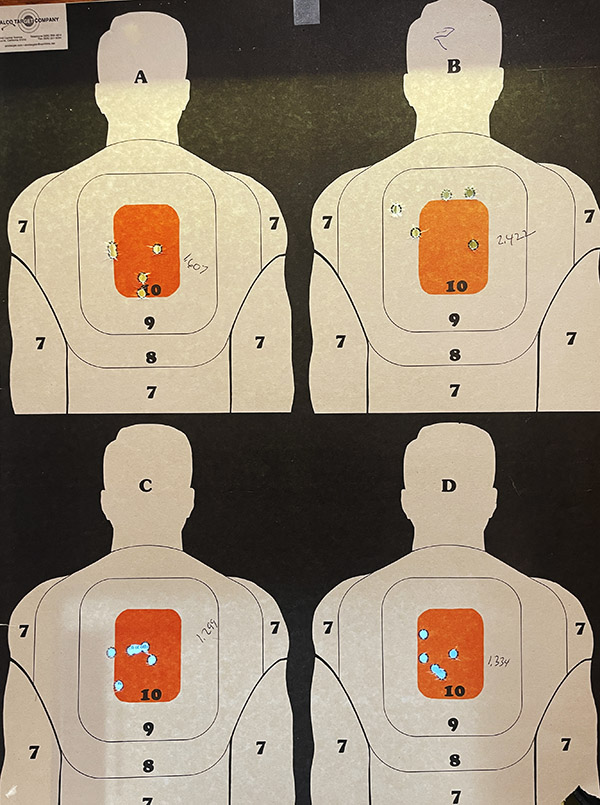
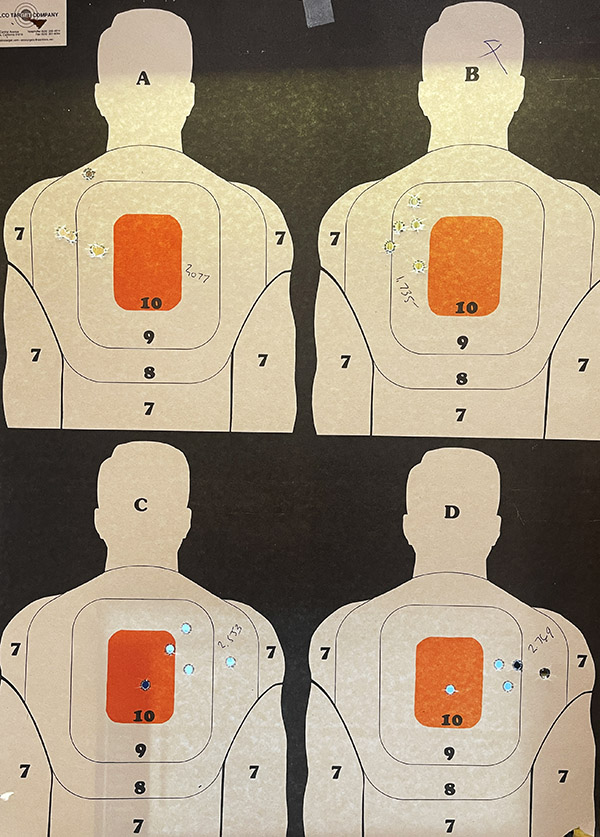
With respect to accuracy, the above loads were mediocre. Both Rugers did better with the 14.0-grain IMR 4227 load; the Python did better with the 13.5 grain IMR 4227 load (but I wouldn’t take that to the bank, as will be explained in the next paragraph). None of the loads are what I would call target grade accuracy. That may have been due to me (I’m not a world class target shooter), or it may have been due to the bullet base imperfections mentioned above. Note that one particular combination (the 6 1/2-inch Blackhawk with a 14.0-grain load) shot a 0.721-inch group. Maybe I just got lucky on that one, or maybe those particular cartridges had bullet bases with no casting imperfections.
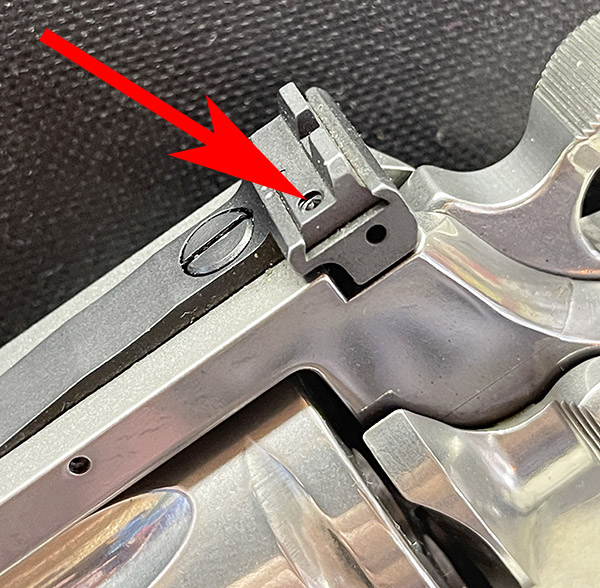
Regarding the Python, I noticed that my shots for the first two groups were way to the left. That’s because the rear sight blade had drifted to the left. I unscrewed the tiny set screw that is intended to secure the blade in place, adjusted the windage, but the sight blade moved again when I fired the next two groups. When I tried to tighten the set screw further, its Allen head socket stripped. The Python’s rear sight is the gun’s weak point. I’m replacing it with a Wilson combat sight. The Wilson rear sight replacement will be the topic of a future blog.
With respect to velocity, the differences in barrel length between the 6 1/-inch and 7 1/2-inch Rugers can be seen (the 7 1/2-inch Ruger was faster). The shorter 6-inch Python did well, most likely because it’s very tight barrel-to-cylinder gap, a slightly tighter bore (I’ve read that Pythons have a marginally smaller bore diameter than most other .357 Magnums), and a more polished bore overcame the longer-barreled Rugers’ length advantage.
I think IMR 4227 is a good powder in the .357 Magnum. It gives velocities comparable to Winchester 296, another great choice for this cartridge. The Missouri bullets do not provide, in my opinion, target grade accuracy. I may load some of these with the 14.0 grain load using bullets that I screen for good bases (i.e., no casting defects) to see how they do. I think these bullets are good enough for hunting, though, and I plan to use the 14.0-grain load in my 6 1/2-inch Blackhawk on my next pig hunt. Stay tuned.
Our earlier blogs on the Python, the Blackhawk, the Bisley, and a whole bunch of other cool stuff are here.
Subscribe to ExNotes for free!
We need your support! Do what you can to help ExNotes stay in the black!

More Huber? Check out A Trip Into The Moment.

More Gresh and Berk? You bet! Check out A Cup O’ Joes!

Join our Facebook ExNotes page!