
By Joe Gresh
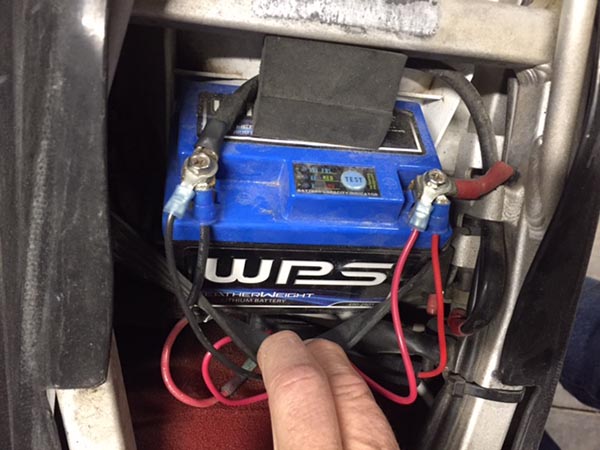
I was going to do a bunch of stories on my solar power system that powers my shed. I may still do that but this is more of an update on the batteries I use to store the solar power.
With solar, unless you plan on only having power in the daytime, you’ll need a way to store energy. The traditional way to accomplish this is with lead-acid batteries. I’m a lead-acid fan boy because they are so much cheaper than lithium batteries or a molten salt battery.
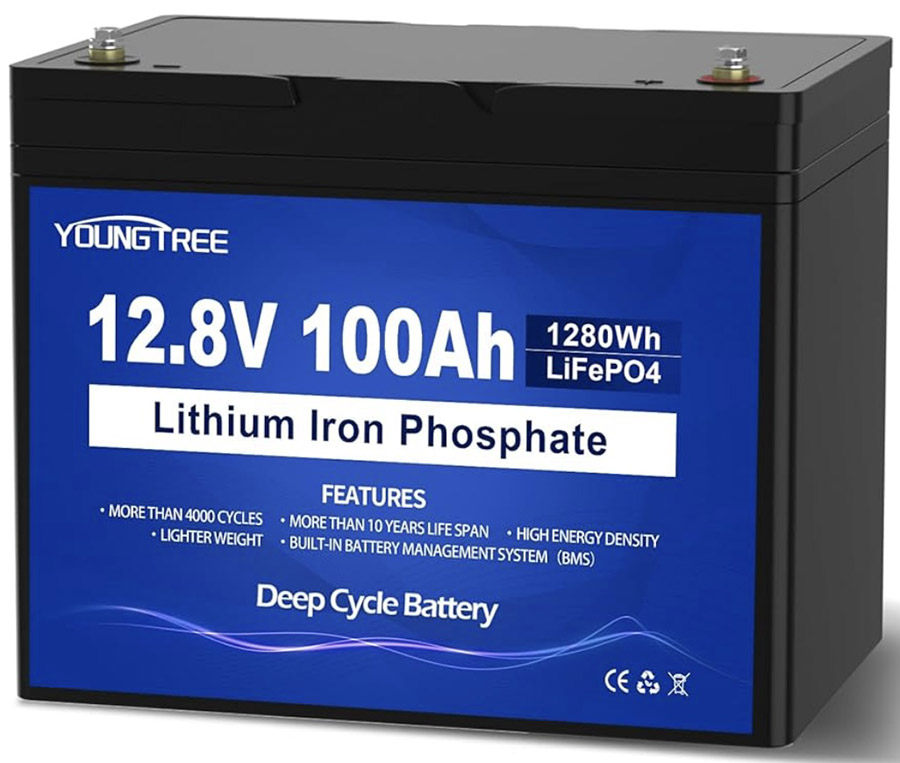
I should say, were cheaper…as of late lithium batteries have been dropping in price so much you can now get a 12-volt 100ah lithium battery for the same price as the cheapest Walmart lead-acid, deep cycle battery.
My solar system has been online since 2018 and in those years I’ve had to replace three Walmart batteries. The others are getting a bit long in the tooth, you know? Six years is a good service life for a lead-acid battery. Walking by the battery bank a few days ago I smelled the telltale odor of sulphur. This meant another battery had given up the ghost. It’s usually easy to find the bad battery in a bank. It will be hot to the touch, or in this case the filler caps had blown off. Kind of obvious.
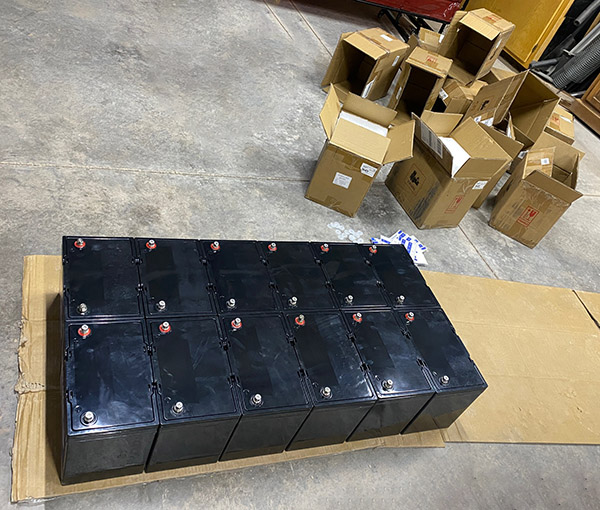
Looking at the average age of my battery bank I decided to bite the bullet and buy a new lithium set up. Getting in just under the tariff wire, so to speak.
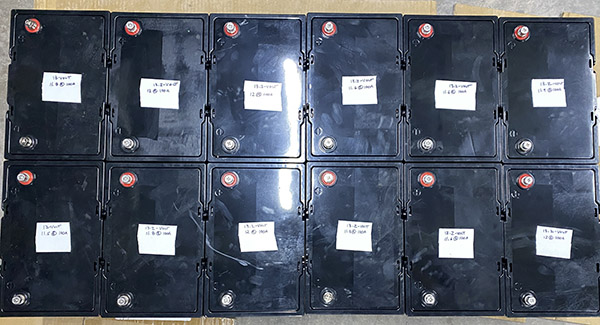
My new bank will be 12, 12-volt, 100ah lithiums. Wired in series/parallel to produce a 24-volt, 600 amp hour storage capacity. That’s theoretically 14,400 watts of storage if you could squeeze every bit of juice out of the batteries.
By contrast, the existing 12, 12-volt 100ah battery bank only has 7200 watts of usable storage capacity due to lead -acid batteries dropping voltage below 50% capacity. The same total amount of juice is in the lead-acids but it’s at a voltage too low to operate equipment.
In addition, the lithium batteries have a smaller footprint so I’ll be able to rig the new bank on a single shelf instead of two shelves like the set up is now. This will cut down in battery cable length and by extension, voltage drop. Less cable is always good with electricity.
All in, I’ll nearly double my solar storage capacity in less square footage for less money than the old style lead-acids. This seems like a win-win.
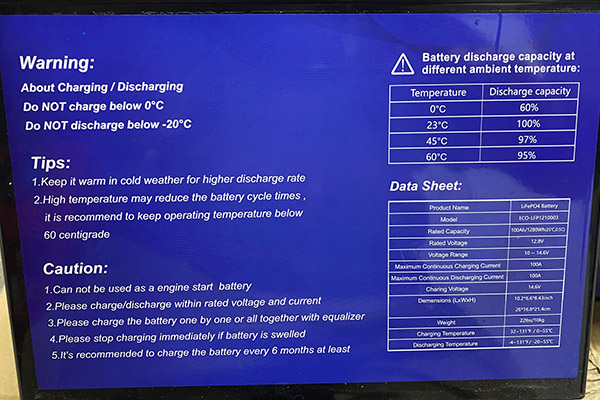
Now for the downside. These generic lithium batteries claim a 10-year life span but since the Chinese manufacturer’s keep changing brand names like I change underwear the likelihood of the same battery company being around a decade is slim. And then there’s that small detail of the fires.
Lithium batteries don’t like cold weather so that could be an issue. We do get some 20-degree nights at the ranch. I run pipe heaters at night so maybe that bit of drain will keep the batteries snug and warm.
Ah well, it’s not like lead-acid batteries don’t catch fire or explode occasionally.
I’ve had good luck with my Walmart lead-acids, no complaints, and I’m hoping these lithium replacements hold up at least 6 years. 10 years will be great and if they last look for an exhaustnotes long term review in 2035.
Join our Facebook ExNotes page!
Never miss an ExNotes blog:
Help us keep the lights on:
Don’t forget: Visit our advertisers!

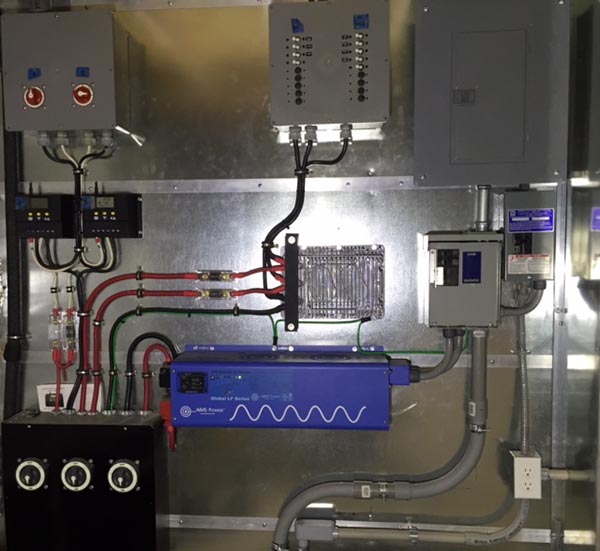 Unlike motorcycles, I’m not fixated on doing things the old way for electrical energy storage. I run a
  in the Husqvarna that has exceeded all my expectations. The thing never goes dead (no trickle charger needed) it has tons of cranking amps (no need to use the compression release to start the bike) and it weighs nothing. You can install the thing in any position and nothing will leak out. The only drawback to the
  Battery technology is advancing rapidly with so many new combinations of lithium with something else, molten salt or rare elements only found in war torn areas. It’s hard to know which technology will win out in the end but for now, in my solar-powered shed system, lead-acid still offers the best electron storage option.
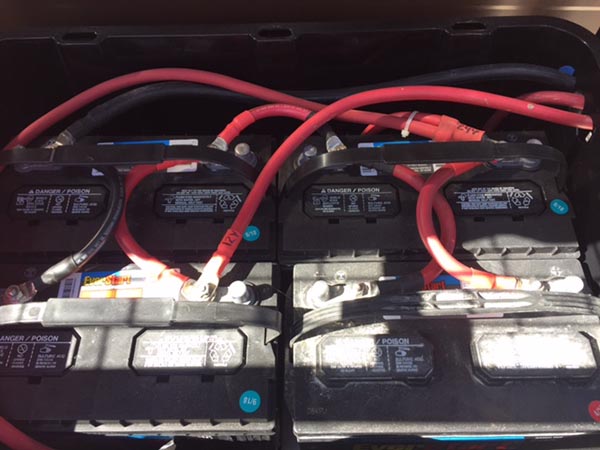 Lead-acid batteries are easily scalable and nearly any voltage or amperage desired can be achieved with large, simple jumper cables. I’m running 4, group 31, 12-volt batteries in my 24-volt system. My future plans are for 16 batteries total but there’s no rush. I can take as long as I want to get there or 8 batteries might prove to be enough for my usage level.
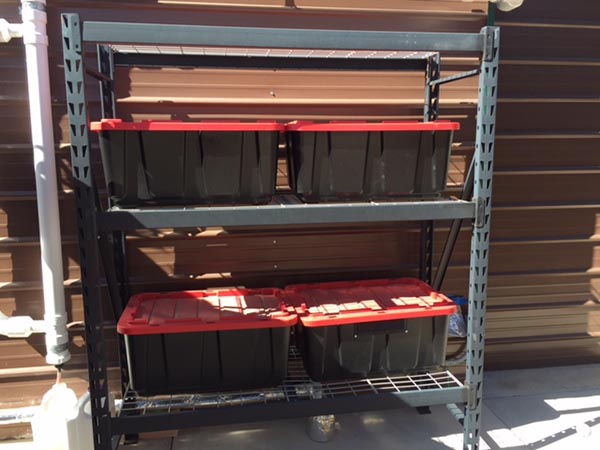 Most important for me: They are cheap! The four deep cycle marine batteries in my off-grid system @100 amp/hour each give me a total of 2400 watts of storage (@ 50% capacity) for 400 dollars. If I ever get to 16 batteries I’ll have 9600 watts of storage for around 1600 dollars. Compare that to 7000 dollars for 7000 watts of storage from Tesla’s Powerwall.
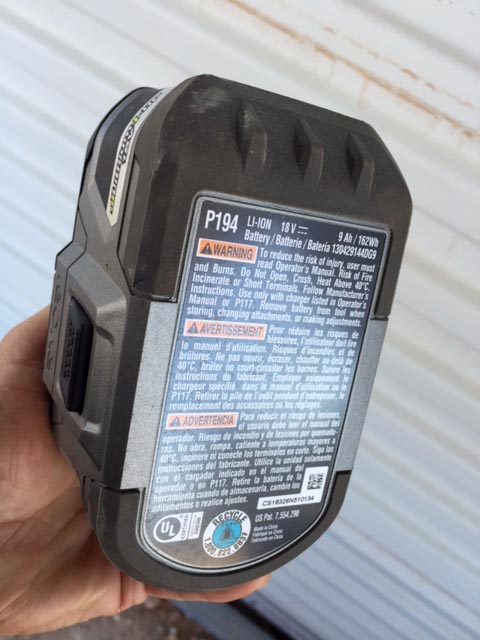 I’m not a Luddite when it comes to battery technology on motorcycles or power tools but for me the new designs and materials haven’t yet made sense for large, stationary storage banks at low cost. I’ll revisit the topic if Tesla reduces the price of their Powerwall by half or some new manufacturer comes up with a wiz bang combination of chemicals that outdoes ancient lead acid technology.