
By Joe Berk
A couple of weekends ago in an effort to clear away all the accumulated stuff on my reloading bench, I loaded a bunch of .38 Special wadcutter ammo on my old Star progressive reloader.
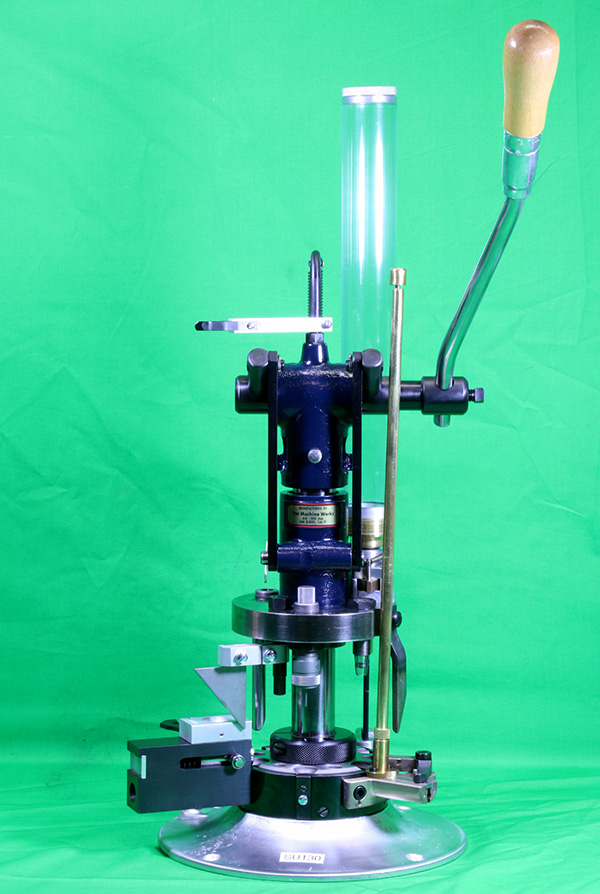
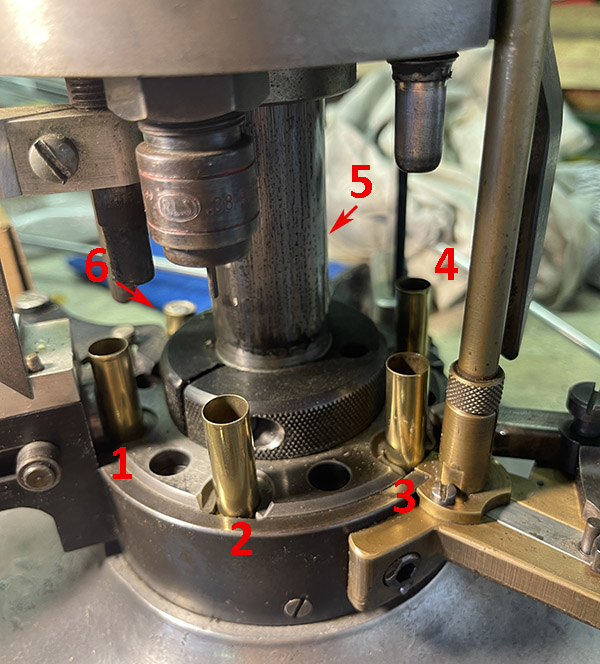
I wrote a series of blogs on my resurrection of the Star (I’ll provide a link at the end of this blog). It’s a wonderful machine and it does a superb job making .38 Special ammo. The Star is set up for what is widely recognized as the premier .38 Special target load: 2.7 grains of Bullseye with the 148-grain wadcutter bullet.
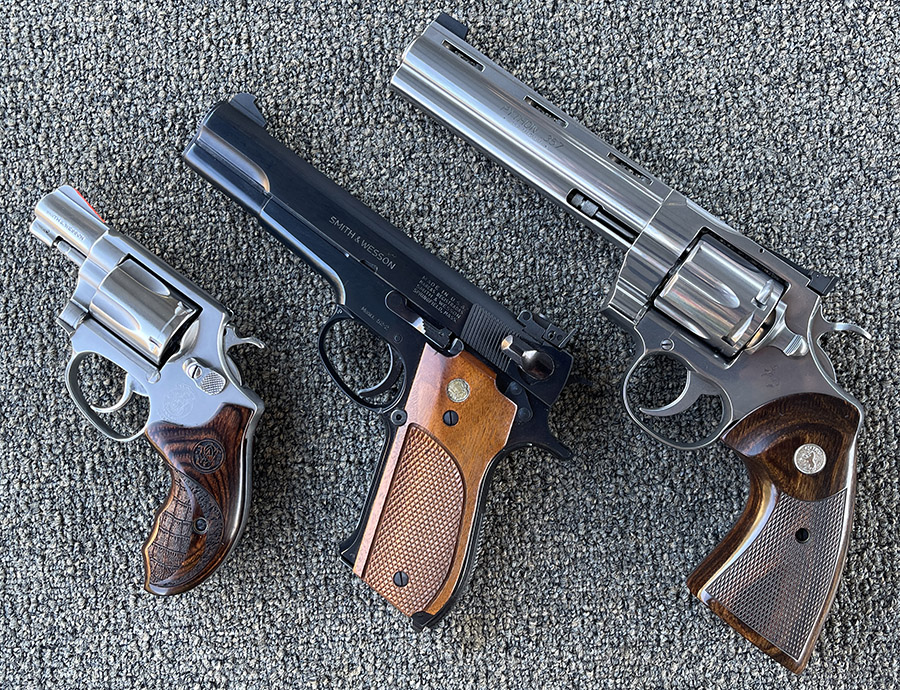
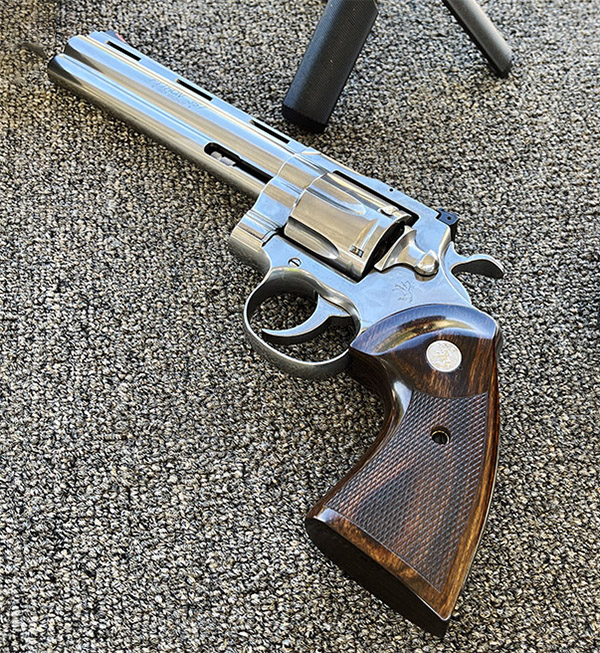
I shoot .38 Special ammo loaded in the Star in three handguns: A Colt Python, a Smith and Wesson Target Model 52, and a snubnose Smith and Wesson Model 60.
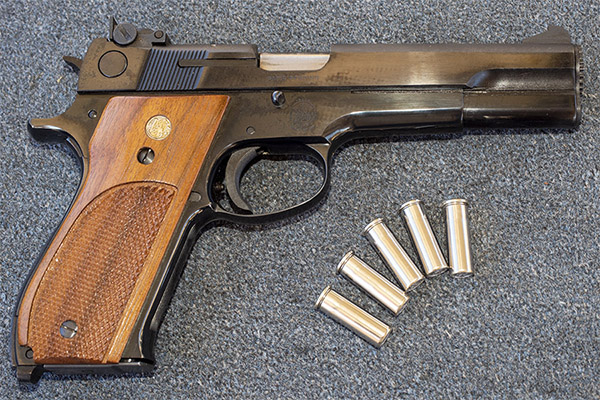
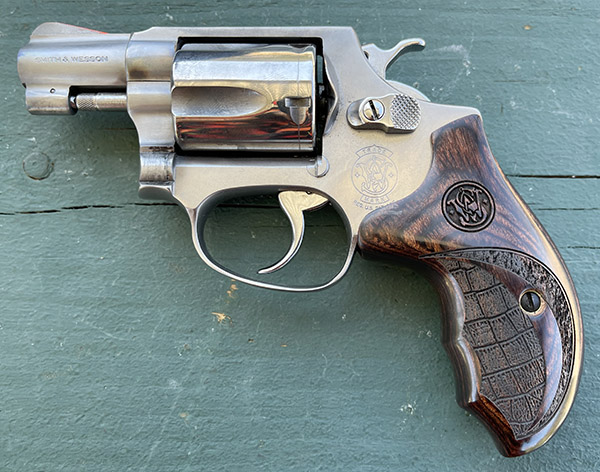
As I was reloading my 300 rounds of .38 Special target ammo, I wondered: How would the velocities vary from one handgun to the next? It would be a perfect opportunity to use my Garmin chronograph, and it would make for an interesting blog. I’ve never read anything on this topic before (i.e., comparing wadcutter velocities from the above three handguns). Here’s what the Garmin chrono revealed:

Not surprisingly, the Colt Python and its 6-inch barrel took home the top velocity honors, the Model 52 and its 5-inch barrel was right behind it, and the Model 60 Snubbie and its 2-inch barrel was about 90 feet per second behind the Model 52. The Model 52 had the lowest extreme spread and the lowest standard deviation, but the Model 60 did well with regard to those two parameters as well. Actually, all three of the handguns did well.
So there you have it. It was an interesting topic to explore, and it made for a fun day on the range.
More Tales of the Gun!
Here’s a link to the Star resurrection story! It was a fun project and I think you’ll enjoy reading about it.
All I know is that optimal add made trying to view this exhaust note incredibly hard.
Sorry ’bout that.