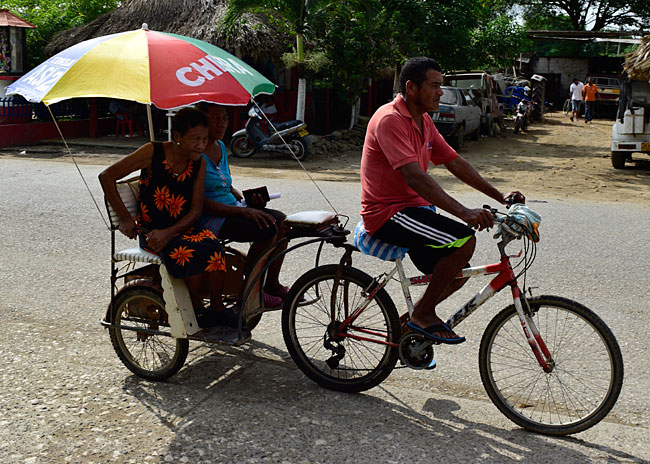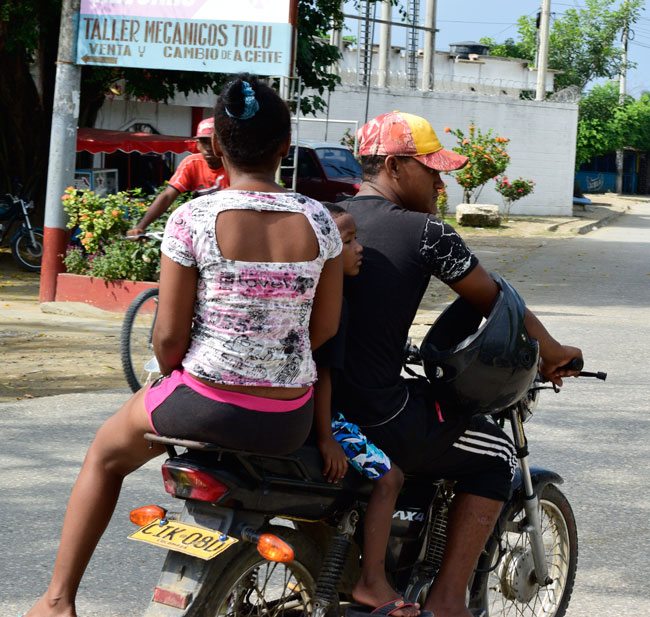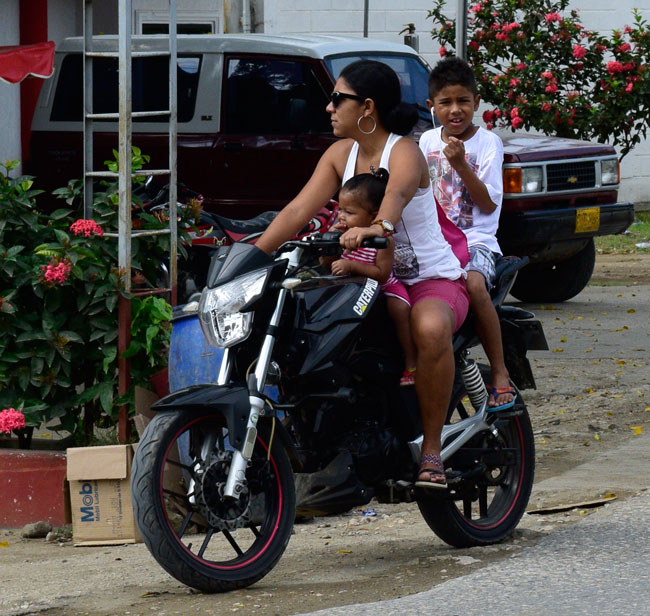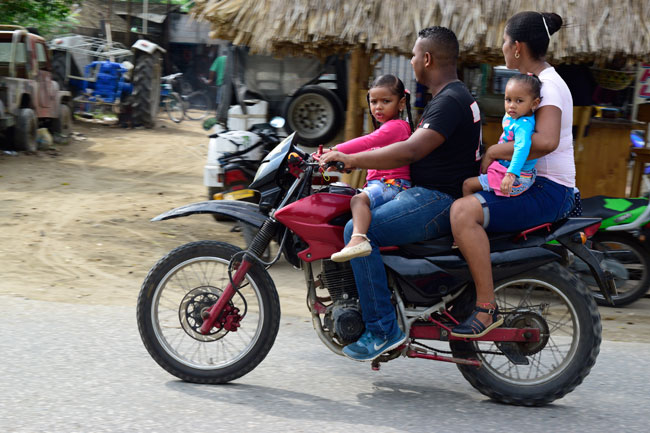
Mompox

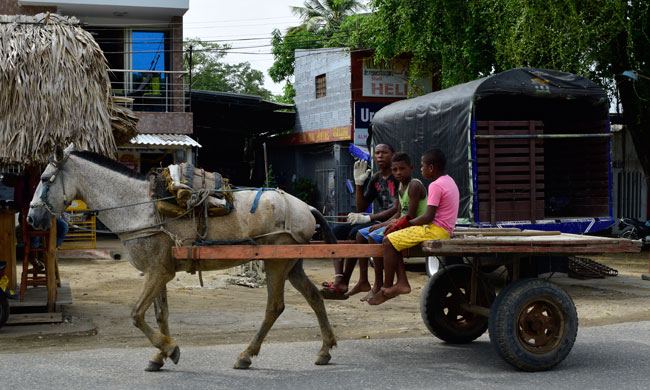
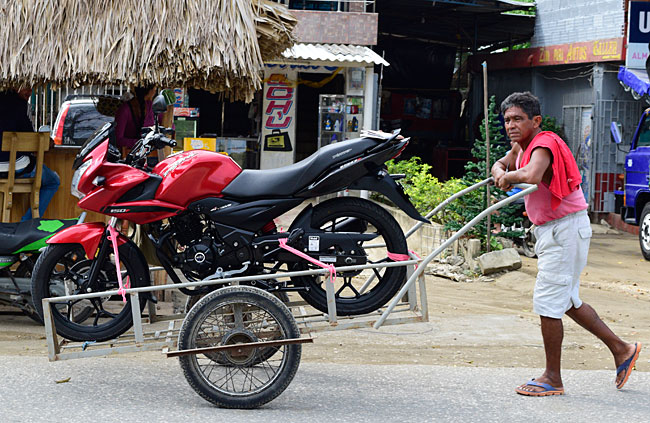
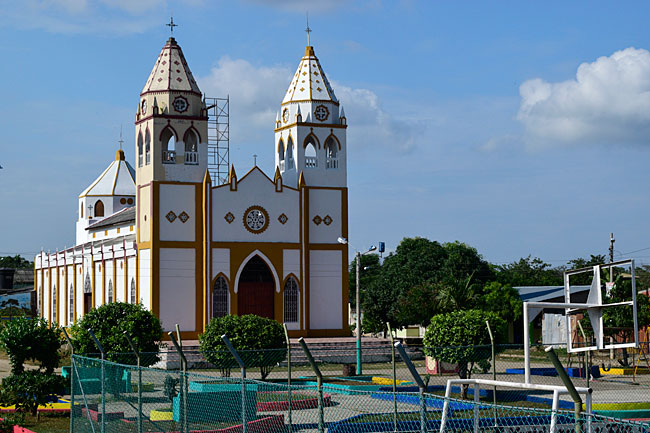
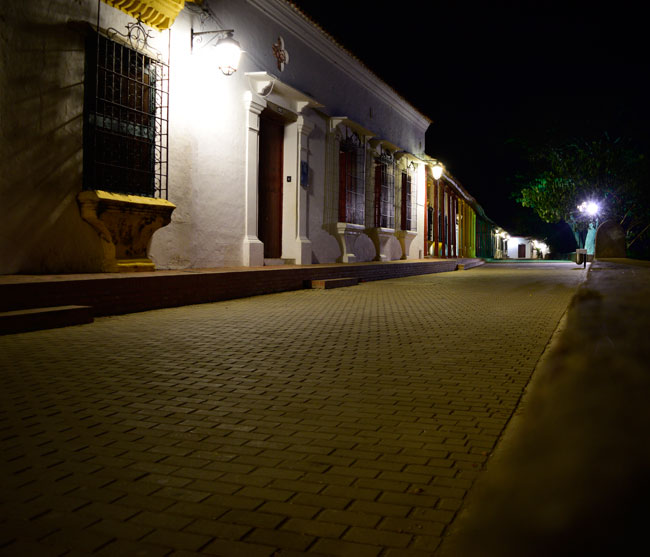
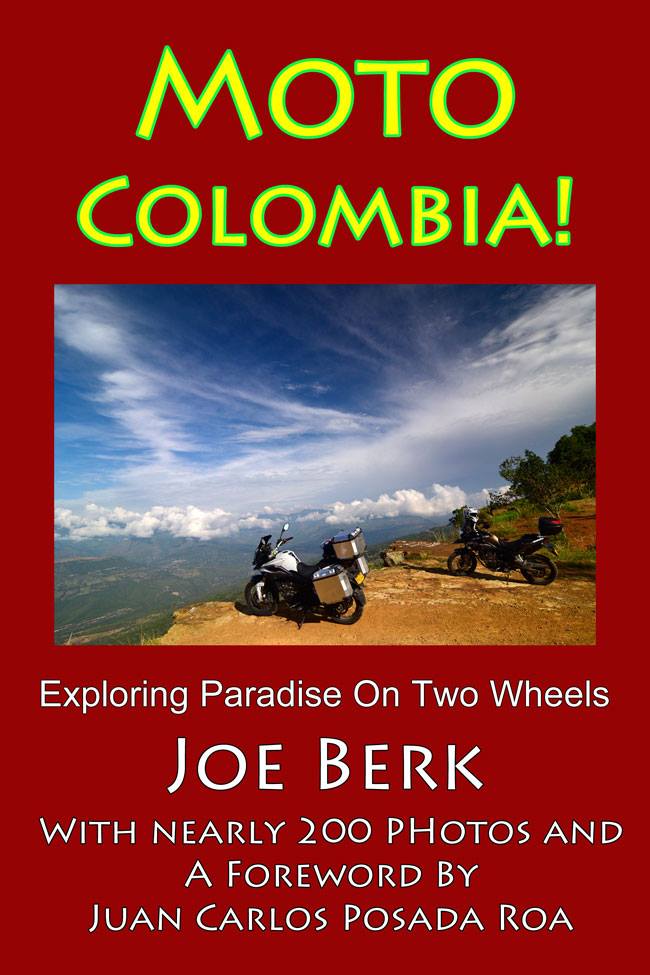
So, about that photo at the top of our ExhaustNotes blog. We had a contest to see if anyone could identify the location (with a copy of Moto Colombia! as the prize), and after several weeks, our good buddy Patrick grabbed the brass ring. It’s Mompox in Colombia. It was a magic place we rode (and sailed) to on our second day in this wonderful country.

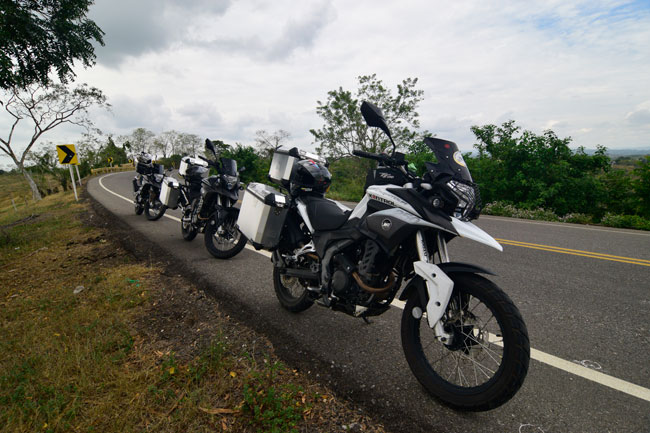
Colombia was easily one of the two best motorcycle rides I’d ever done (the other was China). I rode with great guys while I was there…my good buddies Juan and Carlos. To get the full impact of that photo at the top of the blog, allow me to share with you an excerpt from Moto Colombia! telling a bit more about Mompox…

********************************

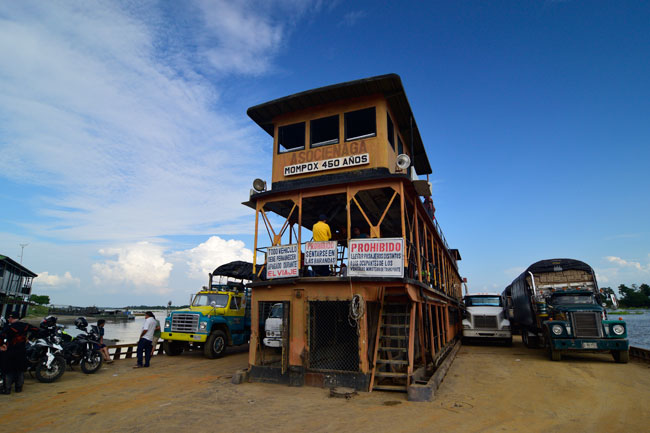
Boarding the ferry to Mompox for the trip down the Magdalena River.

Finally, it was time to start loading the ferry. The guys directing this operation had the trucks turn around so they could back onto the ferry. These were big trucks, the angle down to the boat was steep, and there wasn’t all that much room on the boat. Juan told me they load the trucks first, then the cars, and then the bikes (we would be the last ones to get on the ferry).

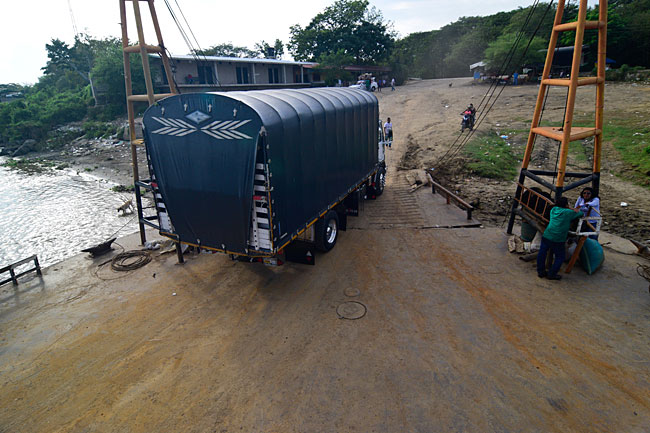
When the first truck’s rear wheels rolled onto the port side of the ferry, the entire boat tilted.  Guys with the shovels materialized and piled dirt on the now tilted-to-the-left ramp. The second truck fired up its diesel engine and slowly backed down the bank to load on the starboard side. The ferry leveled out. This was repeated until the loadmasters had two lanes of trucks on either side of the ferry, then the cars backed onto the ferry, and then it was time for us to ride our motorcycles onto the boat. I’m smiling as I type this, because I remember how exciting this all was. It was incredible fun.

Loading a ferry from the Magdalena’s muddy banks.

After the boat was loaded, I wanted to hop off and grab a photo, but there was a woman who was directing traffic who motioned for me to stay on the boat. She was perhaps 50 years old and she was stunning. Many of the Colombian women I met on this trip were stunning. I’ve heard people say Colombia has the most beautiful women in the world. They might be right.

The ride down the Magdalena River was magical. When I say “down” the Magdalena, it felt unnatural. We were heading downstream, but we were sailing north. I’ve never been on a river in the United States where you can do that. The Magdalena flows north to the Caribbean from deep within the upper reaches of Colombia’s Andes Mountains.

This entire region is an area laden with waterways. Mompox used to be on the Magdalena. The town is still in its original location, but at some point in the distant past the Magdalena changed its course. The main branch of the Magdalena took a turn on its way to the Caribbean to meet the sea at Barranquilla, and Mompox was left behind.

I shot a video on our ride to Mompox and I posted it on YouTube that evening. It was fun…

The ride was comfortable because it was cooler on the river and the ferry created its own breeze. When I panned around with the camera, to my great surprise Juan was on top of the pilot’s cabin. The whole thing added another dimension to this adventure that I really enjoyed, and we were only into our second day of an 8-day ride.

We arrived at the debarkation point, and as I knew from other ferry debarkations, getting off the boat can only be described as controlled chaos. The ride up the dirt bank at this end of our trip was even steeper, and traffic converged to a single lane on a steep uphill dirt slope. Juan was in front of me and we were all stopped.

There was a huge truck on my left (the top of its wheels were at eye level when I was on the bike), I was on dirt, there was a taxi crowding me on my right, and I was pointed uphill at a severe angle. Juan was able to get between the truck and the taxi and pull away. I slipped the clutch and eased up the hill, leaning the bike sharply to the right to keep my left pannier from touching the truck tires. As I did so, I felt my right pannier scraping along the taxi’s fender. Not good, I thought. I scraped along the taxi (it was motionless), I got past it, and we were gone. Surprisingly, the aluminum case was unmarked when I checked it later (it didn’t have a scratch). I don’t know how the taxi fared (no pun intended).

Juan’s rearward-facing photo, shot from the saddle of his motorcycle, as we maneuvered along a dirt road on the way to Mompox. Photo by Juan Carlos Posada Roa.

The next 10 miles or so were rough. The road was dirt, it was a bit gnarly in spots, and there was a lot of traffic. The sun was setting and I was a little uncomfortable. I don’t consider myself much of a dirt rider, and I especially don’t like riding on dirt in the dark. Juan and Carlos were unfazed by all of this; they are used to the roads. Juan even turned around on his bike to take pictures of Carlos and me while we were all moving.

When we entered Mompox it was already dark. Juan found the hotel quickly, we checked in, and Juan asked for a restaurant recommendation. I was picking up enough Spanish to know that he asked for a good pizza spot (¿Dónde hay un buen lugar para una pizza?). The nice young lady who checked us in recommended a place owned by an Austrian a block away.

Quite possibly the best pizza I have ever had.

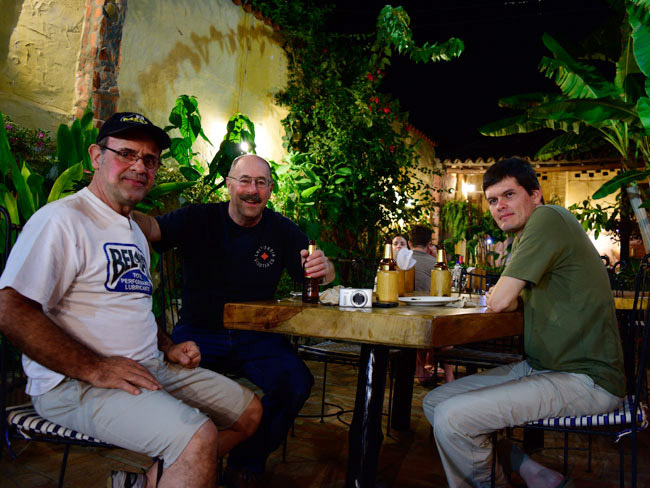
We each ordered an Aguila (that’s a Colombian beer), and those first cold brews went down easy. So did the second one. This was our second night on the road and we were already comfortable with each other. We ordered a couple of pizzas; the recommendation had been a good one. The dinner was great. It was quite possibly the best pizza I’ve ever had.

The conversation that evening was relaxing and intellectually stimulating. Juan told me about Mompox and its historical significance to Colombia. He mentioned the Pulitzer-Prize-winning novel 100 Years of Solitude, written by the great Colombian writer Gabriel Garcia Marquez. I was embarrassed to admit to Juan and Carlos that I had not read it (a character flaw I corrected as soon as I returned to the United States). The novel was set in the mythical town of Macondo. Some people think that Marquez based his fictional town of Macondo on his own Colombian home town of Aracataca, the town where he was born. Others believe Macondo used Mompox as the novel’s inspiration. I am firmly in the second camp. While reading the novel after I returned to the US, I felt as if Marquez was describing the areas we rode through, and his descriptions of Macondo kept my mind drifting back to Mompox.

Carlos, me, and Juan having pizza, beer, and a literary discussion in Mompox.

When we finished dinner, I thought we would go back to the hotel and call it a night. I was tired. I told Juan and Carlos I wanted to post an entry on the blog I wrote for CSC Motorcycles.

“Joe,” Juan said, “your readers will wait.”

The way he said it made me realize he was right. The blog took a back seat to walking along the Mompox riverfront with Juan and Carlos that evening. I was glad I listened to Juan.  I captured some of the best photos of my entire stay in Colombia while we were in Mompox.

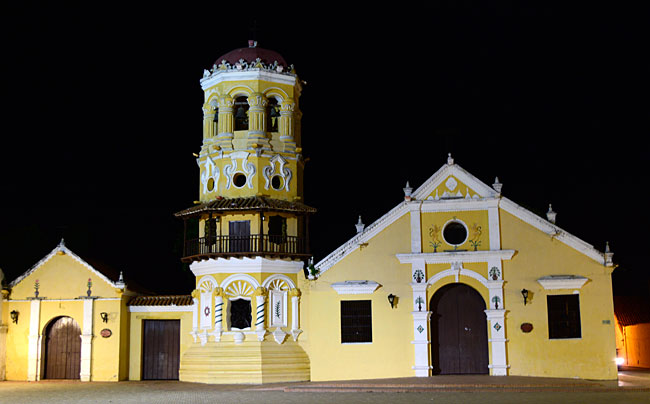
The Santa Barbara Church in Mompox. It is a brilliantly-colored yellow and white structure. I had to put the D3300 on manual focus for these shots; there was not enough light for the camera to autofocus.
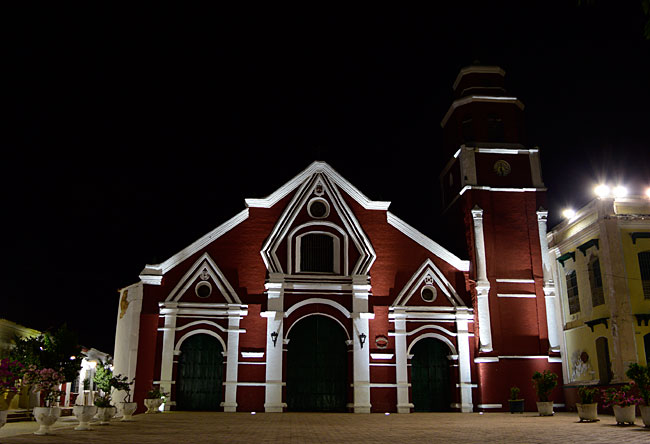
The Church of San Francisco in Mompox. This church was a deep burgundy with white trim. It was striking in the evening.

Mompox, a place I had never heard of, is an absolute treasure. I’ve read a bit about it since my return, and it’s intriguing. Mompox looks pretty much like it did in Colombia’s colonial times. The place was founded in 1540, and in 1998 it was designated a World Heritage site. Mompox used to be a key trading center when the Magdalena River flowed by it, but when the river decided to take another route to the sea, time more or less forgot Mompox (exactly as described in 100 Years of Solitude, by the way, for the fictional town of Macondo).

Mompox was a big port for the Spanish while they were systematically looting Colombia’s gold and emeralds. Mompox’s inland location helped protect the soon-to-be-seaborne loot from Sir Francis Drake and his pirates, who were as busy stealing from the Spanish as the Spanish were stealing from the indigenous Colombians. I remember seeing the river front and imagining galleons so laden with treasure the tops of the boats were barely above the water line. I may be exaggerating, but not by much. Many of those Spanish galleons sunk in rough seas because they were so overloaded.

Homes along the river in Mompox. It would be awesome to live here.

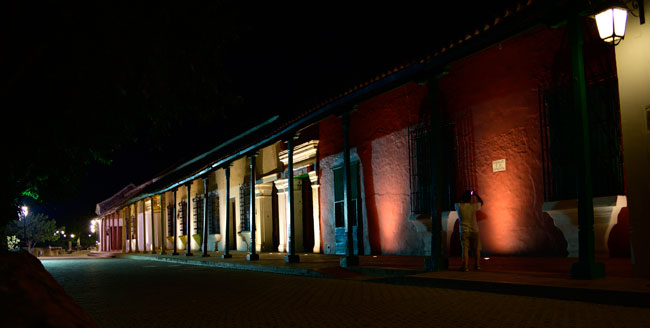
That late night walk along the river was one I’ll remember forever. The place was an explosion of color and I was having a blast photographing it. There was a wall I used to stabilize the camera, and I shot at a low ISO to get great colors. I was lucky to be able to shoot this city at night; the colors were far more saturated than they would be if I shot in sunlight. It was 10:00 in the evening and the place was alive. People were walking along the river, small motorcycles with young couples were burbling along on the narrow streets, cafes were serving coffee, and salsa music drifted through the humid evening air. I remember thinking it was amazing I had never heard of this place before.

The money shot, taken along the riverfront in Mompox.

Juan told me that there are plans to build a bridge to Mompox. That would do away with the need for the ferry and the ride down the Magdalena River to get to this magical place. I’m not so sure that’s a good thing. Mompox and the journey to reach it are special. I am glad Juan included it in our itinerary.

Day 2 had been a good day. A great day, actually. Juan knew what he was doing when he planned this trip. I thought about our first two days. I wasn’t playing at being Indiana Jones on this ride; I was Indiana Jones. On a motorcycle, no less. I couldn’t wait to experience the coming days. I wondered: Had the trip’s high points peaked too soon? How could Juan have possibly planned this adventure with even better things awaiting our exploration?


Did you enjoy reading the above?  Hey, I wrote a book about that ride, and you can order it here.   I think you’ll like reading it, and I know I sure had fun writing it!
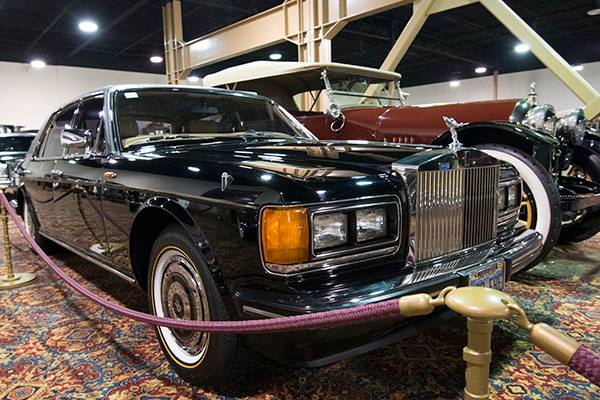
Vintage Rolls at the Nethercutt

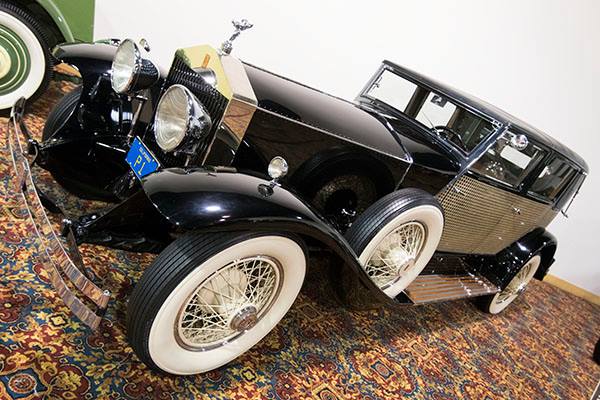
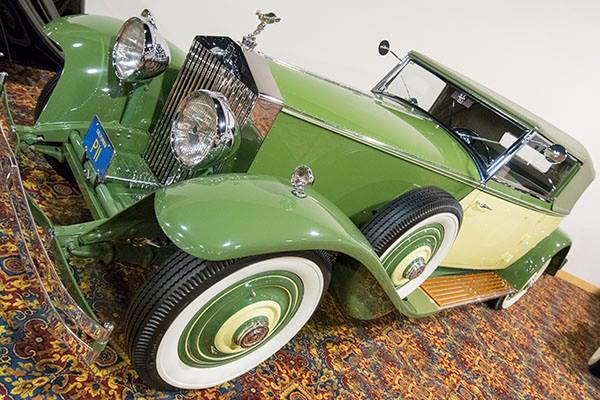
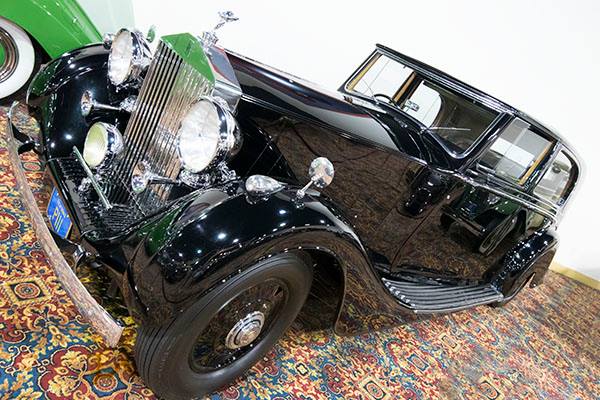
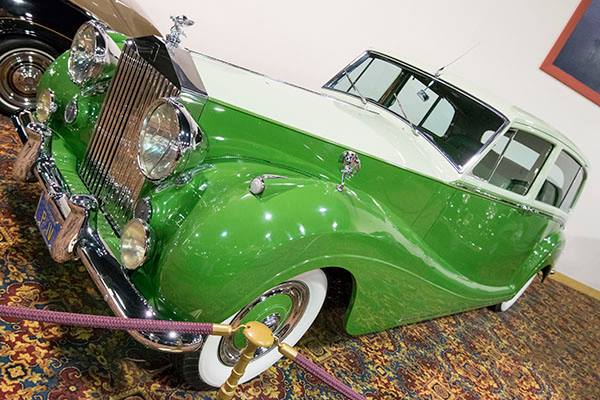
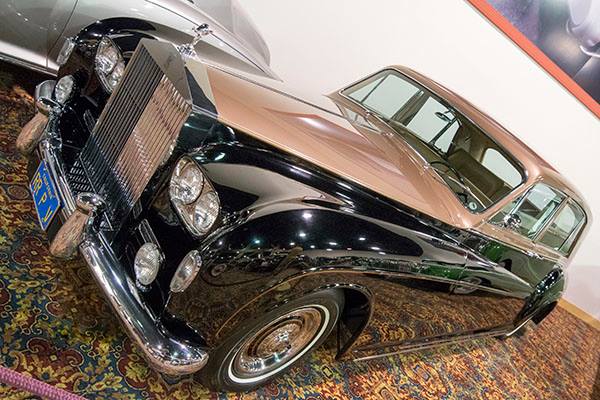
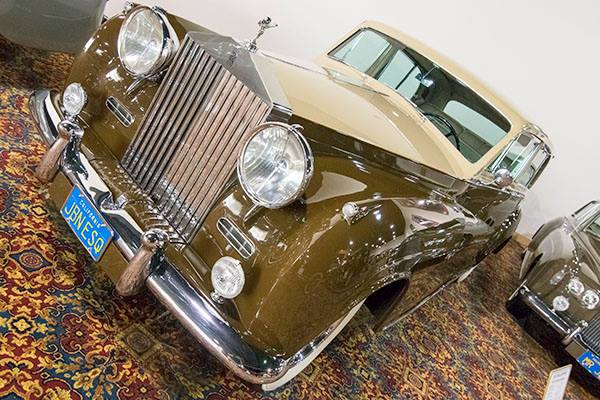
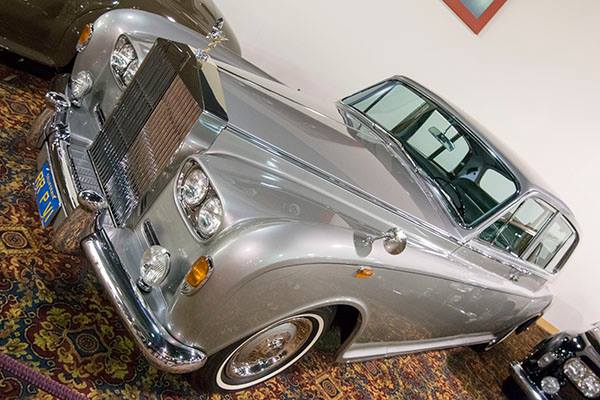
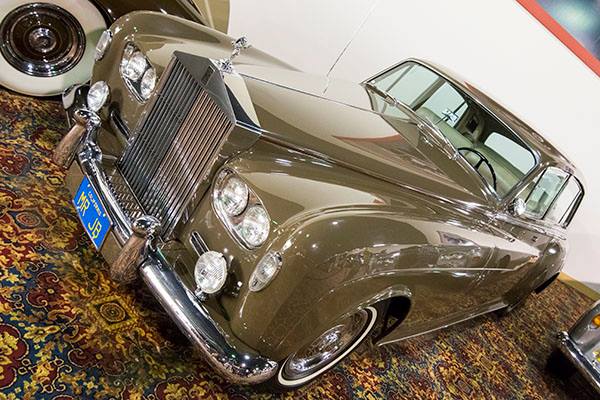
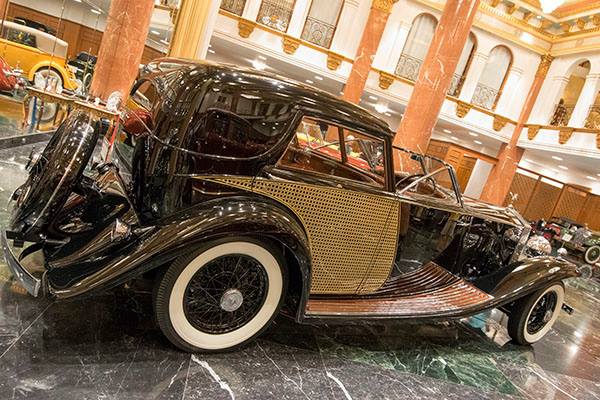
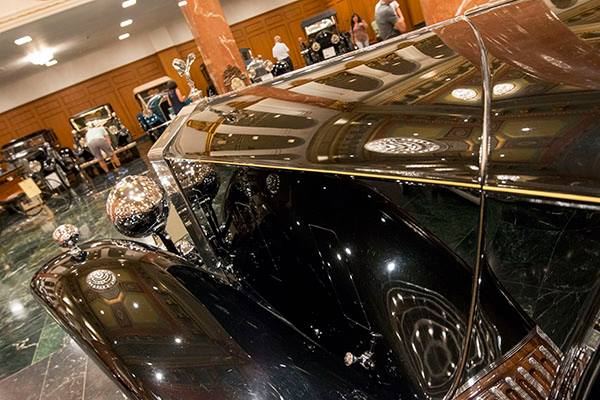
We had a grand time at the Nethercutt Collection yesterday.   There were several collections within this collection, and two of our favorites were the vintage Rolls Royce and the vintage Cadillac collections.  This post focuses on the Rolls Royces; we’ll post the Caddies a bit later.

All of the above photos were in the main hall of the Nethercutt Collection, where approximately 150 cars are on display.   Across the street, in the showroom for the guided tour, we saw the Rolls that formerly belonged to Constance Bennett, an actress.

This is the greatest collection of vintage cars I’ve ever seen, and it’s all free. We had an earlier Nethercutt post from a prior visit, and you can see that one here.

Keep an eye on the ExhaustNotes blog; we’ll be posting the Nethercutt’s  similar series of vintage Cadillacs in the next few days.

Dream Bike: 1974 Triumph T150V

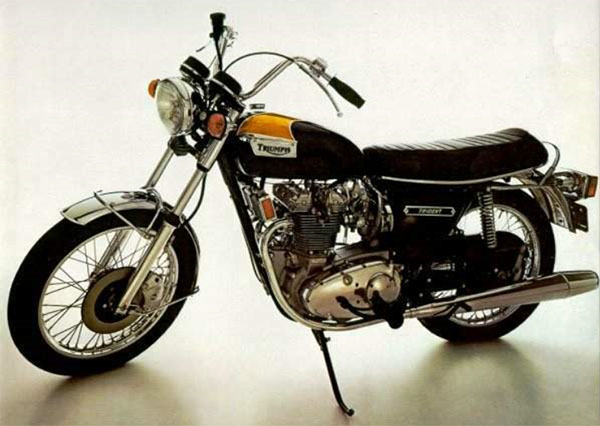
A 1974 T150V Triumph, as they looked when brand new 44 years ago!

I think ol’ Gresh is on to something with his Dream Bike concept, or as I call these features, the Ones That Got Away.   We all have at least one…a bike we lusted after but didn’t buy.

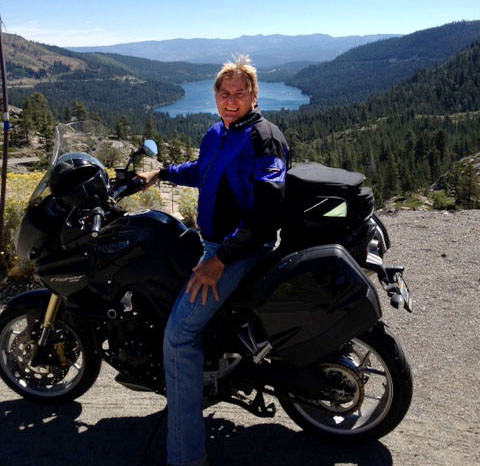
Good buddy Tom on his Triumph Tiger on a ride through the Sierra Nevada Mountains.

Well, as it turns out, my good buddy and riding compadre Tom had a dream bike, too, but he did something (a big something) about his dream.  He made it come true, and then some.   Tom wrote and asked if he could contribute to the ExNotes blog, and the answer, of course, was a resounding yes.   Read on, my friends…this is a great story.

Over to you, Tom!


Hello, Tom here. By way of a quick bio, I have been riding for 56 years. My first motorcycle in high school was a “motorcycle,” not a scooter, from Sears Roebuck. My current bikes are a well-used Triumph 1050 Tiger and a well-equipped Honda XR650L dual sport.

In 1975 I was riding a 1969 Honda CB 750 four. I rode it everywhere including numerous runs at the local Irwindale drag strip on Wednesday night. Straight line performance was the only thing I was interested in.

My riding partner bought a new Kawasaki Z900 and all of a sudden I was seeing more of his taillight than I was used to. It was time for more horsepower.

I had previously owned two Triumph twins, a T100 500cc and a T120 650. I always loved the Triumphs so I went looking for a new Triumph T150 750cc pushrod triple. My riding partner and I went to the two Triumph dealers in the area. We ended up at Ed Kretz Triumph in Monterey Park, California. It was well into 1975 and they only had 1974 models.

The boys at Kretz had no idea when the ‘75s would arrive. The magazines said the new 750 triples had 5 speed transmissions and disc brakes front and rear, plus electric starters. The ‘74 only had 4 speeds and the ugliest single iron disc front brake I ever saw. The electric starter was of no interest at the time but the 5 speed could have been the deal breaker. But deep in my gut, this bike had “something” that no stinking Honda had.

The next day, two of my buddies and I went back to the dealer to look again. They both were totally against the Triumph. They pointed out the huge, cast, oversized hand controls (they were about twice the size of those on the Honda or Kawi). The front brake reservoir (crudely marked with “Girling”) looked like the boys in metal shop sandcast it for a high school project. I listened to my friends and walked away from a bike I would always admire, Lucas electrics and all. For me, this was the one that got away.

I bought a new Honda CB 750 from Dick & Walt’s Honda-BMW on Whittier Blvd in Montebello, California for $1648, which was about $900 cheaper than the Triumph. Remember my trips to Irwindale drag strip with the old ’69 750 Honda? It ran about 14 seconds flat in the quarter. I had to put more than $500 into the 1975 CB 750 to equal those times. The red line on the tach was 8500 rpm. It took me about three or four trips to the strip to figure out it ran out of steam at 7000 rpm. It was a pig compared to my 1969. I kept it about a year.

Epilogue

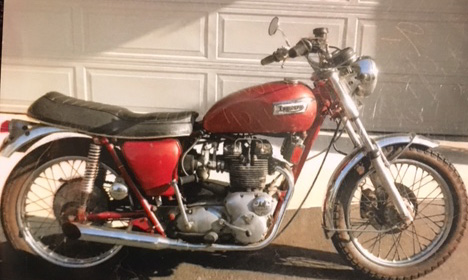
On September 14, 2011 my good friend and riding buddy Joe and I drove up the 99 to Lodi, California. We dug out a 1974 Triumph Trident 750cc pushrod triple from behind a 1936 rear-engined Allis Chalmers tractor. They were in a white wood barn.

The real deal…a barn-find 1974 T150V 750cc Triumph. I didn’t let this one get away! This is the “before” photo.

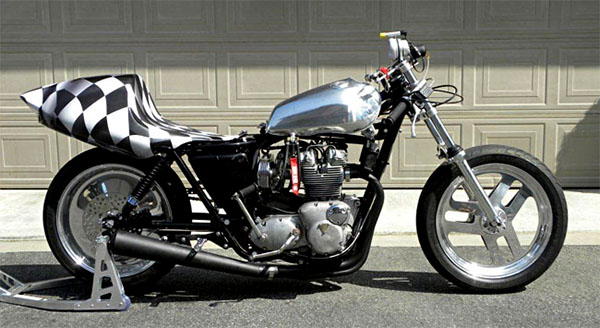
Yes, that Triumph was a real barn find. It was in terrible shape but it did run. I happily paid $2500 for a rusted relic, and I smiled all the way home. I converted that bike into a Land Speed Racer and raced at the El Mirage dry lake for three seasons.

This is the “after” photo. I ran 133 mph on this motorcycle at El Mirage!

And, as I mentioned earlier, I still ride a Triumph today.


That’s an awesome story, Tom.   Thanks very much for sharing it with us!

So, how about the rest of you guys and gals?   Do you have a dream bike, one that you let get away?   Hey, tell us about it.    Send your story to info@ExhaustNotes.us, and we’ll publish it!


Wanna see the rest of our Dream Bikes?