Feel like going for a motorcycle ride? How about the Southern California Motorcycle Club’s Three Flags Classic?
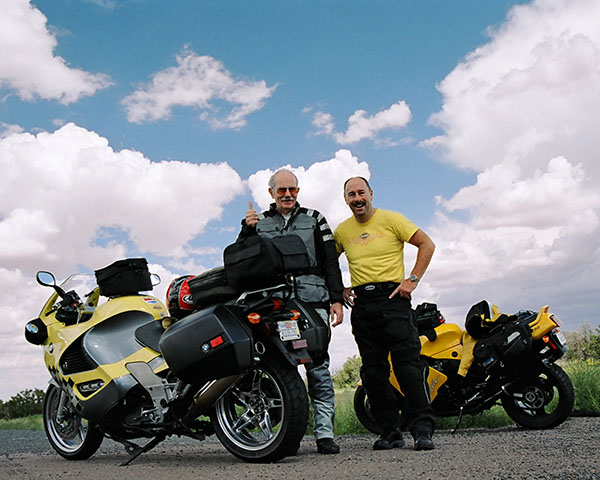
This is one of the best motorcycle runs in the world, spanning (as the name implies) three countries: Mexico, Canada, and the United States. My friend Marty and I, along with 457 other motorcyclists, rode the Three Flags in 2005. It was the 30th Anniversary of this grand event, and it was a hoot.
The Route
What a run this was! We rode our motorcycles from our homes to Tijuana (Mexico), Gallup (New Mexico), Grand Junction (Colorado), Driggs (Idaho), Whitefish (Montana), Calgary (Canada), Penticton (Canada), Portland (Oregon), Roseburg (Oregon), Davis (California), and back home…a 12-day round-trip sprint spanning just under 5,000 miles.

It was a grand ride. Speeds ranged from slogs through traffic to a few times when we cruised at speeds north of 130 mph. Temperatures ranged from ungodly hot to subfreezing. We had sunny days and we had rain. It was grand. I’ll do my best to tell the story with pictures and words, and you’ll have to imagine the rest. Did I mention that it was a great ride?
The Bikes
Marty rode his K1200RS Beemer (with close to 100,000 miles on it when we left) and I rode my ’95 Triumph Daytona 1200 (the only Triumph motorcycle in the entire event). At the banquet in Calgary, Charlie Coyner (the event director) announced that there were 218 Hondas (most of these were Gold Wings), 90 Harleys, 90 BMWs, 34 Yamahas (mostly FJRs), about a dozen Suzukis (mostly DL1000s), about a dozen Kawasakis, and one Triumph.
Yep, one Triumph, and that was me!
The Equipment
I used my Nikon N70 film camera with just two lenses (the 24-120 Nikon, and the 17-35 Sigma). Yep, in 2005 I was still shooting film. The photos were okay…not as good as I would be able to do in later years with my Nikon digital cameras, but not terrible, either. Hey, you go to war with the Army you have, and in 2005, that was my trusty old N70.
Other gear included included Joe Rocket pants, jacket, and gloves, a Firstgear rain jacket, a Gerbing electric jacket (it was worth its weight in gold as we continued north), an HJC helmet, Haix boots (from Australia; they are wonderful!), a Nelson Rigg tank bag, and Oxford saddlebags.
The Guys
That would be Marty and me, and four other guys we rode with who were part of the Brown BMW First Church of Bob. Everybody but me was on a Beemer.
Did I mention I was the only guy in the entire Three Flags Rally on a Triumph?
Most of the time it was just Marty and me. The other three guys were off riding their separate ways, but Marty and I rode together for the entire trip. Marty is a retired Superior Court judge. At the time, I was heading up Layne-Christensen’s western US water treatment business sector. Marty told me about the event and I wanted to go. You had to pay for tickets and hope your name was drawn, and ours were not. I thought that would end it, but nope, Marty told me that happens. You just wait and some of the guys who had been drawn would be selling their tickets, that’s what occurred, and Marty and scooped up a couple. Then I had to ask my boss at Layne for two weeks off, and I thought that would kill it. But nope, he was a good guy, too, and he told me I should go for it. (A side note: Layne was in the drilling business, too, and when those Chilean miners were trapped underground a couple of years later, this same guy ran the drilling project that reached and retrieved the miners…how’s that for “genuine good guy” credibility?)
So, we were off. But I don’t want to force feed you through a fire hose and try to cram the entire 5,000-mile Three Flags Rally into a single blog. We’ll present this story in six or seven separate blogs. This is just the first one…the introduction…something to whet your appetite, as they say.
Stay tuned!

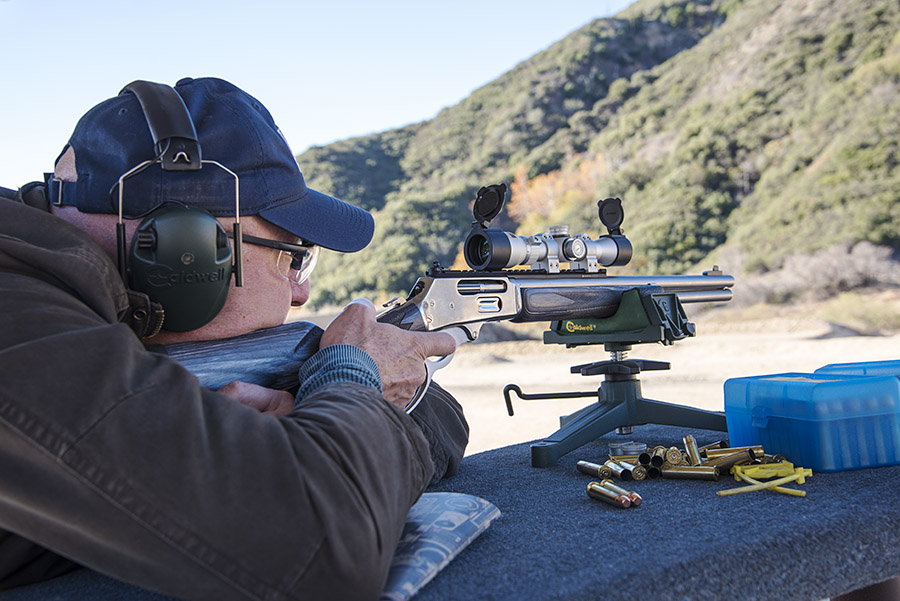
 ) where the main character carried a stainless steel, scoped, .45 70 Marlin lever gun, and he reloaded his own ammo to boot. Good buddy Greg saw that movie and decided his life wouldn’t be complete unless he had a similar rig. Here’s the trailer for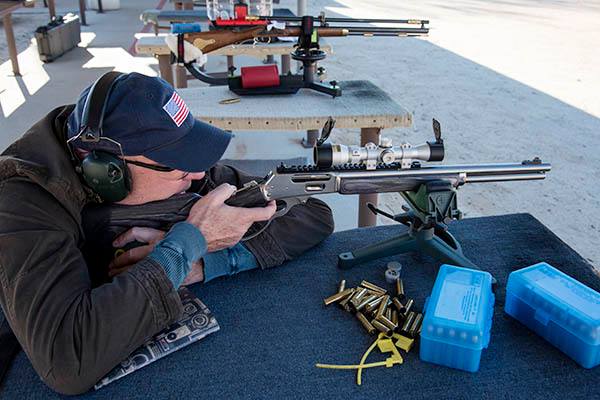
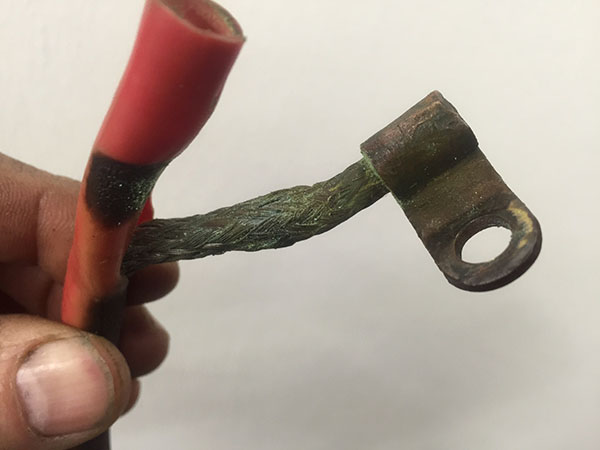
 The positive battery cable was swollen like a snake swallowing a pack rat. I cut the jacket away to reveal a green, copper powder. This is never a good sign and even though the cable will still read ok on an ohmmeter, under high current the flow of electricity will be restricted.
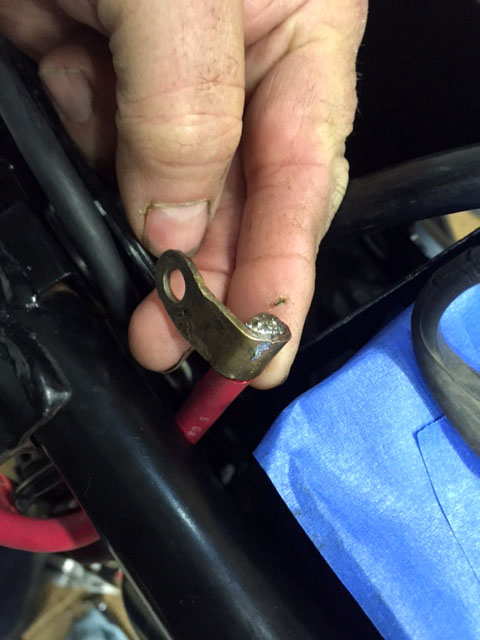
 I de-soldered the original battery lugs and re-crimped and soldered a new 6-gauge positive lead. The original battery terminals are shaped to lay flat alongside the battery and you won’t find anything to match them at your local Home Depot. The terminals are solid copper so they clean up and take solder nicely. I also added a new 30-amp, inline fuse holder to replace the melted original.
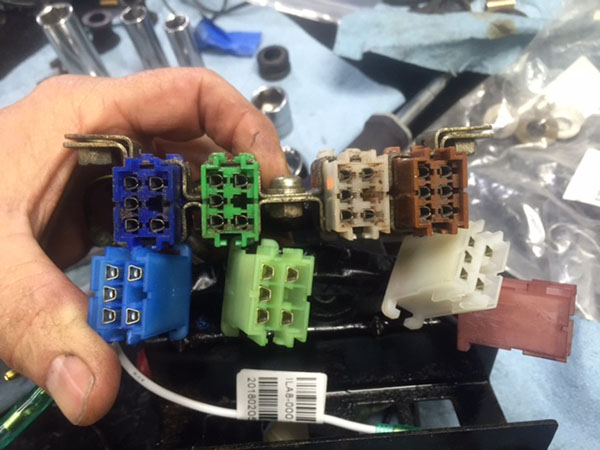
 This 3-way connection is the heart of Zed’s power supply. One lead is to the 20-amp fuse from the battery positive. One lead is charging current from the rectifier and the last lead supplies power to everything on the motorcycle (except the starter). This connection takes a beating and Zed’s was discolored, and overheating had taken the spring out of the female bullet connectors.
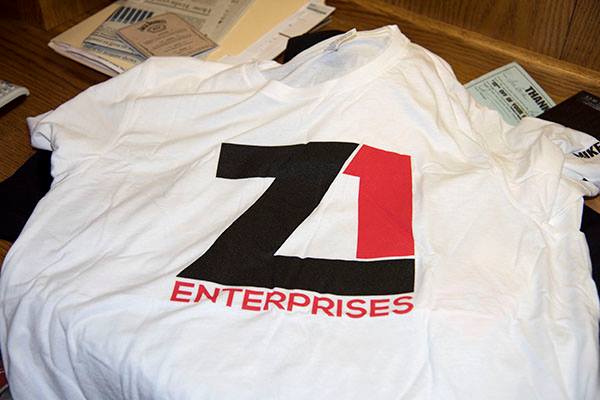
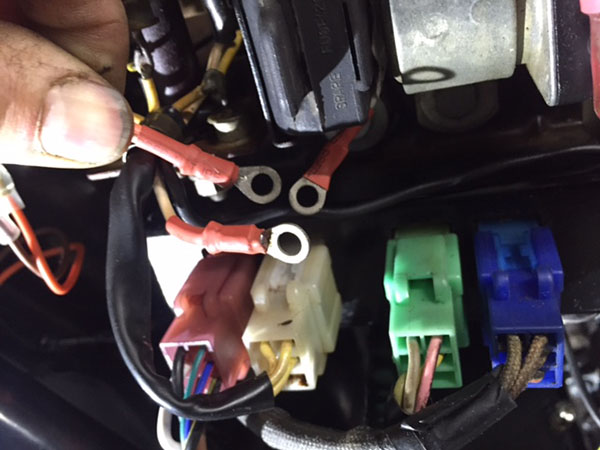
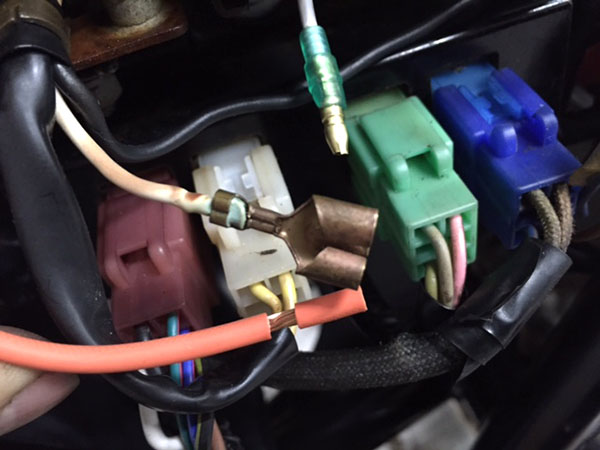 I decided to go off-script here because the three-way connection is one of the few bad design choices Kawasaki made on the Z1. Instead I used 3 soldered ring terminals and bolted the connection together. Then I insulated the connection with electrical tape and thick red heat shrink tubing (not shrunk).
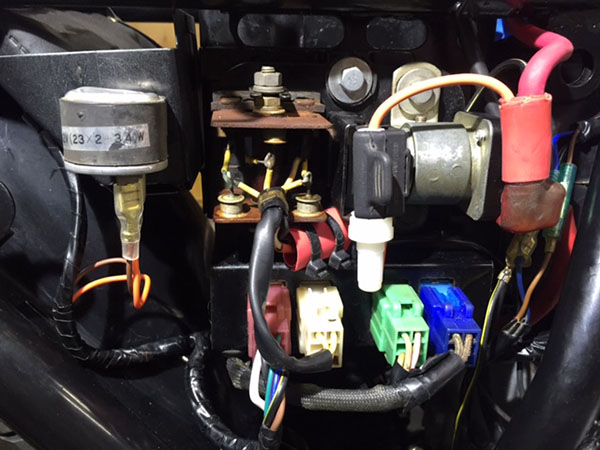
 With the new fuse holder, jumper harness, battery cable, grounds to the block, blinker relay, brake light switch and tail harness everything under the right-side cover is complete. It’s not the prettiest wiring and may not faithfully follow original Kawasaki wiring practices but it should work and hopefully not melt down.
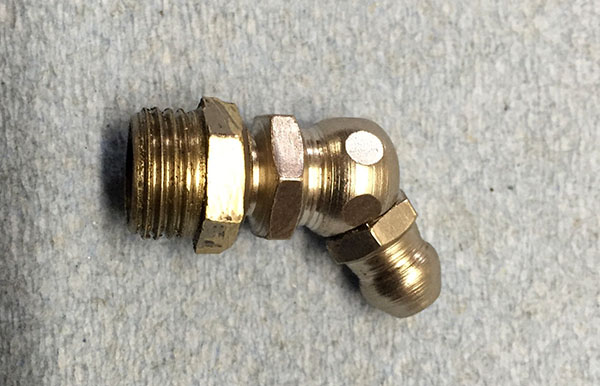
 Hardcore Zed’s Not Dead fans will recall the hokey swing arm zerk fitting that was gnawing into my Zen. The main issue is the swing arm is metric thread and I’m too lazy to find a stock metric grease fitting. I pulled the offending fitting and cut the entire top off of the thing then drilled and tapped the part that fits into the swing arm for a ¼-28 zerk fitting.
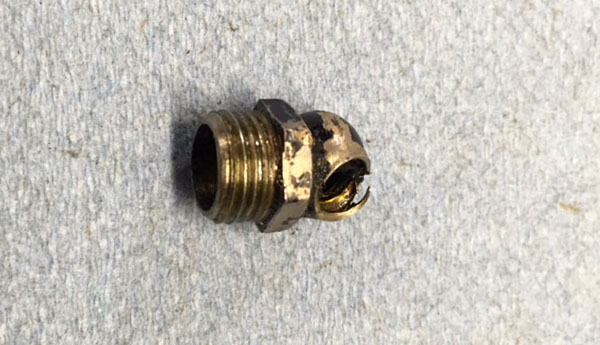 The new set up is much cleaner looking and even though no one will ever see it I’ll sleep better at night knowing it’s there. Oooooommmmmm…
 The left handlebar switch cluster was a cluster. The blinker switch was stuck and no amount of WD40 would free the lever so I dismantled the switch and cleaned all the tiny, rusted parts.
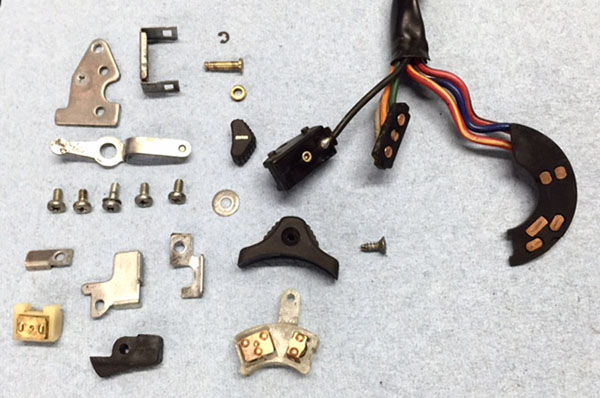 The switch now moves in all the right places. It remains to be seen if it actually directs the electrons where they are supposed to go. The last major electrical challenge on Zed is the instruments and the connections inside the headlight shell. I’ll tackle those in Zed 15.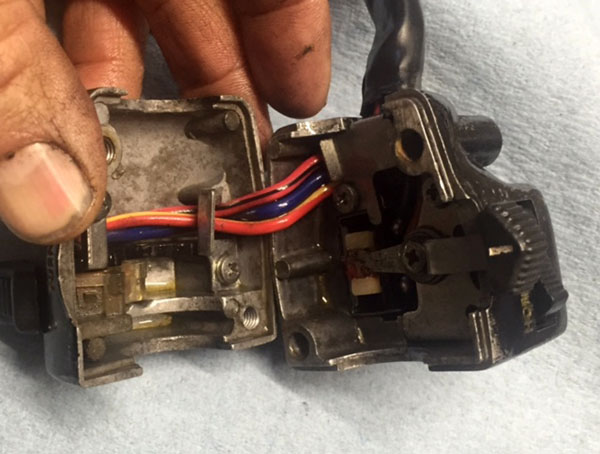
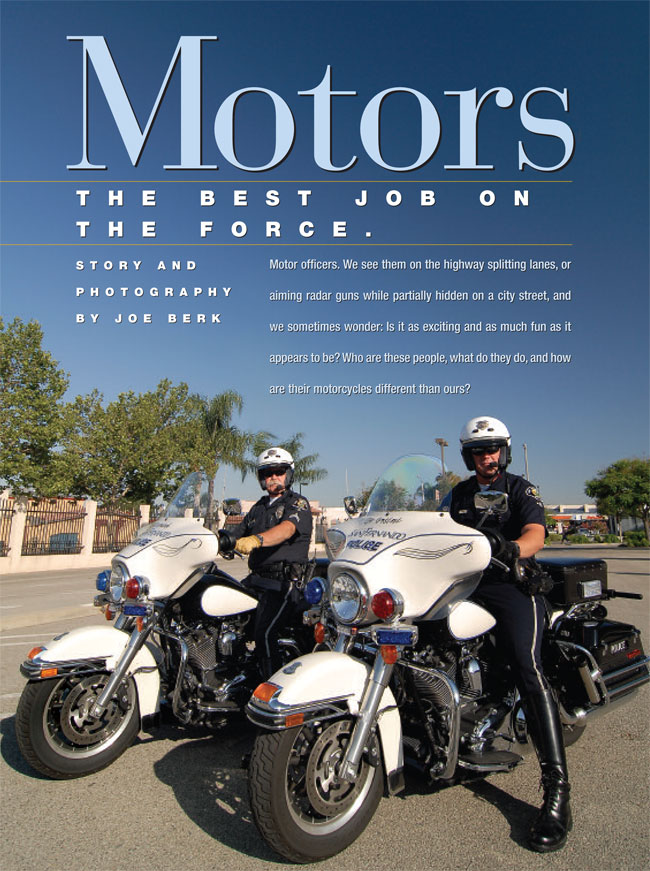
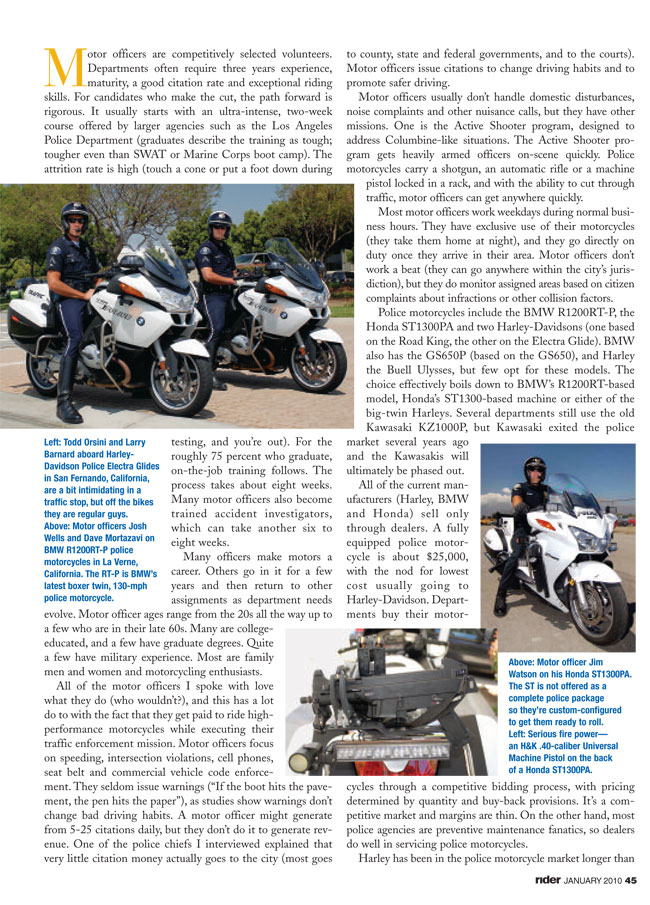
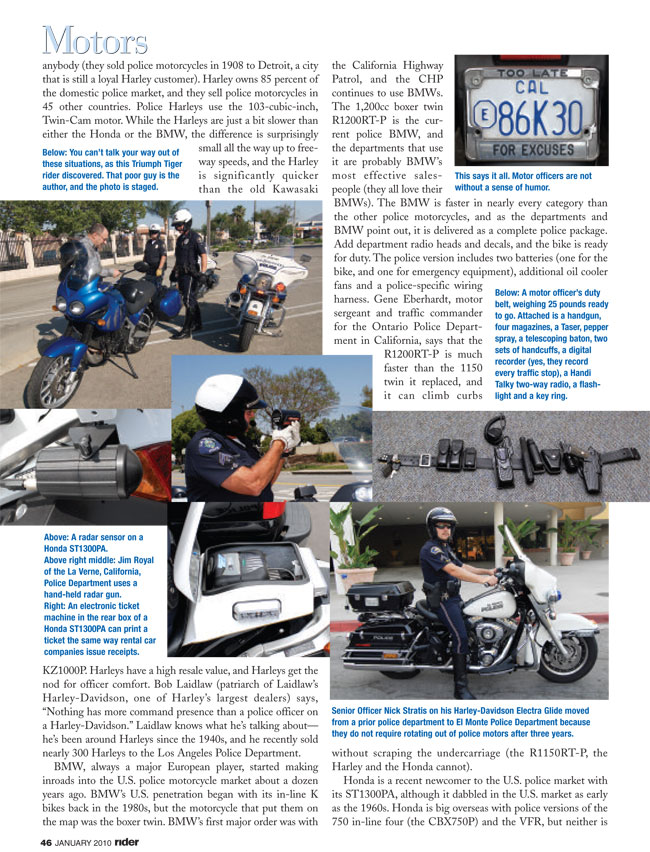
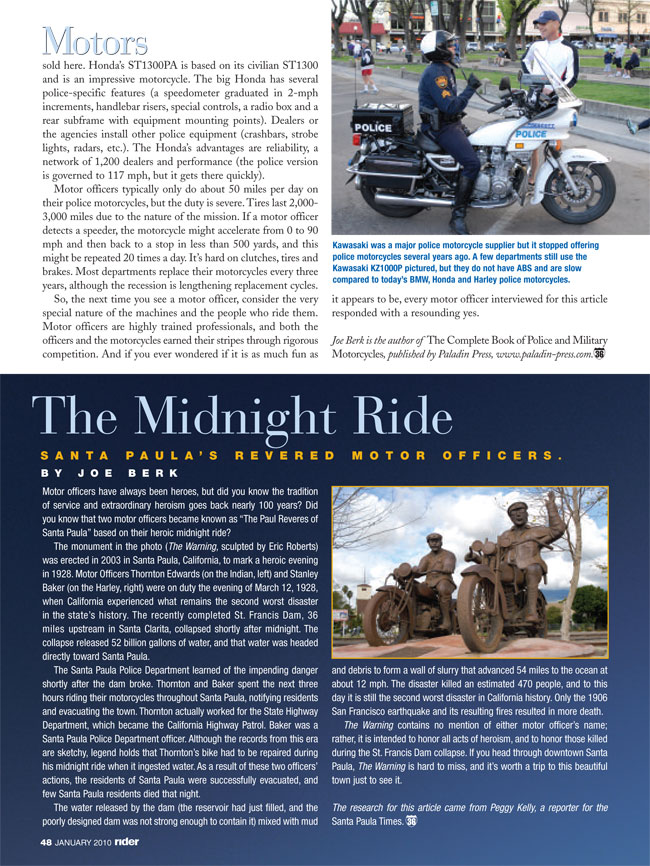 I staged one of the photos above to show a couple of San Fernando Valley police officers stopping me on my Triumph Tiger. That was one of the most interesting parts of the research. I interviewed the two SFV officers in the police station and they were regular guys. Joking, telling stories, you know the drill. I was having fun listening to them and trying to capture it all in my notes. One of the officers suggested going outside for more photos, and with that, both of them put on their helmets and sunglasses. The transformation was dramatic. With their helmets off, they were two regular (and different) guys. When the helmets and shades went on, they became RoboCop. They were indistinguishable, all business, no room for nonsense. Serious. Emotionless. No more smoking and joking. The real deal.
 Fun times, to be sure. I really enjoyed doing that story, and before we wrap up this blog, here’s another bit of trivia: I first saw “Motors” in print while recovering from a motorcycle accident (I got busted up pretty good and I had a lot of time to catch up on my reading). The first responder on that one was Jim Royal, a La Verne, California, motor officer. Just a few weeks before my crash I shot photos of Jim for this very story. One had Jim holding a radar gun; it’s the photo you see in the article above.