Baja: A 7-day Itinerary

Daily destinations for a 7-day, relaxed whale watching Baja itinerary.

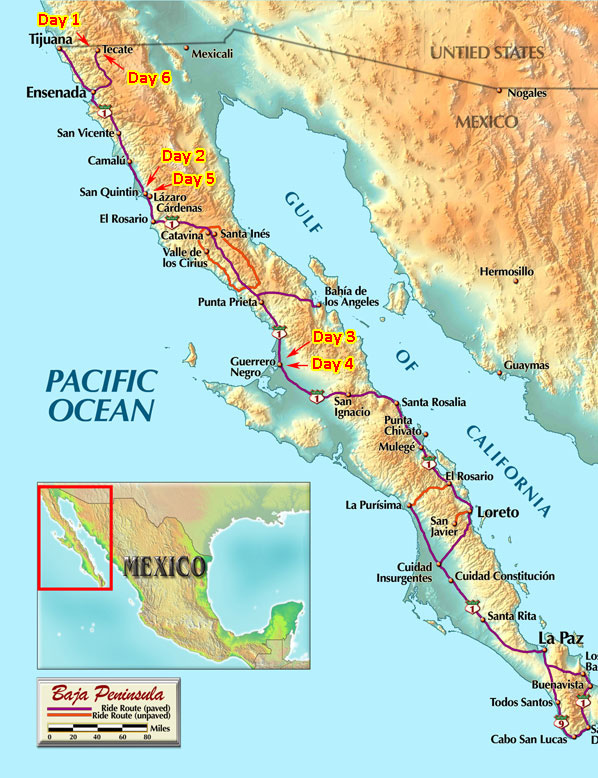
Good buddy Peter asked me to post a map of our recent Royal Enfield adventure ride to see the whales in Baja.  That was a great suggestion, and it also provides an opportunity to suggest a great 7-day itinerary to see the whales in Baja.  This was a relaxed ride of approximately 200 miles per day, and a full day off the bikes in Guerrero Negro on the day we saw the whales.  One thing I want to mention up front:  If you’re taking a motor vehicle into Mexico, you must insure the vehicle with a Mexican insurance policy.  We insure with BajaBound, and that’s who we always recommend.

Day 1:  The Los Angeles Basin to Tecate (170 miles)

The 170-mile distance I reference here is taking the 15 or the 5 south from the Los Angeles area.   When you get down to the San Diego area, just find California 94 off the freeway, stay on it for about 25 miles heading east, and make a right on 188 for the 2-mile hop to Tecate.
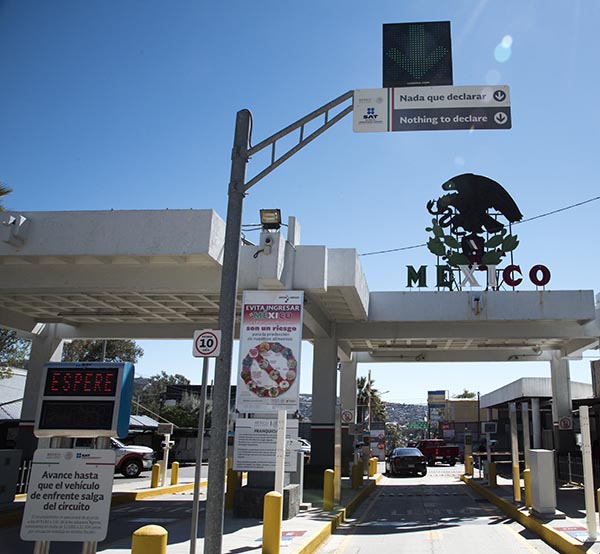
Rolling into Tecate, Mexico!

You can make Tecate in about three hours if there’s no traffic.  It’s an easy run and it gives you time to process into Mexico by picking up a visitor’s card, you can change U.S. currency into pesos, and you have time to explore Tecate a bit.  An alternative route is to head south by riding over Mt. San Jacinto into Idyllwild and then take country roads through California down to Tecate, but you’ll need a full day if you do this and you would get into Tecate much later.
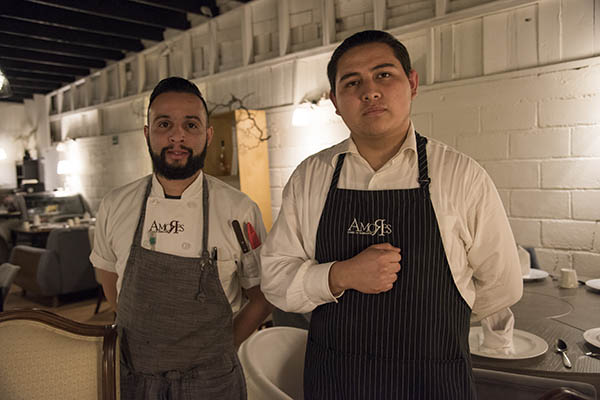
Jonathan and Pablo at Amores. It’s world class dining in downtown Tecate, and it is amazing.

My advice for a Tecate hotel is either the El Dorado or the Hacienda (you get to either by running straight into Tecate and turning right on Boulevard Benito Juarez.   If you are with your significant other, you might consider the Amores Restaurante for dinner (it’s world class fine dining and it is superb).  If you want something simpler, go for Tacos Dumas, a short walk from the Hacienda Hotel.   There’s also a great Chinese restaurant across the street from the Hacienda (there are a lot of great Chinese restaurants in Mexico).

Day 2:  Tecate to San Quintin (180 miles)

Day 2 starts with breakfast at 8:00 a.m. at the Malinalli Sabores Autóctonos restaurant.  It’s in the same building as the Hacienda Hotel, and as explained to us by Jonathan (the head chef at the Amores restaurant) it’s the best breakfast in Tecate.  I think it’s the best breakfast anywhere, and with their exotic buffet featuring different Mexican regional cuisines, it will start your day right.
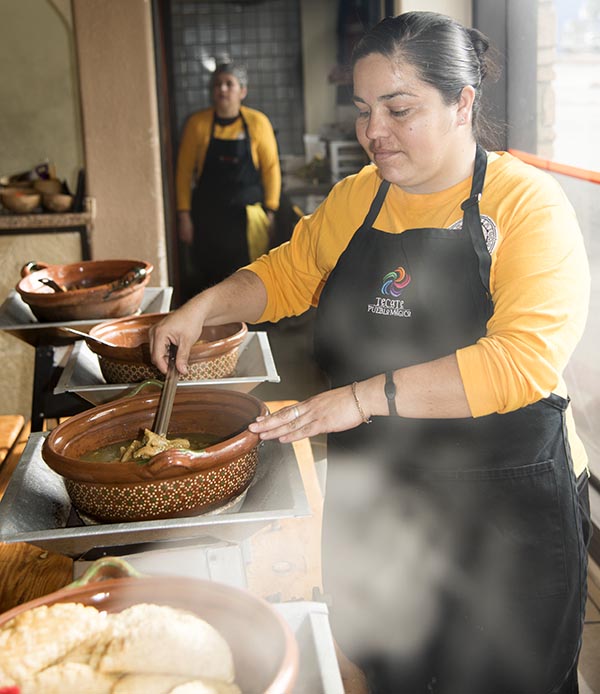
Maria, one of the friendly folks who took care of us in the Malinalli Sabores Autóctonos restaurant.

After breakfast, head east on Boulevard Benito Juarez, turn right when you see the sign for the wine country, and stay on that road (it becomes Mexico Highway 3) to Ensenada.   It’s Mexico’s Ruta del Vino, and the scenery and the vineyards are grand.
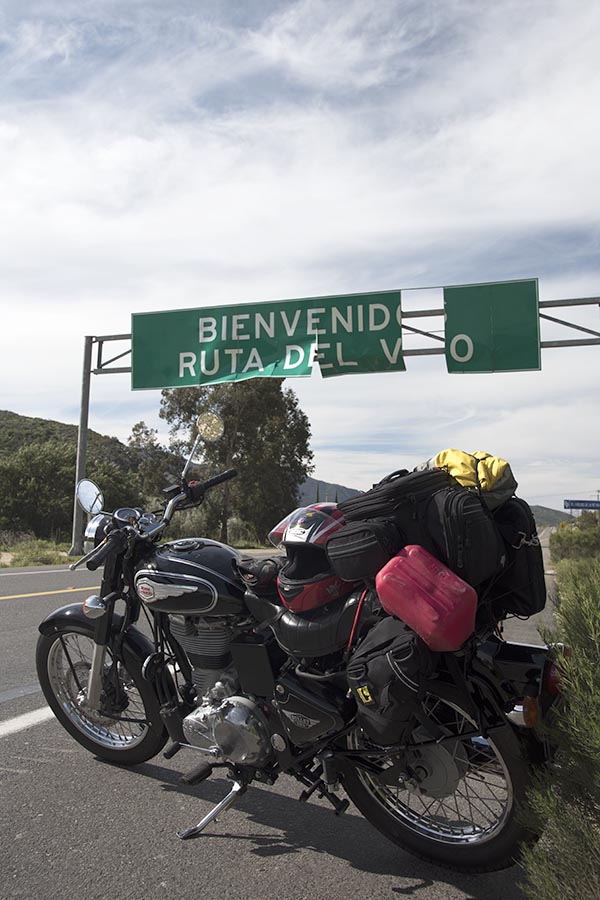
On Mexico’s Ruta del Vino headed for Ensenada!

After 70 miles of glorious wine country, you’ll hit Mexico Highway 1 just north of Ensenada.  Turn left, hug the Pacific, and skirt through Ensenada (one of Baja’s larger cities).  After Ensenada, you’ll pass through several small towns and then the road becomes the Antiqua Ruta del Vino, or Baja’s old wine country.   The scenery is impressive.   Stay on that road; you’ll pass through many small agricultural towns as you continue south through Baja.  San Quintin is the destination on this second day of our Baja journey.  There are lots of hotel options in San Quintin; my favorite is the Old Mill Hotel.  Watch for the Old Mill Hotel sign, and make a right when you see it to reach San Quintin Bay and the hotel 4 miles to the west.  Staying here is a tradition for Baja travelers.
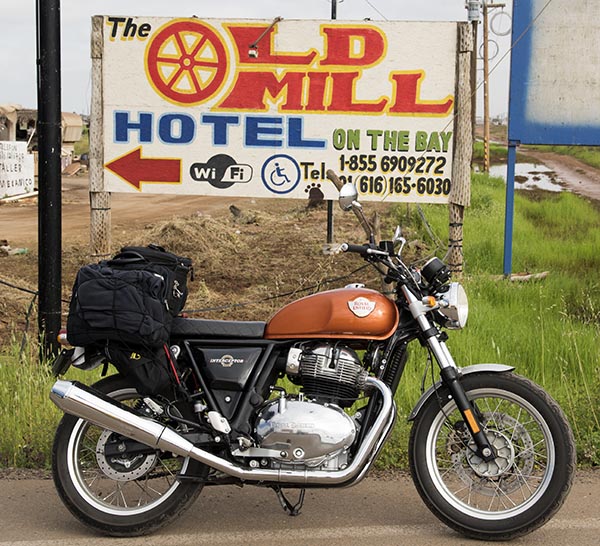
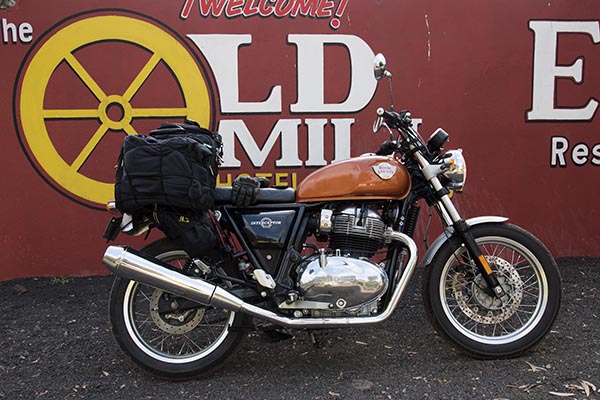
When heading south in San Quintin, watch for the sign pointing to the Old Mill Hotel.
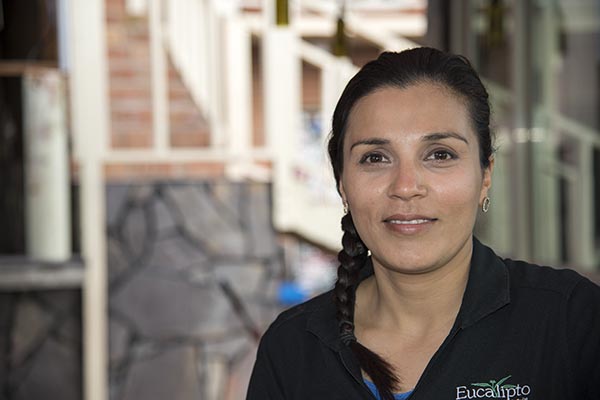
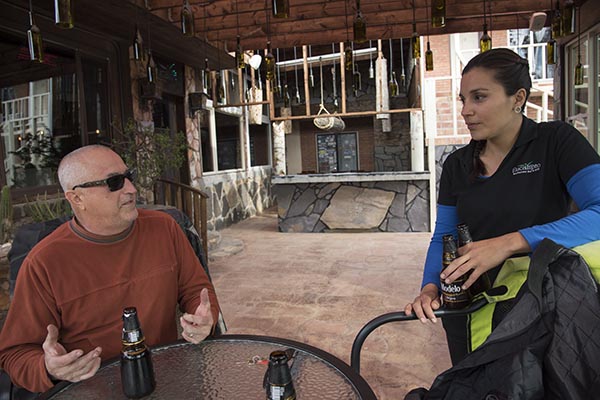
Lucy, the lovely young lady who brought us beer and dinner at the Eucalipto restaurant.

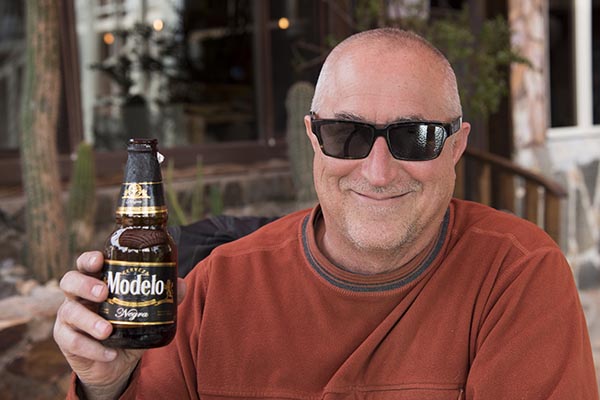
There are two great restaurants on either side of the Old Mill, and the Old Mill now has its own restaurant, the Eucalipto.   Good buddy Javier is the owner and head chef, and the cuisine is fabulous.   You’ll get a free beer when you check into the hotel.   Ask for a Modelo Negra; it’s superb.

Day 3:  San Quintin to Guerrero Negro (264 miles)

This is the long stretch, and it starts with a run south from San Quintin through Los Pinos, and then roughly 20 miles along a roller coaster road skirting the Pacific.  Then it’s a climb into the hills, a Mexican military checkpoint, and you’ll arrive in El Rosario.  Top off at the Pemex in El Rosario, and if you’re hungry, you might have a late breakfast or an early lunch at Mama Espinoza’s (try the chicken burritos; they’re awesome).  After that the Transpeninsular Highway climbs into the Valle de los Cirios and the desolation that is Baja. You’ll see several varieties of plant life that grow in Baja and no place else on Earth (including the Dr.-Suess-like cirio and the mighty Cardon cactus).
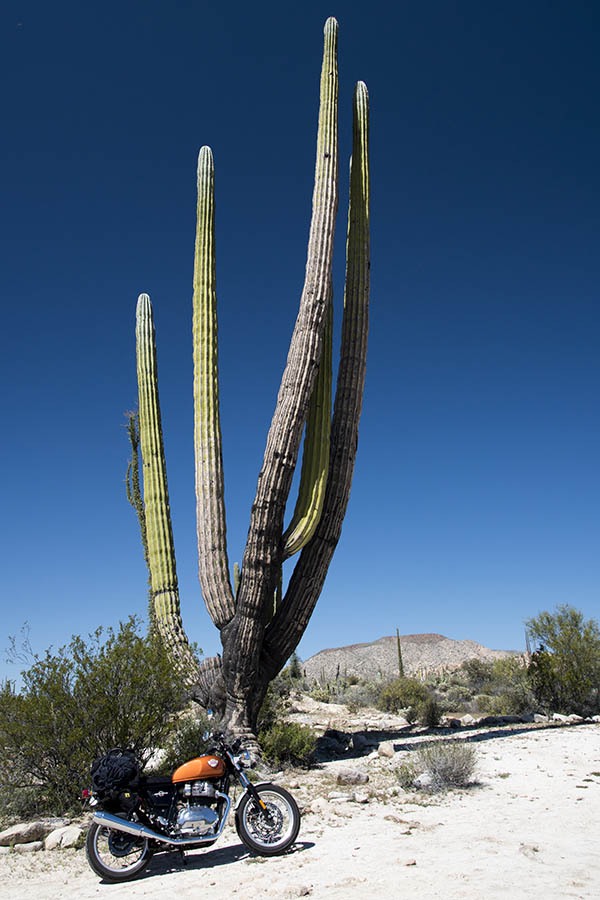
A Royal Enfield Interceptor 650, the first one to enter Mexico, parked near a giant Cardon cactus in Baja’s Valle de Los Cirios.

It gets even better when you enter the Catavina boulder fields.  The area around Catavina is a magnificent region with stunning scenes.   There’s a hotel on the right side of the road that seems to change ownership every time I’m down that way.  The food is good (but a little on the pricey side); the trick is to get there before any tour buses arrive.   A new Los Pinos 7-11 type store recently opened across the street from the hotel and it looks like they’re putting gas pumps in, which is a good thing.  For now, though, if you’re on a bike we advise filling up from the guys selling gasolina out of cans.  It’s 110 miles to the next gas station, and most bikes don’t hold enough fuel to make the entire 231-mile run from the Pemex in El Rosario all the way to Guerrero Negro.
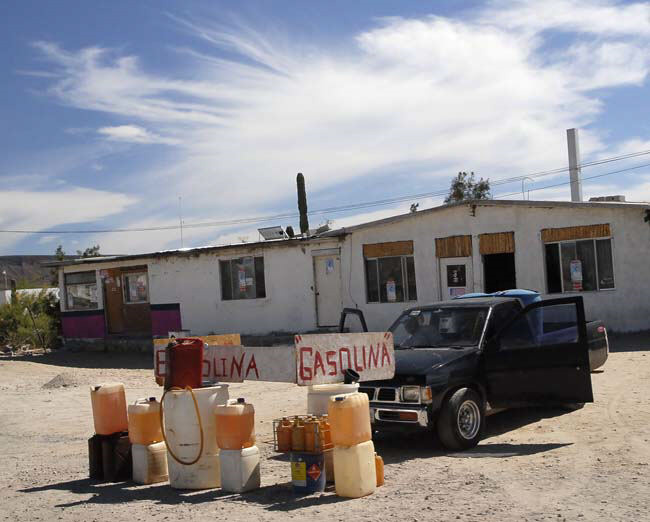
You’ll want to fill up in Catavina if you’re on a motorcycle.  Photo by Baja John.

After the Catavina boulder fields, it’s a run through Baja’s Pacific coastal plains to Parallelo 28, the border between Baja and Baja Sur (the two states comprising the Baja peninsula).  There’s an immigration checkpoint there where you might have to produce your visitor’s form, but usually the Mexican immigration folks just wave you through.   Make a right turn off the Transpeninsular Highway, and head on in to Guerrero Negro.
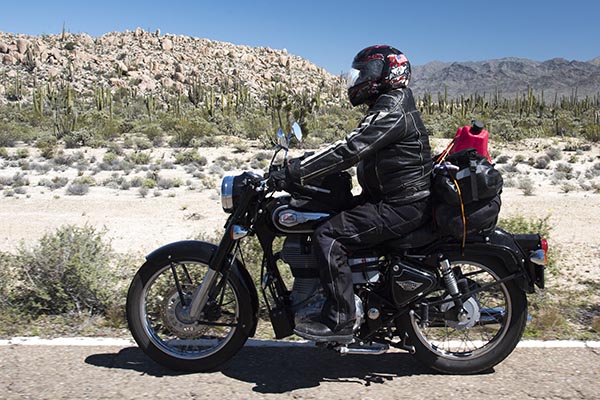
Joe Gresh riding through the Catavina boulder fields on a Royal Enfield Bullet.
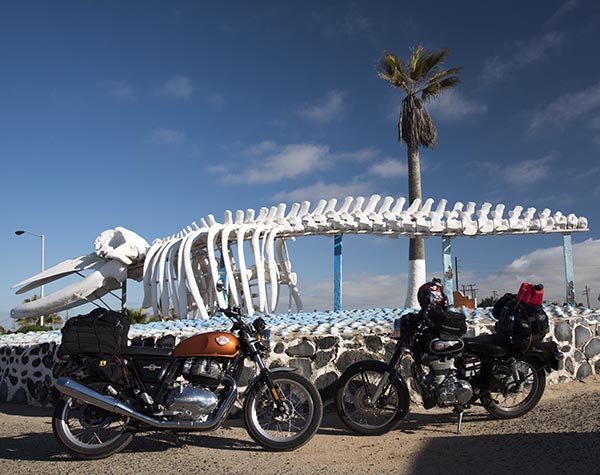
A gray whale skeleton as you make the right turn heading into Guerrero Negro.  Good times ahead!

There are plenty of hotels in Guerrero Negro.  I’ve stayed at the Hotel San Ignacio (no restaurant), Malarrimo’s (one of the best restaurants in Guerrero Negro), the Hotel Don Gus (they have a good restaurant), and the Hotel Los Corrales.   They’re all good.  The real attraction here, though, is whale watching, and that’s the topic for Day 4 of our 7-day Baja adventure.
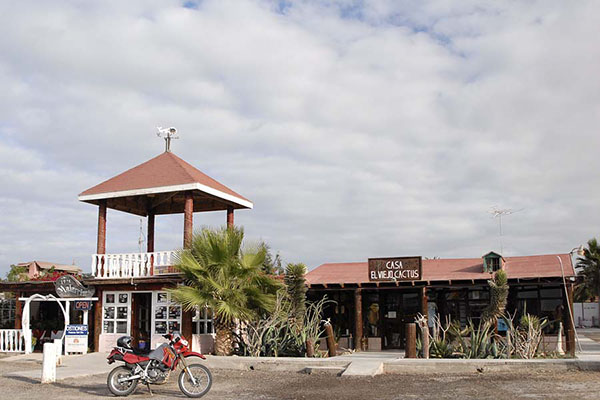
My KLR 650 parked in front of Malarrimo’s in Guerrero Negro. It’s a decent hotel and they have a great restaurant.  It’s on the right as you enter Guerrero Negro.

Day 4:   Whale Watching in Guerrero Negro (0 miles).

Day 4 is a day off the bikes and a day devoted to whale watching.   I always have breakfast at Malarimmo’s when I’m in Guerrero Negro.  For whale watching, we’ve used Malarimmo’s and Laguna Baja’s tour service; both are great.  They have morning and afternoon tours.  Folks ask if the whale watching is better in the morning or the afternoon.  I’ve found both are awesome (and both are just under $50 per person).  The whale watching tours are only available January through March because that’s when the California gray whale herd is in Scammon’s Lagoon.  You’ll be out on the boat for roughly three hours, so you’ll want to use the bathroom before you go.  You can expect a genuine life-altering experience when you visit with the whales.  You might think I’m exaggerating, but I am not.  Bring a camera.  No one will believe what you tell them about this experience unless you have pictures.
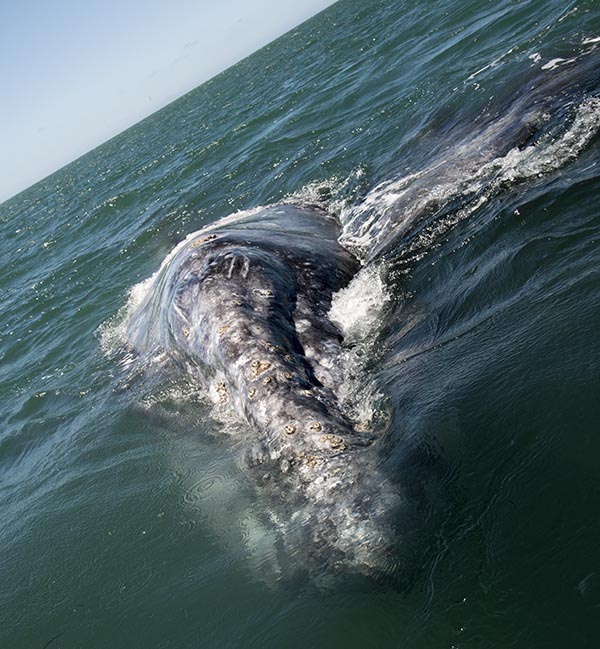
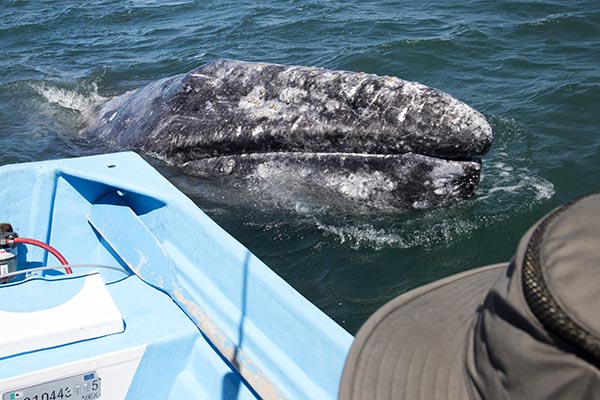
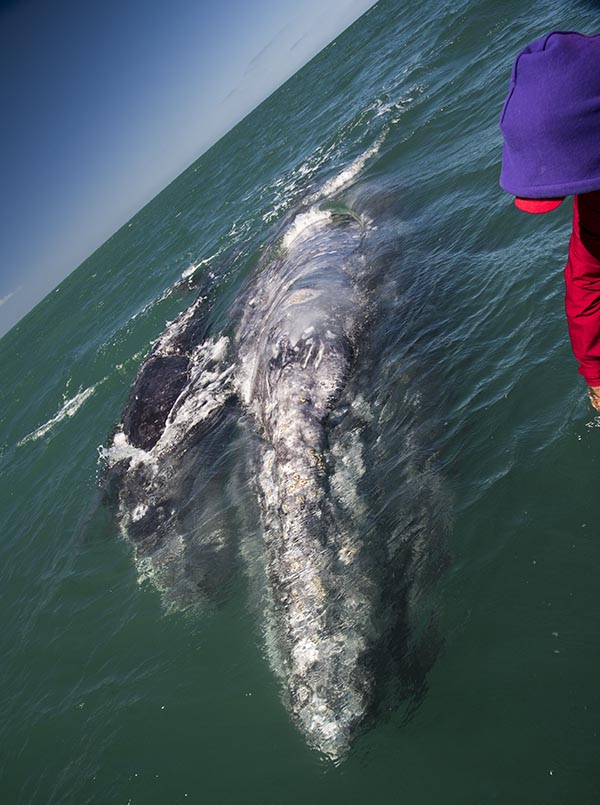
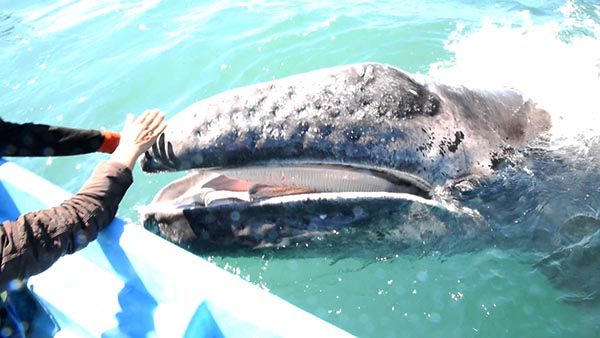
Up close and personal with a California gray whale in Scammon’s Lagoon. It is an experience like no other.

After seeing the whales, look for a fish taco van parked on northern side of the road.  That’s my good buddy Tony’s Tacos El Muelle truck.   Tony makes the best fish tacos on the planet.  Yeah, I know, that’s another strong statement, but I know what I’m talking about here.
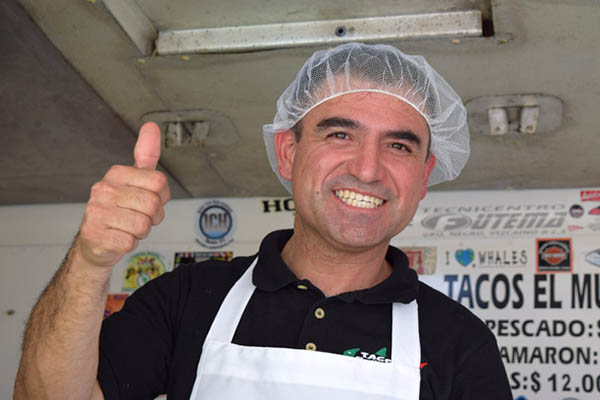
Tony, fish taco chef extraordinaire.  Tell Tony Joe sent you.

For dinner in Guerrero Negro, there are lots of options.  The Hotel Don Gus has a great restaurant, Malarimmo’s is great, and we most recently tried the San Remedio (off the main drag on a dirt road in Guerrero Negro) and it, too, was awesome.
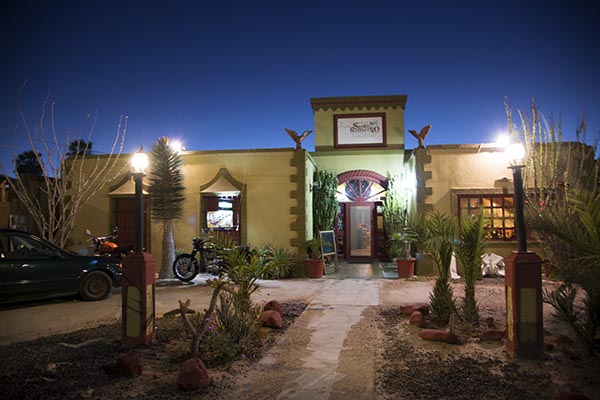
Restaurante San Remedio in Guerrero Negro. It was authentic,and you will very likely be the only non-local guest.
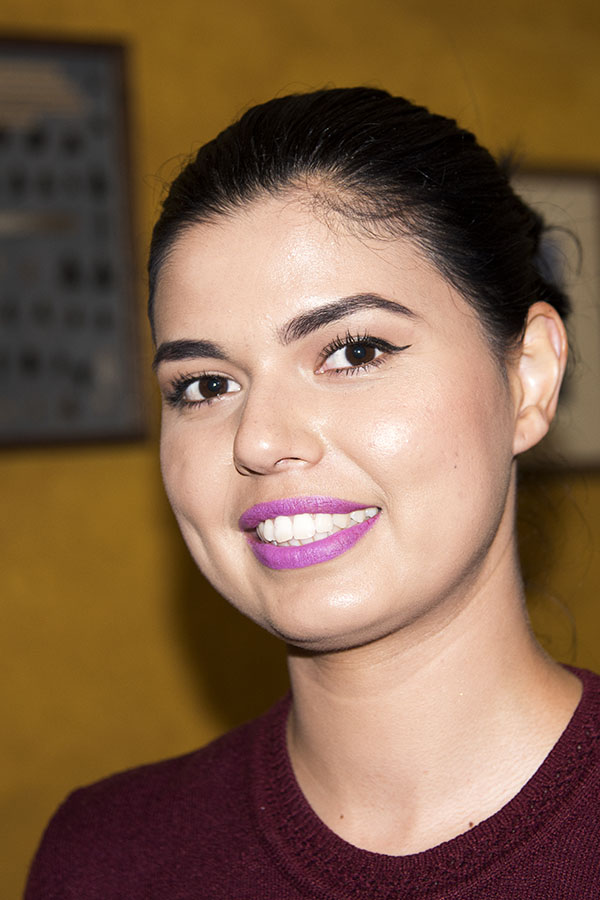
Brianda, who served us dinner at the San Remedio.
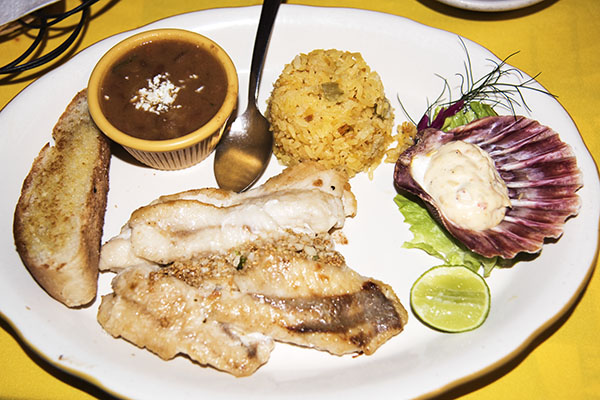
Corvina grilled with olive oil and garlic at the San Remedio. It was 135 pesos, or about $7 US, including soup.

Day 5:  Guerrero Negro to San Quintin (264 miles)

You might wonder:  Are there other ways to head back north in addition to the way we came down?  The short answer is yes, but the roads are sketchy and I’ve seldom felt a need to take a different route.  My advice is to just go back the way you came down, and stop and smell the roses along the way.  There’s plenty to see. Take photos of the things you missed.   Enjoy the ride.
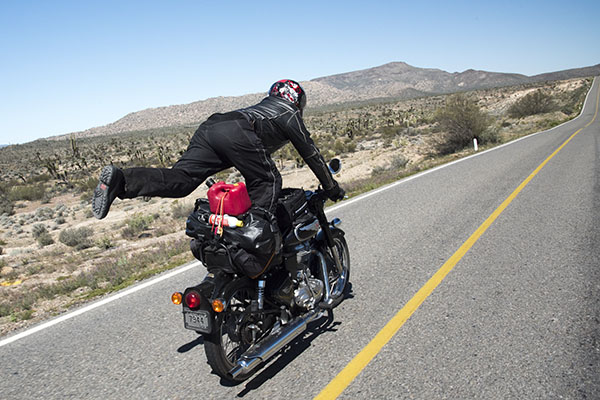
Joe Gresh feeling his oats on the ride north out of Guerrero Negro.
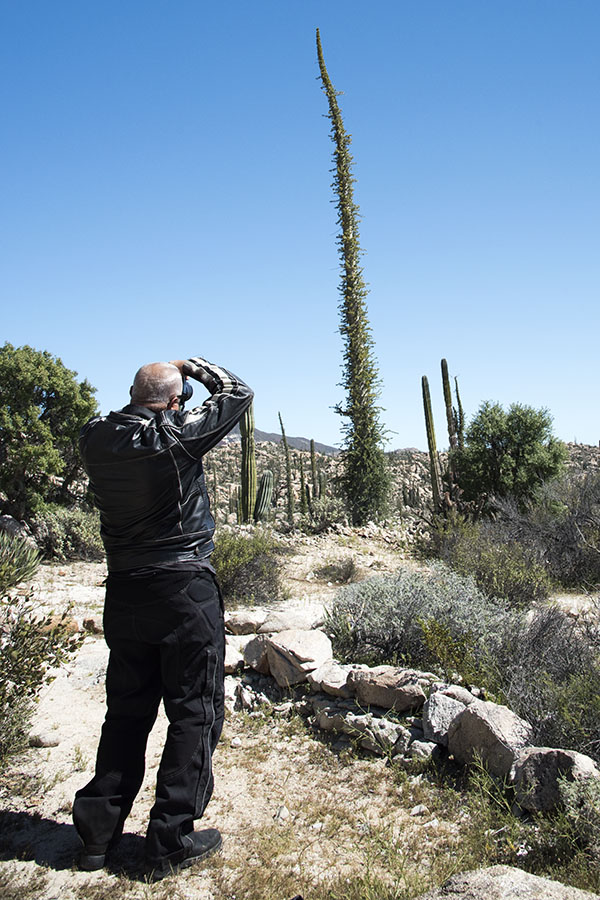
Photographing a cirio plant in the Valle de los Cirios.
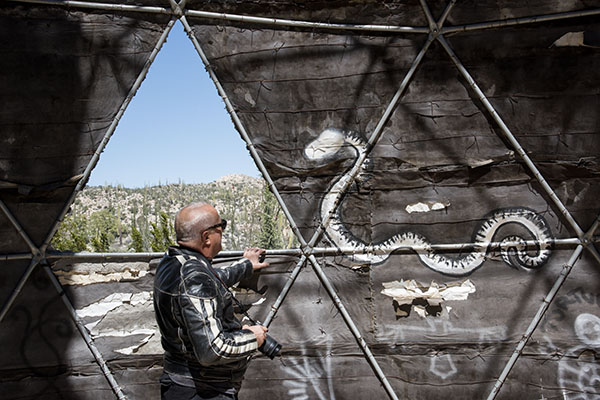
Gresh spotted an unusual (and abandoned) geodesic dome in the desert north of Catavina on the way south and he said he wanted to stop there on the return leg north. So we did!
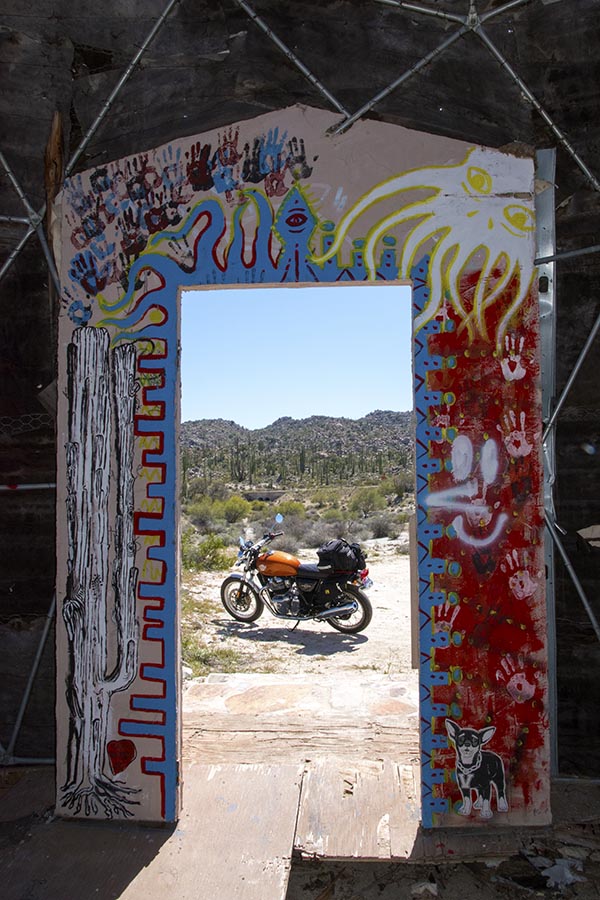
More artwork framed our test Enfield from the geodesic dome’s interior. Gresh had the idea to grab this photo.  He’s better at this than I am.

On the return leg of this adventure, you can stay at the Old Mill Hotel again.  Yeah, it’s my favorite.   There are other hotels in the San Quintin area, including the much larger and more modern Misione Santa Ines (which also has a great restaurant).  There’s also Jardin’s, which Baja John told us about but I haven’t visited yet. One of these days I’m going to spend two or three days in and around San Quintin.  It’s a cool area.
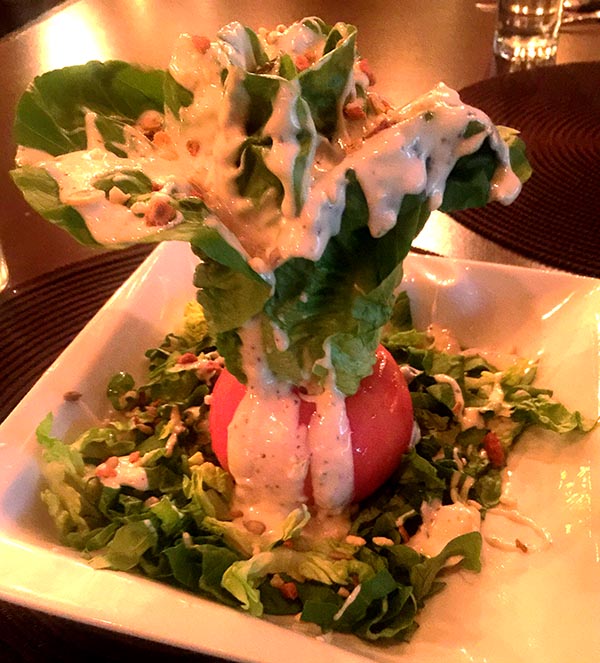
A bleu cheese salad at the Eucalipto. It was exquisite.

The Old Mill’s Eucalipto isn’t open every morning for breakfast, but that’s okay because there are lots of good places to eat once you get back on the Transpeninsular Highway heading north.  If you want to pick one of the great breakfast spots, just look for any restaurante with a whole bunch of cars parked in front (the locals know what they are doing).  If you’ve never had chilequiles, give this Mexican breakfast specialty a try.

Day 6:  San Quintin to Tecate (180 miles)

This is the same ride we took on the way south, and my guidance is the same:  Stop, smell the poppies, and grab a few photos along the way.  If you can hold out for a great lunch, I have two suggestions.  One is the Los Veleros in Ensenada, which is in the Hotel Coronado building as you ride along the coast.  The other is Naranjo’s along the Ruta del Vino (Highway 3) back into Tecate.
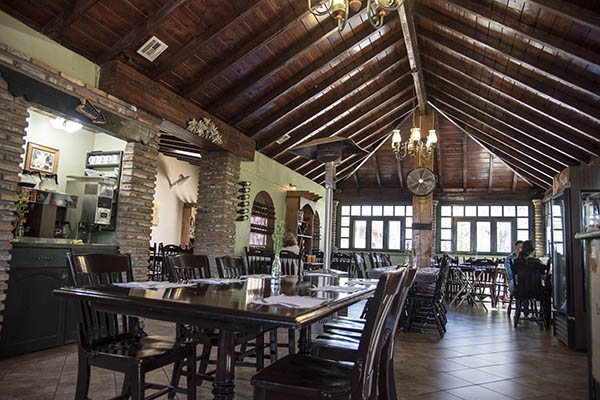
The Naranjo’s dining room along the Ruta del Vino. It’s on the left as you head north to Tecate, and you’ll have to watch for it or you’ll miss one of the best restaurants in all of Mexico.
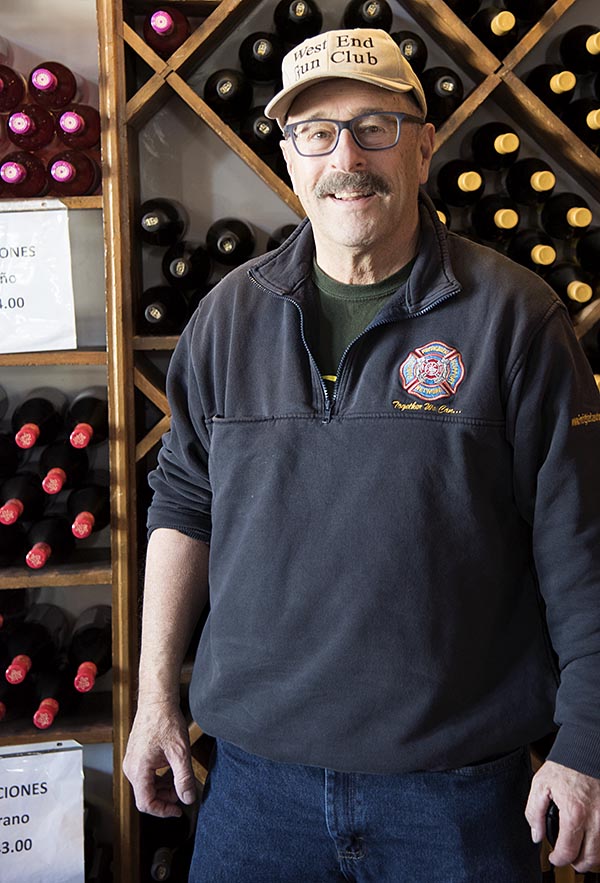
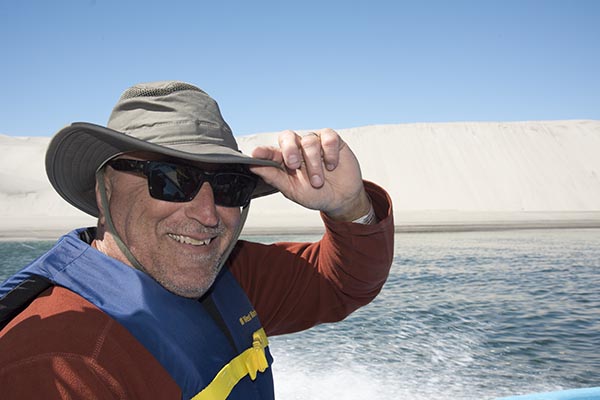
Yours truly in the LA Cetto tasting room. I’m wearing my R Heroes USA workshirt, a top-quality item I’ve been wearing on every adventure ride for 10 years!

I always like to stop at the L.A. Cetto vineyard on the way home (rather than on the first part of the ride).   I’ll pick up one bottle of wine (and for me, that’s either a Malbec or a Cabernet).  I’d like to be able to take more home, but it’s tough to do that on a motorcycle, and you’re only allowed to bring one bottle back into the United States.  Rules is rules, you know.

If you had dinner at Tecate’s Amores on the way down, you might want to try a street taco restaurante on this, your second night in Tecate.  We like Tacos Dumas, just up the street from the Hacienda Hotel.  It’s awesome.
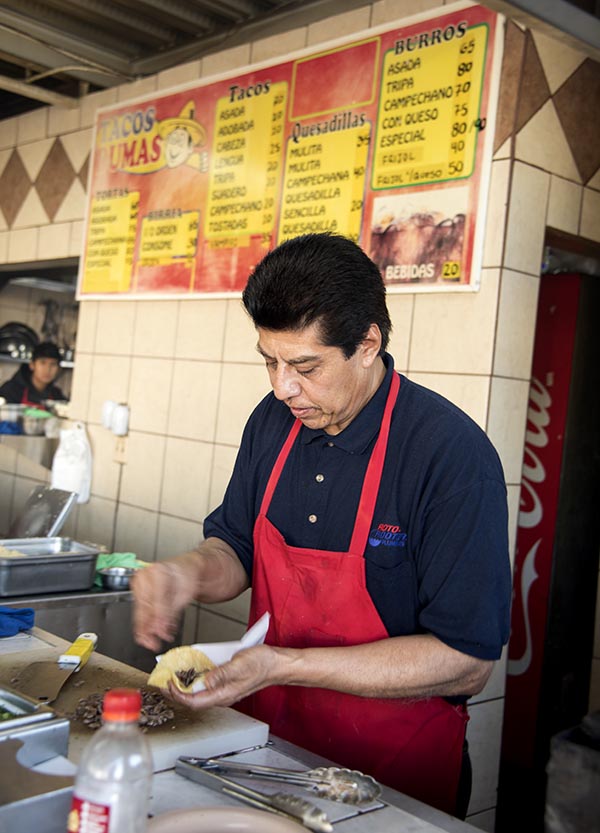
For an authentic experience, try Tecate’s Tacos Dumas restaurante.  Life doesn’t get any better than this.

Day 7:  The Ride Home (168 miles)

This is an easy run, and for me, it starts with a breakfast at Malinalli Sabores Autóctonos in Tecate (yeah, I love that place).   After that, it’s a quick stop at the Mexican immigration office to return your tourist visa (don’t skip this step; you need to check out of Mexico and simply crossing back into the US won’t do that).  If you’re in a car, you’ve got to get into the long line waiting to get back across the US border.   If you’re on a bike, go a block or two east of the street you took into Mexico, turn left, and look for the US border crossing.   There’s a break in the K-barriers guiding the automobile line, and you can go right to the head of the line.  I’ve never had a problem doing this, even though it feels like I’m doing something wrong.

And folks, there you have it: Seven glorious days of the best riding on the planet.  I’m ready to go again.


If you’d like to read the rest of our recent Royal Enfield Baja adventure ride posts, here are the links…

BajaBound on Royal Enfield
18 Again
The Bullet Hits Home
We’re Off
We’re Off 2
Snapshot
Tecate
San Quintin
Royal Enfield 650cc Twin: First Real Ride
The Plucky Bullet
Guerrero Negro
Ballenos
Whales
The Bullet in Baja
A Funny Thing
No One Goes Hungry
Day 7 and a Wake Up
The Bullet
The Bullet: Take 2
The Interceptor


One more thing…if you like what you see here, don’t forget to sign up for our blog update email notifications!  We’re having our next drawing for one of our moto adventure books in just a few days, and getting on the email list gets you in the running!
The Interceptor

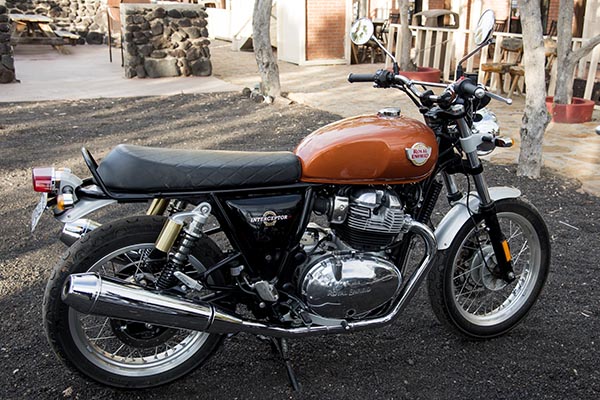
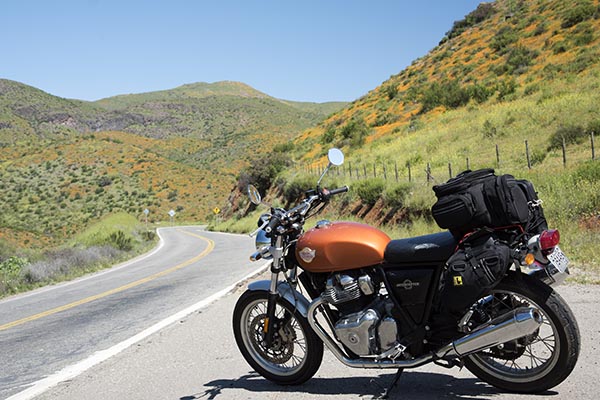
The Interceptor in Baja’s wine country along the Antigua Ruta del Vino south of Ensenada.  I think the Enfield is a perfect motorcycle.   I thoroughly enjoyed our Baja ride on it, and I’m planning to buy one for myself.  The spirit of the British vertical twin is alive and well in this fine machine.  I’ll point out a few nits in this article, but folks, trust me on this:  This is an amazing motorcycle.

When I was a teenager and LBJ was in the White House,  my standard against which all motorcycles were judged was the 1965 Triumph Bonneville. To me, that represented the ultimate motorcycle, and to this day, it’s what I think of when people start talking about the perfect motorcycle.   It’s what came to mind when Royal Enfield announced the 650 Interceptor.  I think 650 cubic centimeters is a good size for a motorcycle. I think a British vertical twin is the perfect vehicle (to borrow a phrase from good buddy Melissa Pierson).   And I know that Baja is the best place on the planet for a motorcycle trip.  That’s why I wanted to get the new Enfield and ride it through Baja.  The perfect bike on the perfect ride.  I predicted it would be a great trip.  I was right.

Originally, we wanted to get two Interceptors, but they weren’t available. Enfield countered with an offer of two 500cc singles. Okay, we thought, that would do, and we realized it was a gutsy move on Enfield’s part to lend the bikes to us. Then that same dealer we’ve been so disappointed in couldn’t seem to get around to getting the bikes ready for us, and the plan shifted to an Interceptor and a Bullet. Even better, thought Gresh and I, and we were off, headed south into Baja.  The two different bikes would make for an interesting contrast.

It’s a funny thing; we thought the story would focus primarily on the newer bike (the Interceptor), but the Bullet proved to be a fun and interesting motorcycle (like Gresh mentioned in his blog below). Don’t get me wrong; the Interceptor is an amazing machine. In fact, I’d say it was perfect. But it was almost too good (and I’ll get to that further along in this post).

Back in the day when I was a youngster dreaming about owning a Triumph Bonneville, I only knew one guy who rode an original Royal Enfield twin.  That was Ricky Stang, a guy I knew in high school (go Vikings). Everyone else who rode was either on a Triumph or a Honda. Ricky had this amazing Enfield 750 with an all-chrome gas tank.  He was (and still is) a cool guy.   How cool, you might wonder?  Well, he bought a Mustang car and modified the emblems by chopping off the M and the U, so his car said STANG (Ricky’s last name). That’s how we rolled back in the ‘60s.

Okay, back to the main attraction: The 2019 Royal Enfield Interceptor. Let’s start with the basics. It’s a 650cc vertical twin, just like my dream bike, the ’65 Triumph Bonneville. The Enfield brochure (downloadable on the Internet) puts the “kerb” weight at 202 kg (that’s 445 lbs; the ’65 Bonneville was 363 lbs), the wheelbase at 1400mm (that’s 55 inches, just like the ’65 Bonneville), and the horsepower at 47 (the ’65 Bonneville had 50). The new Enfield has a 6-speed transmission (the ’65 Bonneville had a 4-speed).  Hmm, the right displacement and the right dimensions.  The Enfield weighed a bit more, but the ’65 Bonneville didn’t have disk brakes front and rear, ABS, electric start, turn signals, an oil cooler, or catalytic converters.

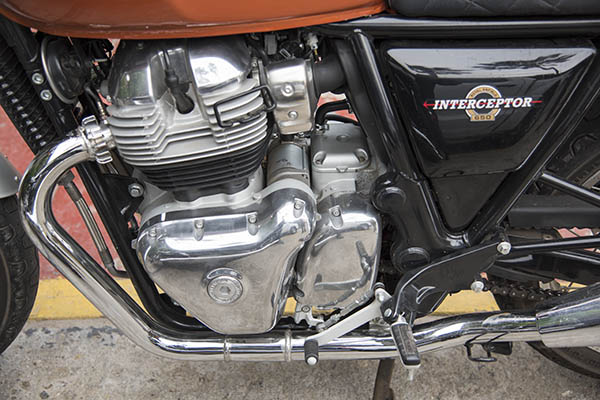
The Enfield engine is magnificent. It is very torquey, and on our Baja foray I never felt like I was undergunned. The exhaust note is perfect (it sounds like a real motorcycle).  The engine is extremely smooth. It didn’t seem to care what gear I was in; I could just roll on the throttle and the bike responded. In fact, a lot of times I’d be riding along thinking I was in 6th gear only to discover that the bike was in 5th or even 4th. It is that smooth.  And a lot of times while climbing mountains in Baja’s Valle de los Cirios, I didn’t have to bother downshifting.   Twist and go.  Cool.  We had the bike weighed down with lots of gear on our Baja trip; the Enfield didn’t seem to care.  The engine is a 4-valve per cylinder, single overhead cam design, but the Enfield folks somehow managed to pull off the styling such that it looks a lot like the original overhead valve Enfield design of the 1960s (kudos for that).   It is a good-looking and brilliantly-performing motor.

Perhaps the best-looking engine in the business, this SOHC, 4-valves-per-cylinder motor strongly resembles the 1960s Enfield OHV motor. The left side engine cases make it look like a non-unit-construction engine. Well done, Enfield!

The bike never felt heavy to me.  The Enfield carries its weight low and it felt light and quick everywhere.  Yeah, on paper it’s 80 lbs heavier than the ’65 Bonneville.  It didn’t feel like it, though.  It feels good.

Enfield’s spec sheet says the bike is air-and-oil cooled, and there’s a non-obtrusive oil cooler mounted on the frame downtubes.   The engine looks perfect. It’s nicely finned and you can see the thing.  The exhaust system is a work of art.  The mufflers are nicely shaped megaphones and brilliantly plated, and the exhaust header curvature is perfect.  (Why is the word “perfect” emerging so frequently in this report?)   I’m guessing the headers are a “pipe in a pipe” arrangement, as the pipes exhibited no heat discoloration.   The clamps securing the exhaust headers to the cylinder head are neatly finned gizmos, just like Triumph had in the ’60s.   Both sides of the engine have beautiful cases.   Gresh commented that the engine’s left side cases were fashioned to make it look like the bike had separate engine and transmission cases, as Enfield had in days of yore.   The Enfield guys got it right.  I am impressed.

A magnificent exhaust system.  The curvature of the pipes and the upswept cans are perfect.
If we had any, Gresh and I could comb our hair in those engine cases.

Gresh mentioned in an earlier blog that he reached 115 mph in 5th gear and 110 mph in 6th, confirming that 6th is really an overdrive. I never took the bike over 80; it would do it, I just didn’t want to. I found the bike stable at any speed. Fuel economy is outstanding. When we took delivery of the bike, it had 847 miles on the odometer and Joe measured 60 mpg on the first tank.  On our last tank, with another 1300 miles on the bike, it returned 70 mpg.  It never used any oil on our trip.

The headlight is a big chrome affair, just like Triumph (and basically all the British manufacturers) used to do.  The beam was good, too.   It lit up the street nicely.

The bike has a single disk in front and another in the rear.  Both are ABS equipped.  There’s no provision that we could see to turn the ABS off.   Joe slammed the rear brake on a dirt road, and you could see where the ABS activated on and off in the bike’s track.   The brakes are good.  I never used them hard enough to activate the ABS feature, and that was okay by me.

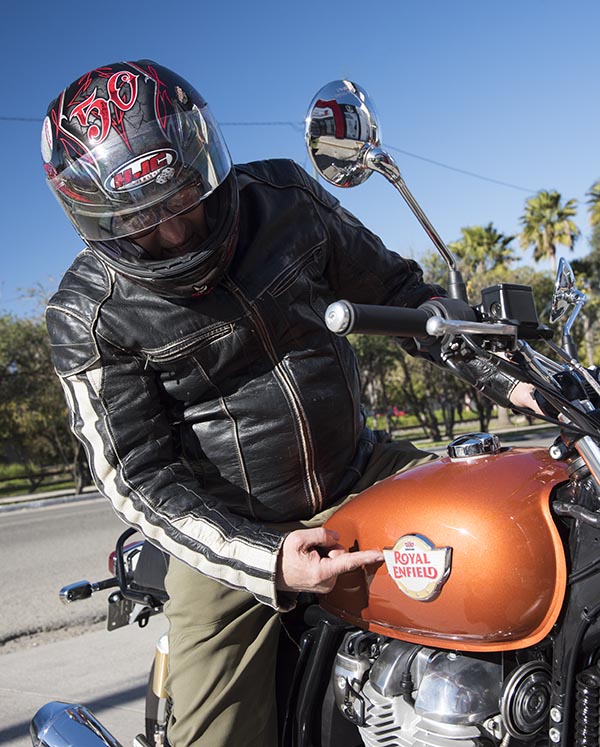
The fuel tank is nicely contoured with a teardrop shape (it looks like a motorcycle gas tank should).  Fuel capacity is 13.7 liters (that converts to 3.6 gallons).    The tank emblems are gorgeous, although there was a very slight curvature mismatch where the leading edge of the emblem interfaced with the tank.   That’s my inner motojournalist kicking in.  I had to find something negative to say about the bike, and folks, this is one of very few nits I had with the bike.  Yeah, I’m being picky.  The gas cap is of the locking variety (it unlocks with the ignition key), and the cap is not hinged on the tank.  You take it completely off when refilling.   The bike ran equally well on regular or premium, and we mostly ran on regular because that’s all we could get once we went further into Baja.

The badging is magnificent.  No funky cheap decals here.
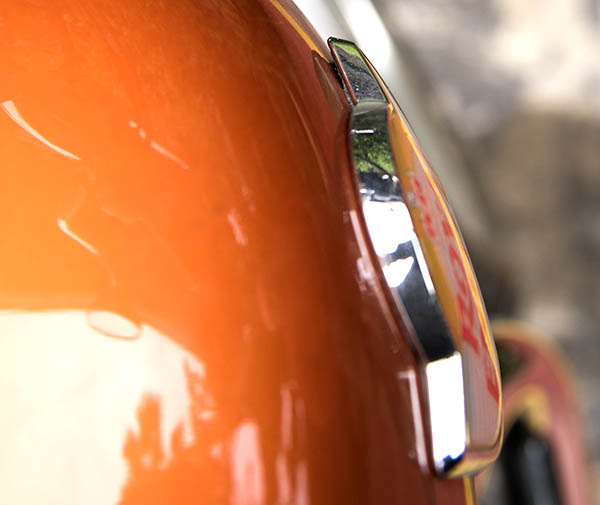
Picky, picky, picky…there’s a slight curvature mismatch at the front of the tank emblems. It was consistent on both sides of the tank.

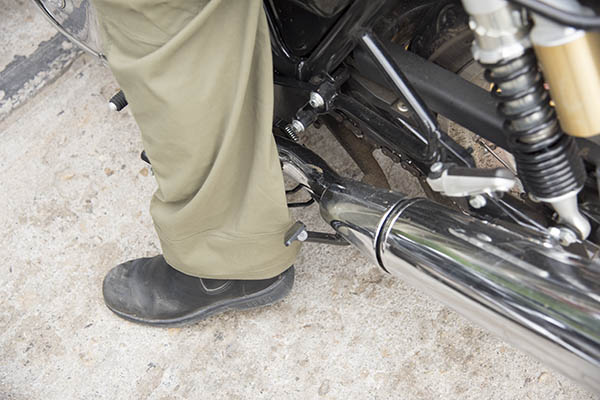
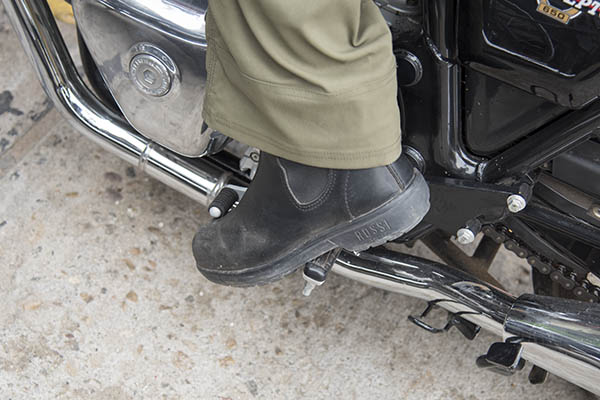
Here’s another nit:  Joe and I both felt the left side of the bike is crowded around the footpeg.  The gearshift is a little too close (I guess it could be adjusted upward, and I’d like the lever to be a little longer).   The extensions for the kickstand and the centerstand extend far enough outside the bike and they are close enough to the footpeg that putting your foot down is a bit challenging.  I didn’t like that all of that stuff (the gearshift, the footpeg, the kickstand extension, and the centerstand extension) stuck as far out as they did, and I had to think about where I put my foot down more than I do on other motorcycles.  On the plus side, shifting was slick and effortless, there was no clunking, and the bike almost changed gears telepathically (it was that smooth).  Getting the kickstand down was easy with the long extension, and pulling the bike up on the centerstand was also easy.  Enfield provides a nice handhold on the left side of the bike for that purpose.

Things are crowded on the left side of the bike, and I had to be careful putting my left foot down.
The shift lever was a little too low and a little too close to the left footpeg.

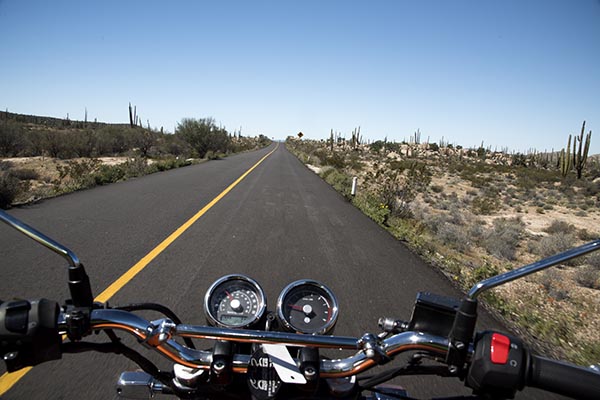
I’d call the instrumentation perfect (ah, there’s that word again).  As I mentioned in one of the first blogs we did on the Interceptor, Enfield captured the essence of the big old Smiths instruments that used to adorn British bikes back in the ’60s.   The bike has a digital, bar-based fuel gage in the left pod, an analog speedo and tach, high beam and turn signal indicators, an ABS light, and an odometer and two tripmeters.  Stated differently, it has all the good stuff you need and none of the stuff you don’t.  The tripmeter reset was a pushbutton between the speedo and tach.  I found the tripmeter reset a little hard to actuate, but I haven’t been hitting the gym lately.

Perfect instrumentation, in my opinion.  The chrome crossbar is a little cheesy.

The horn on this bike is loud. It sounds like a European automobile horn.  I liked that.

On the bodywork, everything looks great.  The tank, as mentioned above, is is nicely shaped and the metalflake tangerine color is stunning.  The Interceptor’s fenders are nicely shaped, a bit abbreviated (which I like), silver in color, and plastic, all of which is fine by me.  The bike has a deep gloss black tubular double downtube frame, and that answers the mail nicely for a refined and classic Britbike look.  The seat is long, not overly cushy, flat, and comfortable (it has a cable-actuated release accessible under the right body panel).  The side covers work, too.  I like that they are black.  It fits the overall look nicely.

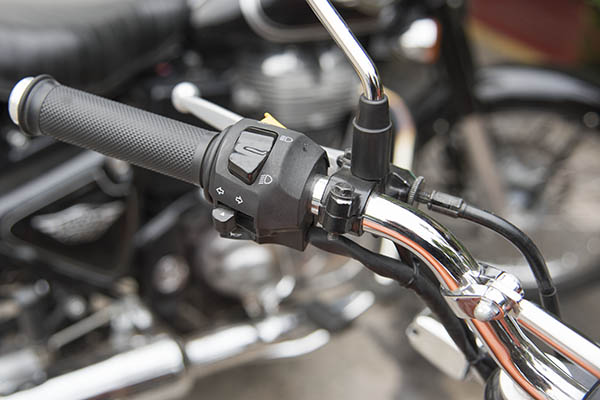
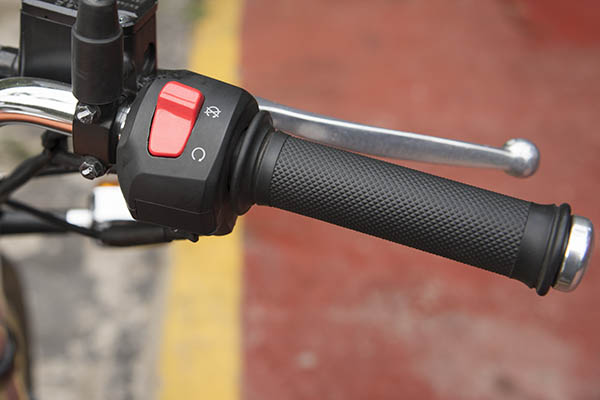
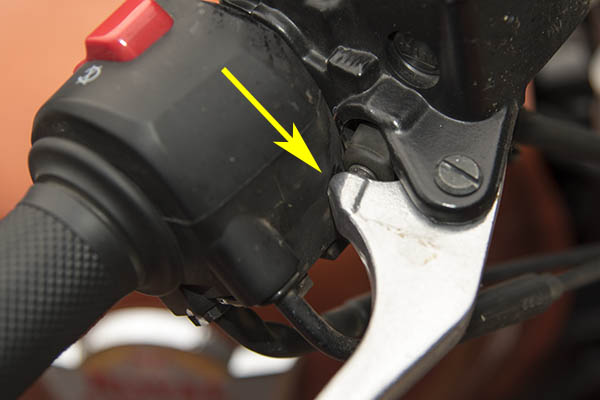
The handlebar switchgear is the same as the Bullet, which is the same as the CSC motorcycles, which is the same as 90% of the motorcycles sold today.  Somewhere, there’s a single factory making handlebar switchgear for everyone.  My guess is that factory has a Chongqing zip code.  It all works nicely.  The turn signals are not self-cancelling.   The clutch and front brake levers (forgive me, Joe Gresh) fell easily to hand and were light to operate.  One more minor nit:  Joe noticed that the front brake left was shaped such that it had a minor drag against the right handlebar switchgear housing, and that this slight drag prevented the brake lever from returning all the way to the forward position (you could touch the front brake lever with your fingers to make it go all the forward).  We probably could have adjusted that interference out by repositioning the front brake lever on the handlebar, but we did not.  It’s a nit that will almost certainly be gone when the bikes go into production for the US market.  Joe liked the handlebar crossbar; I thought it was the only thing on the bike that looked cheap.   I think it would have been better if it was an integral part of the handlebar, as Janus does on their Gryffin model and CSC does on the TT250.

Standard switchgear on the left handlebar.
Standard switchgear on the right handlebar, too.
There was a slight bit of interference between the switchgear housing and the front brake lever in the area denoted by the yellow arrow.

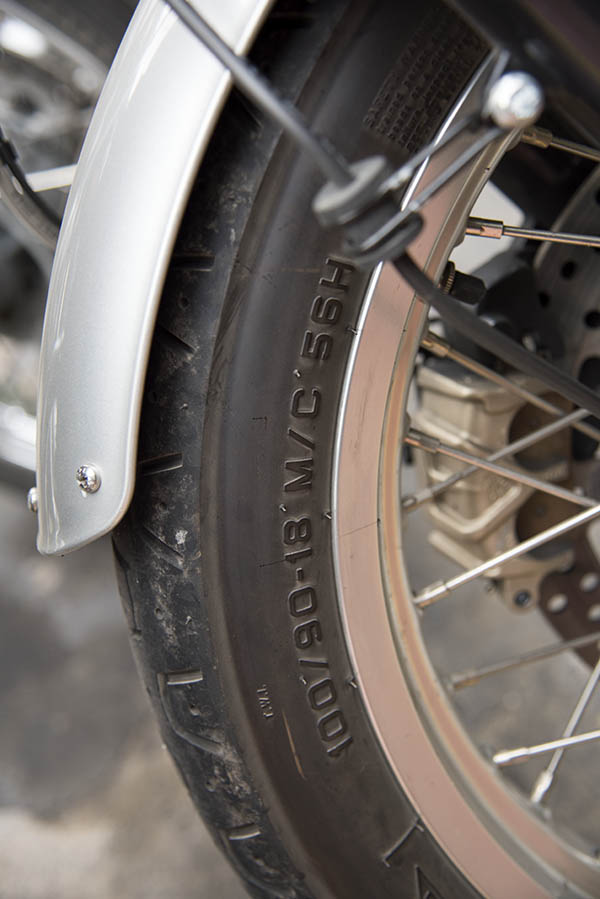
The front suspension is not adjustable, and if you have been following the ExNotes Enfield Baja blog, you know that’s okay by me.  The rear suspension is adjustable for preload.  As delivered to us, the rear shocks were set to a medium position.   Our bike, being a preproduction prototype, did not have a tool kit, so there was no spanner to make any rear shock adjustments.   You can see from some of our photos that we had the Interceptor loaded heavily with our gear and soft luggage, and I managed to bottom out the rear suspension a couple of times.  No big deal.  Suspension travel is about what’s needed on a street bike.   The wheels are 18-inchers  front and rear.

Silver fenders, unpainted wire wheels, and Pirelli tires. It all came together for a crisp, responsive, good-looking motorcycle.
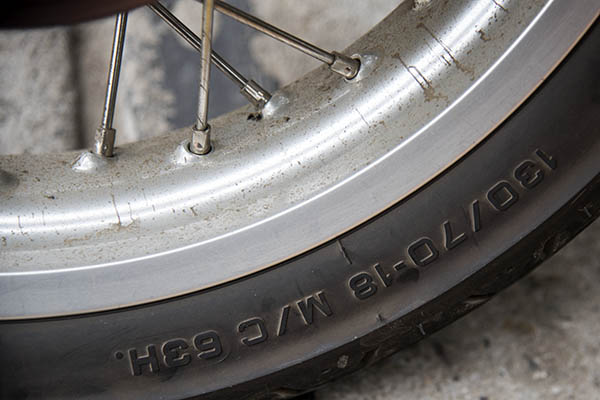
The rear carries 130/70-18 tires. The bike rides and handles well.

Our Enfield benefactor told us that officially the bike is to be known as the 650 INT, as the Interceptor name had some issues.  I’m guessing that’s because a certain other motorcycle uses that name today (hint: that motorcycle is usually red).   Ah, whatever.  It seems to me that Enfield of yore (in the UK Enfield days) used the Interceptor name long before you met those nicest people on a…well, you know.  And then, of course, there was the Ford Interceptor, the name the Blue Oval guys stuck on their police cruisers.  So I thought I might help Enfield by suggesting a few other names.  My first idea was that maybe they could call this bike the Kool Long Range 650 to honor our 1300-mile Baja adventure and the bike’s displacement, but that would abbreviate to KLR 650, and…well, you know.  Another idea was that because the bike has electric starting and it is such a smooth ride, we could call it the Electra-Glide, but…well, you know.   And then, because it is so well balanced and tractable with its torquey motor, we might call it the Go Slow, but that becomes GS, and I think someone is already using those initials.   The tank badges are kind of gold in color and shaped like a wing, so maybe Gold Wing would work (is that already taken?).  Maybe, because of where the bike is manufactured, we could just call it the Indian.  What’s that?  That name is already taken, too?  It’s tough, I guess, naming a new bike.

Overall, I am extremely impressed with the new Royal Enfield 650 Interceptor.   So much so, that I’m going to buy one if (as I mentioned in an earlier blog) I can convince the dealer that I’m not stupid and I’m not subsidizing their freight and setup fantasies.   At first blush, one of the dealers told me freight and setup on this bike would be $1200.  Uh huh.   Look, I know that you can ship a bike anywhere in the lower 48 states for something around $350 (and that’s a max number; if you’re shipping it to a closer state it’s a lot less, and if you’re shipping several, the rates drop even more).   Setup on this bike probably involves installing the mirrors, maybe the handlebars, and the front wheel, and all that should take under an hour.  I don’t know why the dealers persist in this gouge-the-customer-for-freight-and-setup larceny.  Well, I take that back. I do know. I just don’t like it, and I won’t pay it.   A realistic freight and setup cost (to the dealer) is most likely below $350, and with a reasonable profit that number would go a little higher.  But not $1200.  No way, no how.

Okay, off the soapbox and back to the bike.   I think the Enfield 650 is one of the best motorcycles I’ve ever ridden.  It’s light, it’s smooth, it’s fast, it handles well, it gets good fuel economy, and the fit and finish are world class.  It’s almost too good, in that maybe it doesn’t have the character or personality of the Bullet, or a 1965 Triumph Bonneville.  But that’s a trade I’d make.  Enfield hit a home run with the Interceptor.  I think it’s perfect.


No One Goes Hungry on a Berk Baja Boondoggle

Most of our time riding Royal Enfield motorcycles through Baja is spent eating. We have breakfast then ride a while. Any time between 10am and 2 pm is lunch time followed by a rolling dinner that lasts several hundred miles.

My T-shirts have stopped buckling and my pants no longer fit over my head. It’s a mess. Take today, we had Chorizo with eggs then cheesecake then chips and guacamole then tuna. Wash it all down with a nice, cold Mexican Negra Modelo beer and call it a moveable feast.

We eat so much so often that our awesome bellies have crushed the Royal Enfields down to Well-Respected Enfields. It’s a shame.

Between meals we managed to knock out a few hundred miles. The Bullet is averaging about 1000 calories per mile while the thirstier 650 twin Royal Enfield is showing signs of early onset diabetes. Pass me another Moon Pie will ya?

I spent the entire day riding the Bullet and it is much improved. Not exactly like it should be but running about 75% better than the last time I tried it. Berk will explain all in his blog.

We are slowly eating our way back to California and if our hearts and livers can hold out, should be home tomorrow.

Whales: They’re Not Just a Hole in The Ground You Draw Water From

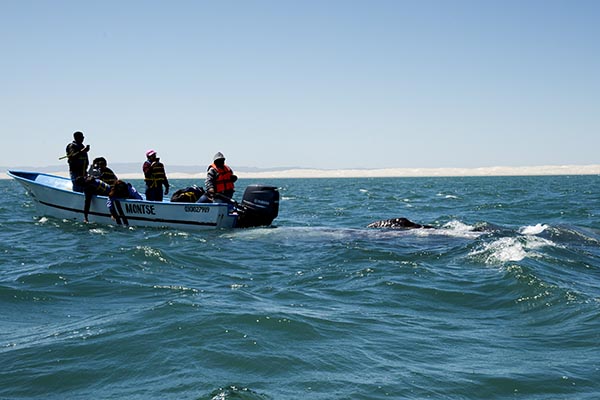
Did I ever tell you I’ve been on two boats that sunk? No? Ah well, It’s a story for another blog another day. Bounding out into Guerrero Negro’s bay our low-gunneled pongas were kicking up rainbow waves and a light, salty mist settled over the occupants.
Sensing my worry, Berk assured me that this whale watching tourist business was settled science and I had nothing to worry about. “They must know what they’re doing” he told me.

At first the whales were far in the distance. I was so excited I zoomed my camera way out and started reeling off hundreds of shots. It went that way for a few hours but slowly the whales started to get closer to our boat. Somewhat cautious, then bolder, they came in closer. My zoom lens slowly retracted into its housing.

Still they approached, checking us out like like census workers. I no longer bothered with distant whales as we had plenty within 100 yards of the boat.

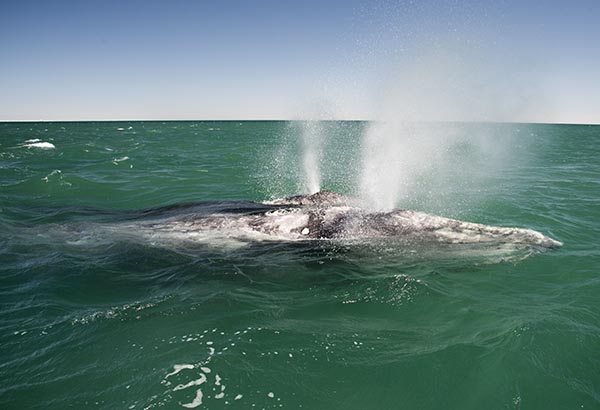
Late in the day the whales began to swim under the boat and kept getting bolder until they popped their heads up next to the low gunnel and spouted a fine mist all over the passengers. This we enjoyed way more than you’d think people that had just been sneezed on should enjoy.

The whales started rolling next to the boat, showing a fin here or a tail there. They pushed each other aside trying to receive lovey-dovey petting from passengers. Yes, we petted the whales like they were puppies.

Jaded by so many fantastic photo ops, I wouldn’t bother to lift the camera unless a whale specifically asked for a selfie with me. By name. They were crazy friendly, getting their noses (or where a nose should be) scratched and blowing salt water onto my camera and then feigning surprise, as if it was all a simple mistake.

It was an amazing time to be a whale as they don’t often get to meet two Royal Enfield riders in the same boat. Finally we ceded our private pod to another, less fortunate group of tourists.

The Bullet made it through the day without problems and now that it seems to be fixed Berk and I will swap bikes for the return ride. Wish me luck!

Ballenos!

That word above (ballenos) converts to “whales” and wow, the whale watching in Scammon’s Lagoon today was as good as it gets!

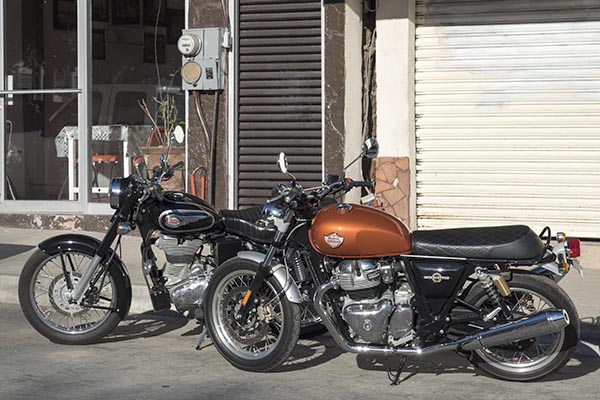
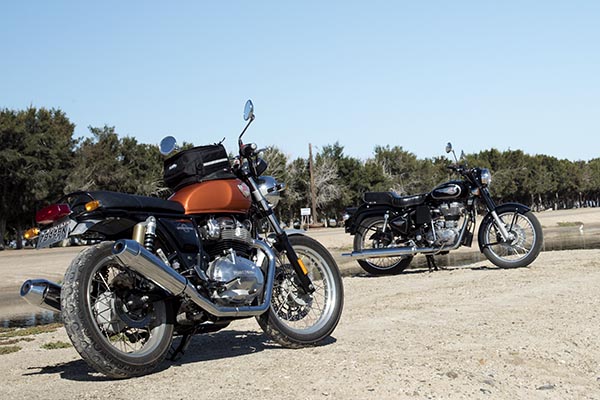
First, a couple of motorcycle beauty shots…the Bullet and the 650 in Guerrero Negro…

…and next, some of the photos from our whale watching expedition earlier today…
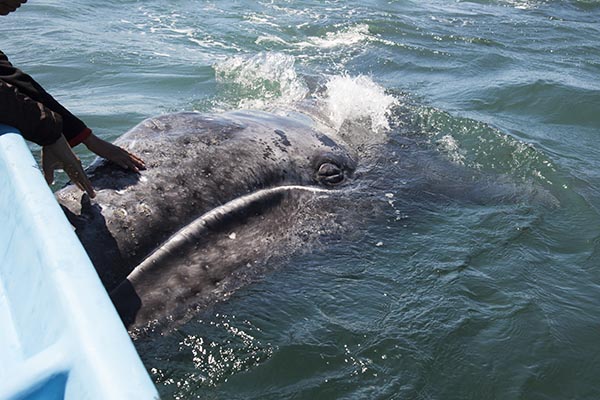
At one point, we had four whales up against our little boat, all wanting to be petted like giant puppies.   One even smiled for us…
Joe and I had a great time.

After we returned, we had a couple of fish tacos at good buddy Tony’s Tacos El Muelle, and tonight, we’re trying a new restaurant in Guerrero Negro.   Tomorrow we’re pointing the bikes north as we head back to California, and most likely we’ll stay in the El Rosario/San Quintin area again.

Lawrence of Suburbia.  I love it.  Gresh thinks he’s riding the Bullet tomorrow.   We’ll see…

The Plucky Bullet

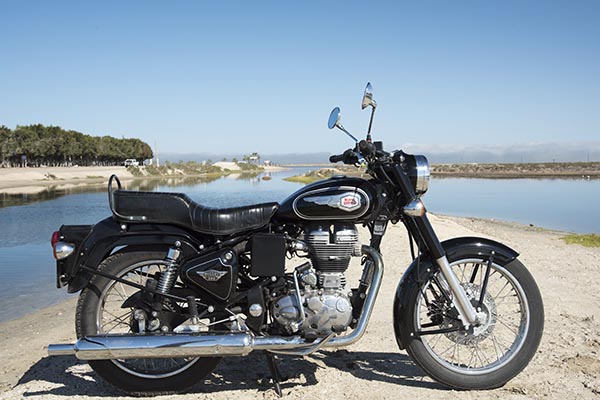
Berk was feeling pretty frisky about the Bullet. We had cleaned up a corroded spark plug cap and the big 500cc single was running well.
“You stay on the 650, I like this Bullet and want to try it now that it’s running right.” It took no arm twisting to get me back in the Royal Enfield 650 twin’s seat. I feel supremely comfortable on that bike and you will too if your spine has also recently collapsed from lifting 36,000 pounds of concrete last month. The thing suits my wee, 5-foot 6-inch frame perfectly. Bigger guys may fit the 650 also but I have no way of knowing that sort of shin surgery.

Meanwhile, Berk was was like Lawrence of Suburbia burbling along Baja’s Highway 1 with his Eton tie fluttering in the Bullet’s considerable draft. The guy was having way too much fun racing rag-winged biplanes and organizing Gurkhas. The big 500 single was in top form, pulling steadily and hitting every beat right on time. It got to the point that I thought I was missing out on something good. Like Tom Sawyer painting that picket fence.

And then the battery died. Flat dead, like nowheresville, man.

I recently bought a bunch of those lithium engine starter batteries, the ones about the size of a pack of cigarettes that will jump start an aircraft carrier. I whipped the thing out and Berk was impressed at how the Bullet jumped. Wait…that doesn’t sound right…

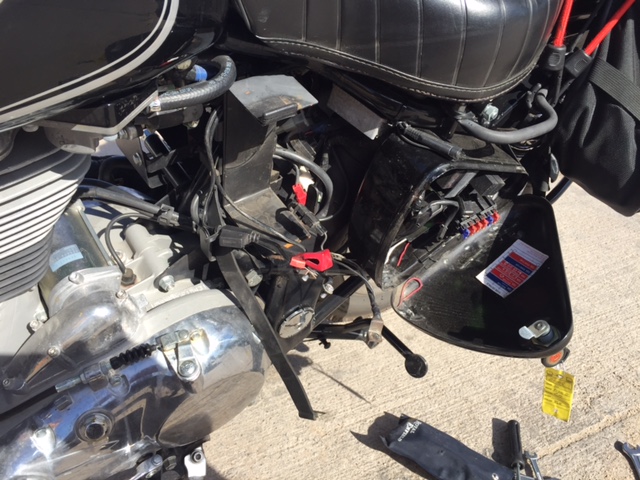
Anyway, once running the Bullet stayed running and we made it to Guerrero Negro where we located a slightly-used-but-still-holding-a-charge battery. The poles on the used battery were reversed and the case was a little bigger than the stock battery so we had to do a bit of ham-fisted metal rearranging to get the battery to fit inside the Bullet’s box. It’s not pretty but the bike starts fine now. The stock battery side cover won’t fit over the larger battery and we debated tossing it into the weeds but decided Royal Enfield wouldn’t find it so funny. We buried that part in our luggage.

With wires dangling and the larger battery hanging out the left side of the frame our Bullet is looking more like a BMW adventure bike everyday. If we wrapped 75 feet of 3/4 inch electrical conduit around the Bullet you’d swear it was a GS1200. Despite the troubles the thing is growing on us. Really, none of the faults are due to Royal Enfield assemblies.
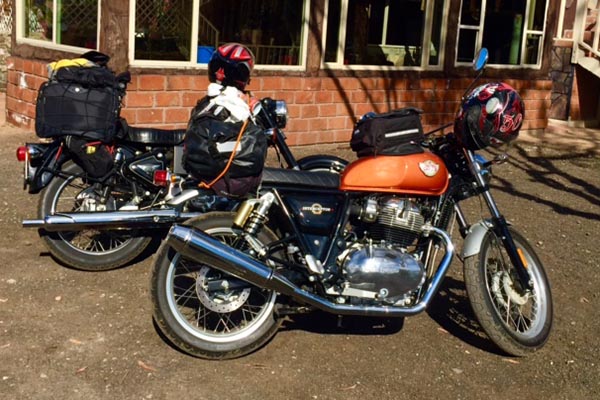
In fact, each time we get the Bullet back on the road I like the thing better. It’s plucky, it’s a never-say-die-motorcycle in a British stiff upper lip, we keep our side of Gibraltar’s door knob polished, way. You know what I mean?

That’s it for now. Tomorrow we are going to see the whales, which in Spanish translates to “I’m going to ruin another expensive camera on a rickety boat out in the ocean.”

Royal Enfield 650cc Twin: First Real Ride

I finally spent some quality time on the Royal Enfield 650 today. We rode from Tecate to San Quintin, Mexico through the Ruta del Vin0 and Ensenada. My initial impressions have been reinforced. Royal Enfield nailed it with the 650 twin.
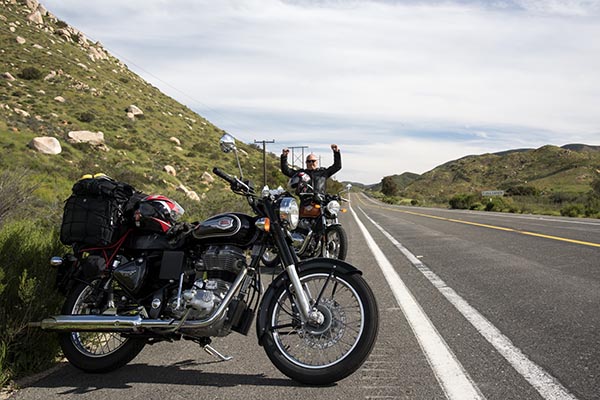
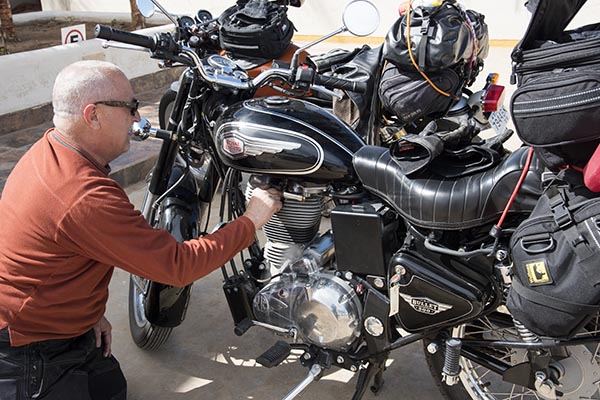
The bike scoots along feeling fresh and light all day. In top gear 4000-ish RPM moved the bike along at 60 miles per hour, 4600-ish was 70 miles per hour and 80 miles per hour saw the steady tach needle planted at 5000 RPM give or take a few.

I don’t know what RE claims for horse power but sitting bolt upright and letting the thing rip led to a 7500 rev-limited RPM @ 115 miles per hour (indicated) in 5th gear while 6th gear topped out around 110 MPH at lower revs (7000? I was too busy to get the exact number).

Unlike an old, torsion-bar Honda 450 twin that would rev high but never seemed to enjoy it, the Royal Enfield 650 twin loves to rev and it feels like the 7500 RPM rev limit could easily be exceeded by another 1500-2000 rpm before any self induced porting restrictions came into play. There must be a wire that needs cutting somewhere.

All in, this bike is plenty fast for me as I don’t plan to do street racing anymore. I’m too mature for that crap.

The Meteor (I’m trying to get RE to rename the bike) ) 650’s transmission shifted crisply all day long and in heavy stop and go traffic it didn’t get crotchety. 5th and 6th gear are close enough that I found myself sometimes running a gear down at cruising speed. The engine is so smooth and quiet it’s best to give the lever an additional tug, you may have another gear to go.

Pulling in the clutch started to feel a little sticky, kind of segmented, so I gave the pivot to cable connection a squirt of lube and the lever was smooth again.

The bike has ABS brakes and the front lever needs a strong pull to get maximum stoppage. There’s only one disc but for me it stopped well enough. If you’re the kind of rider that enjoys standing a bike in its nose you may want a bit more front brake. The rear brake must be ok because I never noticed it.

After a full day of riding the Royal Enfield 650 twin has done nothing to diminish my initial enthusiasm. It looks so good and really runs great. It’s shocking that the same company that builds the retro Bullet made such a sweet machine. This is a cool bike, make no mistake.

San Quintin!

My Bullet, loaded this morning at the hotel in Tecate. There’s a motorcycle under there somewhere.

We had a glorious ride today, from Tecate along the Ruta del Vino to Ensenada, and from there down the Transpeninsular Highway to San Quintin, which is where we are spending the night.  The weather has been perfect.  The Bullet, no so much so earlier, but I think we’ve got it wired now.  More on that in a bit.

Joe and I swapped bikes today, so I was on the Bullet and he was on the 650 Interceptor.   He’s in love with that 650, and it’s easy to see why.  The 650 is a home run for Enfield, I think.   Like me, Gresh is wanting to buy one, too.  But I’m finding I really love the Bullet as well.   Yeah, it was missing a bit, but like I said, I think we found and fixed the problem.   You know, it’s not an adventure until something goes wrong, and then a big part of the fun is figuring out what to do about it.  I’ll get to that shortly.

The photo ops along the Ruta del Vino were awesome, and we took advantage of them…

The Royal Enfield 500cc Bullet on Mexico Highway 3.
Uncle Joe hogging the Interceptor on the Ruta del Vino.
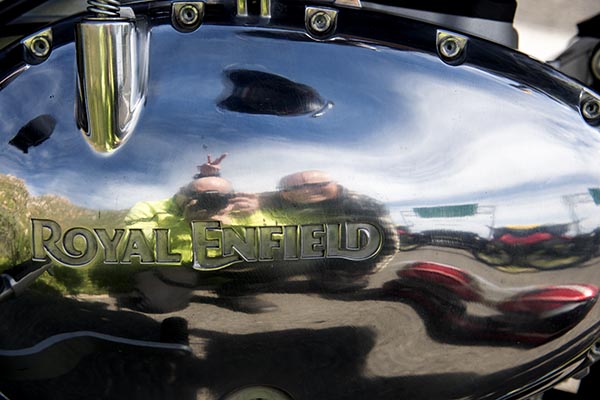
Dos Amigos reflected in an Enfield engine case.

Another cool thing….with all the rain we’ve had this winter, I’ve never seen Baja so green.  As we rode through the old wine country south of Ensenada, the green mountainsides were blanketed with bright orange wildflowers.  It really was quite a sight.  I didn’t get any photos of that, but I will on the return leg of this trip.

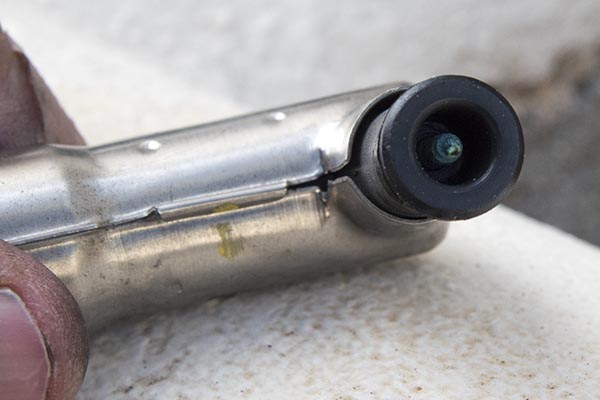
So, about that Bullet missing deal.  The bike only did it when decelerating and then accelerating, and it felt to me that it might be a clogged injector.  It doesn’t take much to mess with a fuel injector.   Gerry Edwards, my good buddy at Brown BMW, used to work on my RX3 and he’d always dose it with Lucas injector cleaner.  Gerry thinks the stuff is great, so Gresh and I found a Mexican AutoZone store in Ensenada and I bought some.   We put a little bit in and it didn’t really make a difference (if anything, it felt like the Bullet was missing more).   As we continued to ride south, I thought about what it could be and concluded it might be related to a spark plug.   We stopped at a Pemex station and pulled the plug.  What happened next was interesting.  The plug body looked like it had been arcing, but even more interesting was the way the sparkplug cap literally fell off the lead to it.  When we looked inside the cap, the screw that turns its way into the lead was covered with green corrosion.   Joe got a wire brush and cleaned the connector well, we put it back on, and the bike is running way better.   We’ll know for sure tomorrow when we pile on the miles to Guerrero Negro, but I think we’ve got it.  I felt a noticeable improvement as soon as we put it back together.

Pulling the Bullet plug. The Bullet actually has a pretty nice tool kit.
The spark plug cap.  The little green thing is the screw that screws into the spark plug wire.  It had corroded.   We’re pretty sure this is what was causing the missing, and we’re pretty sure we’ve got it fixed.

You know, you’d think that I’d not like a bike that’s missing, but I am loving that Bullet.  I love the vintageness (if that’s a word) of it, and I’m enjoying racking up the miles on a big single.  It’s cool.  It’s kind of a Lawrence of Arabia feeling, floating along at a steady 65 mph and listening to (and feeling) that big thumper thumping away.  I can’t really describe it, but I’ll think about the right words some more and give it another go in tomorrow’s blog.  I like it.  A lot.

I’m happy to report that the Old Mill Hotel in San Quintin is going strong, and they’ve opened a new restaurant (the Eucalipto).  We had a couple of beers after the bikes were put away (Lucia took good care of us), and then it was on to a fabulous dinner (Gresh bought!).

Lucy, the lovely young lady who brought us beer and dinner tonight. Life is good.
You have to wonder:  What is she thinking?
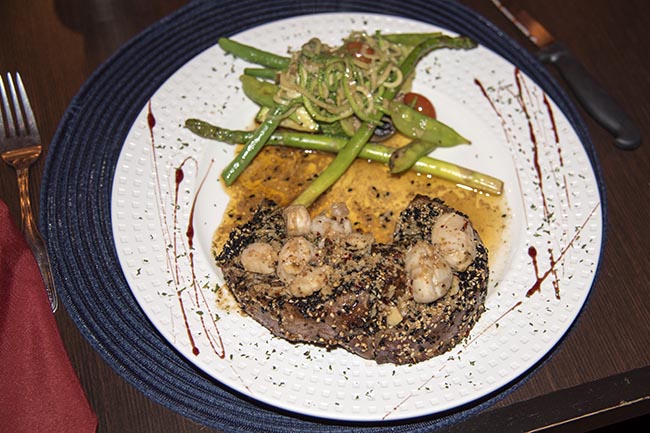
Seared tuna, as served by the Eucalipto. Like I said, life is good!
Uncle Joe Gresh, wiring analyst extraordinaire!
The 650 Interceptor, covered for its Baja jaunt by our favorite Mexico insurers, BajaBound!

Tomorrow, we’re headed through the Valle de los Cirios, and then Guerrero Negro.   Stay tuned, folks.   Good things are happening.

Tecate!

We had an easy run down the 15 freeway today, then it was the 805, then California’s magnificent SR 94 to a quick turn on the 188, and wow, Mexico!

Rolling up to the Mexican border in Tecate on a Royal Enfield 650. Wow!
…and, we’re there!

Joe and I processed through Mexican Immigration (we were the only ones there), and then it was a quick right to that fabulous restaurant I told you about a couple of weeks ago…the Malinalli Sabores Autóctonos.  It was an early dinner for us (we hadn’t had lunch) and it was fabulous.  We both ordered flautas and Joe grabbed a photo of my good friend Alicia with me…

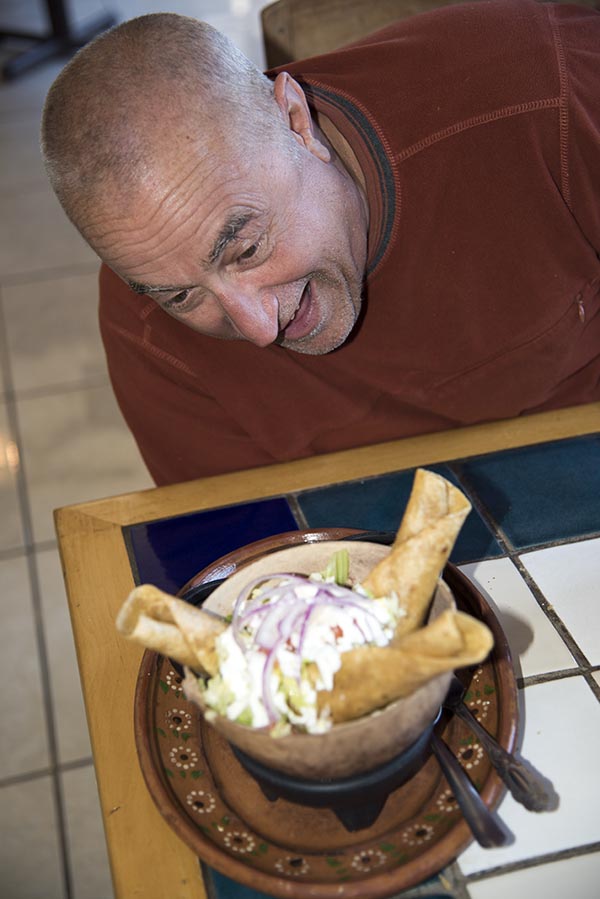
Joe G, astounded by my flautas. We each had the same thing. The total bill was about $12. Incredible. I couldn’t finish mine.
Alicia, the proprietor. We’re having breakfast there tomorrow before we continue our trip south.

After that, it was a quick putt around town and we switched bikes.   I rode the 650 INT today and Joe was on the 500 Bullet.  Joe said he thought the Bullet was running rough.  I hadn’t picked up on that when I rode it yesterday, so I wanted to see if it felt funky to me.   I didn’t have any issues with the bike, but I wasn’t riding it at high speed all day like Joe was.  I’ll get my chance tomorrow for some extended high speed miles as we continue to roll south.   Sometimes these old big single cylinder bikes are easy to stall (I stalled it once or twice in town), especially thumping around in traffic when you’re trying to see the stop signs.    I think it’s fine.   There’s no question that the 650 is a much more refined bike than the Bullet, but I’m a happy camper with either one.

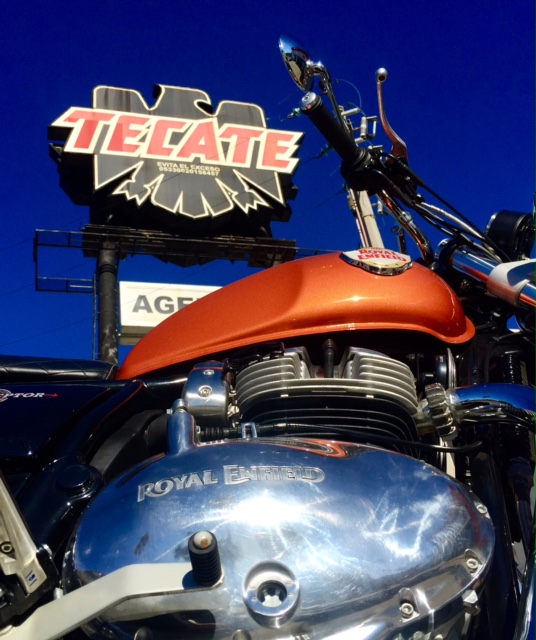
We stopped near a photo of the Tecate cerveza brewery and hung out downtown for a bit.  It’s cold here, but not nearly as cold as it was a few weeks ago when I did the Janus Baja run.

Tecate, Mexico. On Royal Enfields. Good times.
Near the Tecate town square. I wasn’t sure we could park there, so I asked a Mexican police officer and he told me we were good.
Uncle Joe, delighted to grab some seat time on the 650.

As walked around town, I saw a hot dog delivery dude (hey, I can’t make this up) on an Italika 150 and we had a good conversation.  He didn’t speak English, but Joe G speaks a little Spanish.  Joe’s Spanish wasn’t cutting the mustard, though (pardon the Oscar Meyer analogy), because our new friend called his girlfriend (who speaks English) and we had an interesting four-way conversation.   It was fun.

Riding, the universal language.

I was impressed as hell with the 650, but truth be told, I was even more impressed with the Bullet’s performance.  Joe took the lead on the 15 because he knew the roads to the 94.   That little Bullet is fast…he was cruising at 70 pretty consistently all the way down and there were a few times when he was touching an indicated 80.   And the 650…wow!  It’s smooth, fast, comfortable, and it handles very well.   I’ll tell you more about the performance of both bikes as the trip progresses.  I’ll be on the Bullet tomorrow and Joe’s riding the 650.   More to follow, folks.

Stay tuned, and sign up for our email updates!

Snapshot!

So far I’m not meshing well with the 500cc Royal Enfield Bullet. I keep stalling the thing at stops and unless its pulling under load it hits and misses like a two stroke. Other times it runs flawlessly. Berk has ridden the thing and says it’s fine and that I don’t know how to ride a heavy flywheel, old fashioned motorcycle. Being the senior member of the Royal Enfield tour team he should know. Although, in my defense he stalled it twice. Berk is going to ride the 500cc single all day tomorrow and we will see if it’s me or the motorcycle.

The Bullet runs great on the highway, though, loping along at an easy 70 miles per hour. There is a bit of vibration but it seems like the faster you go the smoother it gets. I wound it up to 80-85 and it was remarkably smooth for an engine designed back when fuel was sold in one gallon tin cans at hardware stores.

Actually, that’s not true. This 500cc single is quite a bit different from the old 1950s Enfields. It’s unit construction for one. (Transmission and engine all in one case.)  It’s fuel injected and starts at the push of a button. Still, the Bullet wouldn’t raise an eyebrow if it was sent back in time to the Eisenhower era.

The Bullet gets astronomical gas mileage. Our freeway run from Los Angeles to San Diego netted 75 miles per gallon and I wasn’t sparing the throttle. On long uphill grades I’d whack her open in 5th gear and the Bullet would slowly gain speed, passing semi trucks like they were semi trucks.

I’ve only ridden the new 650cc twin around Tecate but what a sweet machine. It revs in a peppy, mouth-full-of-pop-rocks sort of way, the transmission is slick as a Yamaha’s and the steering is light. It lifts off the side stand easily and comes with a center stand. Mechanically, this motorcycle works.

I love the thing. I haven’t stared at it too long but I don’t see any glaring faults in the fit or finish. It fires up so fast and runs so smooth. The seat is long and seems comfortable, it’s almost like a Brat Bike seat except good-looking. The cropped front and rear fenders are adorable yet tough. How is that possible? Clutch pull is light and the action is perfect. Foot pegs are slightly back, the bars place you in a slight forward lean. The Royal Enfield 650 is a shiny orange piece of Moto-confection. If I wasn’t such a cheapskate I’d run out and buy one of the things.

Whoa…what am I saying? Buy a new motorcycle? I’m getting way over my head with this 650, let’s burn a few thousand miles into the odometer and see if I’m still madly in love with the Royal Enfield twin.