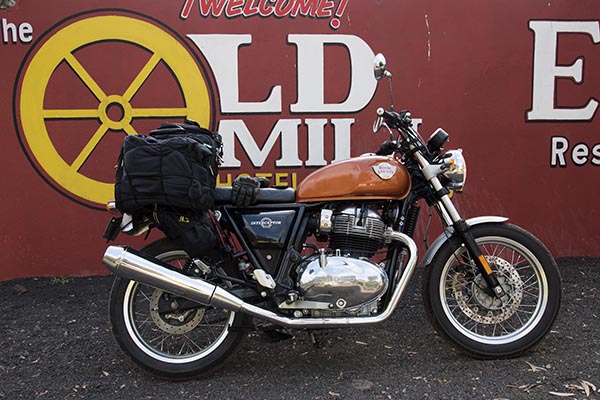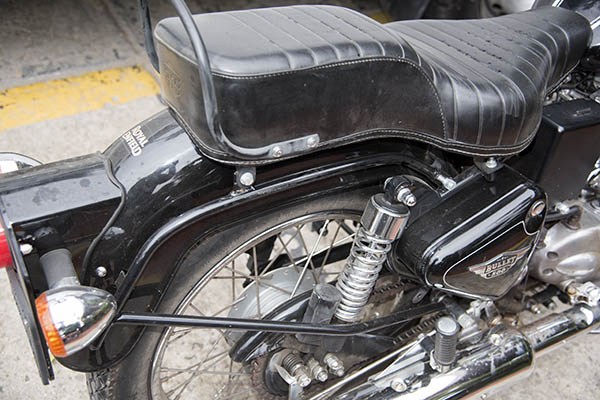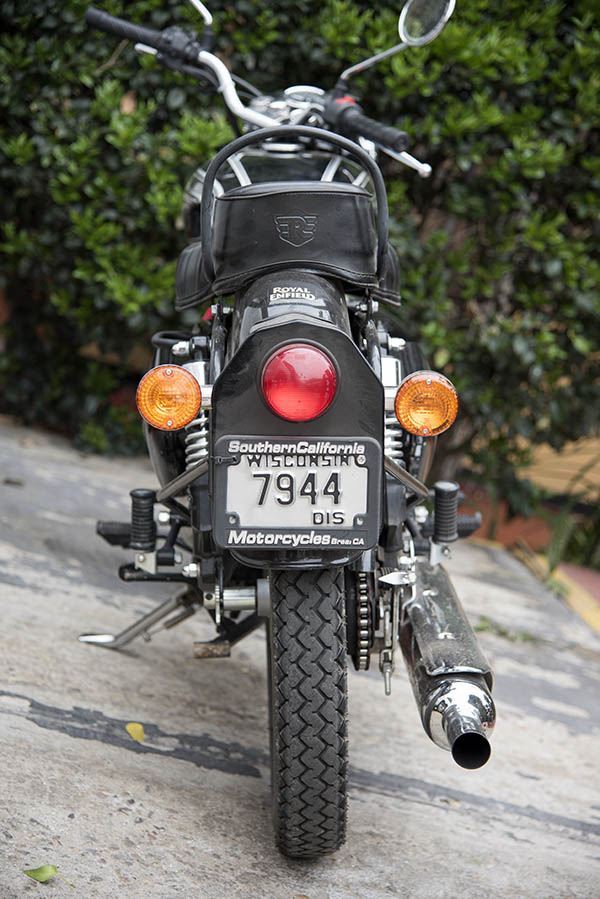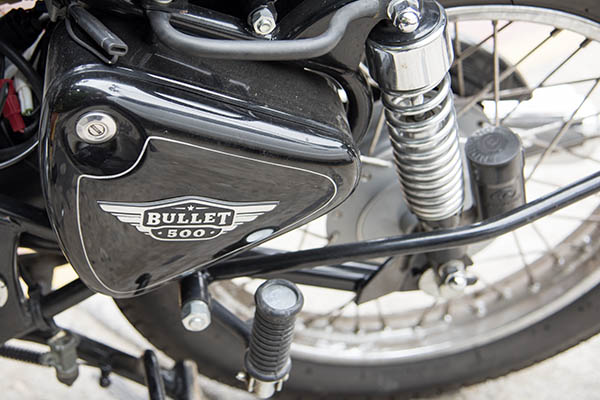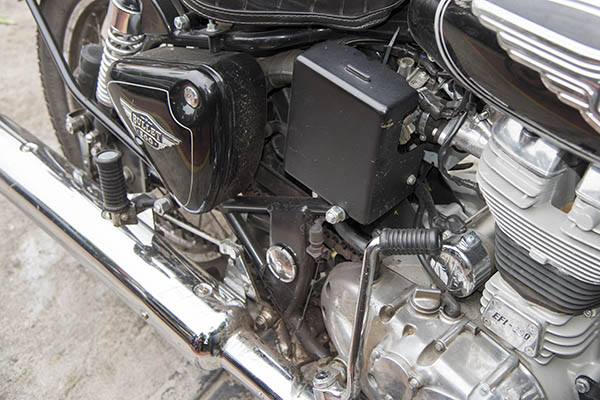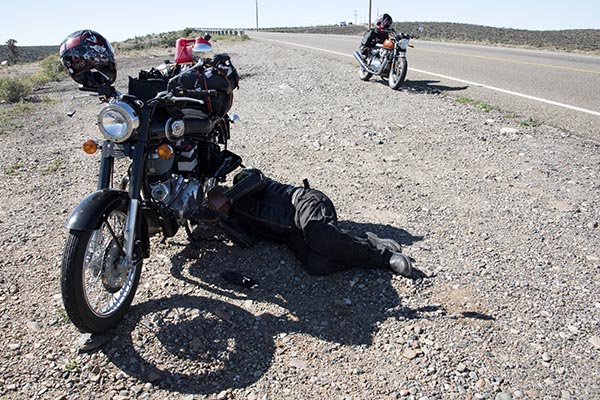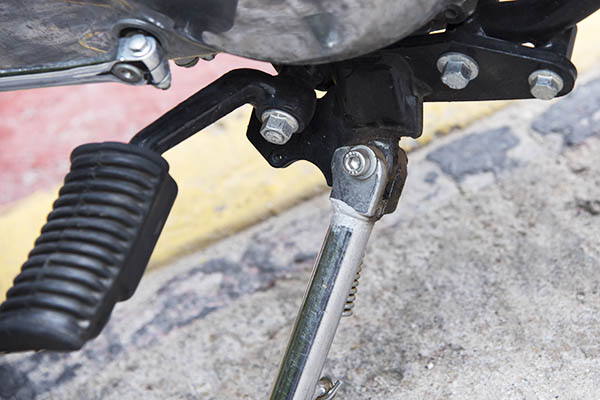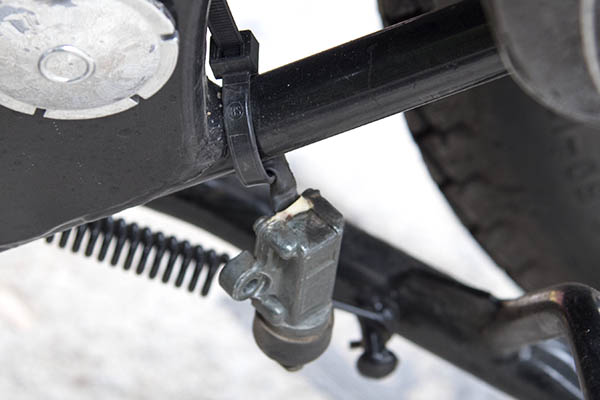
Rob’s project bike…

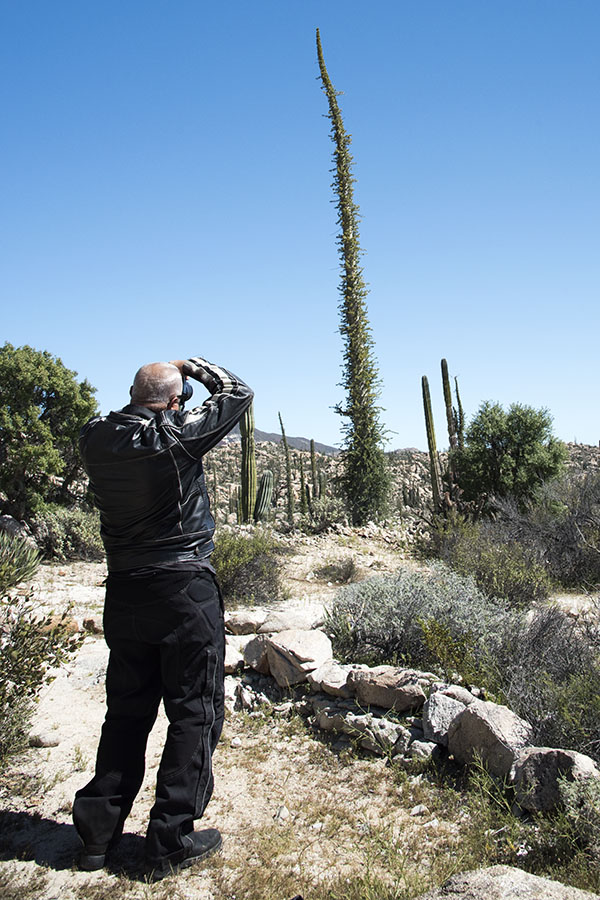
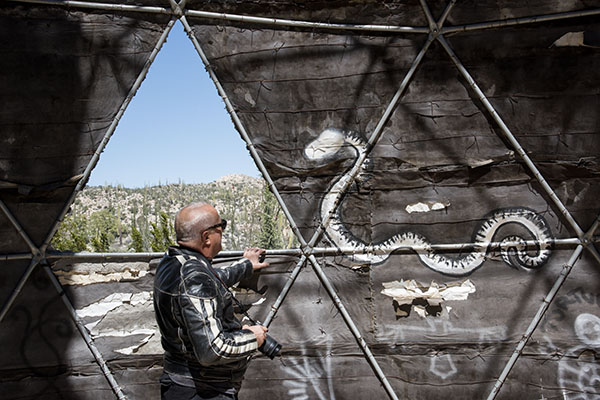
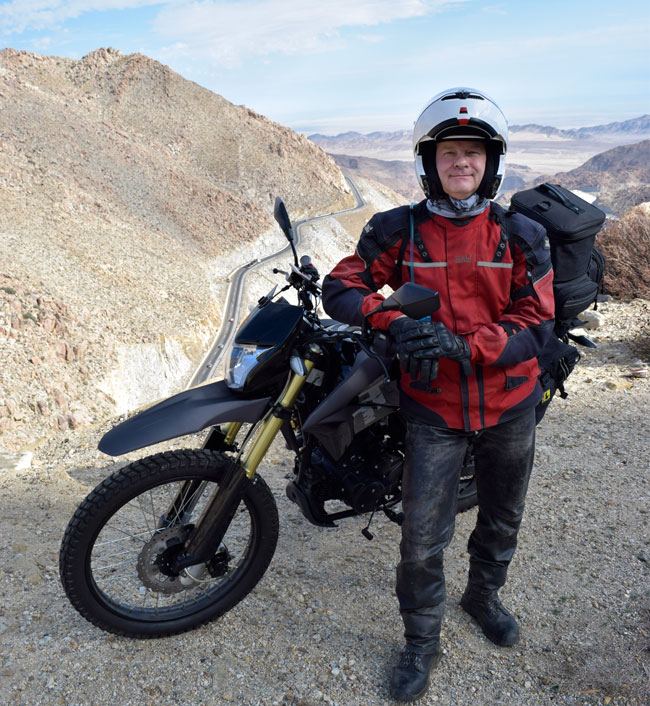
I received an interesting email from my good buddy Rob a couple of nights ago.  Rob is an interesting guy…I rode with him on the 5000-mile Western America Adventure Ride described in 5000 Miles at 8000 RPM, and then again on one of the Baja trips.

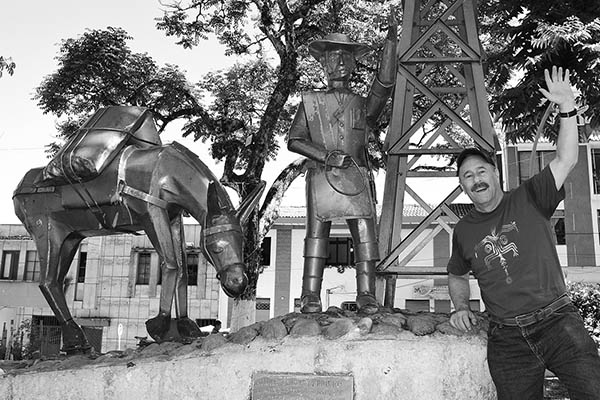
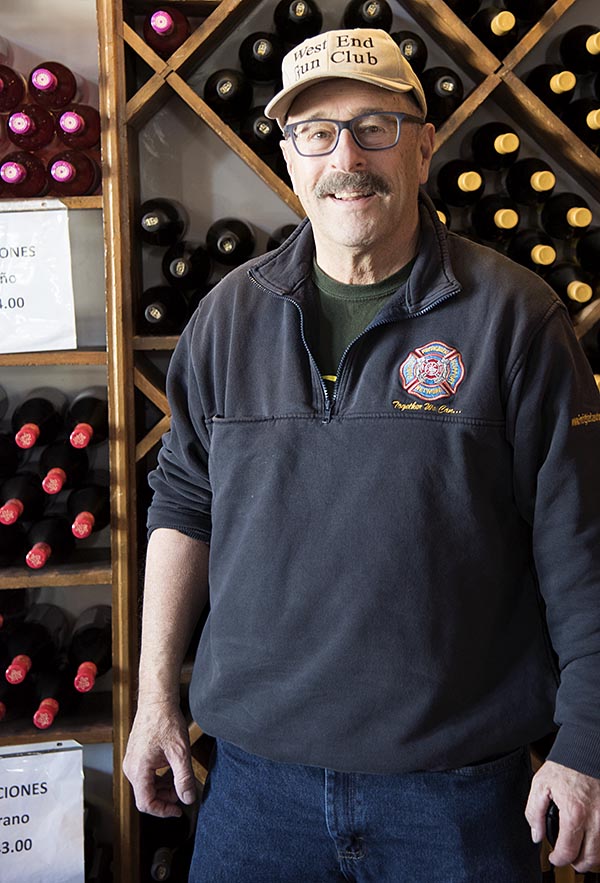
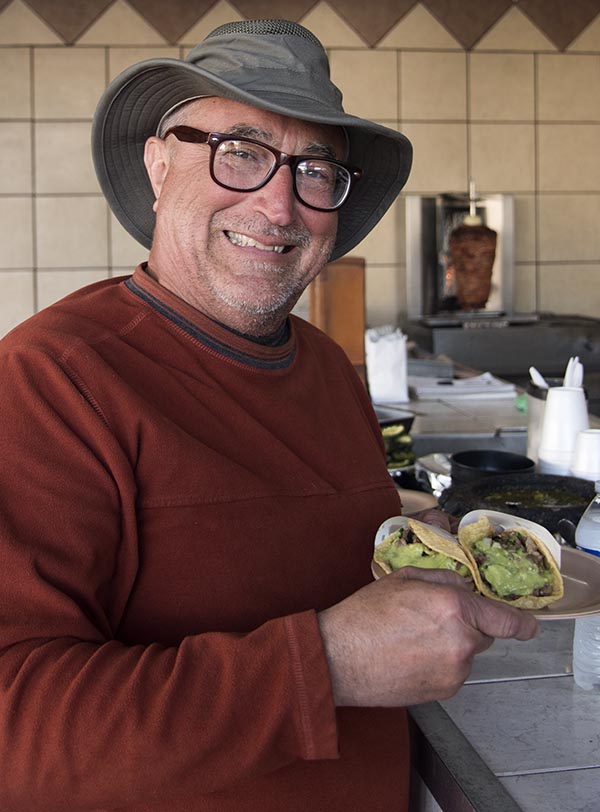
Good buddy Rob in Oregon.
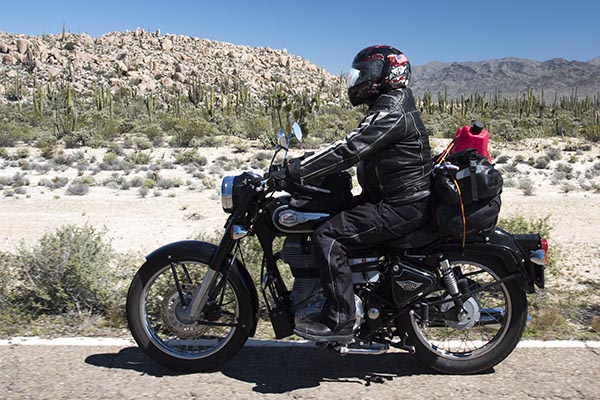
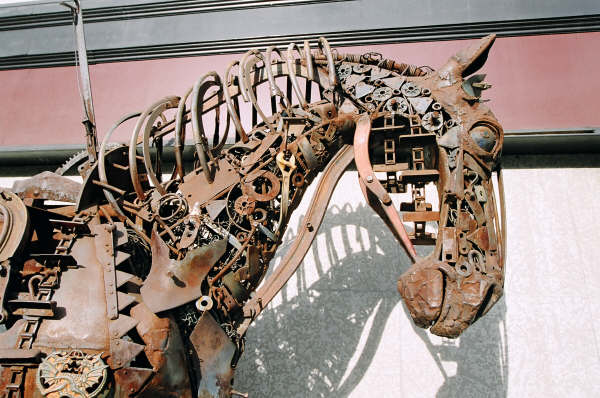
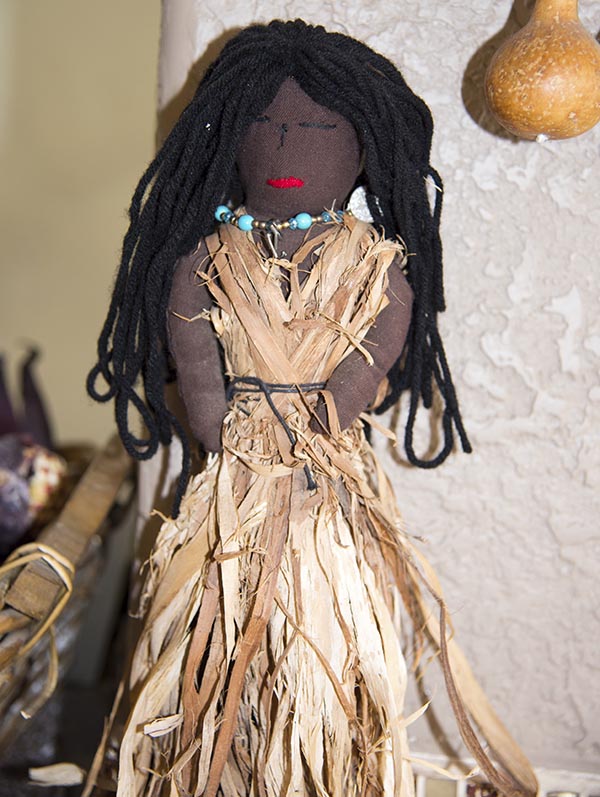
Rob’s mascot on a bike he calls “Donkey Hoty.”

Here’s Rob’s note to me, along with some very interesting photos…

Hi Joe,

Hope your living life to the fullest. I really enjoy you and Gresh’s ExhaustNotes and keeping up with you.

Anyways its very cold up here and to kill time I’ve been looking at Ball and Cap pistols and wondered if you had any experience shooting, loading, etc. with them?  Any further plans on an east coast RX3 trip or Alaska?

If your ever up here in the Pacific Northwest area , give me a shout.  Maybe I can meet up with you somewhere.

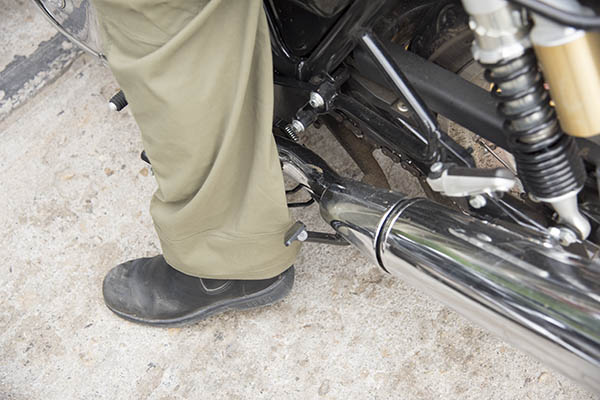
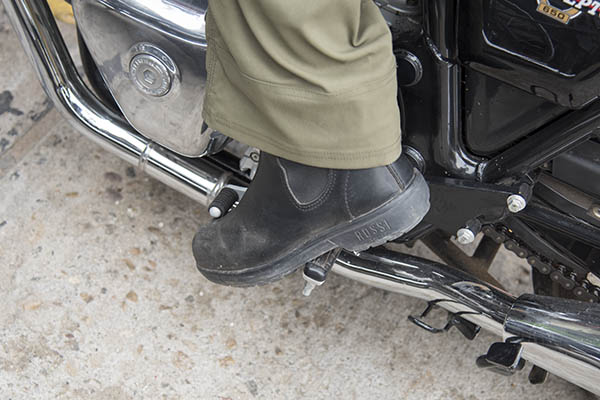
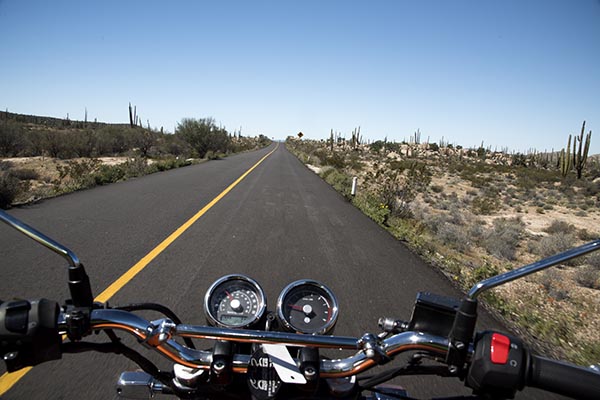
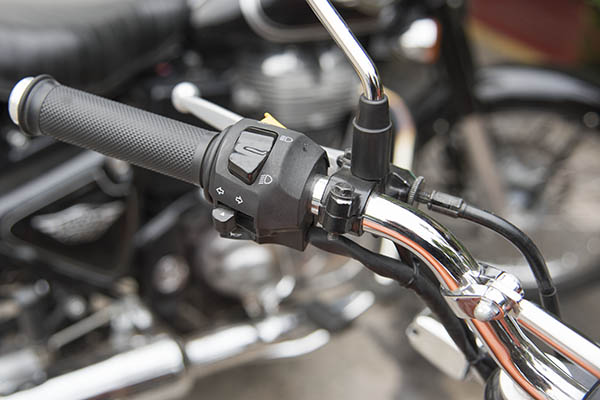
Not sure this year where all my bikes will take me. My favorite rally in Hells Canyon is done and over with and she’s looking for another venue place to host it.  I may try and get to the beater bike rally in Hood River. I’m working on a Kawasaki KZ440 that I took the motor out of and put in a Harbor Freight 212cc lawn mower motor in it with a cheap torque converter so its an centrifugal clutch auto like a big mini bike. If I can get it to go fast enough (45-55mph) I may try and ride down to rally from Walla Walla.

Hope all is well with you and yours Joe. 

Take care,

Rob

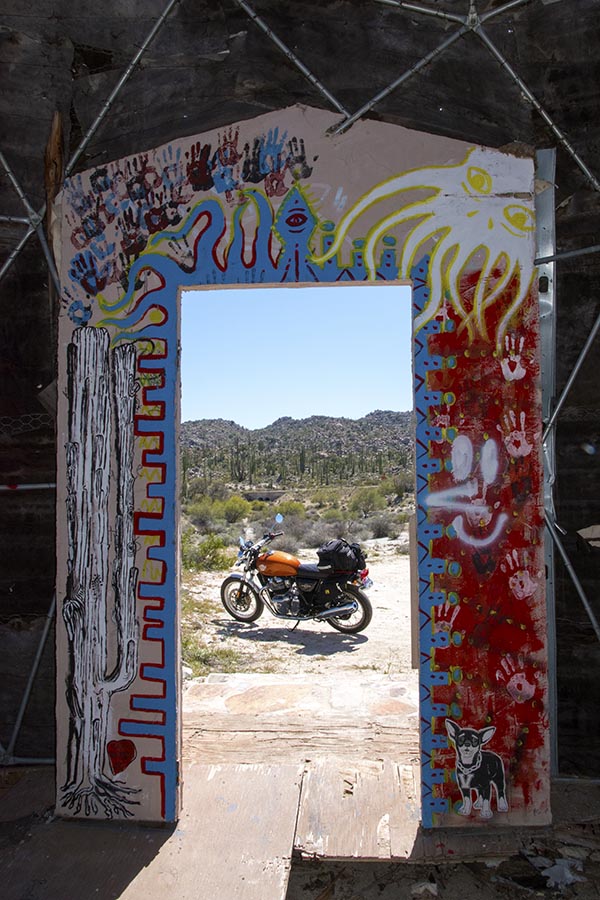
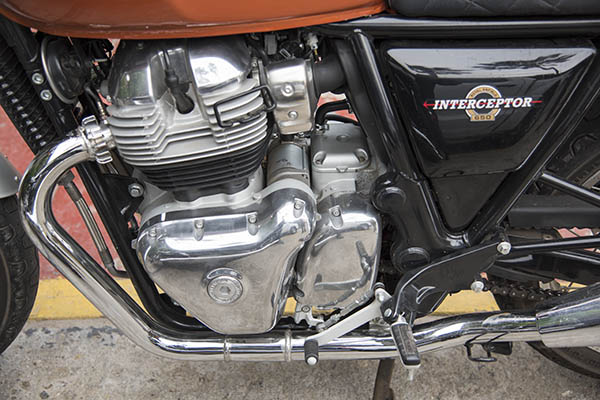
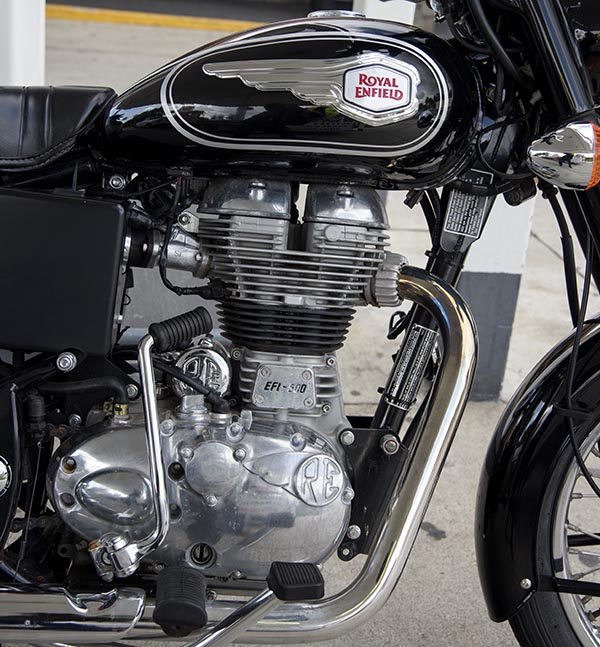
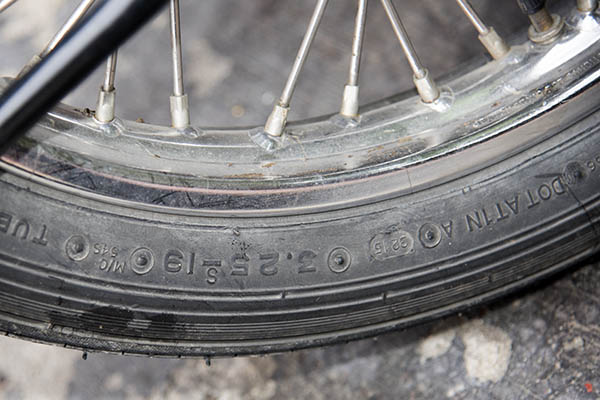
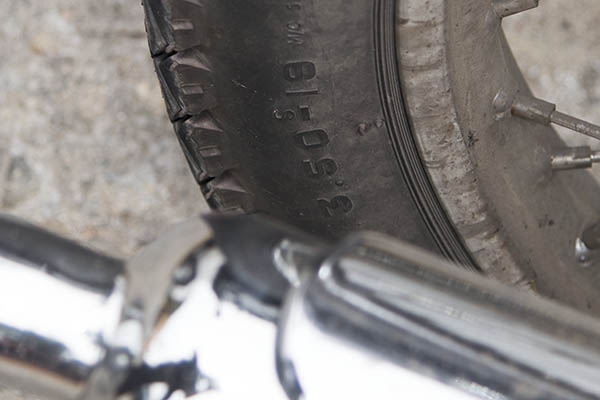
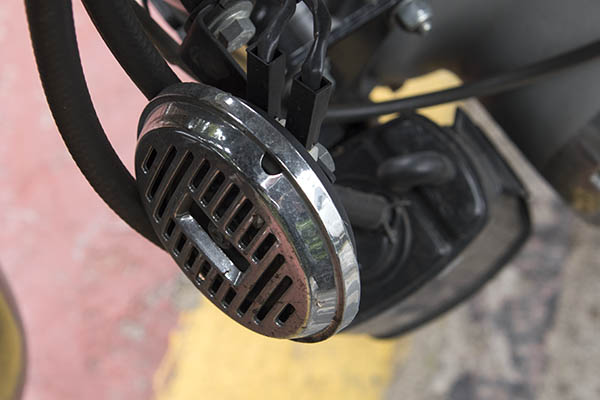
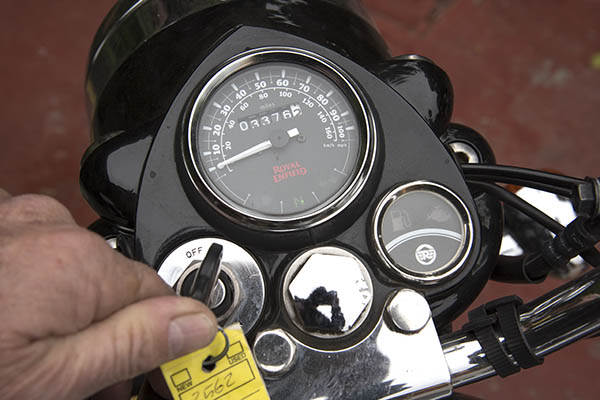
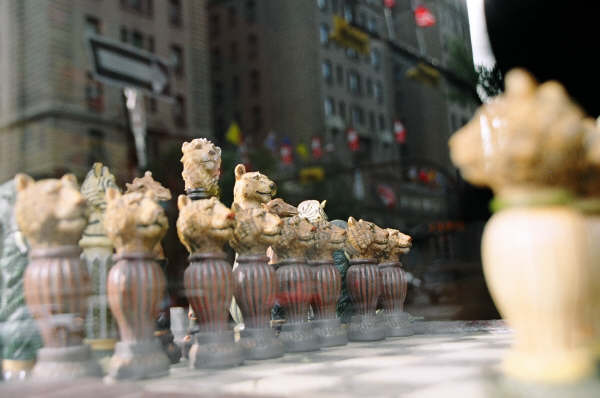
Rob calls his new bike Einstein, and like Donkey Hoty, he has a hood ornament to match.
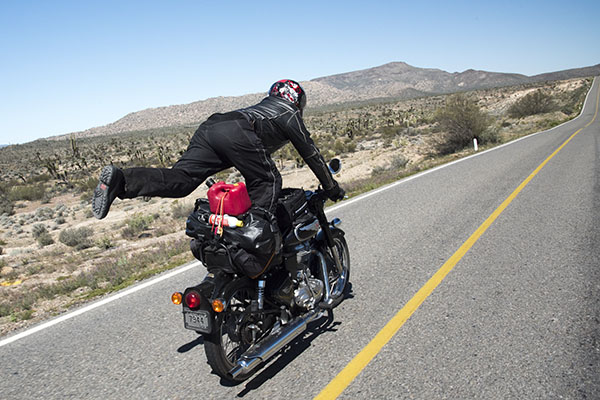
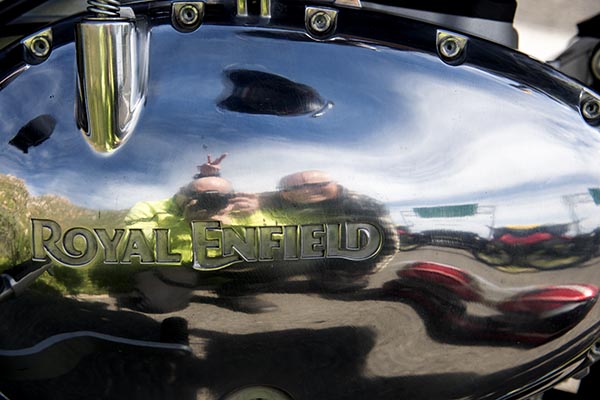
Rob’s unintentional self-portrait.

Rob, your project bike is fascinating.  Please keep us posted on how it progresses.  The centrifugal clutch concept on a full-figured motorcycle is interesting.   Mustang (i.e., the original California-manufactured Mustang of the 1950s) offered a centrifugal clutch bike in the 1950s they named after their original offering (the Colt), and the one I saw owned by Al Simmons and later Steve Seidner was a real beauty.

A ’56 Mustang Colt. It had a centrifugal clutch. The Mustang Motor Products Corporation positioned this bike as a lower-priced Mustang, but it was a commercial flop.

Mustang’s intent was not to offer a bike with an “automatic” transmission; what they were really after was a value-engineered version of the Mustang.  It had the standard Mustang 322cc flathead engine, but a centrifugal clutch replaced the Berman transmission and the bike had Earles-type forks instead of the Mustang’s telescopic forks.   The factory workers didn’t like it and there was some talk of efforts to sabotage the ones leaving the plant.  The one I saw was beautiful.  It flopped in the market, which was unfortunate.   When I worked at CSC, we’d routinely get calls from folks asking if we had any bikes that had an automatic transmission.  The answer, of course, was no.  But I think this sort of thing could work on a small displacement bike for folks who don’t know how to (or don’t want to) shift.  I know you do and I know you are doing this just to have fun.  But I think you are on to something here.

To answer your other questions….I have zero experience with black powder guns, other than to watch my good buddy Paul build custom black powder rifles and play with them.  I once bought a Uberti .44 Model 1858 sixgun and it looked to be very well built, but a friend of mine wanted one and I sold it to him without ever having fired it.

I don’t have any east coast RX3 or other plans at this time.  I’m too busy planning for the next Baja trip, I guess.

The beater rally you mention sounds pretty cool, and I love the Hood River area of the Columbia River Gorge.  That sounds like it might be fun!

The Three Flags Classic: Day 4

Day 4 was a grand day on our 2005 Three Flags Classic adventure!  Before you get into it, and if you haven’t read the first three days, you might want to catch up by reading our prior blog posts here:

The 2005 Three Flags Classic Rally:  the Intro!

The Three Flags Classic:  Day 1

The Three Flags Classic:  Day 2

The Three Flags Classic:  Day 3

On to Day 4!

Day 4 of the 2005 Three Flags Classic. We started in Driggs, Idaho, and we stopped to spend that night in Whitefish, Montana.

I did a dumb thing on the 2005 Three Flags Classic.   Well, actually, I did it about a week before.  In those days, I was using my Triumph Daytona as a daily commuter, and on the way into work one day, I had picked up a nail in my rear tire.   The tire didn’t go flat right away.  Nope, we had to make a trip to China Lake later that morning, I rode my Daytona there from the San Bernardino area, and the tire decided to go flat in China Lake.  It was a lucky break for me.  There’s a lot of nothing on Highway 395 in the Mojave Desert, and the Daytona had the good manners to go flat once we were in town.

Fortunately, there was an independent motorcycle repair shop in China Lake, and he plugged the tire for me.  The Daytona ran tubeless tires, and pulling the nail and plugging the tire was no big deal.   That’s where I screwed up.  I should have replaced the tire, but I didn’t, and it was just one week later that we were off on the Three Flags Classic.

Well, that morning in Driggs, Idaho when I mounted the Triumph and pushed it back, it wouldn’t budge.   That’s when the coffee kicked in and I realized the bike wasn’t leaning as much as it should on the sidestand.  Uh oh, I thought.  I got off the bike, and sure enough, the rear tire was flatter than day-old beer.  It was cold that morning, and I was looking forward to getting on the road and feeling the glow from my Gerbing electric vest.   What was I thinking, I thought.  It was at that moment that I realized that leaving home with a plugged tire had been a dumb move.

Marty had one of those little electrical compressors you attach to your motorcycle battery, so we hooked everything up.   Damn, those things take a  long time.  I’ll bet we sat there for a good 20 minutes, before the sun came up, with Marty’s BMW idling and that very noisy little electric pump banging away.  It took that long to get the tire inflated, and I pumped it up to 45 psi reckoning that I would need to either find a new tire or pump it up again most rickety scosh.

I guess I had done okay (or rather, the Triumph’s rear tire had) until I started taking some of the sweepers at high speed the day before in Idaho. A couple of Three Flags riders on FJRs passed me, and we played cat and mouse with those guys for a while.  We took the turns at high speed, which probably flexed the tires more than the usual amount, and that most likely loosened the plug that had been installed in China Lake.

We were on our way after pumping up my flat in Driggs, and when we stopped at a gas station somewhere later that morning I found that the pressure had dropped to about 20 psi. So, I plugged the thing again.   The new plug would hold all the way to Calgary, and that was a good thing, because I didn’t see another motorcycle shop until we reached that destination.   I wised up and bought a new tire in Calgary, but that’s a story for the next blog in this series.

This is the gas station in Idaho where I re-plugged my rear tire. And it worked. While we were there, a kid pulled up in a yellow dune buggy. We had an interesting conversation and then we were back on the road.
Breakfast in Ennis.

The next day took us into Wyoming.  Wyoming had magnificent scenery.  We stopped at a bunch of great locations to take it all in.  The best parts, for me, were the riding, the photography, and the interesting folks we met along the way who were also riding the 2005 Three Flags Classic.  The oldest rider in this event was 89 years old. He received a standing ovation at the banquet a couple of nights later in Calgary. The youngest was 17 years old.

I took this picture somewhere in Wyoming. This is John and Joyce, married 45 years. They rode in from Virginia to participate, each on their own motorcycle. They won the award for the longest distance traveled to participate in the Three Flags Classic.

We stopped for lunch in Jackson Hole, Wyoming.    It was touristy as hell.  It had some great photo ops, but the prices were crazy and the traffic matched the prices.   I’d never been there before, so I was glad to make the stop for bragging rights.   But (trust me on this) Jackson Hole is not the real Wyoming.

This is Jackson Hole, a tourist town, but with good eats. We had a great Mexican dinner there. The arch is made out of real antlers, and there are four arches like this at the corners of the town square.
A door handle on one of the many art galleries in Jackson Hole.

Later that day and we rode into Montana.  Montana is another beautiful state. In fact, the scenery on the entire trip was unbelievable. We also saw a lot of game. I saw an entire herd of deer in Montana.

It was getting very cold. I was glad I was riding the Triumph, and I was glad I had that Gerbing electric vest. The Triumph threw off a lot of engine heat, which is not a good thing in the summertime, but it was wonderful in the cold weather. And, that electric vest was heavenly.

Later that day, we hit the checkpoint in Missoula, Montana.  It was good to stop for a while and chat with the other riders.   Here are several photos from that checkpoint…

Good buddy Bob’s RT-P BMW at the checkpoint in Missoula, Montana.   These are amazing machines. Bob can ride any motorcycle he chooses (he owns a BMW dealership, Brown BMW in Pomona, California), and this is his weapon of choice.
Bob’s route card. When I wrote The Complete Book of Police and Military Motorcycles a few years ago, I learned a lot about these police Beemers. They are impressive machines. Two batteries, a stronger alternator, an oil cooler, and ABS braking. Plus the normal BMW niceties, like heated handgrips.
This Gold Wing is actually one of the oldest bikes in the event. We spoke with the rider for a bit, and he told us that this bike is on its fourth engine.
Check out the mileage on this Canadian Gold Wing! 900,000 kilometers! That’s well over a half million miles!
Carl and his beautiful K1200LT BMW at the checkpoint in Missoula.
This rider and his wife flew in from the Netherlands to participate in the Three Flags Classic. He had never been to Mexico, Canada, or the United States. A friend let him borrow this yellow DL1000 Suzuki. Like all of us, he and his wife were having a grand time.
An older airhead BMW boxer twin.
One of the FJR riders. The FJR is a very impressive machine.

That night, we stayed in Whitefish, Montana, just south of the Canadian border. We walked into town from our hotel and found a microbrewery, and  we had a fabulous dinner.   Whitefish is a cool town.   We walked around a bit and then called it night.  The next morning we would ride in Canada on Day 5 of the 2005 Three Flags Classic!


Make sure you don’t miss any of our blog entries by signing up for our automatic email notifications!


Trahlyta’s Grave

Sue placing a pebble at Trahlyta’s Grave, north of Dahlonega, Georgia.

A few years back Sue and I were on a road trip through the southeastern US, visiting spots and grabbing photos for Motorcycle Classics magazine’s Destinations page. That was a grand adventure and we saw a lot of cool places (Memphis, Dahlonega, the Emerald Coast, the US Army Infantry Museum, New Orleans, and more), but the one that stands out in my mind is Trahlyta’s Grave.

We were wrapping up a visit to Dahlonega’s museum (prior to my visit, I did not know that Dahlonega was where the first US gold rush occurred) and on our way out when I asked one of the museum’s docents where the good motorcycle roads were. My perception initially was that the guy wasn’t too interested in helping us, but first impressions are frequently wrong and that one sure was. We didn’t get any good info while we were still in the museum, but he followed us out and gave two small polished stones to me. I wasn’t too sure what was happening.  Then he proceeded to tell us the Tale of Trahlyta.

Trahlyta, you see, was a Cherokee princess with the key to eternal youth. She was abducted by another Cherokee with whom she desired no romantic involvement and she subsequently died, but not before asking to be buried near her home at a point where three trails came together. Legend has it that anyone who places a stone at her grave will be rewarded with eternal youth. Hmmm. The docent told us to watch for the pile of rocks. Can’t miss it, he said. You’ll see the marker.

So Sue and I headed north out of Dahlonega, eyes peeled for a rockpile. We saw several small piles perhaps a few inches high over the next few miles, each time thinking we had found Trahlyta’s grave, but none of these had a marker of any kind. Suddenly, we came to the junction of three roads, and when we saw what was there we had a good laugh. The docent was right, we couldn’t have missed it.  This pile of rocks was a good 6 feet tall, and it had the historic marker he had mentioned.

The docent had explained to us that several years ago the Georgia transportation folks wanted to move the rockpile, but a member of the road crew attempting to do so was struck by a car and died. A few years after that, the high rollers in the Georgia Department of Transportation decided the earlier road crew fatality was coincidental and they sent another crew.  Son of a gun, the same thing happened again! Not wanting to deplete the dues-paying membership, cooler government minds prevailed and the weenies left Trahlyta’s grave as is, where it still exists to this day.

Sue placed both small stones the docent gave to us on the pile, and I’m here to report that they seem to be working. She looks as good today as she did nearly 40 years ago when we first met. Me? I missed an opportunity.  I let Sue deposit both of those stones while I was busy taking photos.  And yeah, while she stays the same, in the mirror every morning when I shave I see a guy growing steadily older.  I should have asked that guy in Dahlonega for more stones.


Want to see more Gresh and Berk previously-published stories?   Click here for Gresh’s articles, and here for Berk’s.


Want to make sure you never miss an ExNotes blog post?   Sign up for our email updates in the widget you see to the right (if you’re on a laptop) or at the bottom of this post (if you’re on a smartphone).  We’ll never give your email to anyone else, and you’ll automatically be entered in our quarterly moto-adventure book giveaway!

Baja Gasolina!
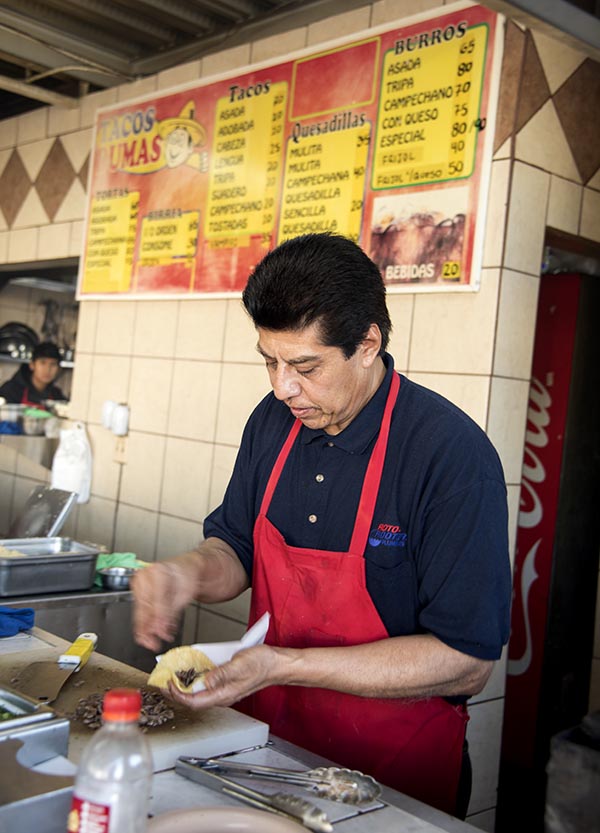
The Catavina gas station (photo by Baja John).

A question I sometimes hear about traveling in Baja is:  What about gasoline?

Getting fuel in Mexico is pretty much about the same as getting fuel in the US.  There are a few things you should know, but concerns about fuel shouldn’t hinder your plans to ride south of the border.  Let’s take a look at what folks planning a Baja expedition might worry about.

Availability

Baja has gas stations distributed about like we do here in the US. There are lots of them in and around the cities, one or two in each of the smaller towns, and they are farther apart in the deserts (all similar to the situation here in America).

A typical Pemex in Baja.

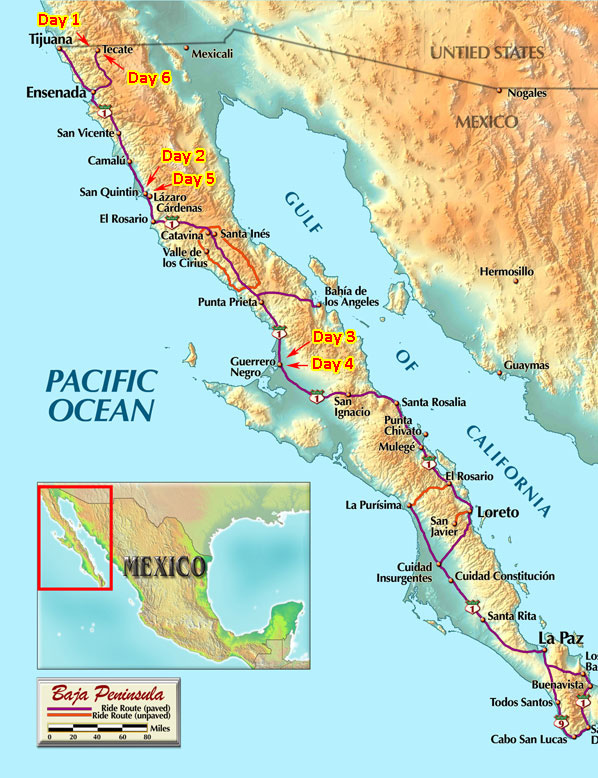
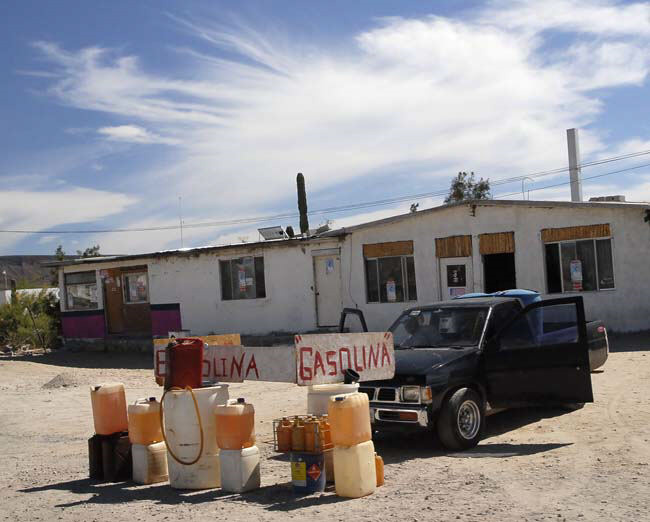
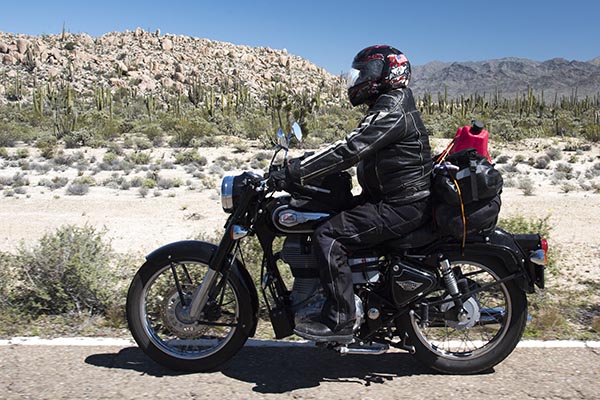
The only stretch where it can be concern is the long stretch through the Valle de Los Cirios between El Rosario and Guerrero Negro, where it’s a cool 200 miles (that’s miles, not kilometers) between Pemex stations. That’s beyond the range of many motorcycles’ fuel tanks, but don’t worry about it. In Catavina, which is very roughly at the midway point between these two spots, you’ll a bunch of enterprising Mexicans selling fuel in plastic jugs or pumping it out of a 55-gallon drum.  Capitalism rules, folks!
Refueling in Catavina. It’s all part of the adventure!

There’s another plus to stopping for fuel in Catavina and buying gasolina from the guys selling it out of bottles: It makes for a great photograph!

Price

I live in California, the land of exorbitant taxation and left-wing loonies run amuck. What that means is that our gasoline prices are usually about 50% higher than what people in the more-sensibly-governed parts of the US pay. The advantage here, for me, is that the fuel prices in Baja are about the same as what I pay for gas in the Peoples Republik of Kalifornia. As of this writing, we pay somewhere around $3.25/gallon for regular, and something closer to $4.00/gallon for high test.  Another thing to consider here is that you don’t buy fuel by the gallon in Baja; you buy it in liters. And the price is not in dollars; it’s in pesos. Today, it’s about 17 pesos per liter, which is about $3.39 (US) per gallon. See what I mean?  The prices are roughly equivalent to California.

One more minor point:  Mexico uses the dollar sign for pesos, so when you see a fuel price of, say, $17.85, that’s 17.85 pesos per liter.  Use of the dollar sign for pesos is a little unnerving at first, but you’ll soon get used to it.

Paying for Fuel

Most places in the US require that you pump your own gas, and most of us pay with credit cards at the pump. You can forget about that in Baja. The way it works in Mexico is that every gas station has attendants, and they’ll do the pumping for you. They all seem to know that you’ll want to handle the nozzle when you’re on a motorcycle, but they’ll take the nozzle out of the pump, hand it to you, and then you can do the pumping.

You pay the attendants directly, too, so then the question becomes: Do you pay in dollars or pesos? I always have enough pesos that I pay directly in their currency. I’d go nuts trying to the convert the pesos to dollars in my head, and I don’t like to try screwing around with a calculator when I’m filling up, so I just pay directly in pesos. The attendants will take the cash from you and run up to the cashier if you have change coming; you don’t pay the cashiers directly.

Roselda, the prettiest pump attendant in Baja!

I’ve never used a credit card at a Baja gas station. Some of them may take credit cards, but I don’t like the idea of giving my credit to somebody who’s going to run into an office to use it. I always pay in cash.

One more thing: Tipping is a good idea. Yeah, you’ll probably never see the attendant again, but it’s peanuts to us and a livelihood to them. Do the right thing, and give a few extra pesos to the person who helped you.

Fuel Brands

Until relatively recently, the government-run Pemex brand was the only fuel station in Mexico (other than the guys selling it out of bottles in places like Catavina). The story was that the government subsidized the price of fuel but did no exploration, so ultimately their fields played out. That’s when the Mexican government realized that Margaret Thatcher was right: Socialism works until you run out of other people’s money. Within the last year, Mexico started allowing Arco, Mobil, British Petroleum, and others to sell gas in Mexico, with the understanding that they had access to larger reserves and these companies would pour a portion of the profits back into exploration.

Regular or Premium?

Some stations will offer both regular and premium fuel; in the more remote parts of Baja it’s regular fuel only. I always run regular, and I’ve done so even on bikes that required premium. I’ve never had a problem doing this.

Fuel Quality

We’ve all heard the stories about bad gas in Baja. Folks, it’s all Internet rubbish. I’ve never had a problem with fuel quality in Mexico, even when buying it from the guys selling out of bottles. That said, I do sometimes carry a small container of Sea Foam just in case I get fuel with water in it, but it’s never happened. I think the last time I used the Sea Foam was when I rode my Triumph Tiger in Baja. It started running a little rough somewhere north of Santa Rosalia, so I put a little Sea Foam in the fuel tank and maybe the roughness went away. Or maybe I imagined it. The bottom line here is you can forget about fuel quality issues in Baja. It just doesn’t happen.

Restroom Availability and Cleanliness

We often stop at gas stations to use the restrooms. You might have visions of filthy, disease-laden banos, but that’s another thing that just isn’t true. Most bathrooms in Baja fuel stops are relatively clean, about the equivalent of what you might see at any gas station in the US. What is different, though, is toilet paper. There’s usually none in a Mexican gas station rest room, so it’s a good idea to bring toilet paper with you. You may or may not see a sign asking that you not flush toilet paper, but to instead deposit it in a waste basket in the stall. I guess the deal is that the sewage systems are not set up to process toilet paper. It’s counter to our custom, but it’s what they do.


So there you have it.  Fuel is not an issue in Baja, and it’s certainly not a reason for being apprehensive about an adventure ride in an area that arguably offers the best riding on the planet.   The cost is reasonable, it’s available about like it is in the US, the quality is good, and the photo ops are awesome.


Want to make sure you never miss an ExNotes blog post?   Sign up for our email updates in the widget you see to the right (if you’re on a laptop) or at the bottom of this post (if you’re on a smartphone).  We’ll never give your email to anyone else, and you’ll automatically be entered in our quarterly moto-adventure book giveaway.


Like what you read here about riding in Baja?   Hey, there’s lots more where that came from!  Take a look at our ExNotes Baja page!

The Three Flags Classic: Day 3

The third day of the 2005 Three Flags Classic motorcycle rally would take us from Grand Junction, Colorado (where we stayed the second night of the tour) to Driggs, Idaho.   Wowee, we were covering some miles!  You can catch up on the ride by reading our prior blog posts here:

The 2005 Three Flags Classic Rally:  the Intro!

The Three Flags Classic:  Day 1

The Three Flags Classic:  Day 2

And with that, let’s get to Day 3!

Day 3 of the 2005 Three Flags Rally.  Colorado, Utah, Wyoming, Idaho…it was magnificent.

As you’ll recall, it had rained big time during parts of Day 2, and it had continued to rain that evening.  The next morning, though, was a bright, crisp, Colorado day, and after a great breakfast, we pointed the bikes north and crossed over into Utah.

The Gold Wing (shown here in Utah) was the most popular bike on this trip. They sure looked comfortable compared to my Daytona!

Utah was amazing. I continue to believe it is the most scenic of our 50 states.   Although I had been to Zion and Bryce on previous trips, the Three Flags Classic was taking us to places I had never seen.  We had a checkpoint in Vernal, a most interesting place in the heart of Utah’s dinosaur country.

Check out the way this guy has his Harley packed at the Vernal checkpoint. Think he might be dragging a bit in the corners? Harleys and Gold Wings were the most popular bikes in the 2005 Three Flags Classic.

We rode north, up to and around Flaming Gorge Reservoir.  These were all magnificent destinations.  The folks who planned the tour route did an amazing job.

Looking down into Flaming Gorge Reservoir in Utah.   The colors, the brightness, it was all amazing.  All of these photos were on film, captured with a Nikon N70 camera.
Marty and his Beemer, with Utah as a backdrop. Marty is the guy who invited me on this ride. He’s another serious long-distance rider, having put nearly 100,000 miles on this BMW. The machine looks as if it is brand new. Today in 2019, it’s still parked in his garage.
With Marty near Flaming Gorge.
Marty and the motorcycles, with Flaming Gorge Reservoir in the background. The photo ops on this ride were amazing.

After leaving Utah, we entered Wyoming for a brief period, and then we were into Idaho. Idaho is a beautiful state. We saw quite a few dead animals on the road, and in particular, a lot of dead skunks. We also saw a few larger roadkill carcasses that I didn’t immediately recognize. I later learned they were wolves!

My friend Dave on his BMW in Driggs. This is a beautiful R1150GS. Check out the custom lighting (just below the turn signals) and the custom wheels. Dave’s bike was always spotless. He cleaned it every night.

We would our night in Driggs, Idaho, at the end of Day 3.   It was an interesting night, with forest fires raging around us.   We had a great dinner, more great conversation, and I was getting to know the guys better.  Marty, as always, was an easy guy to travel with.  I got to know good buddy Dave, shown in the above photo, a lot better on this trip, too.  Dave was an absolute fanatic about keeping his bike clean, which was a hell of a challenge considering all of the rain we had ridden through the prior day.  We had a bit of rain that night after dinner, too, and I remember talking to Dave as he was wiping down his GS, in the rain, cleaning it as the rain fell on the bike.  I told him he was going to have a hard time, washing a bike in the rain, and we had a good laugh about that.

Looking due west after dinner in Driggs, Idaho. Smoke filled the skies from fires raging all around us.

And that, my friends, wraps up Day 3 of the 2005 Three Flags Classic.  The following day would take us way up north to Whitefish, Montana, just south of the Canadian border.  It had been an amazing three days so far, and we still had a long way to go.  But that’s coming in future blogs.

Stay tuned!

Sausage Making

The China tour story I wrote took a long, winding road to publication. I like to pre-sell any feature-ish story and since we had recently done another big CSC story at That Other Magazine I pitched the China ride to Editor in Chief, Marc Cook. He liked the idea and suggested making the story less about the CSC motorcycle and more about the ride.

All went swimmingly on the tour but while I was in China That Other Magazine was going through upheaval on every level. I returned to a smoking, charred magazine landscape of fewer, thinner issues and a frequently changing vision for That Other Magazine. I ran the China story past each new editor (in quick succession) they all liked it but the reformatted book had many must-print stories and little space for a long feature on China.

That Other Magazine went through another major restyle opting for a spare, photo-heavy layout, a cut back to 6 issues a year and hired a platoon of fresh, new writers. I re-re-re-pitched the thing, refusing to believe it was over but like any failed love affair the day came when I realized my blue passion for That Other Magazine had faded to grey.

Whenever I do a free-riding junket for a motorcycle manufacturer there are no preconditions. I may love or hate their motorcycle but I will write honestly about it. The only thing I can offer in return for their hard-earned money is publicity. My job was to write a story and get it published: I had failed myself, CSC, Joe Berk, my fellow China Riders and Zongshen.

At this point I pretty much gave up on the China tour and shoved the thing into a dark, dusty corner of my hard drive. I couldn’t stand looking at the story, so much effort that came to naught. Newer challenges awaited writing and I wasn’t going to let the China story drag me down. I moved on.

Enter this blog and its demanding publishing schedule. While I’m no fountain of content I’ve never written as many words a month as I have since we started ExhaustNotes. The hectic pace and all-consuming need for content has changed my opinion of writing from an art form into a trade. I make stories like I pour concrete. Instead of a failure, the China tour became just another slab. I pitched the thing to Motorcycle.com and thankfully they bit. I rewrote the story to reflect the new realities regarding That Other Magazine and the result can be found here: Kung Fu Riding.  Sorry it took so long.

Yawn…

Again?   Please…

So I guess Charley and Ewan are planning another ride.  I suppose that’s a good thing, even though I thought the first ones were kind of contrived. I mean, really, you have two rich kids riding around the world on their own with corporate sponsorship, followed by a caravan of chase vehicles, spare parts, tool chests, mechanics, and camera crews.  Two dilettantes confusing their income with their abilities, making a movie, complete with photos like the one above vaguely suggesting a combat mission somewhere in the mountains of Afghanistan.  Give me a break.  Maybe I’m being hypocritical; after all, I sort of did the same thing on the Western America Adventure Tour and the China ride.  We even had a chase vehicle on both of those rides, too, although I managed to convince myself that chase vehicles are a net negative and I never used them again.

You want to read a real adventure story?  Turn to my all-time favorite…the story of Dave Barr’s solo ride around the world.

Dave Barr in the hills above Lake Isabella, photographed by yours truly.

Dave Barr is a guy who lost both legs to a landmine while fighting in Africa. Undeterred and unbroken, after a lengthy recovery he finished out his enlistment, came home, put an electric starter on his beat up old ’72 Harley (which already had a hundred thousand miles on the clock), and with no sponsorship, no chase vehicle, no film crew, and nothing other than a strong will, Barr spent the next four years riding around the world. He’d ride a bit, run out of money, find a job wherever he was, work a bit more, and get back on the bike. That, my friends, is a real adventure, and you can read about it in Riding the Edge.  Trust me on this: Riding the Edge is infinitely better than the long way whatever.

Riding in the rain…

Wow, it has been pouring here for the last week, with little respite other than this past Sunday. Sunday was nice. Every other day this week and the tail end of last week has been nonstop rain. Big time. Buckets full. And my iPhone just started buzzing with a flash flood warning for this area. Wow again.

So I’m sitting here at the computer, enjoying a hot cup of coffee, looking out the window, and I’m thinking about what it’s like to ride in the rain. We’ve all had those rides. Those memories stick in my mind. I remember every one of those rides like they happened yesterday.

The first was the return leg of my first international motorcycle foray, when good buddy Keith Hediger and I rode up to Montreal and back. That was in the early ‘70s, and we didn’t call them adventure rides back then. They were just motorcycle rides. I was on a ’71 CB750 and Keith was on a Kawi 500cc triple. It rained the entire length of Vermont at about the same intensity you see in the video above. We had no rain gear. It wasn’t cold, but it sure was wet. We were soaked the entire day. Wouldn’t trade a minute of it. It was a great ride.

Another time was on the second ride I ever did in Baja with good buddy Baja John. It was pouring when we left at 4:00 a.m., and it didn’t let up for the entire day. I was on a Harley then, and we finally stopped somewhere around Colonet to checked into a cheap Baja hotel (a somewhat redundant term, which is becoming less redundant as Baja’s march in to the 21st century unfortunately continues). Leather, I found out on that trip, makes for lousy rain gear. I went hypothermic, and I had the shakes until 4:00 the following morning. It made for a good story, and the rest of that trip was epic. Down to Cabo, back up to La Paz, on the overnight ferry over to Mazatlan, out to Puerto Vallarta and Guadalajara, back up to Nogales, and a thousand-mile one-day dash to make it home on New Year’s Eve. Wouldn’t trade a second of it.

Riding with Marty on the ’05 Three Flags Classic, we were caught in a downpour the second day out as we rode along the Dolores River in Colorado. It was a magnificent ride, with Marty on his K1200RS and me on my 1200cc Daytona.  It wasn’t a drizzle.  It was a downpour, just like you see in the video above.  I remember it vividly, and I wouldn’t trade it for anything.

Colombia had lots of rain, but it only hit us hard on the very first day. It was raining hard that first morning as we rode out of Medellin and into the Andes early on that fine Colombian morning, but it lightened up by breakfast. I had real rain gear and the only issues were visibility and passing 22-wheelers on blind curves, as my Colombian riders did with gleeful abandon. Exciting times. But good times, and certainly ones I remember. Colombia was an adventure for the ages. I wouldn’t trade a second of it for anything else.

I’d have to say the heaviest rains I ever rode through were in China, where it rains a lot. It probably rained 25% of the time on that trip, and the first few days were the worst. Imagine riding up into the Tibetan Plateau, in the dark, on dirt roads, in rain way heavier than what you see in the video above. That’s what it was like, and I loved every mile of that ride. I wouldn’t trade it for anything else on the planet.

You might be wondering…why no photos? Well, the simple truth is that my cameras on each trip were tightly wrapped in plastic bags, and I wasn’t about to break them out in the rain. That’s something I guess I forgot to mention in my earlier blog about what to bring on a Baja trip: Garbage bags. They take up almost no space when you’re not using them, and they work great for keeping stuff dry when you ride in the rain.

Do you feel lucky?

Lester, one of our Chinese guests, drawing a bead with a Ruger Mini 14 at the West End Gun Club.  Photo by Ying Liu.

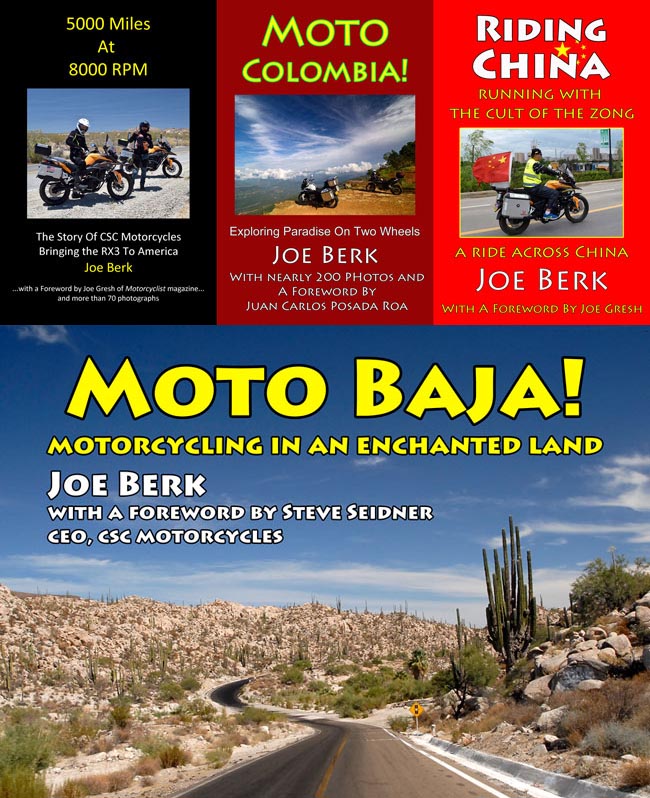
If you do, sign up for our free email updates.  You can do so with the widget to the right (if you’re on a computer) or at the bottom (if you’re reading this blog on a mobile phone).  At the end of March, we’ll pick a name from the folks on our email list and that lucky person will get a free copy of one of our moto adventure books.  In the meantime, here’s one of my favorite chapters from 5000 Miles At 8000 RPM, one of our best selling books.   The background is this:  We had a bunch of folks coming over from China and Colombia (huh, Colombia?) to ride with us from LA to Sturgis to Washington and Oregon and back to LA along the Pacific coast, stopping at every National Park and hitting the best roads along the way.  It was a hell of a ride.  But the events of a trip to the rifle range and a nearby Bass Pro store were equally as interesting.

Take a look…here’s Chapter 12 of 5000 Miles At 8000 RPM


The Chinese and the Colombians all arrived around the same time, and they all came in through Los Angeles International Airport. Steve and I met our six Chinese guests as they arrived. I’ll take a minute here to introduce everyone.

Hugo was the first to arrive. Hugo is a Zongshen employee, and he is the Zongshen representative and sales manager assigned to Colombia. Colombia is Zongshen’s largest export customer, and Zongshen keeps a full time representative in that country. Hugo came to us as a result of the US government denying entry visas to the original Zongshen people who planned to accompany us on the Western America Adventure Ride. I liked Hugo the instant I met him. He’s a good guy.

I should also tell you at this point that our Chinese guests’ names may be a little confusing. The Chinese use their family name first, and their given name second. Hugo’s real name is Ying Liu, so Ying is his family name and Liu is his given name. I read that and I called Hugo “Ying Lew.” He laughed at my pronunciation and told me how to say it correctly. I tried a couple of times and then dropped any pretense of being culturally sensitive. Hugo it would be.

A lot of the Chinese adopt an English name to make it easier for big dumb Americans like me to communicate with them. It’s a nice move on their part. I’m telling you all of this so you’ll realize that some of the guys have Anglicized names, and some have Chinese names. You’ll get the hang of it as the book progresses.

The next flight brought Lester, Tony, Tso, Kong, and Kyle to us.

Lester is a tall man who looks just like Yul Brynner in The King and I. He’s a physical fitness instructor in a primary school in China, and he also owns a very successful motorcycle and bicycle luggage manufacturing company in China. Lester spoke English well. He is a prominent blogger in China on their premier motorcycle forum. Lester blogged about our trip extensively while we were on the road.

Tony is a celebrity photographer. He owns several motorcycles and his photos are widely published in China and other parts of Asia. He’s an interesting man. You’ll see him holding a small stuffed dog in my photos. That’s MoMo, a mascot who has accompanied Tony to more than 20 countries.

Tso would emerge as the quiet one in our group. He stuck with his Chinese name (it’s pronounced “szo” with a hard “sz” sound). Tso is another industrialist; he owns a motorcycle clothing company in China. He was wearing his company’s motorcycle gear, as were several of the other Chinese riders.

When I met Kong, I immediately told him that from this point forward on our ride, he would be “King Kong.” The Chinese got a big laugh out of that. They all knew the movie and they all liked Kong’s new name. Kong is a prominent automotive journalist in China.

Kyle had an English name, but he didn’t speak much English. He is an advertising designer and executive, and his customers include the big oil companies in China. Kyle was a lot of fun, and he sure could work wonders with a video camera.

I asked Hugo how Zongshen selected these guys for the Western America Adventure Ride. I didn’t understand everything he told me, but I think it was based on their motorcycling experience and a contest of some sort Zongshen had held in China. Each of these guys has a huge media following in China. They were all what I would call high rollers. These folks owned their own companies and were well-known writers and bloggers in China.

The two Colombians also met us at the airport that night. Their participation in the ride was a last minute arrangement. I received a Skype message from Hugo about a week before the ride asking me if the Colombians could accompany us. It was a surprise to me, but I didn’t have a problem with it. I thought they would be AKT employees, but they weren’t.

Juan Carlos, one of the two Colombians, owns the only motorcycle magazine in Colombia. He’s a tall thin guy and an excellent rider. He once rode a KLR 650 to Tierra del Fuego, the southernmost tip of South America, and he had written a hell of a story about it.

Gabriel Abad was the other Colombian. He was instrumental in helping Juan Carlos start his motorcycle magazine. Although Gabriel is a Colombian, he lives in Canada. That certainly was in keeping with the international flavor of our team.

When our good buddies from China and Colombia arrived in the USA that evening, one of their first requests was for an In-N-Out Burger. We did that on the way home from LAX. Then it was on to the hotel in Duarte (the next town over from Azusa) and a good night’s sleep after their long journeys to America.

We had a spare 2 days before the ride. We rode around locally to get everybody used to their bikes on the first day, and on the morning of the second day I asked our guests what they would like to do.

Their answer was direct: We want to shoot a gun.

I was happy to oblige. I’m a firearms enthusiast and I’ve been a member of our local gun club for decades. I put my Ruger Mini 14 in the van and we were off to the West End Gun Club.

Our guests were fascinated with everything America has to offer, and the freedom guaranteed by our 2nd Amendment was obviously high on that list. After a brief lesson at the gun club on the rifle, the .223 cartridge, and firearms safety, we set up a target and took turns putting the Ruger through its paces. The guys loved it. The smiles were real, and I had brought along plenty of ammo. The Chinese and the Colombians did well. Literally every shot was on target. They told me I was a good teacher. I think they are just good shots.

Now before any of you get your shorts in a knot about guns and shooting, let me tell you that even though I am a strong 2nd Amendment supporter, I can understand why some of you might be opposed to the freedoms guaranteed by the US Constitution. When I go to a public range I sometimes see people who I wouldn’t allow to have oxygen (let alone firearms).

The problem, as I see it, is that if you restrict our rights in this area, it would be a government pinhead making the call on who gets to have guns and who doesn’t (and that scares me even more than some of the yahoos I see with guns). It’s a tough call, but I’ll come down on the side of the 2nd Amendment every time. The founding fathers knew what they were doing, and they did it before the pinheads permeated the government.

Ah, but I digress yet again. Back to the main attraction…my day at the range with our guests.

I didn’t get photos of that event. I was busy teaching, watching, and explaining, and I just didn’t have an opportunity. The Chinese and the Colombians did. They were having a blast (literally and figuratively), and they captured hundreds of photos. I didn’t realize just how special this would be to them when we first left Azusa for the gun club, but it became apparent as soon as we arrived at the range. They all ran up to the line and were fascinated by the spent brass lying on the ground. Several of our guests took pictures. Imagine that…taking pictures of empty shell casings!

When I took the rifle out of its case and opened the ammo box, there were even more oohs and aahhhs. And more photos. I guess I’m so used to being around this stuff I didn’t realize how special this day was for our guests. These guys had never held or fired a gun before. Ever. I was amazed by that. They were amazed that we have the freedom to own and shoot firearms. It was an interesting afternoon.

When we finished, all of our guests collected their targets. I had brought along enough targets to give each person their own. We had the range to ourselves that afternoon, so each of the guys would shoot a magazine full of 5.56 ammo, we made the rifle safe, we went downrange to see how each person did, and then we put up a new target for the next guy. Many of the guys repeated that cycle three or four times. It was fun. The guys were like kids in a candy store. I enjoyed being a part of it.

It was hot when we finished shooting at around 4:00 p.m. that day. We were due to meet for dinner at Pinnacle Peaks (a great barbeque place in San Dimas) at 6:00 p.m., and we had a couple of hours to kill. I asked our guests if there was anything else they wanted to do before we went for dinner. My thought was that they might want to go back to the hotel and freshen up. That’s not what they had on their minds. They had another request: Can we go to a gun store?

That sounded like a good idea to me. We have a Bass Pro near where we were, and it’s awesome. Okay, then. Our next stop would be Bass Pro.

I was already getting a sense of how much our guests liked taking pictures, so I told them when we entered the gun department at Bass Pro we should put the cameras away. Usually there are signs prohibiting photography in these kinds of places. We gun enthusiasts don’t like being photographed by people we don’t know when we are handling firearms (big brother, black helicopters, and all the rest of the unease that comes with a healthy case of paranoia and a deep distrust of the government). I told our guests I would ask if we could take photos, but until then, I asked them to please keep their cameras in their cases.

The guys were in awe when we entered Bass Pro, and then they were even more astounded when we reached the gun department. They were literally speechless. Open mouths. Wide eyes. Unabashed amazement. There isn’t anything like Bass Pro in China or Colombia. I’ve been to both countries and I know that to be the case. Hell, there wasn’t anything like Bass Pro in America until a few years ago. It’s a combination of a museum, a theme park, a gun store, an armory, and a shopping emporium. I love the place and all that it says about America.

Now, you have to picture this. The Bass Pro gun department. Hundreds of rifles and handguns on display. Targets. Ammo. Gun cases. Reloading gear. A bunch of guys from China talking excitedly a hundred miles an hour in Chinese. The rest of the customers watching, literally with dropped jaws, wondering what was going on. We were a sight.

The Colombians were talking excitedly the same way, but in Spanish.

I was the only guy who looked like he might be from America (my YouTubby belly probably gave me away). The gun department manager looked at me with a quizzical eye. I explained to him who we were and why these guys were so excited. He smiled. “Would they like to take pictures?” he asked. Hoo boy!

The guys loved it. So did the Bass Pro staff. They were handing the Chinese these monster Smith and Wesson .500 Magnums so they could pose for photos, ala Dirty Harry. It was quite a moment and it made quite an impression. One of the guys had his video camera out and he was recording one of the Chinese riders holding a huge Smith and Wesson revolver. The guy with the revolver did a pretty good impersonation of Clint Eastwood (albeit with a Chinese accent):

Do you feel lucky, punk? Well, do ya?

It was pretty funny. That Dirty Harry movie is 40 years old and it was made before most of our guests were born, but these guys knew that line. The Chinese would surprise me a number of times with their mastery of many American things from our movies and our music. All that’s coming up later in this story, folks.

The Chinese and the Colombians were absolutely fascinated with the whole guns and shooting thing and what it is like to live in America, and the Bass Pro staff were quite taken with them. I was pleased. Our guests were getting a first-hand look at American freedoms and American hospitality. It was a theme we would continue to see emerge throughout the Western America Adventure Ride.

For me, a crowning moment occurred on the way to dinner that night. One of the Chinese told me that all the time he was growing up he had been told that Americans were evil and we were their enemy. “That’s just not true,” he said.

Mission accomplished, I thought.

A Tale of Two Travelers

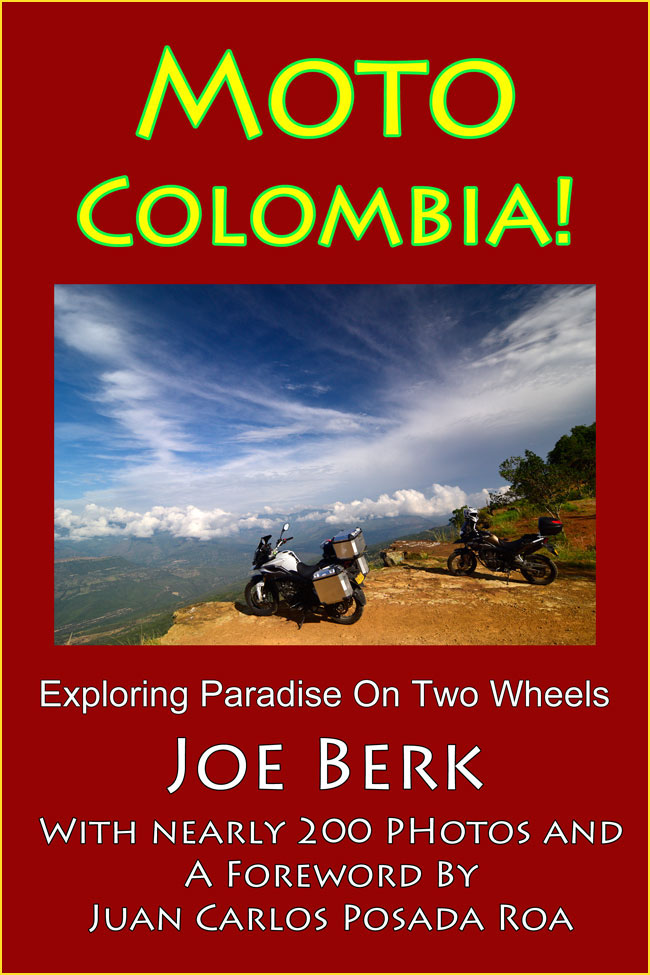
I had a great lunch last week with Trevor Summons, the fellow who won our quarterly email drawing for a copy of Moto Colombia.  Wow, was I ever surprised.  When I met Trevor and gave him a copy of my book, he gave me a copy of his!

Good buddy, fellow traveler, and author Trevor Summons…and a copy of Trevor’s Travels.

Trevor writes a newspaper column appropriately titled, “Trevor’s Travels.”  The columns feature cool places to visit, mostly here in the Southland.  Well, Trevor combined some of his favorites into a book with the same title (Trevor’s Travels, of course) and it’s good.   Really good.  I enjoyed reading Trevor’s column and there are a few I’ve missed, but I’m busy catching up with the book.

Hey, don’t feel bad if you haven’t written your own book.  You can still win a copy of one of mine when you add your name to our automatic email update list.  Our next contest ends 31 March, so don’t wait…add your name now!