By Joe Berk
Back in the 1970s when I was in the Army, I was eligible for what the government called “Space A” flying. “Space A” was space availability, and what it meant is that if a US military aircraft had an open seat, I could grab it (and a free ride) to wherever that aircraft was going. Having never been to California (and a lot of other places back in those days), I copped a free C-141 seat out of McGuire AFB and flew to Travis Air Force Base in California. The plan was to fly out to the west coast and then travel by Greyhound bus back to New Jersey. You know, the “leave the driving to us” guys.
My first bus stop was Reno, Nevada, and while I was there I visited Harrah’s auto collection. It was the largest car collection in the world in the 1970s, with more than 1800 automobiles (or 1400, depending on which source you believe). Bill Harrah was a rich guy with a casino and an overwhelming interest in cars of all types.
Harrah passed away in 1978, and Holiday Inn bought his hotel and casino in 1980. The guys at Holiday Inn auctioned off the car collection, but when they first announced the sale of the auto collection, the City of Reno kicked up a stink. So, Holiday Inn donated 175 cars from the collection for a future auto museum. Those 175 cars became the nucleus for what is now the National Automobile Museum located in downtown Reno. Susie and I rode up there recently to explore the place and grab a few photos for an upcoming magazine article. We had a great visit. It was fun.
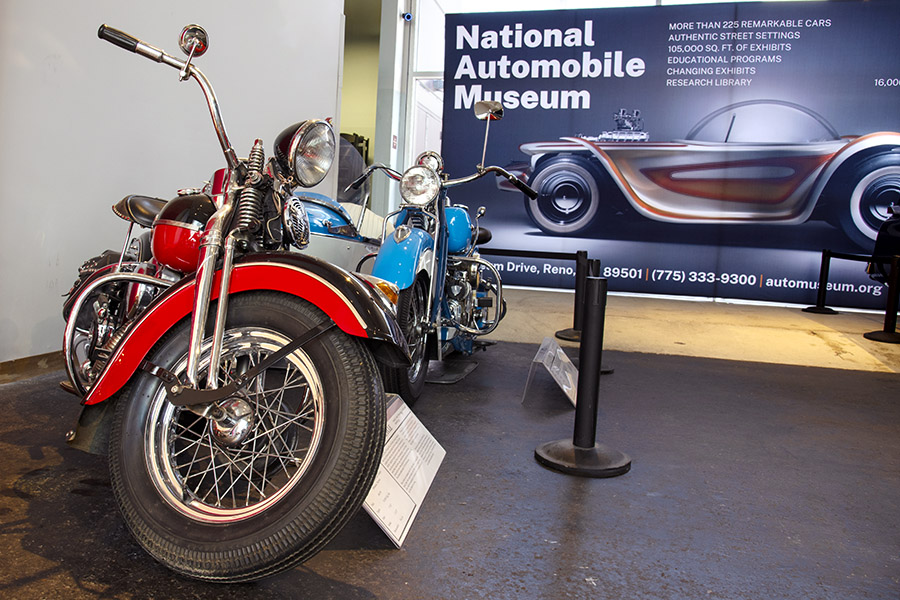
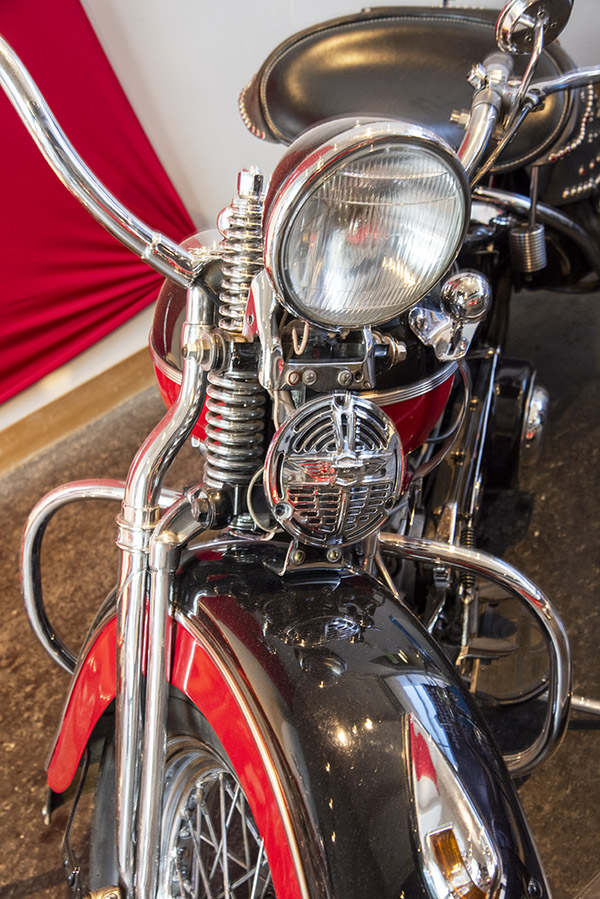
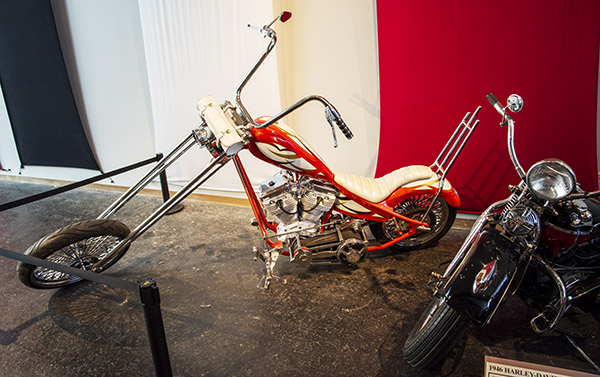
My principal interest was the collection’s motorcycles. When I first spoke to folks at the Museum, I was told they only had three motorcycle (a 1946 Harley, a 1941 Indian, and a (yawn) chopper), but I found there were quite a few more.
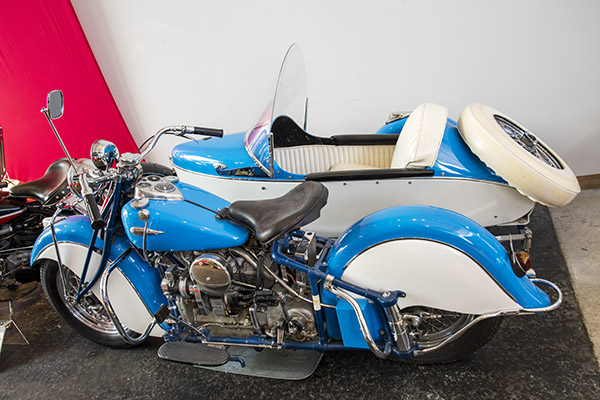
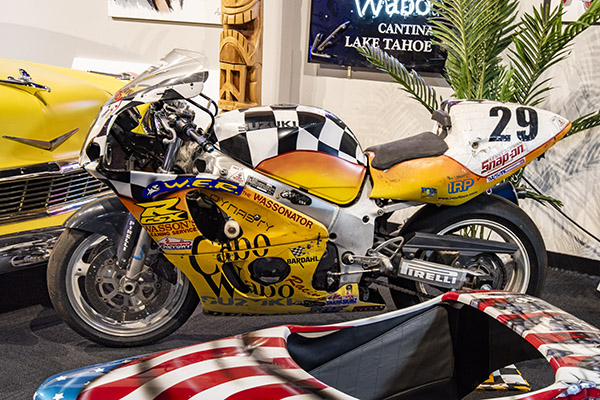
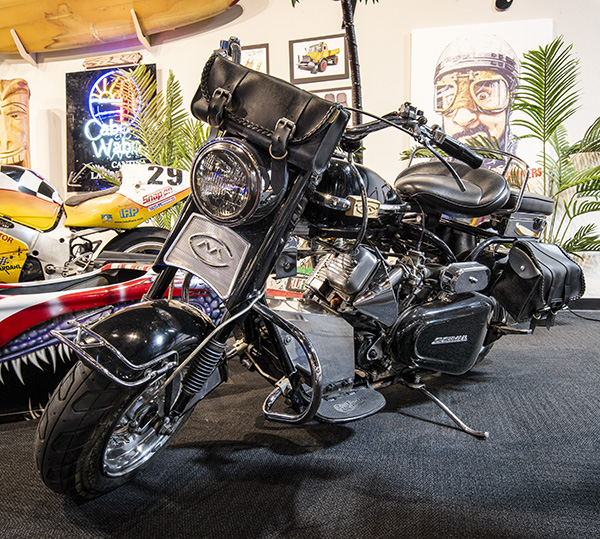
Our motorcycle discoveries as we wandered about in the Museum included a GSXR race bike and a full-dress Cushman scooter. The Cushman reminded me of my days with CSC when we first built a resurrected version of the old Mustang motorcycle.
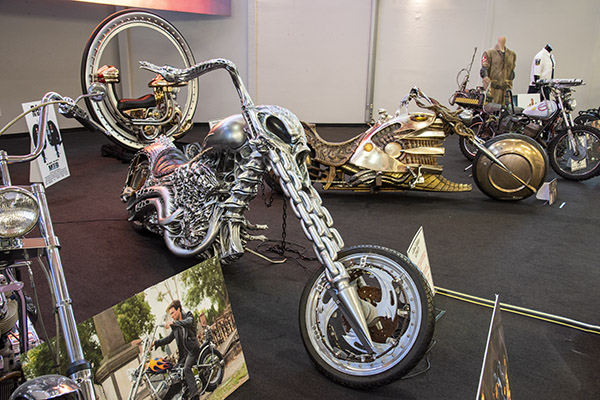
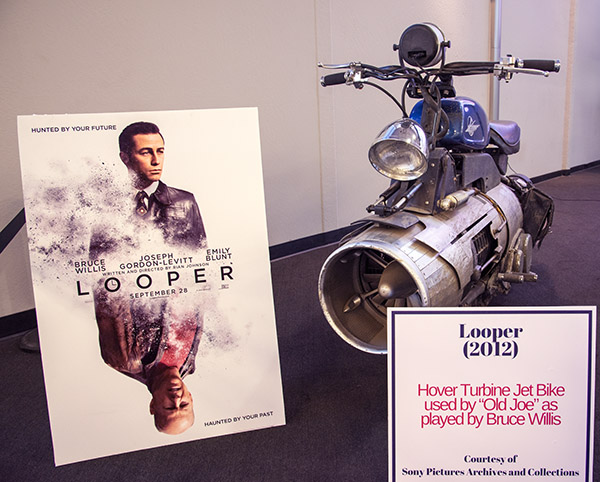
Another motorcycle exhibit included motorcycles that had been featured in different movies, including the Ghostbusters bike and others.
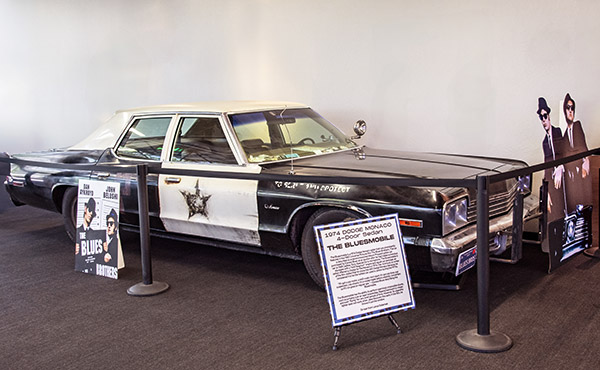
We saw the BluesMobile near the movie bikes. The Blues Brothers has to be one of the best movies ever made. Whenever I see it on TV or on any of our streaming video channels, I’ll watch it. The music is incredible. Akroyd was incredible. Aretha, Ray Charles, and Cab Calloway were awesome. Belushi was incredible (he died way too young). The Blues Brothers doing Rawhide was incredible (I included a YouTube of this at the end of this blog). The Blues Brothers was a great movie; I think it is one of the best ever. Seeing the BluesMobile from that show was a treat.
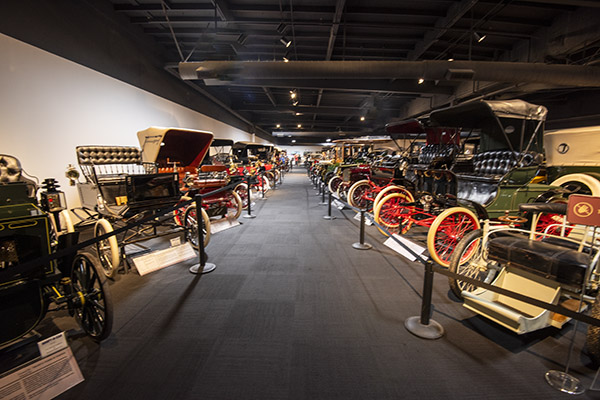
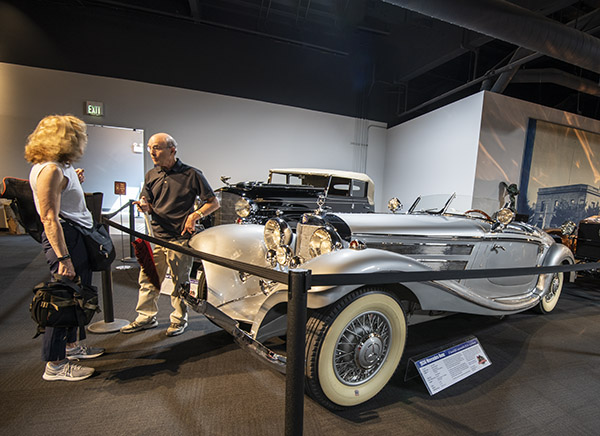
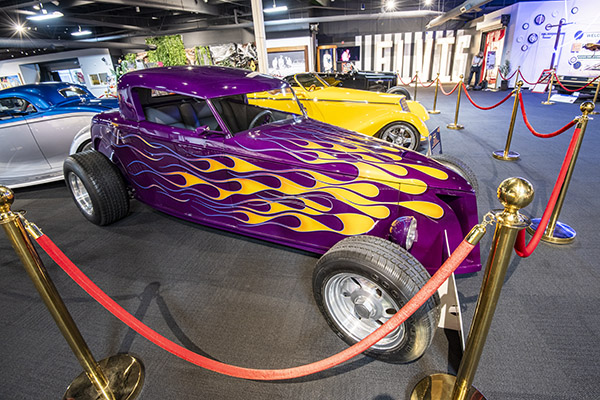
The National Auto Museum is arranged in four large galleries showcasing different automobile categories, with other collections in the hallways separating the galleries. The first gallery held cars from the earliest days of the automobile. The galleries were almost overwhelming; there was just so much to take in. Even though the Harrah collection downsized dramatically when Holiday Inn acquired the business, there are still a lot of things to see.
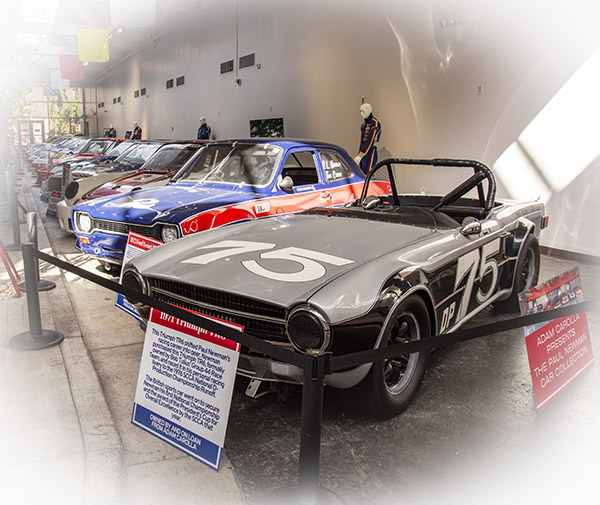
One of the “in between the main galleries” exhibits was a collection of sports cars previously owned by Paul Newman. The collection was later purchased by Adam Carolla and is now displayed in the Museum.
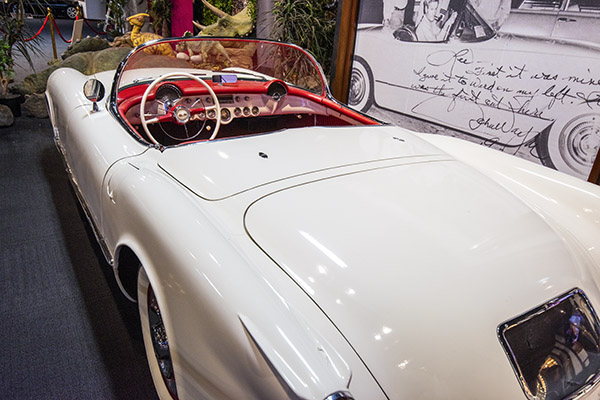
Another gallery featured a collection of cars from the 1950s and 1960s. Several had my attention. One was a gorgeous white two-seat Lincoln Continental Mark II powered by a Chrysler Hemi engine. Another was a 1966 Plymouth with a 426 Hemi engine, a car I drooled over back the ’60s.
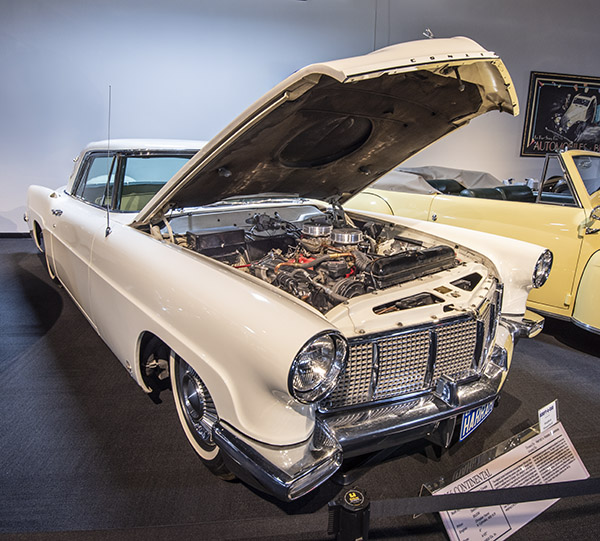
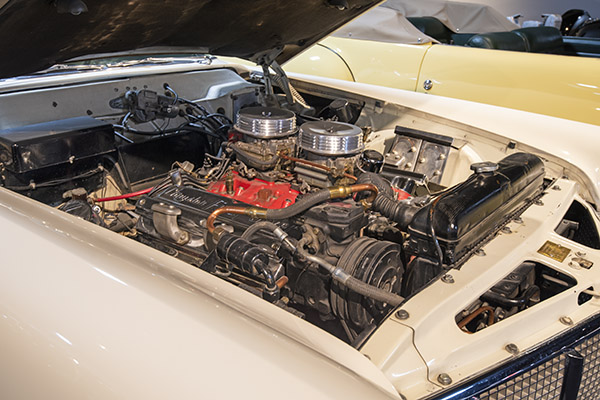
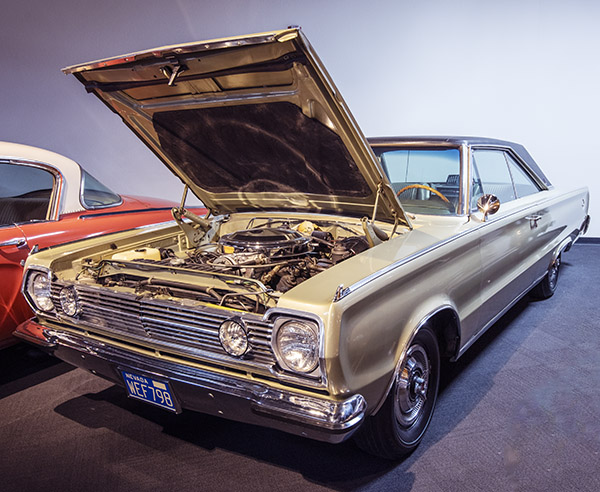
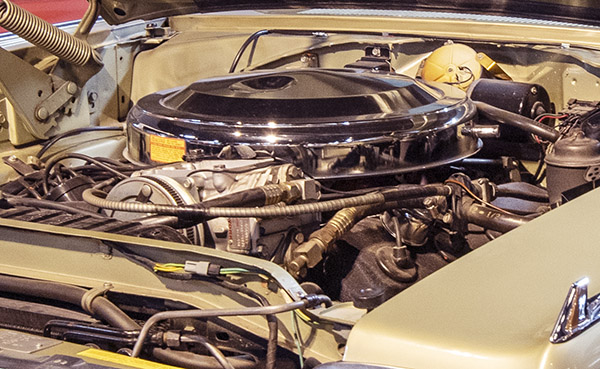
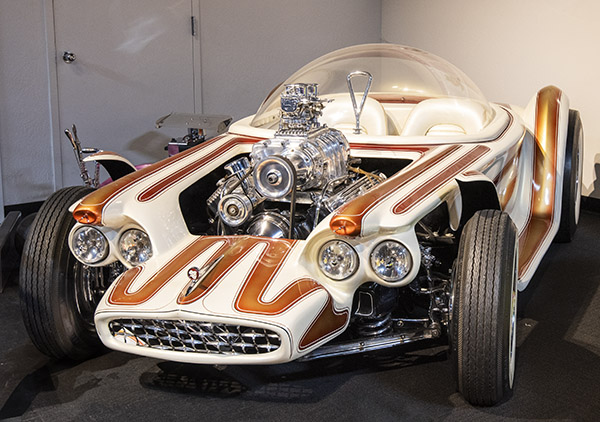
There were other cars tucked into hallway exhibits, including one I knew from my days as a very young teenager. It was Ed “Big Daddy” Roth’s Beatnik Bandit, a futuristic, supercharged, bubble-topped hot rod. One of its features was that the car was completely controlled by a centrally-mounted yoke (the yoke controlled the throttle, the brakes, and the steering). Revell released a 1/25-scale Beatnik Bandit model in 1963 (I built one of the model kits). The Beatnik Bandit is permanently etched in my memory, and seeing the actual car was a treat. I had never seen it before.
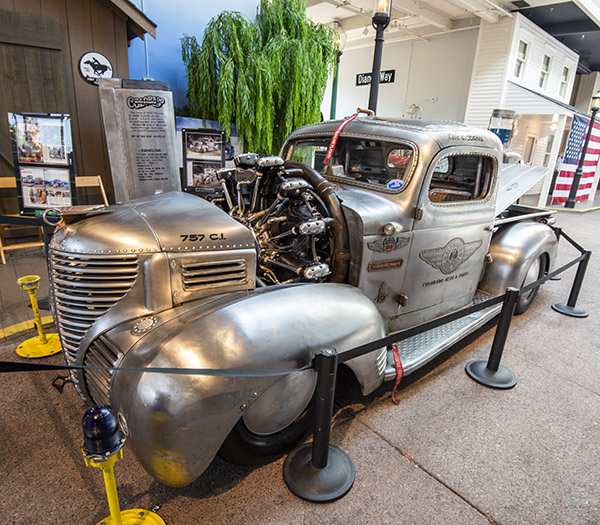
There’s a garage to the left as you enter the Museum, and there were interesting cars in there for service (I asked if I could enter the garage; the answer was no).
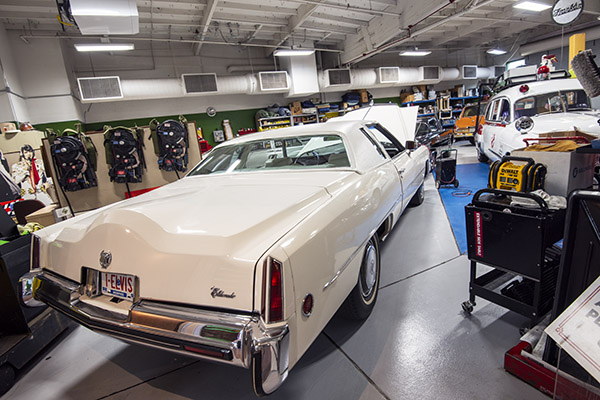
One of the cars in the garage to be service was Elvis Presley’s all-white Cadillac Eldorado. Another one that would make for an interesting display (and it probably is on display when not being serviced) was Bill Harrah’s “Jerrari.” In addition to being fabulously wealthy and the owner of Harrah’s casinos, Harrah was the Ferrari distributor for the western United States. He lived up in Tahoe, and coming down (or going up) the road from Reno to Tahoe can be an exciting experience when there’s snow or ice on the road (I know this from personal experience). Harrah had his guys put a V-12 Ferrari engine in a Jeep Wagoneer. You can just spot Harrah’s Jerrari in the photo (it’s the orange vehicle out ahead of the Elvis Eldo).
The National Automobile Museum is a solid 10 in my book. We traveled up US Highway 395 to Reno (a magnificent road with great scenery through the eastern Sierra Nevada Mountains), and the Museum was well worth the trip. Like a lot of America’s cities, Reno has become a bit sketchy and it seems its streets are overrun with refugees from the Star Wars bar scene. That said, we enjoyed our visit. One of Reno’s best kept secrets is an absolutely fabulous breakfast restaurant (The Two Chicks). Their chile relleno omelet was delicious. Dos Chicas is another spot that, all by itself, is worth a ride up to Reno. It was that good.
Join our Facebook ExNotes page!
Never miss an ExNotes blog:
Help us keep the lights on:
Don’t forget: Visit our advertisers!