Milwaukee’s Pabst Mansion

By Joe Berk

Last year, Susie and I took a trip to Georgia, Wisconsin, and Michigan.  It was fun.  We met with my former battery commander (with whom I served in Korea), we went to the Harley Museum in Milwaukee, we visited Green Bay and their fabulous Auto Museum, we stopped in at the Green Bay Rail Museum, we rode up to the Pictured Rocks National Lakeshore, we toured the Miller Brewery, and we hit a few other places (I’ll provide links for all these at the end of this blog).  We do trips like this to have fun and as ExNotes and Motorcycle Classics content safaris.  It’s fun.  I like to travel, I like to write, and I like taking pictures.  Yep, life is good, and what we do sure beats working for a living.
Susie is super good at finding places (usually ones I’d never heard of) wherever we wander, and one of them was the Pabst Mansion in Milwaukee.  This is an interesting story.  You probably know from the Miller Brewery blog we wrote last year that Milwaukee is America’s beer capital.  One of the early beer companies in America was Pabst.  The story goes like this:  Frederick Pabst came to this country from Germany as a 12-year-old boy (with his family) in 1848.  He started his working life as a cabin boy on the ships plying Lake Michigan and eventually worked his way up to captain.   He married Maria Best in 1857, which brought him into the beer business.  Maria’s father owned Best and Company, which at the time was the largest beer company in the country.   The Captain (as Frederick Pabst was known by that time) joined the beer biz in 1864, and through hard work (and an obviously smart choice in the matrimonial department) he soon became the top dog.  The Captain changed the company’s name to the Pabst Brewing Company in 1874.
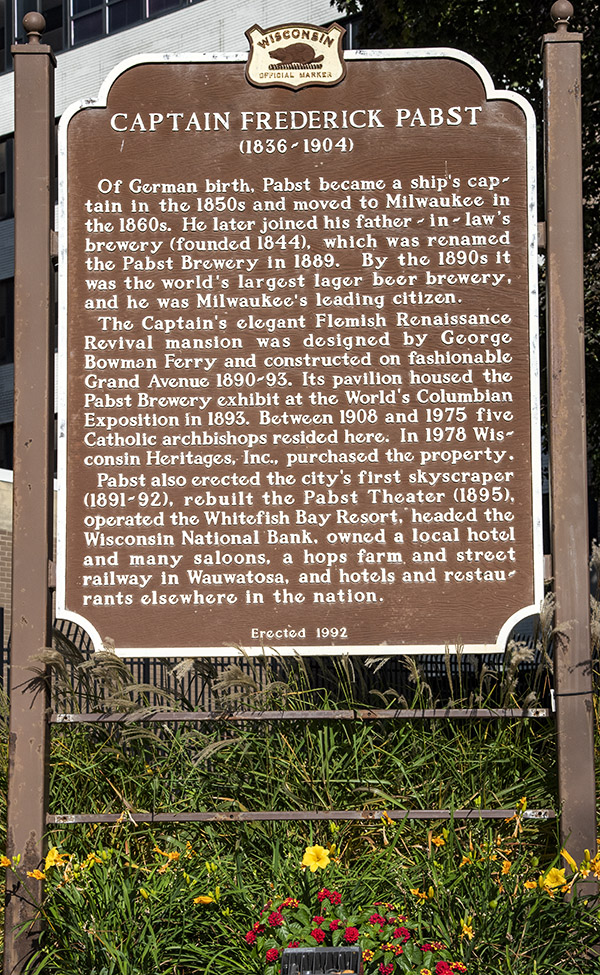
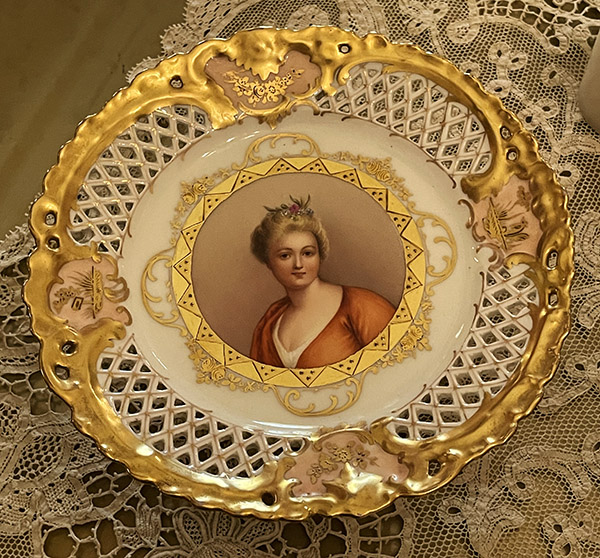
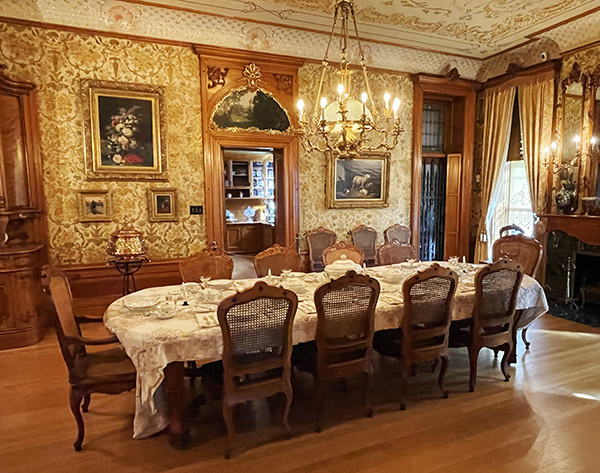
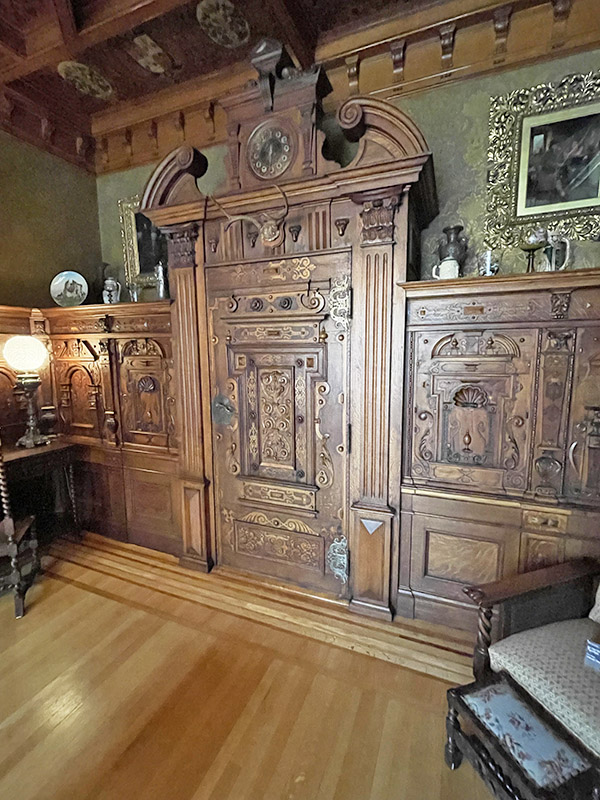
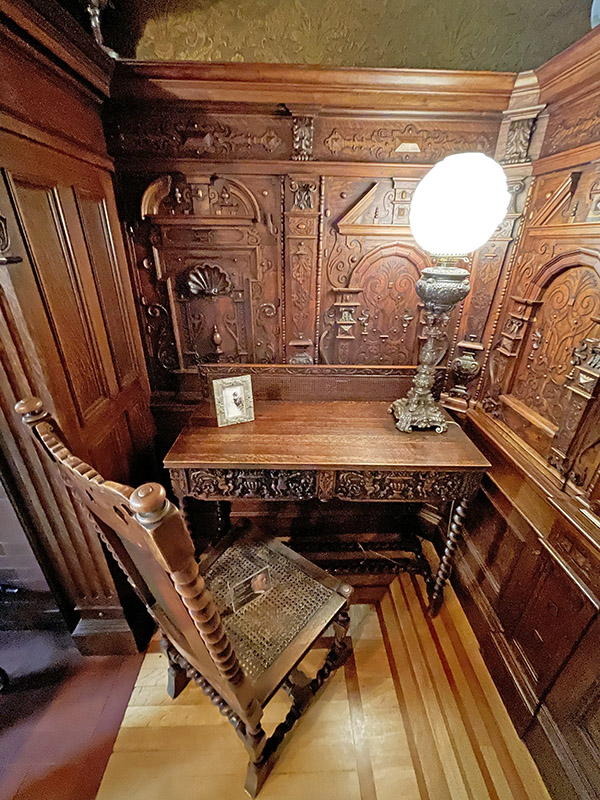
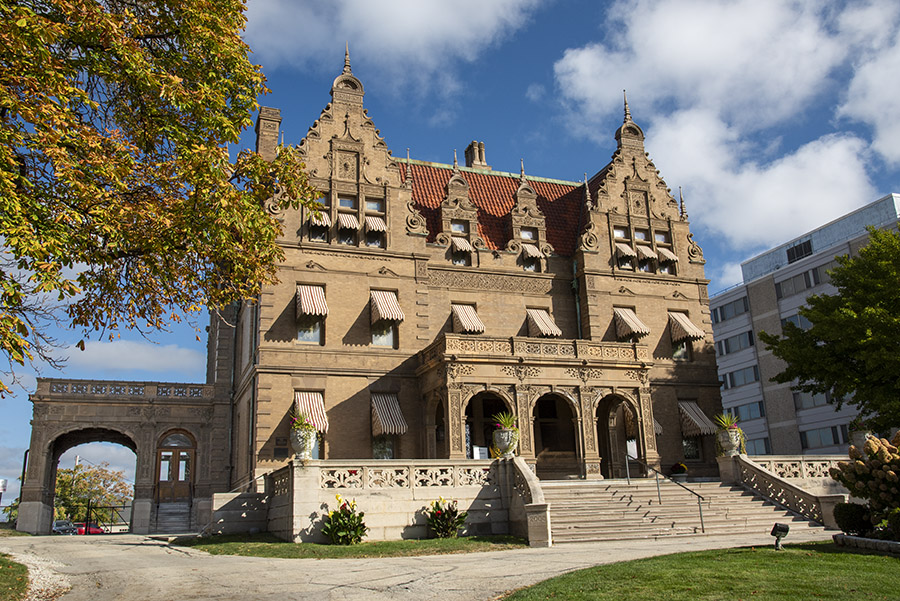
The Captain commissioned construction of the Pabst Mansion in 1890.  It took a couple of years to build, but I think the wait was worth it.  This place is as grand as anything I’ve seen anywhere in the world.  Apparently, I’m not the only who felt that way; in 1908 the Catholic church’s Archdiocese of Milwaukee purchased the place.   Over the next seven decades, five Archbishops and more than a few priests and nuns lived there, too.   By 1975, the Archdiocese wanted out, and sold the property to Wisconsin Heritage, and outfit that offers tours and sells tickets.   That’s a good thing; the Pabst Mansion (prior to the sale) was going to be demolished and turned into a parking lot.  Just prior to the sale to Wisconsin Heritage, the Pabst Mansion was added to the National Register of Historic Places.

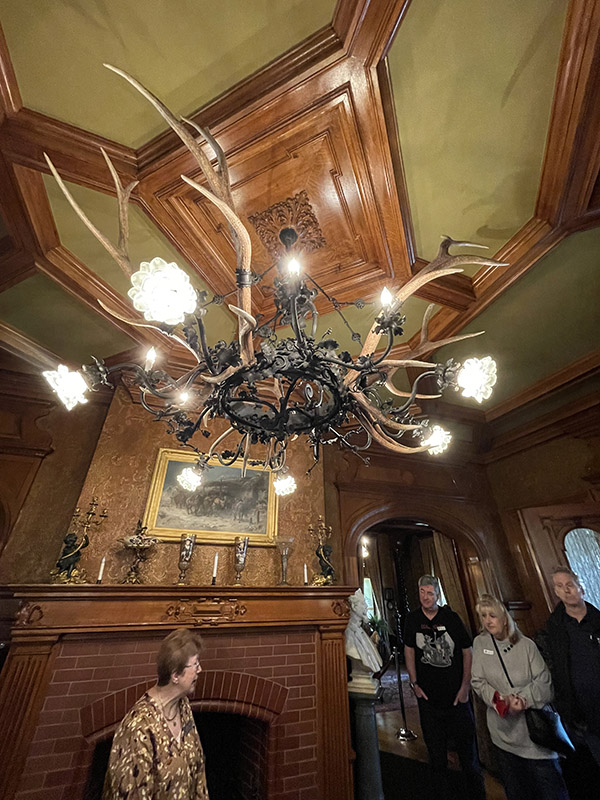
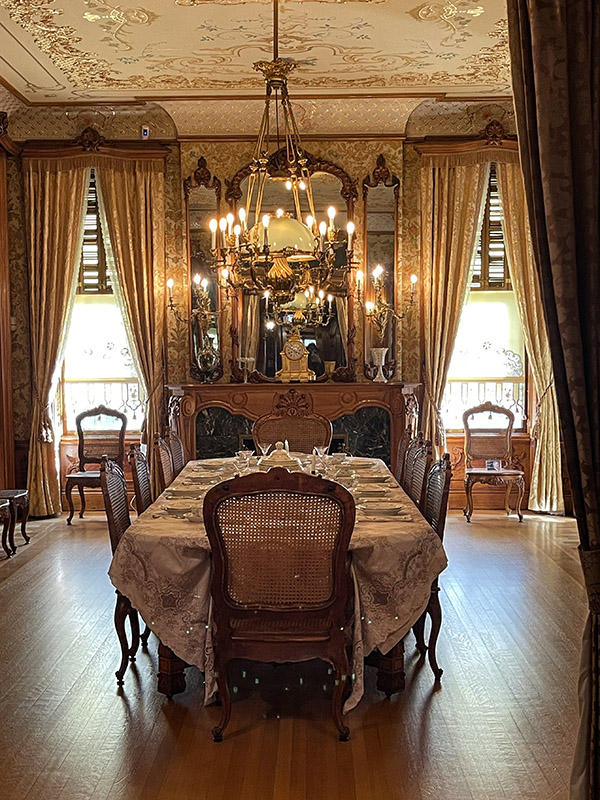
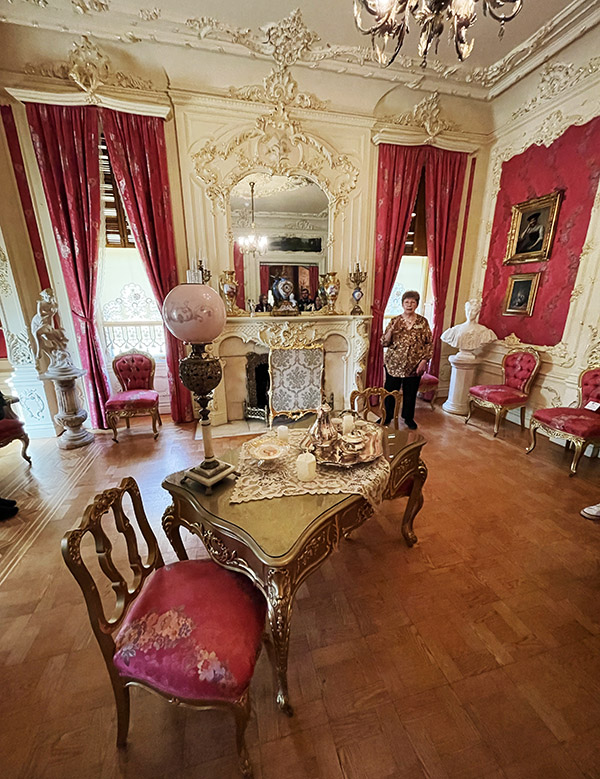
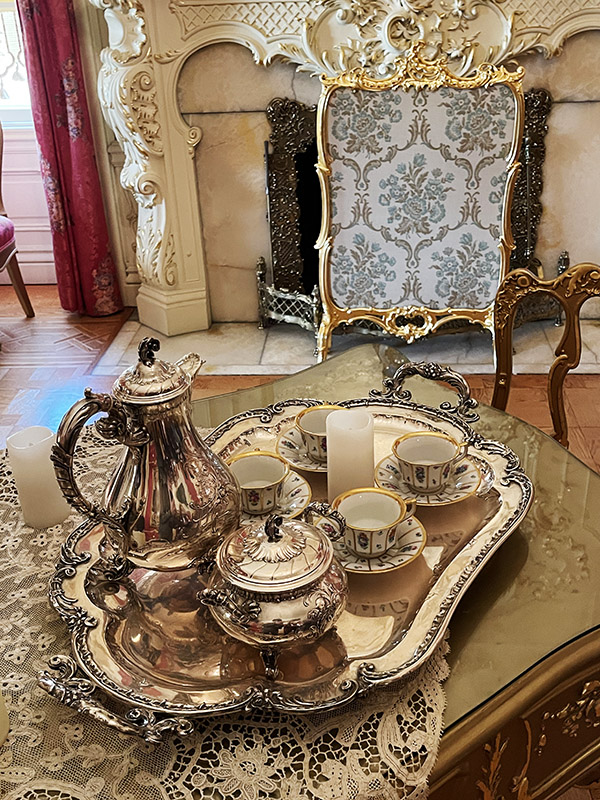
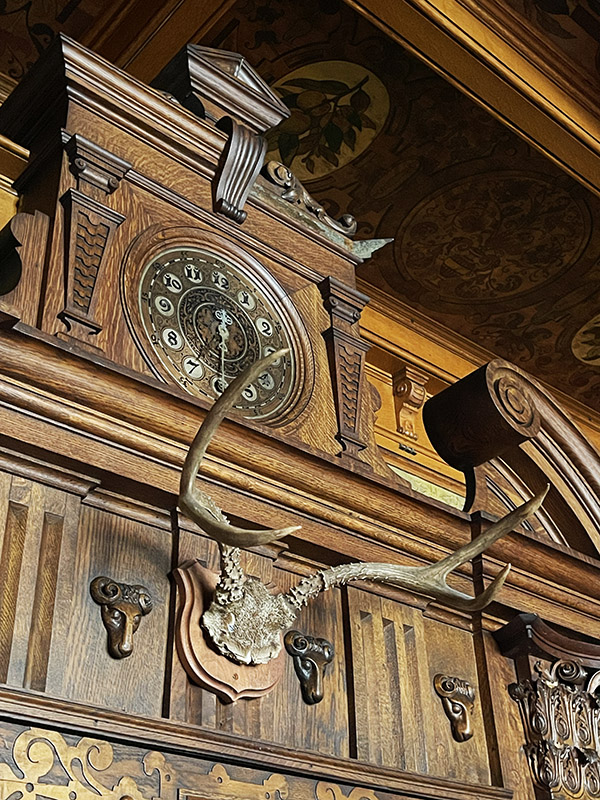
Once inside the mansion, we were blown away by its ornateness, the beautiful wood paneling, and the sheer luxuriousness of it.  As we went through the different rooms, I wondered what it must have been like for the Captain, and then all those archbishops, priests, and nuns to live here.  It must have been grand.
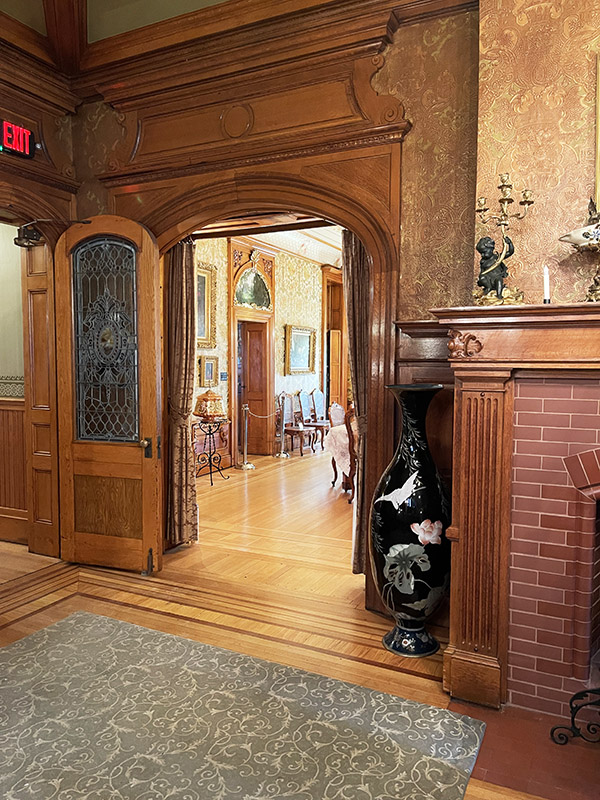
Living there must have been grand.  We had a fun time at the Pabst Mansion.  If you ever find yourself in Milwaukee, the Pabst Mansion is worth a stop.


The other blogs and magazine articles I mentioned that resulted from our visits to Georgia, Wisconsin, and Michigan?  Here they are:

Omer McCants (my battery commander in Korea)
The Harley Museum
The Harley Museum article
Green Bay and the Automobile Gallery article
Green Bay National Rail Museum
Pictured Rocks National Lakeshore
Miller Brewery


Join our Facebook ExNotes page!


Never miss an ExNotes blog:


Help us keep the lights on:


Don’t forget: Visit our advertisers!


Green Bay’s National Rail Museum

By Joe Berk

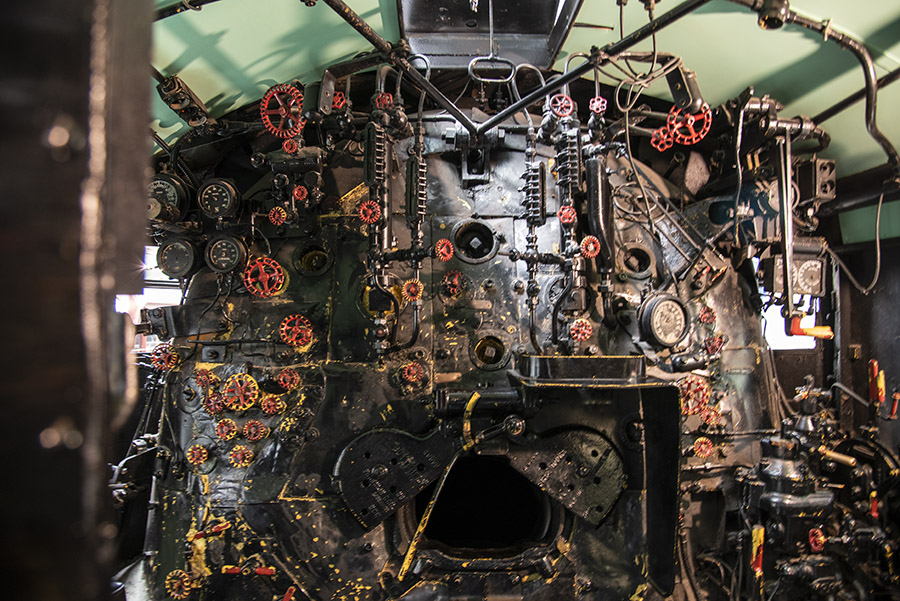
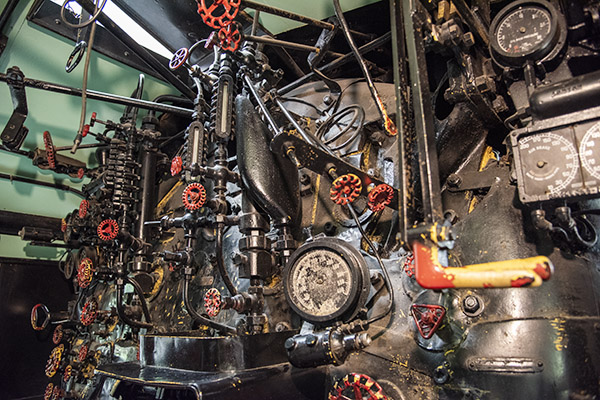
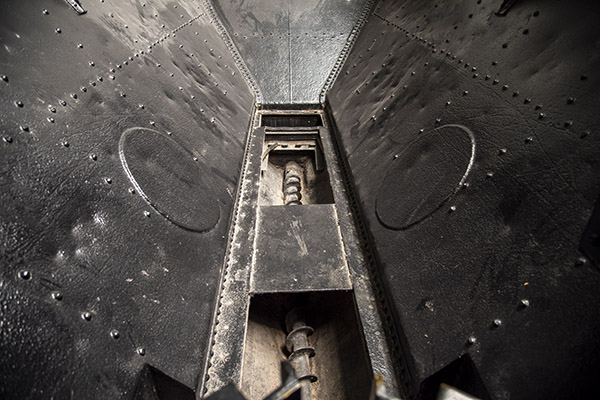
That picture above?  It’s a Big Boy steam locomotive cockpit!  Look at all those valves!


Green Bay, Wisconsin.  Say that name, and most people think of Vince Lombardi and the Green Bay Packers.  And why not?  It’s what the town is known for.  But I’ll let you in on a secret:  Green Bay has one of the best rail museums I’ve ever visited.  I like rail museums, and if there’s one anywhere near where I’m traveling, I’ll stop.  Susie and I wrapped up a trip to Georgia, Wisconsin, and Michigan, and the National Rail Museum made our list. It’s easy to find, and Green Bay is a fun little town.

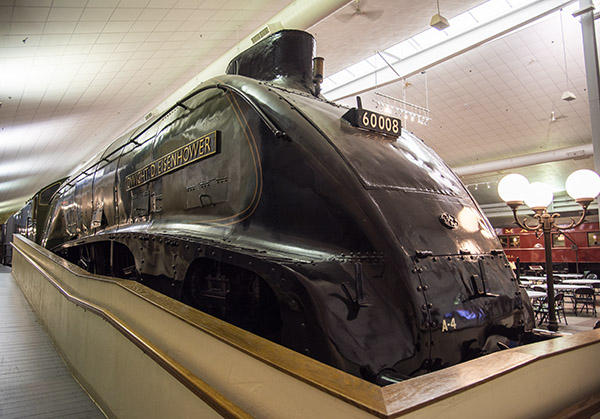
The National Rail Museum has a bunch of small items on display after entering the first building (track maintenance hand tools and the like).  Then it’s on to a hall where the big stuff is kept.  One of the first trains is General Dwight D. Eisenhower’s European train, the one he used as the Supreme Allied Commander during World War II.  It’s big, it’s impressive, and it’s fit for a 5-star general.

The Dwight D. Eisenhower train. It’s dark green and it’s imposing.

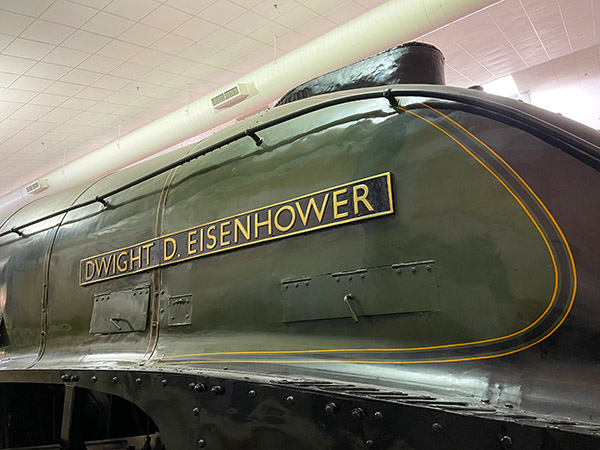
The Eisenhower train was built by the British with a number of features to keep it low key (or so some of the signage said).  The name on the locomotive and the exotic paint theme indicated otherwise.

Not very subtle, I would say. General Eisenhower used this train for getting around the European Theatre of Operations.
The Eisenhower train was built by British Railways. That, my friends, is a cool logo.
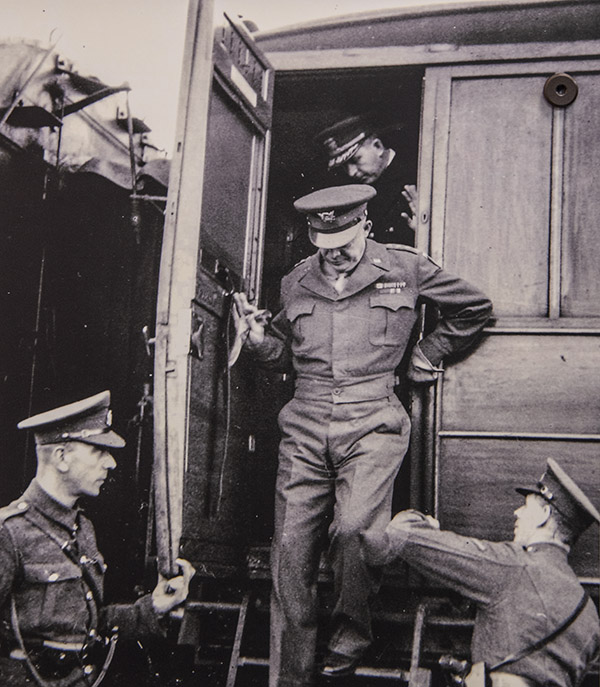
A photo of General Eisenhower leaving his train.
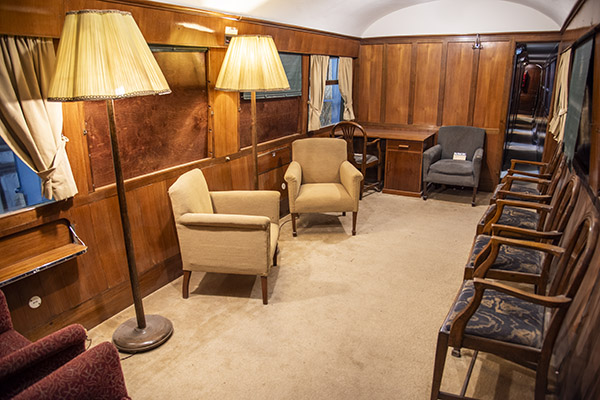
A meeting room on the Eisenhower train.

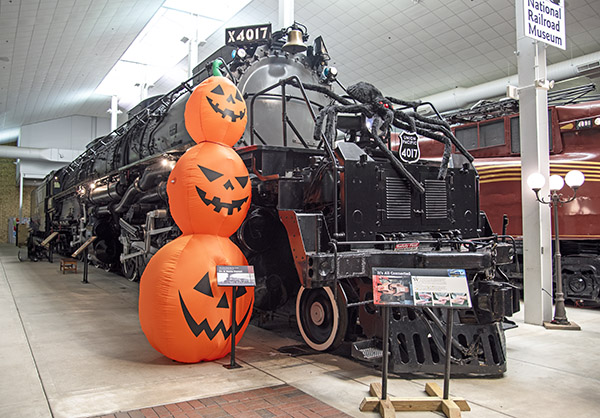
The National Rail Museum has one of the very few surviving Big Boy locomotives.  I’ve seen three (well, actually two, but I saw one of them twice).   One was at the National Steam Locomotive Museum in Scranton, and another was parked at the Pomona Fairgrounds (it’s that one I saw twice).   The first time was when it went from Ogden, Utah, to Pomona under its own power.  It stopped in Pomona, and it was an amazing thing to see.

Big Boy No. 4017. I wish that Halloween decoration wasn’t there. I didn’t want to risk moving it.

It’s hard to put into words just how big a Big Boy is.  Photos don’t really do its size justice.

Signs at the museum told us the temperature in the engineer’s compartment was typically 93 degrees even with the windows open.
A peek into the coal tender. Big Boy locomotives consumed so much coal that a man couldn’t keep up with it, so instead of shoveling coal into the engine, the tender had a worm gear that drove it in.

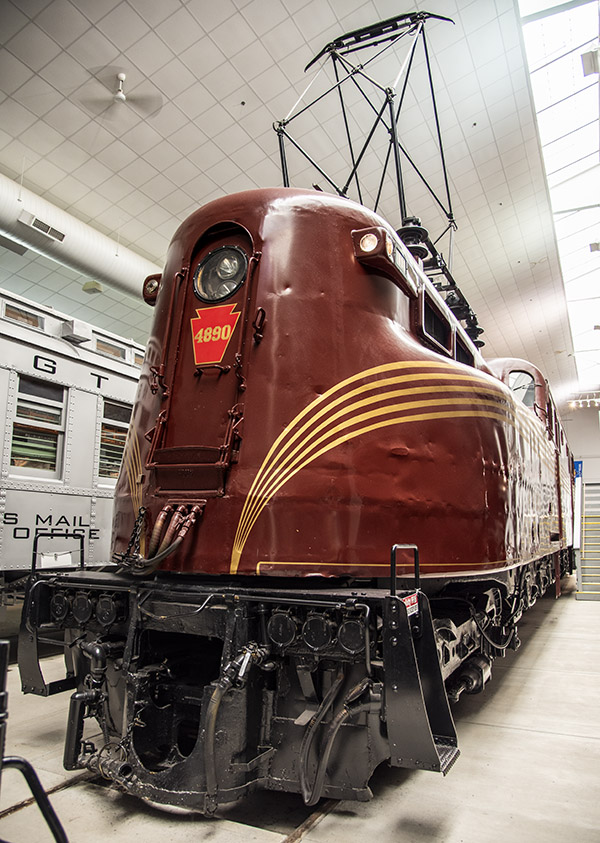
A locomotive that caught my attention was the Pennsylvania Railroad’s GG-1 electric locomotive.  When I was a kid growing up in New Jersey, the Pennsylvania Railroad’s main tracks were only a half mile from my home.  We loved watching those trains scream by, always pulled by a GG-1.  They are gorgeous locomotives.

A magnificent Pennsylvania Railroad GG-1 locomotive. These are beautiful machines. The GG-1 was entirely electric. They drew power from high voltage overhead wires with their pantograph.

From the engineer’s position, the view forward is through one small window.  You really can’t see much of what’s ahead.  That would make me nervous.

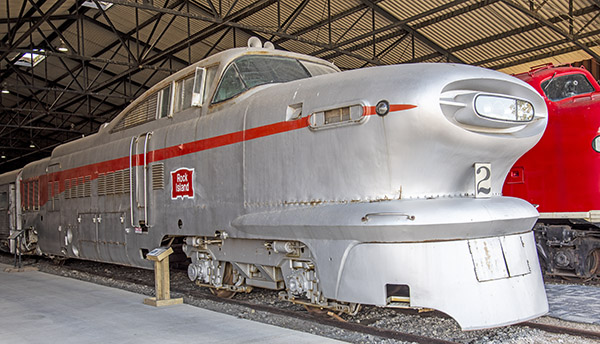
By the 1950s, passenger rail travel was losing favor with the American public.  Airplanes were faster, and with the advent of the Interstate Highway System, most people drove.   The railroads wanted to turn that around.  One attempt involved General Motors designing an aerodynamic locomotive and less expensive rail cars.  GM designed the “Aerotrain” drawing on their styling talents, but the effort flopped.   I’d seen pictures of that locomotive (there were only ever two made), but I’d never seen one in person until this visit.

The General Motors Aerotrain locomotive. It was a beautiful design but a commercial flop.

The Aerotrain story is a fascinating one.  This video explains it.

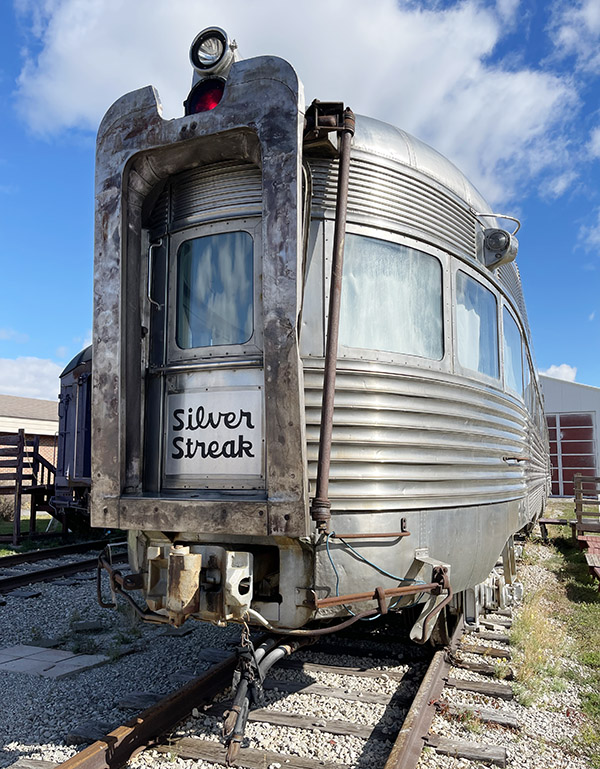
There are plenty of great railroad stories and more than a few great movies.  You might remember the Gene Wilder/Richard Pryor hit from the 1970s, Silver Streak.  It you ever wondered where the last car of that famed train came to rest, wonder no more.

If you haven’t seen the Richard Pryor/Gene Wilder movie of the same name, you need to. You can thank me later.

I’ve been to the Steamtown National Historic Site in Scranton, Pennsylvania, the California State Railroad Museum in Sacramento, Golden Spike National Historic Park (where the Transcontinental Railroad was completed), and now, the National Rail Museum in Green Bay.    All are great stops, and all have great storyies.  I once did a story on Big Boy 4014 when it was in Pomona, California.  Gresh has a couple of rail blogs, too, including the Nevada Northern and the Cumbres and Toltec lines.  Rail stuff is cool.


Never miss an ExNotes blog:


Don’t forget: Visit our advertisers!