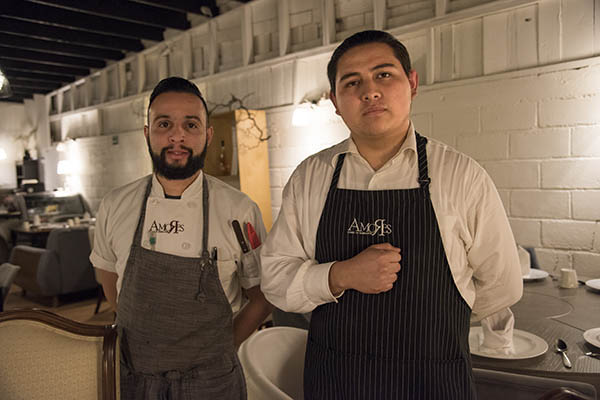
Jonathan and Pablo at Amores in Tecate. You can read about our dinner there in yesterday’s blog. When we asked Jonathan for a Tecate breakfast recommendation, his answer was immediate and unequivocal: Malinalli Sabores Autóctonos!
I wanted a quick overnight trip to Tecate to grab a few photos of the roads into and around the city, and some photos inside the city, for a story I’m writing about the place as a superb moto destination. Sometimes you just have to go with what awaits, though, and what awaited Susie and me on this trip was an unexpected discovery: Tecate is a foodie’s paradise!
So here’s the deal…at the end of our completely world-class dinner at Amores on Friday, I asked Jonathan (the head chef) for a breakfast recommendation. He smiled and said the best place in town, and his personal favorite, was Malinalli Sabores Autóctonos. Jonathan explained that this restaurant not only prepared regional specialties, but they had researched historical specialties from all over Mexico and their breakfasts were superb. I asked how to get there, but I was feeling the effects of the huge glass of Cabernet and my five-course Amores dinner, and I was only half-listening to Jonathan’s directions. They were complex, and he was giving me street names and directions I couldn’t follow. All of sudden, Susie jumped in because she heard something I missed. “The Hacienda Hotel?” she asked. “That’s where we’re staying!”
Talk about a small world…I had stayed at the Hacienda Hotel several times before, and I never noticed the Malinalli Sabores Autóctonos restaurant. I think that’s because I usually check in at night, and I’m on the road early the next morning. Sometimes you need to slow down and smell the roses, I guess. The next morning (yesterday morning), Sue and I enjoyed one of the best breakfasts ever in our new good buddy Alicia’s Malinalli Sabores Autóctonos. It was wonderful. They opened at 8:00 a.m. We were waiting at the door when they did so.
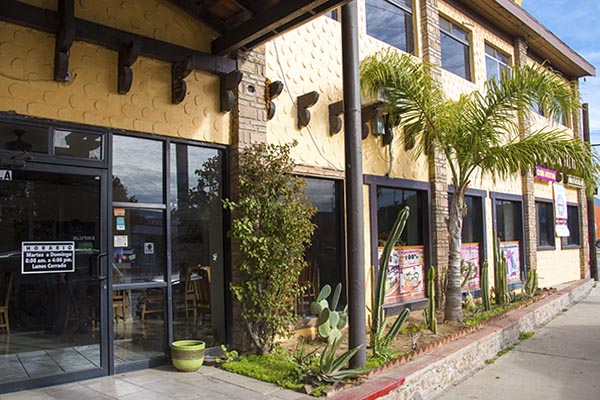
The Malinalli Sabores Autóctonos restaurant. It shares a driveway and parking lot with the Hacienda Hotel, my favorite in Tecate.
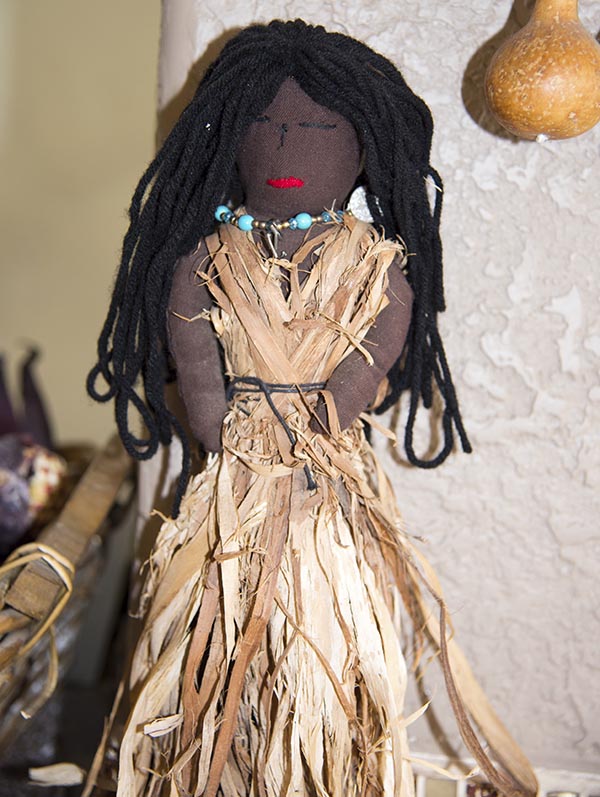
Alicia’s restaurant specializes in authentic dishes as mentioned above, and in using varieties of corn for their tortillas, empanadas, and other dishes from different regions of Mexico. The restaurant also emphasizes the culture of the Kumiai Native Americans, a tribe from the Tecate area (something I was not aware of prior to our breakfast yesterday).
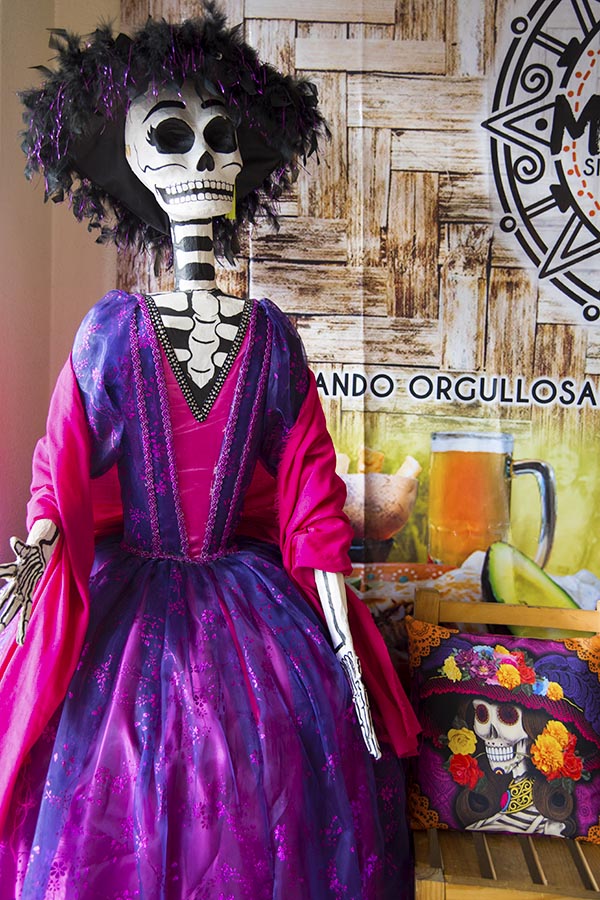
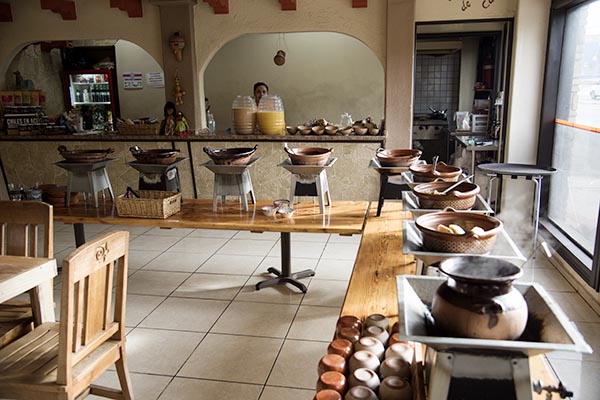
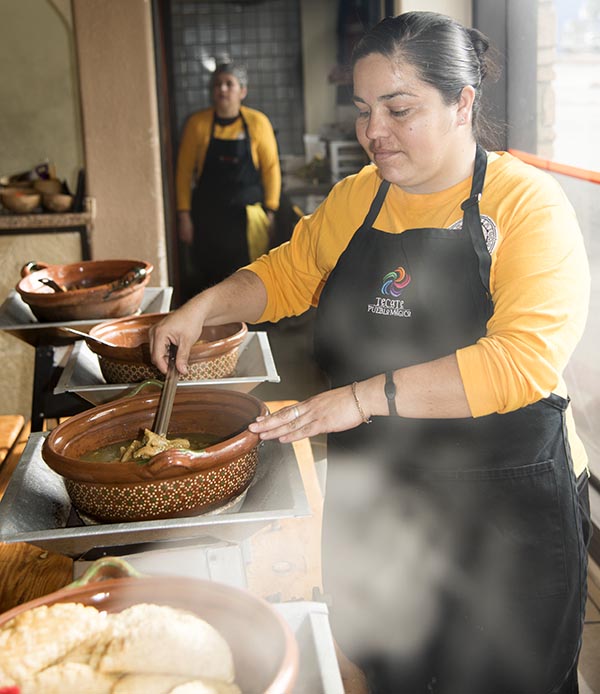
A Kumiai doll on display inside the Malinalli Sabores Autóctonos restaurant.Artwork abounds in the Malinalli Sabores Autóctonos restaurant. We saw this young lady as soon as we entered.The buffet line awaits. The aromas were inspiring. I thought I was hungry when we entered; the feeling intensified when we encountered the selections. The coffee was extra special (more about that in a bit).Maria, one of the friendly folks who took care of us yesterday morning. The steam and flavors were intoxicating.
So, about that buffet…allow me to share with you just a few photos of the Malinalli Sabores Autóctonos selections…
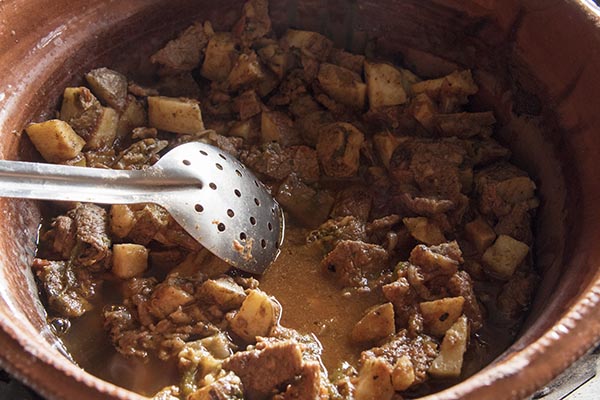
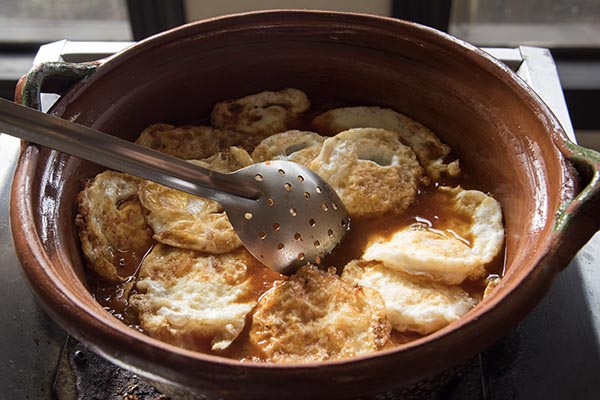
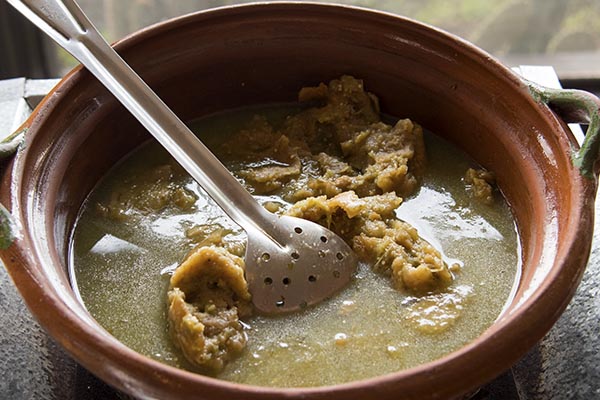
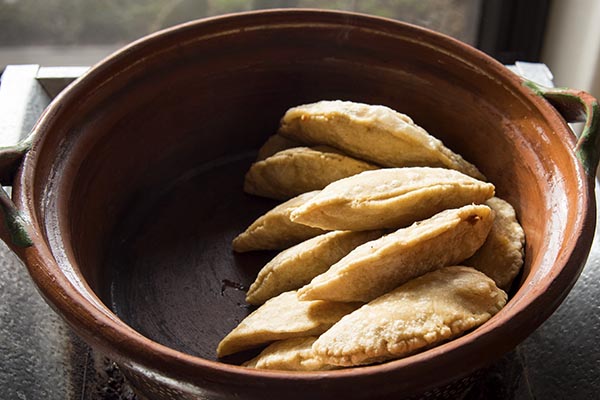
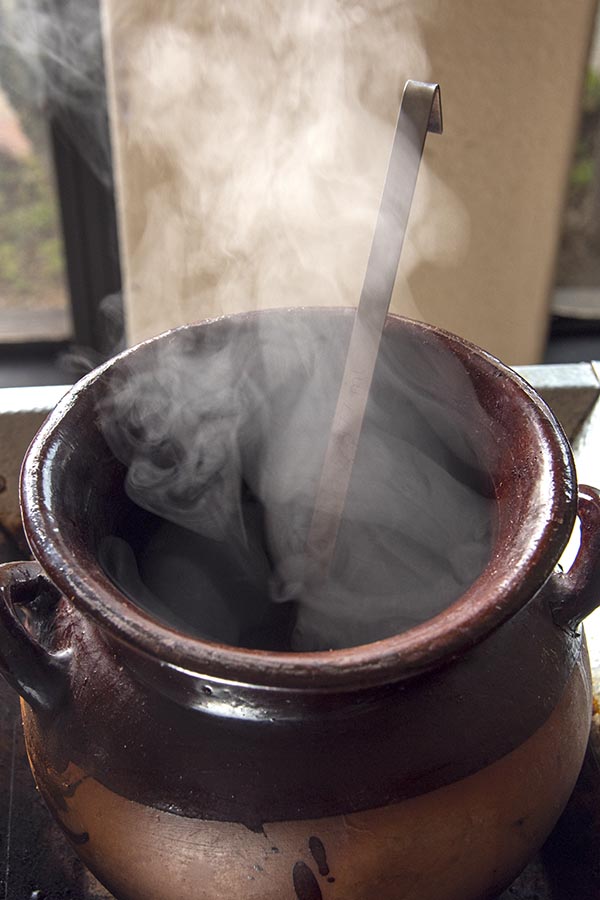
A beef dish. It looked (and tasted) wonderful. I could do a photo essay just on the buffet line.Eggs, prepared the way I like. Malinalli Sabores Autóctonos also offers omelettes prepared to your tastes with a variety of authentic ingredients, but the buffet line was so overwhelming we decided it alone was enough. It was more than enough, actually.A pork selection. I had pork the night before and I didn’t sample this, but it smelled delicious.Cheese empanadas, with a pastry shell that provided flavors that were out of this world. A few minutes later, Maria brought out more…and they were chicken empanadas. They were delicious.Coffee, Malinalli Sabores Autóctonos style. There were clay cups in from of this pot, and you ladled the coffee into your cup as if it were soup. The coffee has cinnamon and brown sugar already mixed in. It was unquestionably the most exotic and most delicious coffee I’ve ever tasted. Wow, was it ever good!
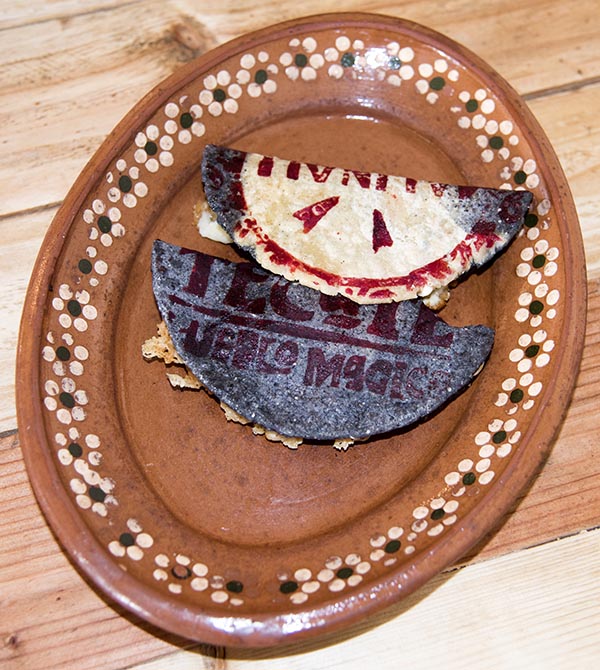
Sue and I were lost in the grandness of our morning meal, and we both commented on our surprise that Tecate had such incredible restaurants. While we enjoying our buffet selection, Maria brought a plate with their specialty corn tortilla shells and eggs. It was yet another delicious and unexpected treat…
Thick, fluffy, regional corn tortillas caressing fried eggs. What a treat!
We met and spoke with Alicia, the Malinalli Sabores Autóctonos owner, after our fabulous breakfast. Alicia told us the story of her restaurant. Her pride in what she was doing was evident. It was a grand experience.
You might be wondering…what did this magnificent morning meal set us back? For both of us, it was $11.13. That’s US dollars. Not only was Tecate proving to be foodie paradise, but the prices were stunningly low. $11. Wow!
Folks, trust me on this…time in Tecate has to be on your bucket list!
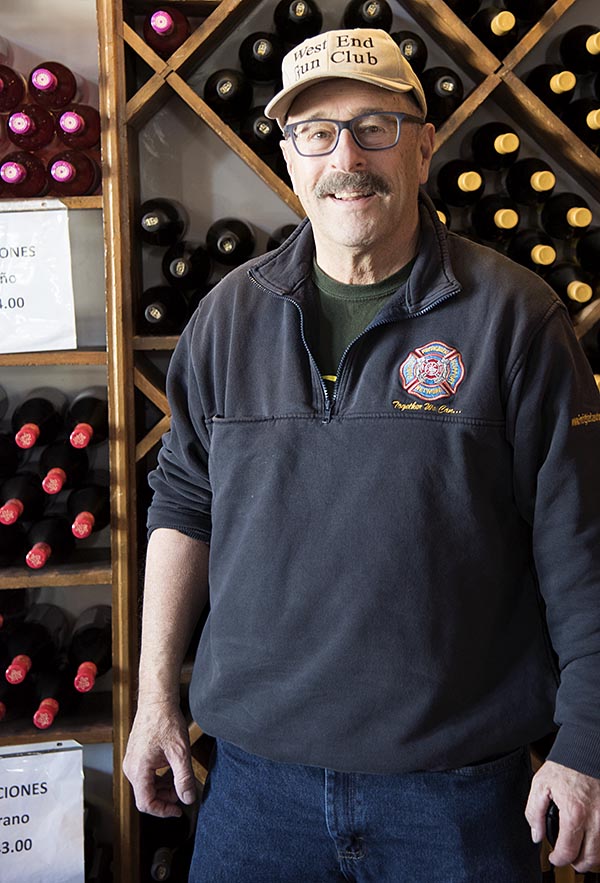
Hey, on another topic…here are a few updates from our advertisers. For starters, you can bet I wore one of my R Heroes USA shirts on this trip, as I knew we might hit some cold weather. Here’s a photo Susie snapped of yours truly as we went deeper into Mexico later that day at one of the Ruta del Vino wineries…
Do I have a career as a male model? I think not, but this photo in the L.A. Cetto Winery shows my R Heroes USA workshirt well. I’ve been wearing this shirt for 10 years!
I wanted to mention that if you’d like to purchase one of these grand shirts, here’s the link to see. It will take you to a page that finds your closest R Heroes retail outlet. Trust me on this, folks…if you ride, you need one of these shirts in your life!
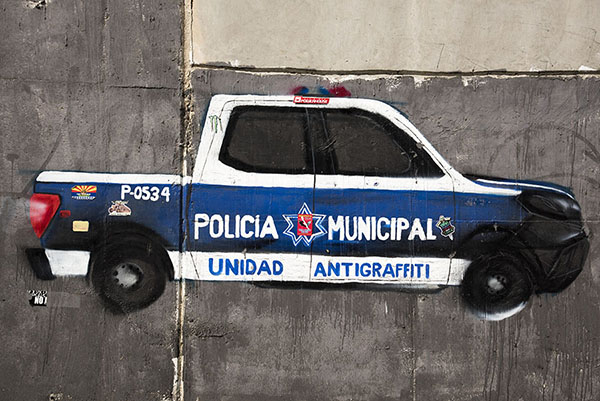
A Mexican police officer in a truck just like this one came over and directed me to get into another line. If he had wanted to see my insurance papers, BajaBound had me covered.
Next topic…I was sure glad I had my BajaBound insurance on this trip. It’s what I use on every trip across the border. Bajabound is inexpensive, it’s good (I know guys who needed to submit claims and they pay promptly), it’s easy to get online, and it’s required. You have to have Mexican insurance when you visit Baja. We had a Mexican police officer direct us into a different line as we waited to cross back into the US yesterday. I felt secure in the knowledge that if he wanted to see my insurance paperwork, I was covered!
And hey, more good stuff…our good buddies at RoadRUNNER magazine are hooked up with Blue Rim Tours, and they are offering an amazing Four Corners Tour later this year. Having visited the places this tour touches on, I know this is going to be a good one.
And folks, that’s a wrap. The rains have returned to So Cal. We had a nice window of good weather, and the Tecate trip was a blast. Stay tuned…there’s more good stuff coming your way!
Yep, we’ve added a few new header images at the top of our blog again. Every once in a while we like to add a few more, and on occasion we’ll blog about what they are. Every time you visit the blog, one of a dozen or so images randomly pops up at the top of our blog. If you’ve wondered what they are, today is the day your ship comes in! Here’s a brief explanation of each…
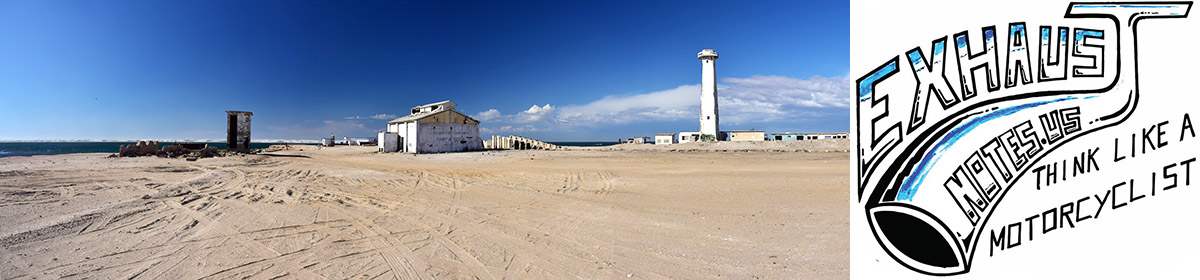
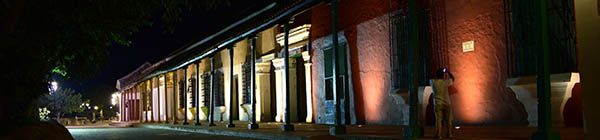
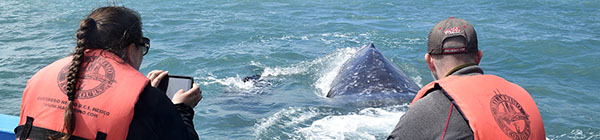
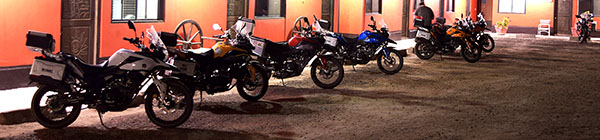
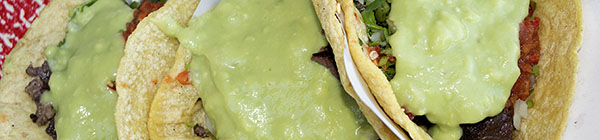
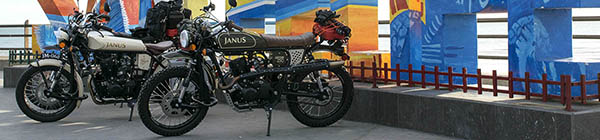
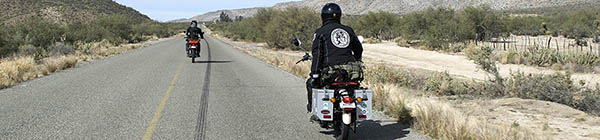
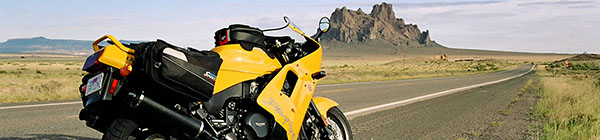
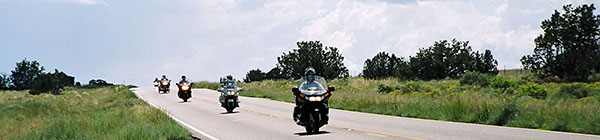
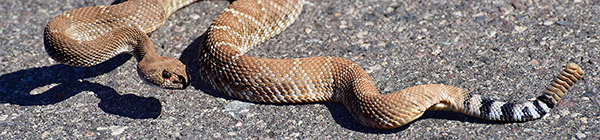
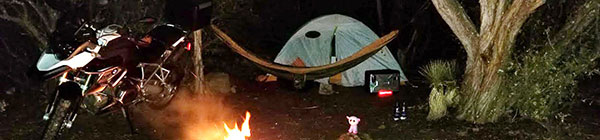
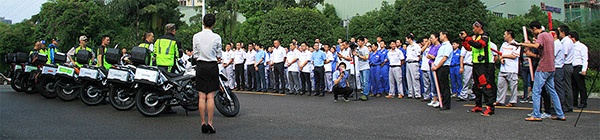
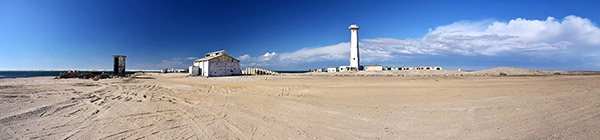
This is the original ExNotes blog header image, which will still pop up from time to time. I love this photo. I took it on the ride through Colombia in Mompox, a mystical town tucked away in a magic land. I’d like to invite you to read the blog I wrote on Mompox a few months ago. If you look real close, you’ll see my good buddy Juan, who I rode with in Colombia and on the CSC Western American Adventure Ride.Ah, the whales Scammon’s Lagoon, Guerrero Negro, Baja California Sur. Gresh and I are going to ride there in March. It’s one of life’s real treats. We’ll be blogging the entire trip, and we’ll be insured with BajaBound Insurance (the best there is).Wow, another Guerrero Negro photo, this time after the bikes had been put away for the evening at the Don Gus Hotel. I love the hotel and the restaurant (and the bar, too!) at the Don Gus Hotel. This was on one of the CSC Motorcycles Baja adventure rides.One of the best parts of any Baja adventure ride is the cuisine. These are tacos we enjoyed on the recent ride with Janus Motorcycles. The food down there is fantastic!Janus Motorcycles parked along the Malecon in San Felipe. This was a great Baja ride, and the Janus machines performed perfectly. It was a grand adventure. Hell, they all are!A photo of Jordan Swartzendruber (on the left, hugging the center line) and Devin Biek (on the right), both on Janus Motorcycles. We did about a thousand miles in 4 days on these 250cc motorcycles. It was one of the coldest rides I’ve ever done, but we had a grand time!Ah, my old Daytona 1200 on the road near Shiprock, New Mexico. I grabbed this photo during the 2005 Three Flags Classic Rally, in which good buddy Marty and I rode 5,000 miles from Mexico through the US and on into Canada. It was a grand adventure!This is another photo from the 2005 Three Flags Classic, somewhere on the road in Arizona. There were over 400 motorcycles in the ’05 TFC; I rode the only Triumph in that event!A lot of folks get their shorts in a knot when they see this photo. It’s Elmer, my good buddy and mature Mexican rattlesnake catching some rays and staying warm. We were on the road to see the Sierra San Francisco cave paintings in Baja. Elmer was very cooperative that morning, and I got some fantastic photos of him.Good buddy Mike Huber shot this photo of his campsite and he graciously allowed us to use it on the ExNotes blog. Mike wrote a guest blog for us on using hammocks. Mike lives on his motorcycle, camping wherever he finds a good spot. What a life!At Zongshen plant in Chongqing, China. We were moments away from starting our motorcycle ride across China, and the Zongers had a departure ceremony for us. That was one of the greatest rides I’ve ever been on, and you can read all about it Riding China. Gresh rode that one, too, and you can read his story about the trip here!The lighthouse in Baja’s Guerrero Negro. It’s where we go to see the whales. This is an interesting photo…it’s a composite stitched together from six photos shot from left to right. I had a polarizer on the camera, which explains why the sky is darker in some portions of this composite.
Good times, to be sure. We’ll be adding more photos in the future, so stay tuned. Keep coming back to the ExNotes blog and you’ll see a different header time each time you visit!
A few years ago when visiting the Zongshen plant in Chongqing, I spotted an RX3 set up as a police bike. It caught my eye for several reasons. First and foremost, it was a snappy looking motorcycle. I had written the police motorcycle book a few years ago and I was naturally interested in any police motorcycle. I thought (mistakenly, as it turned out) that there might be a market for such a machine in the US. And finally, I was interested in the bike because of something I had discovered while researching police motorcycles: Police motorcycles generally had beefed-up electrical systems (particularly with regard to alternator output) because of the added demands of sirens, emergency lights, radios, and more.
I asked my good buddy Fan about the electrical issues on the 250cc RX3 police bike, and he told me that the police version had a 300-watt alternator (the standard bike had a 220-watt alternator). The standard 220 watts wasn’t bad, and that was actually more than the ’06 KLR I owned at the time provided. ADV riders like big alternators, because we add stuff like driving lights, heated vests, heated grips, cell phone chargers, and more. At the time, I was coordinating the first CSC RX3 order, and I asked if the police alternator could be had on the CSC civilian bikes. “Sure, no problem,” Fan answered. That was a big deal, and it cinched the sale for more than a few riders when CSC brought the RX3 to America.
I was still pumped about the police bike, though, and I convinced CSC to bring the RX3-P to the US for a trial marketing period. You can see my enthusiasm in the video we put together on the bike…
I thought the idea of a 250cc, urban-oriented police motorcycle made a lot of sense for the United States, but it wasn’t to be. We shipped a bike to the NYPD (I knew they used Vespa scooters, and the RX3-P cost a hell of a lot less than a Vespa), we loaned a bike to a California police agency up north, and I called and visited a bunch of police departments. It was a lot of fun, and I enjoyed riding the RX3-P to visit agencies in So Cal. Traffic just opened up on the freeway. Nobody tailgated me. I put my blinkers on and people slowed to make room for me to change lanes. Traffic generally dropped to the speed limit wherever I went. At one of the agencies, a police captain told me I wasn’t supposed to be riding around with police emergency lights and such on the bike. “It’s okay,” I told him. “I only put that stuff on if somebody won’t move over or if they’re really being an asshole.” We had a good laugh about that.
My enthusiasm notwithstanding, I couldn’t close the deal with any of the police departments. There were a variety of reasons, mostly centered around the RX3-P’s newness and the fact that US motor officers like big bikes (Beemers, Harleys, Honda’s ST1300, and the like). Or maybe I was just a lousy salesman. Who knows?
There are a lot of good reasons for a smaller police motorcycle with offroad capabilities and Zongshen wanted to make it happen, but it just wasn’t meant to be here in the US. That’s unfortunate. A Zongshen police bike is about the same price as a civilian RX3 (roughly $4K); a new Harley or BMW police motor is five to seven times that amount. And the maintenance costs on a police motorcycle are very high. The needs brakes, clutches, and tires about every three months, and most agencies have that work done at a Harley or BMW dealer (places not known for their low service fees). One of the police execs I spoke with told me it actually costs a department more to keep a police motorcycle on the road than a police car. Do the math.
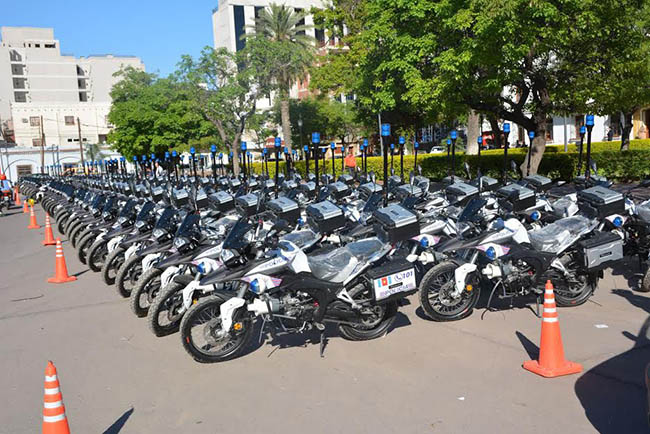
We publicized the bike big time on the CSC blog, and I think that got noticed around the world. The RX3-P found a home with several large police departments in Asia and South America. That’s a good thing, because it’s a great bike. I’d still like to see it happen here in America. I imagine Zongshen will introduce a police version of their RX4, and maybe that larger bike will have a better chance at breaking into the US police motorcycle market. Someday. Maybe. We’ll see.
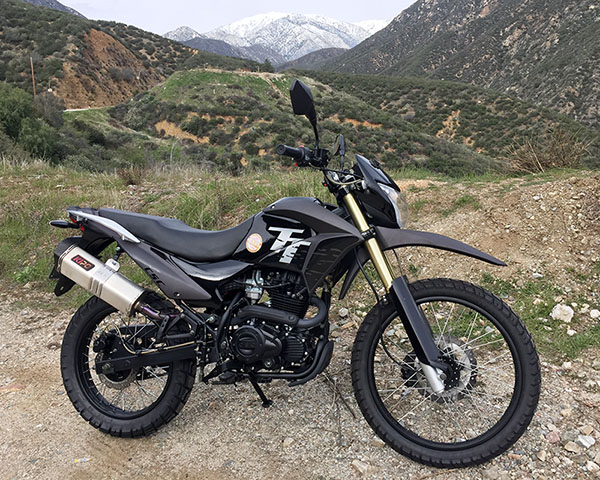
My mighty CSC TT250 posing in a turnout on the way up to Mt. Baldy. These are great motorcycles.
We had a short break in the near-nonstop rains here in So Cal, and that meant two things to me: Get out for a motorcycle ride, and get to the rifle range. That’s two separate things (it’s a bit of a challenge to carry a rifle on a motorcycle), so let me just post a photo or two from my motorcycle ride.
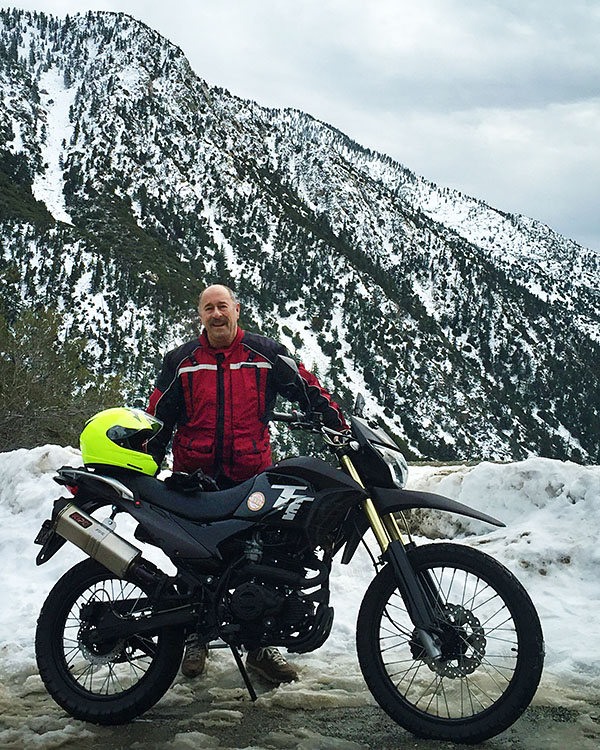
When it rains in So Cal in the winter time, it’s snowing in the mountains, and the San Gabriels looked mighty inviting. I needed to get my knees in the breeze and I recently had good buddy Joey D put new tires on my TT250. I wanted to see how the new tires felt, and a quick run up to Mt. Baldy would be the perfect way to do that. I’m here to tell you I really like the TT’s new treads. A lot.
Yeah, I know. It’s the title of this blog.
While I was taking photos with my cellphone, a young lady pulled into the turnout in a 3-Series BMW M car. She asked if I wanted her to take my picture with the bike. Hey, why not? I probably should have grabbed a photo of her with the BMW, but I always seem to think of these things too late.
I stayed nice and warm on my ride up to Mt. Baldy, as I was wearing my R Heroes USA workshirt under my moto jacket. It felt great to get on the bike again, and the ride was made all the better by the crisp mountain air. Good times.
Regarding time on the rifle range, that’s a topic for another blog. Stay tuned!
Our good buddies at Janus Motorcycles have a special deal for ExhaustNotes readers…if you mention ExhaustNotes when ordering a new motorcycle, Janus will give you a free polished stainless steel exhaust upgrade (or anything else of equivalent value). Just click here to get to the Janus order page.
I had a grand time on the Janus Baja adventure ride, and these are unique motorcycles. Janus motorcycles are handcrafted gems with an exquisite fit and finish, and they gather crowds wherever they go.
Devin Biek, one of the Janus co-founders, putting a Gryffin through its paces on our Baja adventure ride.
Here’s more news, this time from CSC Motorcycles. CSC has announced new colors for their 2019 TT250 motorcycle, which include subtle letter decal color changes on the white and black versions of the bike, and an all new blue color (a first on the TT250).
The 2019 TT250 colors. The 2019 bikes should be in the US in a couple of weeks.
These are cool colors on the new TT250s, and at $2,195, this motorcycle has to be one of the best deals on the planet. I have a black one and I love the bike. To get to the CSC order page, you can click here.
Every once in a while we see deals that are noteworthy enough to get the word out to our ExNotes blog readers, and right now, the word is this: CSC is offering big savings on the TT250 (a $200 price drop to $1995) and the RX3 (a whopping $700 price drop to $3495). Both are great bikes. I know because I rode the TT250 through Baja, and I rode the RX3 across America, Baja, Colombia, and China. If you’ve been on the fence, folks, these are deals you’ll want to jump on. But hey, don’t take my word…watch Joe Gresh’s video on the RX3, and Each Adventure’s video on the TT250…
Want to make sure you never miss an ExNotes blog post? Sign up for our email updates in the widget you see to the right (if you’re on a laptop) or at the bottom of this post (if you’re on a smartphone). We’ll never give your email to anyone else, and you’ll automatically be entered in our quarterly moto-adventure book giveaway!
It doesn’t happen often, but when it does, it’s an easy fix. You know the drill…you open your fuel petcock on a carbureted bike, and a few seconds later you smell gasoline. And then a few seconds after that you see fuel on the ground, dripping from your bike. Most of the time, the culprit is a stuck fuel float valve in the carb’s float bowl.
In the old days, before there where vacuum lines and multiple cylinders and all kinds of complications, getting to the offending valve was a relatively easy fix. There would typically be three Phillips-head screws holding the float bowl to the carb, they came out, you gently pulled the pin holding the float to the carb, and the valve mechanism dropped out into your hand. You might see a bit of debris that held the valve open, or you might not.
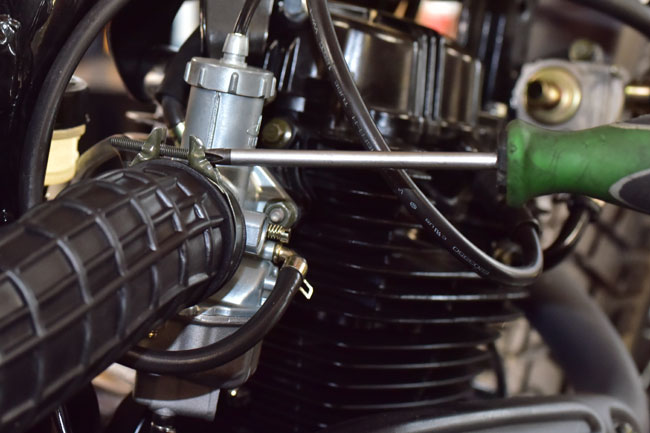
The carb on a TT250. Getting to the three screws securing the float bowl to the carb body was a bit of a bitch.
Weirdly, in our world of fuel injected, multi-cylindered motorcycles, this happened to me twice in just the last few weeks. Once was at the very beginning of a Baja trip, and the other was just a day or two ago on my TT250. The fix was easy both times, except for access. Even on our simple single cylinder carbureted machines, the manufacturers have made getting to the float valve challenging. On my TT250, I had to loosen the clamp securing the rubber passageway from the carb to the airbox, pull that passageway away, and then remove the two nuts securing the intake manifold to the cylinder head. All this was just to get the carburetor away from the engine a bit so I could turn it enough to get access to those three little Phillips head screws on the float bowl. After I did that and I pulled the float (which works exactly like the one in your toilet bowl, which works exactly like the one in a wing-mounted F-16 drop tank, but that’s a story for another blog), the float valve dropped out. Sure enough, there was a bit of rubber debris (or was it detritus?) on the valve. I flicked it away, reassembled the thing, and oila, no more fuel leak.
The trick for me on a go-forward basis is to find a very tiny, very short Phillips head screwdriver that will allow me to get the thing under the float bowl with the carb still on the bike. That will turn a 20-minute job into a 20-second job the next time this happens. It’s off to Harbor Freight for me. I’ll keep you posted.
Wow, it has been pouring here for the last week, with little respite other than this past Sunday. Sunday was nice. Every other day this week and the tail end of last week has been nonstop rain. Big time. Buckets full. And my iPhone just started buzzing with a flash flood warning for this area. Wow again.
So I’m sitting here at the computer, enjoying a hot cup of coffee, looking out the window, and I’m thinking about what it’s like to ride in the rain. We’ve all had those rides. Those memories stick in my mind. I remember every one of those rides like they happened yesterday.
The first was the return leg of my first international motorcycle foray, when good buddy Keith Hediger and I rode up to Montreal and back. That was in the early ‘70s, and we didn’t call them adventure rides back then. They were just motorcycle rides. I was on a ’71 CB750 and Keith was on a Kawi 500cc triple. It rained the entire length of Vermont at about the same intensity you see in the video above. We had no rain gear. It wasn’t cold, but it sure was wet. We were soaked the entire day. Wouldn’t trade a minute of it. It was a great ride.
Another time was on the second ride I ever did in Baja with good buddy Baja John. It was pouring when we left at 4:00 a.m., and it didn’t let up for the entire day. I was on a Harley then, and we finally stopped somewhere around Colonet to checked into a cheap Baja hotel (a somewhat redundant term, which is becoming less redundant as Baja’s march in to the 21st century unfortunately continues). Leather, I found out on that trip, makes for lousy rain gear. I went hypothermic, and I had the shakes until 4:00 the following morning. It made for a good story, and the rest of that trip was epic. Down to Cabo, back up to La Paz, on the overnight ferry over to Mazatlan, out to Puerto Vallarta and Guadalajara, back up to Nogales, and a thousand-mile one-day dash to make it home on New Year’s Eve. Wouldn’t trade a second of it.
Riding with Marty on the ’05 Three Flags Classic, we were caught in a downpour the second day out as we rode along the Dolores River in Colorado. It was a magnificent ride, with Marty on his K1200RS and me on my 1200cc Daytona. It wasn’t a drizzle. It was a downpour, just like you see in the video above. I remember it vividly, and I wouldn’t trade it for anything.
Colombia had lots of rain, but it only hit us hard on the very first day. It was raining hard that first morning as we rode out of Medellin and into the Andes early on that fine Colombian morning, but it lightened up by breakfast. I had real rain gear and the only issues were visibility and passing 22-wheelers on blind curves, as my Colombian riders did with gleeful abandon. Exciting times. But good times, and certainly ones I remember. Colombia was an adventure for the ages. I wouldn’t trade a second of it for anything else.
I’d have to say the heaviest rains I ever rode through were in China, where it rains a lot. It probably rained 25% of the time on that trip, and the first few days were the worst. Imagine riding up into the Tibetan Plateau, in the dark, on dirt roads, in rain way heavier than what you see in the video above. That’s what it was like, and I loved every mile of that ride. I wouldn’t trade it for anything else on the planet.
You might be wondering…why no photos? Well, the simple truth is that my cameras on each trip were tightly wrapped in plastic bags, and I wasn’t about to break them out in the rain. That’s something I guess I forgot to mention in my earlier blog about what to bring on a Baja trip: Garbage bags. They take up almost no space when you’re not using them, and they work great for keeping stuff dry when you ride in the rain.
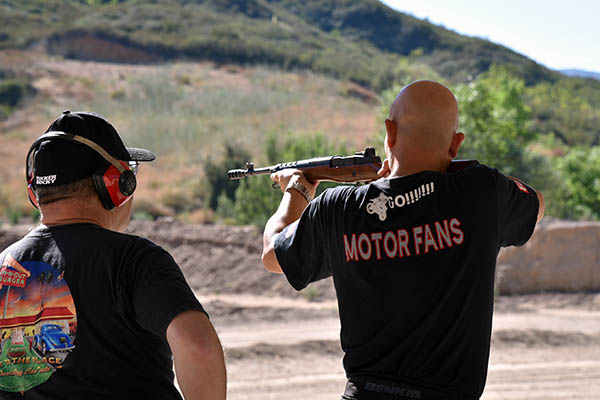
Lester, one of our Chinese guests, drawing a bead with a Ruger Mini 14 at the West End Gun Club. Photo by Ying Liu.
If you do, sign up for our free email updates. You can do so with the widget to the right (if you’re on a computer) or at the bottom (if you’re reading this blog on a mobile phone). At the end of March, we’ll pick a name from the folks on our email list and that lucky person will get a free copy of one of our moto adventure books. In the meantime, here’s one of my favorite chapters from 5000 Miles At 8000 RPM, one of our best selling books. The background is this: We had a bunch of folks coming over from China and Colombia (huh, Colombia?) to ride with us from LA to Sturgis to Washington and Oregon and back to LA along the Pacific coast, stopping at every National Park and hitting the best roads along the way. It was a hell of a ride. But the events of a trip to the rifle range and a nearby Bass Pro store were equally as interesting.
The Chinese and the Colombians all arrived around the same time, and they all came in through Los Angeles International Airport. Steve and I met our six Chinese guests as they arrived. I’ll take a minute here to introduce everyone.
Hugo was the first to arrive. Hugo is a Zongshen employee, and he is the Zongshen representative and sales manager assigned to Colombia. Colombia is Zongshen’s largest export customer, and Zongshen keeps a full time representative in that country. Hugo came to us as a result of the US government denying entry visas to the original Zongshen people who planned to accompany us on the Western America Adventure Ride. I liked Hugo the instant I met him. He’s a good guy.
I should also tell you at this point that our Chinese guests’ names may be a little confusing. The Chinese use their family name first, and their given name second. Hugo’s real name is Ying Liu, so Ying is his family name and Liu is his given name. I read that and I called Hugo “Ying Lew.” He laughed at my pronunciation and told me how to say it correctly. I tried a couple of times and then dropped any pretense of being culturally sensitive. Hugo it would be.
A lot of the Chinese adopt an English name to make it easier for big dumb Americans like me to communicate with them. It’s a nice move on their part. I’m telling you all of this so you’ll realize that some of the guys have Anglicized names, and some have Chinese names. You’ll get the hang of it as the book progresses.
The next flight brought Lester, Tony, Tso, Kong, and Kyle to us.
Lester is a tall man who looks just like Yul Brynner in The King and I. He’s a physical fitness instructor in a primary school in China, and he also owns a very successful motorcycle and bicycle luggage manufacturing company in China. Lester spoke English well. He is a prominent blogger in China on their premier motorcycle forum. Lester blogged about our trip extensively while we were on the road.
Tony is a celebrity photographer. He owns several motorcycles and his photos are widely published in China and other parts of Asia. He’s an interesting man. You’ll see him holding a small stuffed dog in my photos. That’s MoMo, a mascot who has accompanied Tony to more than 20 countries.
Tso would emerge as the quiet one in our group. He stuck with his Chinese name (it’s pronounced “szo” with a hard “sz” sound). Tso is another industrialist; he owns a motorcycle clothing company in China. He was wearing his company’s motorcycle gear, as were several of the other Chinese riders.
When I met Kong, I immediately told him that from this point forward on our ride, he would be “King Kong.” The Chinese got a big laugh out of that. They all knew the movie and they all liked Kong’s new name. Kong is a prominent automotive journalist in China.
Kyle had an English name, but he didn’t speak much English. He is an advertising designer and executive, and his customers include the big oil companies in China. Kyle was a lot of fun, and he sure could work wonders with a video camera.
I asked Hugo how Zongshen selected these guys for the Western America Adventure Ride. I didn’t understand everything he told me, but I think it was based on their motorcycling experience and a contest of some sort Zongshen had held in China. Each of these guys has a huge media following in China. They were all what I would call high rollers. These folks owned their own companies and were well-known writers and bloggers in China.
The two Colombians also met us at the airport that night. Their participation in the ride was a last minute arrangement. I received a Skype message from Hugo about a week before the ride asking me if the Colombians could accompany us. It was a surprise to me, but I didn’t have a problem with it. I thought they would be AKT employees, but they weren’t.
Juan Carlos, one of the two Colombians, owns the only motorcycle magazine in Colombia. He’s a tall thin guy and an excellent rider. He once rode a KLR 650 to Tierra del Fuego, the southernmost tip of South America, and he had written a hell of a story about it.
Gabriel Abad was the other Colombian. He was instrumental in helping Juan Carlos start his motorcycle magazine. Although Gabriel is a Colombian, he lives in Canada. That certainly was in keeping with the international flavor of our team.
When our good buddies from China and Colombia arrived in the USA that evening, one of their first requests was for an In-N-Out Burger. We did that on the way home from LAX. Then it was on to the hotel in Duarte (the next town over from Azusa) and a good night’s sleep after their long journeys to America.
We had a spare 2 days before the ride. We rode around locally to get everybody used to their bikes on the first day, and on the morning of the second day I asked our guests what they would like to do.
Their answer was direct: We want to shoot a gun.
I was happy to oblige. I’m a firearms enthusiast and I’ve been a member of our local gun club for decades. I put my Ruger Mini 14 in the van and we were off to the West End Gun Club.
Our guests were fascinated with everything America has to offer, and the freedom guaranteed by our 2nd Amendment was obviously high on that list. After a brief lesson at the gun club on the rifle, the .223 cartridge, and firearms safety, we set up a target and took turns putting the Ruger through its paces. The guys loved it. The smiles were real, and I had brought along plenty of ammo. The Chinese and the Colombians did well. Literally every shot was on target. They told me I was a good teacher. I think they are just good shots.
Now before any of you get your shorts in a knot about guns and shooting, let me tell you that even though I am a strong 2nd Amendment supporter, I can understand why some of you might be opposed to the freedoms guaranteed by the US Constitution. When I go to a public range I sometimes see people who I wouldn’t allow to have oxygen (let alone firearms).
The problem, as I see it, is that if you restrict our rights in this area, it would be a government pinhead making the call on who gets to have guns and who doesn’t (and that scares me even more than some of the yahoos I see with guns). It’s a tough call, but I’ll come down on the side of the 2nd Amendment every time. The founding fathers knew what they were doing, and they did it before the pinheads permeated the government.
Ah, but I digress yet again. Back to the main attraction…my day at the range with our guests.
I didn’t get photos of that event. I was busy teaching, watching, and explaining, and I just didn’t have an opportunity. The Chinese and the Colombians did. They were having a blast (literally and figuratively), and they captured hundreds of photos. I didn’t realize just how special this would be to them when we first left Azusa for the gun club, but it became apparent as soon as we arrived at the range. They all ran up to the line and were fascinated by the spent brass lying on the ground. Several of our guests took pictures. Imagine that…taking pictures of empty shell casings!
When I took the rifle out of its case and opened the ammo box, there were even more oohs and aahhhs. And more photos. I guess I’m so used to being around this stuff I didn’t realize how special this day was for our guests. These guys had never held or fired a gun before. Ever. I was amazed by that. They were amazed that we have the freedom to own and shoot firearms. It was an interesting afternoon.
When we finished, all of our guests collected their targets. I had brought along enough targets to give each person their own. We had the range to ourselves that afternoon, so each of the guys would shoot a magazine full of 5.56 ammo, we made the rifle safe, we went downrange to see how each person did, and then we put up a new target for the next guy. Many of the guys repeated that cycle three or four times. It was fun. The guys were like kids in a candy store. I enjoyed being a part of it.
It was hot when we finished shooting at around 4:00 p.m. that day. We were due to meet for dinner at Pinnacle Peaks (a great barbeque place in San Dimas) at 6:00 p.m., and we had a couple of hours to kill. I asked our guests if there was anything else they wanted to do before we went for dinner. My thought was that they might want to go back to the hotel and freshen up. That’s not what they had on their minds. They had another request: Can we go to a gun store?
That sounded like a good idea to me. We have a Bass Pro near where we were, and it’s awesome. Okay, then. Our next stop would be Bass Pro.
I was already getting a sense of how much our guests liked taking pictures, so I told them when we entered the gun department at Bass Pro we should put the cameras away. Usually there are signs prohibiting photography in these kinds of places. We gun enthusiasts don’t like being photographed by people we don’t know when we are handling firearms (big brother, black helicopters, and all the rest of the unease that comes with a healthy case of paranoia and a deep distrust of the government). I told our guests I would ask if we could take photos, but until then, I asked them to please keep their cameras in their cases.
The guys were in awe when we entered Bass Pro, and then they were even more astounded when we reached the gun department. They were literally speechless. Open mouths. Wide eyes. Unabashed amazement. There isn’t anything like Bass Pro in China or Colombia. I’ve been to both countries and I know that to be the case. Hell, there wasn’t anything like Bass Pro in America until a few years ago. It’s a combination of a museum, a theme park, a gun store, an armory, and a shopping emporium. I love the place and all that it says about America.
Now, you have to picture this. The Bass Pro gun department. Hundreds of rifles and handguns on display. Targets. Ammo. Gun cases. Reloading gear. A bunch of guys from China talking excitedly a hundred miles an hour in Chinese. The rest of the customers watching, literally with dropped jaws, wondering what was going on. We were a sight.
The Colombians were talking excitedly the same way, but in Spanish.
I was the only guy who looked like he might be from America (my YouTubby belly probably gave me away). The gun department manager looked at me with a quizzical eye. I explained to him who we were and why these guys were so excited. He smiled. “Would they like to take pictures?” he asked. Hoo boy!
The guys loved it. So did the Bass Pro staff. They were handing the Chinese these monster Smith and Wesson .500 Magnums so they could pose for photos, ala Dirty Harry. It was quite a moment and it made quite an impression. One of the guys had his video camera out and he was recording one of the Chinese riders holding a huge Smith and Wesson revolver. The guy with the revolver did a pretty good impersonation of Clint Eastwood (albeit with a Chinese accent):
Do you feel lucky, punk? Well, do ya?
It was pretty funny. That Dirty Harry movie is 40 years old and it was made before most of our guests were born, but these guys knew that line. The Chinese would surprise me a number of times with their mastery of many American things from our movies and our music. All that’s coming up later in this story, folks.
The Chinese and the Colombians were absolutely fascinated with the whole guns and shooting thing and what it is like to live in America, and the Bass Pro staff were quite taken with them. I was pleased. Our guests were getting a first-hand look at American freedoms and American hospitality. It was a theme we would continue to see emerge throughout the Western America Adventure Ride.
For me, a crowning moment occurred on the way to dinner that night. One of the Chinese told me that all the time he was growing up he had been told that Americans were evil and we were their enemy. “That’s just not true,” he said.
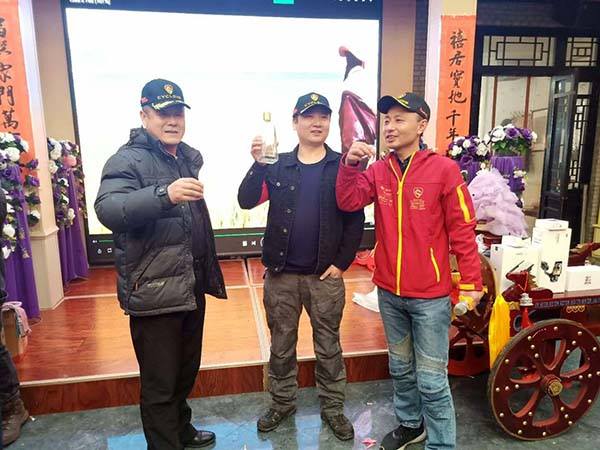
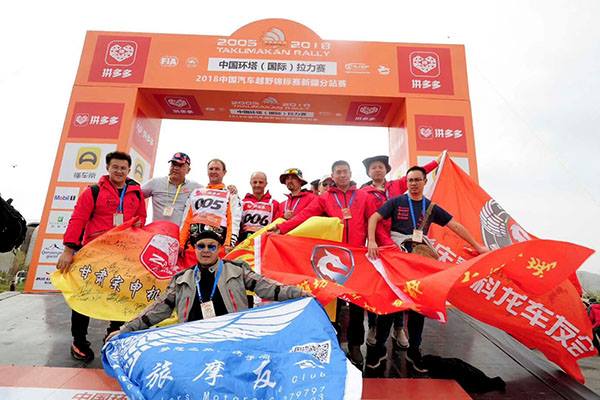
I had a nice surprise this morning…a nice note (complete with great photos) from Sergeant Zuo, our ride leader on the 2016 RX3 adventure ride across China. Zuo and I became friends immediately on that trip. He’s a retired Chinese Army senior NCO, and I was a lieutenant many years ago in the US Army. Here’s the note from Zuo…
In first photo above, Zuo is the guy on the left. What’s that? You don’t speak Chinese? Okay, here you go…
Dajiu: Please forgive me for your late greetings: Happy New Year! On December 31 last year, our Gansu Secco Club was busy with the annual meeting. I didn’t send your New Year’s greetings in time. I am really sorry. It is my greatest pleasure to see the forums you and that the two of you are engaged in it. It is my happiest thing to see you from your article. I can read your article with translation software. The feelings we built up during the time in China will not be weakened by the high mountains and high roads. Those bits and pieces are worth cherishing for my whole life. On several occasions, I returned to the days when we were riding together in our dreams. This may be what people often say about “God Exchange.” In May 2018, I and several club riders of the club participated in the “Dragon Line Ring Tower” held by Zongshen in Xinjiang. Zongshen Racing Team participated in the China Ring Rally and invited our RX3 owners and their friends and relatives. It is a big cycling activity. Finally, I wish you and your friend good health. Send you a few photos of this year’s ride. —— Zuo Zhenyi January 3, 2019 in Lanzhou, China
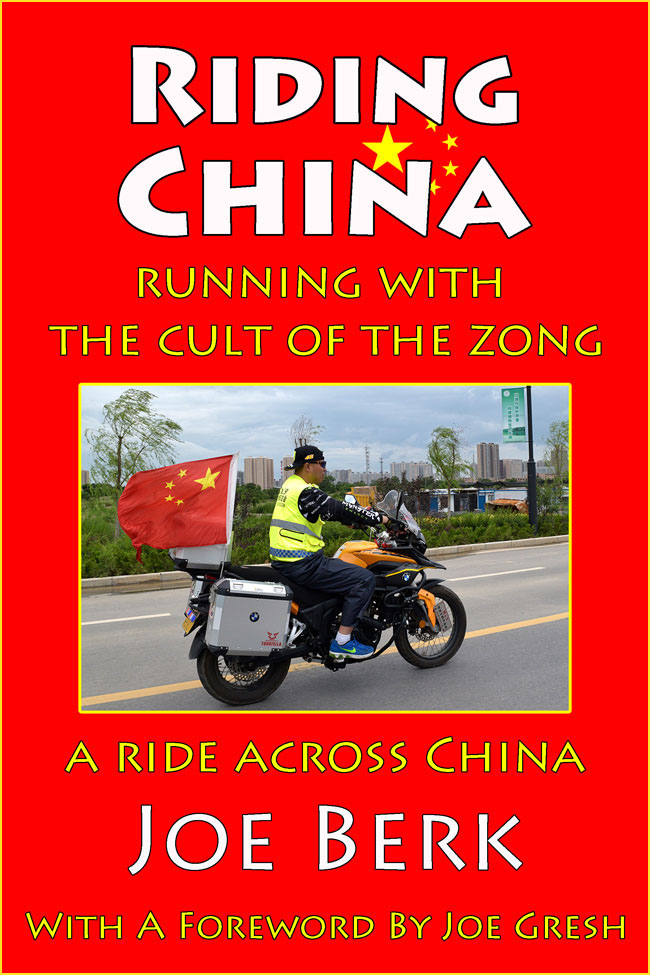
For those of you who don’t know, Dajiu is my Chinese name, bestowed upon me by the Chinese riders during our 5,000-mile Western America Adventure Ride. It means Big Uncle. Gresh and I were both on that ride; his similarly-bestowed Chinese name is Arjiu, or Little Uncle. You can read all about that, and more, in Riding China. (You should buy several copies. They make great gifts.)
Zuo, my friend, it’s always great to hear from you. Ride safe. When you’re ready to visit the US, we’ll have a cold beer and a warm welcome waiting for you!
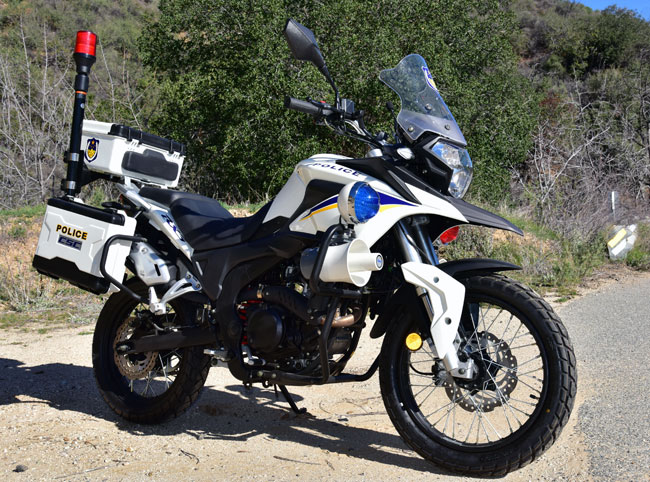 A few years ago when visiting the Zongshen plant in Chongqing, I spotted an RX3 set up as a police bike. It caught my eye for several reasons. First and foremost, it was a snappy looking motorcycle. I had written the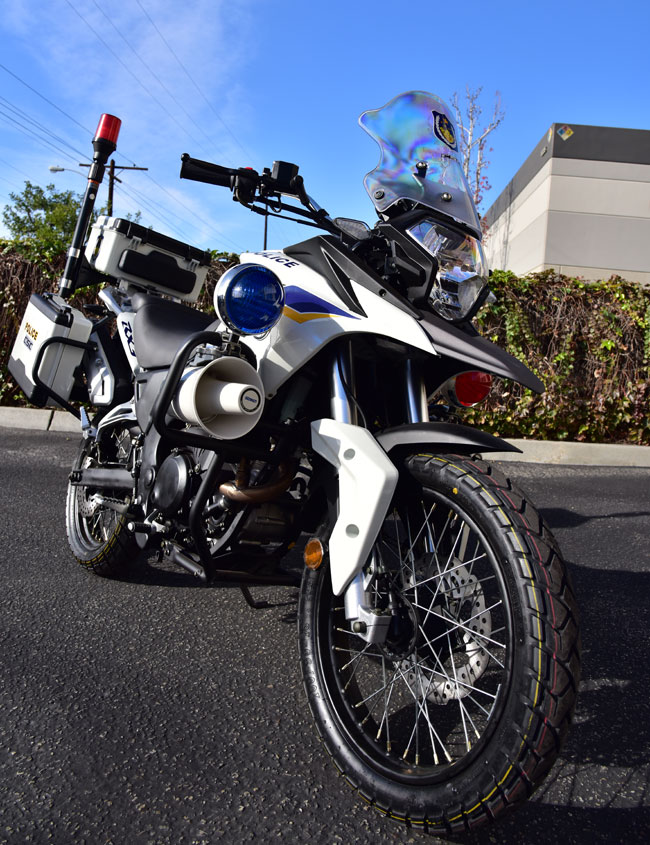
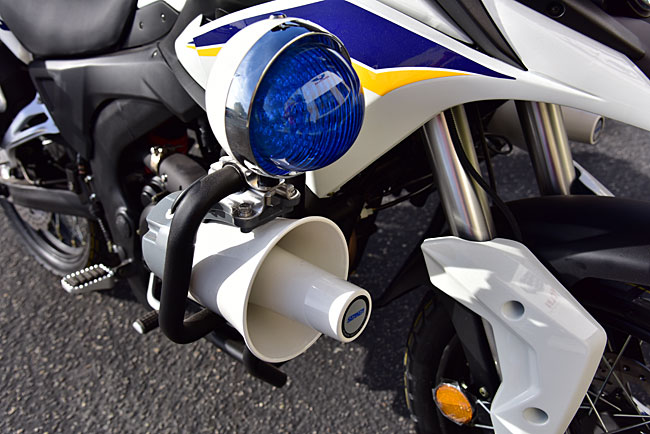
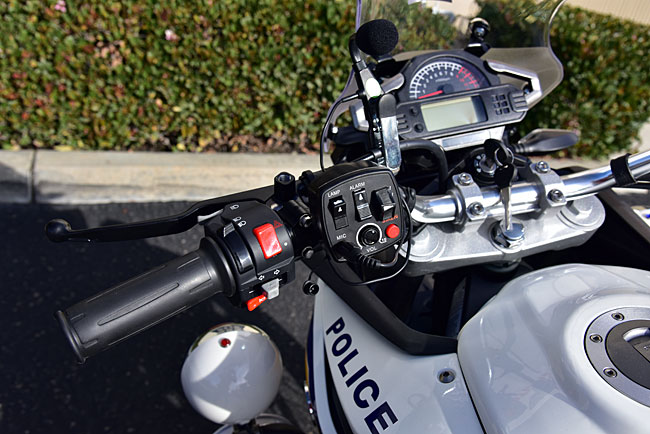 I was still pumped about the police bike, though, and I convinced CSC to bring the RX3-P to the US for a trial marketing period. You can see my enthusiasm in the video we put together on the bike…
 We publicized the bike big time on the CSC blog, and I think that got noticed around the world. The RX3-P found a home with several large police departments in Asia and South America. That’s a good thing, because it’s a great bike. I’d still like to see it happen here in America. I imagine Zongshen will introduce a police version of their RX4, and maybe that larger bike will have a better chance at breaking into the US police motorcycle market. Someday. Maybe. We’ll see.