Cyclones Galore

By Joe Berk

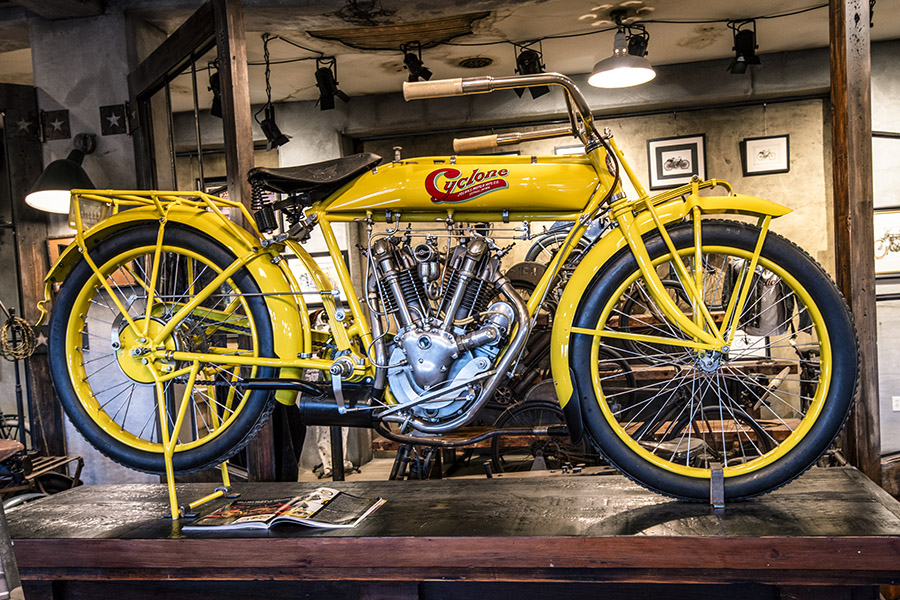
That stunning motorcycle you see above is a 1915 Cyclone, one of only 12 known to exist.  I took the photo during a recent visit to the Legends Motorcycle Museum in Springville, Utah (a visit which will be the subject of an upcoming blog and an article in Motorcycle Classics magazine).  I was in bad shape during that visit.  My leg was giving me a lot of grief, and that, too, will be the subject of an upcoming blog.  Because of that, I was in and out of the Legends Museum quickly, snapping photos, and eager to settle back into my  uber-comfortable Subie Outback for the 600-mile trek back to California.  It wasn’t until I was home and I started processing the Legends photos through PhotoShop that I took a close look at the Cyclone.  I had three thoughts:

      • Damn, that’s a stunning motorcycle,
      • Gresh’s current resurrection effort is focused on (sort of) a Buell Cyclone, and
      • Zongshen also uses the Cyclone name (the RX1, RX2, RX3, RX4, and RX6 motorcycles are all branded as Cyclone motorcycles).

The above had me wondering:  What is the story behind that stunning yellow motorcycle in the Legends Museum, and are there other motorcycles out there called Cyclones?

The Zongshen Cyclones

I fired off an email to my good buddy Fan at Zongshen with the above picture, who readily agreed the Legends Cyclone was drop dead gorgeous.

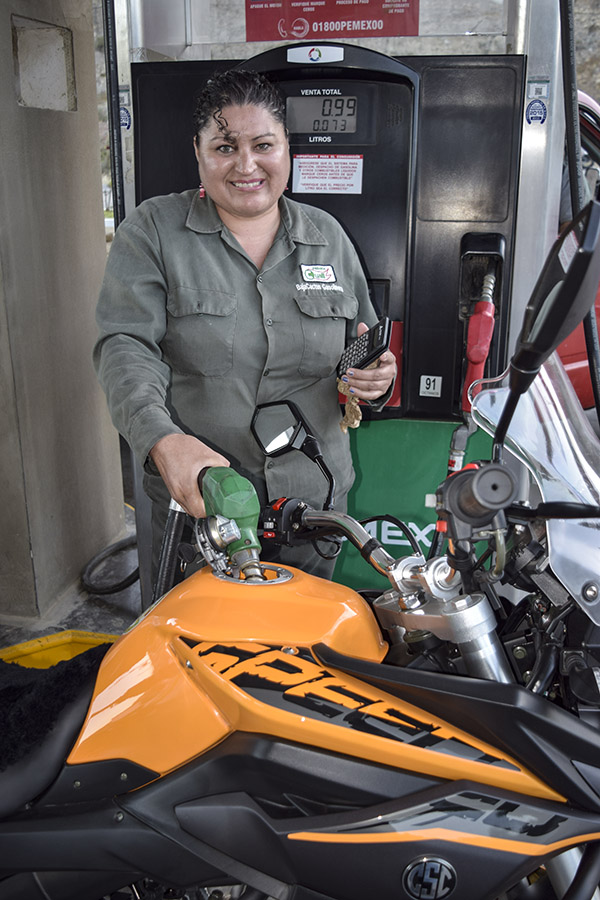
You know, names can be a funny thing.  When we started importing Zongshen motorcycles from Zongshen, the chief marketing/export guy in Zongshen chided me for using the Zongshen name when we (i.e., CSC) starting writing and blogging about the RX3.  It seemed that calling the bikes Zongshens would be the natural thing to do, but I jumped the gun at that one.  Zongshen wanted us to use our name (CSC) on the bikes, so we did.  The other bit of RX3 naming funny business back in 2014 were the large decals that Zongshen put on the fuel tank.  They said “Speed” in large letters.  When we started publishing those photos, the Internet trolls made fun of us.  I told the troll community that we originally wanted the decals to say “methamphetamine,” but that was too long to fit on the fuel tank.
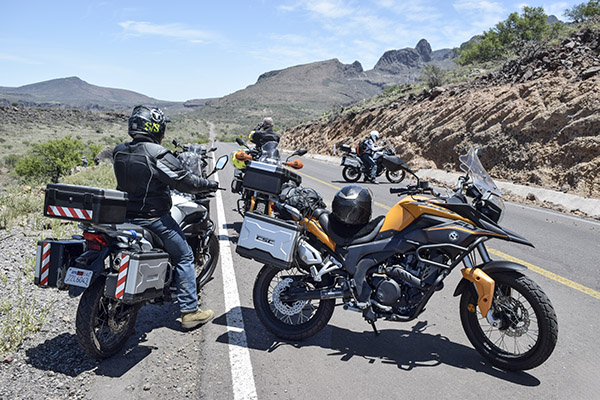
CSC/Zongshen RX3 motorcycles enroute to 12,000-year-old cave paintings in Baja.
A friendly gas station attendant in El Rosario, Mexico. Note the “Speed” moniker on the fuel tank.

Back to the Cyclone name:  I searched Google because I knew BSA used “Cyclone” as a model name back in the 1960s and I wondered if there were others.  There were.  In addition to BSA, Buell, Ariel and Kawasaki used the name, too.  Let’s take a look at each.

The Buell Cyclone

Buell built its Cyclone model from 1997 to 2002.  As you know, Uncle Joe is resurrecting a 1995 Buell Thunderbolt, and as he puts it, it is mostly a Cyclone.  It’s a fun process to follow along.  You can get all the details here.
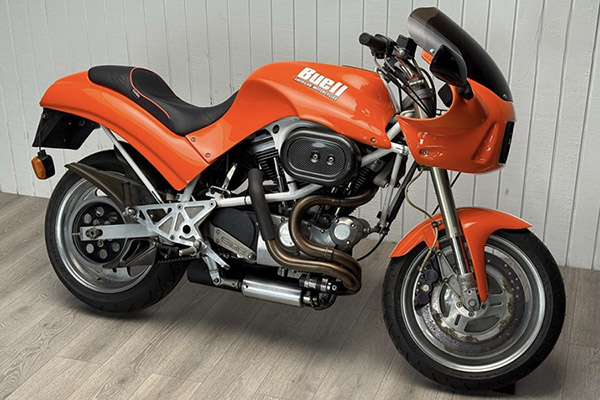
Joe Gresh’s Buell. It’s mostly a Cyclone.

The Original Joerns Cyclone

The Joerns Motor Manufacturing Company of St. Paul, Minnesota built the first motorcycles named Cyclones.   These were board track racing and road-going motorcycles and they were fast (as in over 100 mph back in 1915).  These bikes are also rare, with only about a dozen known to exist today.  Joerns used a 1000cc V-twin overhead cam engine that produced about 45 horsepower.   The one you see here sold at a 2025 Mecum auction for $1.32 million (with buyer’s premium), making it the most expensive motorcycle ever sold at auction.  When I say “the one you see here” I don’t mean one like the one you see here.   My photo above shows the actual motorcycle that went for that amount, and it’s the one on display in the Legends Motorcycle Museum.  It was once owned by Bud Ekins, and if you don’t know who he was, here’s a bit of background.

At the end of the video, you can catch a glimpse of Rick Salisbury, the man who won the Cyclone auction and the owner of the Legends Motorcycle Museum.

The BSA Cyclone

In the mid-1960s, Triumph and BSA dominated the U.S. big bore street scene.  These were primarily 650cc vertical twins, but both Triumph and BSA offered 500cc twins as well.   BSA’s 500cc twin was the Cyclone, and it is a rare animal.  It was made for the U.S. and U.K. markets.  The BSA Cyclone produced about 33 horsepower.
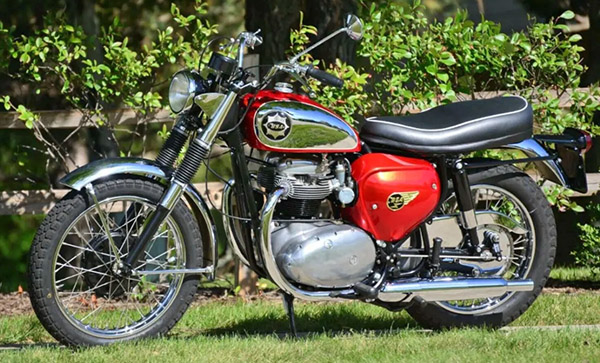
A 1965 BSA Cyclone. It was a competitor to Triumph’s 500cc Tiger.

BSA had other weather-related names for its models.  There was the Cyclone you see here.  They also had models named the Lightning, the Thunderbolt, the Golden Flash, and the Super Flash.

The Kawasaki Cyclone

Kawasaki has a 148cc two-stroke sports bike they call the Cyclone.  It’s not sold in the U.S.; it is instead sold in Southeast Asia (the Philippines, Thailand, Indonesia, and Malaysia) and occasionally Argentina.  It’s a cool looking small bike, but I think Kawasaki made the right decision.  I don’t think there would be much of a market for it here in America.
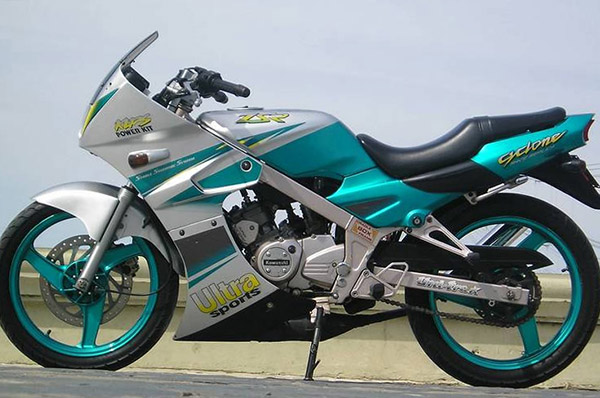
Kawasaki’s ZSR Cyclone. I like the colors.

The Ariel Cyclone

You may have heard of the British motorcycle manufacturer Ariel; you may not have known that Ariel was purchased by BSA in the 1940s and kept as a separate marque.  Ariel offered a 650cc vertical twin they called the Cyclone in the late 1950s.  Less than 300 (or 174, depending on which source you believe) Ariel Cyclones were manufactured during a three-year (or two-year run, again, depending on which source you believe) production run.
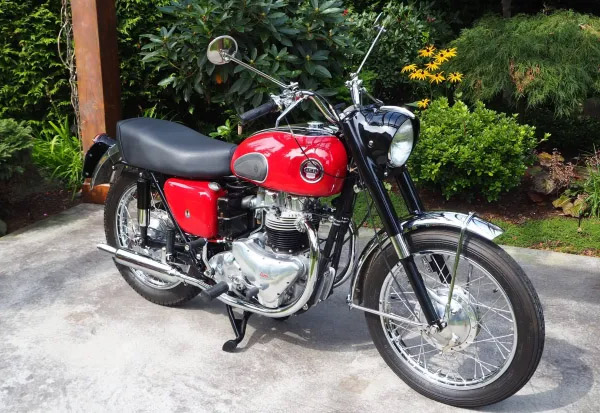
A 1956 Ariel Cyclone.

The Ariel Cyclone followed the period’s traditional British formula:  A 650cc (actually, 646cc) vertical twin, with drum brakes and a non-unit-construction 4-speed transmission.  It was a handsome bike, but it was not a serious competitor to either of the leading British bikes of the era (BSA and Triumph).  I’ve never seen one and I never heard of this motorcycle until I researched the Cyclone name for this blog.


Subscribe to ExNotes for free!


We need your support!  Do what you can to help ExNotes stay in the black!


More Huber? Check out A Trip Into The Moment.
More Gresh and Berk?  You bet!  Check out A Cup O’ Joes!

Join our Facebook ExNotes page!
CSC’s RX6

By Joe Berk

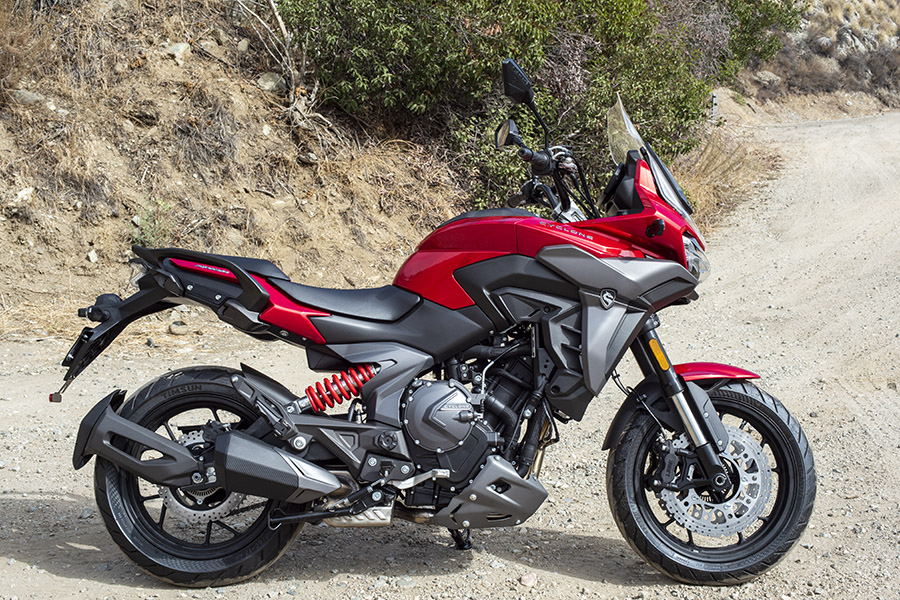
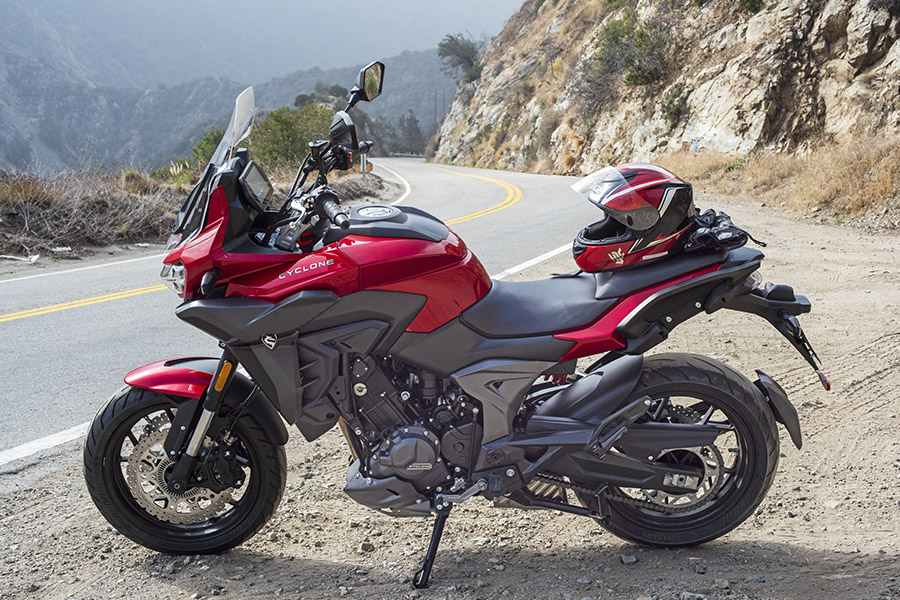
Great things continue to emerge from CSC Motorcycles, my alma mater and your favorite motorcycle company.  CSC is now importing the new Zongshen 650cc Cyclone, the RX6.  It’s a logical step up.  The first CSC adventure touring motorcycle was the RX3, and I had a ton of fun on it.  You know the story…when CSC first planned to bring that motorcycle to America, I wrote a blog about it and we sold the first one within a few seconds of the blog being published (it went to a buyer in Alaska).  The sales poured in, and literally within days of the RX3 motorcycles arriving in America, we led a tour of 15 CSC riders on a 2000-mile ride through Baja.  It was awesome, and it was pretty gutsy…taking 15 Chinese motorcycles on a ride like that.

It was onward and upward after that…a 5000-mile ride through the western US with a dozen guests from China and Colombia, a 6000-mile ride across China with Joe Gresh, a circumnavigation of the Andes Mountains in Colombia, and many more Baja rides.  Then came the CSC TT 250, the San Gabriel, the RX4 450cc, the 400cc twins, the electric City Slicker, and the RX1E  electric ADV motorcycle.

You’ve probably heard the rumors of the Zongshen/Norton alliance and their skunkworks 650cc twin, and I’m here to tell you the 650cc RX6 is a reality.  I rode the first one in America in the San Gabriel Mountains above CSC’s facilities, and it’s awesome.  And like all of the bikes listed above, CSC is bringing it here.

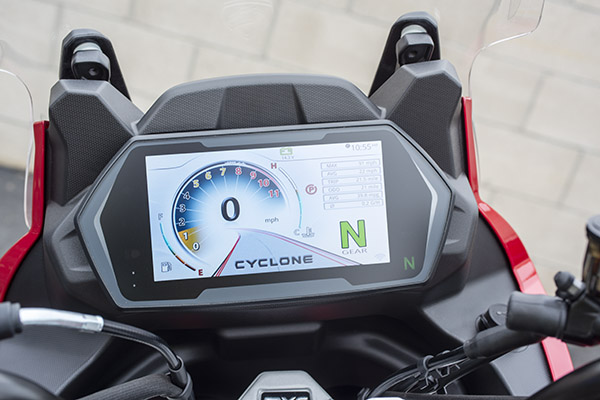
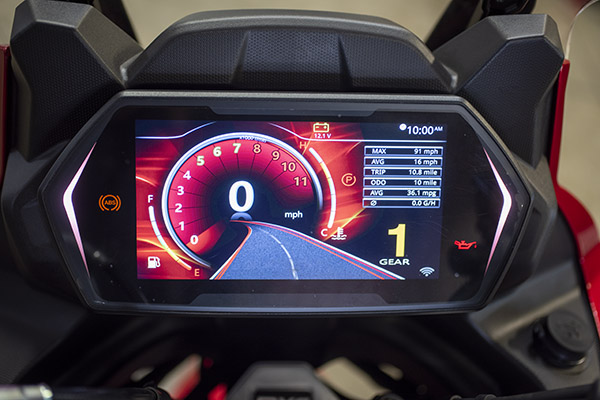
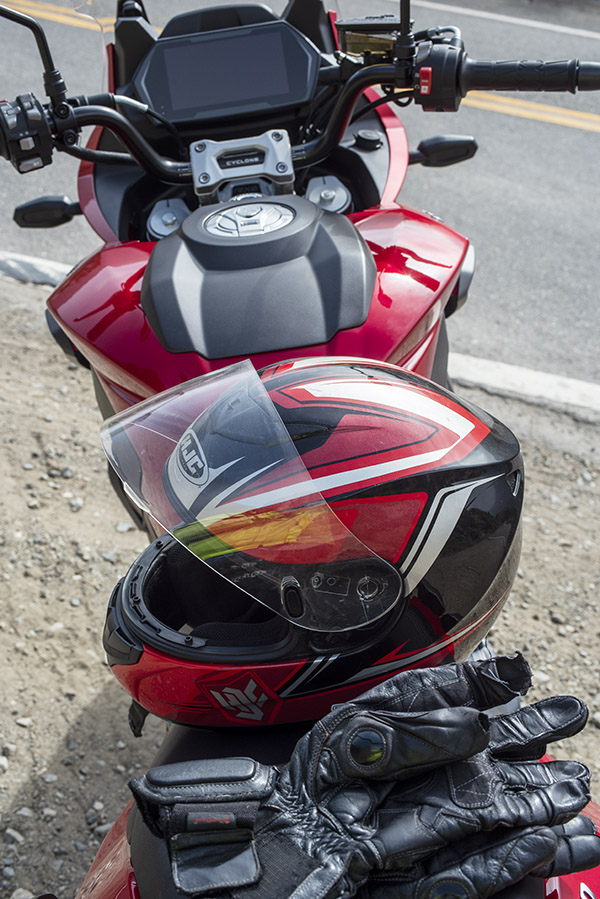
There are a lot of features on the new RX6 (I’ll list the specifications and some of the features at the bottom of this blog).   What grabbed my attention immediately when I saw the new CSC were the fit and  finish, the color, the dash, and just the overall aura of excellence.  The RX6 is a world class motorcycle.  One of the coolest things is the dash.  Check this out:

The RX6 is a full-sized motorcycle, but it’s not overwhelming.  If I had one I’d probably name it Goldilocks.  It’s not too big and it’s not too small.  It’s just right.

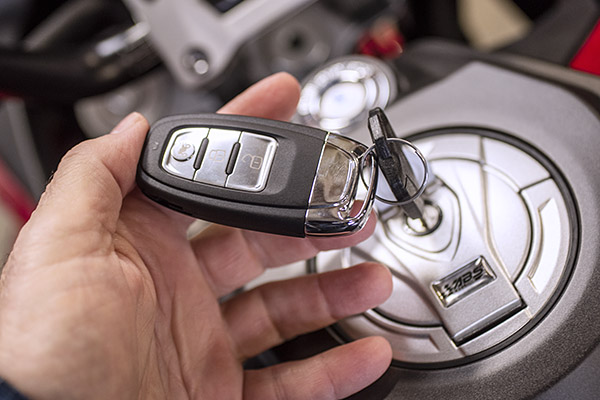
Another cool feature is the wireless key.  It’s like the electronic key on most new cars.  It has a key feature (you know, so you can insert it in any of the various locks on the RX6, like the fuel filler cap), but as long as you have it on you, you can start the RX6 just by hitting the starter button.  You don’t have to put the key in the ignition.

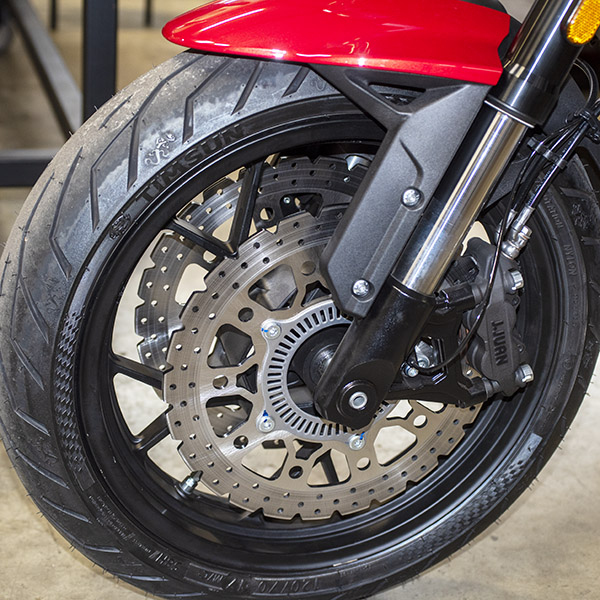
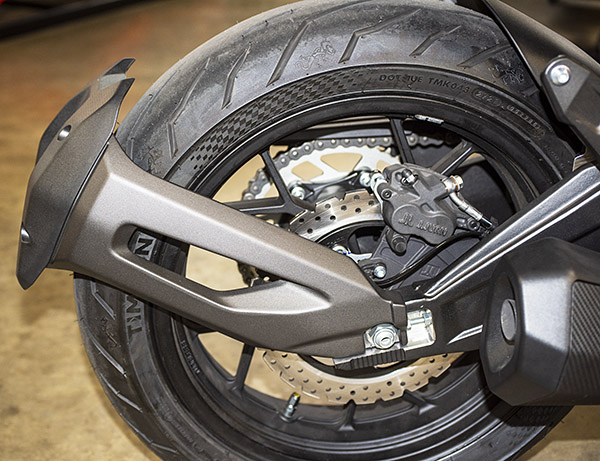
The brakes felt good on my ride in the mountains.  There are large dual disk  brakes up front, a single disk in the rear, and anti-skid braking front and rear.

The RX6 sounds like a motorcycle ought to.  It has a decisive exhaust note, and it sounded good reverberating off the San Gabriels.   It’s fast, too, with noticeably more power than an RX3 or an RX4 throughout the rev range.  I didn’t push it too hard (it was CSC’s first sample in the US), but the power was definitely there.  Zongshen is claiming a 112 mph top end; I think that is realistic and probably a bit of an underestimate.  The one I rode was literally brand new and I was in the mountains, so I didn’t try a top end run.

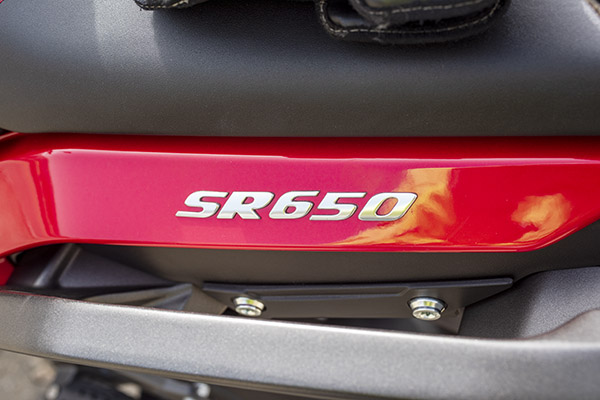
Zongshen is emphasizing the Cyclone family name (the RX3 is actually a Cyclone, too, but at CSC we made the decision to refer to it as the RX3).   The badging on the motorcycle’s side panels says SR650 (presumably, the SR stands for Sports Road), so we’ll have to see how the bike is named when it goes on sale, and Steve tells me that will be soon.  The motorcycle will carry a retail price of $7195, and as CSC always does, they are offering an introductory “Don’t Miss The Boat” price of $6695.  It’s a certainty that price won’t last long, so…you know…don’t miss the boat.  More info will be available on the CSC website.


CSC 2023 RX6 Specifications

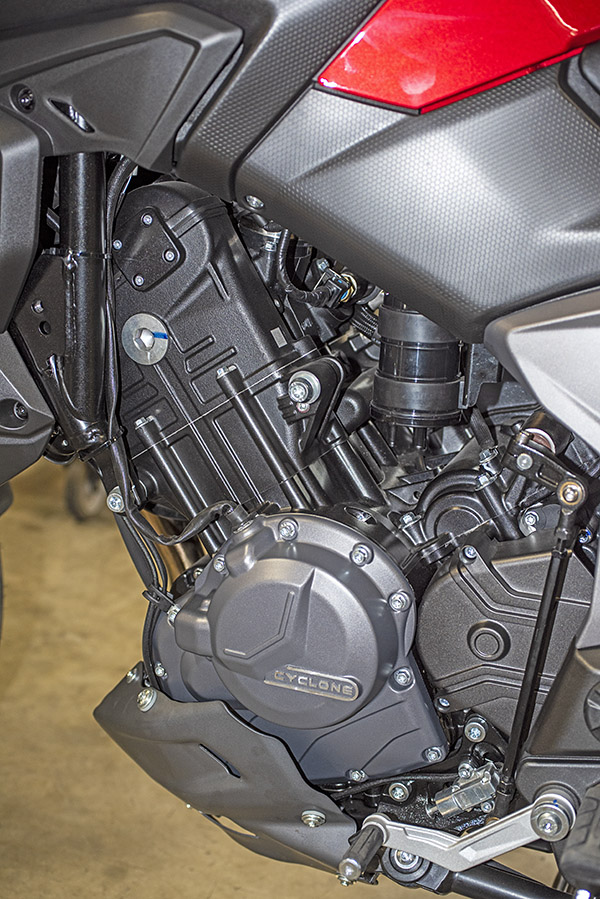
      • Engine type: SR650, 650cc parallel twin, 4-stroke, water cooled, DOHC, 8-valve, Delphi Electronic fuel injection, ECU ignition
      • Bore/stroke: 82mm x 61.5mm
      • Compression ratio: 11.5:1
      • Horsepower: 70 hp at 8500 rpm
      • Torque: 62 Nm at 7000 rpm
      • Transmission: 6-speed
      • Clutch: FCC slipper-type
      • Wheelbase: 57.1 inches (1450mm)
      • Front suspension: 41mm inverted telescopic fork, 130mm travel
      • Rear suspension: KYB preload-adjustable mono-shock, 51mm travel, 142mm rear wheel travel
      • Front brake: Nissin 2-piston caliper, dual 320mm front discs, 5mm thick, Bosch ABS
      • Rear brake: 2-piston caliper, 260mm rotor, thickness: 5mm thick, Bosch ABS
      • Front wheel/ tire: Pirelli 120/70-R17 cast aluminum wheel, tubeless
      • Rear wheel/tire: Pirelli 160/60-R17 cast aluminum wheel, tubeless
      • Overall length: 86.4 inches (2195mm)
      • Overall width: 32.3 inches (820mm)
      • Overall height: 54.9 inches (1395mm)
      • Seat height: 32.3 inches (820mm)
      • Ground clearance: 6.5 inches (160mm)
      • Fuel capacity: 5.5 gallons (21 liters), locking gas cap
      • Estimated fuel economy: 48 MPG
      • Curb weight: 540 lb (245kg)d
      • Top speed: 112 mph (180 kph)
      • Max load, rider and luggage: 396 pounds (180kg)
      • Instrumentation: Cyclone 7-inch, full-color TFT dash, with digital speedometer, tachometer, odometer, tripmeter, fuel gauge, gear indicator, neutral light, temperature gauge, clock, turn signal and high beam indicators; Bluetooth linking to rider’s phone
      • Electronic tire-pressure monitoring system
      • Lighting: full LED lights and turn signals
      • 12-volt and USB charging outlets on dash
      • 300-watt alternator
      • Automotive-type waterproof connectors under seat
      • Tapered aluminum handlebars with bar-end weights
      • Standard engine guards, adjustable electronic windshield, vibration-damping foot pegs, dual curvature rear view mirrors
      • Front and Rear built in recorder and cameras
      • 5,000-mile valve adjustment intervals
      • Easy maintenance supported by a service manual and CSC online tutorials
      • Options: CSC touring luggage packages, accessory driving lights, heated handgrips, and more