By Joe Berk
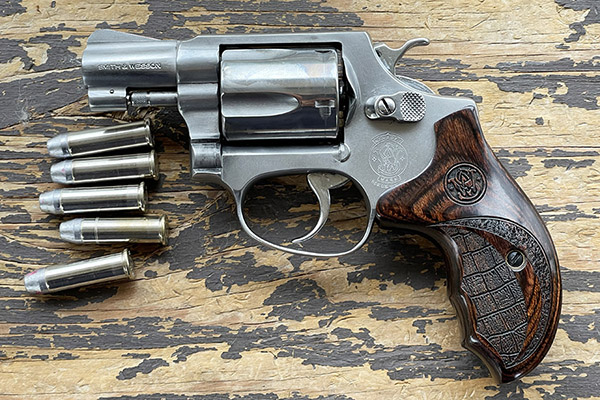
I should have known better. Before I tried good buddy Lance’s bolt shims (at TriggerShims.com), I was a bit skeptical even though another of Lance’s products had worked (and is still working) very well for me. I installed Lance’s cylinder shims on my Model 60 Smith and Wesson revolver a few years ago and they solved a lot of ills, including excess cylinder gap, difficulty in opening the cylinder, velocity loss, and double action misfires. The Model 60 is completely reliable now (I’ll include a link to that story at the end of this blog).
The above notwithstanding, though, I was still skeptical about bolt shims. I didn’t understand the concept of rimfire rifle bolt shimming, and that fueled my cynicism. I mean, on a bolt action rifle, what is there to shim?
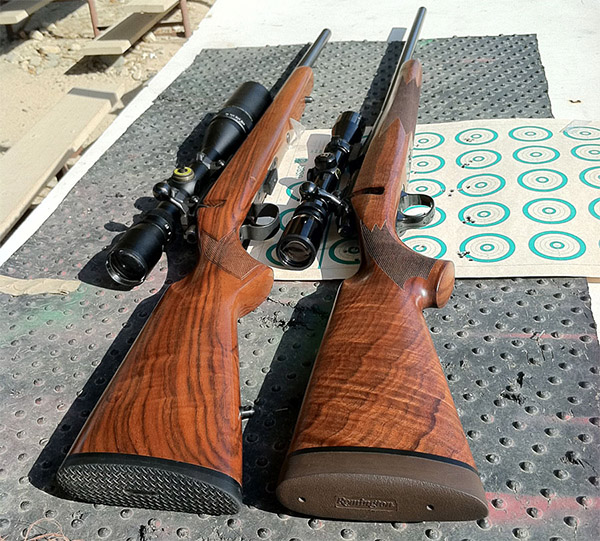
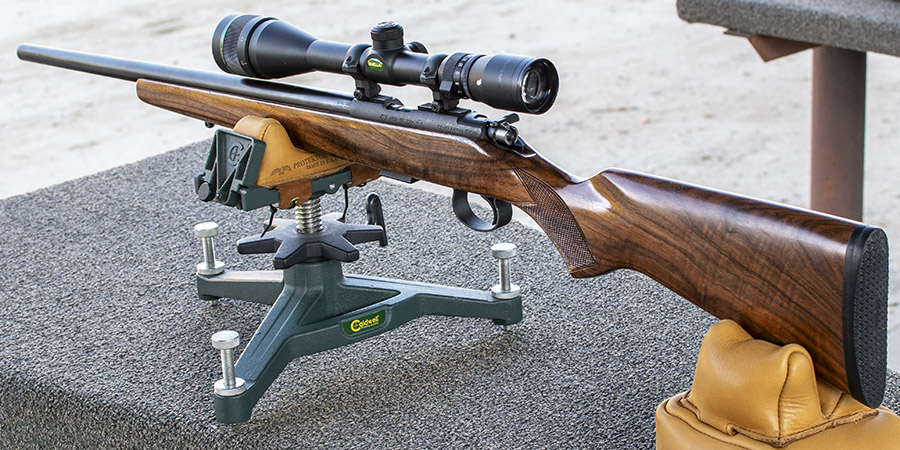
I called Lance at TriggerShims and spoke with him. Lance said his customers tell him bolt shims work, but I wouldn’t know until I tried them. I was up for it. I had two rimfire rifles I felt should be more accurate: A Remington Custom Shop Model 504 and a CZ 452 Varmint model. The CZ would shoot moderately well off and on (it wasn’t consistent); the Remington was a major disappointment from the day I bought it. It was expensive and for something coming from Remington’s Custom Shop, I expected a lot more. The Custom Shop 504 rifle is beautiful, its walnut stock is fabulous, but its groups were poor.
The Concept
When you get a set of bolt shims from Lance, you get five in varying thicknesses. The shims are color coded so you don’t have to guess at what they are or measure them. The package looks like you see below.

How Bolt Shims Work
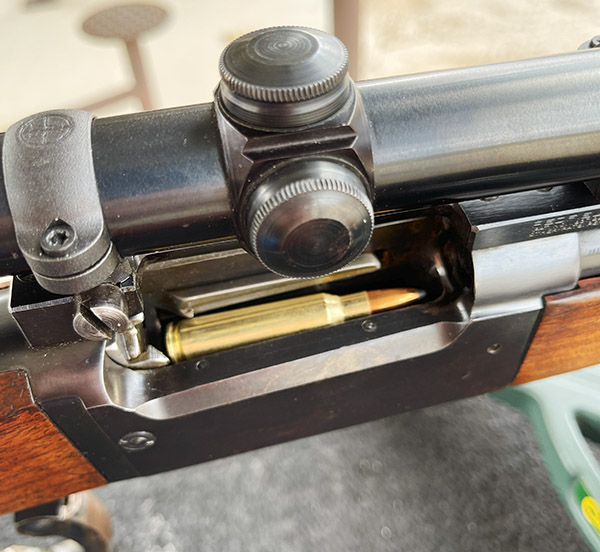
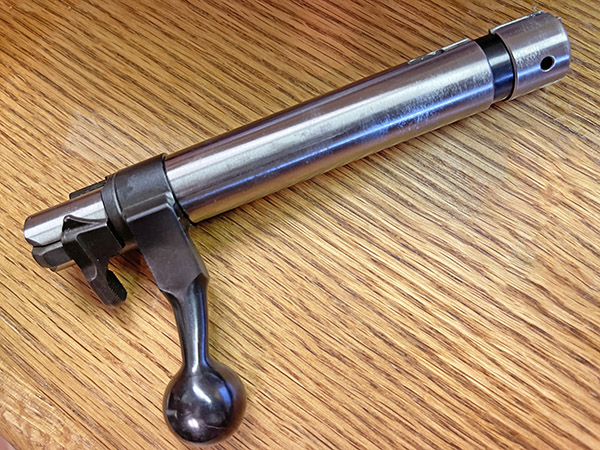
Most rimfire bolt action rifles’ bolts are different than centerfire bolts. On a centerfire bolt, the bolt locks into the receiver at the front of the bolt. On most rimfire bolt action rifles, the bolt locks into the receiver at the bolt handle, the forward portion of the bolt extends forward to meet the rifle’s breech, and the bolt’s locking lug is integral to the bolt handle. Typically (as is the case on my CZ 452 and Remington 504), the forward portion of the bolt is actually two separate and concentric cylinders, with the forward part of the bolt able to move forward on the inner cylinder (i.e., closer to the chamber) if it is shimmed to do. You can see it in my Model 452 CZ bolt in the photos below.
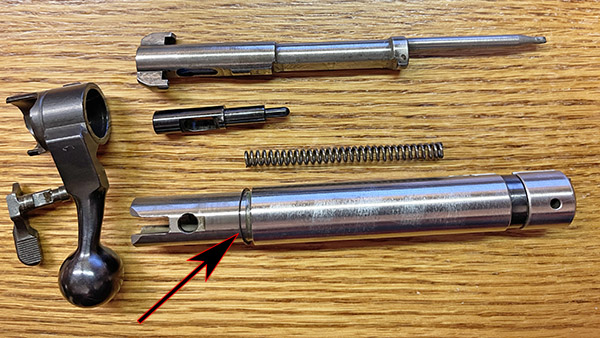
Now consider headspace, the amount of clearance between the cartridge base and the bolt face. If there’s too much headspace, case separations can result when the brass case stretches during firing. Not enough headspace, and you can’t close the bolt. You might wonder: Why not simply have line-to-line contact in the chamber between the cartridge and the chamber, with zero headspace when the bolt is closed? That could work if you always shot with cartridge cases from the same manufacturer, there was no variation in the cartridge cases, there was no variability from rifle to rifle, you always fired your weapon at the same ambient temperature, and you always let it cool completely between shots. These qualifiers are unrealistic, so rifle manufacturers add clearance (i.e., headspace) so that the bolt can always close on any rifle they manufacture when using any kind of ammo meeting the cartridge’s external dimensional specifications at any reasonable temperature.
On a centerfire bolt action rifle, we can use tricks like neck sizing the case (instead of full length resizing the case) so that if that case was previously fired in the same rifle, a reloaded cartridge will have much less clearance between the cartridge case, the bolt face, and the chamber walls. This often works with a centerfire cartridge if, when reloading the cartridge, we only resize the case neck (that’s called neck sizing). Sometimes it’s an easy way to shrink groups (i.e., to make your reloaded ammo more accurate).
We don’t reload .22 ammo, though. So what can we do to eliminate unnecessary headspace? That’s where TriggerShims’ bolt shims enter the picture. The idea is that instead of increasing the length of the brass case to eliminate unnecessary headspace, we push the bolt face forward (toward the rifles’ chamber) to shrink the headspace. In the photo above, you can see where the TriggerShims bolt shim fits between the bolt handle and the bolt’s outer cylinder. When the bolt is assembled with the bolt shim installed, it looks like this:
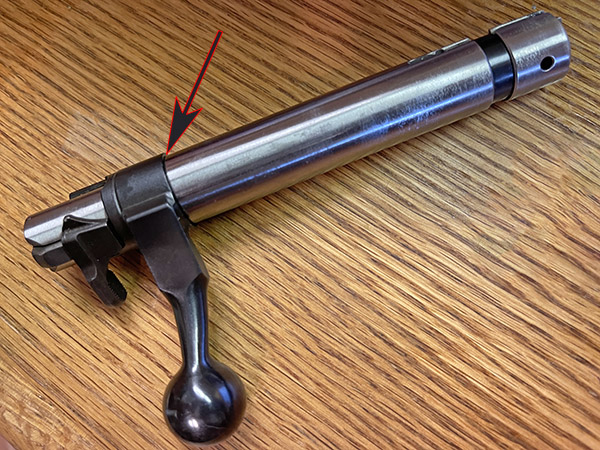
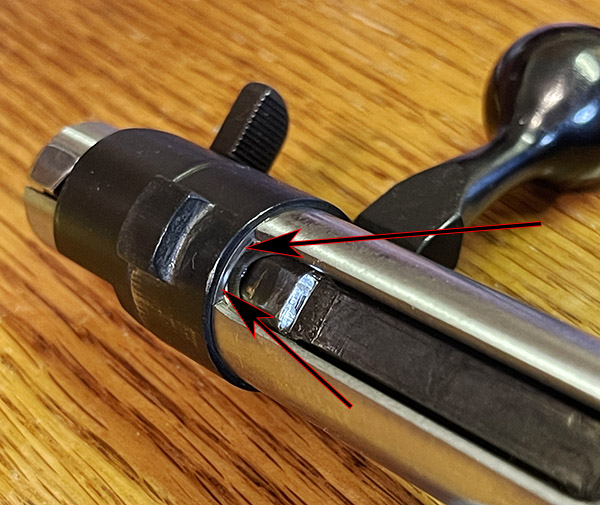
The package from TriggerShims contains five shims of different thicknesses, color coded by thickness. Lance doesn’t know how much shimming your bolt might need, and initially you don’t either. One approach is to go at this question as you would when developing a load for a centerfire rifle; i.e., trying different powders, powder charges, etc., except the sole independent variable is shim thickness. Here, the questions are how much excess headspace is there in your rifle, and how much should you remove to optimize accuracy?
The best approach to answering the above questions is to take the shims to the range, and with your preferred ammo, shoot groups with no shims, the 0.0015-inch shim, the 0.002-inch shim, the 0.003-inch shim, the 0.004-inch shim, and the 0.005-inch shim, and then select the shim that provides the greatest accuracy. Theoretically, if you switched ammo brands, you could repeat the process and find the best shim for the new ammo. It’s very clever.
Me? I’m lazy. I watched a bunch of YouTube videos describing the above and I decided I didn’t want to disassemble and then reassemble my bolt at the range, so I simply installed the 0.002-inch shim on both my CZ 452 Varmint and my Remington Custom Shop Model 504. (The Model 504 bolt shim installation is very similar to how it’s done on the CZ.)
The Results
Does it work? In a word, yes. I wouldn’t have believed it without trying it myself. I’m here to tell you the results are nothing short of amazing.
Remington Model 504
As I mentioned at the start of this blog, my Model 504 was a real disappointment. Yeah, it’s beautiful, with deep, lustrous bluing and gorgeous walnut.
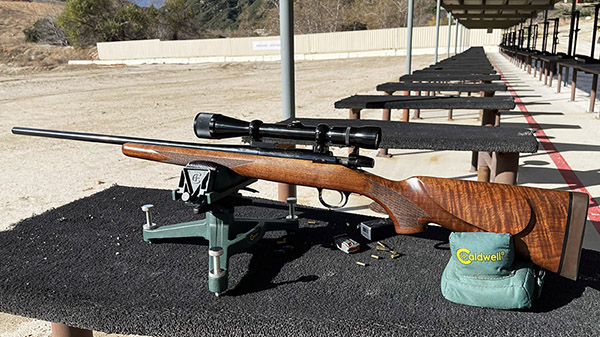
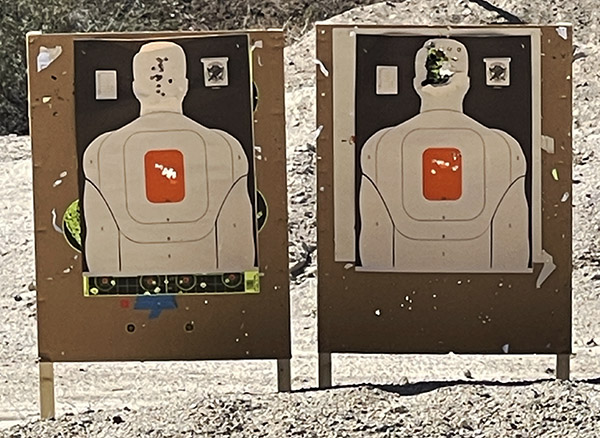
But the Model 504 didn’t group well with any ammo. That was a surprise, partly because of the rifle’s price, partly because of the Remington Custom Shop’s reputation for stellar performance, and partly because the rifle was glass bedded from the Custom Shop. I did my online research (ass backwards, as usual, after I bought the rifle) and I learned that Model 504s are known for lousy accuracy. I tried screwing around with relieving the bedding where it interfered with the barrel attaching screw, I tried different action screw torques, and I tried different ammo. Nothing worked. I thought I had been stuck with a beautiful rifle that was essentially a paperweight. Here are a couple of typical groups from the Model 504 at 50 yards with Eley Target ammo (which is good stuff) before I installed the bolt shim.
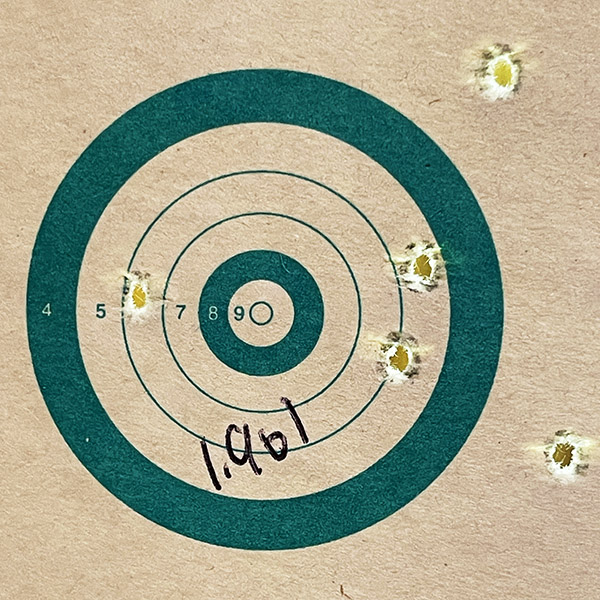

As you can see, they are what we in the engineering world would call lousy. The groups would vary, seldom going as low as that 1.041-inch group you above. Mostly they were awful.
I then installed a 0.002-inch trigger shim on the Model 504 and I tried it again. Wow! Look at this!
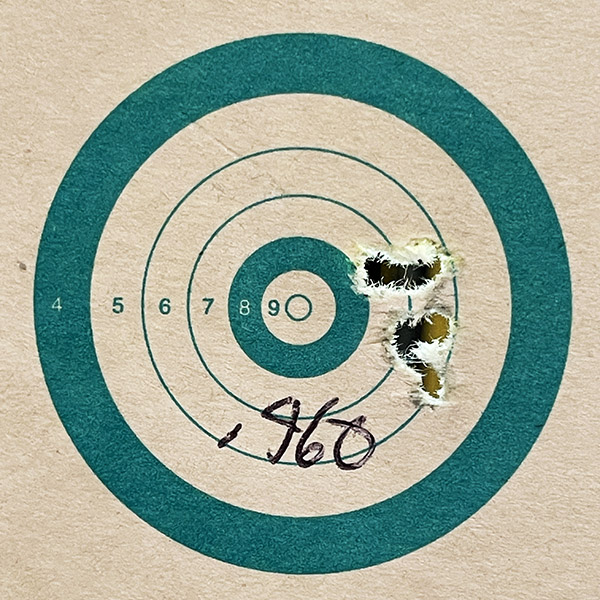
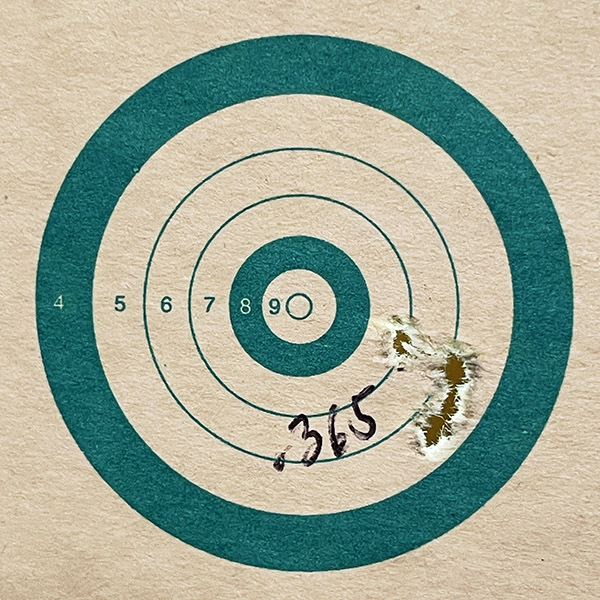
When I saw those groups through the 12X Weaver scope on my Model 504, I couldn’t believe what I was seeing. In my mind, I could hear Lance’s calm voice in our recent telephone conversation telling me there’s no guarantees, but folks say they work. Indeed they do!
CZ452 Varmint
I was blown away by the Model 504’s improved accuracy with the addition of the 0.002-inch bolt shim, so I wanted to try it on the CZ.
The CZ has always shot better than the Model 504. Here’s a typical 10-shot group with the CZ452 before I installed the bolt shim:
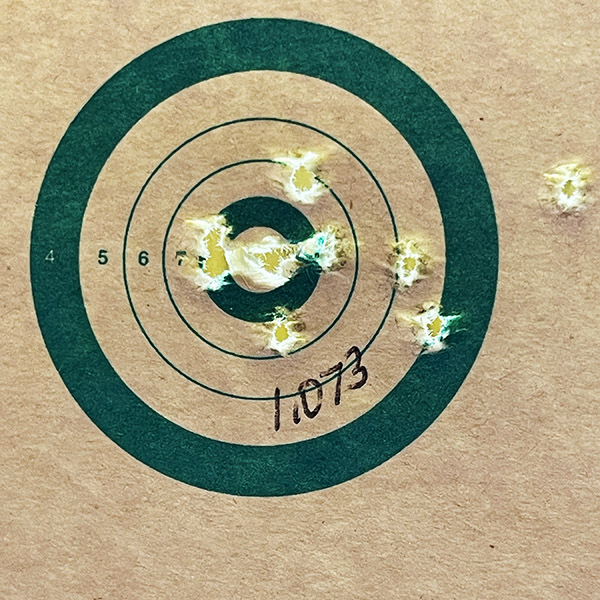
What you see above is what the CZ would do at 50 yards with Eley Target ammo in my hands. Sometimes it would do a little better. Sometimes it would do a little worse. I’m not that great a shot; other people could probably do better. But it’s typical for me. I wanted it to do better.
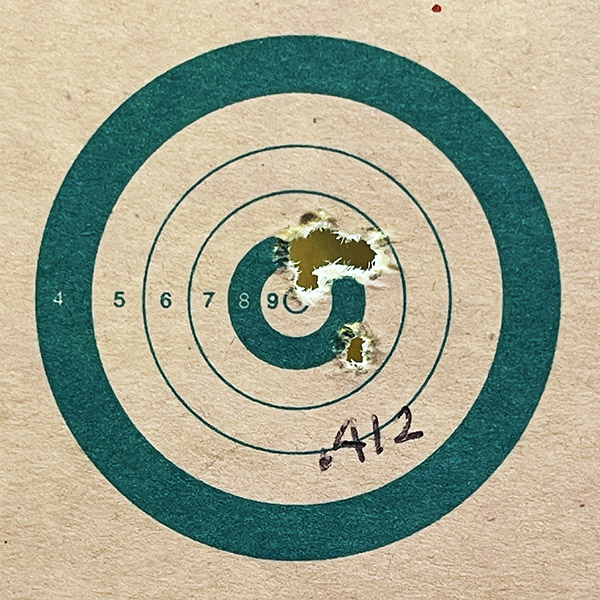
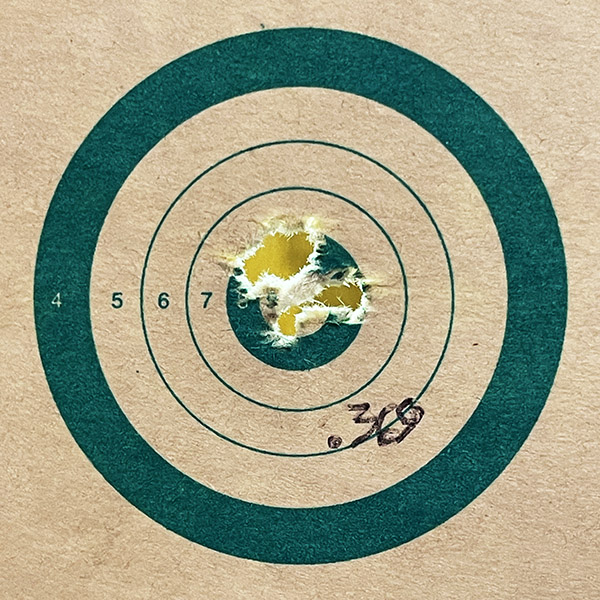
The TriggerShims 0.002-inch bolt shim went into the CZ and again, my response was: Wow!
The Bottom Line
As the saying goes, your mileage may vary. But I’m convinced: Bolt shims work. I might be able to improve my groups even more if I experimented a bit with different shim thicknesses, but I’m more than pleased with what I saw after trying my simple and unscientific “install the 0.002-inch shim and see what happens” approach. This really is a great product. If you want to improve a bolt action .22 rifle’s accuracy, check out TriggerShims. You can thank me later.
Pretty Wood
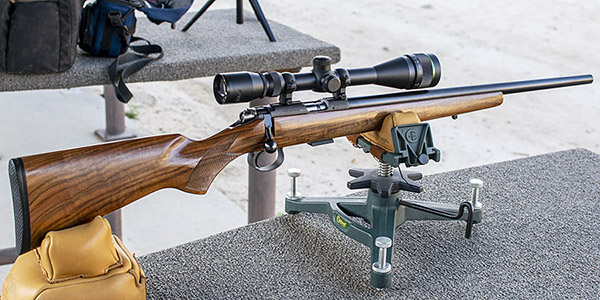
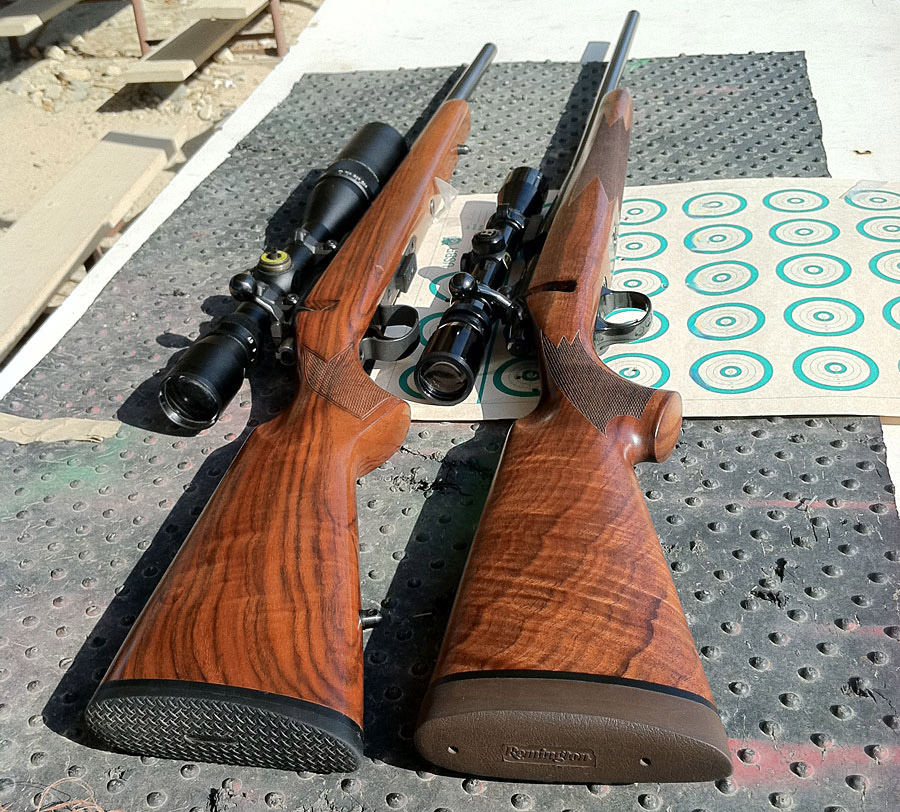
People sometimes ask how I find guns with exceptional wood. It’s easy. I can’t pass a gun shop without stopping, and I spend a lot of time on gun forums. Every once in a while, I’ll see a rifle with walnut that speaks to me. The Model 504 you see here came from First Stop Guns (they’re in Rapid City, South Dakota) when Susie and I were out there touring that part of the country. I spotted the CZ 452 on a forum post and I sent a message to the owner asking if he would sell it to me. The first answer was no, but a year later the owner contacted me and asked if I was still interested. You know the answer to that one.
About that Model 60 cylinder shim story I mentioned…
Join our Facebook ExNotes page!
Never miss an ExNotes blog:
Help us keep the lights on:
Don’t forget: Visit our advertisers!