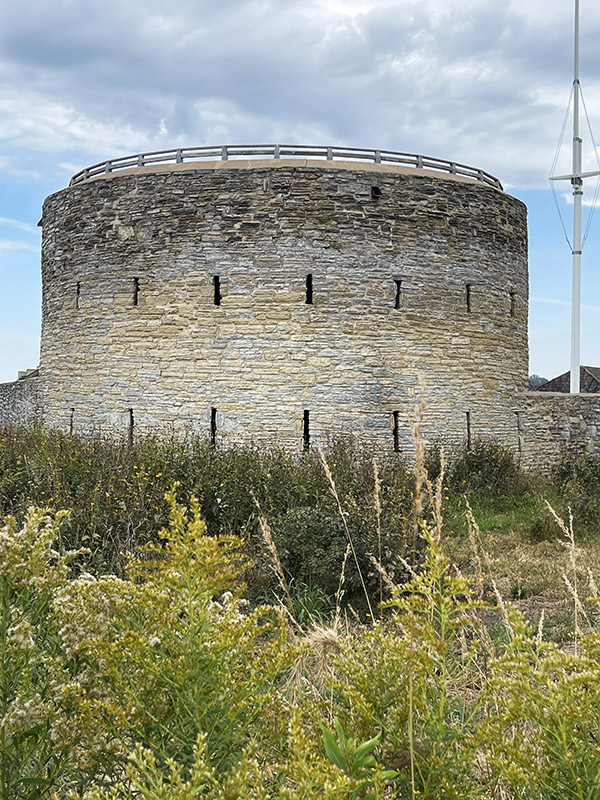
Minnesota’s Fort Snelling State Park is a subject more worthy of a multi-volume book than a single blog post. The challenge in a blog piece is to hit the high points, so bear with me as I attempt to do so. Sue and I recently visited the Minneapolis/St. Paul area, and Sue found several interesting spots to visit. One of them was Fort Snelling.
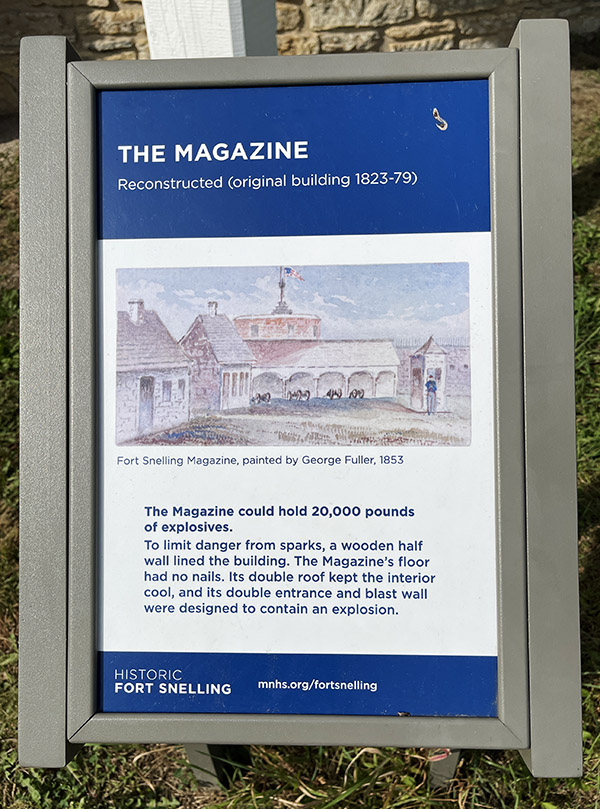
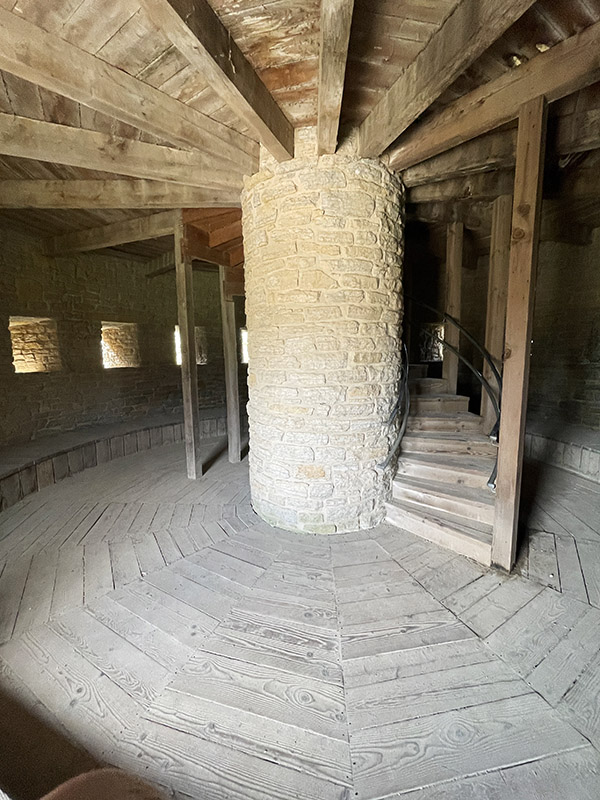
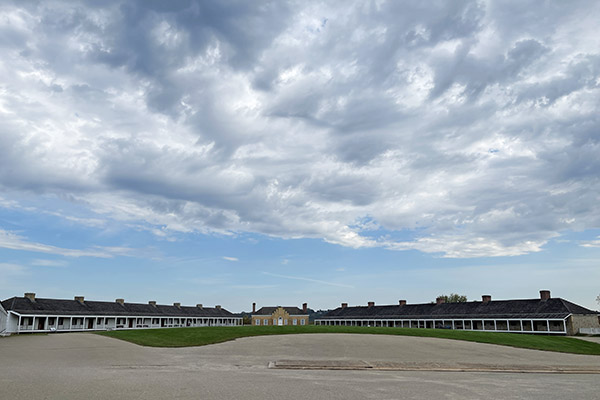
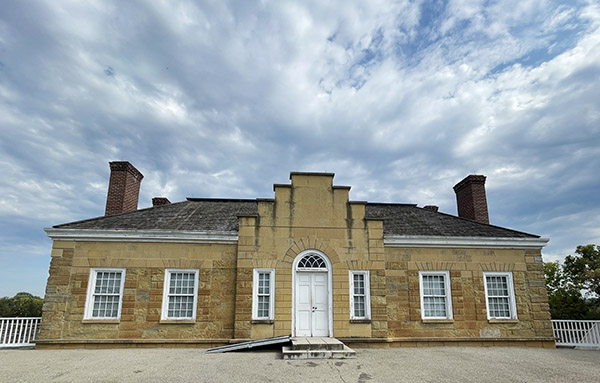
The Tower, also known as the Magazine, dominates Fort Snelling. It was used to store gunpowder. It also served as a prison.More information on the Magazine.Inside the magazine. You can take the stairs to the top.A view of Fort Snelling’s barracks and shop area. The house in the center was the commanding officer’s quarters.
Fort Snelling is located where the Minnesota and Mississippi Rivers meet. Here’s a bit of its background and just a few of the significant things that happened there:
Fort Snelling was founded in 1820
The Mdewakanton Dakota Native American people believe that this area is the center of the Earth.
In 1805, Lieutenant Zebulon Pike met with the Mdewakanton Dakota and signed a questionable treaty to purchase the area for the United States. Most historians believe that neither Pike (of Pike’s Peak fame) nor the Native American representatives were authorized to strike such a deal. Pike paid about $200,000 for the area, which consisted of about 155,320 acres, but left the amount blank in the treaty he brought back to Washington. The US Congress changed the amount to $2,000, but didn’t pay the Dakota people in cash. The Government instead provided goods it felt were worth about $2,000.
Lieutenant Colonel Henry Leavenworth built the initial outpost in 1819.
Colonel Josiah Snelling assumed command in 1820 and finished construction; he died in 1827 after being recalled to Washington.
Minnesota’s first post office opened at Fort Snelling in 1827, the same year that Colonel Zachary Taylor assumed command.
Slavery existed at Fort Snelling up until 1857.
Dred Scott (of the Dredd Scott Decision fame) and Harriet Robinson Scott were among slave population at Fort Snelling.
Fort Snelling acted as a concentration camp for the Dakota people before they were sent to Nebraska.
The fort was a primary recruiting station during the Civil War, the Spanish American War, World War I, and World War II.
In 1848, portions of the military reservation were set aside and would become St. Paul.
In 1856 Major Edward Canby became the fort. Canby would go on to become a general, and would hold the dubious distinction the only general killed in the Indian wars. Canby, a Minnesota town, bears his name.
The fort was the primary military base during the Dakota War of 1862.
In 1916, when General John J. Pershing was chasing Pancho Villa in Mexico, Minnesota’s National Guard was activated at Fort Snelling to provide border security.
In 1944, the Army’s Military Intelligence branch operated at Japanese language school at Fort Snelling, which was relocated to its current location in Monterey, California when Fort Snelling was decommissioned in 1946.
Restoration of the old Fort Snelling began in 1957.
Fort Snelling became a National Historic Landmark in 1960.
Fort Snelling State Park opened in 1962. It is Minnesota’s most visited state park.
Here are a few additional photos we grabbed as we wandered through the Fort Snelling grounds.
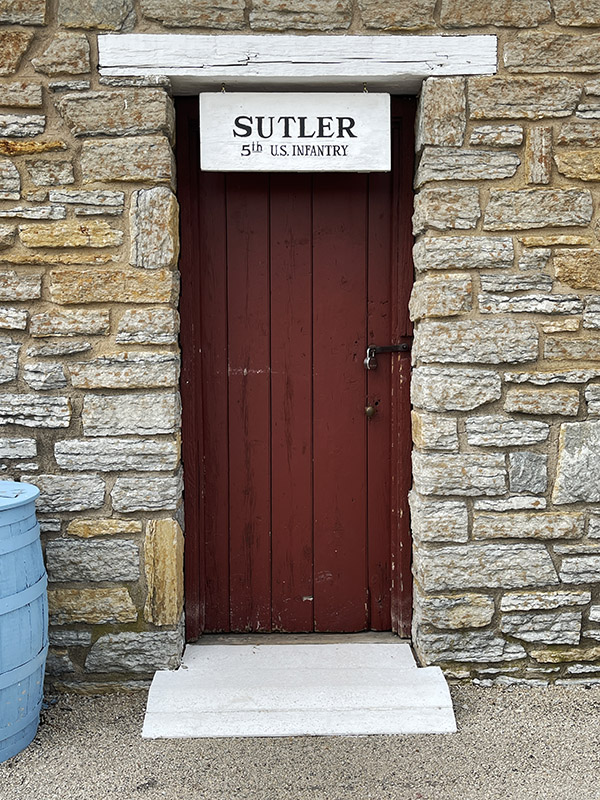
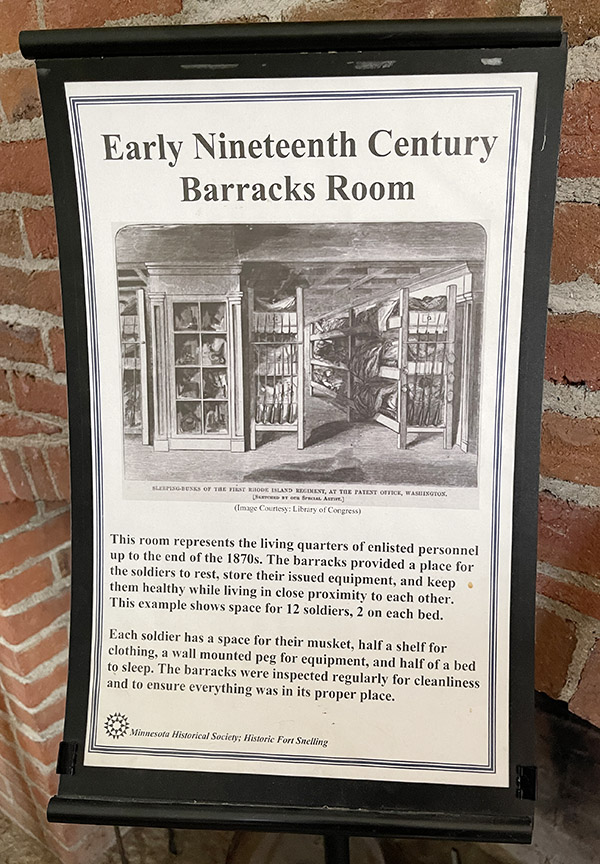
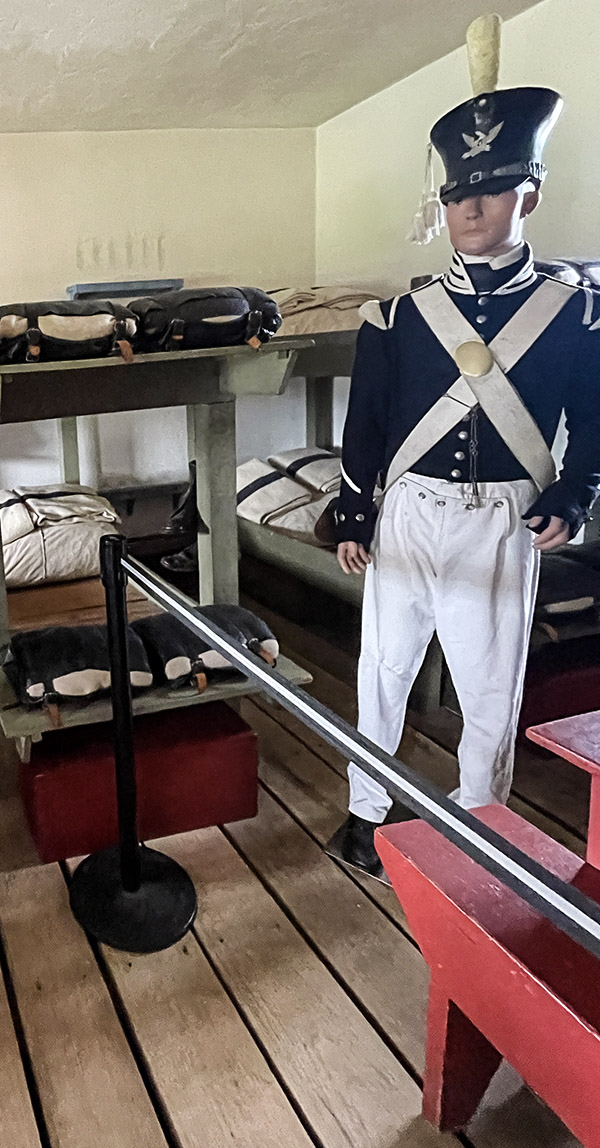
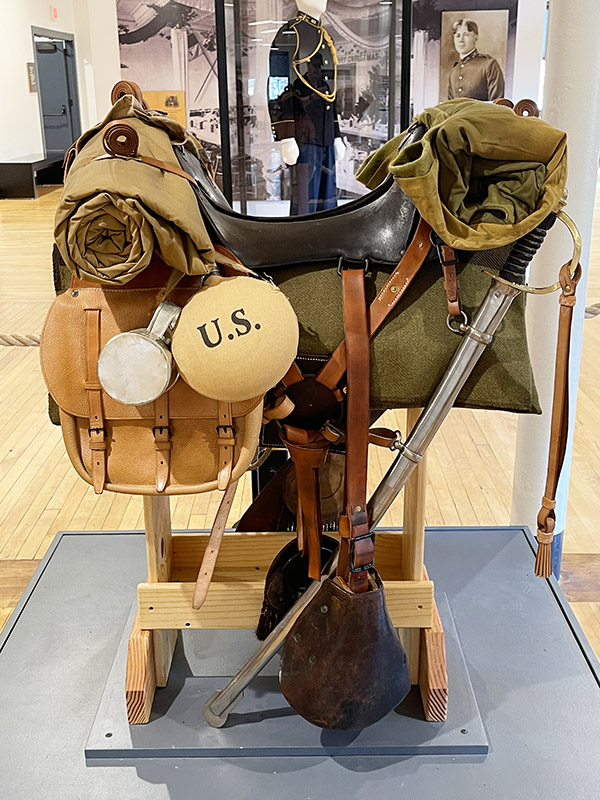
The Post’s general store (a sutler is a storekeeper who sold food, clothing, personal items, etc., to soldiers at a military camp or post; today it would be called the Post Exchange).Information about early barracks living.Inside an early barracks room.The Commandant’s quarters. You can go inside, too.Early Army gear on display in the Fort Snelling State Park Museum.
There’s an interesting Museum that houses a number of exhibits as you enter Fort Snelling State Park. Our visit was a good one. We opted for the guided tour and it was money well spent. Our tour guide was enthusiastic and made the tour interesting. If you ever pass through the Minneapolis/St. Paul area, Fort Snelling should be on your list of places to visit.
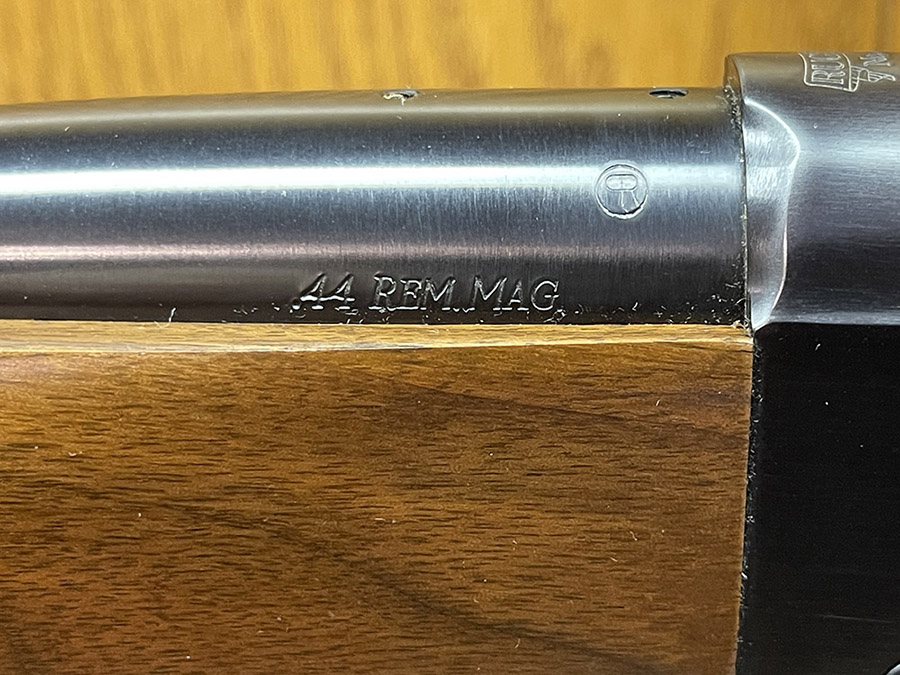
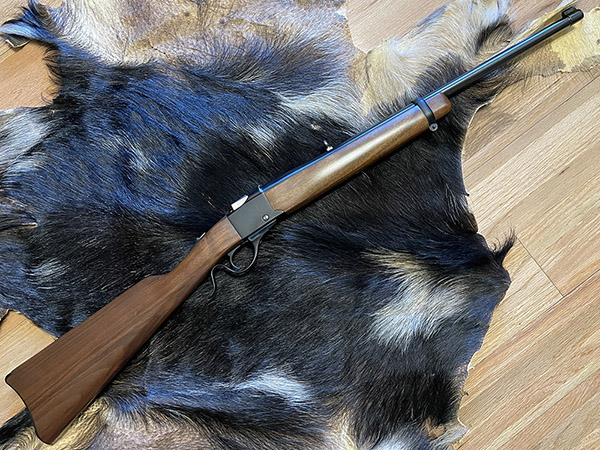
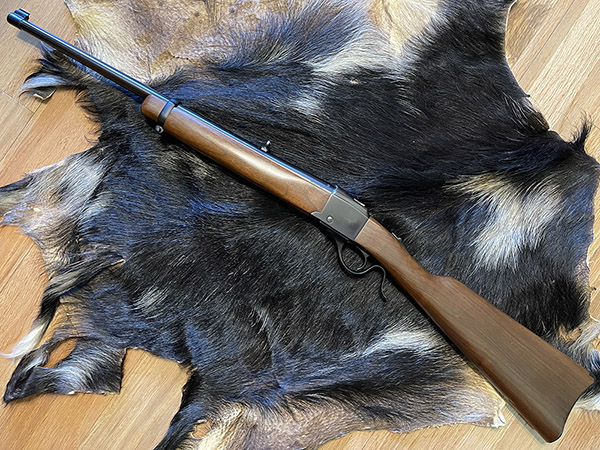
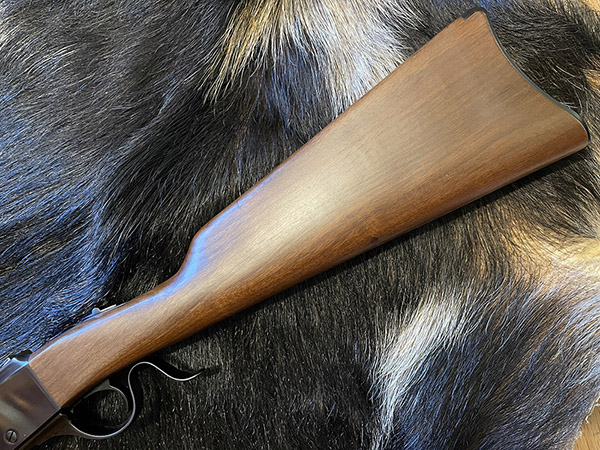
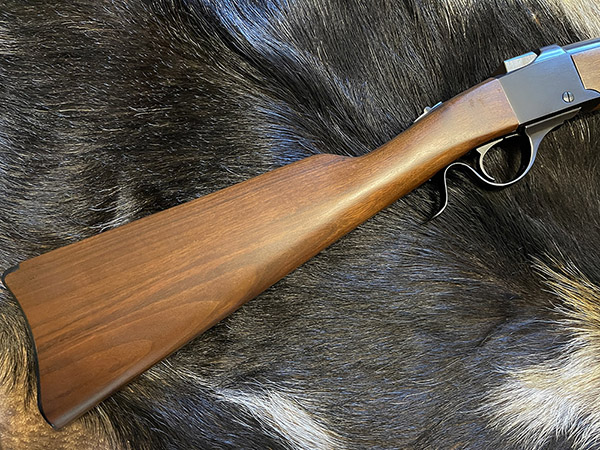
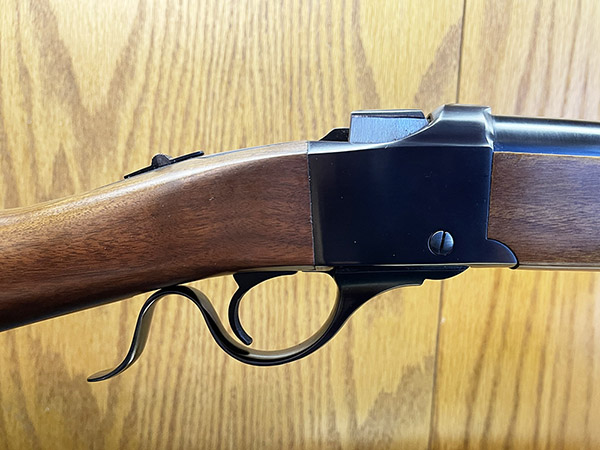
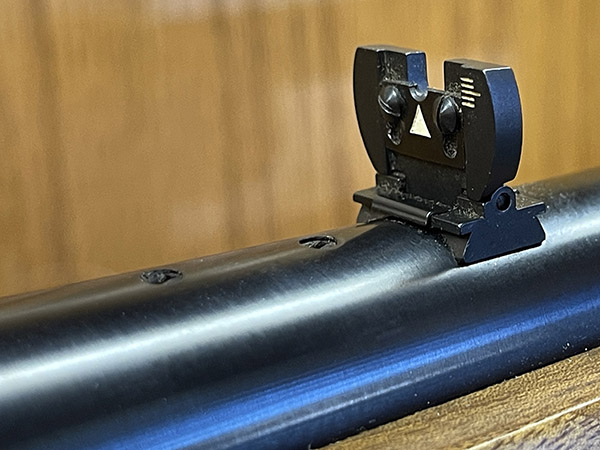
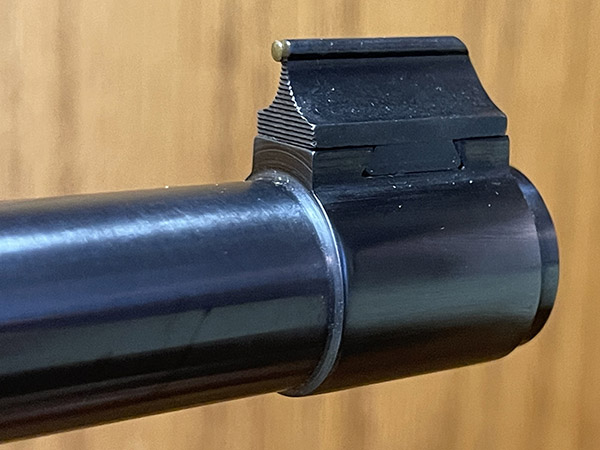
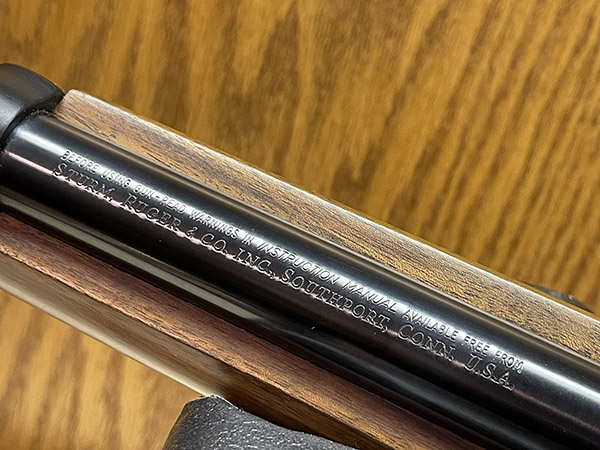
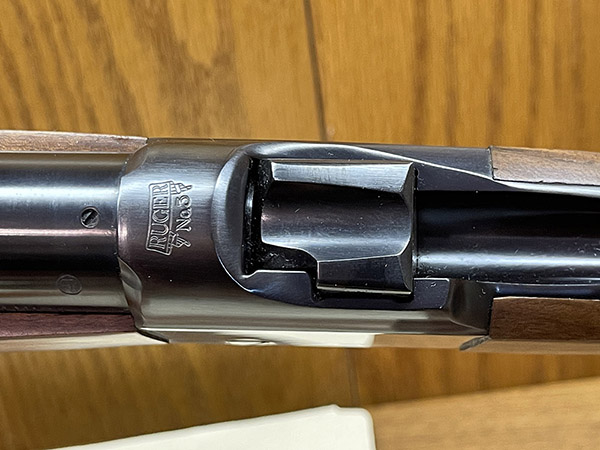
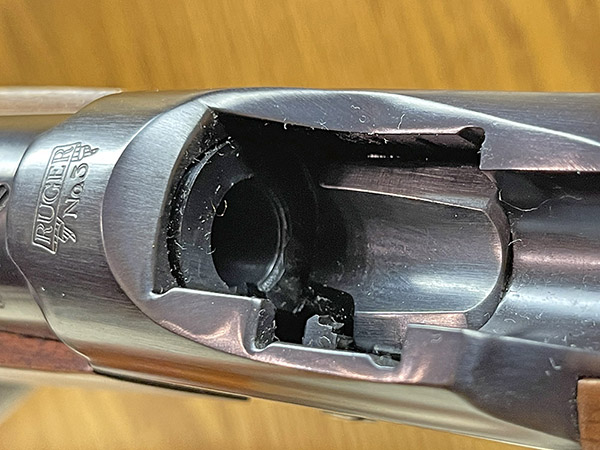
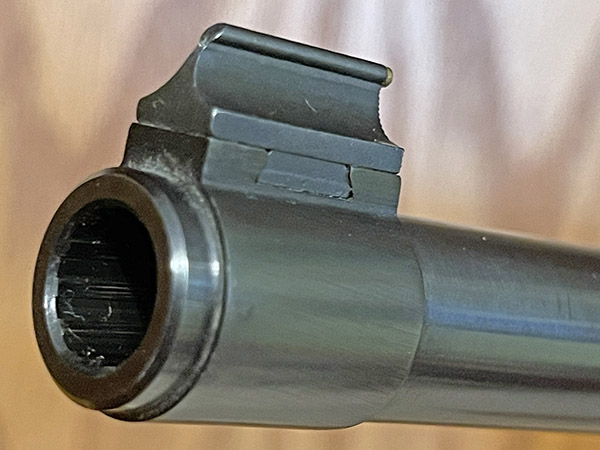
The Ruger No. 3 was Ruger’s economy version of their higher end No. 1 rifle. Unlike the No. 1, the No. 3 had plain walnut stocks, no checkering, slightly less polished bluing, and a simplified loading lever styled like those on early single shot Winchesters. The No. 3 was introduced in 1973 in three classic cartridges: .45-70 Government, .30 40 Krag, and .22 Hornet. In later years, Ruger offered the No. 3 in .223 Remington, .375 Winchester, and .44 Magnum. Ruger discontinued the No. 3 in 1986, so any No. 3 will be at least 40 years old today.
Of all the chamberings (with one exception I’ll mention in a bit), the .44 Magnum is thought to be the rarest. Ruger doesn’t release production figures, so nobody outside of Ruger really knows how many were made. Online estimates include 200 to 400, 867, and “less than a thousand,” but these are all guesses based on who knows what. Like a lot of Internet info, all we know for sure is that at least two of the guesses are wrong (and maybe all three are).
You almost never see a .44 Magnum Ruger No. 3 for sale. I’m downsizing my collection and I thought I would sell mine, but after seeing the Gunbroker ad and looking at the rifle a bit more, I took the ad down. This is one I’m going to keep.
Even though I’m letting a few rifles go, I still have the collector bug. The only No. 3 Rugers I don’t have are the .223 Remington and the .375 Winchester. If I came across either of those at a killer price, I’d be mightily tempted.
The rarest Ruger No. 3 rifles ever made? It’s rumored that a couple left the factory chambered in .30 06. I’ve never seen one. The other very rare chambering is a modified .30 Carbine designed to replicate the trajectory of the 1980s-ish General Dynamics Viper anti-tank weapon. That No. 3 was a barreled action that fit inside a Viper launch tube (the Viper was a shoulder-launched anti-tank missile, kind 0f a modern day bazooka). I’ve seen and handled those, as I worked on the Viper engineering development program at GD back in the day. One of these days I’ll get around to doing a blog on it.
We’ve written about Ruger No. 3 rifles before in other chamberings. Here’s a list of links for easy reference:
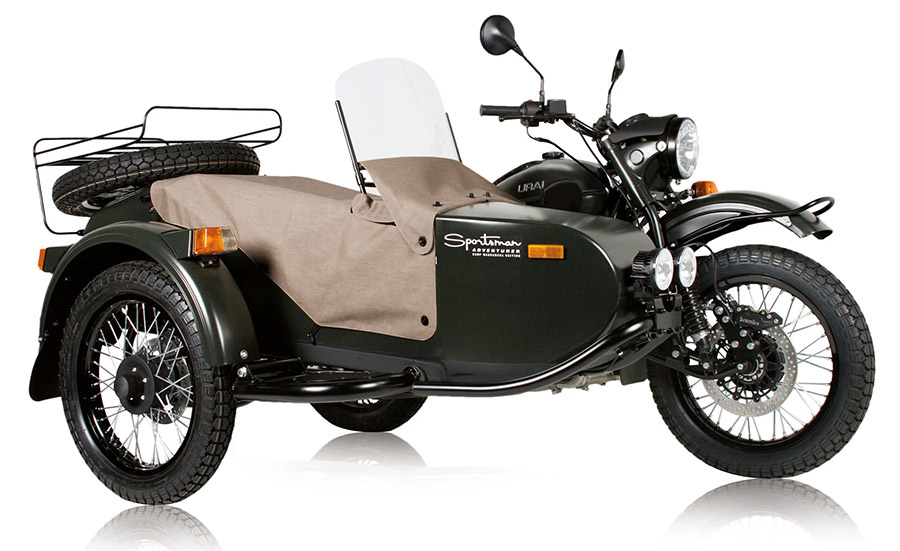
I don’t know much about Urals. I had a chapter devoted to the brand in the Police and Military Motorcycles book because their motorcycles kind of had a military flavor to them, I would see a Ural at the annual Griffith Park sidecar rally here in LA (it belonged to a guy who had swapped an 800cc BMW engine into it), and our good buddy Dan from Colorado had one (I knew Dan from the CSC rides into Baja). I guess the other thing I should mention is that we often sold CSC Mustang seats to Ural owners because the wait for a seat from Ural in Russia often took a year or more. On occasion when I’d hear the latest news about Putin’s military misadventure, I would sometimes wonder how that affected Ural Motorcycles. They were always a super-small niche marque; I reckoned that they probably weren’t selling anything since that stupid war began.
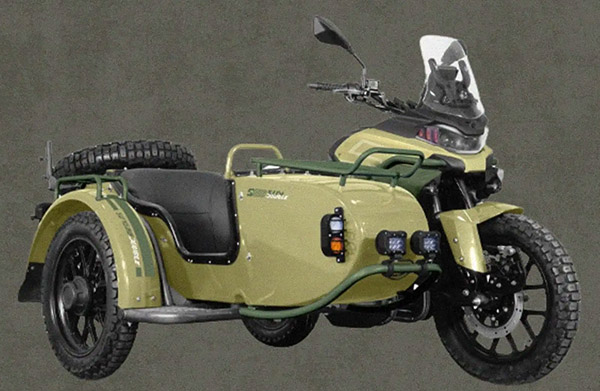
I guess I was right, as an email I recently received from Ural shows. Ural is taking a different tack: They’ve pretty much dropped the Russian-made WWII BMW clones (Ural moved to Kazakhstan, but to me, that’s still Russia), and now they’re hooking up with a Chinese manufacturer to make a smaller sidecar-equipped 500cc twin. They’re calling it the Ural Neo.
The 500cc Ural Neo. Projected list price is “under $15,000.”
Man, talk about stacking the marketing cards against you: A smaller displacement bike, a bike from a Russian (sort of) company, a bike made in China, and catering to the sidecar market (when was the last time you saw a bike in America with a sidecar?). I’m guessing they will be pricey, too, but hey, what do I know?
I have no idea how I made it onto a Ural email list, but here’s the letter from Ural:
Dear Friends,
If you know our history, you know this brand was never built in comfort. The challenges of the last five years and especially the move to Kazakhstan have made the legacy Urals impossible to produce sustainably. This led us to the decision to pause manufacturing of the new legacy models for export markets. It does not, however, mean that Ural is stopping. Instead, we are pulling (yet another) one-eighty in order to keep moving forward. Below is a letter from Ilya (a long read), that explains where we are, how we see the path forward, and the answers to some of your questions and concerns.
For new subscribers – welcome to the community! You caught us amid a big change. If your interest is solely in our legacy machines, please check inventory to find models that are still available at dealers in US, Canada and Australia. If you are interested in sidecars in general, feel free to subscribe to updates on Ural Neo.
For those of you who have followed the story for a while, our customers and supporters, we know this transition is not easy, and we don’t take your trust for granted. We want you to know that every decision we’re making right now is with your experience, your bikes, and your future support in mind.
Thank you for your patience and for sharing your stories, they keep us going every single day.
We wish you and your close ones a happy Thanksgiving and a happy upcoming holiday season!
Stay tuned for new developments.
The Team at Ural
A Letter From Ilya
“Dear Friends,
It’s been a while since our last update. Much of our time was spent on reorganizing the company and evaluating what is possible that would allow Ural to continue into the future. The complex challenges we faced required difficult decisions, sharp turns in direction, and more than a few leaps of faith.
Our recent post on our Facebook page – inviting riders to test-ride the new Ural Neo at one of our dealers – received a lot of attention. As with every mention of Neo, it brought out not only curiosity and support but also strong emotions, questions, and criticism.
We understand where those emotions come from. For most of you, Ural isn’t just a motorcycle – it’s a part of your personal story, the same way it’s a part of ours.
I still struggle to find the right words to describe what happened to Ural when the war began in 2022. The best way to describe it is this: it felt like our factory in Irbit had suddenly exploded. We had to make decision quickly. Some voices suggested stopping altogether, but this thought was dismissed almost immediately. Instead we moved final assembly to Kazakhstan.
This allowed us to continue building bikes. However, operating between two countries – one under sanctions and another with almost no infrastructure for a business like ours – proved to be extremely complicated. By late 2024, it was clear that this setup couldn’t last: we were losing money with every bike we built.
That’s when the idea of a lighter, street-oriented sidecar motorcycle in a different price segment began to take shape. Our original goal was to broaden our lineup and make better use of the infrastructure we still had. At the same time, we were searching for a longer-term solution for legacy bikes: exploring new suppliers, alternative assembly locations, and possible partnerships.
Then, in April 2025, the tariffs hit. Now not only was manufacturing inefficient – selling our motorcycles in our main market, the United States, had become nearly impossible.
Building in China and Staying Ural
When we started looking for ways to continue, we knew exactly what we didn’t want: to become a badge fixed on someone else’s product (and yes, we did have such offers). We wanted partners who understood sidecars and were willing to collaborate.
That search led us to Yingang, a family-owned motorcycle company with decades of experience making sidecar-equipped models for their local market. Their capabilities and willingness to work with us to refine the product made them the right fit.
Together, we began developing what would become the Ural Neo 500 – based on an existing platform, tested and refined with our input and oversight, built to our specifications and quality requirements.
What Ural Neo Is – And What It Isn’t
Ural Neo is not meant to replace our legendary 2WD sidecars. Legacy Urals gave generations of riders the kind of experience no other motorcycle could offer.
Neo is different. It’s modern, light and by far more approachable. It’s designed to bring new riders into the sidecar world, not to take anything away from those who already love it. If the 2WD models were still part of our lineup, Neo wouldn’t compete with them — it would complement them. Instead, it now continues Ural’s story in its own way.
Think of Neo as a bridge between Ural’s past and its future – a way to keep Ural’s name, spirit and know-how alive while we’re reinventing the company for the opportunities and challenges ahead.
Now let’s address some of the big questions.
Is production of classic Ural 2wd bikes stopped permanently?
We call it “put on pause”, which in plain English means we don’t know. What we can say with certainty is that we haven’t written it off entirely. The key for restoring the production, if it ever becomes possible, is to maintain documentation, equipment, tooling and, most importantly, our experienced engineers and skilled workers. We will be doing everything we can for as long as we can to support this infrastructure.
What’s going on at the factory in Irbit?
The Irbit factory is operational, although with a smaller team. Currently the factory is assembling a limited number of bikes for domestic market from existing stock of parts and components, and making spare parts for exports. The factory also performs contract assembly for a local vehicle manufacturer. The team in Irbit continues to work relentlessly to bring more business to the factory.
What’s going on with parts supply?
No sugarcoating here – the situation is tough. It’s hurting our reputation and the hard-earned trust of our dealers and customers. Parts are still coming to the country, but not in quantities or the regularity we need. Mainly it is caused by two factors: limited financing (especially when dealing with suppliers who require large minimum orders) and extremely complex logistics. We’re doing what we can to stabilize the supply chain, but realistically, it won’t improve overnight. The success of the Neo project will play a major role in helping us rebuild a reliable parts flow for all legacy bikes.
Why not move production to the U.S.?
We explored this and many other options, the numbers just don’t work. The replication of the manufacturing infrastructure would require multi-million-dollars investments. Even setting up an assembly in the U.S. is not feasible at this time, as logistical costs, wages and the costs of maintaining the facilities would drive retail prices out of reach for most riders.
Why in China?
China is the largest motorcycle manufacturing base in the world, with a vast ecosystem of specialized suppliers of parts and components. No other place in the world can manufacture sidecar bikes of comparable quality and as affordably priced.
The Neo 500 is built in China because it’s the right choice today, not because it’s the only choice we’ll ever make. As the project grows, we will continue to evaluate where and how future models should be built.
You shouldn’t put the Ural name on anything that isn’t original bike.
That’s exactly why this project is called Ural Neo. It’s a new chapter, and we fully acknowledge the difference. The alternative was losing Ural altogether. We’d rather see the name move forward than carved on a tombstone. We hope you would too.
The main appeal of Ural was its classic look. Without that vintage charm, who’s going to buy your new bike?
We know the Neo’s design and overall direction of the company don’t match what many of our long-time customers expected. But we don’t believe that appeal of the sidecar bikes begins and ends with nostalgia. A new generation of riders is discovering sidecars for different reasons – shared experience, practicality, and curiosity. Ural Neo is built for them – let’s give them a chance to decide if there’s something there.
How is Ural Neo financed? Why Ural is spending money on new project instead of supporting existing customers?
Ural Neo is structured, financed and operating independently from legacy business. A small group of long-term partners and investors – people who believe in the brand and in our team – provided the initial capital to develop, homologate and bring the new model to the market. We’re finalizing an additional funding round to ensure Ural Neo is set for successful launch.
When will we see Ural Neo at dealers?
The EPA/CARB certification unit is already in the country and we’re starting the certification tests in a couple of weeks. Additional demo units will arrive in the US late January – early February, and we’re planning demo-tour for February – April. The first production units are expected to start reaching dealer floors late May. We’ll share timelines and updates as we go.
***
We know the past few years have tested everyone’s patience and faith in Ural. But through all the challenges our goal hasn’t changed: to make sure Ural keeps going. Ural Neo doesn’t erase our history – it keeps our story, and yours, alive.”
— Ilya Khait
President, Ural Motorcycles
Will the above approach work for Ural? Hard to say. I think they’ll sail through the EPA/CARB certification process (China’s emissions requirements are tougher than ours). The cost and marketing challenges will the toughest hurdles, I think. Here are a few things they can do based on our success at CSC with the RX3:
Bring in enough spare parts to build the things. That was one of the biggest concerns RX3 buyers had, but it was non-issue. Steve brought in enough spares to cover any need. That quickly put the spare parts issues to bed.
Be enthusiasts, spend a lot of time on the bikes yourself, and blog the hell out of your rides and adventures. A lot of people followed the CSC blog, and that blog sold a lot of bikes.
Offer free online maintenance tutorials for your bikes. CSC did, and it became a strong selling point.
Sponsor a cool ride every year for your customers. We did that at CSC with the Baja rides, and people bought the RX3 bikes just to go on those rides. It was great, it built a real community, and it gained us a lot of coverage.
Keep the price low. People aren’t going to stand in line to pay a premium price to a Russian motorcycle company for a motorcycle made in China. I read that Ural is projecting a list price “under $15,000.” Good luck with that.
Probably the most significant factor and the best advice I can offer is to keep the price low. The second most significant one would be the company rides; they did a lot for us to prove our bikes’ reliability and to quickly build a community. Here’s one of my all-time favorite videos; it’s the one from our very first CSC Baja ride.
If you would like to read more about CSC’s marketing strategies in bringing the RX3 to America, and those sponsored motorcycle rides mentioned above, pick up a copy of 5000 Miles At 8000 RPM. Don’t wait for the movie.
I thought I could skip this one in our ¿Quantos Pistones? series. After all, who ever thought there could be a 7-cylinder motorcycle?
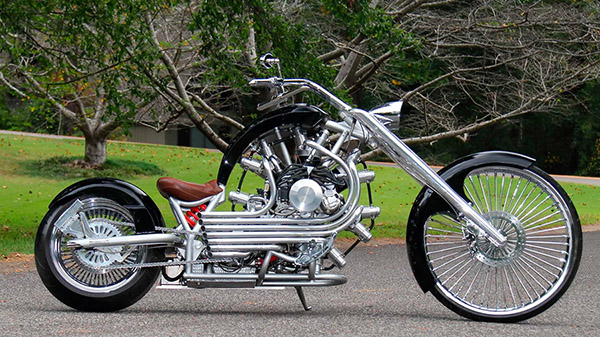
But I was wrong. Much to my surprise, there are actually at least a couple of 7-cylinder motorcycles out there. I’ve never seen one, but they exist. One is comparable to the 5-cylinder machine based on the Kawasaki two-stroke engines; the other is an aircraft radial-engined affair.
The JRL Cycles Lucky 7 used an engine originally intended to be a replacement engine for aircraft that used a radial engine. They only built four of these (one prototype and three production bikes). It’s an interesting footnote in any discussion of motorcycle powerplants, I guess. But the thing looks goofy to me, and its chopperesque ergonomics pretty much guarantee it would be unrideable. You can read more about it here: JRL Cycles Lucky 7 – A Radial Engined Production Motorcycle
The other motorcycle I found online with a 7-cylinder engine is the aforementioned Kawasaki. Here’s a video that does a good job describing it:
The real treat in the above video arrives in the last minute or two, when you can hear it run. It’s worth watching.
So what’s next? Have much milk is left in the cow? Have we exhausted all possible motorcycle engine configurations in our ¿Quantos Pistones? series? Nope. Stay tuned…the Eights are coming up!