By Mike Huber
So, I figured using a slightly amended line from the movie Jaws for this title would fit nicely since this story is a step up from fishing off the BMW GS1200. My friend Sal (who is a new owner of a Can Am) and his brother Mike had just invited me out to go deep sea fishing off the Florida Keys. It was time to take my amateur fishing skills to the next level. Having been hooked (no pun intended) into fishing last month, this opportunity was timed perfectly and would allow me a chance to catch some really big fish. Fish large enough that I would need a Can Am to transport them.
 One of my objectives in life is to hit all the National Parks and living primarily off my BMW GS1200 has really provided me the opportunity to rack up those numbers. Florida is just so flat and straight that even the thought of riding to knock out the five National Parks there grew the chicken strips on my tires. The main focus of this trip would be on relaxation and fishing, so I wasn’t overthinking the National Parks objective. There will be another trip for those.
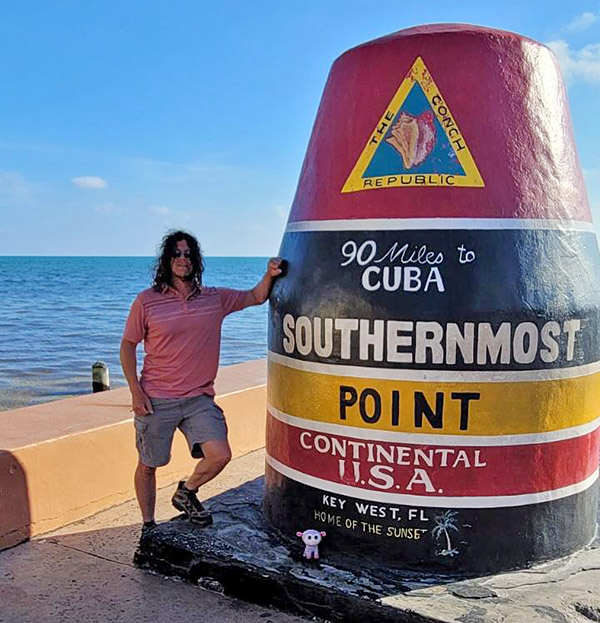
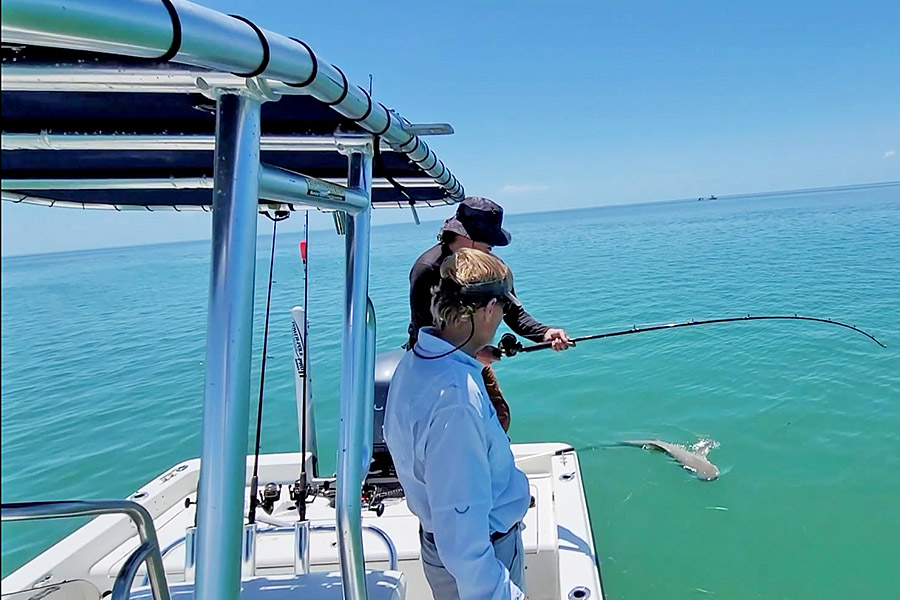
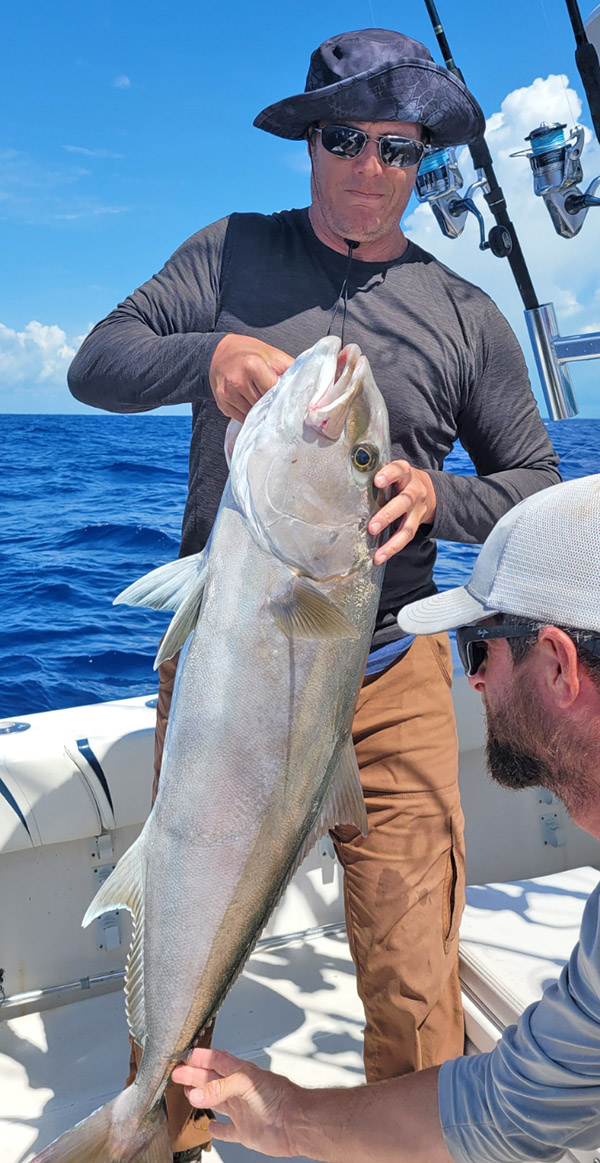
Well, it turned out we would be fishing in Everglades National Park. I totally love it when you can combine two objectives into one; it’s probably the project manager in me. Either way we were on a 21-foot boat westbound out of Islamorada Key. Our first day on the water was pretty impressive, mostly with how the captain yelled at me almost nonstop. This provided endless entertainment for Sal and Mike. I think the only reason he yelled at me more is I was catching more fish and was volunteering to help with tasks around the boat, which put me in the spotlight (or I just screwed up a lot). Either way I got more than one chewing out that day. For example, the captain wasn’t too thrilled when I tried to wind a 6-foot shark into the boat instead of taking the hook out of its mouth outside the boat. That action racked up my fourth chewing of the day, but who’s counting (Sal and Mike were).

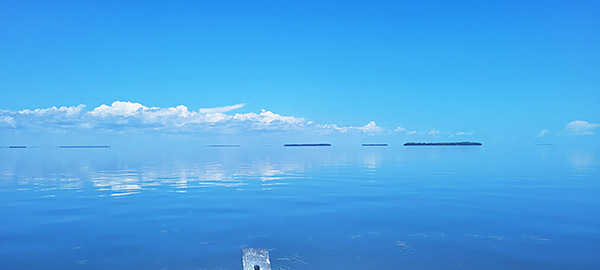
The second day out we each took a chewing but for me it was more personal. The captain, Mark Gibson, who was former UDT (Navy Underwater Demolitions (SeALs before there were SeALs)) happened to have known my uncle who was also UDT. So, he took it upon himself to ensure my “Army” ways were wrong every time, even if they weren’t. In between our constant bickering and putting each other down (all with love, of course) and catching fish, he began to explain to me his true passion, which is helping veterans with PTSD. He runs a nonprofit called Fish With A Hero that takes veterans out on excursions to fish, heal, talk, and, well just be themselves with their brothers and sisters in arms. That day was beautiful. The company was great, the water was like glass, and there was no wind while we fished Florida’s gin-colored waters. We each caught our trout limit that day and we had several larger fish we couldn’t land.
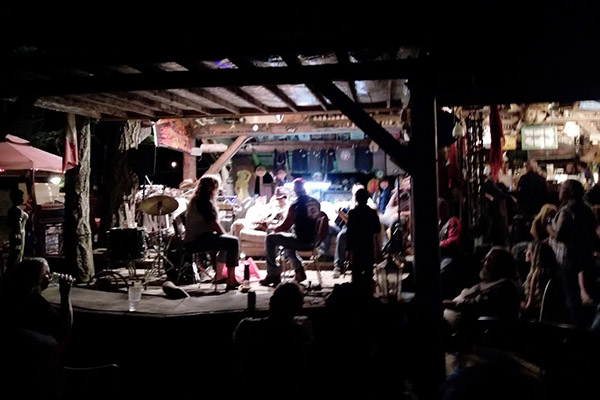
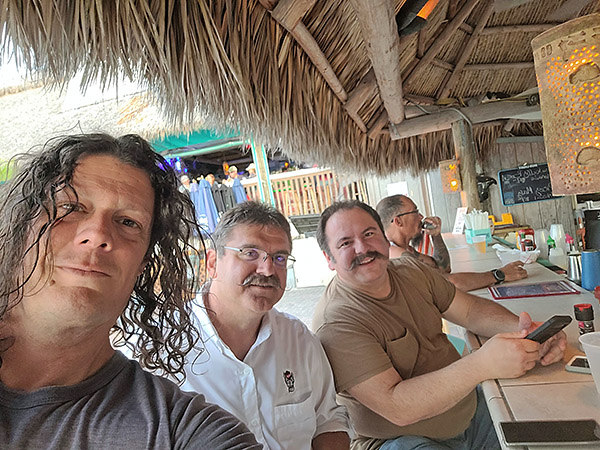
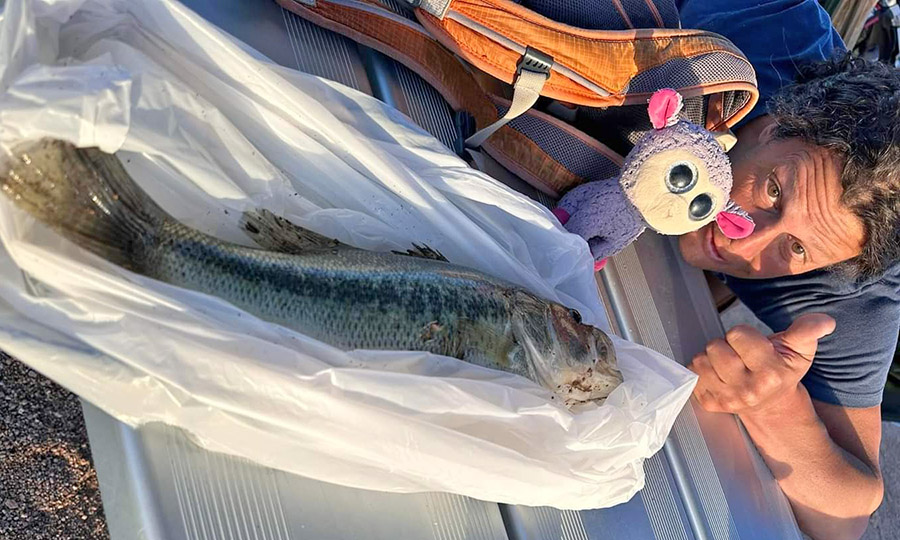
At the end of each fishing excursion, we took our fish to the Lazy Days Restaurant. For a small fee they prepared our catch any way we liked. This was a perfect spot to watch the sun setting over the water as we devoured freshly caught fish with a cold beer and joked over the mishaps and successes experienced that day.
Overall, it was a solid week in the Florida Keys, which is a new area of the world for me. If you like fishing and taking time out from the world this is a perfect place to visit with friendly people in a laid-back environment (outside the fishing captain yelling at me). As far as purchasing a larger moto to carry an 80-pound shark or a 35-pound hammer jack, I think that may require a Can Am. It was odd that on this trip Sal received a few prank phone calls about his Can Am. Somehow, I got blamed for that too, even though I was sitting right next to him when the calls came in. Who knows, maybe a Can Am will be in my distant future to knock out the remaining four National Parks in Florida, and for loading heavy fish for the Lazy Days cooks. Until those days arrive, it is back to freshwater fishing in Arizona with the BMW GS1200.
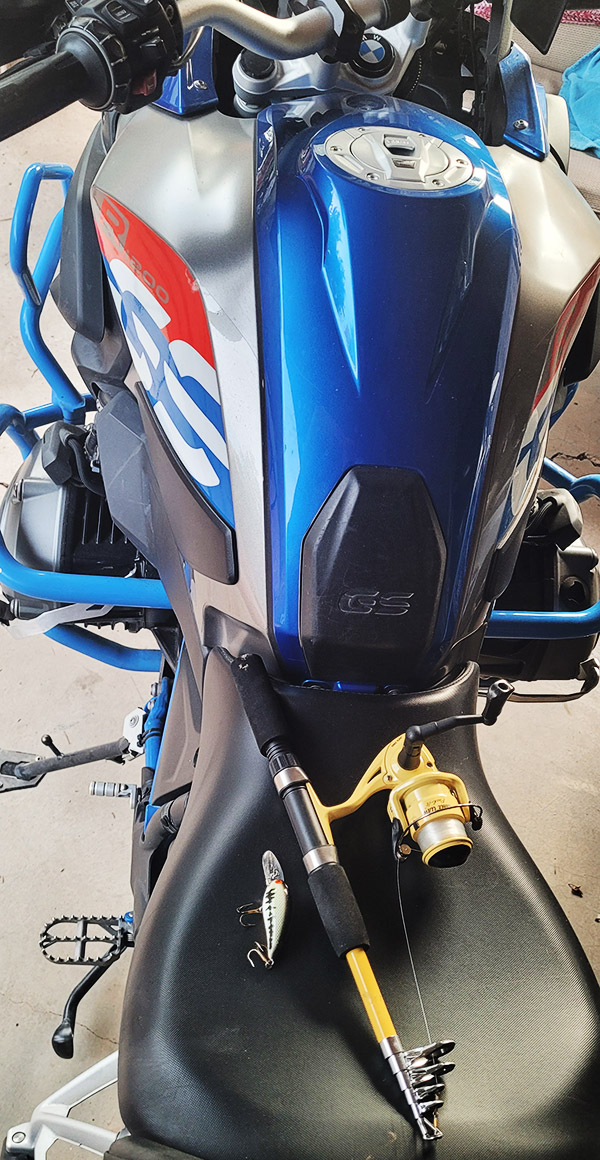
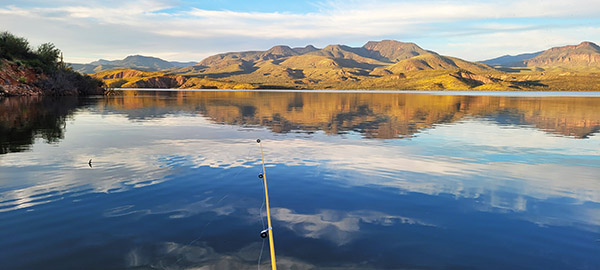
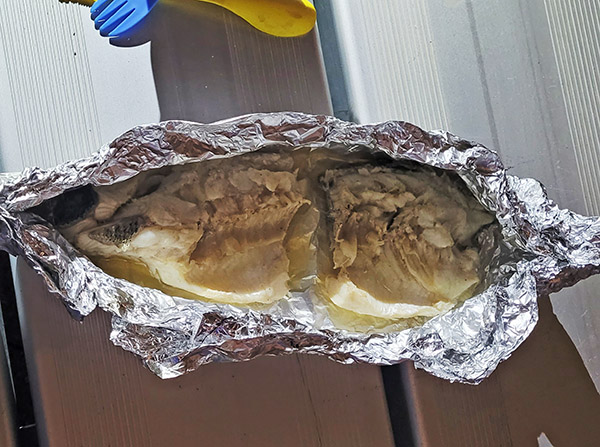
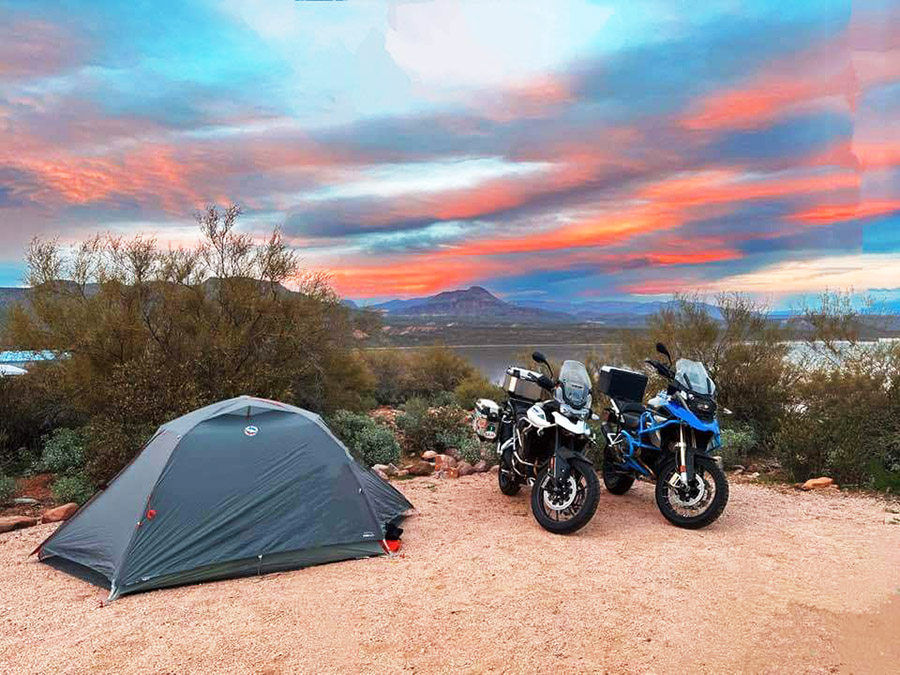
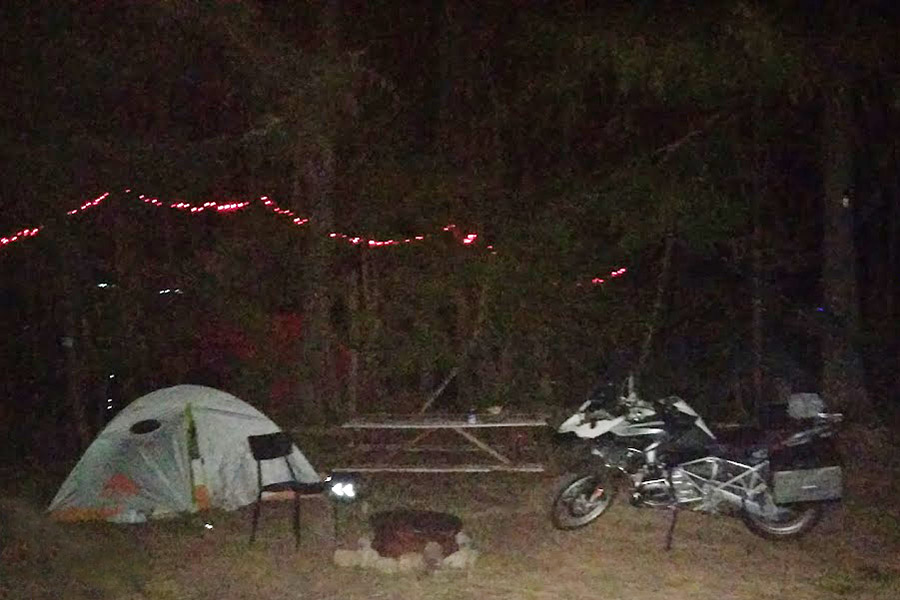
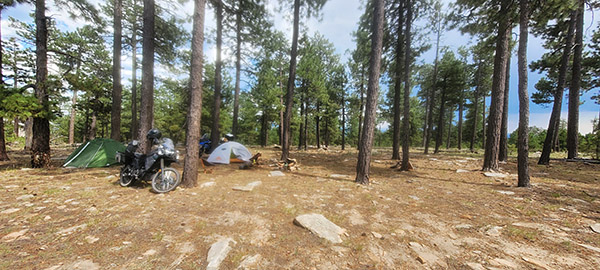
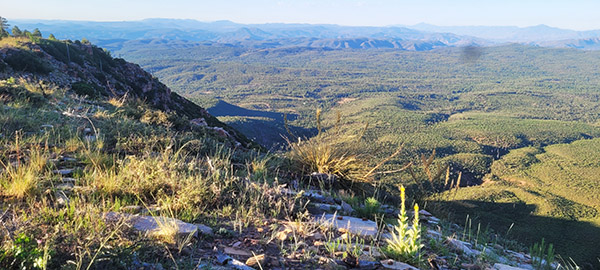
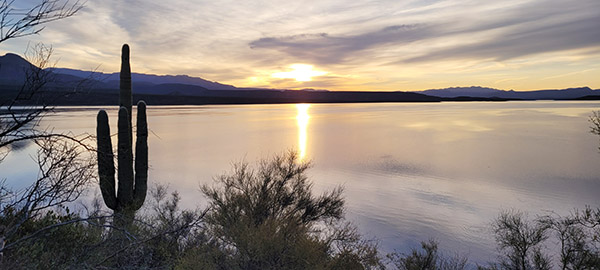
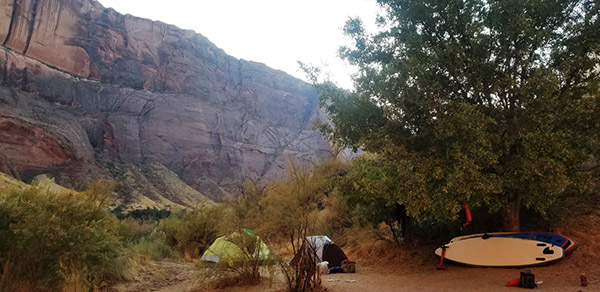
 Arizona has an endless amount of camping areas, both dispersed and in formal campgrounds. I thought highlighting two ends of the spectrum in would be a great way to convey the vast diversity Arizona offers.

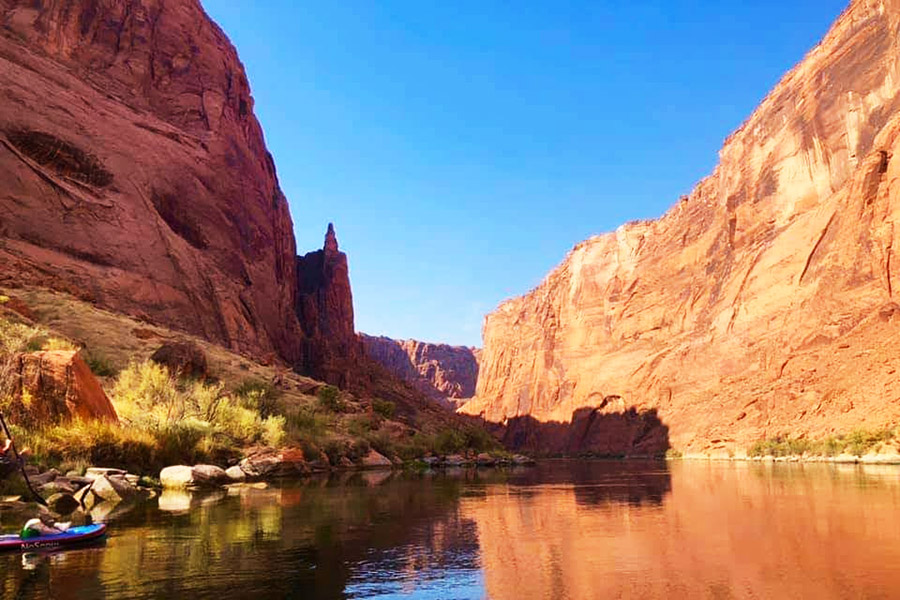
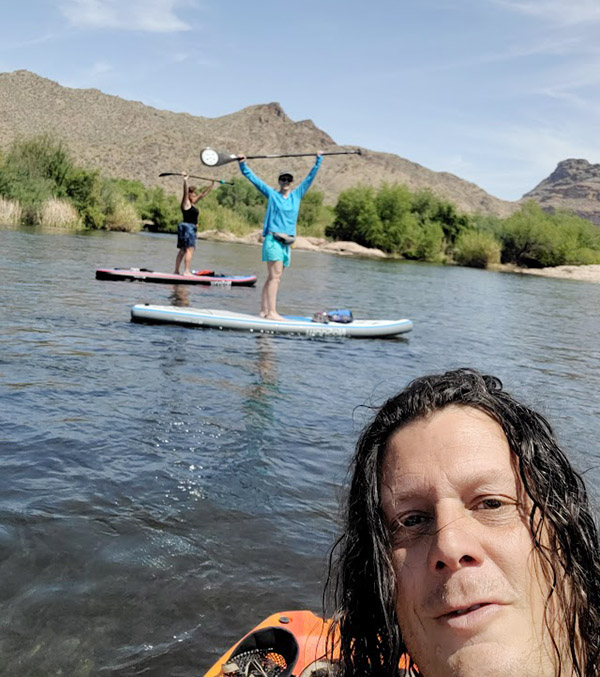
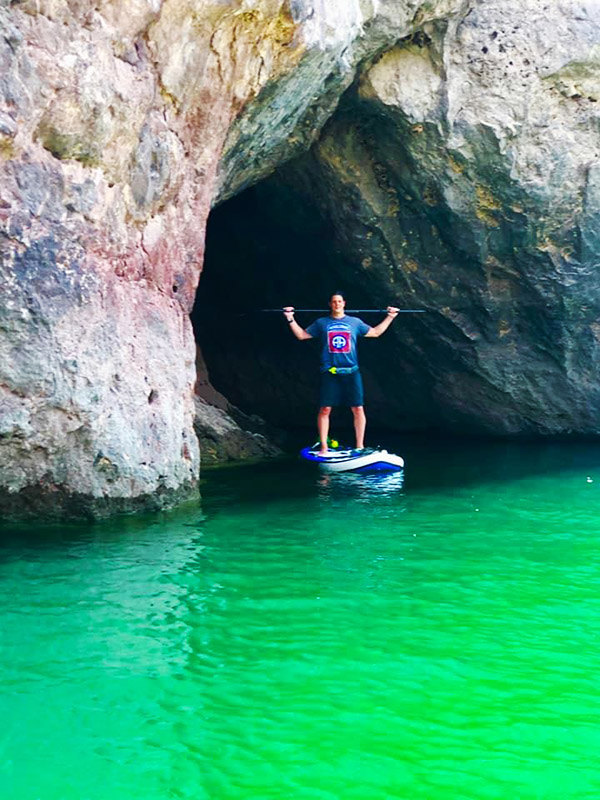
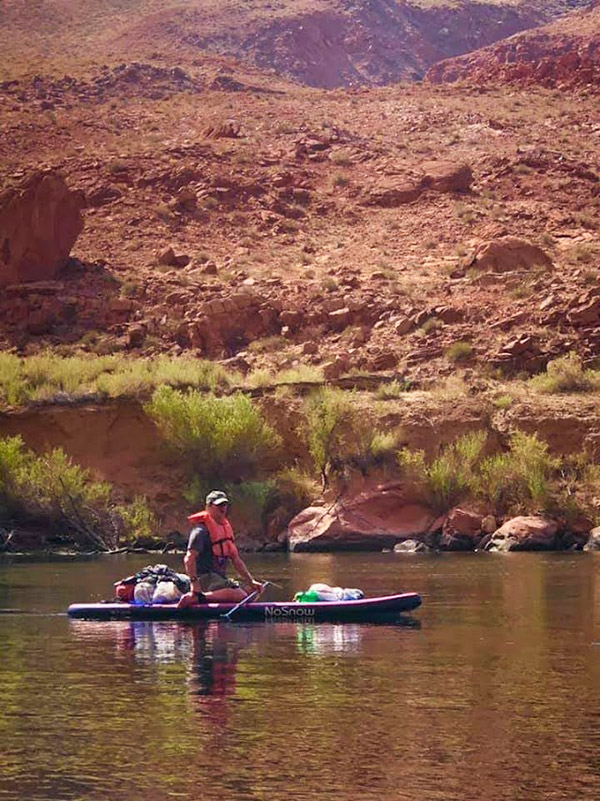 The adventure began with camping near Page, Arizona, and a day of light paddleboarding on Lake Powell to gain more familiarity and confidence on the board. This was more for myself, as the two friends I was traveling with were both very experienced paddlers. My paddling to this date was limited to a couple of 8-mile runs on the Salt River near Phoenix and a horrible windy day off the Colorado River where we launched from Hoover Dam. The Salt River had portions of minor rapids, but the environment was much tamer than we would experience along the Colorado River.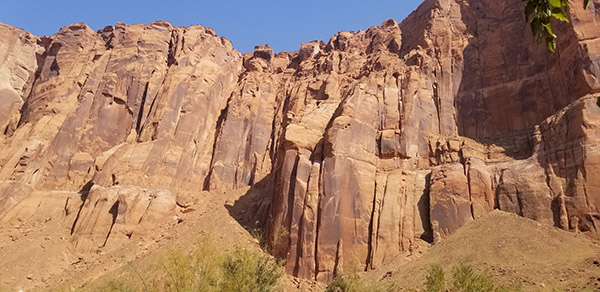
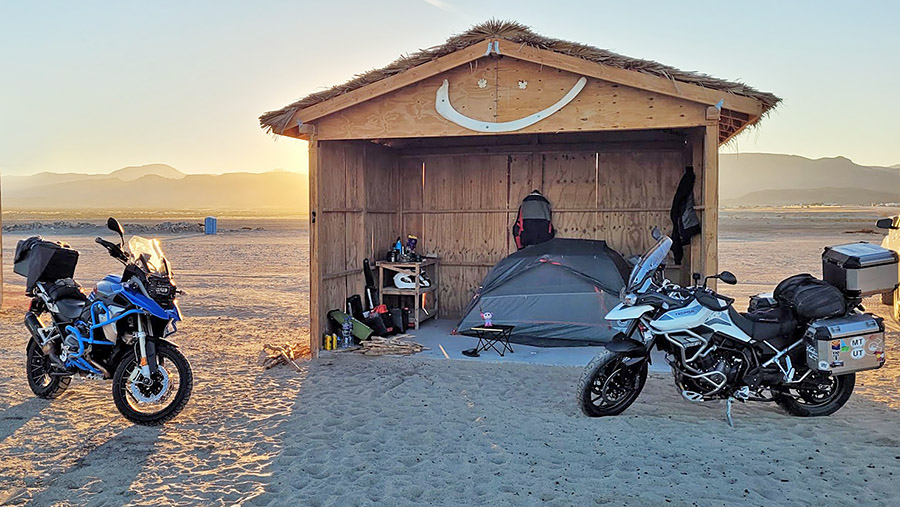
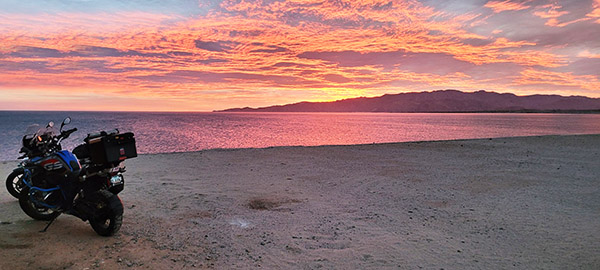
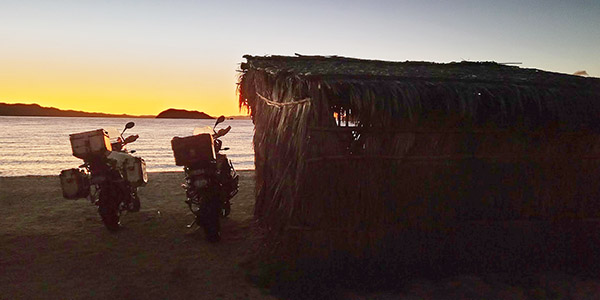 Groggily awaking the next morning to the sunrise peering over the mountains across the bay was a serene way to start the new year. Once we had a coffee (or three) in us we decided to pack up and make our way back north. The plan was originally to hotel in Guerrero Negro for the night, but we had made such incredible time riding that we arrived in town by 11:30, and it seemed too early to stop for the day. The biggest problem with this is once you leave Guerrero Negro there isn’t much (really anything) until you arrive in Gonzaga Bay, which is another 4+ hours of riding and the possibility of bad winds. We rolled the dice and decided to attempt the ride to Gonzaga confident we would arrive just before sunset, which I had confirmed was at 16:49 PST.