The San Diego Automotive Museum

By Joe Berk

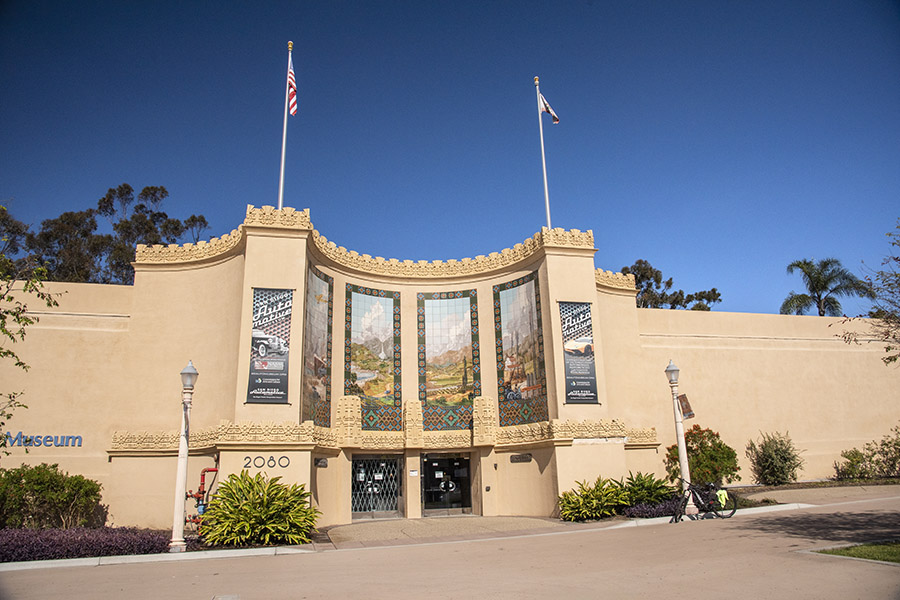
The building you see above is the San Diego Automotive Museum.  Take a good look at it…the sculpted trim, the mosaic panels, and its architectural splendor.  We’ll touch on those topics again at the end of this post.

Our travels this year have focused mainly on motorcycle museums.  Why, then, you might ask, an automotive museum?  The name (i.e., an automotive museum) suggests four-wheeled transport.  But the San Diego Automotive Museum popped up when I Googled motorcycle museums, and when subsequently searching the definition of “automotive,” I learned that the word can be used to describe anything related to or concerned with motor vehicles, including motorcycles.   In the case of the San Diego Automotive Museum, it does indeed relate to motorcycles.  In fact, much to my surprise there are as many motorcycles in the San Diego Automotive Museum as there are cars.
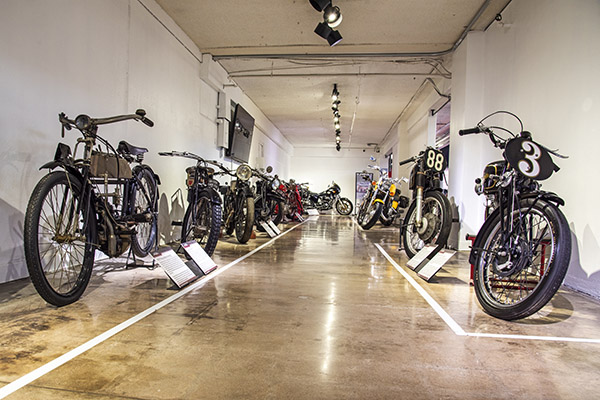
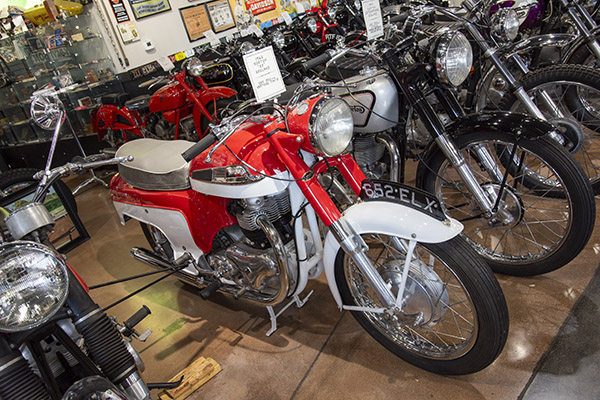
The main motorcycle display area in the San Diego Automotive Museum. In addition to the dozen or so motorcycles in this hall, the Museum has other motorcycles displayed in other locations.

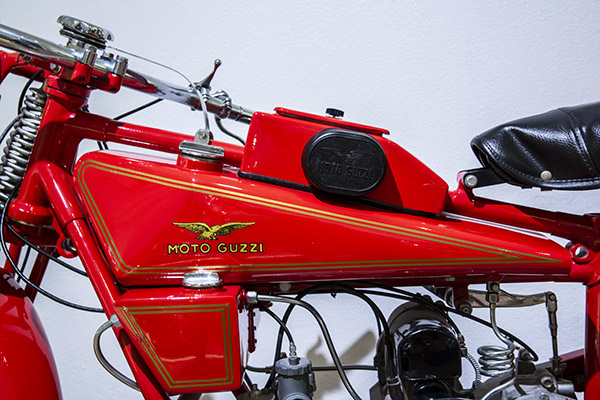
Some of the motorcycles in the display hall were ones I had never heard of, and as a guy who’s been fascinated with motorcycles since the early 1960s, that’s saying something.  I’ve been doing some great things with Cycle Garden in Indio, California recently for Motorcycle Classics magazine, and I’ve always been interested in the V-twins from Mandello del Lario, so any day I see anything associated with that marque is a good day.  Ever hear of the Dondolino?  Yeah, me neither. It almost sounds like an Italian restaurant’s signature dish.
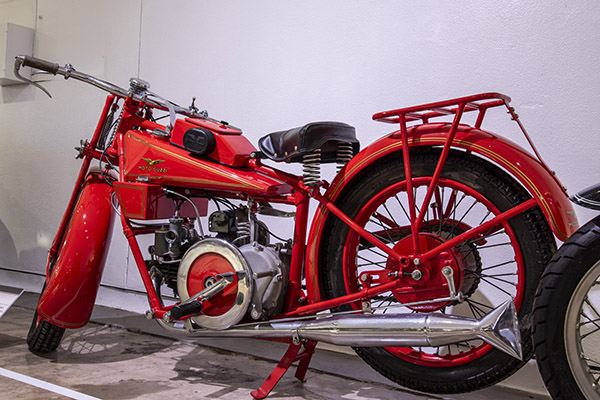
The Moto Guzzi Dondolino, and to be specific, this is a 1951 model. It means a small swing, as one would have for a child. The Dondolino…I like that. Check out the bologna slicer flywheel.
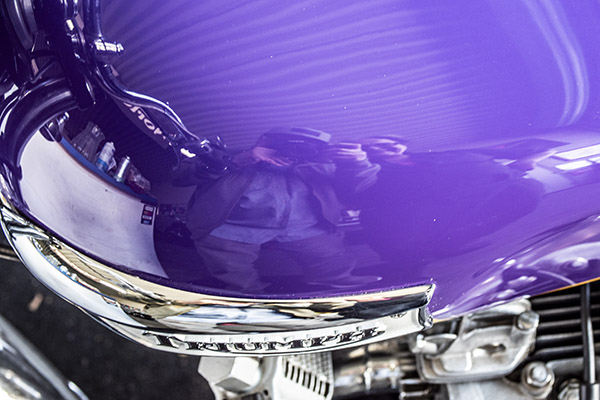
Another shot of the Dondolino, this time a close of the fuel tank.

Another one that was fascinating for several reasons, not the least of which was its paint treatment, was a 1912 BSA single.  Surprisingly, the Museum operations manager told me flash photography was okay (in most museums it is not).  It was hard getting decent photos in the display hall, even though I shoot raw photos (not jpegs), as the raw photo format preserves all photo data (jpegs compress the data).  The display hall was lit with tungsten lighting, which always make getting good color balance difficult.  Even though the the raw photos allow for color temperature adjustments in Photoshop, it was tough getting these right.
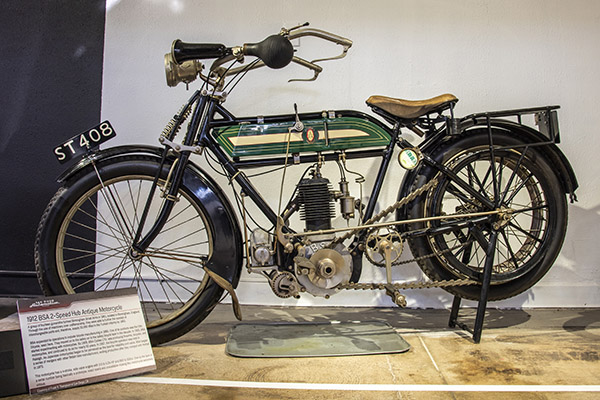
The 1912 BSA single. Check out the bulb horn.

The Museum has a beautiful AJS motorcycle on display.  Some of you older folks and more serious students of the motorcycle may know of the original A.J. Stevens and Company of Great Britain, which manufactured motorcycles from 1909 to 1931.  AJS sold to Norton, and ultimately became part of Norton Villiers in 1966.  That company went belly up a few years ago.   Several organizations picked up the Norton name and tried to make a go of it; to my kn0wledge, none succeeded (although I haven’t checked in the last month or so, so maybe yet another Norton-named manufacturer snuck in).   The AJS name has been revived as a small bike manufacturer, or rather, a name attached to 125cc motorcycles made in China by Jianshe.
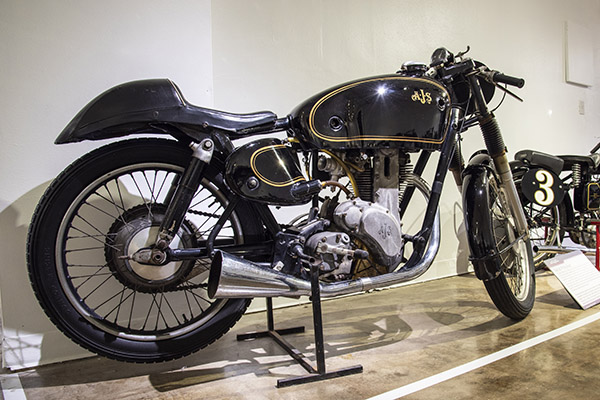
A 1948 AJS 7R “Boy Racer.” The colors are classic. Note the megaphone exhaust.

You know, AJS is indirectly (and partly) responsible for the CSC name.  When founded in 2010, today’s CSC was initially known as the California Scooter Company.  The California Scooter Company manufactured Mustang replicas (the Mustang was a small American motorcycle made in the 1950s).  The name, California Scooter Company, caused us no end of grief because people would look at the little Mustangs and ask, “is it a motorcycle or a scooter?”  We always explained how “scooter” was a slang term for a motorcycle.  I wanted to tell people they were too stupid to ride if they didn’t know the difference (but in an unusual display of politeness I never did).  Ultimately, we shortened “California Scooter Company” to “CSC” based on the industry’s history of three-letter acronyms for company names.  You know:  BMW, BSA, KTM, AJS, etc.  Then the questions changed to “What does CSC stand for?”  I couldn’t resist that one and my answer was immediate:  Chop Suey Cycles.

To get back to the main attraction (the San Diego Automotive Museum), both ends of the main motorcycle display hall are anchored by big American V-twins.  One is a 1978 XLCR Harley Cafe Racer, which I think is one of the most beautiful motorcycles Harley ever made.  The other end of the display hall has a garish chopper, one from a company appropriately named Big Dog.  In an act of photographic mercy, I didn’t get a photo of it.
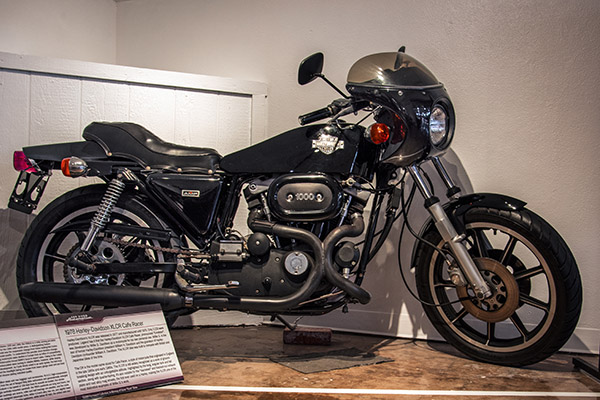
The Harley Cafe Racer. Always wanted one, never bought one. They were a shade over $3,000 in 1978 when new. I came close to buying one back then, but I didn’t pull the trigger.

Moving outside the motorcycle exhibit hall and into the rest of the Museum, as mentioned earlier there are motorcycles displayed throughout the other displays.  One of the first is a Dan Gurney Eagle.  Dan Gurney was a famous automobile racer who formed a company that mounted Honda engines in a frame in a manner that positioned the rider low in the bike.  The seating arrangement was said to improve handling.  Maybe it does.  To me, it just weird, and rider visibility has to be terrible.  I think I would look weird (or weirder than usual) when stopped with my legs splayed out to the sides.
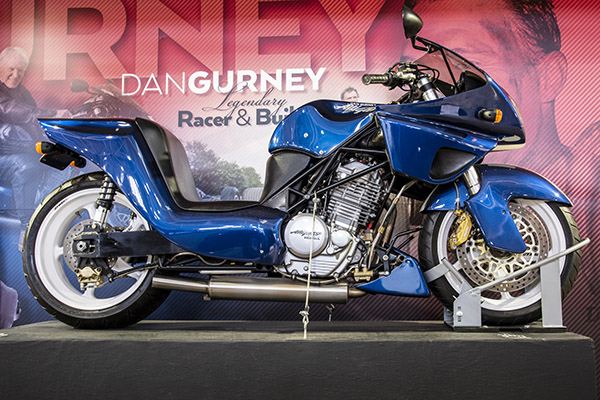
A Dan Gurney Eagle. Weird, huh? The concept never caught on.

As soon as you enter the Museum, there’s a 1974 Triumph 750 T150V Triple on display (along with a two-stroke Suzuki 400cc dual sport).  The Triumph Trident was supposed to be Triumph’s answer to the Honda 750 Four, but it was too little, too late.  The Honda was far ahead of its competition.  Triumph ultimately went out of business a few years later.
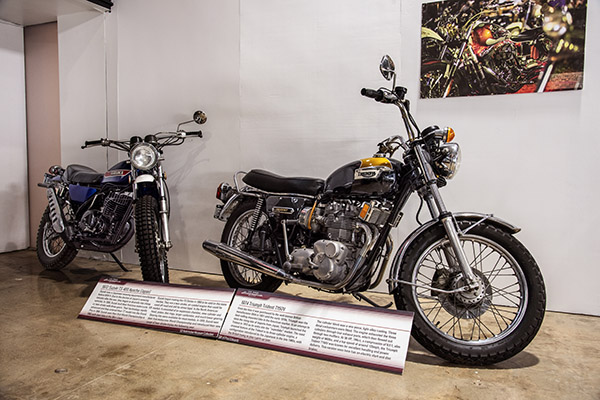
A 1972 Suzuki Apache and the Triumph Trident 750.

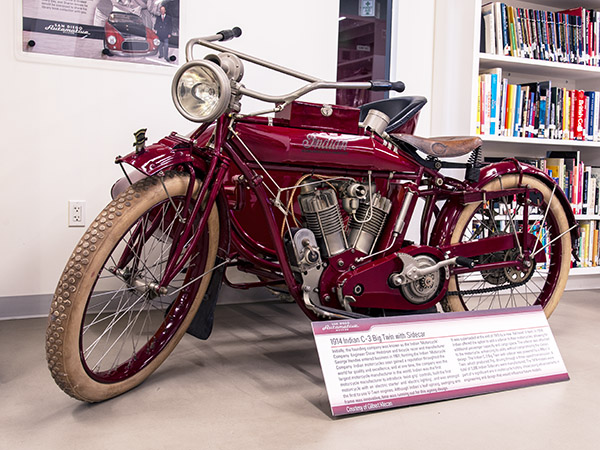
The San Diego Automotive Museum has a library, and our host explained to us that they are often visited by elementary school classes.  Students use the library for homework assignments related to automotive topics.  There are a couple of interesting motorcycles in the library.  One is a Scott two-stroke (another motorcycle I had never seen before); the other is a 1914 Indian V-twin with a sidecar.
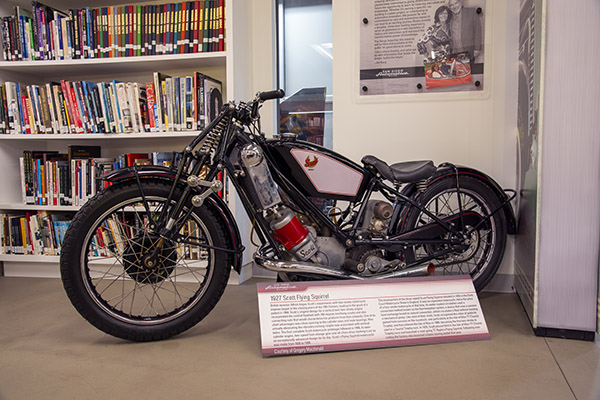
A 1927 Scott Flying Squirrel.
A 1914 Indian C-3 with Sidecar.

In the Museum’s main display area, there’s a land speed record streamliner that at first I thought was a motorcycle.  You know, kind of like the land speed record Triumph that hit 247 mph back in the 1960s (Triumph included a “world’s fastest motorcycle” decal on every bike).  But this vehicle wasn’t a motorcycle; it actually had four wheels beneath its narrow body work.    The Vesco Turbinator is powered by a helicopter engine, and it set a world speed record for wheel-driven (as opposed to jet propelled) vehicles.
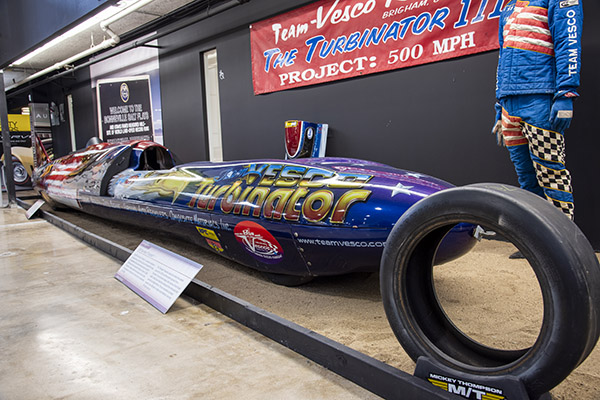
The Vesco Turbinator. It set a world speed record for wheel-driven vehicles, cracking the 500-mph barrier.

I poked around a bit on the Internet and found this very cool YouTube of the Turbinator’s Bonneville speed run:

There were several kinds of cars on display, including an interesting collection showing the evolution of police cruisers.
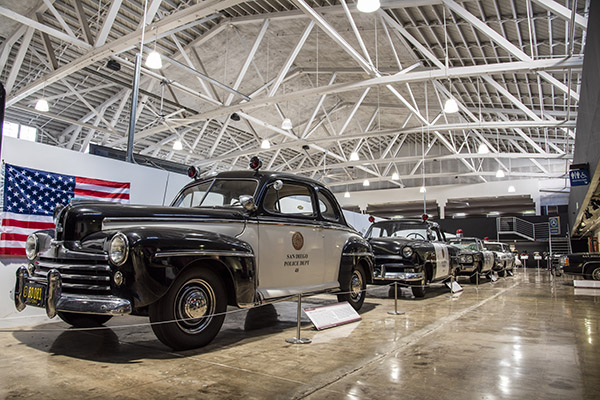
The San Diego Automotive Museum has an impressive display of police cruisers.

One of my dream cars has always been the XK-120 Jaguar, and the San Diego Automotive Museum had one on display.
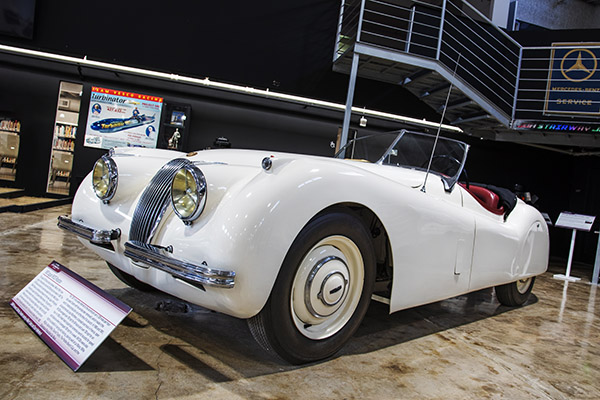
This sure is a beautiful automobile.

Do you remember Tom Selleck’s first television series, Magnum P.I.?  The Museum’s displays include the Ferrari 308 from that show.
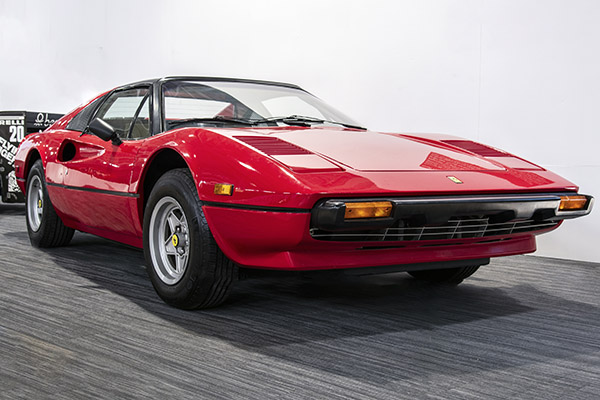
Thomas Magnum’s Ferrari. It was beautiful then and it’s beautiful now. I was surprised at its small size.

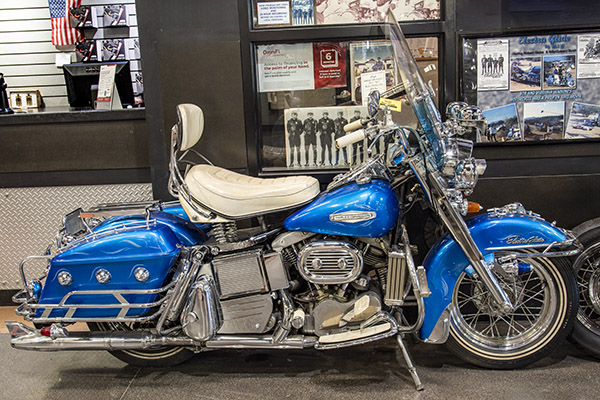
When I first moved to southern California nearly 50 years ago, we had traffic, but not like we do today.  We read a lot of stories about billionaires leaving California, but as far as I can tell, it feels like a lot more people are here now.  I think our population is increasing.  High density housing and traffic are out of control.  Back in the 1970s, it was no big deal to hop on my Electra Glide, head south, and arrive in San Diego two hours later.  Today, that same trip is at least three hours, and that certainly was the case when Sue and I visited the Automotive Museum a few days ago.   We have more freeways than we did 50 years ago, but the traffic is horrendous and it still takes longer to get anywhere.   That said, our ride the other day was an easy hundred-mile stint south on Interstate 15 to California State Route 163, and then a right turn into Balboa State Park.

Although the drive down to San Diego was long, I didn’t mind.   It had been at least 30 years since I’ve been to Balboa Park.  It’s a national treasure.  The Park covers 1200 acres, and it is one of the oldest parks in the U.S.  The land was originally reserved in 1835.  Balboa Park contains 17 museums and 18 botanical gardens.  It also has theaters, restaurants, and the world-famous San Diego Zoo.  The whole affair is managed by the San Diego Parks and Recreation Department.
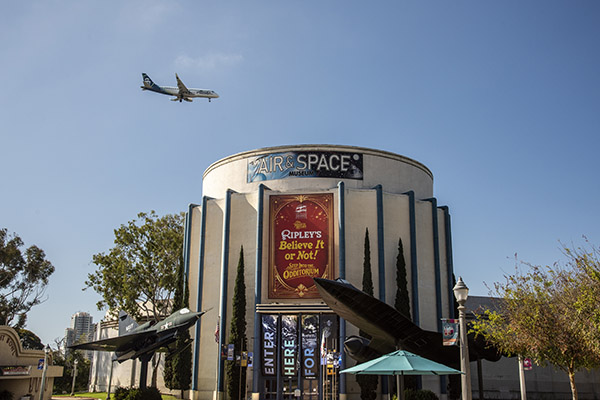
As we chatted with our new friends in front of the San Diego Automotive Museum, they told us about the Air and Space Museum facility originally being built by the Ford Motor Company. It is directly under the flight path in to San Diego’s Airport. From the air, the Air and Space Museum looks like a Ford V-8.

After visiting the Automotive Museum, Sue and I wandered outside and shot a few photos of the building (including the one at the top of this blog).   It was a glorious day, the kind that makes living in southern California a treat:  70 degrees, essentially no humidity, and not a cloud in the sky.  As I wrestled with the big Nikon 810 and its 24-120 lens, we noticed two older gentlemen sitting at a table in front of the Museum.  They watched me taking photos, and that led to a 45-minute conversation about life in general, getting old, being retired, enjoying days like the one we were enjoying, and Balboa Park.  The two were both nearly 80 years old.  One had been the architect for the Automotive Museum’s remodeling a few decades ago; the other had designed and built the ornate trim you see around the top of the Museum.  They regaled us with stories about the Automotive Museum building, the Museum’s donors, and more.  It was a pleasant morning, made all the more interesting with this conversation.

The way to take in Balboa Park (if you haven’t been here before) is not to do it the way we did (i.e., driving down for a half-day visit to the San Diego Automotive Museum).  A better way to enjoy Balboa Park is to spend several days in San Diego.  San Diego is one of the world’s great cities, and Balboa Park is its crown jewel.

You could spend a week just in Balboa Park, but there are many other fun things to do in and around San Diego, many of which we’ve written about before.   The San Diego Zoo is one of the world’s great zoos, and it’s good for a full day (or two).  There’s the USS Midway Museum, which can only be described as magnificent.  The Deer Park Winery and Auto Museum is just a few miles up Interstate 15, with its magnificent collection of convertibles and wines.  Mexico is just a few miles south, with Tijuana on the other side of the border, Tecate and its culinary delights an hour or so to the east, and all of Baja starting as soon as you cross the border.  Baja is magnificent; it offers some of the best riding in the world.  The restaurant scene in San Diego can only be described as spectacular, but don’t get waste time or money in the high-priced tourist eateries in San Diego’s Embarcadero area.  If you want authentic Italian cuisine, navigate your way to Volare’s (it’s one of San Diego’s best kept secrets).

So there you have it:  The San Diego Automotive Museum and a few other San Diego attractions.  If you haven’t been to this magnificent city, San Diego is a destination that should be on your bucket list.


More gun stuff? You bet!

We need your support! Do what you can to help ExNotes stay in the black!


More Huber? Check out A Trip Into The Moment.

More Gresh and Berk? You bet! Check out A Cup O’ Joes!

Join our Facebook ExNotes page!
The Buddy Stubbs Motorcycle Museum

By Joe Berk

The alarm rang early last week, and Sue and I were on the road at 5:00 a.m., pointed east on the 210 for the 5 1/2 hour trek to Phoenix and the Buddy Stubbs Motorcycle Museum.   It was worth the drive out there.

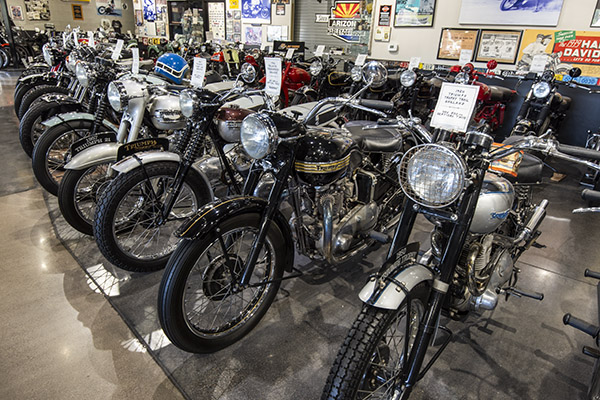
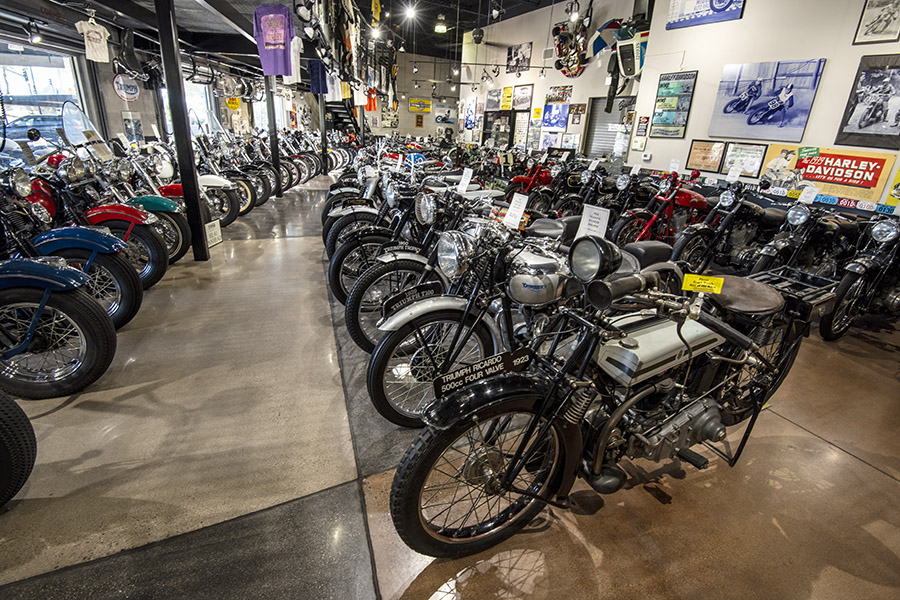
There are more than a few dealers who have a handful of bikes tucked into a corner of their showrooms they call a museum.  Not so with the Buddy Stubbs Motorcycle Museum in Phoenix, Arizona.  It’s the largest motorcycle museum in the American Southwest, and it’s one of the best motorcycle museums of the many I’ve visited over the last 30 or 40 years.  I don’t say that lightly.  This place is spectacular.

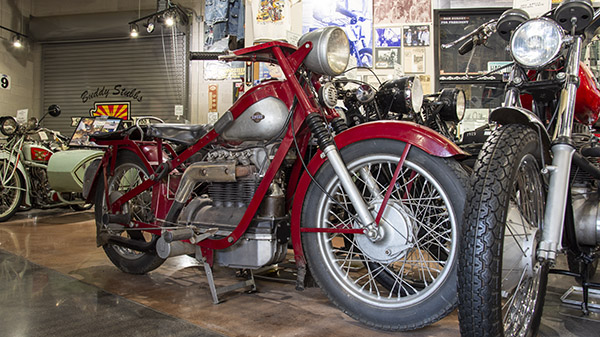
Many marques are well represented. This colors on this early ’60 Noron twin work for me.

Sue and I visited the Buddy Stubbs Museum recently for an upcoming issue of Motorcycle Classics magazine, and I sure was glad we did.  The Museum has 137 bikes (with 124 on display).  You might think they’d all be Harleys, but you’d be wrong.   All the cool stuff is there, and it’s all vintage.  Harleys, Triumphs, BSAs, Vincents, BMWs, Excelsiors, Indians, and a bunch more.  It seems like every motorcycle in the Museum has a story.

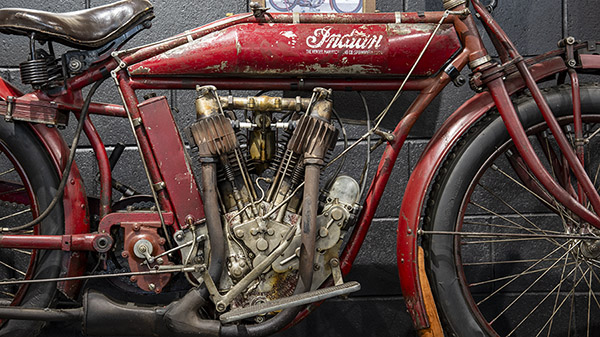
The 1913 Indian Buddy commuted on between dealership locations.

One of the stories is about the 1913 Indian in its original unrestored glory.  You might recall that about 25 years ago Harley made their dealers build new and modern showrooms.  Buddy Stubbs was one of those dealerships, and while the new location was under construction, Buddy rode between the old and new locations daily on that 1913 Indian.  That’s cool.

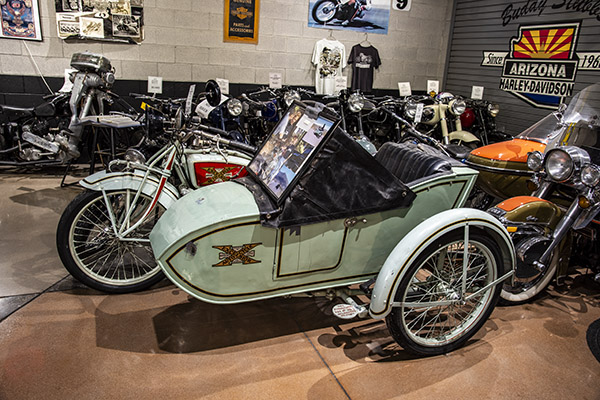
Buddy’s Cannonball Excelsior. All the spares rode in the sidecar and there was no chase vehicle.

Another bike with a story is the 1915 Excelsior, with sidecar, that Buddy rode in the 2010 cross country Cannonball Run.  Okay, you might be thinking a lot of guys did that.  Yeah, but…and the “yeah, but” in his case is that a 70-year old Buddy Stubbs made the ride with no chase vehicle.  He carried all the parts he thought he might need in the sidecar.  Wow.

Yes, it’s the actual Electra-Glide in Blue.  The real one that we all saw in the movie.

Remember the 1973 Electra-Glide in Blue movie?  Buddy taught Robert Blake how to ride a motorcycle for that movie, and the motorcycle that Blake’s felonious motor officer buddy bought with stolen money (in the movie, not in real life) currently sits in the Buddy Stubbs showroom.  Blake went on to a successful TV series (Baretta), and then he fell from grace when he murdered his wife (which he got away with in the criminal trial, although he was later found financially liable in a subsequent civil case).  It’s tough to convict a movie star here in the Golden State.

The black T-Bird (second from right) was The Wild Ones backup bike.

Speaking of motorcycle movies, the grand-daddy of them all has to be Marlon Brando’s The Wild One.  You will recall that Brando rode a Triumph Thunderbird in that movie.   The producers kept a spare Triumph Thunderbird on set during the production.  You know, just in case.  That spare T-Bird is in the Buddy Stubbs Museum.

A four-cylinder Nimbus. It might have made it into our ¿Quantos Pistones? series had I seen it sooner.

There’s a whole section here on ExNotes focused on our dream bikes.  Satisfyingly, several of those are in the Buddy Stubbs Museum, including lots of Triumph Bonnevilles, Harley Cafe Racers, and the Harley XR1000.

By any measure, Buddy Stubbs (who at age 85 is still with us) is an amazing man.  You can even buy a book about Mr. Stubbs, which I did while visiting the dealership.  I have a signed copy.

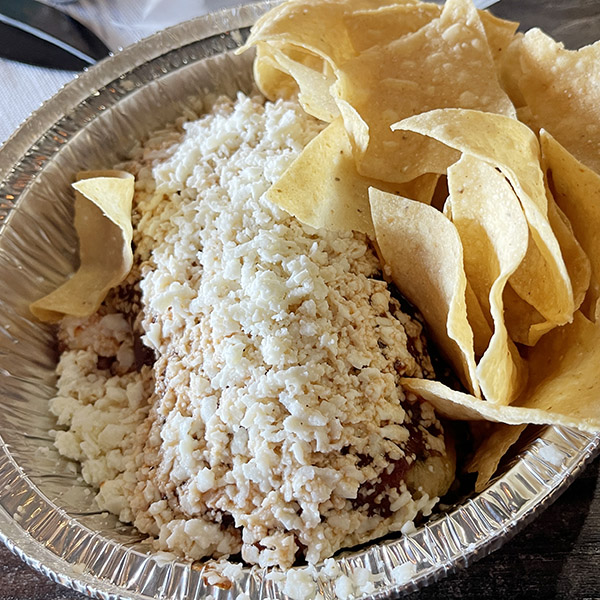
A chile relleno tamale. Muey bueno!

Hey, one more thing that I’d be remiss to not mention in this blog.   Stop for lunch at the Tamale Factory, which is just 8/10ths of a mile up North Cave Creek Road from the dealership.  I had the chile relleno tamale and Sue had the chicken version.  Both were fantastic.


Join our Facebook ExNotes page!

Never miss an ExNotes blog:


Help us keep the lights on:


Don’t forget: Visit our advertisers!


A Day With Emma at Moto Town in Marina, California

By Joe Berk

A few months ago Sue and I visited the Jameson Classic Motorcycle Museum in Monterey, California, for a Motorcycle Classics “Destinations” article.  It was a marvelous museum in a marvelous locale, we had a wonderful time, Motorcycle Classics published the article, and I first learned of Emma Booton.  Staci Jameson, heir to the Jameson museum collection, explained that several of the bikes on display had been lovingly restored by Emma Booton, whom Staci described as a “restoration goddess.”

I’m currently working on another Motorcycle Classics set of articles featuring how to do different motorcycle maintenance activities, which led me to seek Emma’s advice and, hopefully, to photograph her activities as she did some of the things I would be writing about.  Well, I hit a home run there, too.  Emma was very willing to support the activity, so Sue and I did another run up to the Monterey Peninsula to visit with Emma at her Moto Town shop.

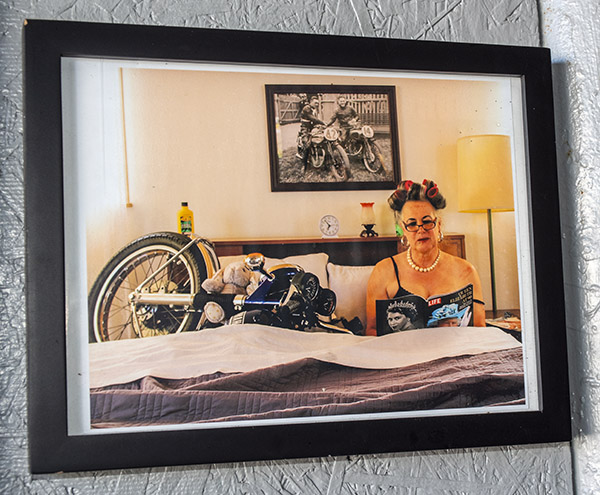
Emma has a sense of humor, as this photo in her shop demonstrates. That’s Emma on the right.

Emma and I spent a great morning together as she worked through a series of activities on a vintage Honda dirt bike and I snapped away with my Nikon.  Emma is a wonderful teacher with a delightful British accent and a very keen sense of humor.  It was fun and I enjoyed every second of it.

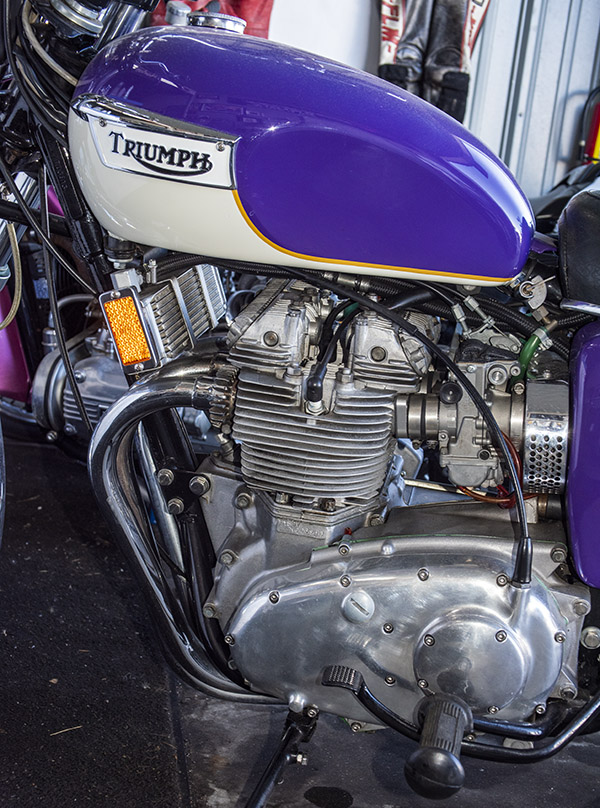
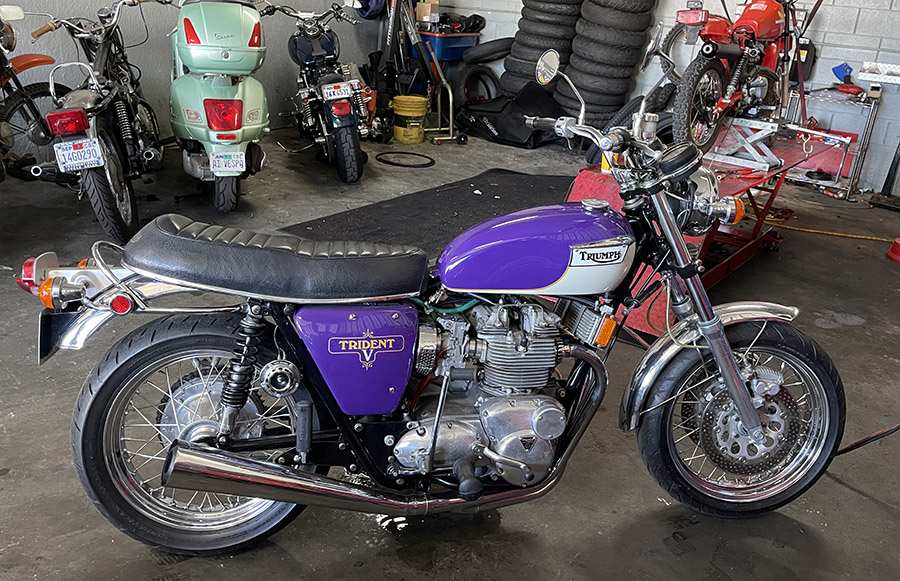
Emma Booton’s resto mod Triumph Trident. I want it.

While all this was going on, my eye wandered to the other bikes in the shop, and one in particular was visually arresting:  A resto mod Triumph Trident.  I asked Emma about it and learned it was one of her personal bikes.  The bike has been poked out to 900cc, it has larger diameter forks and dual disk brakes, bigger carbs, transistorized ignition, a hotter cam, an oil cooler, and lots more.

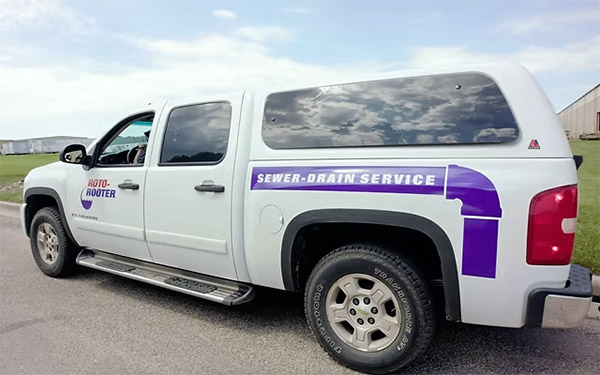
I asked Emma if the colors were the stock Triumph purple that was available in those early 1970s Trident days.  I remembered that Triumph had a purple, but Emma’s bike was much more vibrant than any Triumph I remembered. “No, dear,” came the answer in that vibrant British accent (aurally matching the Trident’s stunning purple paint).  “I knew I wanted purple, but not the Triumph purple, which wasn’t very uplifting.  I looked and looked and looked and couldn’t find exactly what I wanted, and then I saw it…the purple on a Roto Rooter truck!  I call it Roto Rooter purple!”

Call Roto Rooter, that’s the way…

There weren’t any Roto Rooter trucks nearby, and on the long drive back down to So Cal, Sue and I diligently scanned the other cars and trucks we saw on the road, but we didn’t see any Roto Rooter vehicles.  A quick look on Google Images struck paydirt, though, and we saw it.   Emma was right.  She nailed it: Rotor Rooter purple!

Emma and yours truly.

I would dearly love to own Emma’s Triumph.  Not many motorcycles reach out and grab me like that, but the Trident you see here sure did.  It’s a good feeling.


Join our Facebook ExNotes page!

The Motorcycle Classics articles?  You bet!  They’re right here.


Never miss an ExNotes blog:


Help us keep the lights on:


Don’t forget: Visit our advertisers!


From Dirt to Canada: How I Fell for a Triumph Tiger 900 GT Pro

By Bobbie Surber

Back in 2014, I had never even sat on a motorcycle. Then one summer afternoon, a friend tossed me a helmet and said, “Try it.” I wobbled, stalled, and grinned my way through a parking lot. That was it. I was done for.

My First Dirt Love: Yamaha XT225

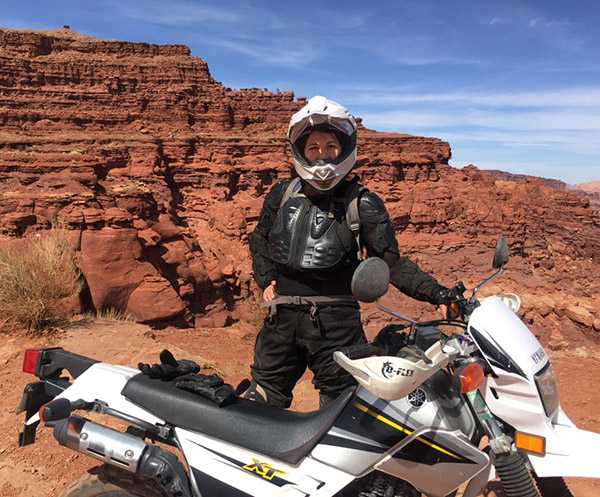
In January 2015, I bought my first bike, a 2006 Yamaha XT225. She was small, light, and forgiving, which is precisely what you want when you’re learning how not to fall over every ten feet. We learned together: I tried not to panic on steep trails, and she patiently lugged me through it all.

I still have her parked in the corner of the garage. She’s like the loyal dog you don’t ride much anymore, but will never give away.

The BMW 310 Era

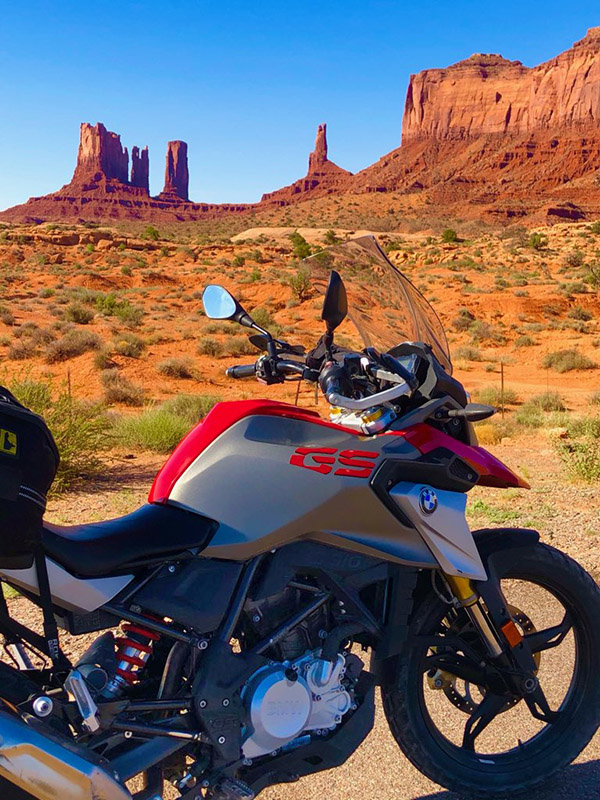
By 2016, I wanted a bike that could do more than chase dusty trails. I needed a solution that could connect dirt tracks and pavement without causing itself to disintegrate. That’s how I ended up on a 2016 BMW 310GS.

She was perfect, for a while. I rode her solo through Baja, mainland Mexico, and all over the Southwest. But with a top speed of about 80 mph, I started to feel vulnerable. There were moments where I’d look in the mirror and see a semi closing fast, me already full throttle, and think, “Nope… this isn’t going to work long-term.” That’s when I started looking for something bigger.

The Tiger 800: Love at First Triple

Then came the 2018 Triumph Tiger 800. Oh man, that three-cylinder engine. If an engine could flirt, this one winked at me every time I twisted the throttle. Smooth, growly, and just plain fun.

We went everywhere together: mainland Mexico (again), Colorado, Baja, Colorado, Wyoming, Utah, you name it. I thought we were set for life until Traci showed up.

Triumph Tiger and My Awakening

My friend Traci wanted to downsize from her BMW 1200, so she came to Sedona to check out my Tiger 800. A few months later, she’d found herself a shiny Triumph Tiger 900.

I had to try it, of course, strictly for research. Ten minutes later, I was hopeless. The Tiger 900 was like my 800 after a week at a spa: sharper, quicker, and somehow even smoother.

Meet Tippi: My Triumph Tiger 900 GT Pro

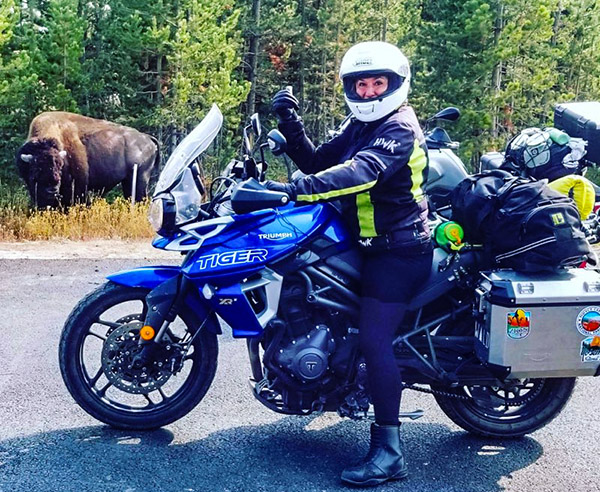
November 2022, and I’m signing papers for a brand-new 2023 Triumph Tiger 900 GT Pro. I named her Tippi because she has a habit of taking naps at the worst times, parking lots, trailheads, the occasional gas station, and the middle of a sandy road in Baja. She is a serious napper!

And then we took a big one: Arizona to Canada. Long, glorious days in the saddle. Wind that tried to push me back to Arizona, rain that soaked me down to my socks, and border guards who couldn’t believe I’d ridden all that way solo. When I finally rolled into British Columbia, I was tired, crusted in bugs, and grinning like an idiot. That trip sealed the deal, Tippi was the bike.

What Makes Tippi Different? (Specs with Soul)

The 2023 Triumph Tiger 900 GT Pro is built for riders who want one bike that can do everything without drama. According to Triumph Motorcycles https://www.triumphmotorcycles.com:

      • Engine: 888cc liquid-cooled, 12-valve, DOHC, inline 3-cylinder engine. 93.9 hp @ 8,750 rpm, 64 lb-ft @ 7,250 rpm.
      • Transmission: ix-speed gearbox with slip & assist clutch.
      • Brakes: Dual Brembo Stylema® 4-piston monobloc calipers with 320mm discs, single-piston rear.
      • Suspension: Marzocchi 45mm upside-down forks (adjustable), rear shock with electronic preload/rebound adjustment.
      • Electronics: Six riding modes, cornering ABS, traction control, cruise control, and a 7-inch TFT display.
      • Comfort: Heated grips, heated rider/passenger seats, adjustable windscreen, and center stand.
      • Weight: 423 lbs dry (476 lbs wet).

Why I’ll Stick with Her (for now)

When I’m not riding, I’m outside staring at her like a teenager with a crush, sometimes having little chats about our next adventure. (Yes, I talk to my bike. No, I don’t need an intervention.)

Motorcycles come and go, but right now? Tippi’s my dream bike. My Yamaha was too small, the BMW too slow, but the Tiger 900 GT Pro was just right.

From first dirt wobble to a solo Canada run, I wouldn’t trade any of it, even the tip-overs. Especially the tip-overs, they gave her a name, and me, a story worth telling.


Join our Facebook ExNotes page!


Never miss an ExNotes blog:


Help us keep the lights on:


Don’t forget: Visit our advertisers!


¿Quantos Pistones? (The Triples)

By Joe Berk

I suppose I could wax eloquent about all the magnificent three-cylinder motorcycles out there in the world, but in keeping with the theme of this series, I’m sticking (at least for now) with motorcycles I’ve owned or ridden.  In those of the triple flavor, there have been three:  A 1969 Kawasaki two-stroke H1 Mach III, a 2006 Triumph Tiger, and a 2007 Speed Triple.  The first one (the Kawi 500 triple) didn’t impress me at all; the Triumph triples impressed me mightily.

Keith Hediger’s 500cc Kawasaki

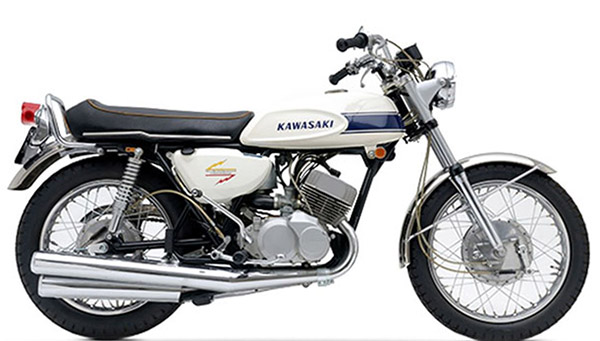
Way back when I was in college, I had a 1971 Honda 750 (I’ll you about that bike when I do the ¿Quantos Pistones? blog on the fours).  One of my ROTC buddies, Keith Hediger, had a 1969 Kawasaki Mach III.  It was a real oddball:  A 500cc, two-stroke triple that could stay with a Honda Four in a drag race (which was kind of amazing, considering the Honda’s 50% displacement advantage). Keith and I had this great idea that it would be a real adventure to ride from New Jersey to Quebec, Canada, and we set off to do just that.

A 1969 Kawasaki Mach III 500cc two-stroke triple, a bike that broke all the rufes.

New Jersey to Canada on two naked street bikes with no plan, no luggage, and no rain gear was not a great idea.  That point was driven home when it started to rain somewhere in Vermont.  It kept raining all the way up into Canada, and when we hit Montreal, we decided we had experienced enough adventure riding for one trip.  But it was my first international motorcycle ride, and I had a chance to ride Keith’s Mach III when we switched bikes for a while.

My short ride on the Mach III convinced me of three things:

      • The Honda CB750 Four was downright luxurious compared to the Mach III.
      • The Mach III had a seat like a 2×4.  It was uncomfortable as hell.
      • The Mach III was indeed every bit as powerful as the CB750 Four.

I didn’t ride the Mach III long enough or on the right kind of roads to assess its rumored widow-making handling, but the bike felt twitchy and unstable compared to my Honda.  And that was it for me and triples for the next 2o or 30 years.

My decades-earlier short ride on the Mach II notwithstanding, I changed my mind about triples.  I wanted a Triumph.  It started at a Cycle World event (or maybe was it Cycle; I always get the two pubs mixed up) in Los Angeles.  I was there on my ’92 Softail when it happened:  I heard a Trimph Speed Triple enter the parking lot.  It was a magnificent thing, kind of a pearlescent candy pink (which sounds weird as I type this), but wow, it hit all the buttons for me.  The color (I would call it bubble gum pearl) just flat worked for me, and that exhaust note…it was just wonderful. It was kind of a mix between a small block Chevy with a big cam and a jungle cat’s snarl.  Fierce, yet refined.  Loud, but not obnoxious.  Big power, but controlled.  I knew that someday soon I would own a Triumph triple.

2006 Triumph Tiger

That someday soon arrived when I stopped at Doug Douglas Motorcycles in San Bernardino.  In those days some 20 years ago now, Doug Douglas was an old school motorcycle shop.   San Bernardino is regarded by many in southern California as the armpit of the state, and I guess I was of that opinion, too.  At least until one of my riding buddies corrected me:  “It’s more like the crotch,” he said.  I think he was right.

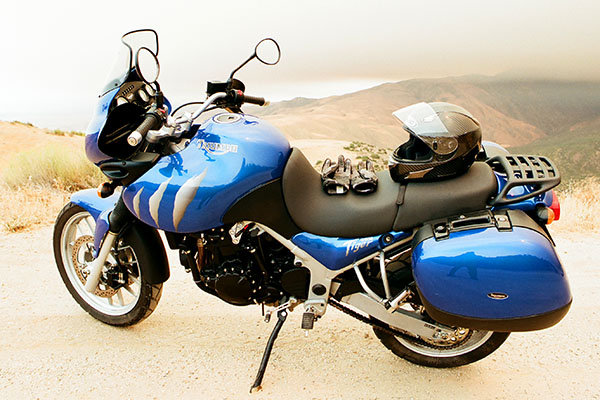
My 2006 955cc Triumph Tiger. The haze in the background is real. I and buddy of mine were riding in the mountains north of Los Angeles during one of our many famous forest fires.

Anyway, I was riding through San Bernardino on my Harley when I stopped at Doug Douglas Motorcycles.  Doug was an old guy even then, and he was famous, I guess, as a former motorcycle racer.  He was a crusty, cagey old guy who picked up on my reaction when I saw the candy blue, tiger-striped Tiger you see above.  He knew I was a goner before he ever said a word.  Doug told me what it would be, out the door, and my fate was sealed.  Folks, I’ve never paid the asking price for anything, and folks who know me, know I’m as tight was a turtle’s butthole (and that’s watertight).  I looked at the Tiger and then Doug and I simply said, “Okay.”

I don’t remember exactly, but I think the Tiger was about $9,000.   Sue hit the roof when I came home and told her what I had just done.  Then I told her I needed a ride back to Doug Douglas so I could bring the bike home.    She fumed for about half the trip until she finally asked me where the money was coming from.  I told her I had some money left from selling my Suzuki TL1000S.  “What did you do with the rest of that money?” she asked.

“That mother of pearl and black onyx bracelet I bought for your birthday,” I said.  I hadn’t known it when I said it, but it turned out that was the perfect answer.  Sue was sweet as a kitten for the rest of the ride.   When we reached Doug Douglas’s place, I introduced her to Doug.

“You must be the world’s greatest motorcycle salesman,” Sue said.  “My husband told me he said yes to your first offer, and that never happens.”

Old Doug scratched his chin and told her, “It’s true I’m a good motorcycle salesman, but I’m really much better at selling new living room and bedroom furniture.”  Sue and I were perplexed at that one, until Doug added, “lots of guys who come home with new motorcycles end up buying new furniture within a few days of their buying a motorcycle from me…”

The Tiger was a wonderful motorcycle and I covered a lot of miles with it. The Tiger was Triumph’s “me, too” ADV machine, but it was god-awful off road.  I was terrified on it every time I turned onto a dirt road in Baja, which was exactly twice.  In soft sand it would scare the bejesus out of a former paratrooper (something I can speak to with authority).   The Tiger was essentially a high-performance street bike with ADV styling.  It excelled on mountain roads.  It was tall and top heavy, but it was fast, it sounded wonderful, and I loved it.

2007 Triumph Speed Triple

The Tiger scratched a lot of my itches, but I still remembered that candy bubble gum Speed Triple, I fancied myself a hooligan, and I still had the urge to own a Speed Triple.

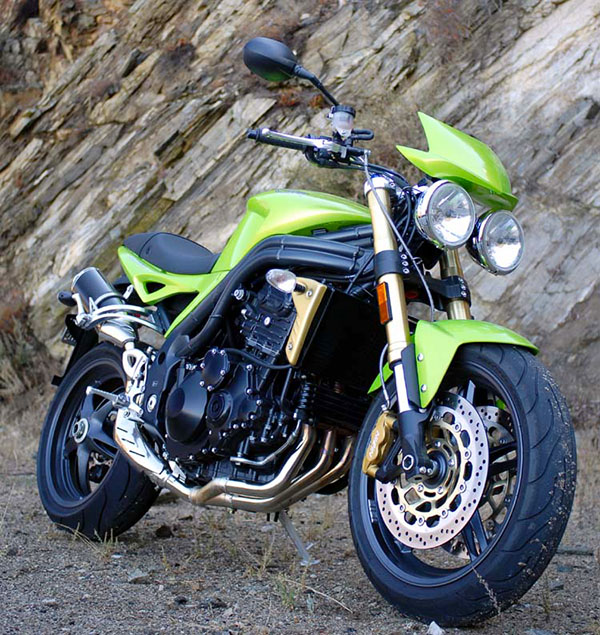
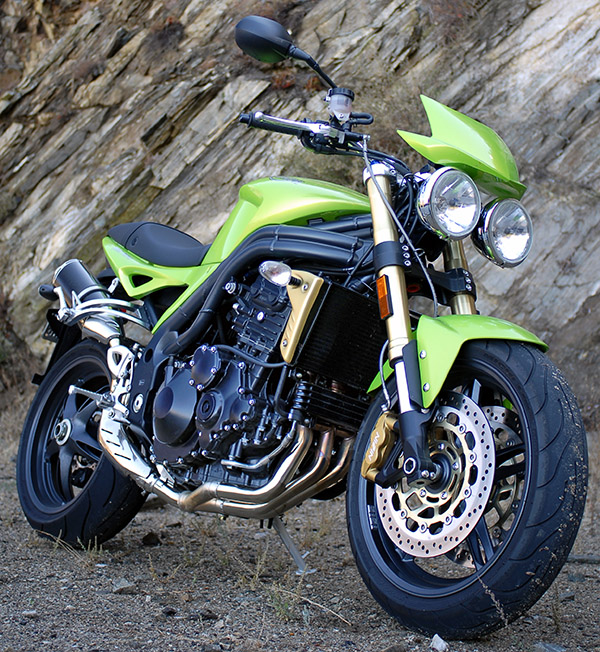
My 2007 Triumph Speed Triple. I shot this photo up on Glendora Ridge Road.

About a year after I bought the Tiger from Doug Douglas, I was in his dealership again and I saw the Speed Triple you see above.  I didn’t buy it on that visit, but I thought about it a lot in the days that followed.   I drove out there on a lunch break (I was still working then), made an offer, and it was mine.

I opted for a few doodads, including gold-anodized bits and pieces, the little flyscreen, and a set of Jardine carbon fiber mufflers.  The result was what was unquestionably the most beautiful motorcycle I’ve ever owned.  I remember I was getting a haircut one time downtown and a cop came into the barbershop.  He asked if the Speed Triple was mine.  I got an adrenaline rush thinking I had done something wrong, but nope, he just wanted to tell me it was a beautiful motorcycle.

The Speed Triple was beautiful and it photographed well, but it was buzzie and uncomfortable, and with its short wheelbase it was a little bit twitchy.  I owned four or five motorcycles in those days, and the S3 was the one I rode the least.  I sure liked looking at it, though.

One morning, I was headed to the University early in the morning for an 8:00 class.  That was November 9, 2009.  I exited the freeway and turned left, and I remember seeing a guy at a stop sign in a Camaro.  We established eye contact.  The next thing I knew I was being loaded into a helicopter, in great pain, with the blades’ downwash sweeping over me, thinking either I was having a really bad dream or I was being medevaced in Vietnam (which is kind of interesting, as I’ve never been in Vietnam).

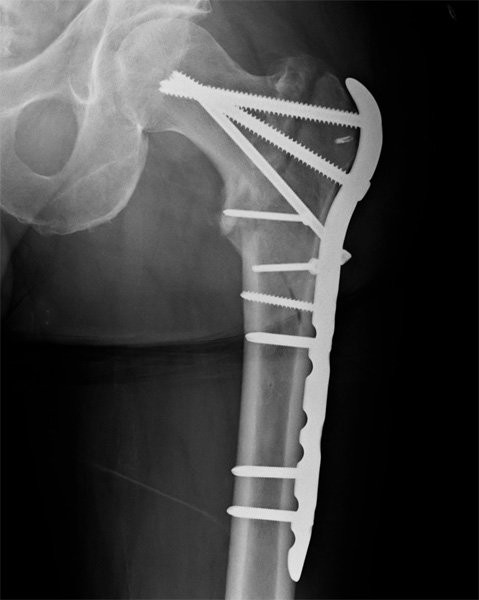
My “I got screwed” photo. Trust me on this: It was as painful as it looks.

It wasn’t the Camaro guy at the stop sign, and it wasn’t even at that intersection.  My S3/automobile altercation had occurred a block further west, which I learned 6 weeks later while I was still in the hospital.  I have no memory of the crash (event amnesia, the doctor called it), but as crashes go, it was a relatively bad one.  I had a concussion, two crushed vertebra, and two big fractures of my left femur.  The femur was the big deal.  One surgery while I was still in the hospital put a big metal plate down there to hold everything together while the fractures healed, and when that broke a year later, I had revision surgery to remove the now-broken plate and install a femoral rod so that the lower fracture (which had not healed) could do so.   (Trust me on this:  The words “revision” and “surgery” should never be used together.)  I went on to ride other motorcycles throughout the western US, Mexico, Colombia, and China, so I guess the accident didn’t screw me over too badly.  But it made an impression, and I’ll never use a motorcycle to commute to work again.  The streets have a different personality during commuting hours, one best suited for a big car, or maybe an armored vehicle.


So that’s my story on the triples.  Although the idea of a three-cylinder motorcycle may feel weird (and from an engineering perspective, maybe a little unbalanced or asymmetric), I believe a three-cylinder motorcycle makes a lot of sense.  I think a triple has it all:  Power, balance, handling, and (at least for Triumphs) the right ExhaustNotes.


Missed our stories on the Singles and the Twins?  Hey, no problemo!  Here they are:

¿Quantos Pistones? (The Twins)
¿Quantos Pistones? (The Singles)


Join our Facebook ExNotes page!

Never miss an ExNotes blog:


Help us keep the lights on:


Don’t forget: Visit our advertisers!


ExNotes Review: A Complete Unknown

By Joe Berk

I don’t go to the movies too much anymore, although the theatres have dramatically improved their seating and some even sell complete meals you can eat while watching the movie.  We have Netflix, Prime, and Max at home, once in a while I’ll watch something on regular TV besides Fox News, and we pretty much have all the home entertainment needs covered with our TV and the aforementioned subscriptions.  Susie wanted to see the new Bob Dylan show, though, and I thought it might be good to get out for a bit.

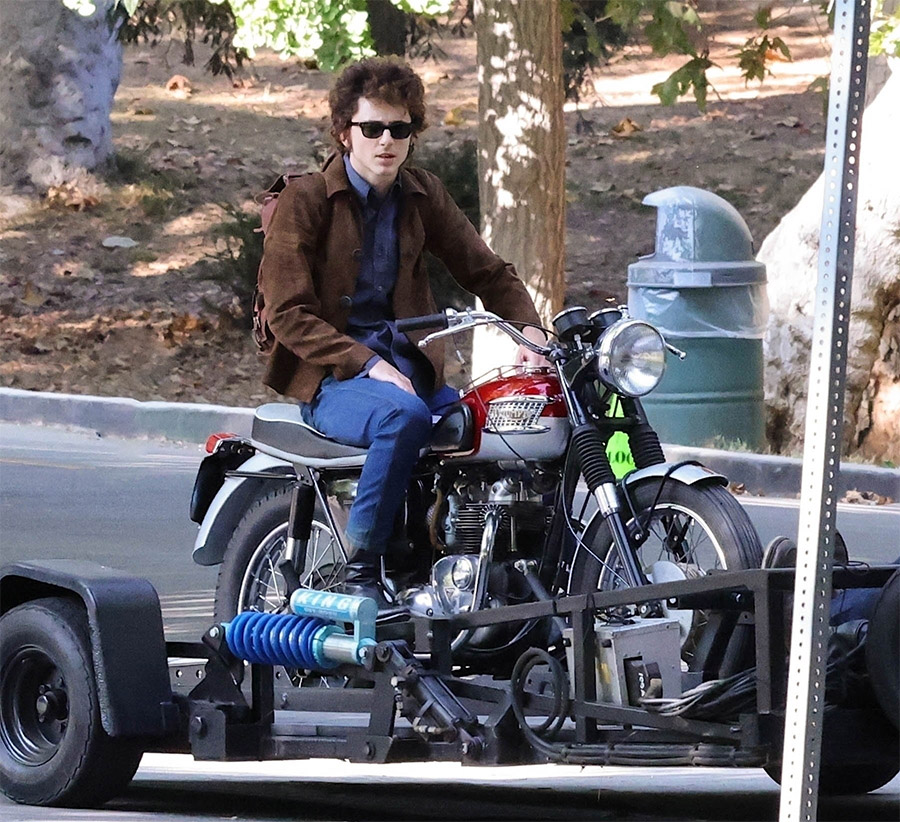
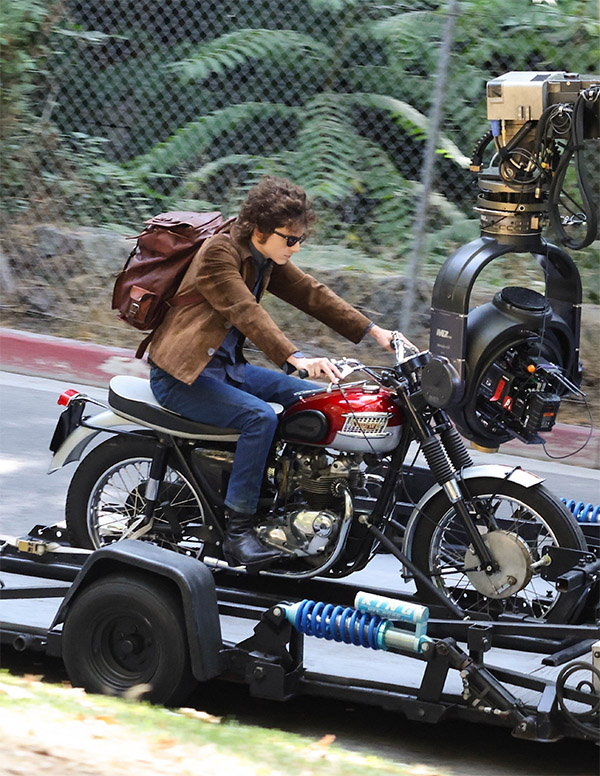
A fake Dylan filming a fake motorcycle scene.

As movies go, A Complete Unknown was not too bad.  The Joan Baez sound tracks were great, as was Zimmerman’s music (I’ll bet you didn’t know Bobby Zimmerman was beatnikized into Bob Dylan, did you?).

I have to comment on the motorcycle scenes, though…after all, this is a motorcycle website.

In the very first Dylan motorcycle scene, he’s riding an early Norton Atlas.  You don’t see too many of those with their black trapezoidal fuel tanks and huge chrome valanced fenders, so it had my attention.  In all the remaining motorcycle scenes, Dylan is on a mid-’60s Triumph Tiger.   He didn’t wear a helmet in any of those scenes, and the action was ostensibly set in New York City.  Seeing a helmetless Dylan slicing through Manhattan traffic made me uneasy, even though I knew it was all Hollywood tomfoolery.  The really goofy parts were the closeup riding scenes in which Dylan’s ample curls were unruffled by cruising speed winds, and the 500cc Triumph starting without Dylan using the Triumph’s sole wakeruppery mechanism (i.e., a kickstarter).  Nope, the moto scenes were as fake as a Joe Biden promise, and that made me put A Complete Unknown in the Complete Fake column.

Like I said above, the music was good.  Somewhere there’s a probably a Scriptwriting for Dummies guide that says a movie has to have conflict injected into the plot, so in this flick it was Dylan doing “his music” at the Newport Folk Festival instead of their desired folk music.  Dylan and Pete Seeger almost started a fist fight over that (I know, it’s silly, but I’m just reporting here, folks).  At the concert’s end Dylan sang one folk song, so all was forgiven.

I can’t leave out the best part:  Johnny Cash (played by a real complete unknown, Boyd Holbrook) was in the movie and he was superb.  If anyone ever does another Johnny Cash movie, casting anyone other than Holbrook in that role would be a crime against nature.

If you can ignore the motorcycle phoniness, A Complete Unknown is worth the price of admission.  The motorcycle inaccuracies notwithstanding, I enjoyed it and I think you will, too.


Join our Facebook ExNotes page!

Never miss an ExNotes blog:


Help us keep the lights on:


Don’t forget: Visit our advertisers!

A Mecum Vintage Moto Auction!

By Joe Berk

This just in:

FOR IMMEDIATE RELEASE

Mecum’s Monterey Auction to Feature Exceptional Classic Motorcycles
Estimated 100 Classic, Collector and Racing Motorcycles to be Offered August 15-17.

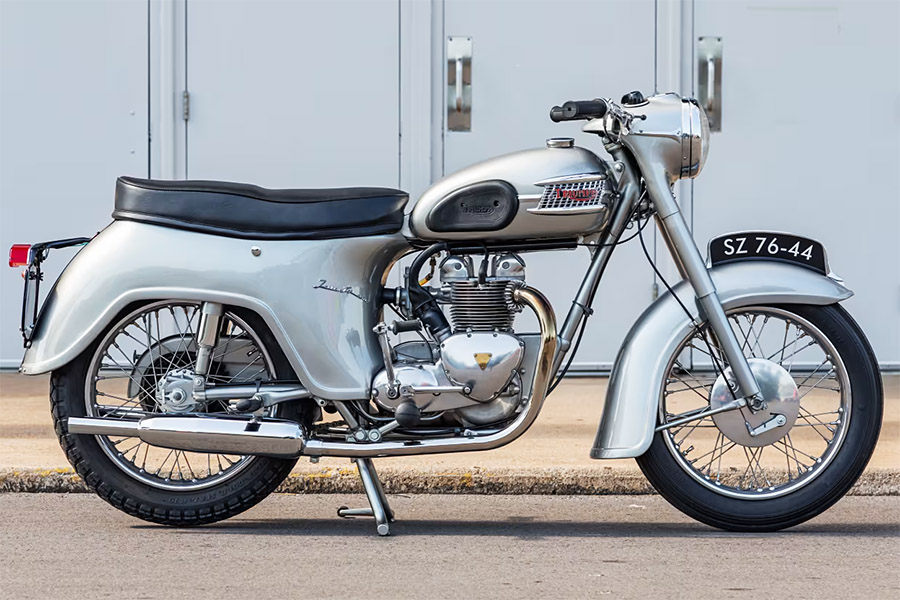
Walworth, Wis. – July 30, 2024 – Bikers, history buffs and lovers of two-wheeled machines will want to make the trip to Monterey, California, for Mecum’s annual auction in the famed peninsula region during this year’s celebrated Car Week. In addition to the high-end selection of 600 classic and collector vehicles set to cross the Mecum auction block at the Hyatt Regency Monterey Hotel and Spa on Del Monte Golf Course Aug. 15-17, Mecum will also present a wide-ranging assemblage of approximately 100 historically significant motorcycles led by a very rare and unique 1957 Triumph Model Twenty-One.

As the nation’s leading seller of vintage, antique and collectible motorcycles and the host of the world’s largest vintage and antique motorcycle auction held annually in Las Vegas each January, Mecum presents motorcycle selections at every one of its many annual auctions held at locations around the country and is proud to bring the best selection of bikes to the Monterey region during Car Week year after year. Notably for motorcycle enthusiasts and collectors, the 2024 auction will boast one of the most impressive Monterey motorcycle lineups to date.

The 1957 Triumph Model Twenty-One (Lot T45), which leads this year’s motorcycle selection, boasts status as the very first unit-construction Triumph twin ever delivered and wears serial identifier H1. It was unveiled to the public in Amsterdam at the 1957 RAI exhibition—an event that dates back to 1893 when it was started as an association for the bicycle industry—as the first motorcycle to wear the “bathtub” rear body covering, meant to protect the bike/rider from the elements and modernize its appearance. Today, the historic machine features a restoration completed by marque specialist Kevin Giles of Pearland, Texas, which was completed in 2022, and it is being offered with its original Dutch registration dated April 5, 1957.

Several motorcycles will also be offered from the personal collection of Brad Lackey, winner of the 1982 500cc World Motocross Championship and American Motorcycle Association (AMA) Hall of Fame Inductee. After retirement from the race track, Lackey excelled in the collecting and restoration of historically significant and race-winning machines, and he’ll be presenting five of his finest at the Monterey auction. The selection ranges from a trio of Bultaco singles to a 1982 Kawasaki SR250 (Lot S145) that is one of only three true factory works motorcycles hand built by Kawasaki in Japan for the U.S. factory race team, and it today boasts a restoration by factory Kawasaki mechanics.

No motorcycle auction would be complete without a Harley-Davidson in the mix, and Monterey has an exceptional one in store: Jimmy “Daredevil” Washburn’s 1932 Harley-Davidson VL Stuntbike (Lot F10.) The famed performer and Evel Knievel of his day purchased this bike new and employed its use throughout his 28-year career.

Consignments are still being accepted for the Mecum Monterey 2024 auction, and bidder registration will remain open through the duration of the event. For more information on Mecum Monterey 2024 and all other scheduled Mecum auctions, visit Mecum.com or call (262) 275-5050.

# # #
Mecum Auctions
Communications Department
Breeann Poland
bpoland@mecum.com


More info on the cars and motorcycles up for auction is available here.  It’s worth a click just to see the photos!


Never miss an ExNotes blog:


Don’t forget: Visit our advertisers!


So Cal Royal Enfield

By Joe Berk

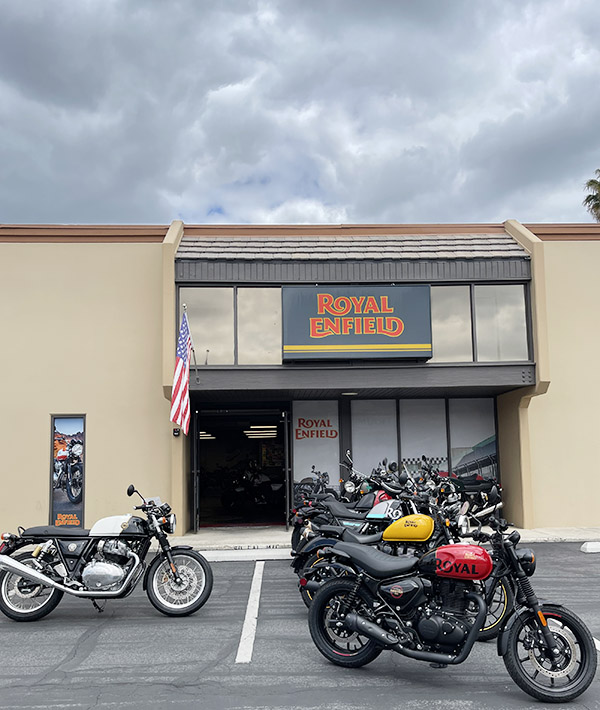
Sue and I visited the Nixon Library in Yorba Linda (one of our favorite So Cal destinations) to hear Fox News’ Jesse Watters speak a couple of days ago.  I’ll post a blog about that in a few days.  On the way home, we stopped at a motorcycle dealership in Brea, California.  Normally, I avoid motorcycle dealerships for a lot of reasons (as outlined in 5000 Miles At 8000 RPM), but I used to have my 1200 Daytona serviced at So Cal Motorcycles and I thought I’d stop in for a visit.  So Cal Motorcycles is a multi-brand dealership selling Ducati, Triumph, Royal Enfield, and Suzuki.  I stopped with the intention of looking at the Enfields, but I also spent some time in the Triumph showroom.  This blog focuses on the Enfields; I’ll post another one on the Triumphs in the near future.

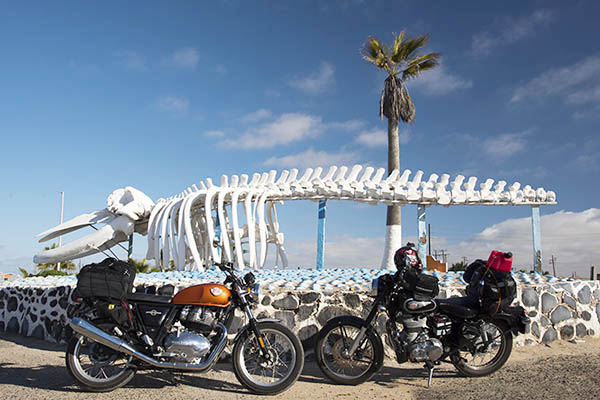
As you probably know, I ride a Royal Enfield 650cc Interceptor.  Joe Gresh and I tested two Enfields in Baja a few years ago.  You can see those bikes at the Paralelo 28 military post in the photo above (we were about 500 miles south of the border when I took that shot).  Our conclusion was that the 650cc Interceptor was a marvelous machine (I liked it so much I bought one), but the 500cc Bullet needed muey attention before it would meet our low bar for approval.  That was a few years ago, though, and that’s why we visited So Cal Motorcycles.

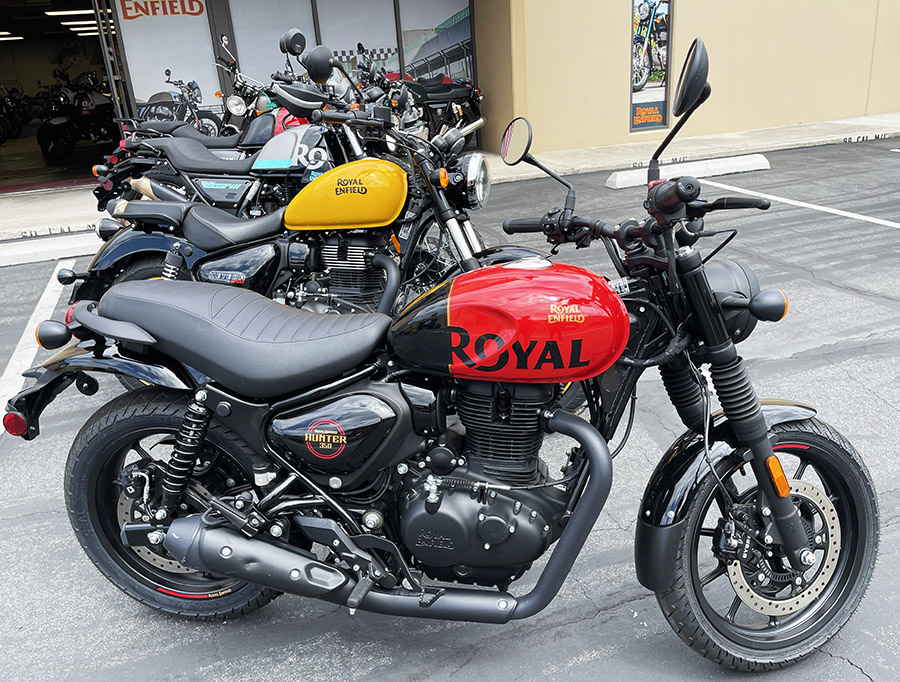
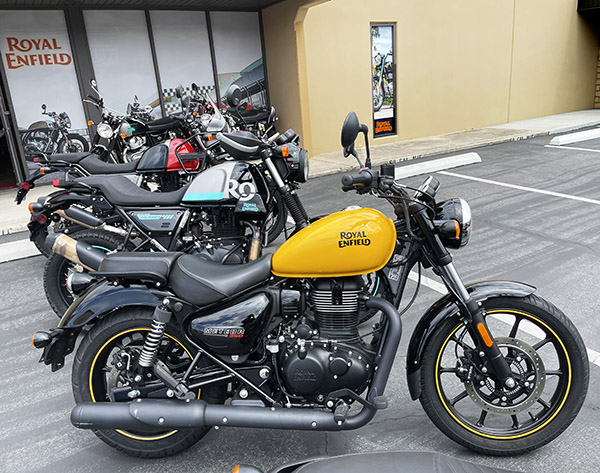
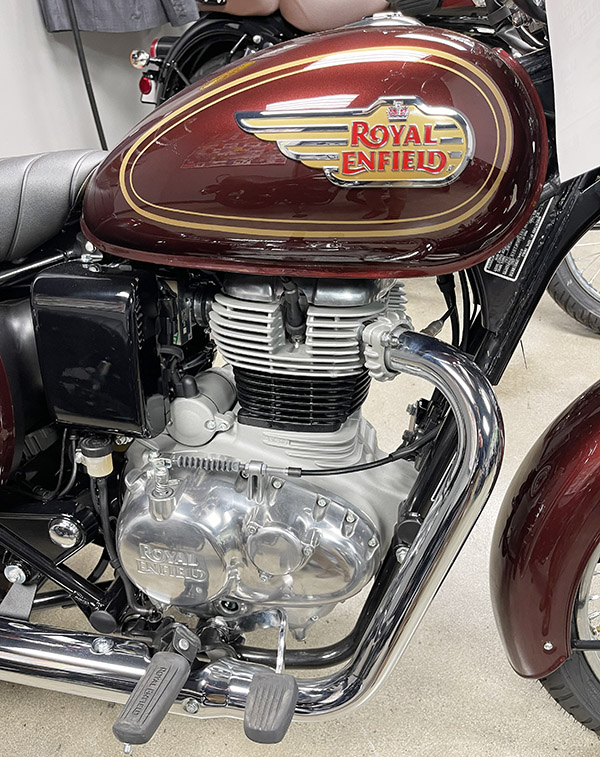
As soon as we parked, I noticed several Enfields parked outside.  I had not seen their new singles up close and personal yet.   The model line has become a bit confusing for me.  It used to just the Bullet (their single), then they added the Interceptor (the 650cc twin), and my 15-kilobyte mind could handle that.  Now they have several different versions of the 650 twin and a whole bunch of singles in 350cc, 411cc, and maybe other displacements.  I won’t try to explain the entire model line here, mostly because I don’t feel like expending calories trying to wrap my mind around it all.  I just wanted to see the bikes and take a few photos.  I did that, and I have to tell you:  Royal Enfields are still great looking motorcycles.   Check out the 350cc Meteor singles below:

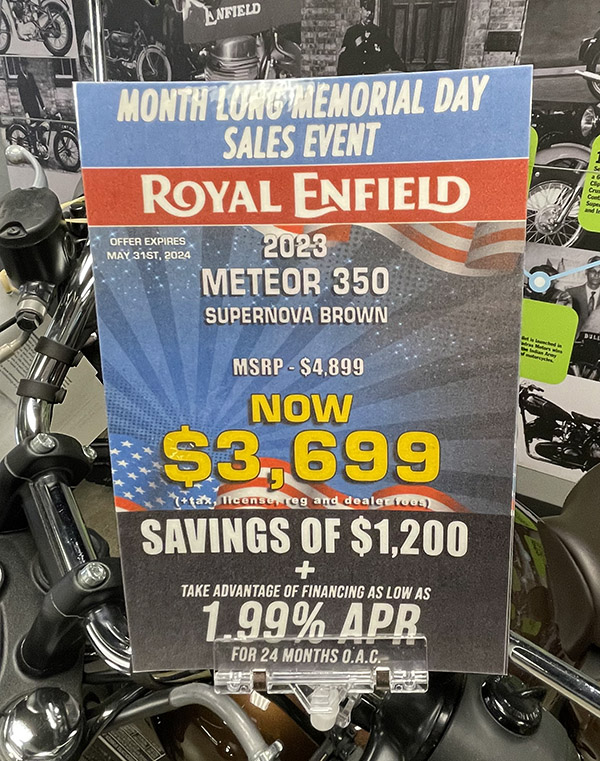
The Meteor 350 is the bike you see at the top of this blog and the two you see immediately above.   The price on Enfields has always been attractive; on the Meteor it is even more so.  So Cal Enfield had a 2023 leftover Meteor and the price on it was especially attractive.

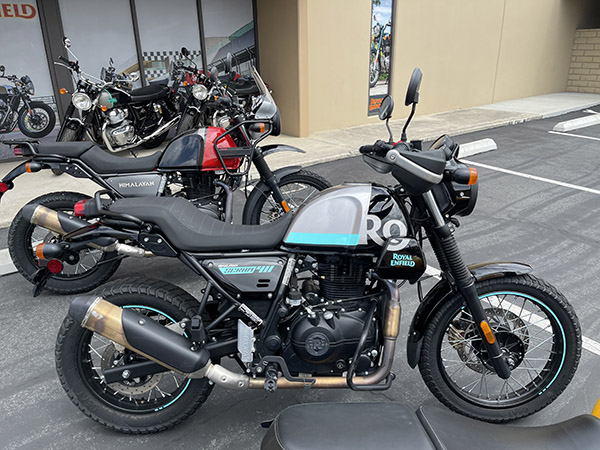
Next up were the Himalayan models, Enfield’s ADV bikes.

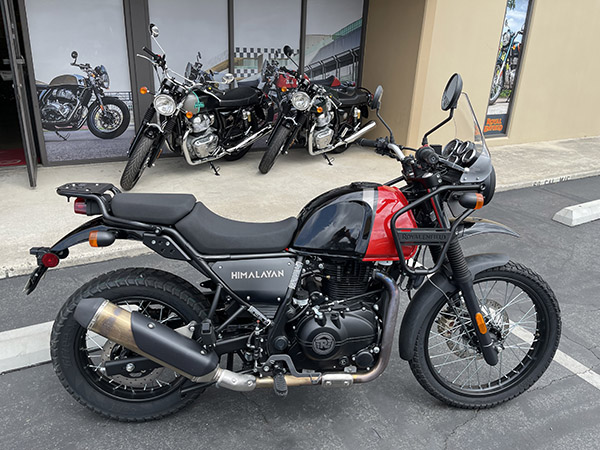
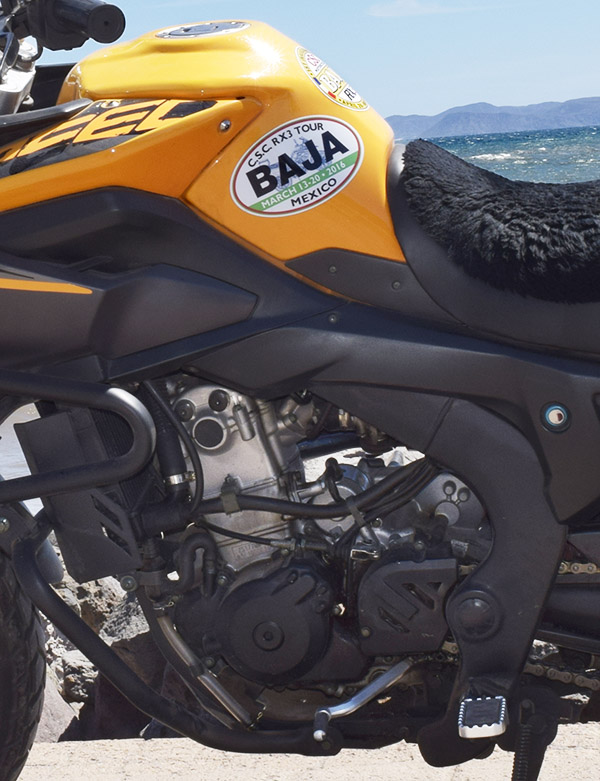
The Himalayan has a 411cc single cylinder engine.  The colors are attractive.  I didn’t see any with luggage, but I know panniers and top case are available.  I saw a guy riding one of these one time when I was returning from northern California on Interstate 5.  I was cruising along at 77mph; I think the Himalayan was running about 70mph.   Enfield’s spec sheets puts the horsepower at 25.  I guess that’s enough.   My RX3 had 24.8 horsepower, and it took me all over the western US, Mexico, Colombia, and China.

As an aside, a bunch of folks (including Royal Enfield) are offering trips through India (and the Himalayan Mountains) on Royal Enfield motorcycles.  I’m tempted.  I’ve always wanted to visit that part of the world, and the thought of doing it on a motorcycle is appealing.  The photo ops would be amazing, and I’d get another book out of it, I think.  Ah, maybe someday.  Maybe I should write a letter to Enfield and ask them to sponsor me.

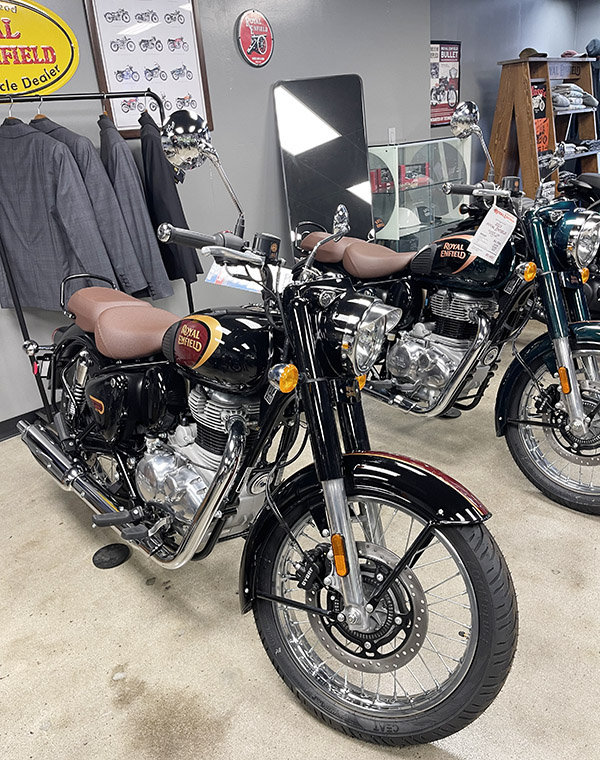
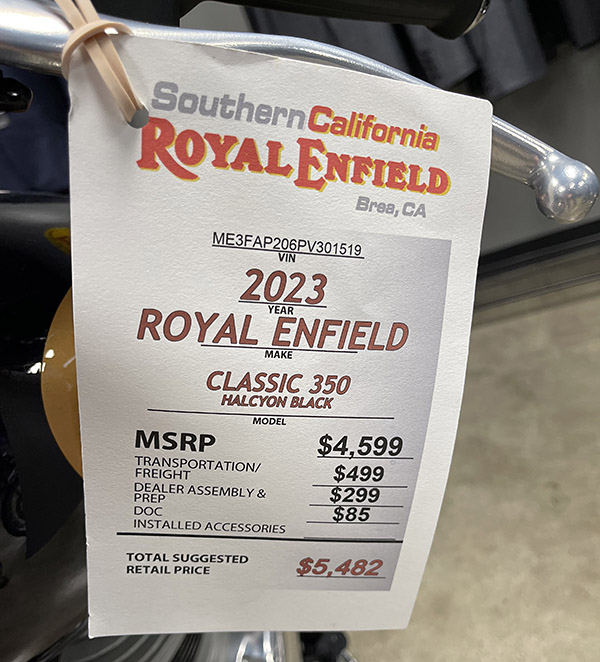
Enfield’s Classic line looked good, too.  At just under $800, the freight and setup fees are ridiculous and larcenous (they were lower than what I’ve seen other dealers charging, though).  Motorcycle dealers’ posted freight and setup charges are often nothing more than a suggested negotiating starting point, but it’s still annoying to see this kind of imaginative exaggeration.  I wrote about this common dealer misrepresentation in 5000 Miles At 8000 RPM.

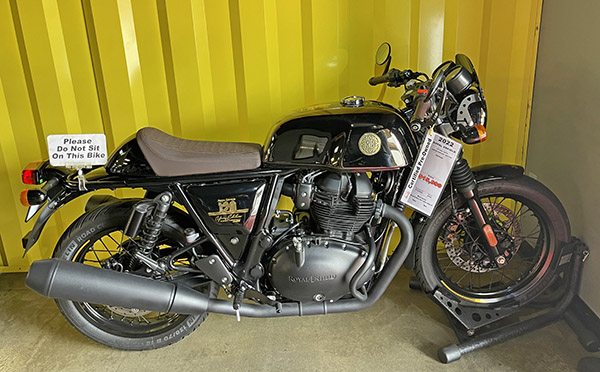
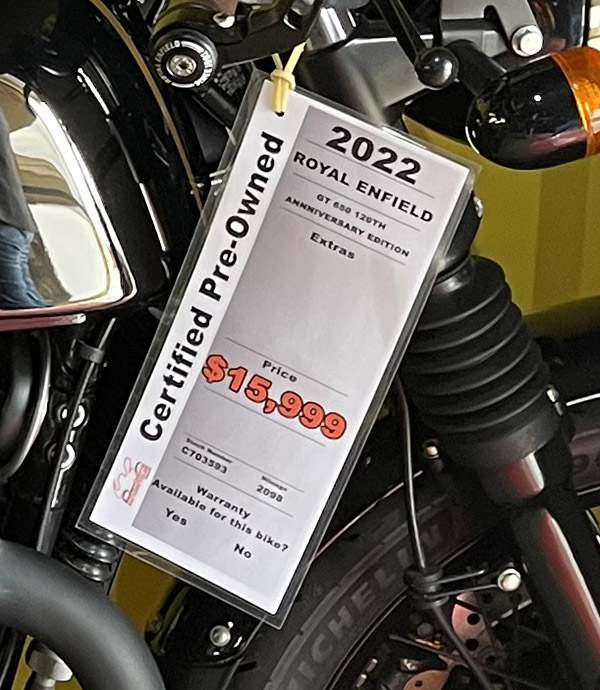
So Cal Enfield had what apparently is a 650 twin anniversary model.  It was a used bike with an asking price of $15,999.  Hope springs eternal, I suppose.

Like most motorcycle companies, Royal Enfield has a clothing line.  I saw a sweatshirt I thought I might want until I looked at the price.  It was $88.  I put it back on the rack.   I don’t think I would ever pay $88 for a sweatshirt.

I enjoyed viewing the Enfield line at So Cal Motorcycles.  My negative comments about freight and setup (and $88 sweatshirts) notwithstanding, I believe So Cal Motorcycles is a reputable dealer.   When I rode Triumphs, I sometimes had So Cal service my bikes, and they always did a good job.  Unlike my experience at other dealers, I never had to bring my bikes back because they botched the job.  If I was in the market for another Enfield, this would be the place I would go.

Interestingly, Sue and I were the only people in So Cal’s Enfield room.  The Ducati room was similarly empty (other than lots of outrageously expensive red motorcycles).  Maybe we just hit a lull when we were there.  The Triumph showroom, on the other hand, was hopping.  I’ll talk more about that in a near-term future blog.  Stay tuned.


Never miss an ExNotes blog:


Don’t forget: Visit our advertisers!


It’s Always About The Motors

By Joe Berk

For me a motorcycle’s appearance, appeal, and personality are defined by its motor.   I’m not a chopper guy, but I like the look of a chopper because the engine absolutely dominates the bike.  I suppose to some people fully faired motorcycles are beautiful, but I’m not in that camp.  The only somewhat fully faired bike I ever had was my 1995 Triumph Daytona 1200, but you could still see a lot of the engine on that machine.  I once wrote a Destinations piece for Motorcycle Classics on the Solvang Vintage Motorcycle Museum and while doing so I called Virgil Elings, the wealthy entrepreneur who owned it.  I asked Elings what drove his interest in collecting motorcycles.  His answer?  The motors.  He spoke about the mechanical beauty of a motorcycle’s engine, and that prompted me to ask for his thoughts on fully faired bikes.  “I suppose they’re beautiful to some,” he said, “but when you take the fairings off, they look like washing machines.”  I had a good laugh.  His observation was spot on.

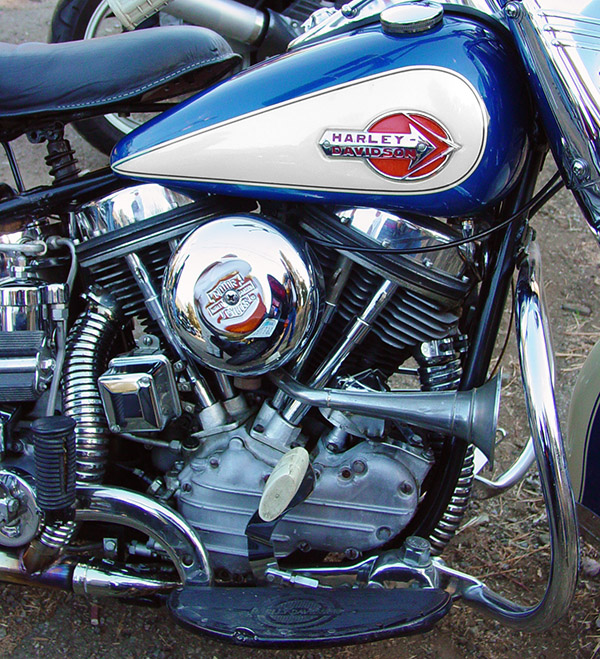
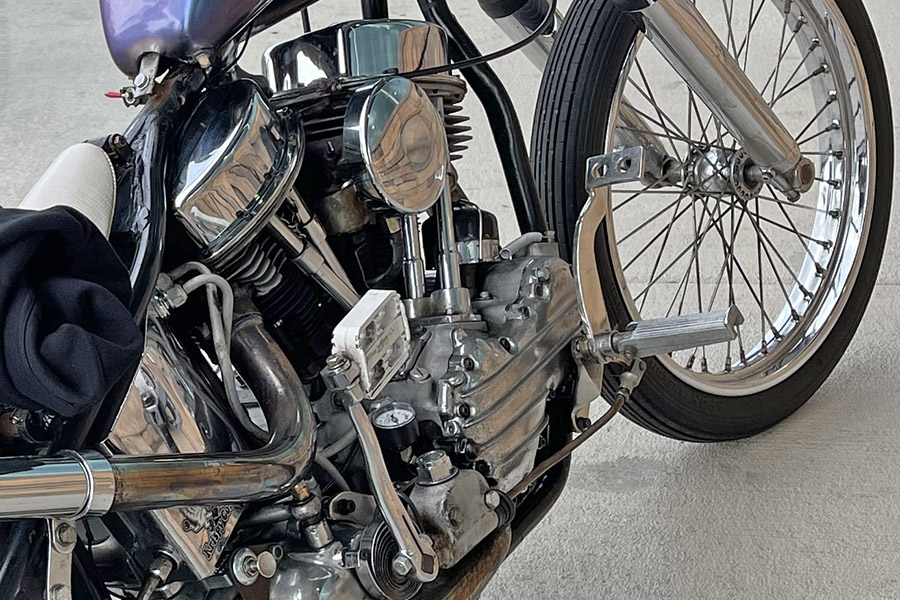
A 1200cc Harley Panhead motor I photographed at the Rock Store in Malibu.

My earliest memory of drooling over a motorcycle occurred sometime in the 1950s when I was a little kid.  My Mom was shopping with me somewhere in one of those unenclosed malls on Route 18 in New Jersey, and in those days, it was no big deal to let your kid wander off and explore while you shopped.  I think it was some kind of a general store (I have no idea what Mom was looking for), and I wandered outside on the store’s sidewalk.  There was a blue Harley Panhead parked out front, and it was the first time I ever had a close look at a motorcycle.  It was beautiful, and the motor was especially beautiful.  It had those early panhead corrugated exhaust headers, fins, cables, chrome, and more.  I’ve always been fascinated by all things mechanical, and you just couldn’t find anything more mechanical than a Big Twin engine.

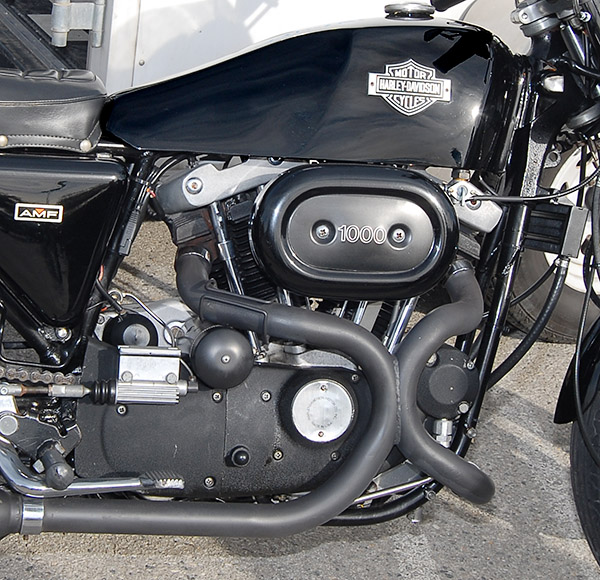
There have been a few Sportsters that do it for me, too, like Harley’s Cafe Racer from the late 1970s.  That was a fine-looking machine dominated by its engine.  I liked the Harley XR1000, too.

A 1000cc Harley Cafe Racer photographed at one of the Hansen Dam meets. When these were new, they sold for about $3,000.

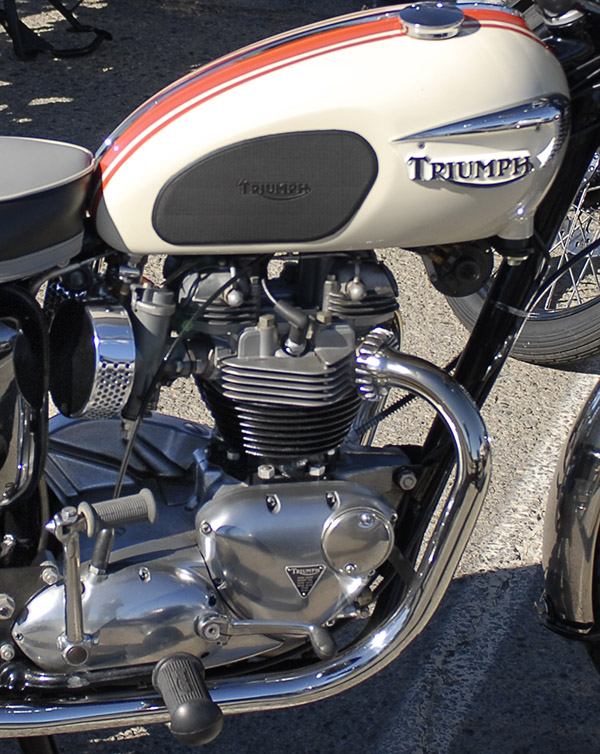
I’ve previously mentioned my 7th grade fascination with Walt Skok’s Triumph Tiger.  It had the same mesmerizing motorrific effect as the big twin Panhead described above.  I could stare at that 500cc Triumph engine for hours (and I did).  The 650 Triumphs were somehow even more appealing.  The mid-’60s Triumphs are the most beautiful motorcycles in the world (you might think otherwise and that’s okay…you have my permission to be wrong).

A 1966 Triumph Bonneville and it’s 650cc twin-carb engine. My Dad rode a Bonneville just like this one.

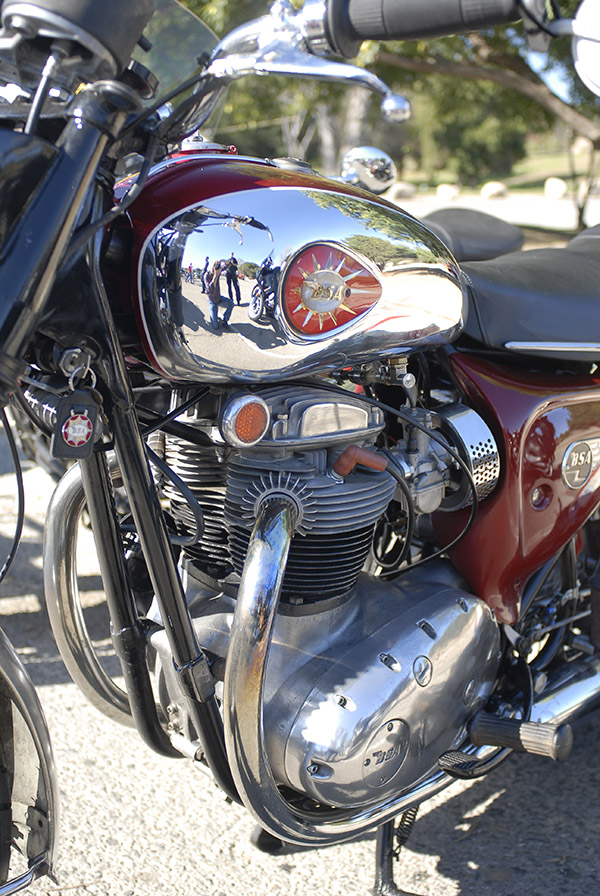
BSA did a nice job with their engine design, too.  Their 650 twins in the ’60s looked a lot like Triumph’s, and that’s a good thing.  I see these bikes at the Hansen Dam Norton Owners Club meets.  They photograph incredibly well, as do nearly all vintage British twins.

A late1960s BSA at Hansen Dam. These are beautiful motorcycles, too.

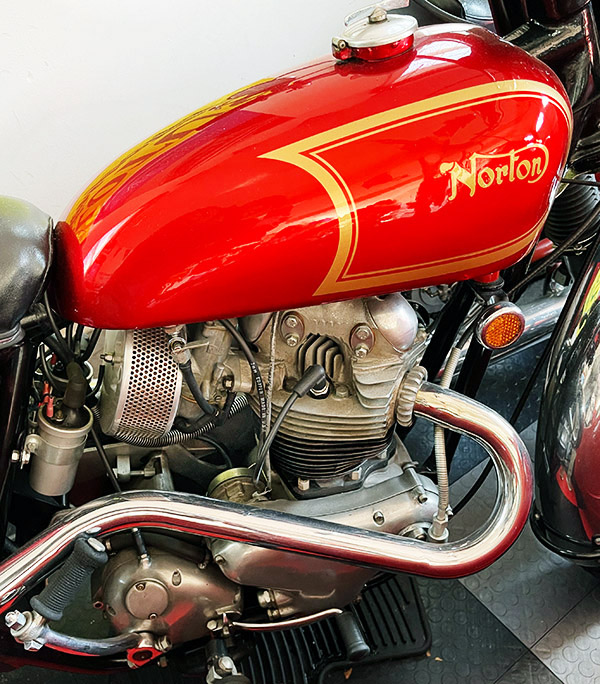
When we visited good buddy Andrew in New Jersey recently, he had several interesting machines, but the one that riveted my attention was his Norton P11.  It’s 750cc air cooled engine is, well, just wonderful.  If I owned that bike I’d probably stare at it for a few minutes every day.  You know, just to keep my batteries charged.

Andrew Capone’s P-11 Norton. You can read about our visit with Andrew here.

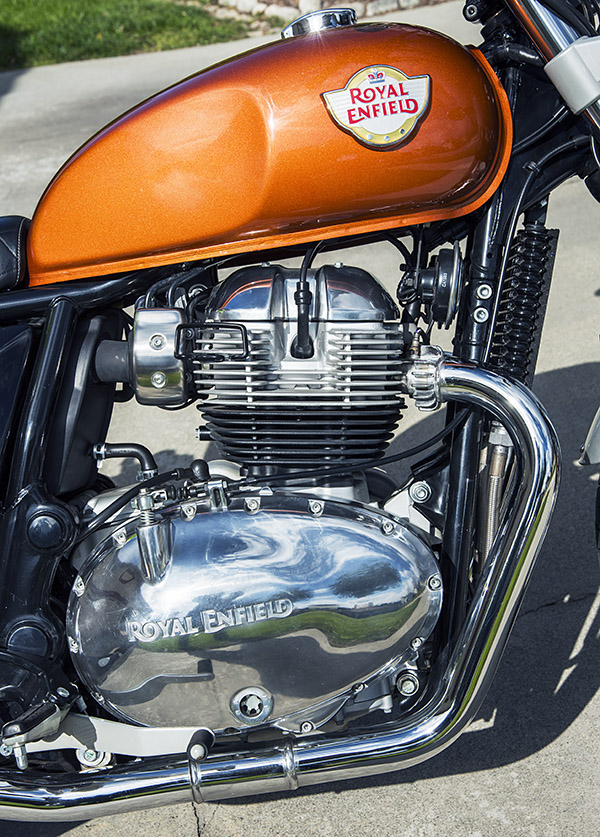
You know, it’s kind of funny…back in the 1960s I thought Royal Enfield’s 750cc big twins were clunky looking.  Then the new Royal Enfield 650 INT (aka the Interceptor to those of us unintimidated by liability issues) emerged.  Its appearance was loosely based on those clunky old English Enfields, but the new twin’s Indian designers somehow made the engine look way better.  It’s not clunky at all, and the boys from Mumbai made their interpretive copy of an old English twin look more British than the original.  The new Enfield Interceptor is a unit construction engine, but the way the polished aluminum covers are designed it looks like a pre-unit construction engine.   The guys from the subcontinent hit a home run with that one.  I ought to know; after Gresh and I road tested one of these for Enfield North America on a Baja ride, I bought one.

The current iteration of Royal Enfield’s 650cc twin. I rode this bike through Baja and liked it so much I bought one when I returned from Mexico.  Here’s more (a lot more) about that adventure.

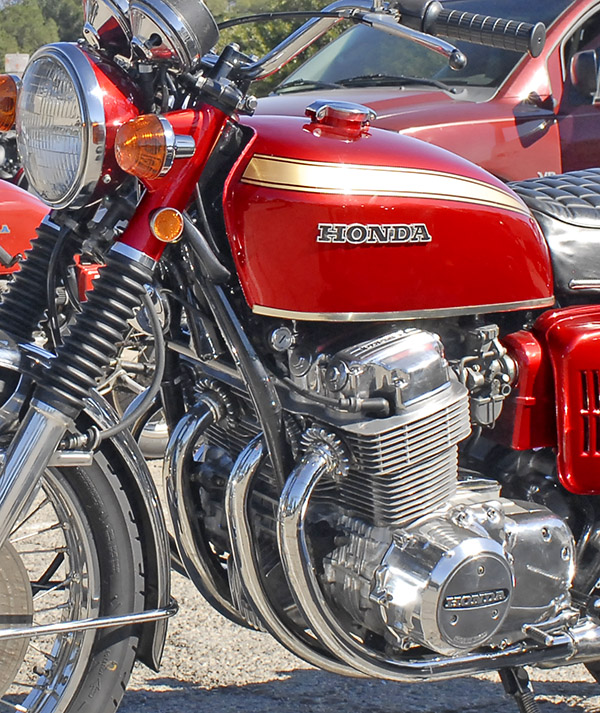
Another motorcycle that let you see its glorious air-cooled magnificence was the CB750 Honda.  It was awesome in every regard and presented well from any angle, including the rear (which is how most other riders saw it on the road).  The engine was beyond impressive, and when it was introduced, I knew I would have one someday (I made that dream come true in 1971).  I still can’t see one without taking my iPhone out to grab a photo.

A 1969 or 1970 Honda CB 750. This is the motorcycle that put the nail in the British motorcycle industry coffin. I had one just like it.

After Honda stunned the world with their 750 Four, the copycats piled on.  Not to be outdone, Honda stunned the world again when they introduced their six-cylinder CBX.  I had an ’82.   It was awesome.  It wasn’t the fastest motorcycle I ever owned, but it was one of the coolest (and what drove that coolness was its air-cooled straight six engine).

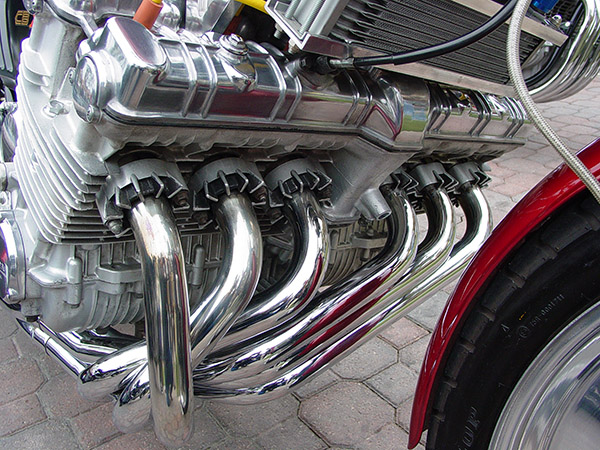
A Honda CBX engine photographed at the Del Mar fairgrounds near San Diego. The CBX was a motorcycle that added complexity where none was required. It was an impressive machine.

Like they did with the 750 Four, Kawasaki copied the Honda six cylinder, but the Kawasaki engine was water-cooled and from an aesthetics perspective, it was just a big lump.  The Honda was a finely-finned work of art.  I never wanted a Kawasaki Six; I still regret selling my Honda CBX.  The CBX was an extremely good-looking motorcycle.  It was all engine.  What completed the look for me were the six chrome exhaust headers emerging from in front.  I put 20,000 miles on mine and sold it for what it cost me, and now someone else is enjoying it.  The CBX was stunning motorcycle, but you don’t need six cylinders to make a motorcycle beautiful.  Some companies managed to do it with just two, and some with only one.  Consider the engines mentioned at the start of this piece (Harley, Triumph, BSA, and Norton).

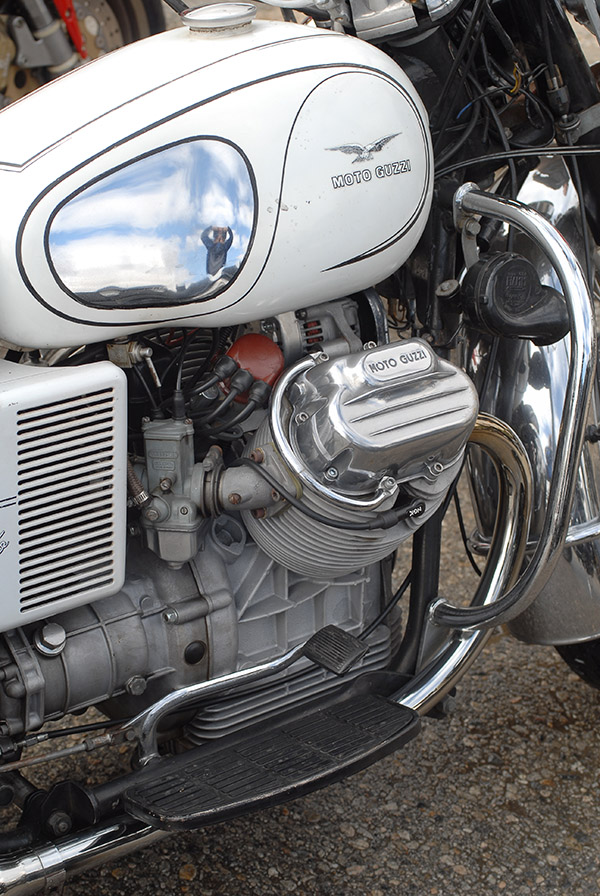
I shot this photo at Hansen Dam, too. I always wanted a mid-’60s Moto Guzzi. Never scratched that itch, though. They sound amazing. Imagine a refined Harley, and you’d have this.

Moto Guzzi’s air-cooled V-twins are in a class by themselves.  I love the look and the sound of an air-cooled Guzzi V-twin.  It’s classy.  I like it.

Some motorcycle manufacturers made machines that were mesmerizing with but a single cylinder, so much so that they inspired modern reproductions, and then copies of those reproductions.  Consider Honda’s GB500, and more than a few motorcycles from China and even here in the US that use variants of the GB500 engine.

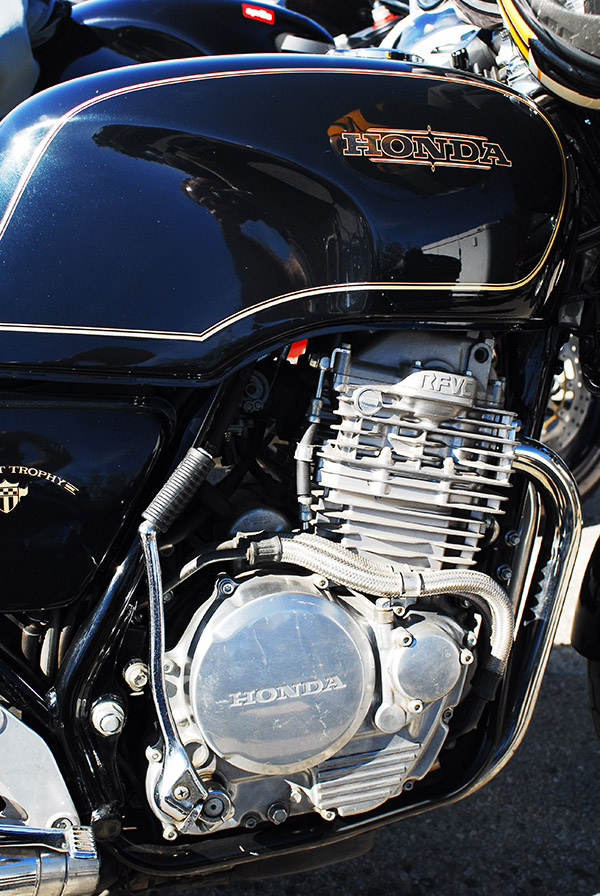
The Honda GB500, Honda’s nod to earlier British singles. It’s another one I always wanted.

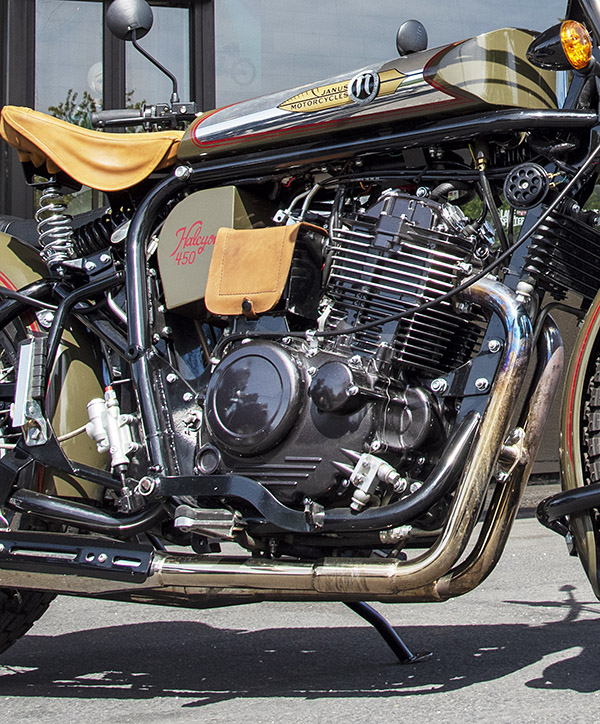
The GB500 is a water cooled bike, but Sochoiro’s boys did it right.  The engine is perfect.  Like I said above, variants of that engine are still made in China and Italy; one of those engines powers the new Janus 450 Halcyon.

The Janus 450 Halcyon I rode in Goshen. That resulted in a feature story in Motorcycle Classics. It’s engine is by SWM in Italy, which is a variant of the Chinese copy of the GB500 engine.  I liked the Janus.

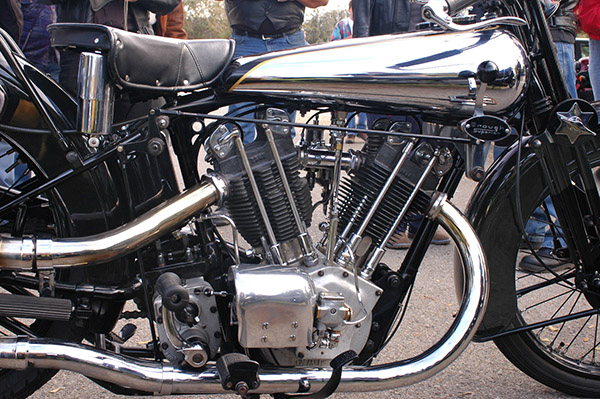
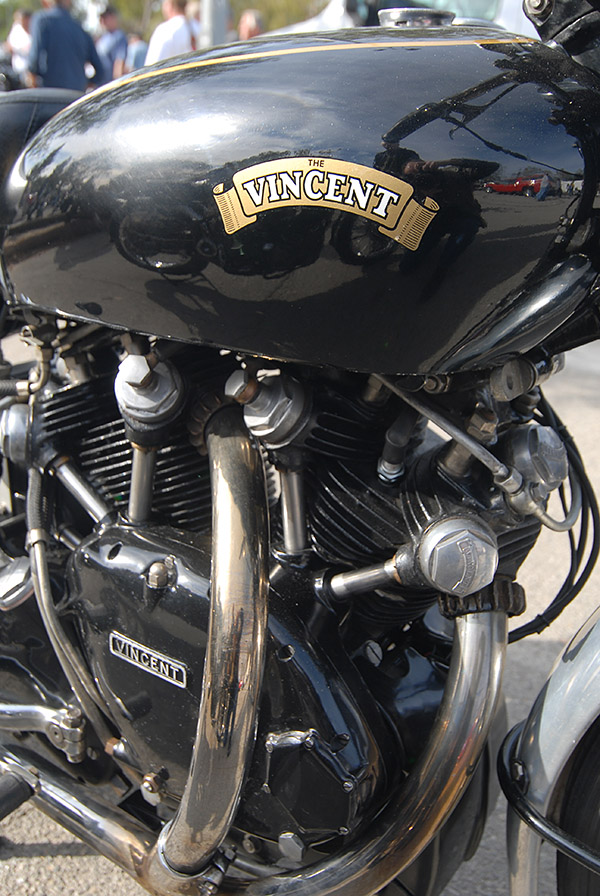
No discussion of mechanical magnificence would be complete without mentioning two of the most beautiful motorcycles ever made:  The Brough Superior SS100 and the mighty Vincent.  The Brits’ ability to design a visually arresting, aesthetically pleasing motorcycle engine must be a genetic trait.    Take a look at these machines.

The Brough Superior SS100. Its engine had a constant loss lubrication system. This is the same motorcycle Lawrence of Arabia rode. One of my grandsons is named T.E. Lawrence.
The mighty Vincent. This and the Brough Superior above were both photographed at Hansen Dam.

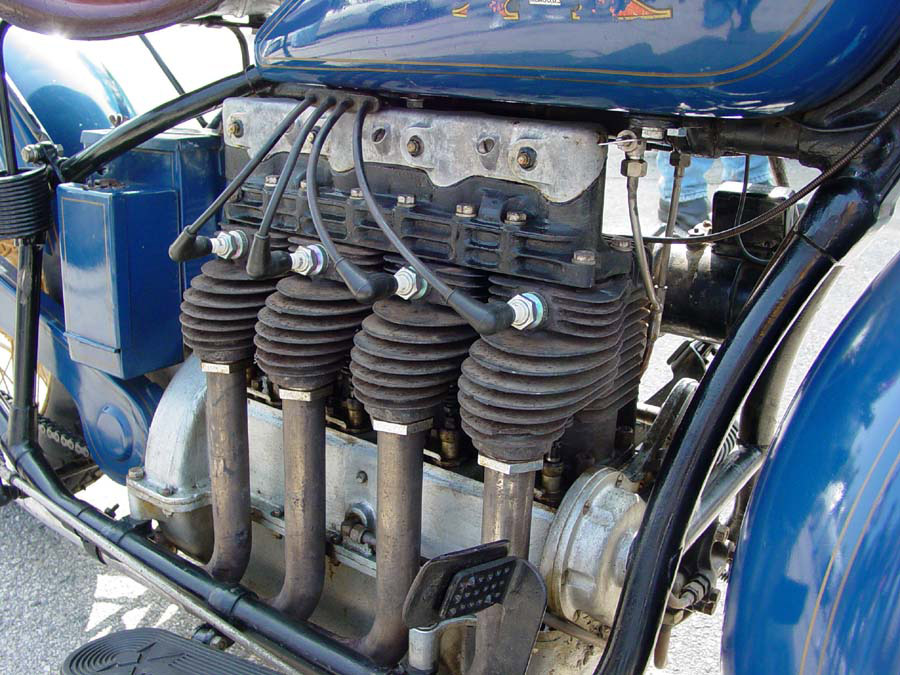
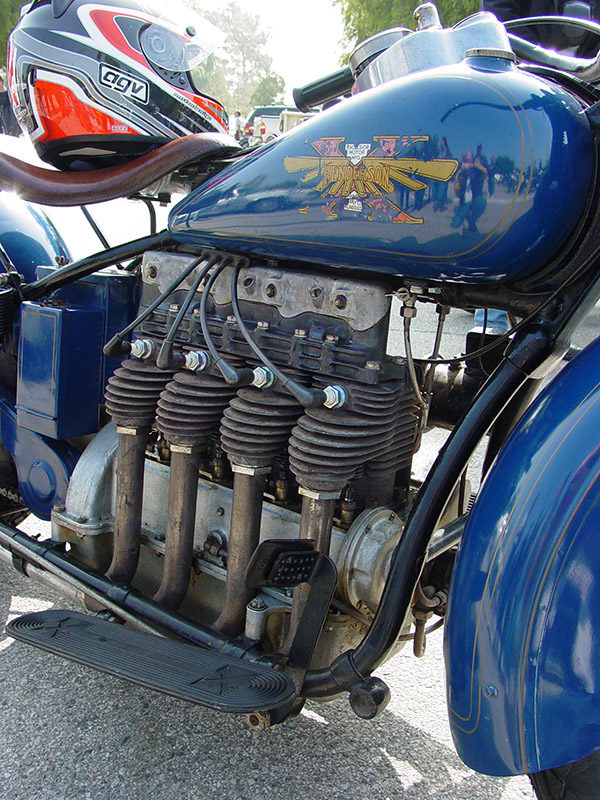
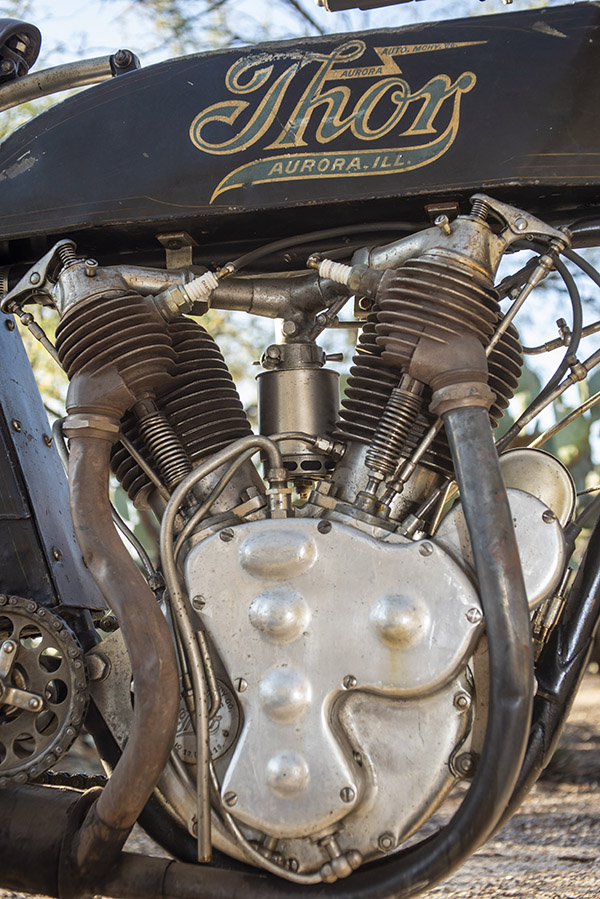
Two additional bits of moto exotica are the early inline and air-cooled four-cylinder Henderson, and the Thor, one of the very first V-twin engine designs.  Both of these boast American ancestry.

Jay Leno’s 1931 Henderson. He told me he bought it off a 92-year-old guy in Vegas who was getting a divorce and needed to raise cash, and I fell for it.

The Henderson you see above belongs to Jay Leno, who let me photograph it at one of the Hansen Dam Norton gatherings.  Incidentally, if there’s a nicer guy than Jay Leno out there, I haven’t met him.  The man is a prince.  He’s always gracious, and he’s never too busy to talk motorcycles, sign autographs, or pose for photos.  You can read about some of the times I’ve bumped into Jay Leno at the Rock Store or the Hansen Dam event right here on ExNotes.

A Thor V-twin photographed at the Franklin Auto Museum in Tucson, Arizona. You almost need a four-year mechanical engineering degree to start one of these. Thor made the first engines for Indian.

Very early vintage motorcycles’ mechanical complexity is almost puzzle-like…they are the Gordian knots of motorcycle mechanical engineering design.  I photographed a 1913 Thor for Motorcycle Classics (that story is here), and as I was optimizing the photos I found myself wondering how guys back in the 1910s started the things.  I was able to crack the code, but I had to concentrate so hard it reminded me of dear departed mentor Bob Haskell talking about the Ph.Ds and other wizards in the advanced design group when I worked in the bomb business: “Sometimes those guys think so hard they can’t think for months afterward,” Bob told me (both Bob and I thought the wizards had confused their compensation with their capability).

There’s no question in my mind that water cooling a motorcycle engine is a better way to go from an engineering perspective.  Water cooling adds weight, cost, and complexity, but the fuel efficiency and power advantages of water cooling just can’t be ignored.  I don’t like when manufacturers attempt to make a water-cooled engine look like an air-cooled engine with the addition of fake fins (it somehow conveys design dishonesty).  But some marques make water cooled engines look good (Virgil Elings’ comments notwithstanding).  My Triumph Speed Triple had a water-cooled engine.  I think the Brits got it right on that one.

My 2007 Triumph Speed Triple. Good buddy Marty told me some folks called these the Speed Cripple. In my case, that turned out to be true, but that’s another story for another blog.
My 2015 CSC RX3. Before you go all nuts on me and start whining about Chinese motorcycle quality, I need to tell you I rode these across China, through the Andes Mountains in Colombia, up and down Baja a bunch of times, and all over the American west (you can read about those adventures here). It was one of the best and most comfortable bikes I ever owned.

Zongshen is another company that makes water-cooled engines look right.  I thought my RX3 had a beautiful engine and I really loved that motorcycle.  I sold it because I wasn’t riding it too much, but the tiny bump in my bank account that resulted from the sale, in retrospect, wasn’t worth it.  I should have kept the RX3.  When The Big Book Of Best Motorcycles In The History Of The World is written, I’m convinced there will be a chapter on the RX3.

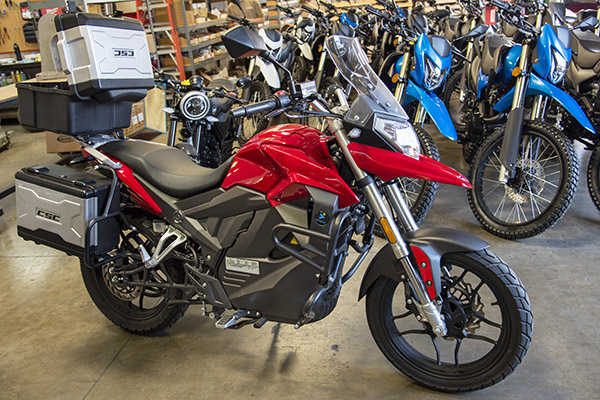
The future of “motor” cycling? This is the CSC RX1E. I rode it and liked it. The silence takes some getting used to.

With the advent of electric motorcycles, I’ve ridden a few and they are okay, but I can’t see myself ever buying one.  That’s because as I said at the beginning of this blog, for me a motorcycle is all about the motor.  I realize that’s kind of weird, because on an electric motorcycle the power plant actually is a motor, not an internal combustion engine (like all the machines described above).  What you mostly see on an electric motorcycle is the battery, which is the large featureless chingadera beneath the gas tank (which, now that I’m writing about it, isn’t a gas tank at all).   I don’t like the silence of an electric motorcycle.   They can be fast (the Zero I rode a few years ago accelerated so aggressively it scared the hell out of me), but I need some noise, I need to feel the power pulses and engine vibration, and I want other people to hear me.  The other thing I don’t care for is that on an electric motorcycle, the power curve is upside down.  They accelerate hardest off a dead stop and fade as the motor’s rpm increases; a motorcycle with an internal combustion engine accelerates harder as the revs come up.

Wow, this blog went on for longer than I thought it would.  I had fun writing it and I had fun going through my photo library for the pics you see here.  I hope you had fun reading it.


Never miss an ExNotes blog:


Don’t forget: Visit our advertisers!


A Visit With Andrew

By Joe Berk

This is another one of those blogs that almost had another title.  I considered simply calling it The P11.  Hey, if you know, you know.  And I know.  So does Andrew.

Sue and I were on the East Coast last week (as in literally on the East Coast when we stopped for lunch in Point Pleasant, New Jersey) when I gave my buddy Andrew a call.  Andrew is the guy who runs British Motorcycle Gear, a company whose ads grace these pages.  You’ve also read reviews by Joe Gresh on some of the top quality gear Andrew offers, including Rapido gloves, the Mercury jacket, and the BMG Adventure motorcycle pants.

Andrew is a true Anglophile (a lover of all things British), although like me, he grew up in the Garden State.   We had a nice visit in Andrew’s beautiful home, and then he took us into his garage to see the toys.  I was blown away, not just by the motorcycles Andrew parks in his garage, but at how closely they tracked with my list of highly desireable motorcycles.

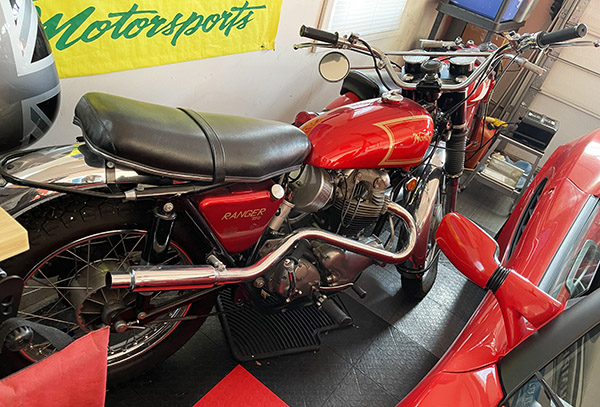
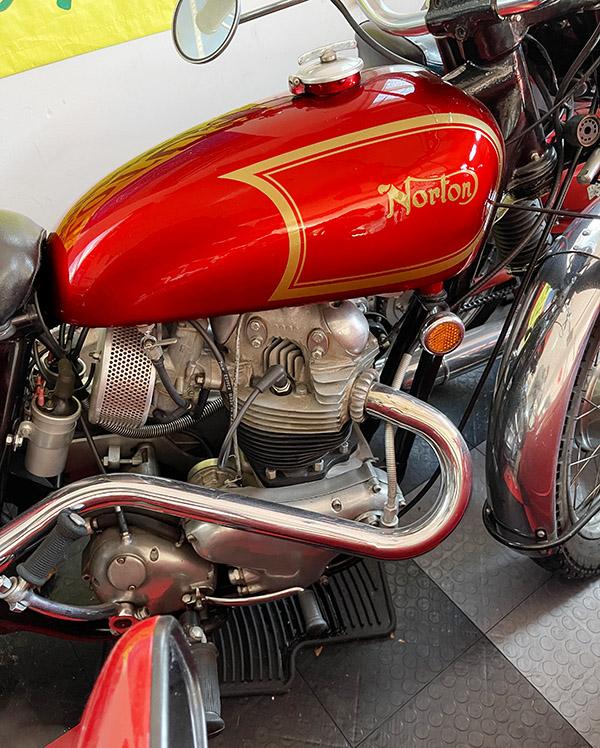
Andrew’s Norton P11. It’s awesome.
No one has ever outdone Norton when it comes to fuel tank style. Triumph comes close. So did Harley in the ’30s, ’40s, and ’50s. This tank is perfect. And those exhaust pipes!

One that caught my eye instantly was a Norton P11. That was the ultimate hot rod motorcycle in the 1960s.  Norton shoehorned their 750cc engine into a 500cc Matchless desert sled frame.  When I was a teenager, the word on the street was that nothing was faster than a Norton P11.  Norton only made a very few of these motorcycles (I think the production total was less than 2500).  Truth be told, Andrew’s P11 is the first one I’ve ever seen in person, but I knew what it was as soon as I saw it.  It’s parked on the other side of the garage, and my eye skimmed over a bunch of motoexotica when I saw the P11.  Man, I would love to own that motorcycle.  I don’t necessarily need to ride it; I would just look at it and keep it immaculate.  Which, incidentally, is the condition in which I found all of Andrew’s motorcycles.

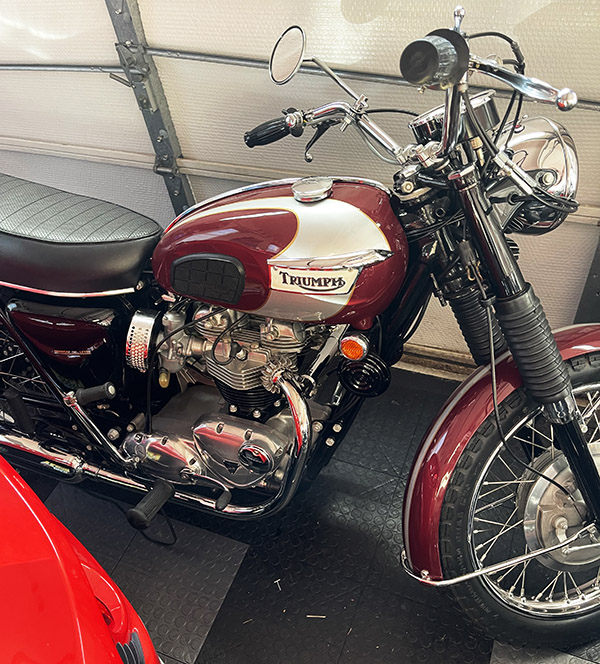
A late ’60s Triumph Bonneville. How could these guys have been overtaken by Japan?

There was a silver and burgundy 1968 Triumph Bonneville that looks like it rolled out of the Coventry plant yesterday morning.  Andrew told me that the Bonneville is sold.  Not to me, unfortunately.  It’s another I’ve love to own.

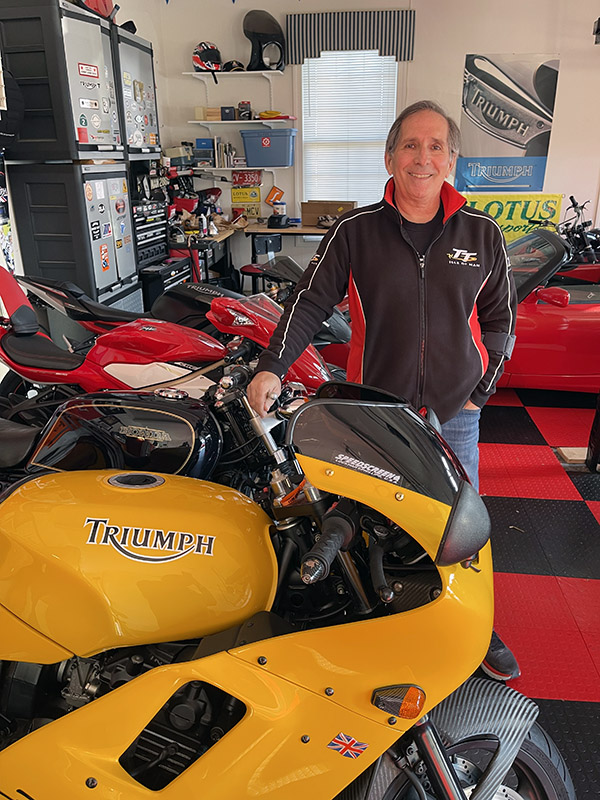
Andrew with a few of his rides. Check out the Honda GB500 just behind the Daytona. Just 535 miles! That’s an MV Augusta behind it.

Andrew has a Triumph Daytona, and it’s the rare one…the 900cc triple with a bunch of goodies (think triple caliper disks up front, carbon fiber front fender, and other similar go fast and stop fast bits).  It is bright yellow (Triumph called it Daytona yellow), just like the Daytona 1200 I owned about a decade ago. But my Daytona was but a mere commoner’s motorcycle.  Andrew’s Daytona is the limited-edition version.  Like the P11 Norton mentioned above, it’s the first one I’ve ever seen.  I live in southern California; I’ve been to a bunch of moto hangouts (like the Rock Store in Malibu) and numerous Britbike events (for example, the Hansen Dam Norton get-togethers).  I’ve seen Jay Leno, I’ve seen pristine vintage Indians (real ones, not the current production stuff), I’ve seen four-cylinder Hendersons, and I’ve laid these eyeballs on other similar exotics.  But I’ve never seen a limited-edition Daytona Super III or a P11 in person until I visited Andrew.

Another one of Andrew’s bikes that caught my eye was a near-new-old-stock Honda GB500.  It has to be one of the most beautiful motorcycles ever made.  Honda offered these 500cc singles in the mid 1980s.  It was a modern nod to (and refined version of) the British Velocette. They flopped from a sales perspective back then, but that’s only because of our unrefined palate and our then-fascination with conchos, wide whitewalls , and beer bellies (think potato-potato-potato exhaust notes and you’ll catch my drift).   Like a lot of things, I should have bought a GB500 back then.  Andrew’s GB500 is literally in like new condition.  It has 535 original miles on the odometer.

A BMW…and more Triumphs.

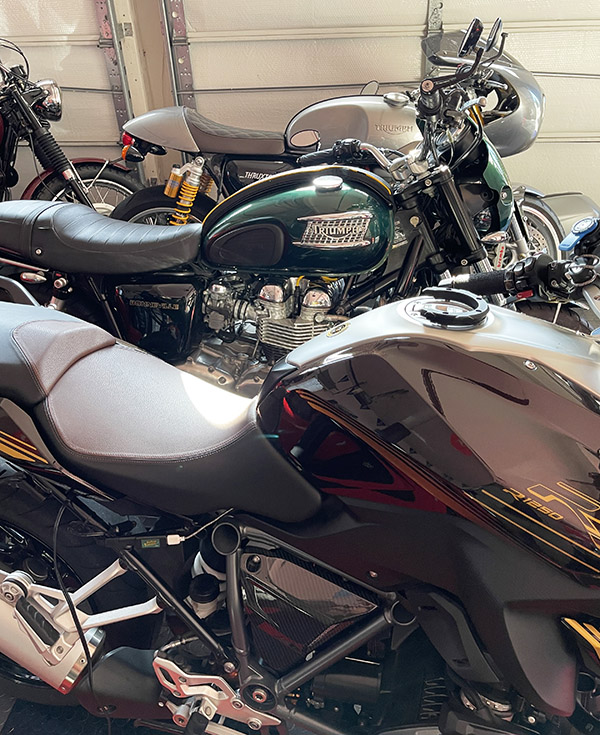
There was more…a modern Triumph Thruxton, another modern Triumph, even a Lotus Elise sports car.   My eye, though, kept returning to the Norton P11.  It really is a visually arresting motorcycle.

At the conclusion of our visit, I asked Andrew if he would consider adopting me.   Everyone enjoyed a good laugh about that.  They all thought I was kidding.  But I wasn’t.


Never miss an ExNotes blog:


Don’t forget: Visit our advertisers!