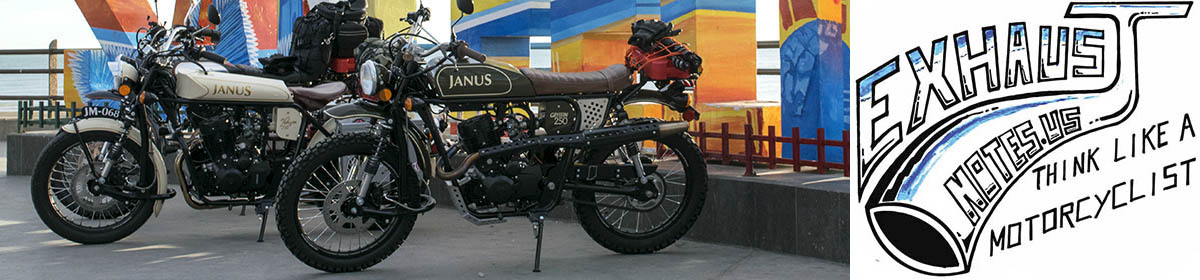
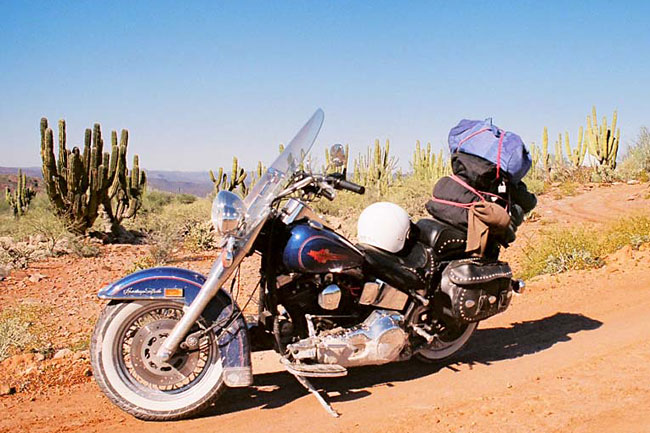
So I had my new Harley, a gorgeous blue ’92 Heritage Softail, and it was a shockingly beautiful motorcycle. Yeah, some of the styling touches were a little hokey, but in a good way. I never even knew what a concho was before I bought the Softail, but I knew after I owned it. I became a Harley-riding cowboy. The conchos made the bike complete. How I ever made it to 40 without conchos I’ll never know. I had them now, though, and they just looked right. My Softail was a fashion statement. It made me look good and it made me feel good. I loved that bike.
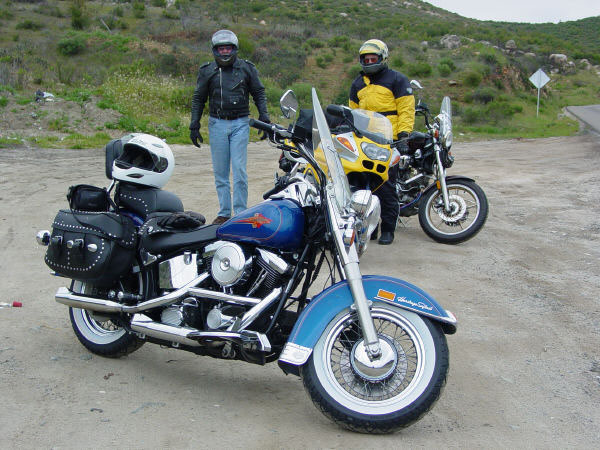
There was only one problem, and it was a big one: The Softail was a dawg. It was a 700-lb lump that couldn’t get out of its own way. I’ve already spoken about how unreliable my ’79 Electra-Glide was, but that old clunker would get up and choogy, and it would have walked away from my new ’92 Softail in a drag race. I mean, the thing was slow. When I gave it more throttle going up a hill, it seemed like the only result was a deeper moan. It sure didn’t go any faster.
I worked in El Monte in those days and the nearby dealer was a famous one in southern California, Laidlaw’s, and I felt comfortable with them. I knew Bob Laidlaw, their founder, and I knew his son Jerry, and I knew both to be straight shooters. When it was time for the Softail’s first service at 500 miles, that’s where I went. Laidlaw’s has since moved to a larger, more modern facility in a better neighborhood, I’m guessing at Harley-Davidson’s insistence, and it’s still a great place. But I liked the old location better. Like I described for Dale’s in the last blog about buying my ’92, the old Laidlaw’s facility had that crusty old motorcycle shop schtick, and I liked that. You know, grease on the floor, a funky shop area, and guys who looked like their lives revolved around motorcycles and tattoos. Guys with calibrated arms who knew how much torque to apply to a 9/16 by feel alone.
I went to Laidlaw’s on an overcast Saturday morning for that first service, and Jerry wrote the service order. After completing it, he looked at me and asked: Anything else?
“Yeah,” I said. “The thing’s a dog.”
Jerry smiled. He knew. This wasn’t his first rodeo.
“They lean them out pretty good from the factory,” he said.
“So what do guys do?” I asked.
Another Jerry smile. “Well, most guys get a new cam, punch out the pipes, rejet the carb, and put the Screaming Eagle air filter in.”
“How much is that?” I asked. I could see this smoking past another $1500 without stopping to look back.
“It’s about $500,” Jerry answered. Hmmm, that wasn’t as bad as I thought it would be.
“So how much would everything be,” I said. “You know, the 500-mile service and the cam and carb and pipes and all the rest?”
“It’s $500 for everything,” Jerry answered, “including the 500-mile service.”
I could hardly believe what I was hearing.
“Let’s do it,” I said. I mean, I know a good deal when I see one. I hung around, as Jerry told me the whole thing would be a couple of hours. In the meantime, it had started raining, and I had no raingear. I walked across the street to some sort of an Army-Navy-99-cent store and bought a $3 rain suit.
In those days, it was no big deal to hang around in the service area and watch the techs work on your bike. The guy who was working on mine was a long-haired dude with lots of tattoos and a friendly smile. He held this giant steel toothpick-looking sort of tool that was essentially a ¾-inch-diameter rod sharpened to a point in one hand, and in his other hand he had a sledge hammer. He stuck the persuader into the end of one of my fishtail mufflers and whacked it with the sledge hammer. Then he repeated the process on the other fishtail. With a big grin, he said, “Adios, baffles!”
Then it was the carb work and the air cleaner replacement. And then it was the Screaming Eagle cam, which actually was pretty easy to install in the chrome cone on the right side of the engine. Then he buttoned it all up.
I finished my cup of coffee, donned my el cheapo raingear, paid my bill, and fired up the Harley.
Good Lord!
It was a completely different motorcycle. It sounded way better than it had before the Screaming Eagle cam work and exhaustectomy. It had been transformed from a smothered, anemic, pathetic, wheezing sort of thing into living, breathing, fire-snorting, spirited motorcycle. It reeked raw power and it had attitude. The idle was lopey and assertive, like a small block Chevy with an Isky cam and Hooker headers. My Harley rocked back and forth on its axles with each engine rotation. It was telling me: Let’s go! I think I’m pretty good at turning a phrase and I’m doing my best here, folks, but trust me on this: It’s hard to put into words how complete and total my Harley’s transformation was. It kind of reminded me of the first time I ever threw a leg over a Triumph Bonneville (I was 14 when that happened, and when Laidlaw’s tuned my Softail I was 14 all over again).
So I rolled out into the rain for my 30-mile ride home and I was afraid to whack the throttle open. I thought the rear wheel would break loose on the wet pavement; it felt that powerful. The rain and the clouds, I think, made the Harley’s Exhaust Notes (love that phrase) sound way mo better. I was there, man.
Don’t ever miss an ExNotes blog! Sign up here…
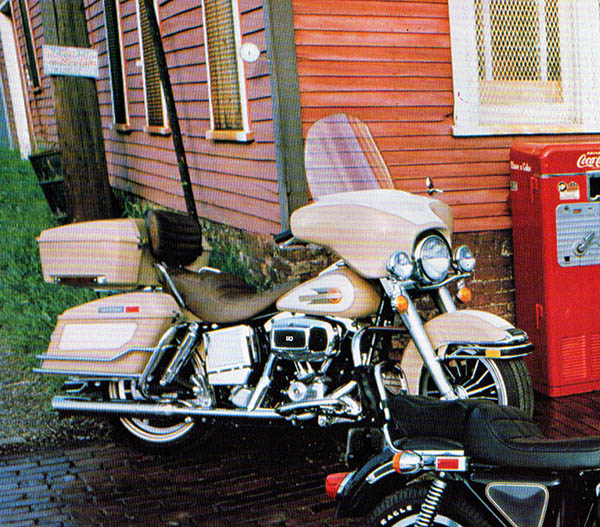
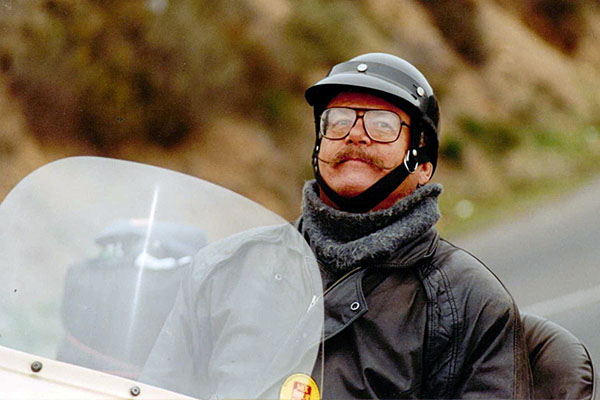
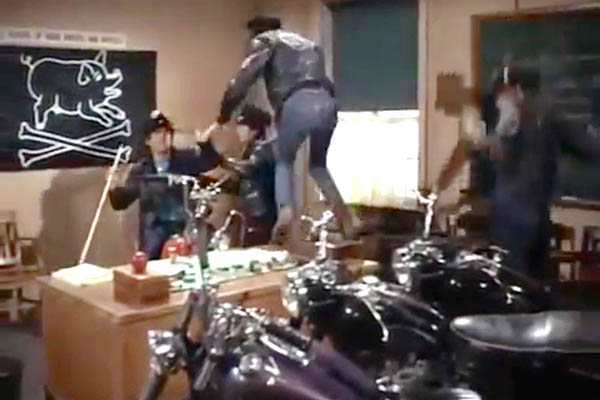 My favorite Monkee episode (because of the motorcycles) opens with Micky Dolenz singing Going Down. Micky was the drummer and the best singer in the band and he nails Going Down’s proto-rap feel. From there, the show falls apart beautifully with motorcycles, a chalkboard Hog reference, dust and pretty girls beating up The Monkees.
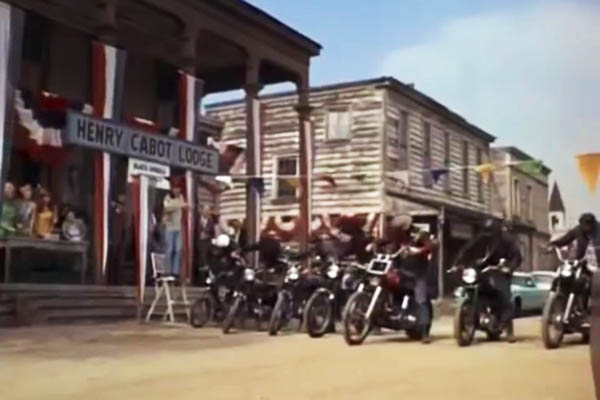 The monkees form their own biker gang called The Chickens and during a race between the bad guys more cinema magic is revealed. There is a plot to all this but it’s mostly there to keep the boys from walking off the set. At the end of the show peace and love is restored, Triumphs and Harleys get along together and you’re filled with hope for the future.
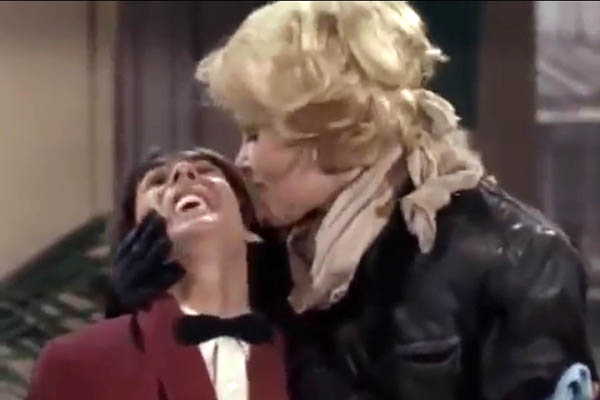 This was situation comedy television unlike any that came before. It was random. It exposed the fakery. Jack Benny’s old TV show was The Monkees spirit guide. After 2 years the Monkees show was cancelled. The Monkees became a real band and had many hits written and preformed by themselves. Which just goes to show you that living a lie sometimes leads to success.
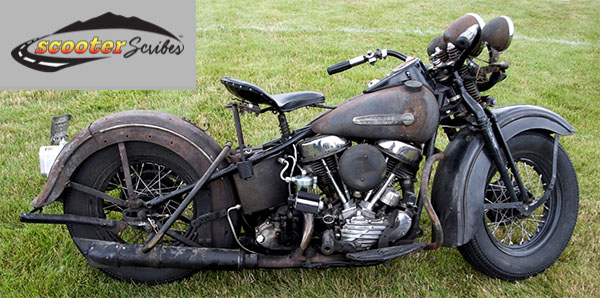 Terry is the former Thunder Press editor, and there’s lots of cool V-Twin stuff on
 We sent an email requesting your address if you signed up, so watch for it and shoot that info back to us. We promise that as soon as we get your snail mail address and confirmed that you’re on our email list, we’ll shoot them out to you as soon as we get around to it. Want to help us more? Hey, share our site and get more folks to sign up for our automatic emails, or just get them to visit
 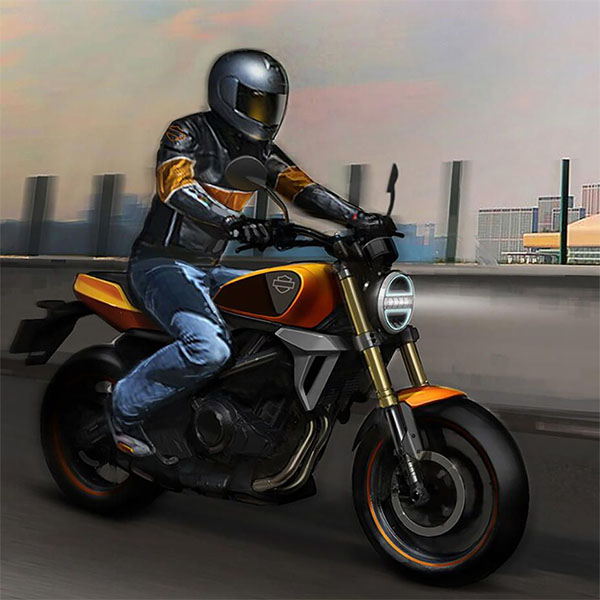 Hey, we saw a Chinese manufacturer making parts for Harley a decade ago. But the recent news is this is going to be a complete small bike, just over 300cc. I’m surprised Harley didn’t do this several years ago, but then, Gresh and I were in the catbird’s seat on the small bike thing from the gitgo.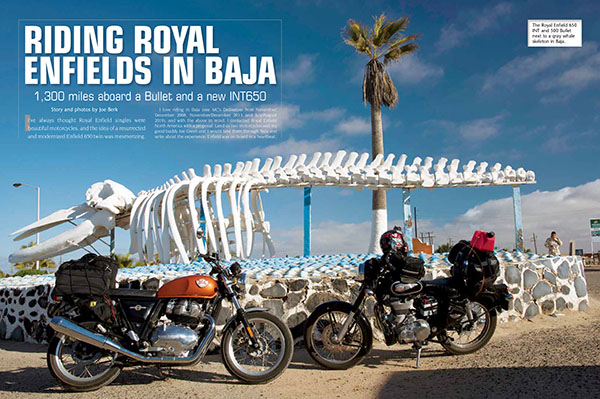
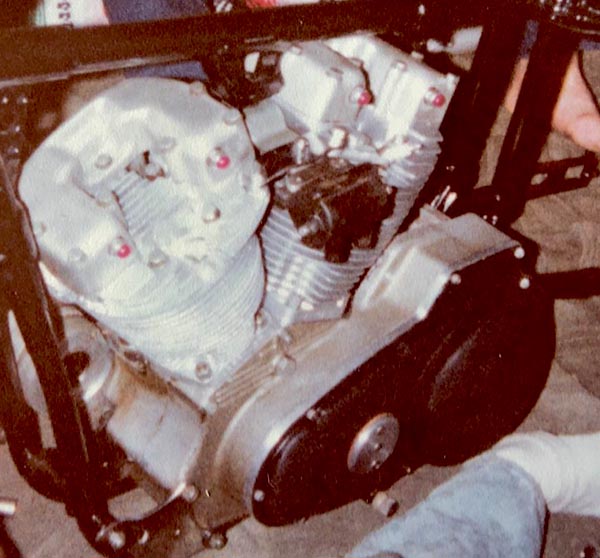 Glenn sent me a few photos from the old days and one that got my attention was a shot of us building a Sportster in the living room of the shack we used to live in. Having a living room to work in was a luxury because prior to renting the shack I was homeless. I had an old Chevy truck with a bench seat that I could stretch out enough to get some sleep and I had a job that let me take a dry bath in the restroom after work. But when Admiralty Marine closed its doors for the evening I was on my own until the next morning. The boss let me know that the situation couldn’t go on forever and that I really needed to find a place to live.
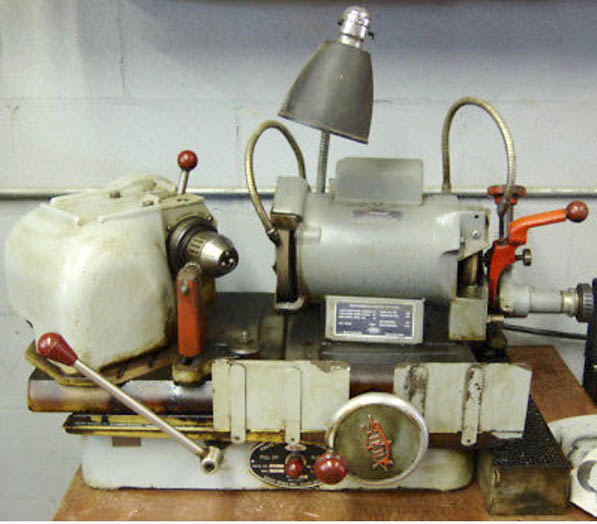 The Sportster’s high dome pistons were ok so a quick hone job and a set of rings finished off the top end. After that you’d think I’d leave the engine alone but I had to have a tin primary cover like the XR750 flat trackers ran.
 In San Diego I lived across the street from a Safeway food market. Man, I never ran out of anything. That Safeway is now a West Marine boat supply store. They got nothing to eat in the whole damn place. But back then, around 1980, it was a great food source.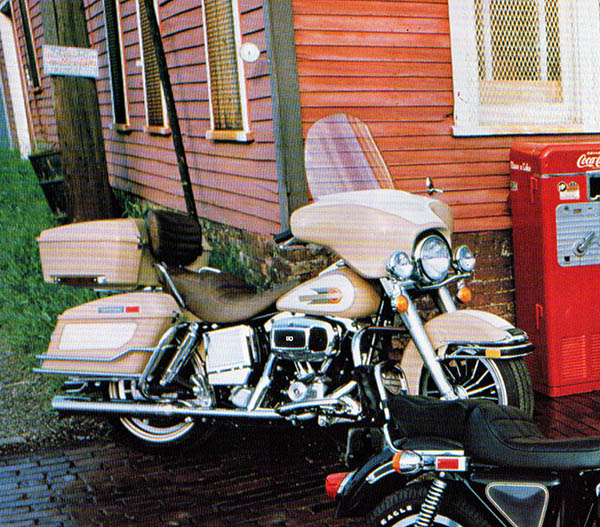
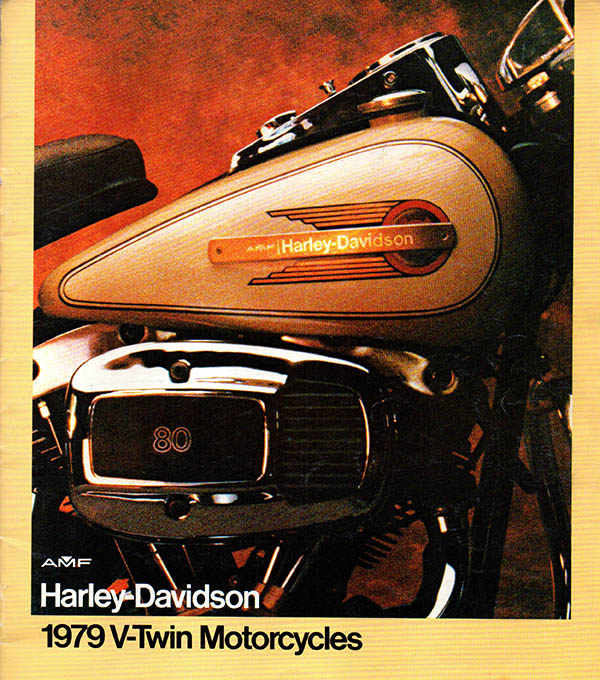
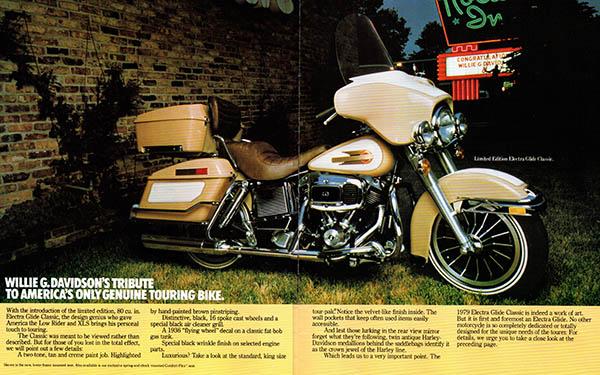
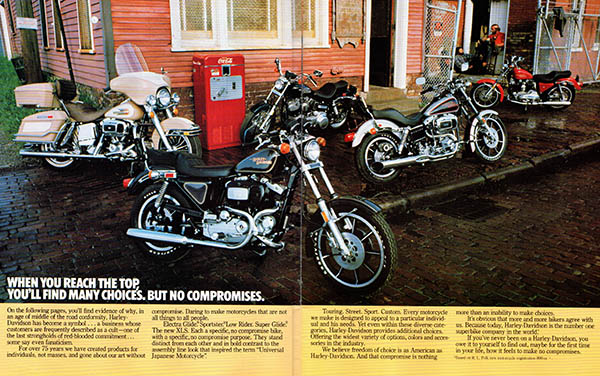
 I didn’t start out in the typing business looking for swag. I was more interested in seeing my byline on a real, printed object. Being published meant at least one person in the world thought my stuff wasn’t terrible. No, it was like more swag found me. Slowly at first, then faster as the typing game became less and less lucrative, swag has grown ever larger in importance.
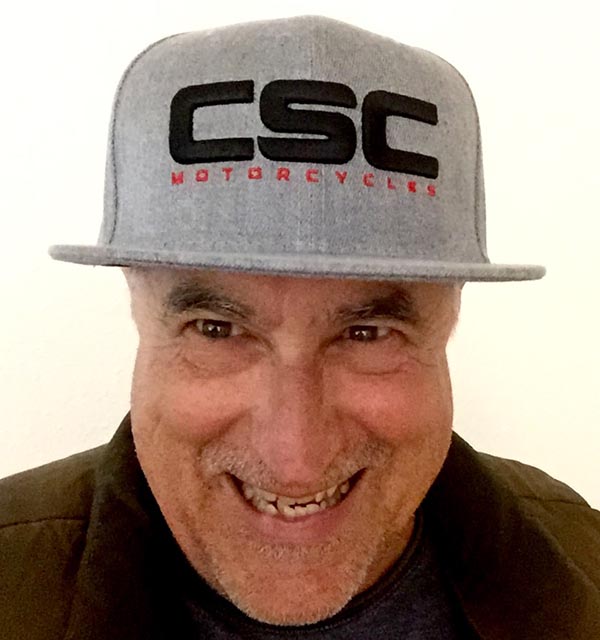
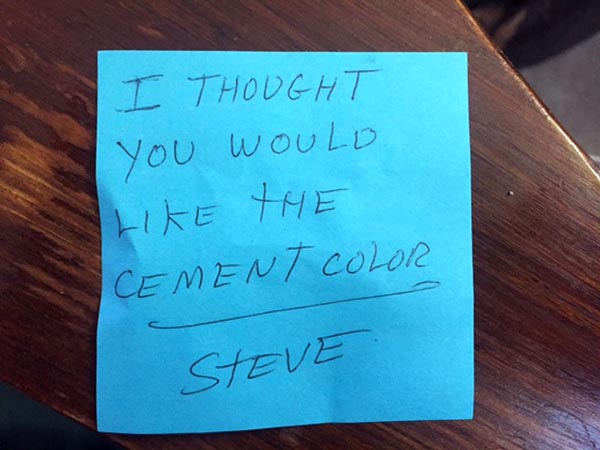 CSC sent me a flat-brimmed swag cap. They didn’t need to: I love those guys and how their business plan is a fantastic experiment in mail order motorcycling. I like that the customer needs to be a bit more self sufficient to operate their motorcycles. And I like the hat. With most products becoming sealed off to us regulars, CSC bikes actually require you to dig in. Since I own mostly weird motorcycles that have no dealer support I relate to the pride a CSC owner feels when he sets his own valves or replaces the chain and sprockets on his motorcycle.
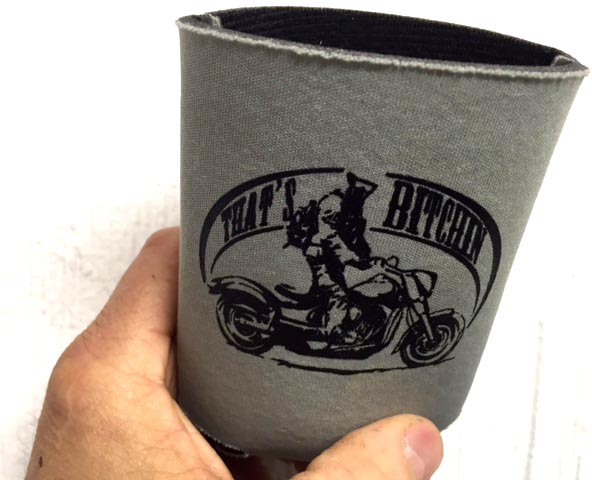 Swag works. The preceding paragraph should be all the proof you need. Swag turns customers into advocates and a scuba suit beer cooler celebrating Pandya’s 50th birthday will always come in handy. Come to think of it, Exhaustnotes.us has no swag that I’m aware of. I’ll have to get to work on that.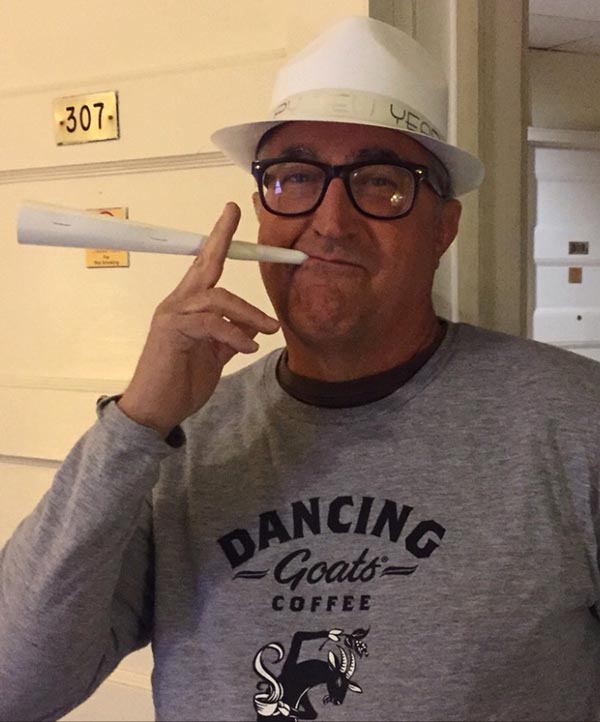
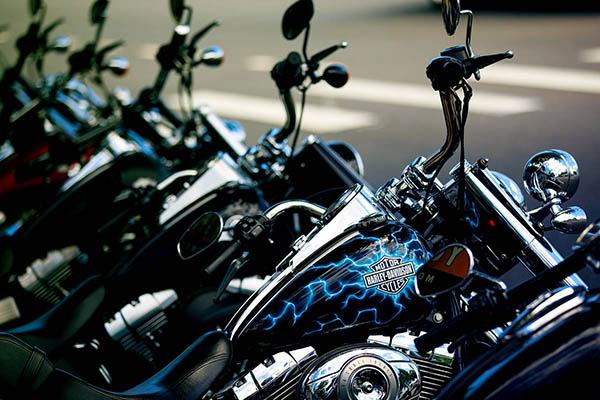 I guess more financial mags are zeroing in on Harley-Davidson’s plans to introduce an electric motorcycle. You saw our post a week or so ago about The Motley Fool and their thoughts on the Livewire. Barron’s, another financial newspaper/advisory service, similarly reported on Harley’s woes but with a twist.
 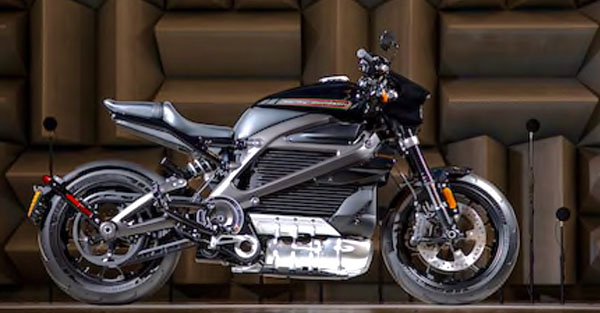 The Motley Fool is an investment advisory service newsletter I’ve been following since the 1990s, and my take on things is they generally have good advice and make predictions that have proven to be sound. Most recently, The Motley Fool published an article (