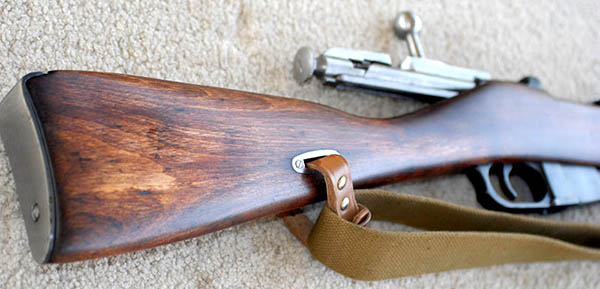
I’m a Mosin-Nagant fan, as you know from reading our prior posts on these fine old Russian warhorses. I’ve got two, one I use with jacketed bullets and one I use exclusively with cast bullets. Today’s blog focuses on reloading and using cast bullets in a Mosin.
So what’s the deal on cast bullets? If you reload, you can use either factory-produced, copper-jacketed bullets, or you can use cast bullets. Cast bullets are cast of lead, lubricated with an appropriate grease, and sometimes fitted with a gas check (a small copper cap on the back of the bullet).
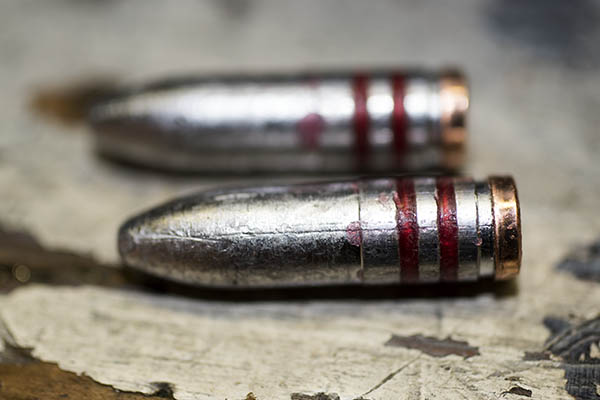
Folks who shoot cast bullets either buy the bullets or they cast them themselves. I used to cast bullets 40 years ago, but I found it easier just to buy them from folks who know what they are doing and avoid the hassles of melting lead, breathing the fumes, etc.
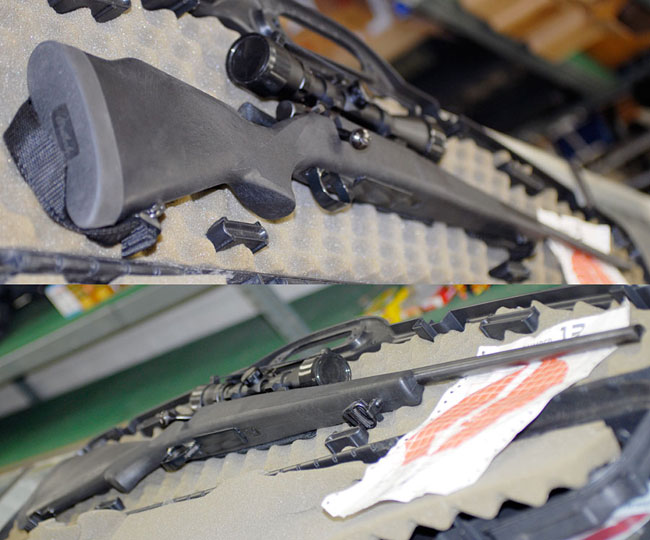
Cast bullets are a lot easier on both the rifle and the shooter. The softer metal (lead versus a copper jacket) is easier on the rifling and the lower velocities reduce recoil. The downsides are that the trajectory is more pronounced due to the lower velocities associated with cast bullets, and generally speaking, cast bullets are not as accurate as jacketed bullets. But that last bit sure isn’t the case here. My cast loads in the Mosin are every bit as accurate as jacketed loads, and the Mosin I use for cast bullets is another one of my all-time favorite rifles. It’s the rifle you see in the first photo of this blog, and in the photos below.
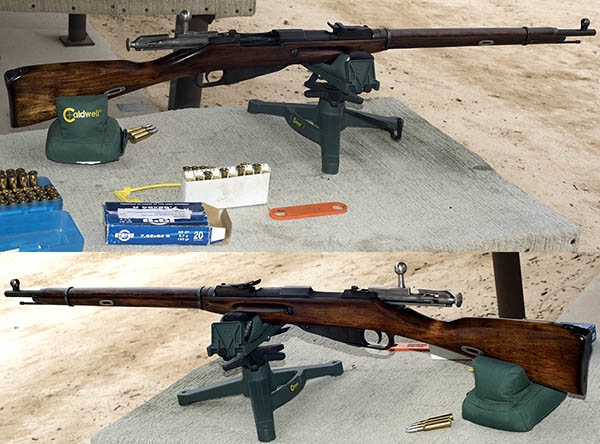
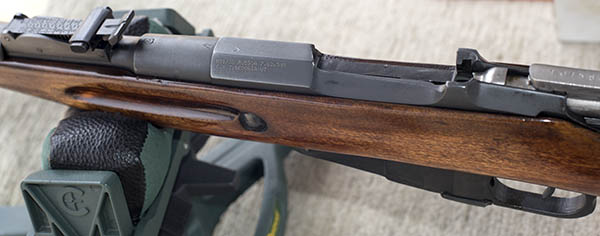
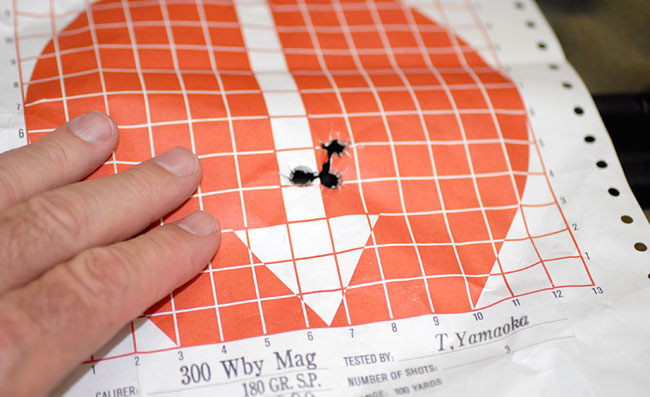
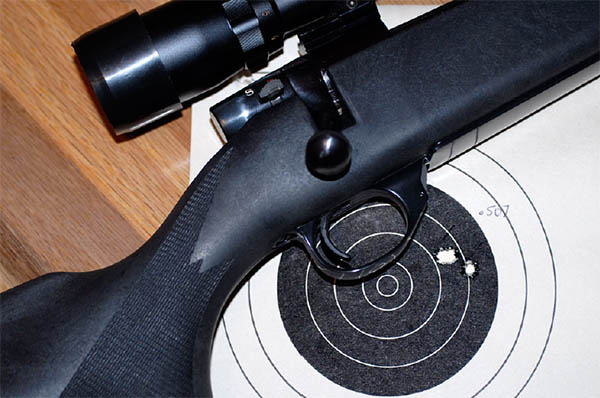
My cast bullet Mosin is just flat amazing. It regularly cloverleafs at 50 yards, and when I do my part, I’ll get groups under 2 inches at 100 yards. Yeah, I know, other folks talk about sub-minute-of-angle shooting at that distance, but we’re talking about iron sights and cast bullets here, folks, and it’s all being done with a rifle manufactured in 1935. And wow, can that 84-year-old puppy shoot…
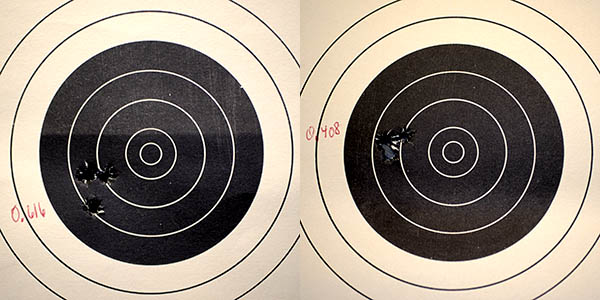
This kind of accuracy doesn’t just happen and it’s usually not attainable with factory ammunition. This is what you can get when you tailor the load to a particular rifle, and you can only do that if you reload. I developed the load used to shoot the targets you see above trying different propellants and propellant charges, different cartridge cases, and different cast bullets. The secret sauce? It’s this recipe right here…
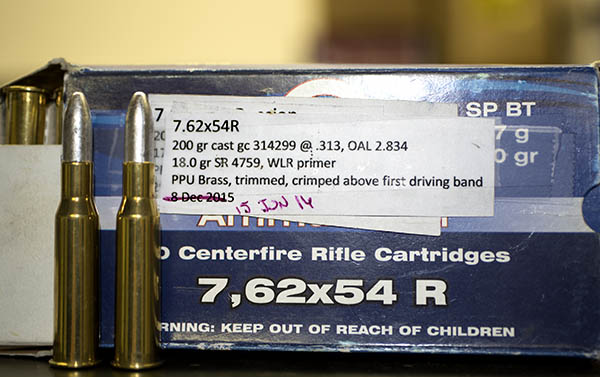
Good buddy Gresh suggested I do a piece on reloading, and I actually had done that already in the form of a video some time ago. What you’ll see in the video below is the reloading process. When you reload a cartridge, you lube the brass, resize it to its original dimensions, prime it, flare the case mouth (to accept the cast bullet), add the propellant, and seat the bullet. With a little bit of music taken directly from Enemy at the Gates (a movie in which the Mosin-Nagant rifle was the real star), take a look at what’s involved in reloading 7.62x54R ammo with cast bullets…
Shooting cast bullets in a rifle is a lot of fun. A good reference if you want to try loading with cast bullets is the Lyman Cast Bullet Handbook (it’s the one I use). If you never tried reloading you might think about getting into it, and if you’re already reloading, you might think about giving cast bullets a go.
Check out our other Tales of the Gun stories! And, don’t forget to sign up for our automatic email updates. You might win our next quarterly adventure book giveaway!
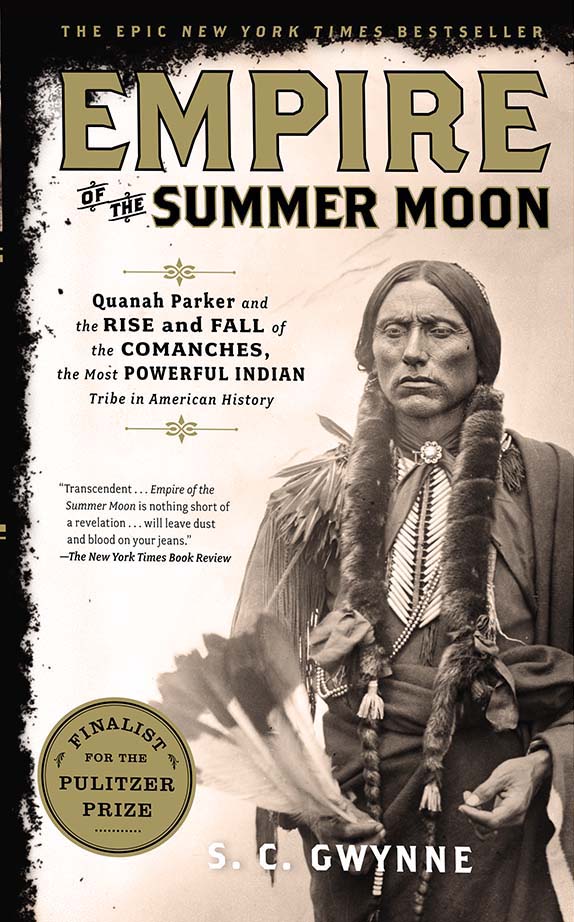 Several things amazed me as I read Empire of the Summer Moon, the first being how it could have not known of it previously. The only reason I learned of it is that I saw Empire in an airport bookstore a couple of trips ago.













































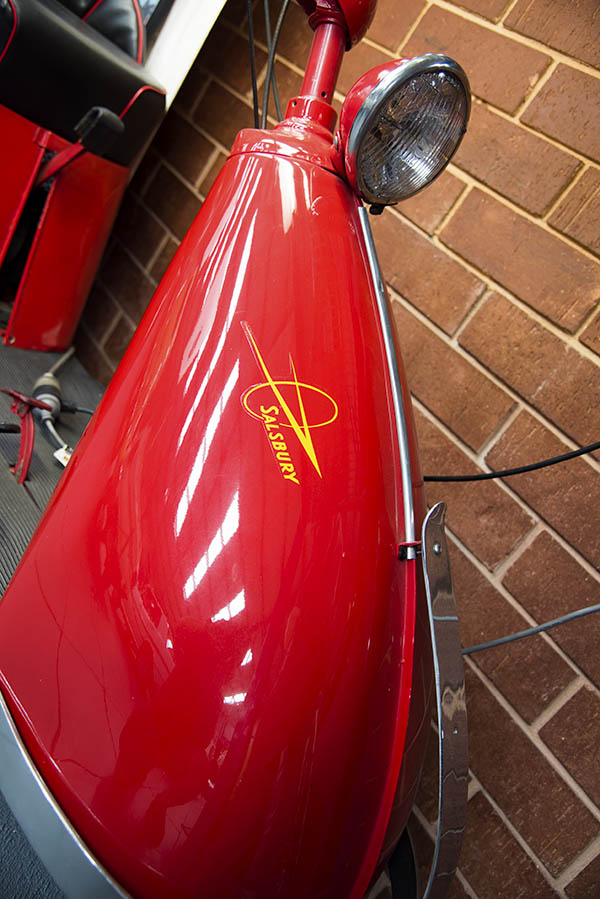
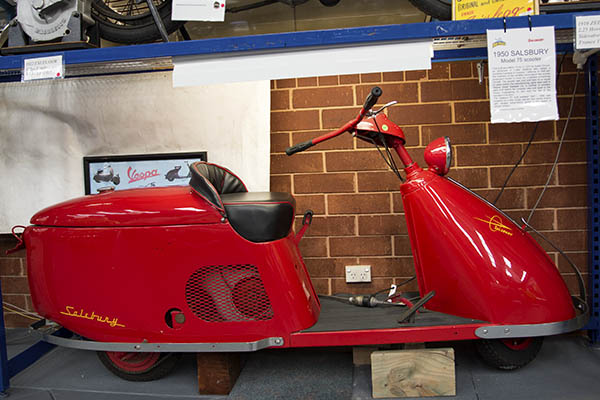
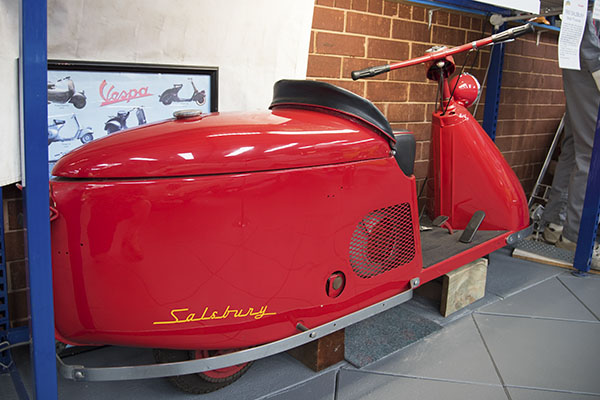
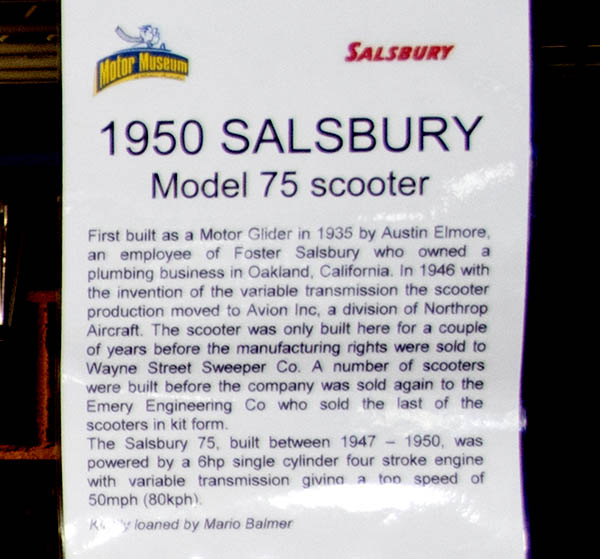 It was cool seeing a Salsbury, and doubly-cool seeing it in Australia. Imagine that…a product made in my own back yard, and seeing it on the other side of the world in Australia.






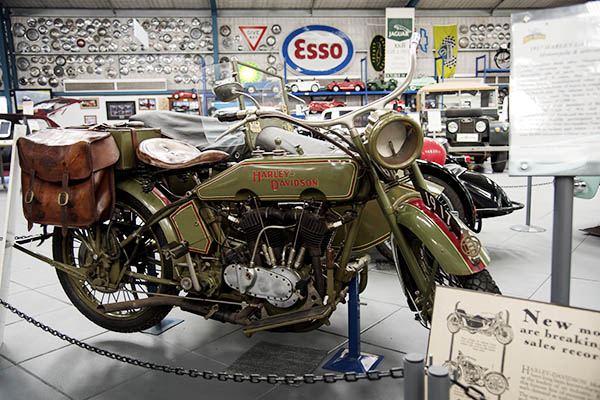
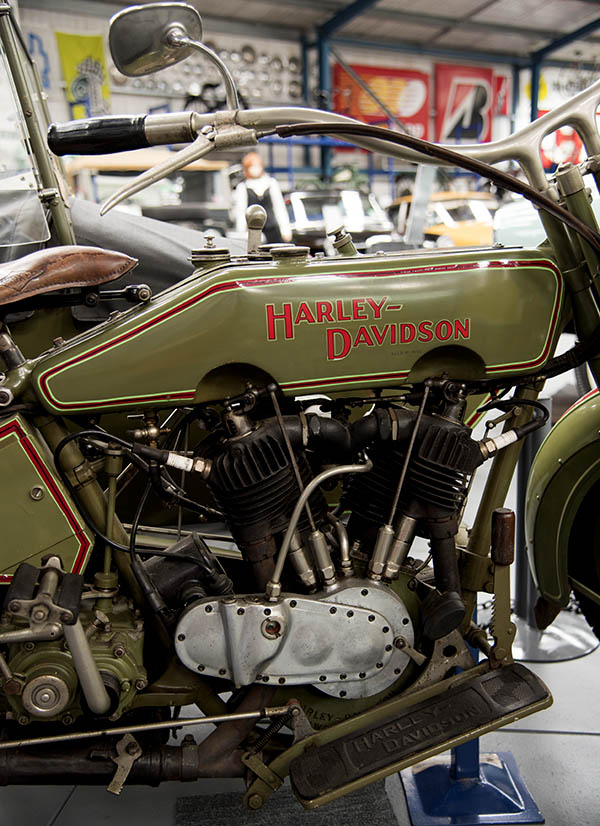
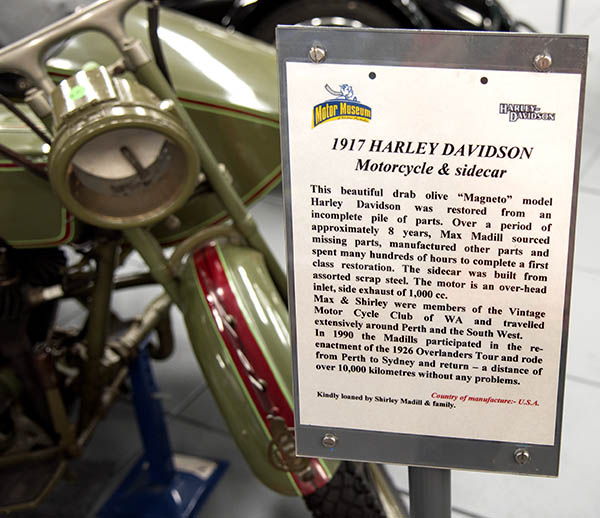
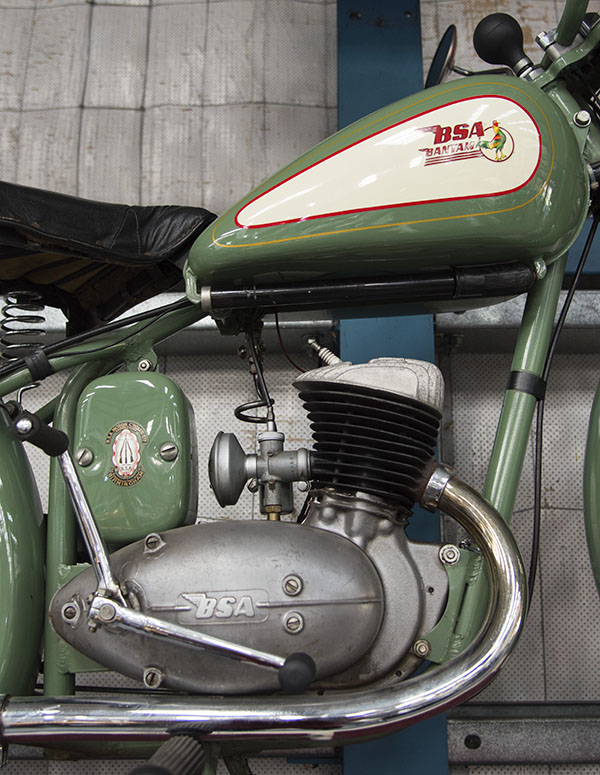 The bike you see above is a 1950 125cc two-stroke BSA Bantam, and it’s significant to me because in the late 1960s I actually owned one of those bikes. It was nowhere near as beautiful as the one you see here. My Bantam was painted kind of a rattlecan flat black, it had no muffler, and the lights didn’t work. I bought it for $30 with no title, I rode it in the fields behind our place for a month, and then I sold it for $50 after leaving it on the front lawn for a day with a For Sale sign. Grand times, those were. I didn’t even know the Bantam’s displacement back then, but I knew it was a Bantam, and the thing had a surprising amount of power. I guess that’s what two-strokes do, and it kind of explains good buddy Joe Gresh’s fascination with the oilers. It’s the only ring-a-ding-dinger I ever owned.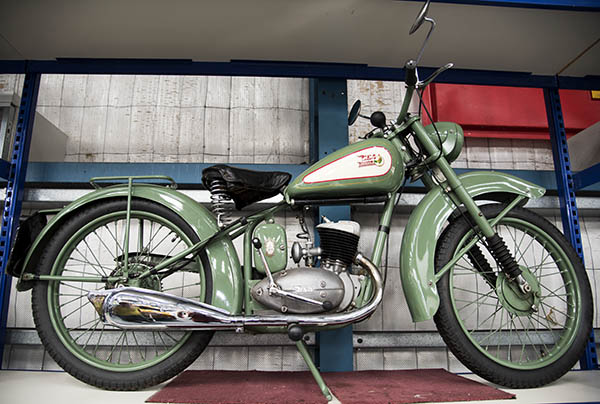
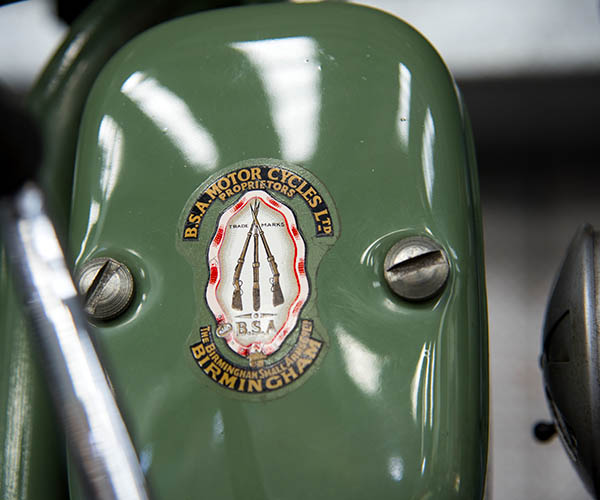
 Some of the old British motorcycles of the 1940s, 1950s, and even into the 1960s had magnificent mufflers. This one stood out.
 Most all of the fun things we did as little kids were instigated by my Grandparents. Between raising four kids and working constantly to pay for the opportunity our parents were left spent, angry and not that into family-time trips. We did try it a few times but it seems like the trips always ended with someone crying, my parents arguing or a small child missing an arm. With only 16 limbs between us we had to be careful and husband our togetherness for fear of running out.
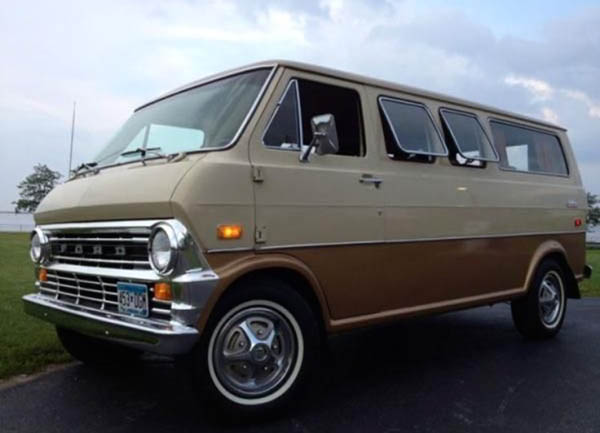 We always bought infield tickets. Camping at the Daytona Speedway was included with infield tickets so we immersed ourselves in the racing and never had to leave. Gramps had a late 1960’s Ford window van with a 6-cylinder, 3-on-the-tree drivetrain. The van was fitted out inside with a bed and had a table that pivoted off the forward-most side door. To give us a better view of the racing Gramps built a roof rack out of 1” tubing. The rack had a ¾” plywood floor and was accessed via a removable ladder that hung from the rack over the right rear bumper.
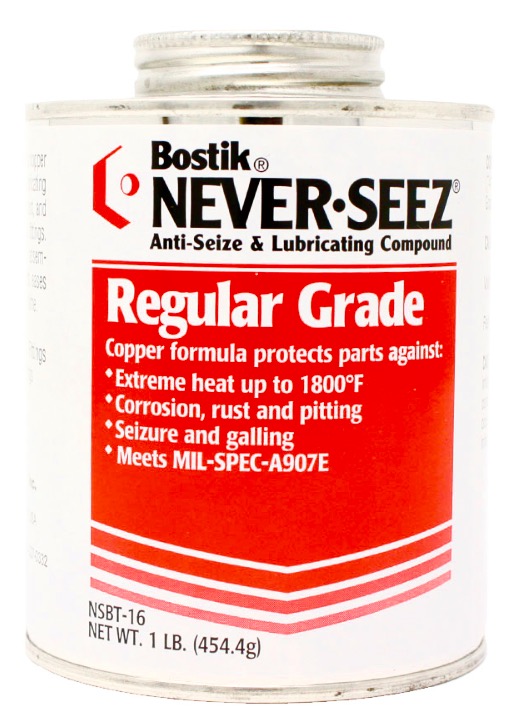 When you would climb the ladder to the upper deck your hands would pick up silver paint. If you sat on the deck your pants would turn silver. If you rubbed your nose like little kids do your nose would turn silver. It was like Gramps painted the deck with Never-Seez. After a full day of racing we looked like little wads of Reynolds Wrap.
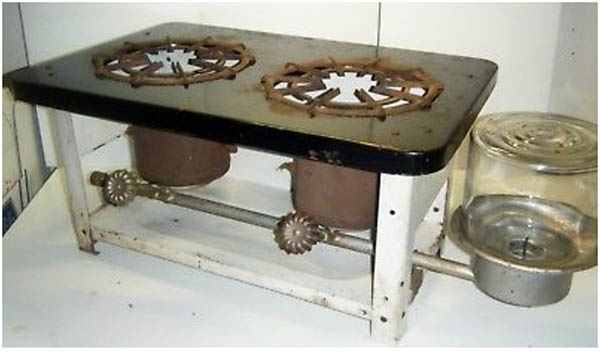 Our camp stove was a two-burner alcohol fueled unit that, incomprehensibly, used a glass jar to contain the alcohol. Even to my 10 year-old eyes the thing looked like a ticking time bomb so I kept my distance while gramps lit matches and cussed at the stove.