Ruger’s .45 Blackhawk and Red Dot Accuracy

By Joe Berk

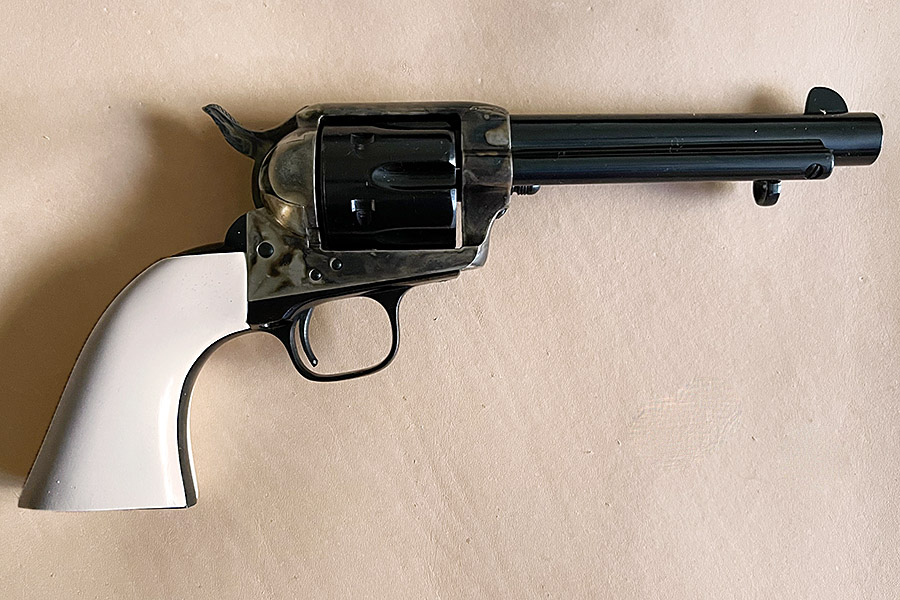
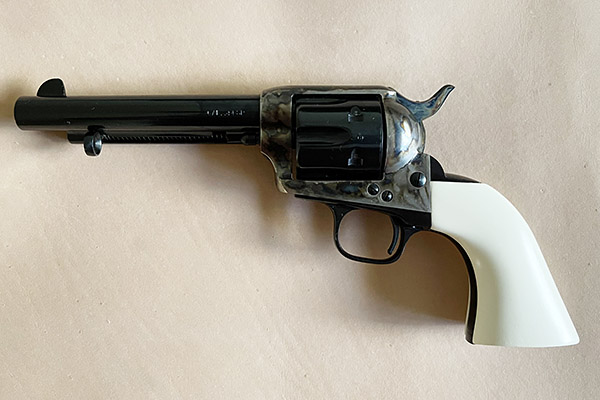
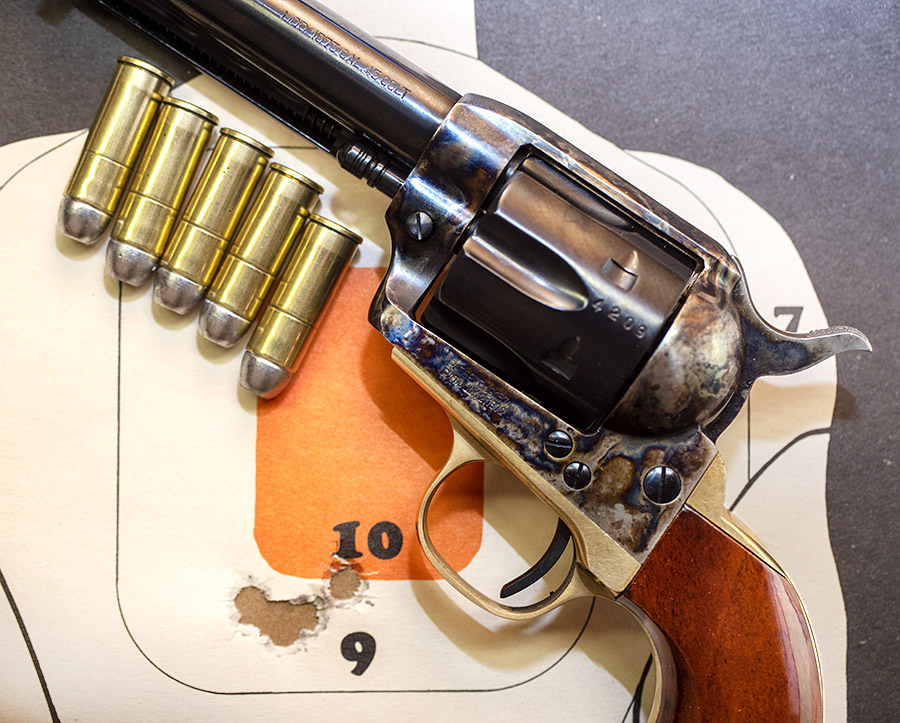
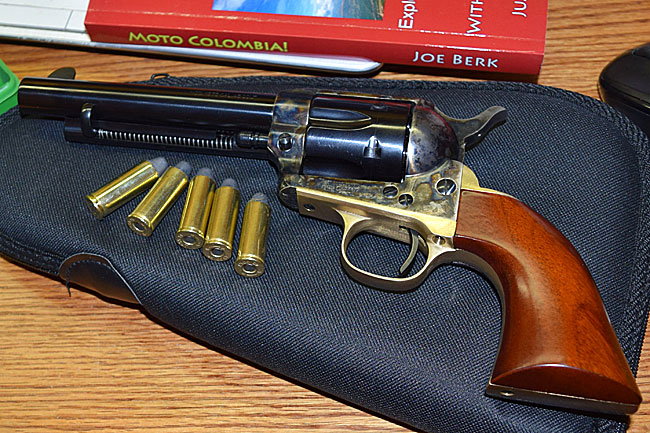
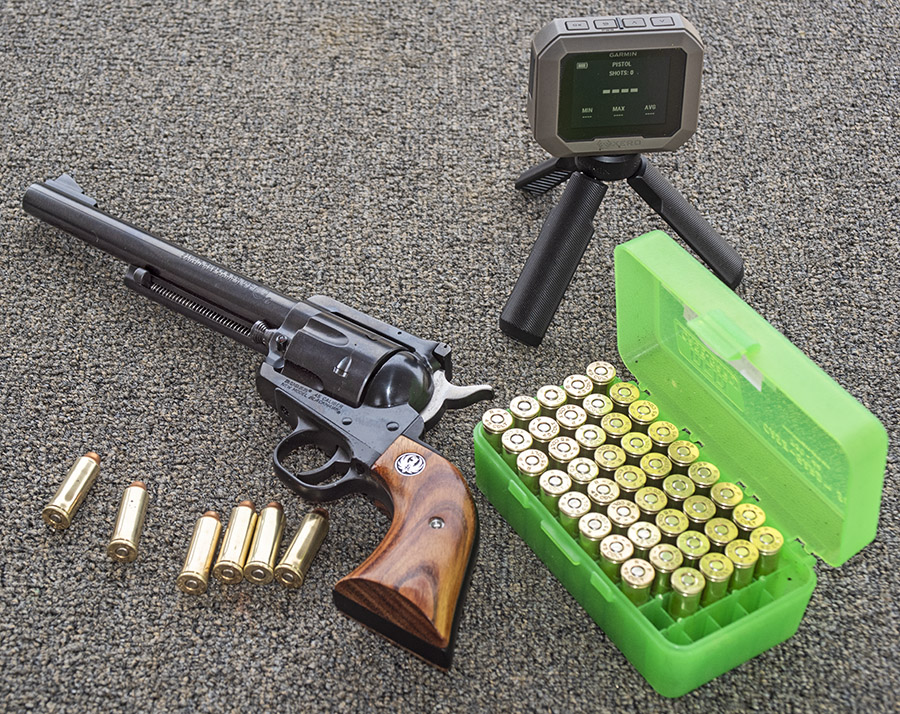
I saw the Ruger Blackhawk you see above in a forum post several years ago and wrote to ask if the owner if he would sell it.  The answer was yes, and after navigating all the California hurdles, the revolver found a home in my gun safe.  Several things attracted me to it. It is a 200th Year Ruger, it is in as new condition, the cylinder throats had already been reamed to their correct dimensions (several .45 Colt Blackhawks left the factory in 1976 with undersized throats), and the grips are nice (much nicer than normally seen on a Ruger Blackhawk).  The grips have great figure and the wood-to-metal fit is superb (something rarely seen on a new Blackhawk these days).
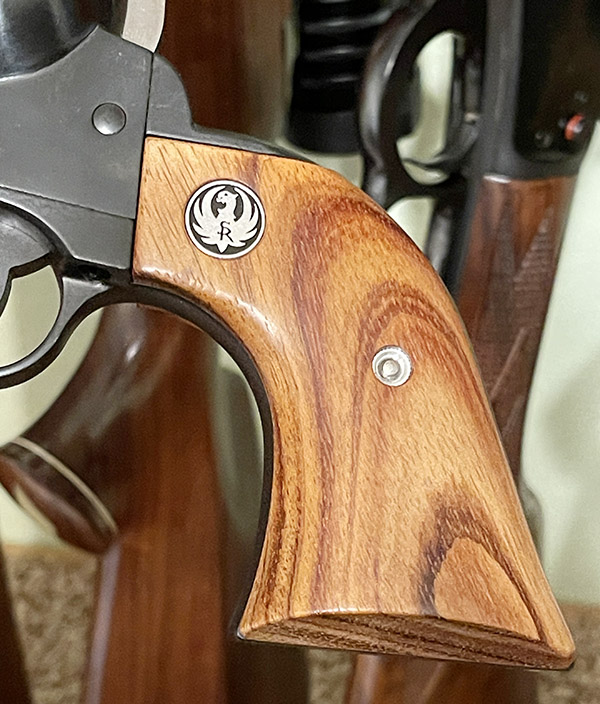
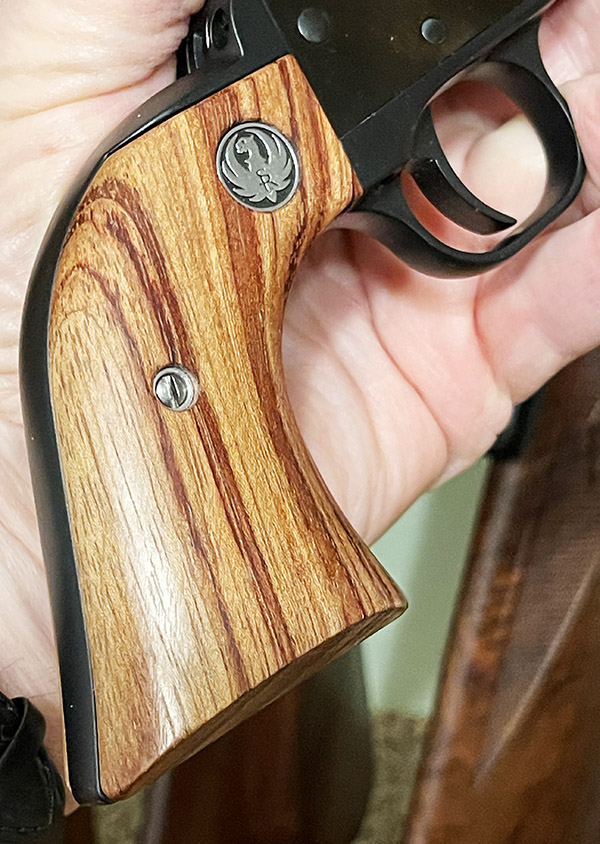
Fancy wood. I’m guessing this is Gonçalo Alves wood. The wood-to-metal fit is way better on this 50-year-old revolver than it is on current production Rugers.
The right grip is just as pretty as the left. Ruger used to get it right.

You saw my previous post 0n fitting the Power Custom base pin to this revolver, and another in which I compared this handgun to two other .45 Colt handguns (a 4 5/8-inch stainless Blackhawk and a tuned Taylor Uberti Single Action Army replica).  I had not really done any load development for the Blackhawk you see in this blog, and I wanted to start doing so this week.  I grabbed some ammo and headed to the range.

Getting out to the West End Gun Club has been a bit dicey over the last month or so.  With our heavy rains, Lytle Creek has been running high.  My Subie came through, though, like it almost always does.

I say “almost” because a couple of years ago under similar circumstances, I almost became a U-boat commander.  You may have read that blog before.

My first target at 25 yards with the 5.9-grain Red Dot load I had previously evaluated at 10 yards was mediocre.  The group was high and big.  Ordinarily (and with an accurate revolver), I can put a box of ammo into a 25-yard group you could cover with a silver dollar.  That wasn’t happening with this load.
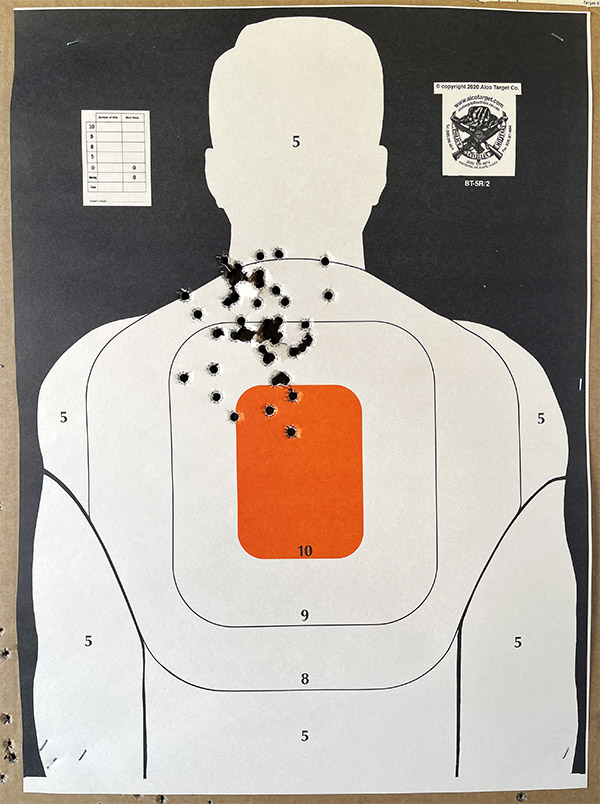
Meh. I’ve done better.

When my buddy Kevin saw the above target, he asked if I was using a shotgun.  I understood his point. So I set up another target, again at 25 yards and with the same load, figuring I’d do better the next time.  The results were the same.
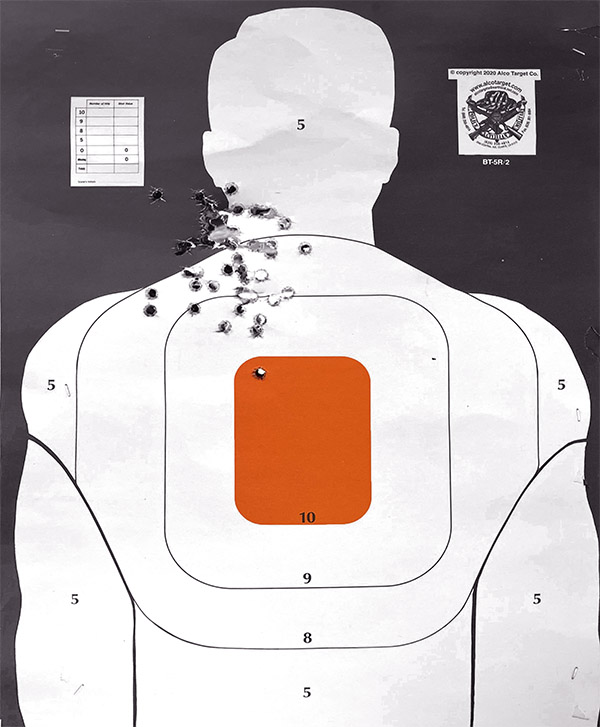
Another group with the 5.9-grain, 200-gr truncated roundnose cast bullet. Just like the group above. High left, and too damn big.

Must be the load, I thought.  I switched to the last box of .45 Colt loaded with Trail Boss powder (it was 6.4 grains of Trail Boss under the same 200-grain roundnose, flatpoint, cast bullet used above).  That’s a load that’s done well in other guns chambered for this cartridge.  The results were almost identical to the Red Dot load.
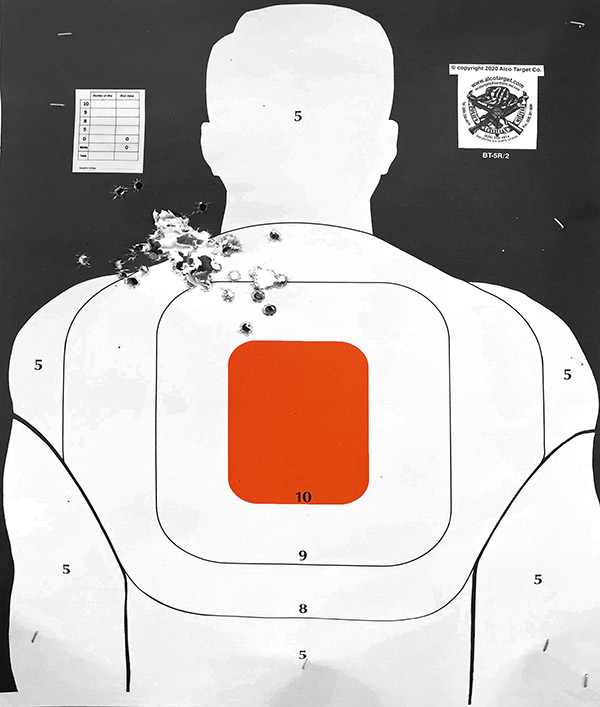
Same bullet, but with 6.4 grains of Trail Boss.   Maybe the group was a little tighter.  Maybe not.

So far, the .45 Blackhawk results with Red Dot were disappointing.  The groups were too big and too high.  My Blackhawk’s rear sight is all the way down, so it I knew it was time to try something different.  I had some 230-grain roundnose Missouri bullets hiding somewhere under the reloading bench, along with another box of 200-grain Speer swaged bullets, but I didn’t think either of those would be the answer here.   A heavier bullet (like the 230-grain cast roundnose bullet) would shoot higher.  That’s what heavier handgun bullets do because they generate more recoil and have a slower muzzle velocity (and that causes the bullet to spend more time in the barrel as it rises), giving a higher point of impact.   I also had some 185-grain full metal jacket bullets (a little lighter than the ones I shot here), so I tried them.  Maybe they would be the answer.  I went home and loaded some of those to try the next time I visited the range.
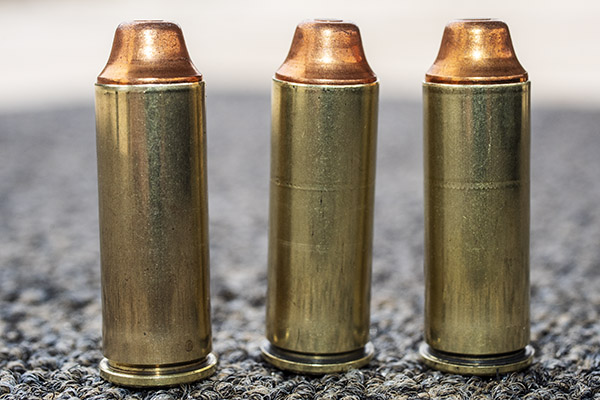
An unusual appearance cartridge: The .45 Colt with 185-grain Winchester jacketed semi-wadcutter bullets.

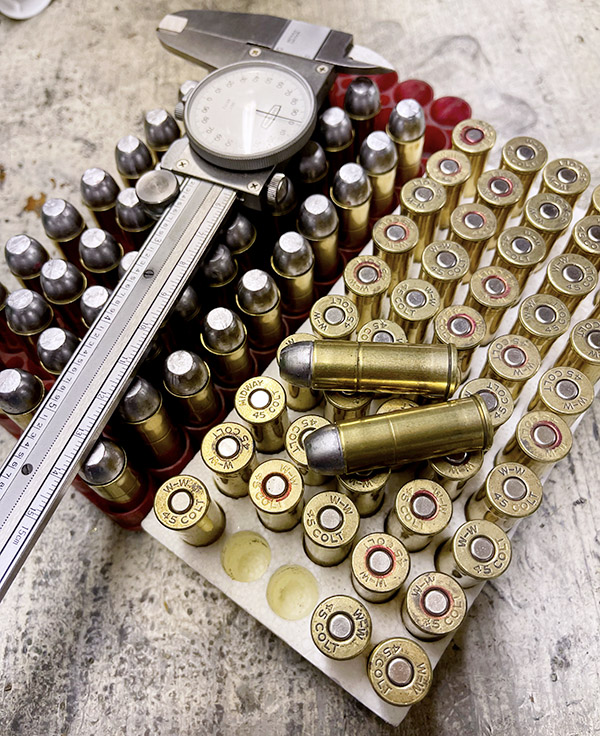
I prepared 20 .45 Colt reloaded rounds with the 185-grain Winchester jacketed semi-wadcutters with the same Red Dot propellant charge as previously used (5.9 grains), and then I reloaded another 20 rounds with that Winchester bullets and a heavier charge (6.7 grains of Red Dot).

The first group (loaded with 5.9 grains of Red Dot and the 185-grain Winchesters) printed high and to the left.  The group was a little tighter, at least with respect to lateral dispersion.
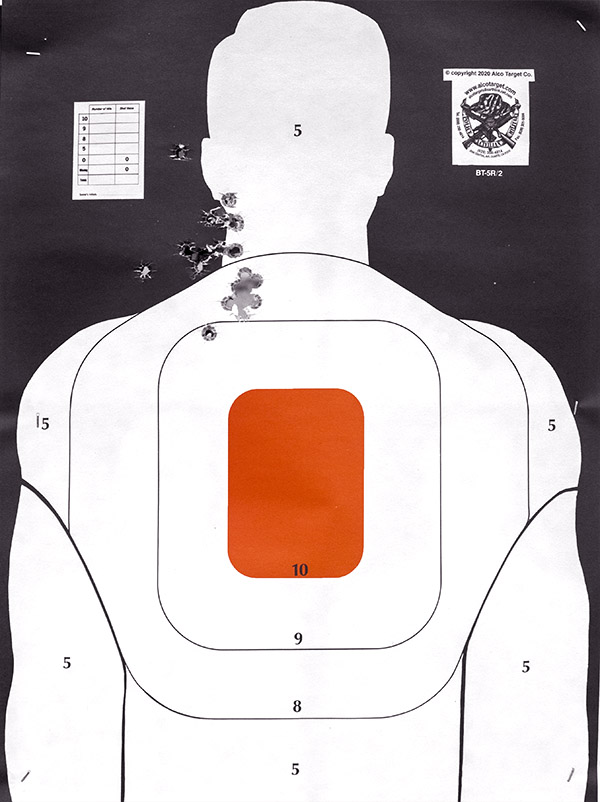
Way high, a little left, and a few flyers. The rear sight was already in its lowest setting. It was pretty windy that day.

I next shot a group with a higher Red Dot charge (6.7 grains).  It moved the group down substantially (a hoped-for result) and the group was tighter.  Ah, progress.  It comes in many forms.
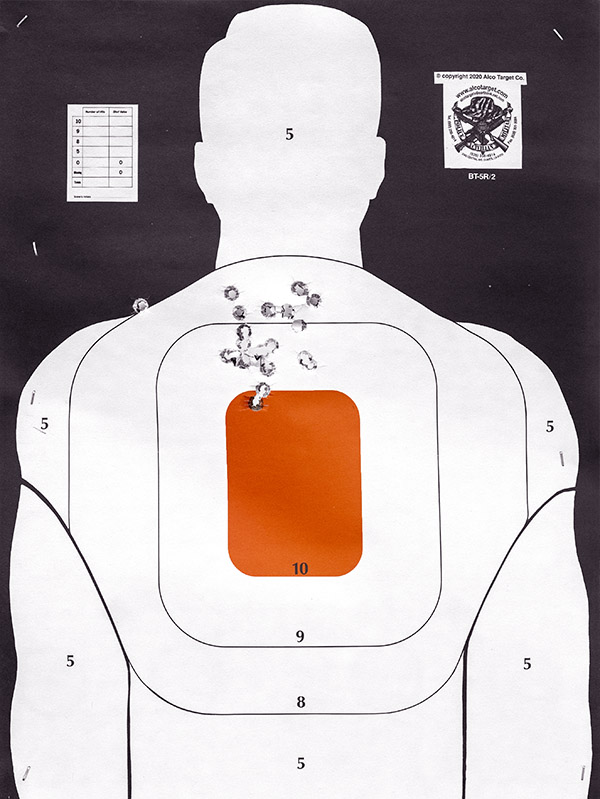
With a higher Red Dot charge (6.7 grains here), the group moved a little right and a little lower. That one flyer on the left? Who knows?

A quick check of the fired cartridges confirmed what I was experiencing when extracting the above rounds.  There were no pressure signs, and extraction was easy.
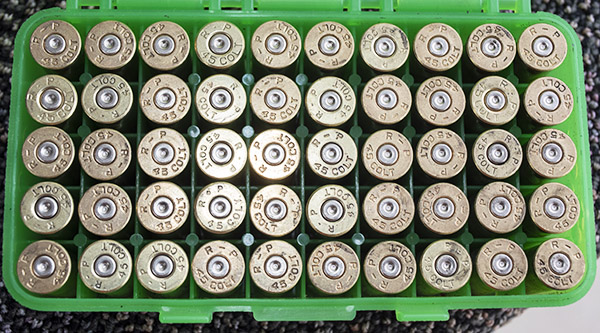
No primer flattening, and easy extraction. These loads showed no signs of high pressure.

I went home and reloaded more .45 Colt cartridges, this time with even higher charges.  The recipes this time were the same 185-grain Winchester jacketed semi-wadcutters, but with 7.0 grains and 7.3 grains of Red Dot.

While all this was going on, I continued to cruise the Internet, looking for more information on Red Dot and its reloading peculiarities.  A found a few places where folks mentioned that the powder didn’t meter well.  Usually, my Lee powder dispenser has a consistent drop, so I thought I would weigh a few after I had the dispenser adjuster.  Wow.  Those guys were right.  I was seeing variation of as much as 0.5-grain from charge to charge.   Hmmm.  I was experimenting with charge weight differences as small as 0.3 grains, while the dispenser was throwing in variability of 0.5 grains.  That’s not good.  I filled the powder dispenser, rapped it a few times to settle the Red Dot, and I managed to get the variability down to not more than 0.2 grains.  It was 0.0 grains, which is what I had experienced with other powders, but it was better than the 0.5 grains I first encountered.  Like Donald Rumsfeld used to say, you go to war with the Army you have.  My Army had 0.2 grains powder-drop-to-powder-drop variability, and that’s what I was going to war with.

The next day at the range, I fired 20 rounds at a 25-yard target using a my 7.0-grains-of-Red-Dot load.  It shot a little bit better group, and it had a little bit lower point of impact.  More progress.
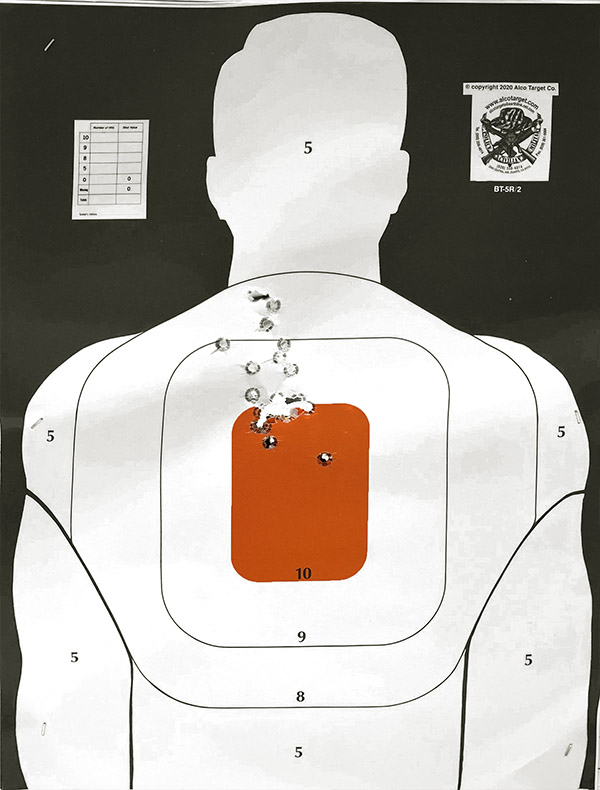
Ever wonder why a head shot is only worth 5 points, while a center of mass shot is worth 10? These things sometimes keep me up at night. The point of impact was getting lower with higher charges.

Then I tried the last group I had loaded, this time with 7.3 grains of Red Dot.  I had a few stray shots, but I also had the makings of a better group, and it was lower yet on the target.
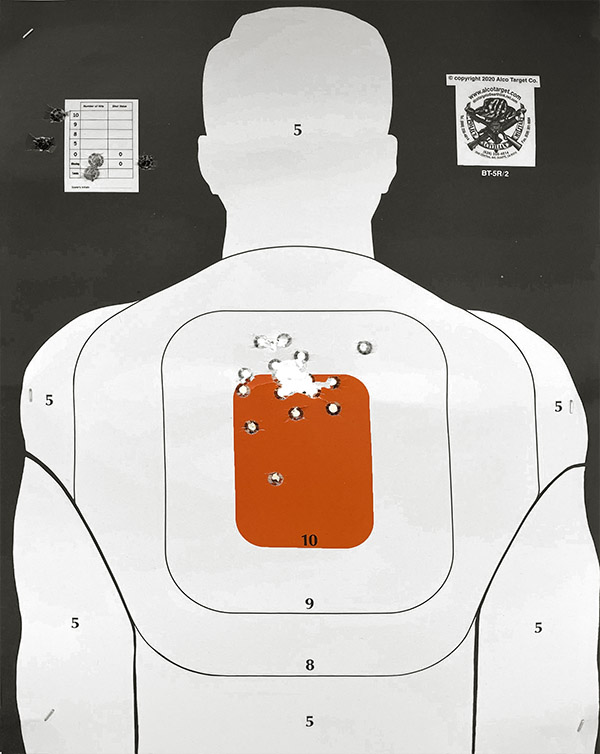
A better group. Still too high, but getting better. Those stray shots: Were they the result of shot-to-shot powder charge weight variability, or were they due to pilot error?

At that point, I decided to call it a day with this test series and with this revolver.  Here’s what I concluded from the above:

      • Red Dot is not the best propellant for the .45 Colt cartridge, which is probably why you almost never see it listed in any of today’s reloading manuals.  The above notwithstanding, Red Dot can work for .45 Colt cartridges, as this test series found.
      • Higher charge weights are better, probably because they occupy more of the case volume (the .45 Colt is a big handgun cartridge).  My tests showed that the average velocity, the extreme spread, and the standard deviation all improved with higher Red Dot charge weights.
      • With my 7.3-grain Red Dot load, the average velocity is 980.0 feet per second, the extreme spread is 76.5 feet per second, and the standard deviation is 21.1 feet per second.  These are not the best numbers I’ve ever seen in a handgun, but they are not the worst, either, and a 185-grain, .45 caliber bullet smoking along at nearly 1000 feet per second is nothing to sneeze at.  Other powders would do better in this cartridge (IMR 4227 comes to mind), and future efforts will focus on that.
      • Regarding my .45 Colt Blackhawk shooting high at 25 yards, I don’t know if it’s the load or the gun.  I have another Ruger Blackhawk that shoots high at 25 yards (my .357 Blackhawk).  I have a lower rear sight blade from Ruger laying around here somewhere.   I will try to find it and, after confirming it is lower than the blade currently in the gun, I’ll see how much that helps.

So there you have it:  Red Dot propellant reloads in a Ruger .45 Colt Blackhawk.  If you have a comment, we’d love to hear it.


More gun stories?  You bet!   There’s good stuff on our Guns page on the three Rs (Rugers, revolvers, and rel0ading)!
Tales of the Gun


Buy one for yourself (or for a friend):  Get The Gatling Gun!


Join our Facebook ExNotes page!


Never miss an ExNotes blog:


Help us keep the lights on:

A .45 Colt Six Shooter Trio

By Joe Berk

I tested four different .45 Colt loads in three different six shooters yesterday.  The revolvers were an 1873 Taylor-tuned Uberti SAA with a 5½ inch barrel, a stainless steel Ruger 4 5/8 inch Blackhawk, and a 200th Year Ruger 7½ inch Blackhawk. Conditions were way less than ideal: It was windy and I was there in the afternoon, which meant I was shooting into the sun on the West End Gun Club’s 50-foot handgun range.

My Uberti with a Schrade stag-handled large folding knife. Both are elegant.

Every time I shoot the Uberti, I’m reminded how elegant the 1873 design is. The Ruger Blackhawks look good and shoot well, but they are a bit “clunky” compared to the old Colt design.  The 1873 SAA just feels graceful.  It’s a delight to hold and to shoot.

Ruger’s stainless steel, 4 5/8 inch barreled Blackhawk chambered in .45 Colt. It’s a slick sixgun.
A 200th Year 7 1/2 inch Ruger Blackhawk, also chambered in .45 Colt. I bought it about 15 years ago; I fired it for the first time in this load evaluation.

As I was unlocking the gate to get into the range, a low-rent-gangbanger-looking, dirty, tattooed guy pulled up behind me in a beat up old white Honda.  He obviously had been waiting to follow me in.  Even though I’m armed, I’m always a little nervous when I get out of the car to unlock the gate because it’s desolate out there and it’s a good ambush spot.  The guy sure didn’t look like a Republican to me. I asked him to show his membership card and he went into his “no habla” routine. I told him I wouldn’t leave the gate open without seeing his membership card, and he suddenly had enough “habla” to understand that. He turned around and left. A recent WEGC email explained that these guys steal brass and other stuff from the range, so I’m guessing that’s what this dirtball wanted.

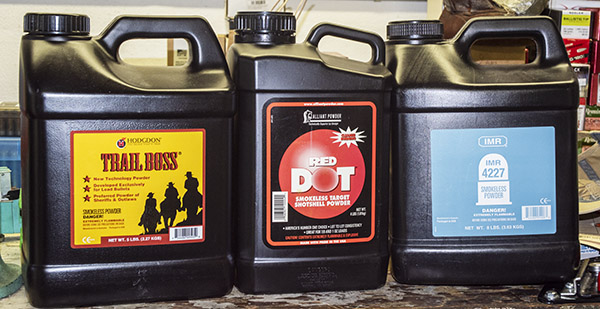
The three propellants used for this test series: Hodgdon Trail Boss, Hercules Red Dot, and IMR 4227.
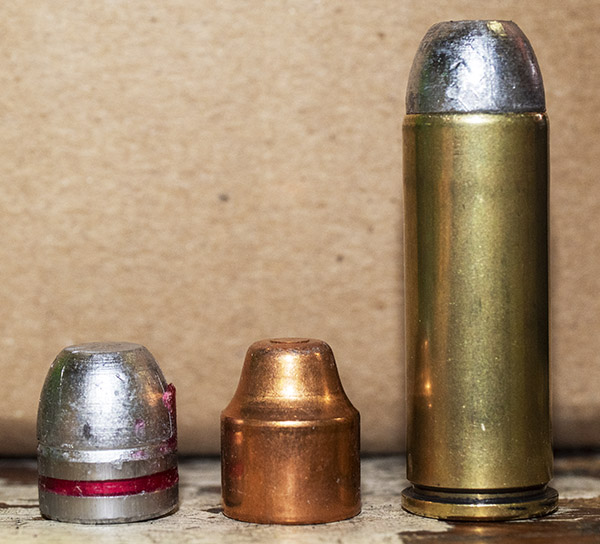
The 200-grain cast bullet, the 185-grain Winchester jacketed semiwadcutter, and a loaded .45 Colt cartridge.

The loads used Trail Boss, IMR 4227, and Red Dot powder. I had been loading .45 Colt with Trail Boss because it is what the Cowboy Action Shooters use and it was presumably a low velocity load. To my surprise, the Trail Boss velocities were only very slightly below the other powders’ velocities.  I loaded with two different bullets (Winchester’s 185-grain jacketed semiwadcutter and a 200-grain cast roundness bullet with a truncated ogive).

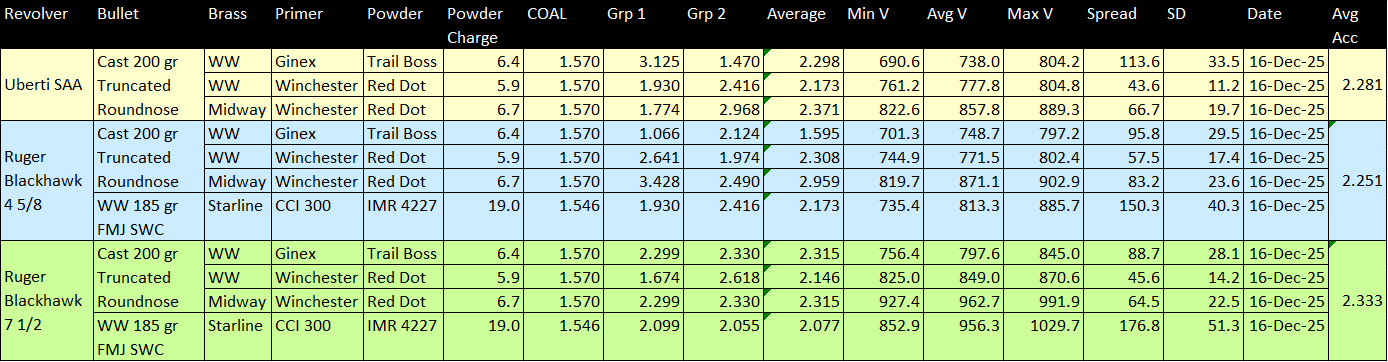
The results of my testing are in the table below.  The table’s font (as it appears in the blog) is tiny, but if you click on it, the table will open with a larger and more readable display.

Here are the inferences I make from the above data:

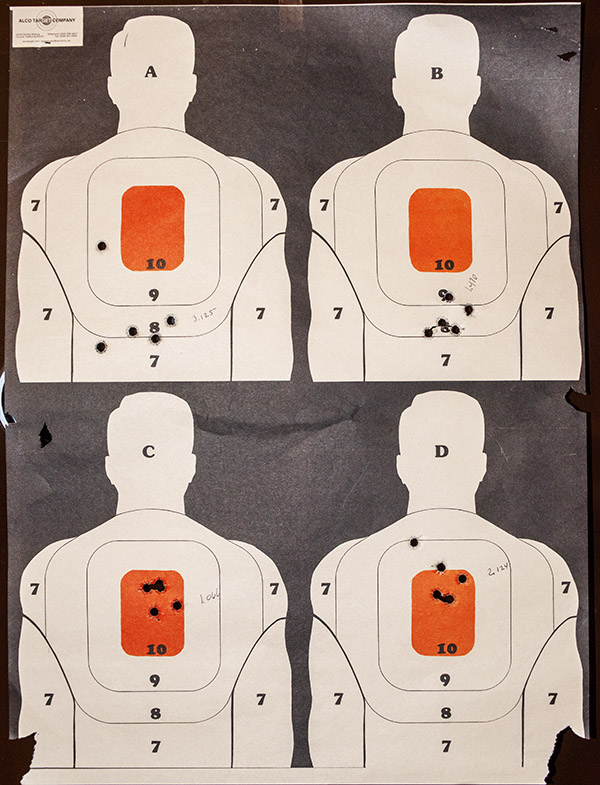
There are some large groups sprinkled in the above data (above 3 inches); that’s probably due to the poor shooting conditions and me. My first group was one of the worst; I attribute that to me settling down for subsequent groups.

I used Alco’s target with four mini-silhouettes. Shooting conditions were less than ideal.

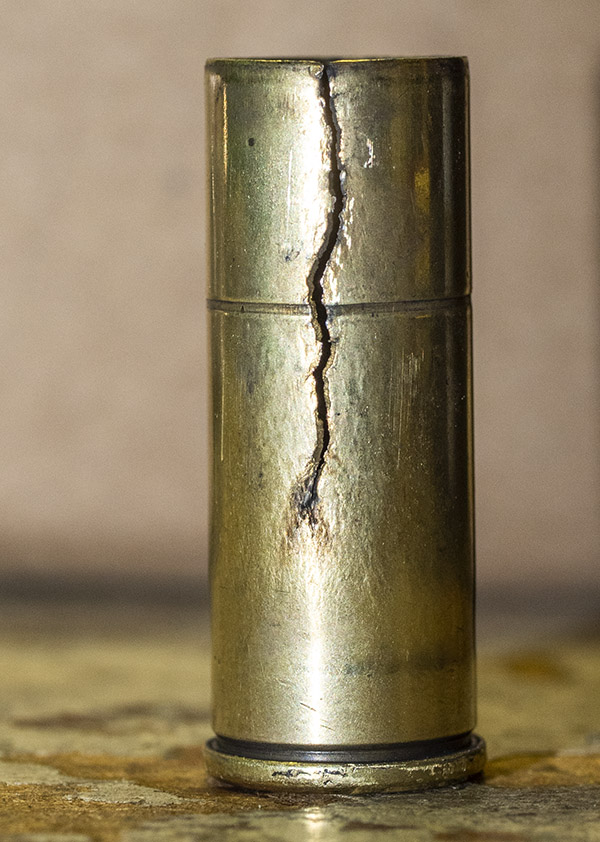
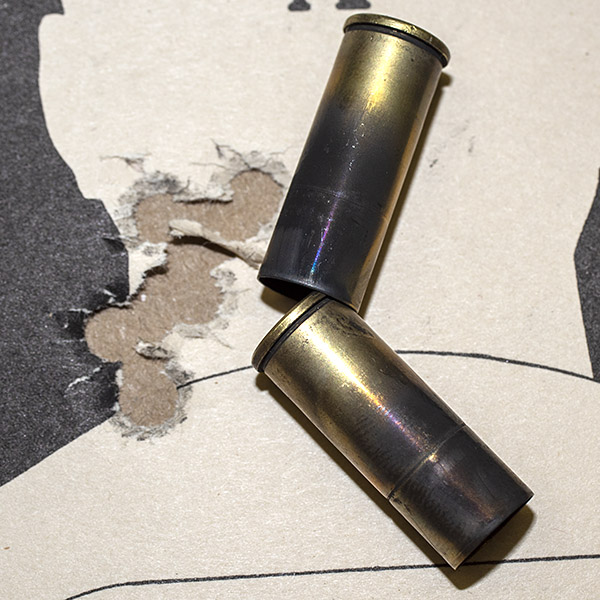
I also noticed that one of the cases had split, and the bullet from that case would have been a flyer.  With the exception of the one case that split, none of the cartridges exhibited any pressure signs.  All cases extracted easily (other than the one that split) and none had flattened primers.

It happens. This cartridge case had been loaded one too many times. When this occurs, it results in a flyer.

The Lee cast bullet reloading manual shows the 200-grain truncated roundnose bullet accuracy load to be 5.6 grains of Red Dot, which is at the very bottom end of the range. I went with 5.9 grains because the Red Dot loads don’t occupy much of the case volume and I felt uncomfortable with that. I might try the lower load of Red Dot (i.e., 5.6 grains) next time I’m reloading, but I think I’m going to just stick with 5.9 grains.  It works well enough in all three revolvers.

The Trail Boss spreads and standard deviations were large, which surprised me. I’ve had good accuracy at 50 feet with this powder, but the large standard deviations mean that at longer ranges the accuracy will be poor.  I could feel the difference in recoil with the Trail Boss load; one round would give a sharp crack back, and the next might be much lighter.  The Trail Boss chronograph data supports that subjective assessment.

I have a lot of Red Dot propellant, so I wanted to evaluate it in the .45 Colt. It did well. In general, the Red Dot velocity spreads and standard deviations were lower than those with Trail Boss or IMR 4227.  That was a surprise, too.

Overall average group size (all guns, all loads) with the cast 200-grain bullets was 2.275 inches. Overall average group size (all guns, all loads) with the full metal jacket semi-wadcutter Winchester bullets was 2.125 inches. That’s not much of a difference.

You might be wondering why I didn’t try the IMR 4227 loads in the Uberti SAA. I thought these would be a lot hotter loads because the load data was for Ruger revolvers. Turns out the velocities were in line with the Trail Boss and Red Dot loads. I could have shot the IMR 4227 in the Uberti, but I didn’t realize that when I was on the range. I was very surprised at the huge velocity spreads and standard deviations with IMR 4227.

Recoil for all the loads listed in the table above was not oppressive.   But I wouldn’t characterize the recoil as light, either.  The .45 Colt is a big cartridge.

As expected, the 7 ½ inch Blackhawk velocities were slightly higher than were those for the other two shorter-barreled revolvers. The longer sight radius on the 7 ½ Ruger didn’t make much difference in accuracy.  That’s counterintuitive.  It may just be that the wind and shooting into the sun masked any advantage the longer sight radius offered.

Overall accuracy for the revolvers with all loads was essentially the same (see the last column in the above table).  I could repeat this evaluation under better range conditions, but I think I have enough information to select a good load.  While the groups were not stellar (they were in the 2-inch+ range), the above convinces me that Red Dot is a good powder in .45 Colt. I’ll probably standardize at 5.9 grains of Red Dot with the 200-grain cast bullet.  The velocity is high enough for my purposes and I love that low standard deviation.


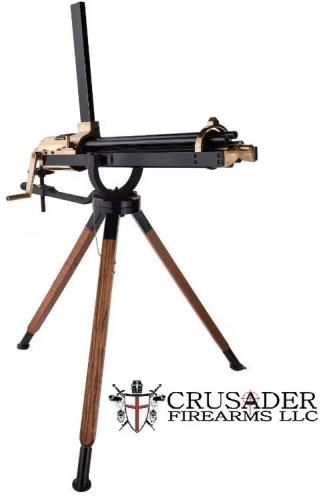
I’m a student of the Gatling gun and as you tell from reading this piece, I’m a big fan of the .45 Colt cartridge.  After finishing this blog, I briefly wondered: Were any of the original Gatlings chambered in .45 Colt?   The short answer is no.  Even though the .45 Colt was a prevalent cartridge during the era of the original Gatlings, none were built for this cartridge (they instead used the much more powerful .45 70 rifle cartridge).  That was then, though, and this is now.  You can buy a current reproduction of the Gatling chambered in .45 Colt.  That would be cool, but it would be expensive to keep such a beast fed.

Crusader’s .45 Colt Gatling Gun.  It’s only $8149.99.

If you want to know more about Gatling guns (including their early history, the transition to modern weapon systems, and their current applications), pick up your copy of The Gatling Gun.


Join our Facebook ExNotes page!


Help us keep the lights on:


Don’t forget: Visit our advertisers!


A Uberti 44 Special SAA

Good buddy Paul is the guy who got me interested in the Uberti Single Action Army and blackpowder Colt replicas, and it’s an interest that I am thoroughly enjoying.  We visited recently and Paul showed me one I had seen before that he had recently added a set of custom grips to.  This is a  Uberti Single Action Army with the black powder frame chambered in .44 Special, and it is a stunning example of Uberti’s work.

Paul purchased a set of synthetic ivory grips that had a large decorative eagles molded into the grip material.  The original grips with the eagles didn’t quite make it for Paul, and the fit of the grips to the grip frame was poor.  Paul sanded the eagles into oblivion and very carefully recontoured the grips for what is now a perfect fit.  There are no gaps and no overhangs anywhere.  There’s something about the Colt SAA configuration that just feels right in the hand.

I like this gun.  I’m a big fan of the .44 Special cartridge. Paul tells me he shoots a 215-grain bullet he casts himself and it is quite accurate.  Like my .45 Colt Uberti, Paul’s gun shoots to point of aim at 50 feet, which is great for a fixed sight handgun.

Paul and I had a good conversation about our shared interest in these old western style sixguns.  We’re both about the same age and we grew up in an era when cowboy TV series and western movies dominated the entertainment industry, and that undoubtedly influenced our taste in firearms.  It was a good time to be a kid, I think.


Join our Uberti Firearms Facebook group!


Help us continue our Tales of the Gun articles:  Please click on the popup ads!

More Tales of the Gun!


Never miss an ExNotes blog…sign up here for free!

45 Colt New Service (by Guy Miner)

Good buddy Guy Miner, former US Marine and retired law enforcement officer, enjoys following the ExhaustNotes blog and in particular, our gun stories.  Guy has a very cool 1909 Colt and he wrote a guest piece on it for us.


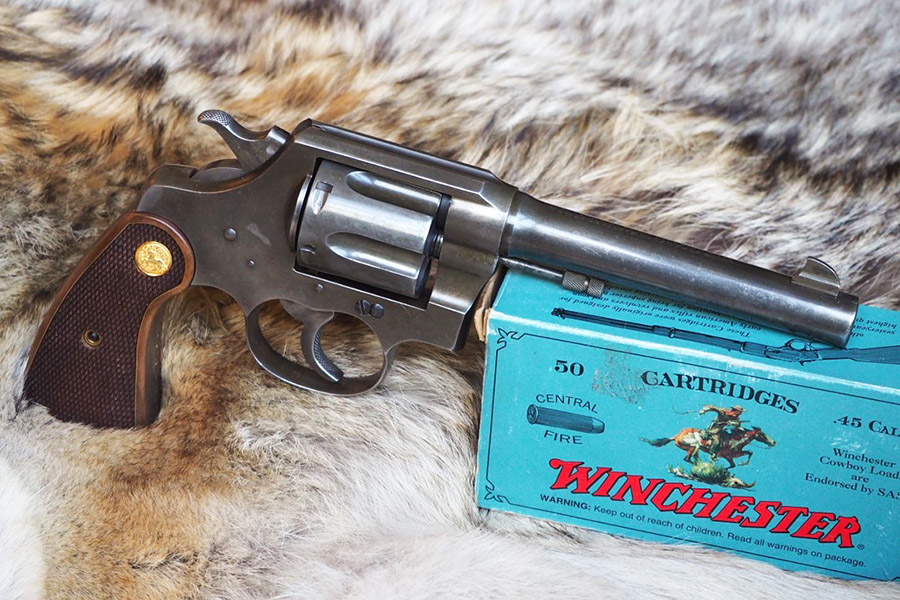
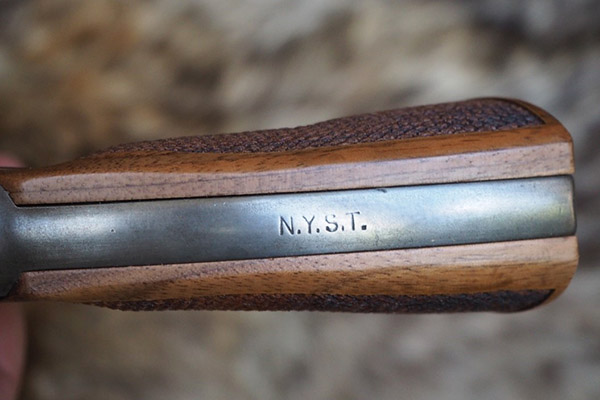
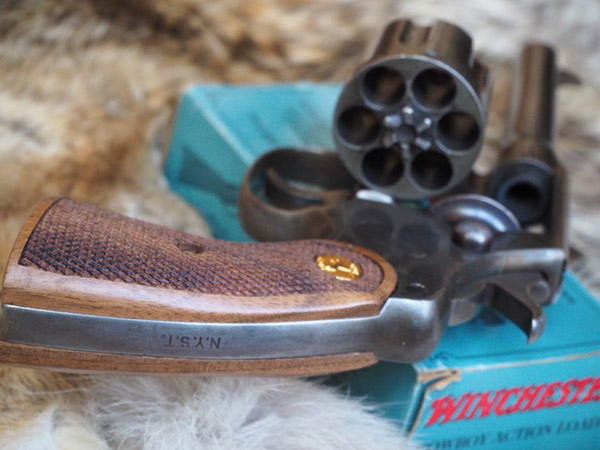
Pressed into service by the Army, Navy and Marines early in the twentieth century, the Colt New Service revolver also served in various police departments and of course as a sturdy handgun for many outdoorsmen. This particular revolver was my grandfather’s and I’ve been caring for it the past 35+ years. The old Colt is a big revolver, with a 5 ½” barrel and those gaping 45 caliber holes in the cylinder. Grandpa, a WWI veteran, got this Colt after it was sold as surplus by New York. The backstrap is marked NYST for New York State Troopers. He carried it as part of his WWII era security duties with the Home Guard.

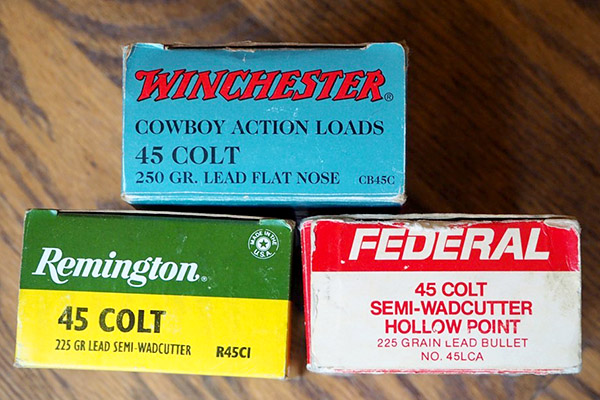
When it became mine, I replaced the bulky custom grips that fit the frame poorly and my hand worse. A pair of recent manufacture, original looking grips better suit both the revolver and my hands. I wasn’t expecting much in the way of accuracy and was pleasantly surprised on my first trip to the range with it. The first ammo I used was Federal’s 225 grain LSWC hollow point which produced modest recoil and good accuracy.

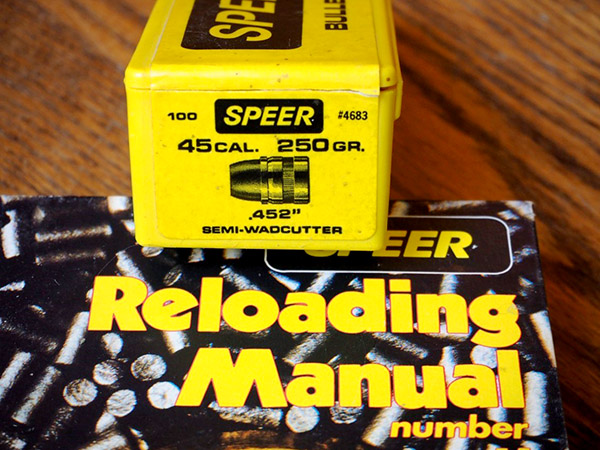
All of the major ammunition makers support this wonderful old cartridge. It was originally a low pressure, big bore tossing a heavy lead bullet at modest velocity. For this revolver, that’s exactly how I load it. Typically I’ll use the soft swaged 250 grain Speer LSWC loaded with 8 grains of Unique and a CCI 300 primer for about 830 fps.

One caution when loading for these fine old revolvers – they’re not meant to handle the very stout 45 Colt loads intended for use in Ruger’s much newer and stronger revolvers. Stick with loads for the old 45 Colt, which approximate the power level of a 45 ACP.

I treat the old gun gently, shooting only a few boxes of ammo through it every year. Now and again I’ll shove it into a holster and haul it along with me on a camping or fishing trip, though I prefer a smaller revolver for those duties. Mostly it gets hauled along out of a sense of nostalgia. Handling it, I can’t help but think of my grandfather, of the trooper who carried it long ago, and of the history wrought by these grand big bore revolvers.


Guy, thanks very much for your guest blog.  I always enjoy reading about vintage revolvers.  Your Colt has an interesting provenance and a great family history, and the grips you put on it look great.  I always wanted a 1909, and your story makes me want one even more.  You write well, my friend.


Check out our other gun stories on Tales of the Gun!


Subscribe for free!

Youberty? You bet!

That would be my tuned Taylor Uberti in .45 Colt, the Italian Stallion Single Action Army revolver that has graced these pages in a few earlier blogs.  It was a good day…a couple of my good buddies stopped by with brass they didn’t want (including the ultra-tough-to-get-these-days .45 Colt), and I was hard at it on the reloading bench shortly thereafter.  My go to fun load in .45 Colt is 6.4 grains of Trail Boss, a 200-grain cast bullet (in this case the truncated roundnose thrown by the Lee mold, although just about any 200-grain semi-wadcutter works equally as well), and a crimp for an overall cartridge length of 1.595 inches.   It was 5 shots at 50 feet, and I was putting them pretty much into one ragged hole just about exactly at my point of aim.  You just gotta love a good Single Action Army revolver…I sure do!

Keep us in components…please click on the popup ads!

About the only thing I don’t like about Trail Boss powder is that it doesn’t obturate well, although you wouldn’t know it from the accuracy this load delivers.  Trail Boss soils the cases and they take longer to come clean in the tumbler, but it’s a small price to pay for this kind of accuracy.

The nice thing about the Trail Boss load mentioned here is that it shoots just about to point of aim for me at 50 feet.  Another nice thing is there’s almost no recoil…this load in a Single Action Army is a real powder puff.   Yeah, I could go hotter, but what would be the point?

More Uberti blogs?  Hey, take a look…

Colonel Colt and Captain Walker

Men of a Certain Age

And of course, there’s all the other Tales of the Gun stories!


Motorcycle stuff?  Right here, folks!


Never miss an ExNotes blog:
Colonel Colt and Captain Walker are in the building…

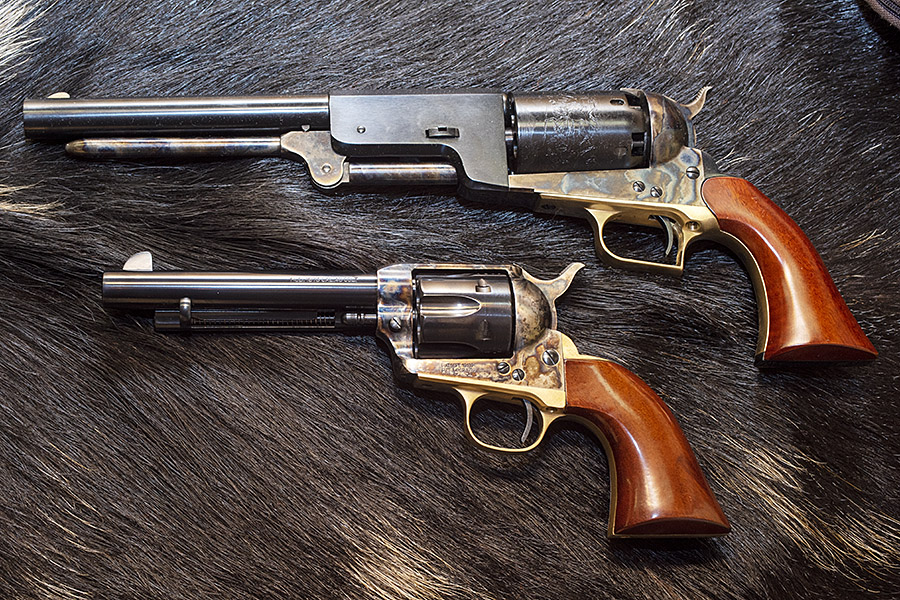
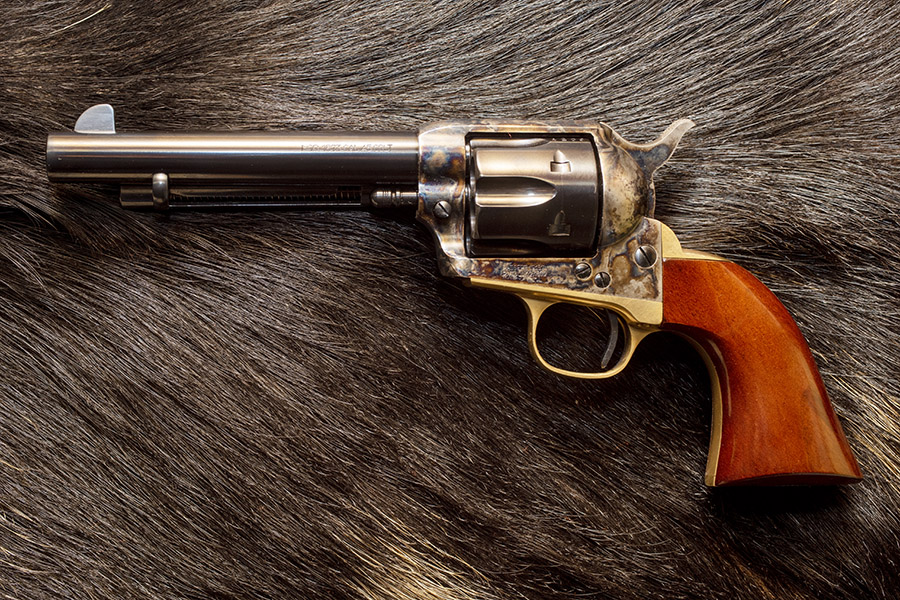
Two beautiful handguns, the ones you see above are.  The one on top is a Colt Walker, the one on the bottom the timeless Single Action Army.  But neither are actually Colts.  They are both Uberti guns, and both are magnificent.

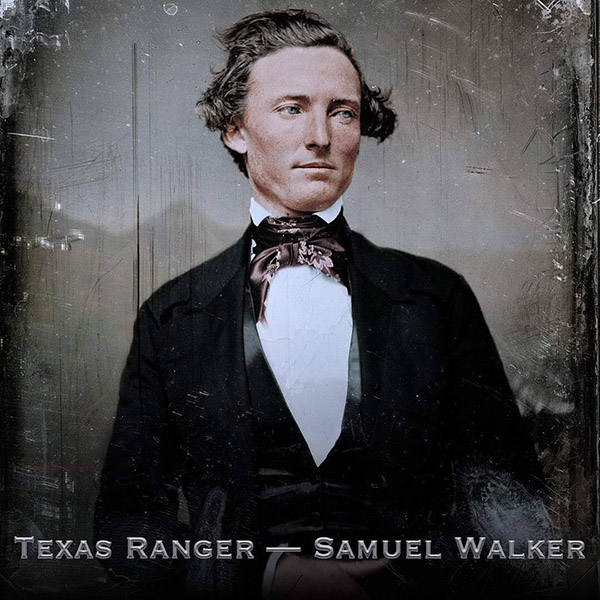
The story is one for the ages, and it goes like this:  Samuel Colt invented the revolver, but he and his factory in Paterson, New Jersey couldn’t make a go of it.  Colt left the gunmaking business and went on to other ventures, but in the meantime, there were already a few Colt revolvers writing history in the American West.  Captain Sam Walker and his Texas Rangers used the early Colts with great success in battles on the Texas frontier.  Walker mentioned this to Colt, Colt asked for an endorsement, Walker said yes, and then he helped Colt design a new revolver to better meet frontier combat needs.  Walker drove the design requirements as he took a new commission in the US Army, and the Army ordered a cool thousand of the new 1847 Colt Walkers.  Colt was back in business, courtesy of Sam Walker, the Texas Rangers, and the US Army.

Thus was born the Colt Walker, one of the largest handguns ever made.  Until the advent of the .357 Magnum in the 1930s, the Walker was the world’s most powerful handgun.  It was designed so that if it missed the bad guy but got the horse he was riding, it would kill the horse.  I can’t help but think of an old New Jersey expression (common when I was growing up and one I still use on occasion) that ends with “….and the horse you rode in on, too!”

The last of the original Colt Walkers that changed hands went for over a million bucks not long ago, so I knew that until the ExNotes blog goes more viral (than it already has, that is), I wouldn’t be getting an original Walker anytime soon.  But there’s something even better from a shootability perspective, and that’s the modern reproduction Walkers offered by Uberti.

I always wanted a Walker, and a few months ago I acted on that urge.  I had to wait several months because the Uberti factory in Italy was shut down by the Covid 19 pandemic.  Uberti is back in operation again and my Walker recently arrived.   It’s a good deal.  Unlike a cartridge revolver, here in the Peoples Republik of Kalifornia black powder guns can be shipped direct to your door.

I knew Uberti makes a quality handgun, as I had great experiences with my “tuned” Taylor 1873 Single Action Army in .45 Colt.   That’s one of the two revolvers you see in the photo at the top of this blog.  It’s a cool photo because it shows the relative size of the two guns (the Single Action Army is no pipsqueak, but it’s dwarfed by the Walker).  And, I’m showing off a bit with the photo’s background (it’s the pig hide from my Arizona wild boar expedition with good buddy Paul, who ordered himself a Walker not too long ago).

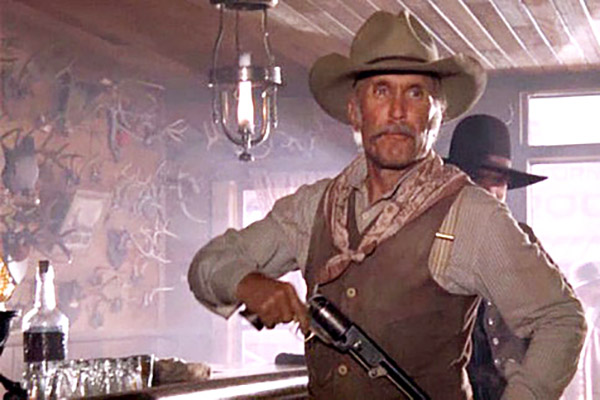
Robert Duvall as Gus MacCrae in Lonesome Dove, the greatest story ever told (in my opinion). Gus carried a Colt Walker.

I’ve mentioned the Walker Colt before, most notably in the book review we posted on Revolver, the book about Samuel Colt. The Colt Walker also figured prominently in Lonesome Dove, and I thought I’d show one of the many great scenes from that movie here again.

Everybody wants to be Gus MacCrae, I guess, and I’m no exception.  I suspect Paul feels the same way.  So consider this a fair warning:  If Paul and I walk into your establishment and order a whiskey, be quick about it. We don’t like surly bartenders, and we carry Walkers, you know.


More Tales of the GunYou bet!


We’d love to give you a free subscription to the ExhaustNotes blog.  It’s about 45% guns and reloading, 45% motorcycles and adventure touring, and the rest is whatever we feel like writing about.   You can sign up here, and unsubscribe at any time, all at no cost:

Men of a Certain Age

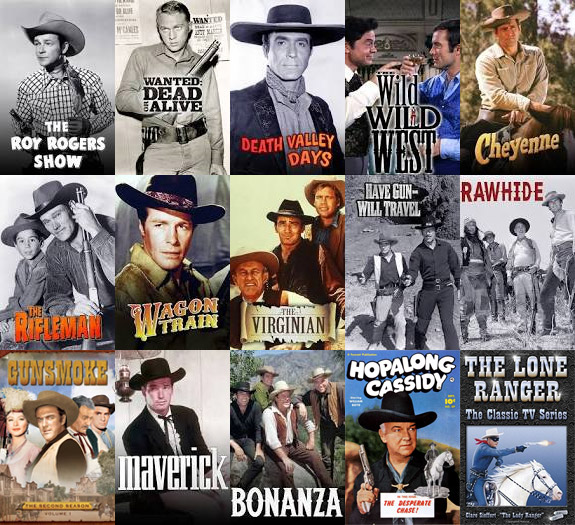
Men of a certain age, like me, grew up in the ’50s and ’60s. Our values were formed in a era when honor, courage, integrity, and self-reliance were important, and I think a big part of those values were formed by what we watched on TV. Today, television shows are mostly mindless drivel centered on pop culture (an oxymoron if ever there was one) and the so-called reality genre. We were way luckier:

Good times and good TV shows. The ’50s and’60s were a good time to be a kid.

The stars of those ’50s and ’60s shows were folks who knew the difference between right and wrong, and we received a steady stream of 30-minute morality injections several times every week as a consequence of watching them. It seemed to work. It was a good time to be a kid.

The other stars in those early Westerns were the horses and guns. I never had any interest in owning a horse, but the steady emphasis on six-shooters and leverguns instilled a lasting fascination with firearms in many of us. A Colt .45 Single Action Army figured in nearly every episode (in fact, you can see this iconic firearm in several of the photos above). It’s no small wonder that sixguns still sell well in the US.


Help us keep the site going:  Click on the popup ads!


Today, the prices of Colt Single Action Army revolvers are through the roof, but there are a number of companies that offer exact replicas built in Italy at far more reasonable prices.  A few years ago, when I saw this Taylor and Company “tuned” Single Action Army at my local gun shop, I was a goner.  To borrow a phrase, I pulled the trigger.

My Taylor .45 Single Action Army. This is a sweet-shooting sixgun.

The Taylor is an exact copy of the Colt Single Action Army, it’s chambered in .45 Colt, and Taylor’s “tuned” descriptor means the revolver has a trigger and action job to slick up the internals. The trigger is under two pounds, it’s crisp, and the gun feels perfect in every way.  There’s just something about a single action sixgun that feels right.  This one is beautiful and it has everything that floats my boat:  A brass grip frame, a color case hardened receiver, and high polish bluing everywhere else.  The .45 Colt chambering is perfect, too.   It’s a fun cartridge to reload and shoot, and it’s accurate.

The first day I went to the range with my new Single Action Army sixgun, I knew it was going to be a good morning.  On the dirt road leading to the range, I saw a bobcat. We were both surprised. He looked at me and I looked at him, and then the cat leisurely walked across the road and disappeared into the brush. It was a good sign. I’ve seen bobcats here in California three or four times in the last 30 years and seeing one on my way to the range that morning was a special treat.

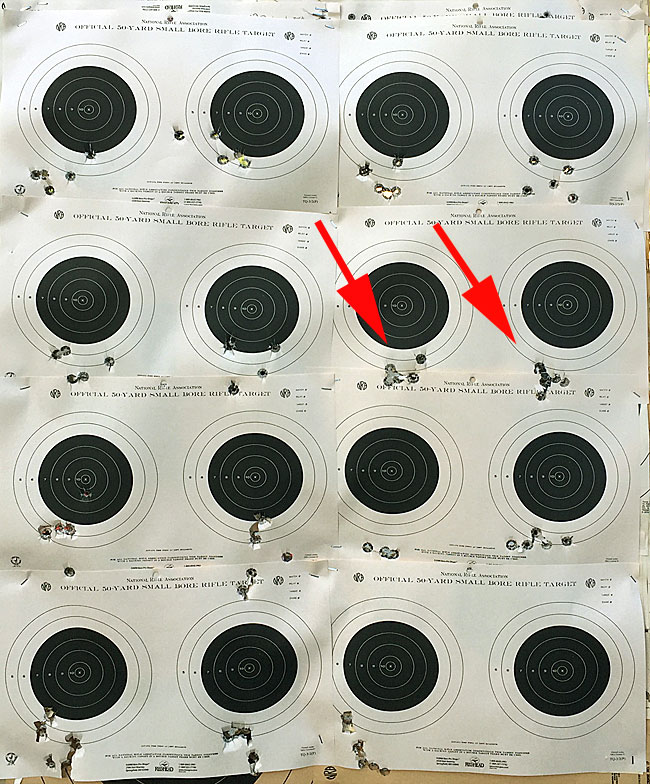
Targets at 25 yards. The Taylor is an accurate handgun. Surprisingly, the sights shoot exactly to point of aim, which is unusual for a fixed-sight revolver.

My .45 Single Action Army groups well with every load I tested. It particularly likes Trail Boss propellant and cast bullets (the two groups with arrows were with this powder). The gun shoots exactly to point of aim (I used a 6:00 o’clock hold on the targets above), and the spread you see in the groups is almost certainly more the result of my old hands and eyes than the gun or the load.  If you’ve ever wondered how good the Italian replica Single Action Army handguns are, my results indicate they are fine firearms.


Check out our other Tales of the Gun stories!


Sign up here for free blog updates: