When I was 13 years old in Florida you could get a restricted permit at age 14. The restricted permit was a driver’s license that allowed you to drive as long as an adult was in the car with you. Assuming he/she wasn’t suicidal, the adult was supposed to keep an eye on your driving and coach you. An adult would help you pick up the nuances of parallel parking, rude hand gestures, and, in Dade County, gun fighting after minor traffic accidents. Needless to say, having an aged, creaking burnout sitting in the car fouling the air with the smell of stale urine cut down on motoring fun quite a bit.
There was a motorcycle loophole in the restricted permit system. If a motorcycle was less than 5 horsepower, and if you stayed off the major highways and didn’t ride at night, you could ride solo without adults helicoptering over your ride. It was wonderful. Obey these few rules and a kid could ride his motorcycle anywhere he pleased.
Motorcycles between 50cc and 90cc were right in the 5-horsepower wheelhouse but your average traffic cop couldn’t tell a 175 from a 50. Many bikes were rebadged to appear smaller displacement than they were. I never knew anyone in my circle of friends that got busted for riding a bike too big. Of course, you had to be reasonable about the subterfuge. A 50cc badge on a Kawasaki 750 wouldn’t fly.
Two months before I turned 14 the state upped the age for a restricted permit to 15 years old. The world ended that day. Massive volcanic eruptions, cataclysmic earthquakes, a steady rain of nuclear weapons bombarding the United States, nothing was as devastating to me as Florida’s stupid statute change.
I would have to wait an additional 365 days and I’d only lived 5000 days in total. The year dragged by. Endless days were followed by endless nights only to be repeated one after another. I had to attend yet another grade in school. I couldn’t wait to be done with public conformitouriums anyway and this stolen year of motorcycle riding made it all the more aggravating. The drip, drip, drip of time counted my heartbeats, counted my life ebbing away. I was inconsolable, miserable and the experience placed a chip on my shoulder for government that I have not shaken off.
There are 9 years hidden in there somewhere!
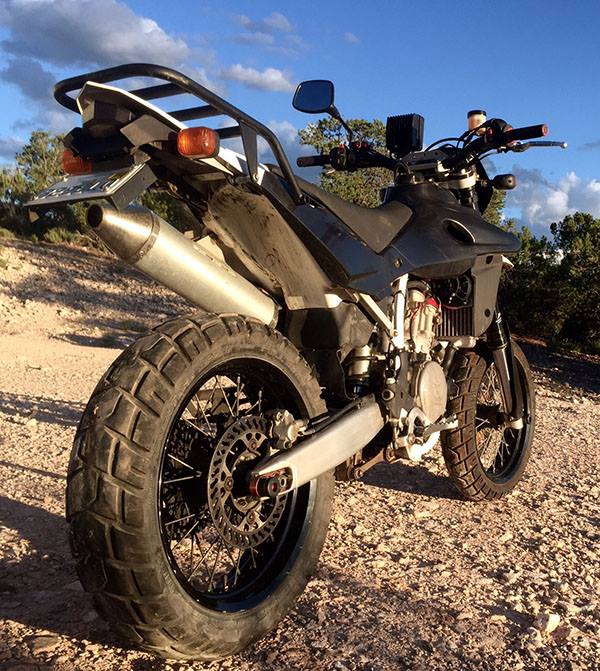
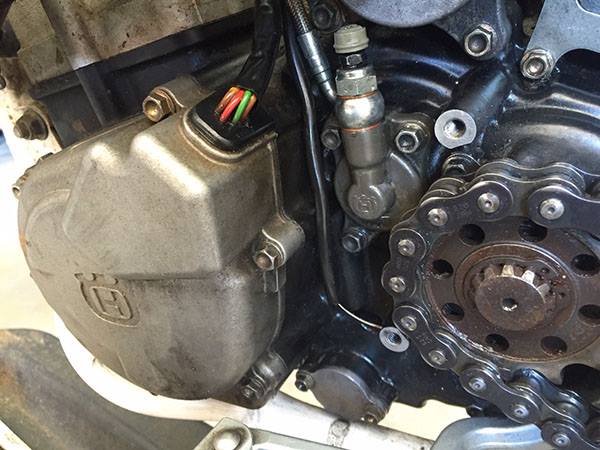
Begrudging the failed clutch on my Husqvarna the other day I came to the jarring realization that I have owned the bike 9 years. I swear, I bought this thing not more than a couple days ago. I degreased the countershaft sprocket area to gain access and removed the clutch slave cylinder. From the inside of the slave I pulled out an aged, creaking o-ring that smelled of stale urine. The leak had allowed the clutch fluid to escape into the crankcase. Except for the missing 9 years the clutch repair went well.
Einstein was right; time is relative. From my 14-year-old perspective a year was an eternity. Now, as an adult I’m scared to close my eyes for fear that another decade will have passed by at light speed. Or worse yet, I won’t be able to re-open them at all.
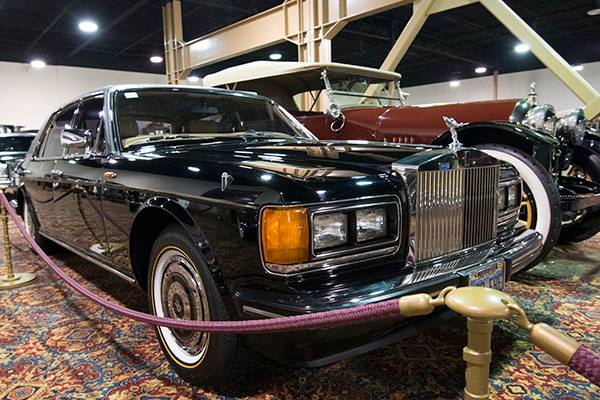
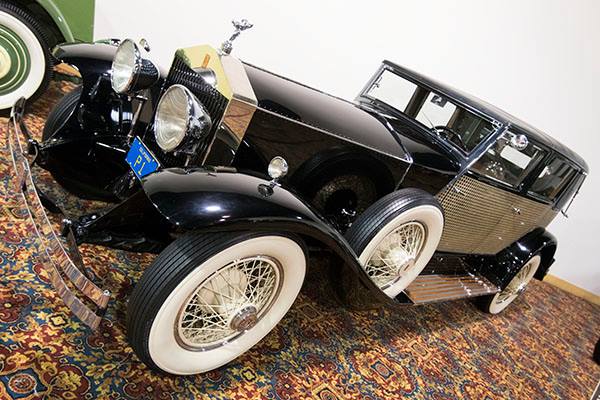
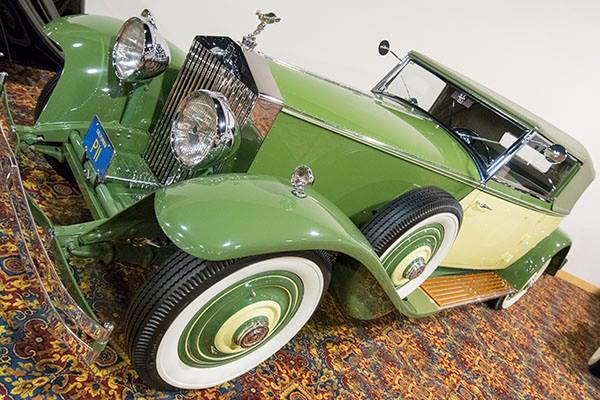
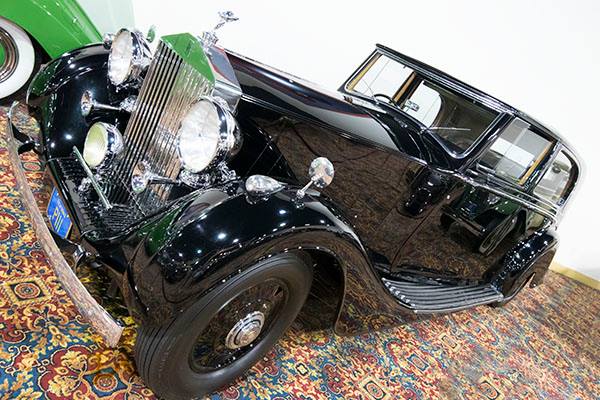
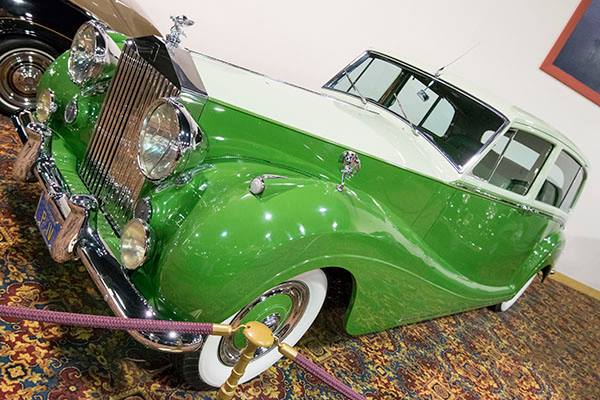
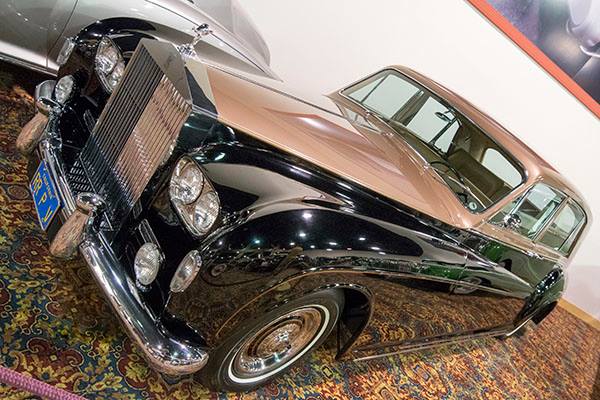
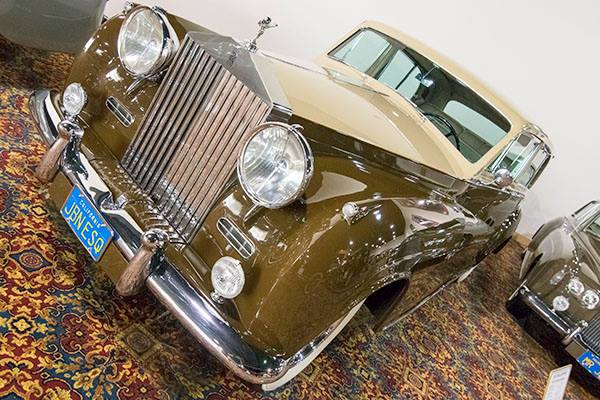
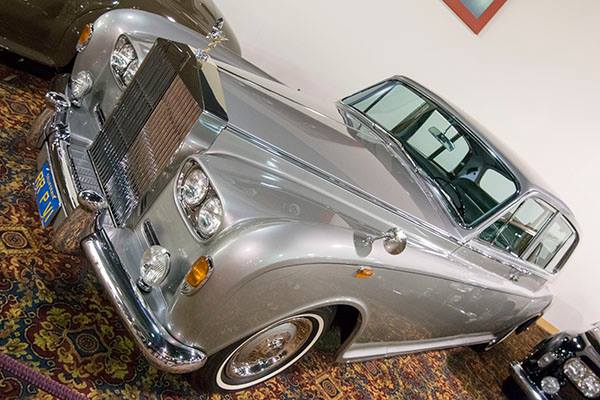
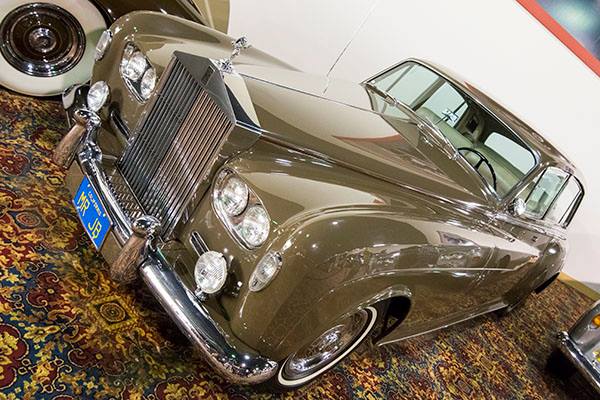
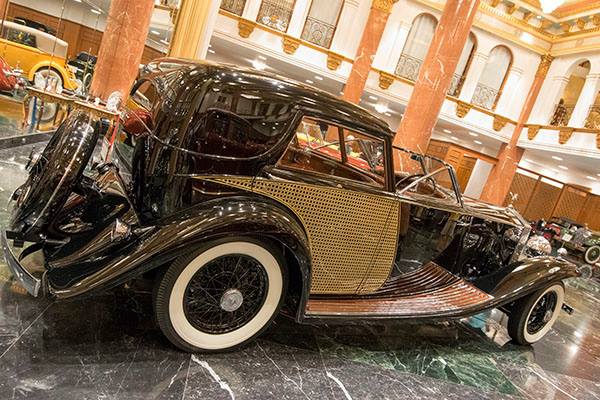
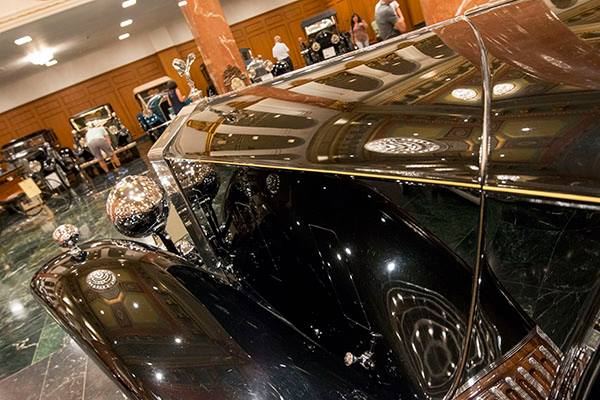
We had a grand time at the Nethercutt Collection yesterday. There were several collections within this collection, and two of our favorites were the vintage Rolls Royce and the vintage Cadillac collections. This post focuses on the Rolls Royces; we’ll post the Caddies a bit later.
All of the above photos were in the main hall of the Nethercutt Collection, where approximately 150 cars are on display. Across the street, in the showroom for the guided tour, we saw the Rolls that formerly belonged to Constance Bennett, an actress.
This is the greatest collection of vintage cars I’ve ever seen, and it’s all free. We had an earlier Nethercutt post from a prior visit, and you can see that one here.
Keep an eye on the ExhaustNotes blog; we’ll be posting the Nethercutt’s similar series of vintage Cadillacs in the next few days.
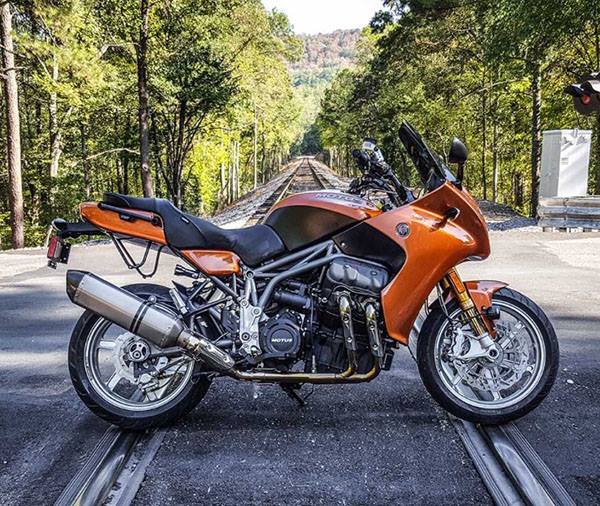
The shocking news is that they lasted 10 years. Motus Motorcycles announced they were shutting down and I mean right now. Which is a shame because I liked the looks of their sport tourer and it apparently had a great engine. Legendary moto-journalist Jack Lewis said he liked the bike and that’s good enough for me. The Motus sold for around 30,000 dollars. That undercut some other American-made motorcycles in the rarified cruiser category but was still a hefty chunk of change for a sport tourer.
The mighty Motus is no more.
I saw Motus at Daytona long time ago, before the production motorcycles were available. There were a couple of good-natured models standing around the bike. Closer to the ground and less aloof than the Ducati models, the girls wore short black skirts and belly-exposing, Motus logoed crop-top T-shirts. I joked around with them and they let me pose for for a photograph with one on each arm. The girls really didn’t know anything about the Motus but they were packing in the crowds. I thought it was damn good marketing.
Good natured and good looking, Joe Gresh is.
I never got to ride a Motus. I never asked the company for a loaner. They were getting plenty of coverage in the moto-press and I am not very ambitious. The V-four engine attracts a lot of attention because of its small size and torque. Loosely based on a Scat style engine, I predict a bright future selling the Motus engine as a stand-alone unit.
Old British sports car owners, guys tired of being run over in 4-cylinder Jeeps, perhaps racers in a spec-engine mini, sprint-car series are all potential customers for a reorganized Motus. Call the new company Motus Power Systems and sell bolt-in kits to repower various lightweight 4-wheelers.
Could taller, more aloof models have saved Motus? Hard to say. My advice to Motus is to forget about motorcycles. There are so many fantastic bikes available we don’t need another. The entire United States motorcycle industry would fit inside the tackle box of the recreational fishing industry. Motorcycles are such a tiny fraction, a statistical rounding error really, of the greater automotive economy that it’s not worth Motus’ trouble.
Hell, if you sold every motorcycle rider in America a Motus you’d still need to borrow money from me to get Uber fare home. The money simply isn’t there. So start work on the Jeep/Motus repower kit, boys. I’ll be first in line to mooch a test fitting in Brumby the YJ. I’ll even let you guys hire models to pose next to the old Jeep.
This is an interesting story about the development of the .45 ACP 1911 and a sister military sidearm, the 1917 revolver, and maybe a little more. To really appreciate the history of these two guns, we need to consider three cartridges (the .45 Colt, the .45 ACP, and the .45 AutoRim), and four handguns (the 1873 Colt Single Action Army, the Model 1911 Colt, the Model 1909 Colt revolver, and the Model 1917 revolvers). Wow, that’s a mouthful. But it’s a fascinating story.
So what is this story about? A tale of two .45s, or of four?
The Two .45 Handguns
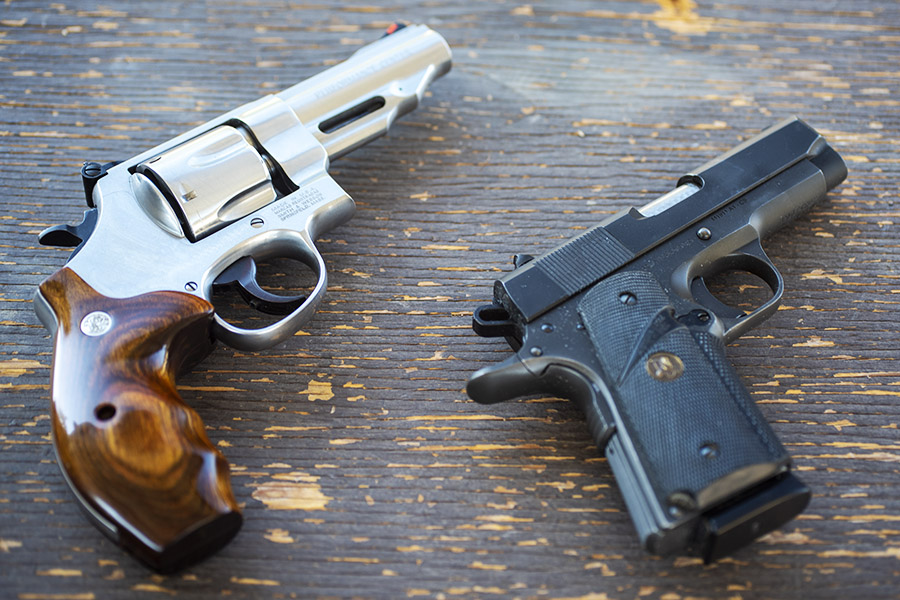
Well, it started out as a tale of two…the 1911 Rock Island and my Model 625 Smith and Wesson. But I’m getting ahead of myself. Read on..
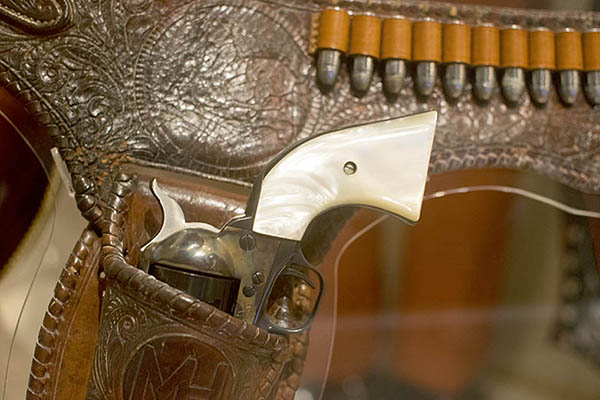
The 1873 Colt Single Action Army, chambered in .45 Colt (the cartridges you see on the gunbelt). If you grew up watching cowboy movies (like I did), you know this gun well.
.45 ACP Historical Perspective
To best understand this, we need to go back to 1899, and maybe as far back as 1873. Yep, this tale goes back a century and a half.
In 1899, the Philippine-American War started (it’s also known as the Philippine Insurrection). We sent US Army troops armed with .38-caliber revolvers, Krag rifles, and 12-gauge shotguns to put down the insurrectionists (the Moros), and we found out the hard way that the .38 just wouldn’t cut it as a military sidearm.
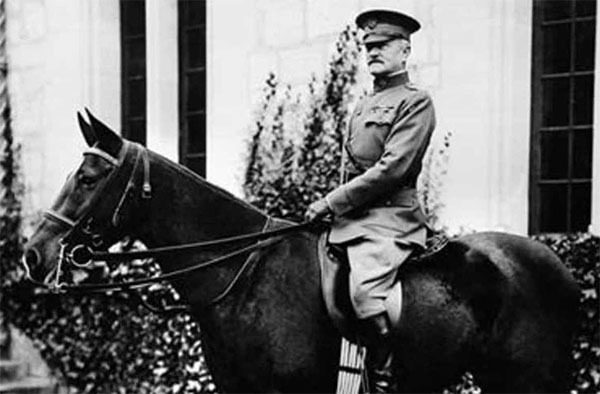
General John J. “Black Jack” Pershing, who was a captain during the Philippine Insurrection. He had direct experience using the .45 Colt Single Action Army during the American Indian wars. Pershing was America’s only 6-star general, a rank never attained by anyone else. He fought Indians, he chased Pancho Villa in Mexico, and he commanded American troops during the first World War.
In response to this, or so the story goes, the Army tried all kinds of handgun ideas, including the then-new 9mm Luger. There was a lot more to the story than just the concept that the .38 wasn’t enough gun, but it’s the version that is most frequently bandied about and we’ll stick with it to keep things simple. You hear about drug-crazed Moro insurgents, you hear about religious fanatics, and more. I don’t know which parts are true and which parts are, to use a current term, fake news. But I do know that as a result of that war, the Army wanted a handgun with more power.
The idea of a semi-automatic handgun was cool, but the Army thought the Luger was too complicated and the 9mm cartridge wasn’t much better than the .38. The .38 and 9mm bullets are essentially the same diameter (one is 0.356 inches, the other is 0.358 inches), and neither had enough knockdown power.
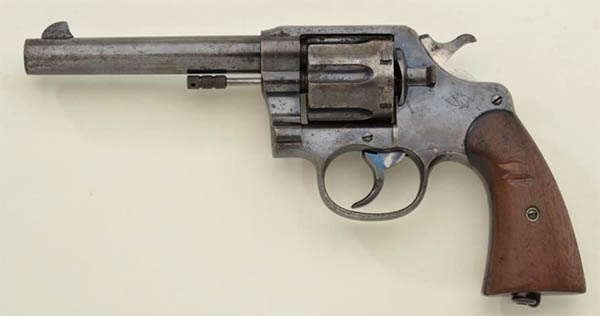
Our Army went back to an earlier cartridge, the .45 Colt, a rimmed cartridge used in the old 1873 Single Action Army Colt. It’s the six shooter that you see in the old cowboy movies (the one holstered in the photo at the top of this blog). The old 1873 was a single action sixgun (you had to pull the hammer back for each shot). By the time the Moro Wars rolled around, both Colt and Smith and Wesson had double action revolvers. On those, all you had to do was pull the trigger (that cocked the action and fired the weapon). To meet the new need in the Philippines, Colt manufactured double action revolvers (their Model 1909) chambered in the .45 Colt round. The Army was all for it, and they felt it met their needs (at least on an interim basis).
An interim solution to the unstoppable, presumably drug-crazed Moro insurrectionists…Colt’s Model 1909 revolver in .45 Colt, the same cartridge used by the Colt 1873 Single Action Army.
Having played with the Luger, though, the Army liked the idea of a semi-automatic handgun. But that puny 9mm round wasn’t enough back in those days, so the Army invited firearm manufacturers to submit larger caliber automatic pistol designs.
The 1911
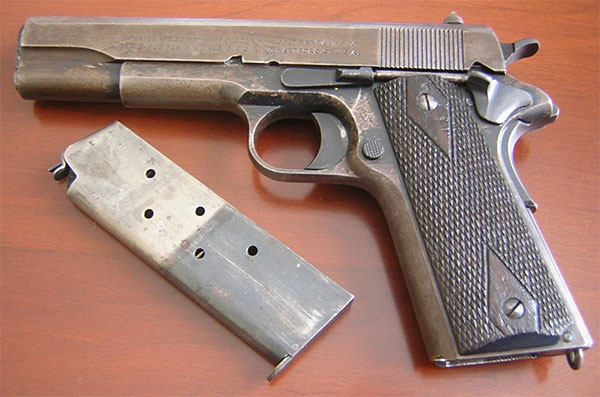
The winner, of course, was John Browning’s 1911 design, and the .45 auto came into being as the US Army Model of 1911. It was a new gun and a new cartridge. The 1911 couldn’t shoot the rimmed .45 Colt cartridge used in the 1873 Peacemaker and Colt’s double action Model 1909 handguns. Instead, it used a new .45 ACP round (“ACP” stands for Automatic Colt Pistol), which fired the same big .45-inch-diameter bullet in a rimless cartridge case (actually, the cartridge has a rim, but the rim is the same diameter as the rest of the cartridge case, and that allowed it to work in the new semi-auto).
The 1911 Colt Auto. The new automatics used the rimless .45 ACP cartridge. The .45’s claim to fame is its tremendous stopping power.
The 1917 Colt and Smith and Wesson Revolvers
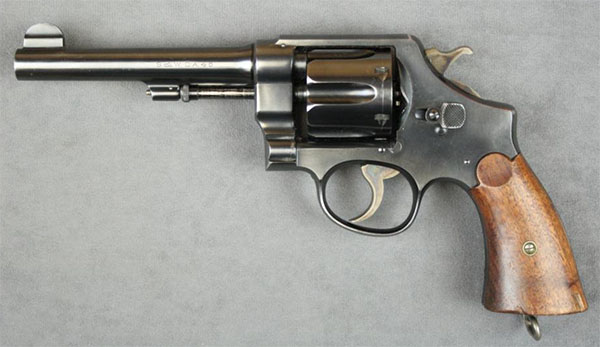
Fast forward a few more years and World War I started. The Army’s preferred handgun was the 1911, but there weren’t enough of the new semi-autos. Colt, and Smith and Wesson came to the rescue by modifying their earlier big bore revolver designs to shoot the .45 ACP cartridge, and the Army issued these as the Model 1917 revolver.
A US Army 1917 Smith and Wesson. These are beautiful revolvers. The gizmo beneath the grips is a lanyard attach point, which tied the gun to the soldier who carried it.
The 1917 double action .45s were phased out of the Army a few years after World War I ended, and they were sold as surplus to the public (things were different back then). Model 1917 revolvers are highly collectible today. I owned an original GI issue Colt Model 1917 back in the 1970s, when you could pick them up for about a hundred bucks. I loved that revolver, but I stupidly sold it 40 years ago. (When discussing firearms, the phrase “stupidly sold” is inherently redundant. Like nearly all of the guns I’ve sold, I wish I still had it.)
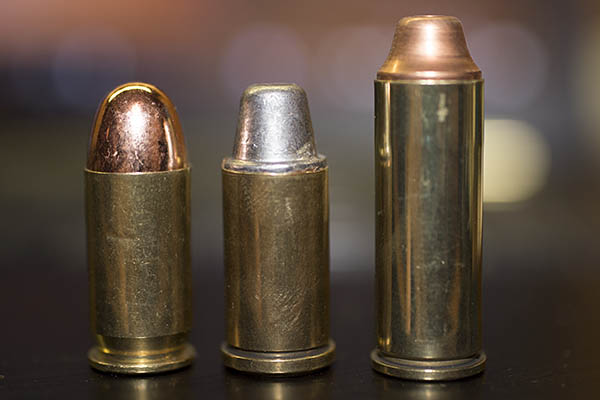
The three cartridges, all in .45 caliber. The one on the left is the .45 ACP, as used in the Model 1911 automatic and the Model 1917 revolver (and my Model 625 revolver). The one in the middle is the .45 AutoRim, which is essentially the .45 ACP but with a rim (that allows it to be used in the Model 1917 revolver and its descendants without a star clip). The one on the right is the old .45 Colt, which has been around since 1873 and is still a popular revolver round.
The 1911 .45 auto? It continued as the official US Army sidearm for the next seven decades. I carried one when I was in the Army. Like a lot of shooters, I think it is the best handgun ever.
In 1985, the Army replaced the 1911 with the 9mm Beretta. That (in my opinion) was a dumb move, and apparently the Army ultimately came to its senses with regard to the Beretta, but they stuck to the 9mm Luger round (now the NATO standard pistol cartridge) when they went to a Beretta replacement. The Beretta is being replaced by yet another 9mm (the SIG).
The Model 625 Smith and Wesson
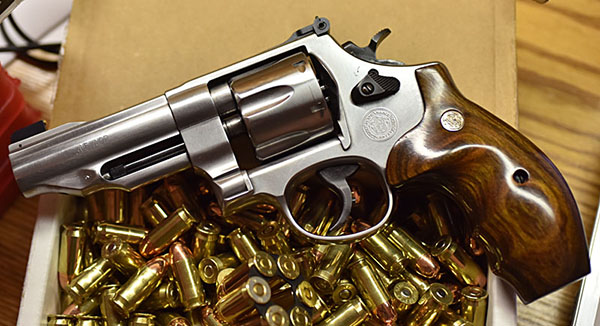
No matter; there are still many of us who consider the 1911 in .45 ACP the ultimate sidearm. I’m one of those guys, but I’m also a huge fan of the double-action revolver in .45 ACP. The good news for me (and you, too, if you’re a .45 auto fan) is that Smith and Wesson still makes a modern version of their double-action revolver in this cartridge. It’s the Model 25 Smith (or, in stainless steel, the Model 625), and it’s a direct descendent of the old 1917 revolver.
A Model 625 Performance Center Smith and Wesson, and my reloaded .45 ACP ammo.
The Rock Island 1911 Compact
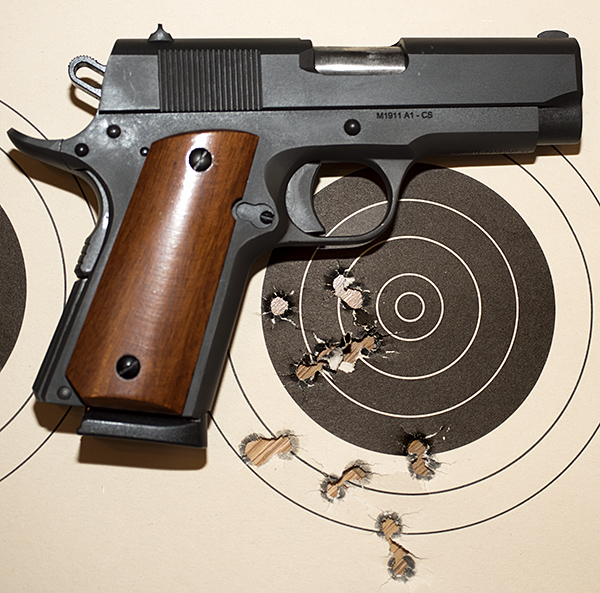
I am a lucky guy. I own both the .45 ACP Model 1911 and the .45 ACP Smith Model 625. You’ve read the earlier ExNotes blog about my Rock Island Compact 1911. It’s a sweet shooter and, at just under $500, it’s a hell of deal. And that Model 625? Wow. The Performance Center is Smith’s custom shop, and that revolver is accurate. It should be; it costs twice what the Rock Island 1911 goes for. But both guns are great, and I love shooting both.
A Rock Island Arsenal Compact 1911, the subject of an earlier ExNotes blog.
I had both of my .45s out at the range yesterday, and I had a blast (pun intended). Yeah, the revolver is a more accurate handgun than the 1911, but like we used to say in the Army, both are close enough for government work.
.45 ACP Accuracy
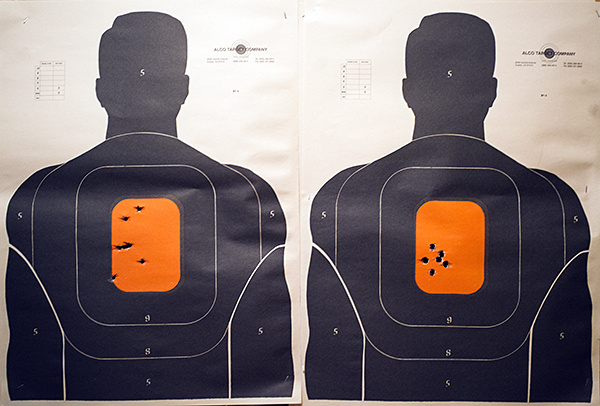
So just how well do these guns shoot? The short answer is very, very well. After running through a couple of hundred rounds, I thought it might be a good idea to set up two targets, side by side, and fire six rounds at each (the first six with the 1911, and the second six with my revolver). That’s exactly what I did, and it’s the final photo for this story…
Two targets at 50 feet, with six rounds each. The one on the left was with the Compact 1911, and the one on the right was with the big Smith and Wesson Model 625. Are both guns accurate? You bet! They’re close enough, as they say, for government work…
Hit those pop up ads! It’s what keeps the lights on!
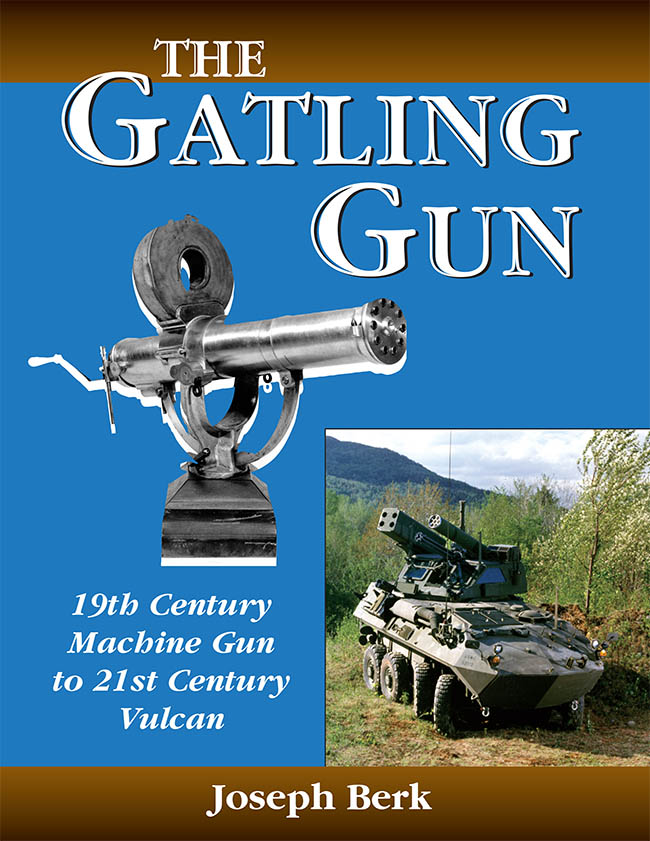
Incidentally, if you like reading about guns and their history, you might want to pick up a copy of The Gatling Gun. I wrote that book, and it covers the early days of the Gatling (the Civil War), the transition to a modern weapon system after World War II, and modern Gatling applications on high-tech weapon systems. I worked on many of these systems, and I worked for the company that manufactured 30mm ammo for the A-10 Warthog. You can read all about that in The Gatling Gun, available from Amazon.
Help us keep the lights on:
Want more gun stories? You can see all of our gun articles here on Tales of the Gun!
Like what you see here? Hey, sign up for a free subscription to the ExNotes blog!