Adventures on Borrowed Time

By Joe Berk

I guess a good way to start a blog is to grab the reader’s attention, and I can do that here:  How many people do you know who ride a Panther?

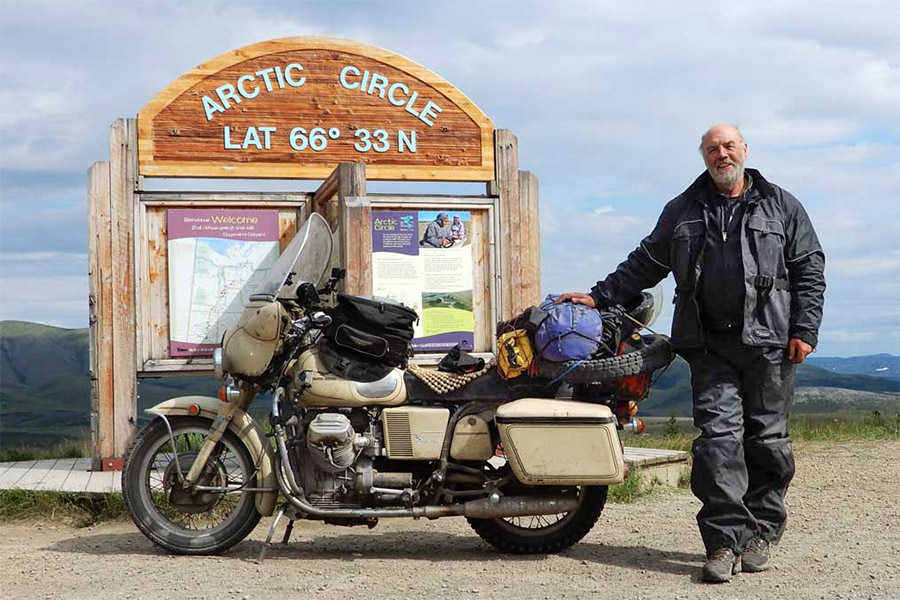
A few weeks ago I wrote a blog about Nick Adams, an interesting man, fellow motojournalist, and author.  Nick is about the same age as me and he enjoys exploring the world on his different motorcycles.  In other words, he is our kind of guy.

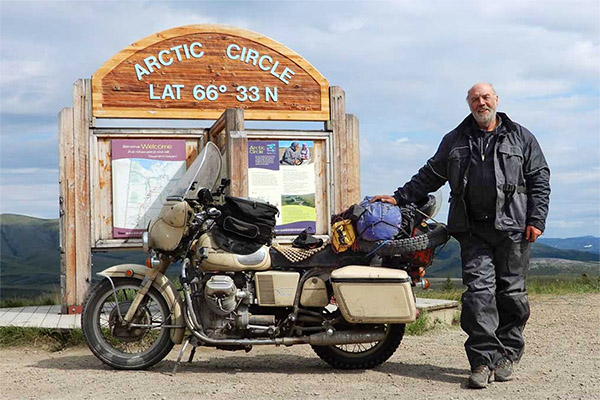
Nick Adams and his trusty Moto Guzzi.

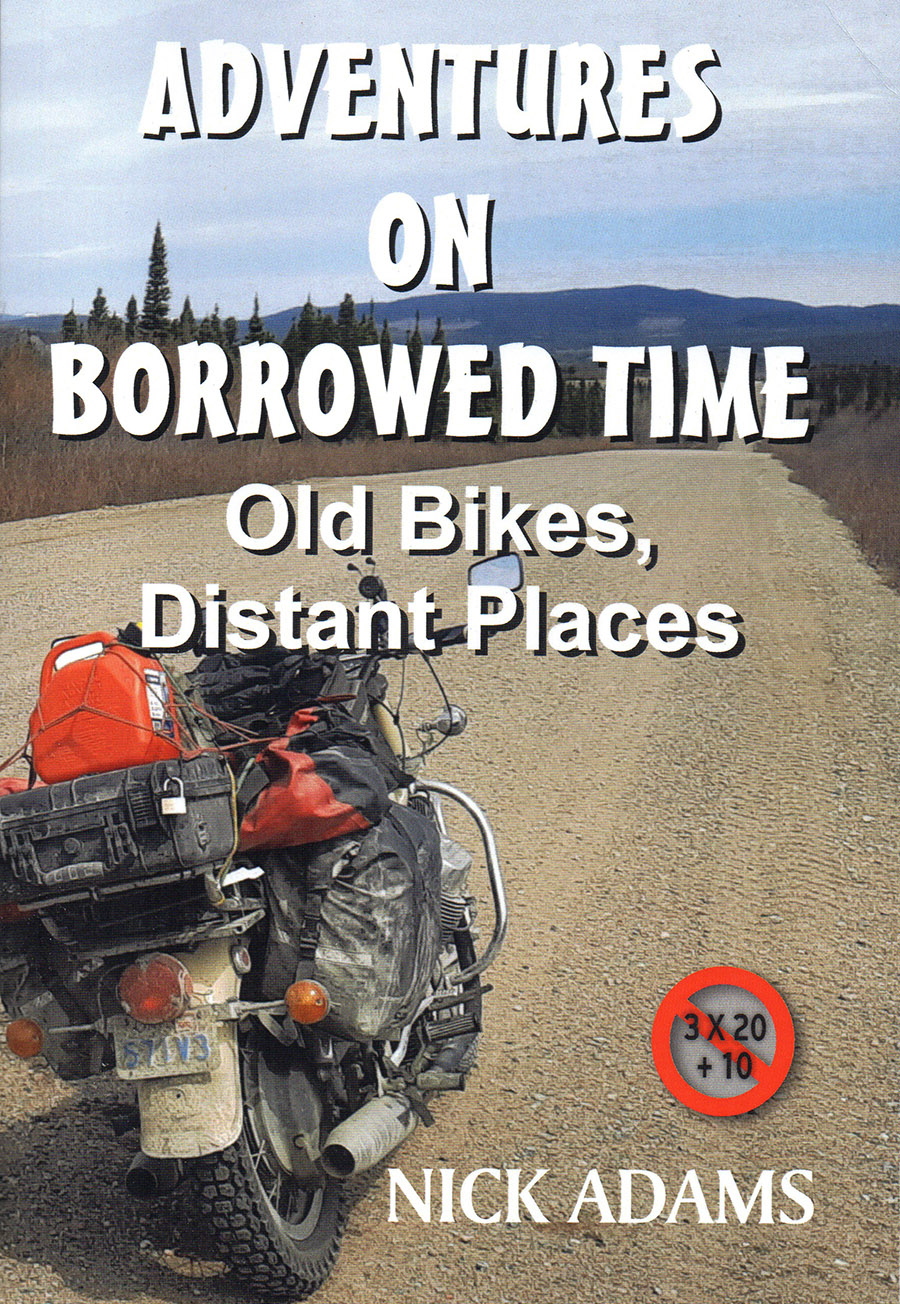
In my prior blog about Mr. Adams, I mentioned that I planned to purchase one of his books.  I did, and a few days after ordering Adventures on Borrowed Time, it arrived.

Adventures on Borrowed Time is well written and well organized.  It’s 191 pages long and it has lots of pictures.  Nick’s writing style is conversational and easy to follow (it feels more like listening to a good friend’s stories than reading).   The first chapter is about Nick’s ’72 Guzzi Eldorado (the one you see in the photos above).  The following chapters take you through Canada, mostly on gravel roads, in good weather and bad.  There are instances in which Nick’s Guzzi didn’t feel like starting, and Nick takes us through the steps he took to coax the old V-twin back to life.  There are parts where Nick switches to his ’86 Suzuki Cavalcade (Suzuki’s attempt to cash in the Gold Wing craze), that monster of a bike’s surprisingly good handling, and the repairs Nick made to it.  Parts of Adventures on Borrowed Time describe exploring Canada on Nick’s 650cc Suzuki Burgman scooter.   And then, returning to my attention grabber at the start of this blog, Adventures on Borrowed Time describes Nick riding Canada on his 62-year-old Panther.

Never heard of the Panther?  Don’t feel bad.  The Panther is a 600cc single English bike made from 1900 to 1968, and most folks have never heard of it.  They are fairly primitive, I think.  I say “I think” because I’ve never even seen a Panther.  And here’s Nick, describing what it’s like to take major trips through Canada on one.  A long-distance moto adventure ride through the Canadian wilderness on a 62-year-old British motorcycle…what could go wrong?

The writing is superb, the photos are great, and the character development all make Adventures on Borrowed Time a book you need to read (the characters being Nick, his wife, the people he meets, and the bikes).   You can purchase your copy of Adventures on Borrowed Time here.  Trust me on this:  You’ll enjoy it.  You can thank me later.


A Clever Cup of Joe, Japanese Style

By Joe Berk

Here at ExNotes, we cover a lot of topics:  Motorcycles, motorcycle touring, product reviews, concrete, guns, reloading, and more.   And coffee.  The thought occurs to me we’ve written a lot about coffee, from the primo Batdorf and Bronson beans provided by good buddy Ren to just about everything else.   About now, you might be wondering:  Where is this blog going?

Well, I was recently in Tokyo.  I gave a class in Singapore and Sue and I thought as long as we had invested the 20+ hours to get there, we might as well stop in Japan on the way home (neither of us had ever visited Japan before). I’ll post a blog or two about the land of the rising sun in the coming days, but for now I wanted to talk about making coffee in our Tokyo hotel room.  On these Asian trips, I’m usually up by 2:00 or 3:00 a.m. (there’s a 16 hour time difference between Japan and LA, and my biological clock doesn’t handle it well).  They don’t serve coffee in the hotel lobbies over here, so you either make coffee in your hotel room or you don’t have coffee.  For me, not having coffee has never been an option.

If you’ve read Riding China, you know that Gresh and I became experts at making coffee at places in China so remote they had to pipe in water and air.  Our coffee was always prepared using instant Nescafe, which is almost a crime against nature for folks who enjoy a good cuppa Joe.  Nescafe reminds me of that old engineering saying:  Halitosis is better than no breath at all.  But when it comes to making coffee in a hotel room, the Japanese had a better idea.   It took me a while to dope it out and I finally had to read the instructions to do so.  When I did, I realized:  Clever people, these Japanese are.  Take a look.

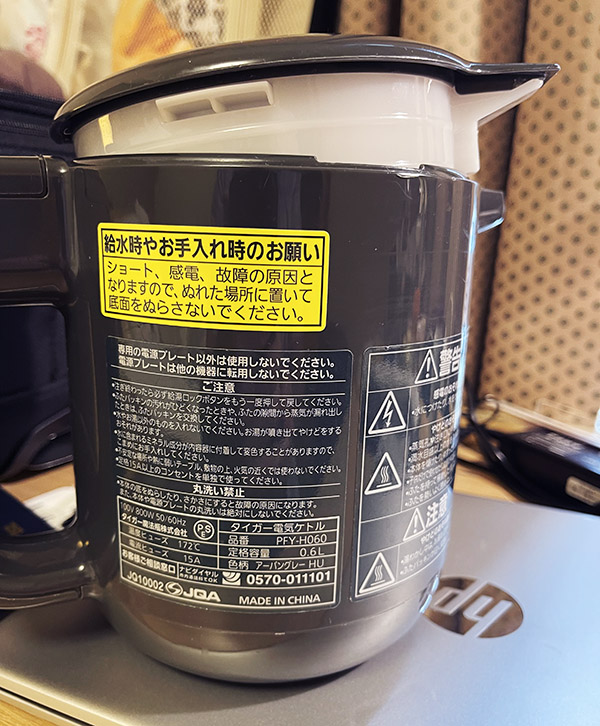
The water heater for making coffee. I thought the coffee bag would to into the white gizmo below the lid. I was trying to find a way to open it up. When I spotted the Phillips head screws securing it to the lid and I thought I needed a screwdriver, I realized I was on the wrong track.  There are no English instructions anywhere on this pot.
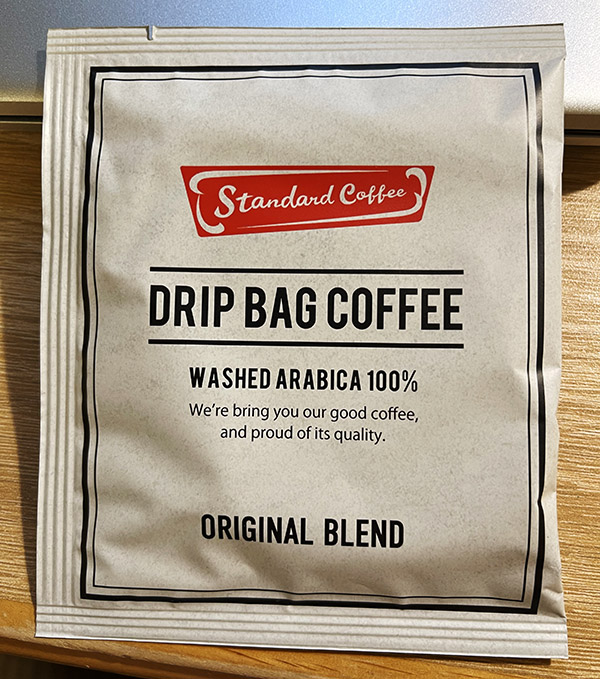
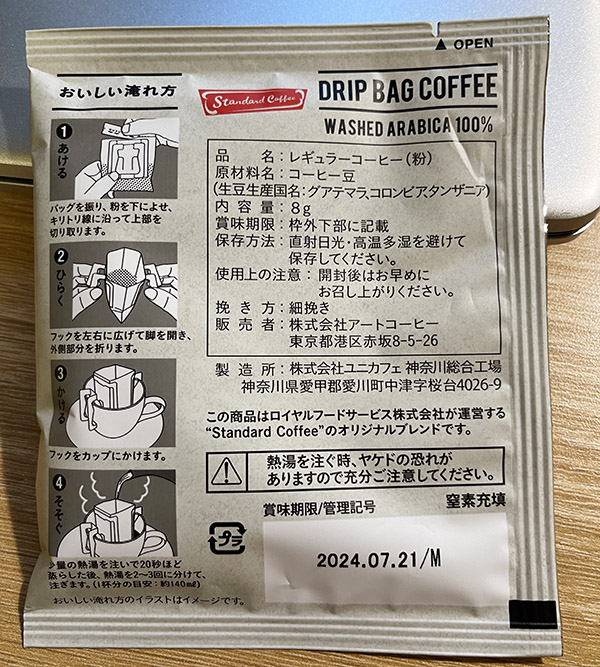
The bag of coffee. How the hell does it fit into the coffee pot?
Ah, the flip side. No instructions in English, but there are pictures. I panicked initially when I couldn’t find the holding fixture the pictures show.
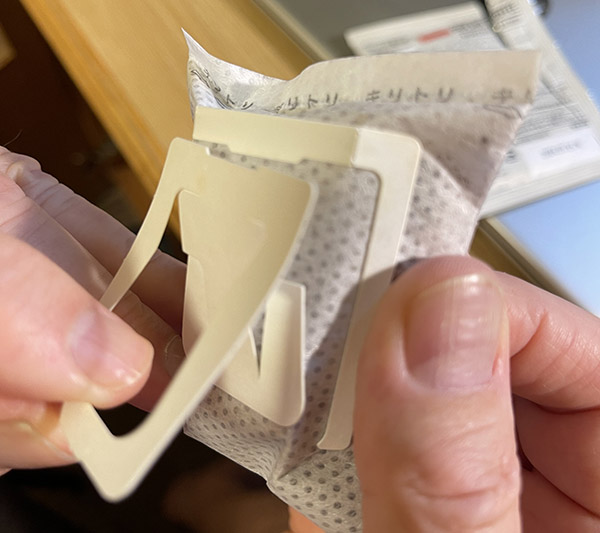
Could it be? A cardboard fixture built into the coffee bag?
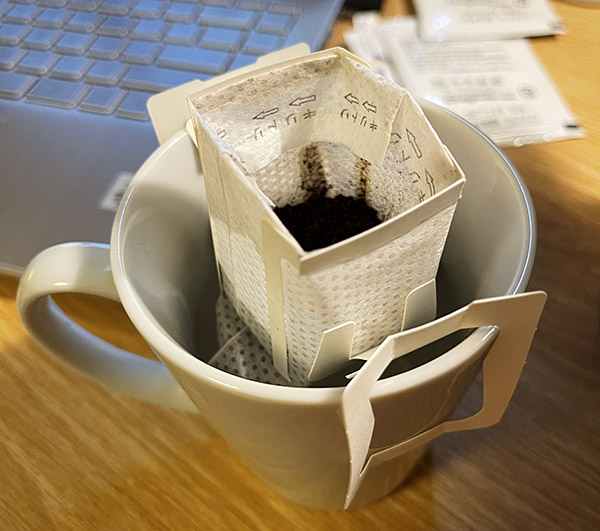
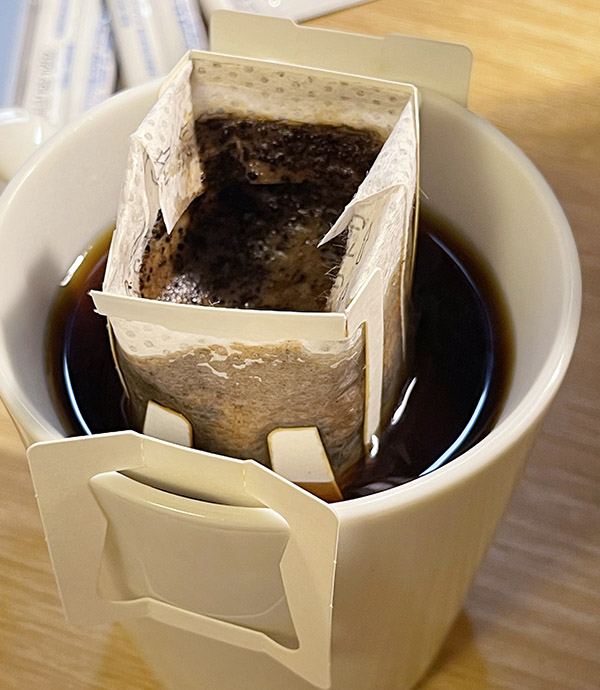
Ah, these people are very, very clever. You heat the water in the pot, mount the coffee bag with its included cardboard mounting fixture in your cup, and pour the hot water over the coffee.
It’s genius. Pure genius.
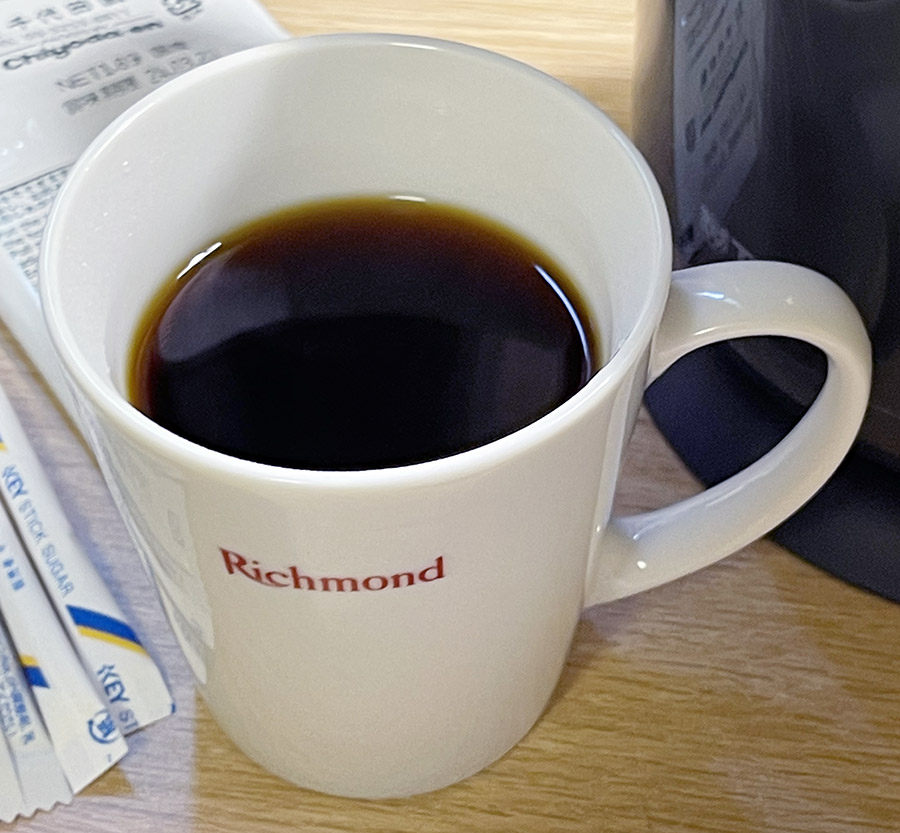
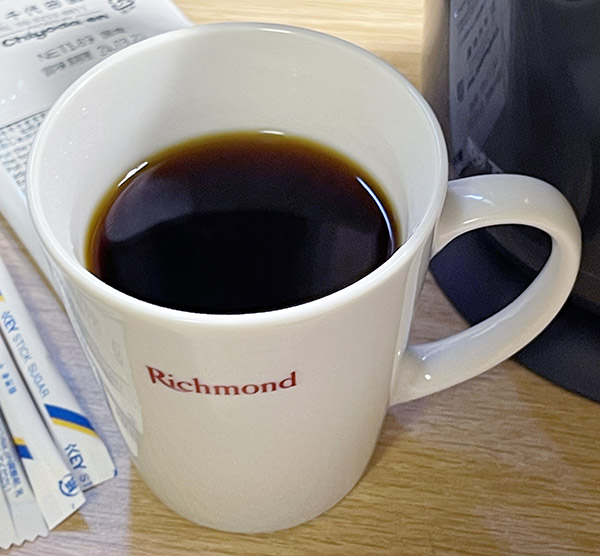
And it was a damn fine cup of coffee, too!

Gresh and I sure could have used this when we rode across China.  Next time, I guess, if I can find a place to buy these coffee bags.  And you know what?  As soon as I wrote that last line, I remembered:  Amazon is your friend.  I did a search on drip bag coffee, and wow, here they are!


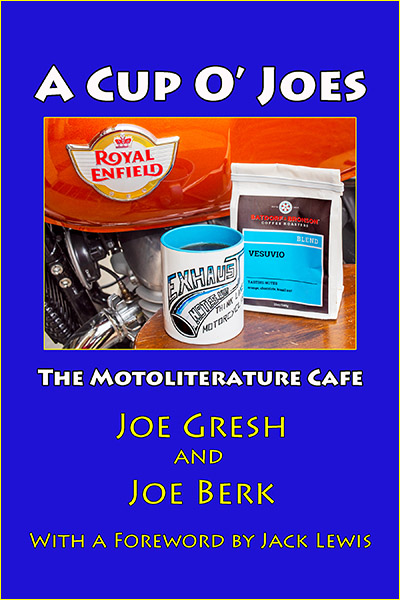
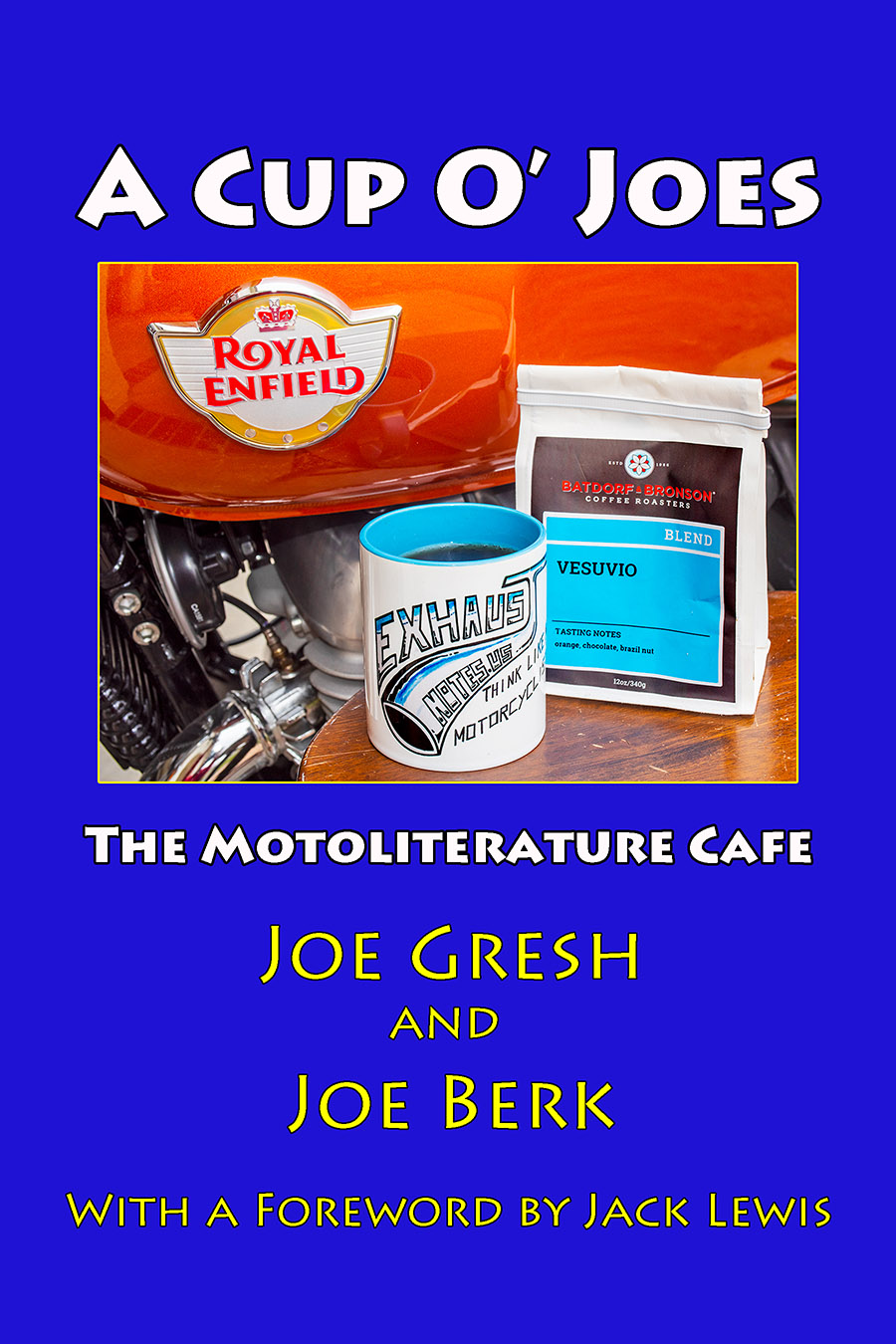
I couldn’t let a story about coffee get by without a commercial or two…the first one being for our book, A Cup O’ Joes.  Have you picked up a copy yet?

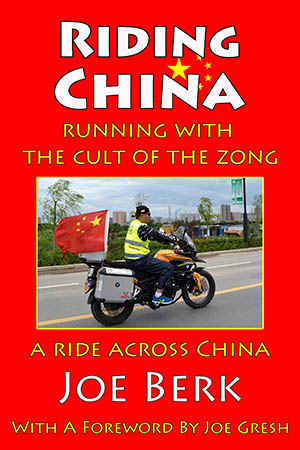
And the second commercial…how about Riding China, from which you can learn all about how two die-hard coffee drinkers struggled across the Gobi Desert, the Tibetan Plateau, and more in China, the land where people don’t drink coffee?


Never let a blog get away:


Life as a Digital Nomad: Peru Part 4 (It’s Probably Time to Head Back)

By Mike Huber

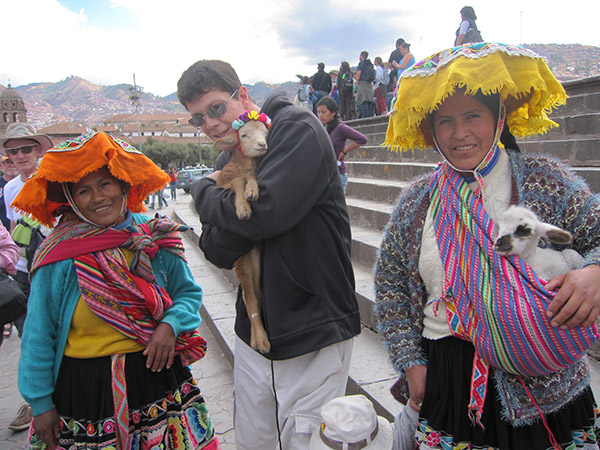
Balancing life is rarely easy.  It seems there is something almost always out of sync, be it work, health, or a loved one in need of help.  Peru is one of those rare times in my life where I and everything surrounding me seemed to be in perfect harmony. I was coming up on six weeks living in Cusco and the adventures seemed endless from my home base there.  I was making a ton of new friends, but with Cusco being so much more of a tourist town these new connections were always short lived.  Surely now it’s different with so many Westerners living abroad and working remotely, but being a pioneer of this lifestyle in 2012, missing a community began to set in.  Not so much on the weekends as I was too busy, but during the weekdays a void began to drain me.

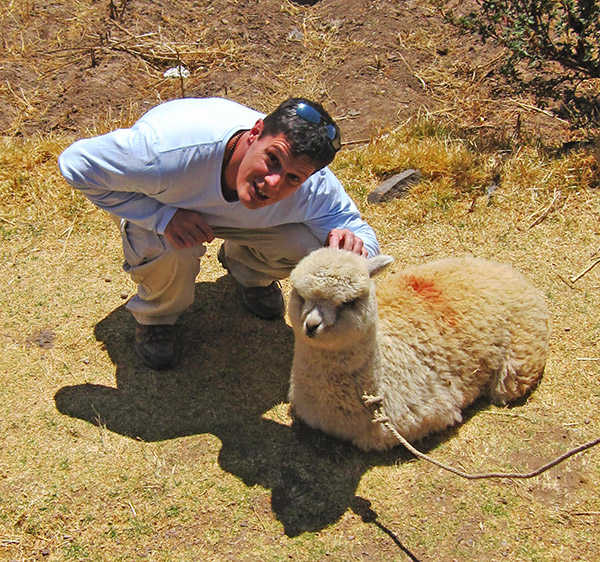
The decision to make the long journey back to the United States was not an easy one.  It took so long to get to where I was and had built connections for my next planned move to La Paz, Bolivia. I was running very low on vacation time and everything I wanted to see in Bolivia was a multiple day bus ride.  Buffering in unknowns (such as a bus breaking down in the middle of nowhere) was necessary.  I would be city bound in La Paz, and I don’t think they had as many baby llamas to pet, so Bolivia just didn’t feel right on any level.

The last week in Peru was a much deeper experience (I didn’t even know it could get deeper than where I had been).  Every moment I was out felt much more special knowing that time was short in this magical place.  There was a lot to do in my Cusco backyard that hadn’t been explored.   My focus had been on visiting remote areas such as Lake Titicaca (I had to say it again), rather than exploring the wonders closer to my home.

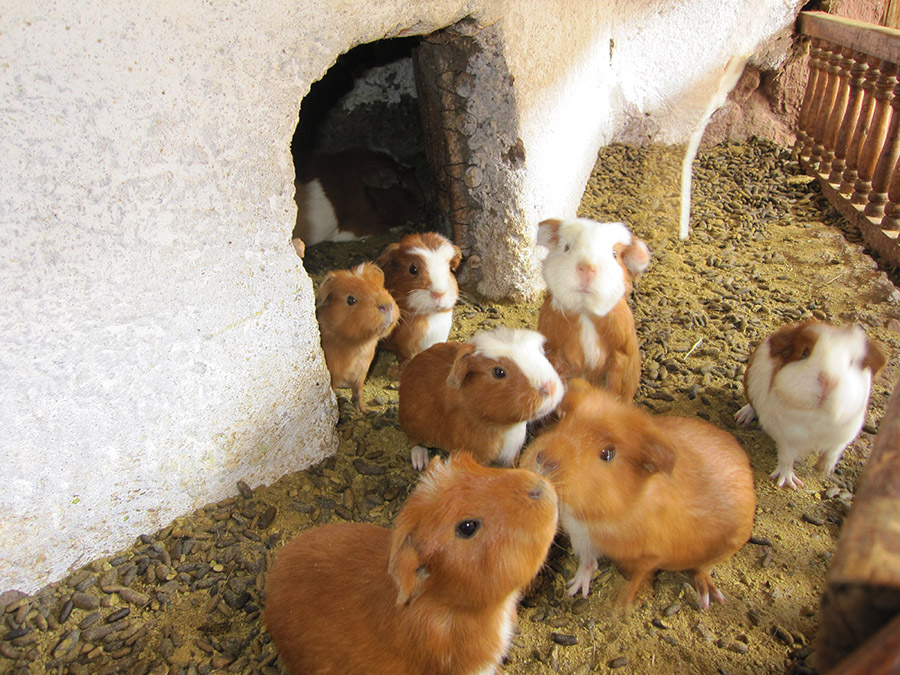
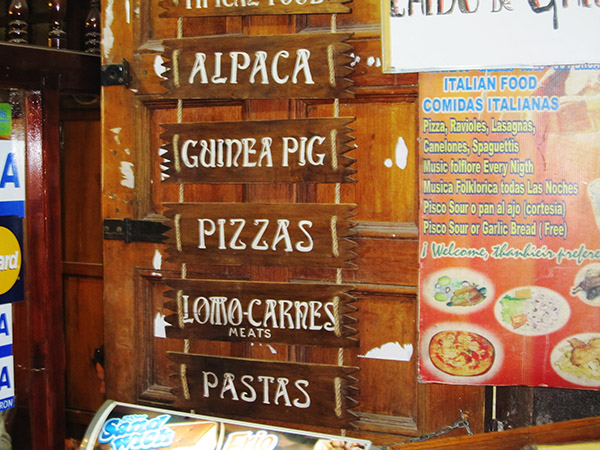
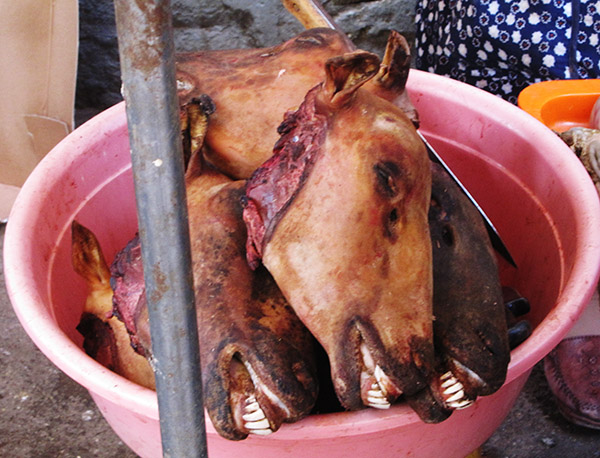
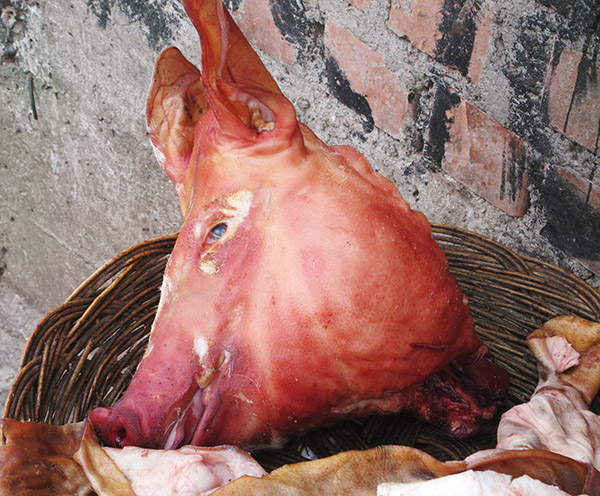
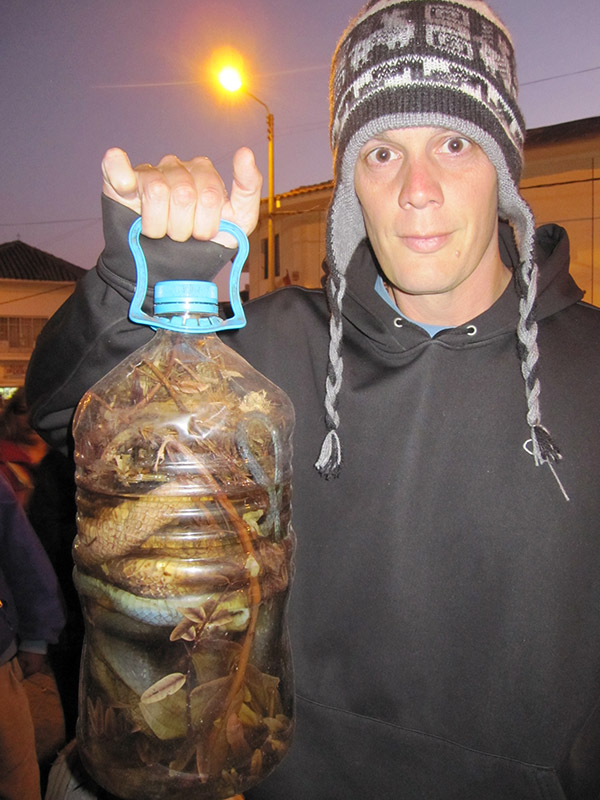
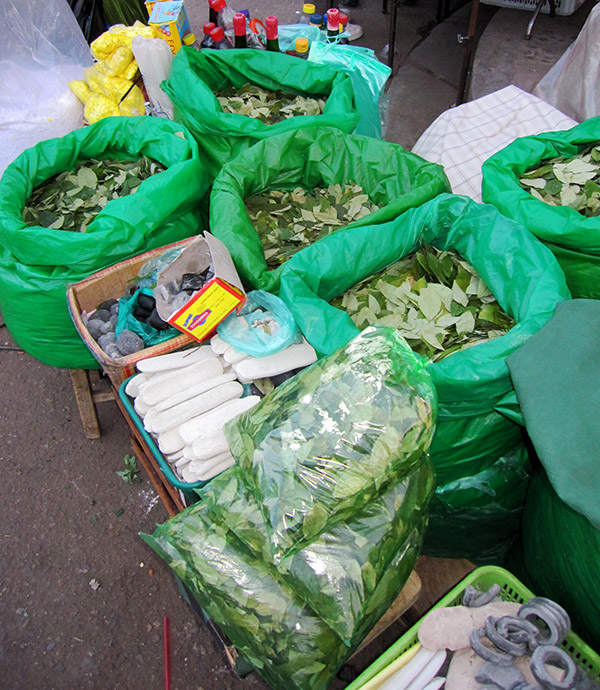
My final week in Peru was filled with exploring local points of interest such as the San Pedro market where there were all kinds of foods, drinks, and potions that most Westerners will never see or smell (be thankful you are missing the smell part).   The market consisted of endless types of foods.  Many of these foods seemed to be pulled straight out of an Indiana Jones movie.  It wasn’t strange to see Guinea pig’s necks being snapped, and then the animal being tossed into a boiling pot, gutted, and grilled.  Other items included horse heads, pig heads, and snakes in water jars.  This market was a plethora of sensory overload.  Normally I would just visit it to pick up a bag of coca leaves for about 30 cents and some of my “special” tea mix.

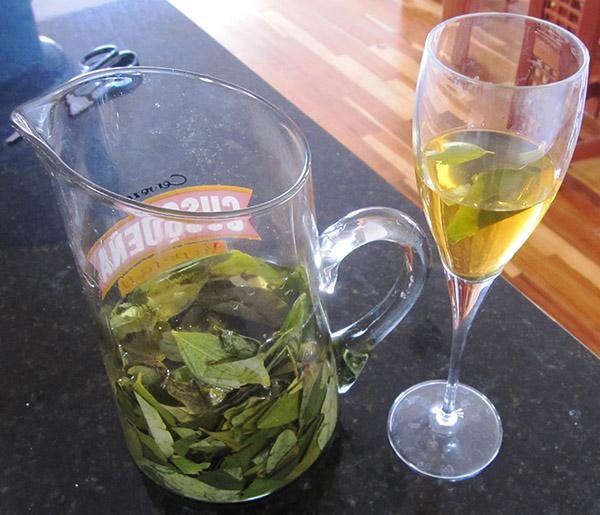
Somehow, I still managed to find time to do silly things with downtime during the weekdays. The last Sunday I was there it poured, and being bored, I was searching the apartment for something to eat while watching TV.  I found in the back of the refrigerator a beer pitcher that I had filled with coca leaves a week or so prior and added a bottle of white wine.  Well, it seems the wine had absorbed the coca leaves and turned the wine into a dark yellow.  Being that this chapter was coming to an end I thought it would be the perfect day to partake in this concoction.  Who knows, maybe it would have similar effects to the coca beer.  I drank the entire pitcher. The coca-infused wine just had this bitter earthy taste that I really enjoyed.  Like the coca beer it provided a jolt of energy with a nice light buzz that assisted me in packing and wrapping up my life in the Andean city of Cusco.

With the coca wine buzzing inside my head, a bigger question emerged: Where was I to live upon returning to the United States?  My Boston condo was rented for another five months, so that option was out.  I was not sure if it was the wine or the fact that this change may not be as simple as I had anticipated.  Throughout my travels around Central and South America, it always seemed that if things went south, I could just return to the United States. Being so preoccupied in the moment during my travels, however, I never designed a fallback plan aside from boarding a return flight.


As the week came to an end, I was now boarding that flight.  I was not, however, in too big a rush.  It felt right to instead return to Nicaragua for a couple weeks and ease my way north and see my dogs.  While I was there, Hurricane Sandy hit and knocked out power throughout the Northeast.  That morning as I watched the news, I had a decision to make:  Do I power up the laptop and be the only person in the Northeast who showed up for work, or do I continue with the “I am in Boston” charade?

I chose Option A, deciding that I was on my way back and had been outperforming most my peers for six months in five countries.  Owning my choices and riding it in felt like the correct decision.  My coworkers immediately questioned how I had internet, and my answer was simply “I saw there was a hurricane, so being remote I chose to go south to avoid it.”  Not a lie, but not totally forthcoming.  If I had replied with “I am working in the jungles of Nicaragua” no one would have believed me (this came up months later and no one did).

After the two weeks it was time to fully return to Boston to regroup.  It was a rainy November day when I touched down at Logan.  I weighed 30 pounds less and mentally I was even lighter.  I still had no plan regarding what to do once I left the aircraft in Logan.  My car was at a friend’s house.  My Ducati was at my parent’s home in Maine.  Before I had even cleared through Customs and Immigration, though, I knew this was no longer the place that called to me.  The reentry shock into the United States was too much.  I was swelling up with tears knowing It was now time to make the hard decision to leave New England, but where would I go as winter was just beginning?


Never miss an ExNotes blog:


The Matawan Creek Man-Eater

By Joe Berk

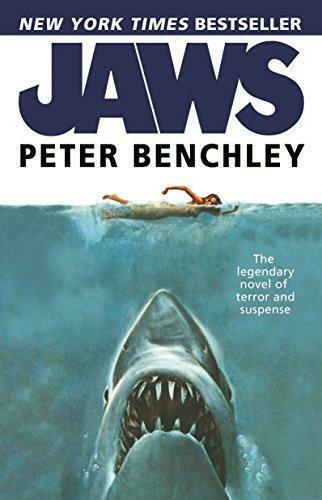
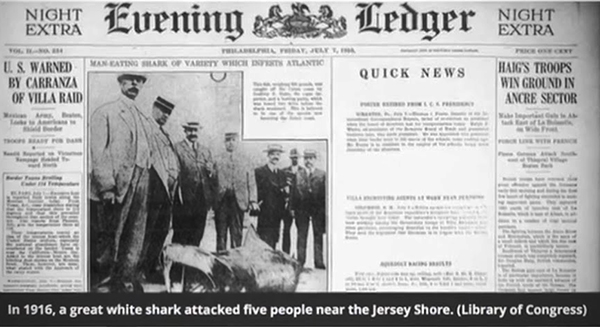
Jaws.  Nearly everyone has seen that movie.  Many of us read Jaws, the book that preceded the movie.  It’s been said that Peter Benchley based it on Moby Dick, another novel about a big white fish and a man obsessed with killing it.  But people in the know…well, they know that Jaws had a different source of inspiration.   It was the Matawan Creek maneater, a Great White shark that swam 11 miles upstream, in fresh water, and ate a bunch of people in and around Matawan, New Jersey.  It all happened in 1916.

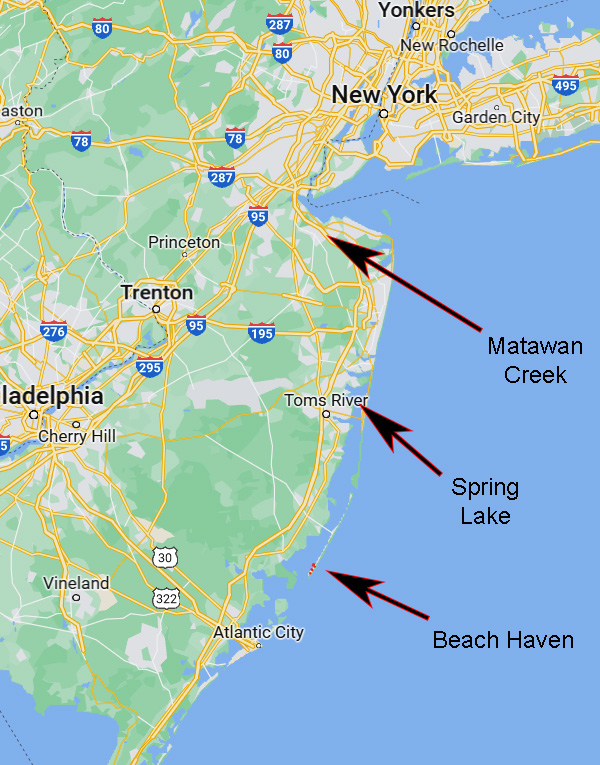
The New Jersey beachside resorts were having a tough year in 1916.  It started on July 1 when Charles Vansant, a 28-year-old man from Philadelphia, went for a swim in the Atlantic Ocean along the Beach Haven, New Jersey shoreline.  Vansant took his dog in the water with him. The dog suddenly disappeared, and then Vansant was attacked.  Other swimmers heard Vansant screaming and went to his aid.  A gigantic Great White shark followed them as they desperately pulled Vansant to shore.  Vansant bled to death a short while later.

Fast forward five days to Spring Lake (another New Jersey resort), and 27-year-old Chris Bruder was attacked while swimming in the Atlantic.  Lifeguards in a boat pulled him from the water, but Bruder bled to death before they reached the shore.

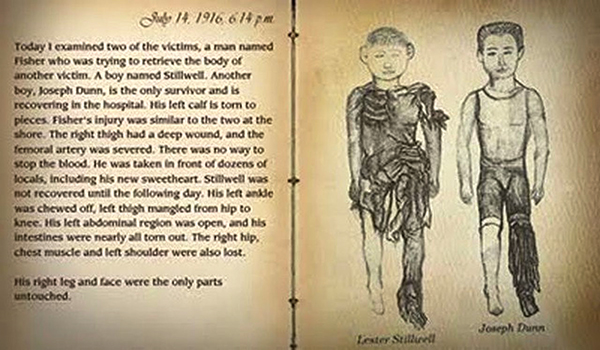
Shoot up the Jersey coast another 30 miles to Matawan.   A few days after Bruder died, Thomas Cattrell (a retired fishing boat captain) was walking home and while crossing a bridge over freshwater Matawan Creek (which flowed into the Atlantic), Cattrell saw a large shark in the water below.   He warned swimmers, but no one took him seriously (Matawan Creek was, after all, a freshwater creek).  The next day, on July 12, 11-year-old Lester Stillwell went for a Matawan Creek dip; he became the shark’s next victim.  Two of Stillwell’s friends swimming with him watched as he was pulled under and the water turned red.  The boys ran into town for help, 24-year old Stanley Fischer accompanied them back to the creek, and he entered the water to search for Stillwell.   It was Fischer’s bad luck that the shark was still eating Stillwell.  Fischer tried to free Stillwell from the shark; the shark had a better idea and took a few bites out of Fischer.  Fischer died a few hours later in a local hospital.

After attacking Fischer, the shark left the area and headed back toward the Atlantic Ocean.   While swimming toward the ocean and still in freshwater Matawan Creek, the shark attacked 12-year old Joseph Dunn.   Dunn survived, minus a leg.  Dunn was the shark’s fifth victim.

If you’ve ever watched even a single episode of The Sopranos, you know you don’t mess with people from New Jersey.  The Jersey coastal communities went into high gear, and after harvesting hundreds of sharks, they found the one responsible for the attacks.   It was an 8½-foot Great White, and when the Joisey boys cut it open, various parts of the aforementioned people (and one dog) spilled out.  The Matawan Creek (and surrounding community) attacks are believed to be Peter Benchley’s inspiration for Jaws.


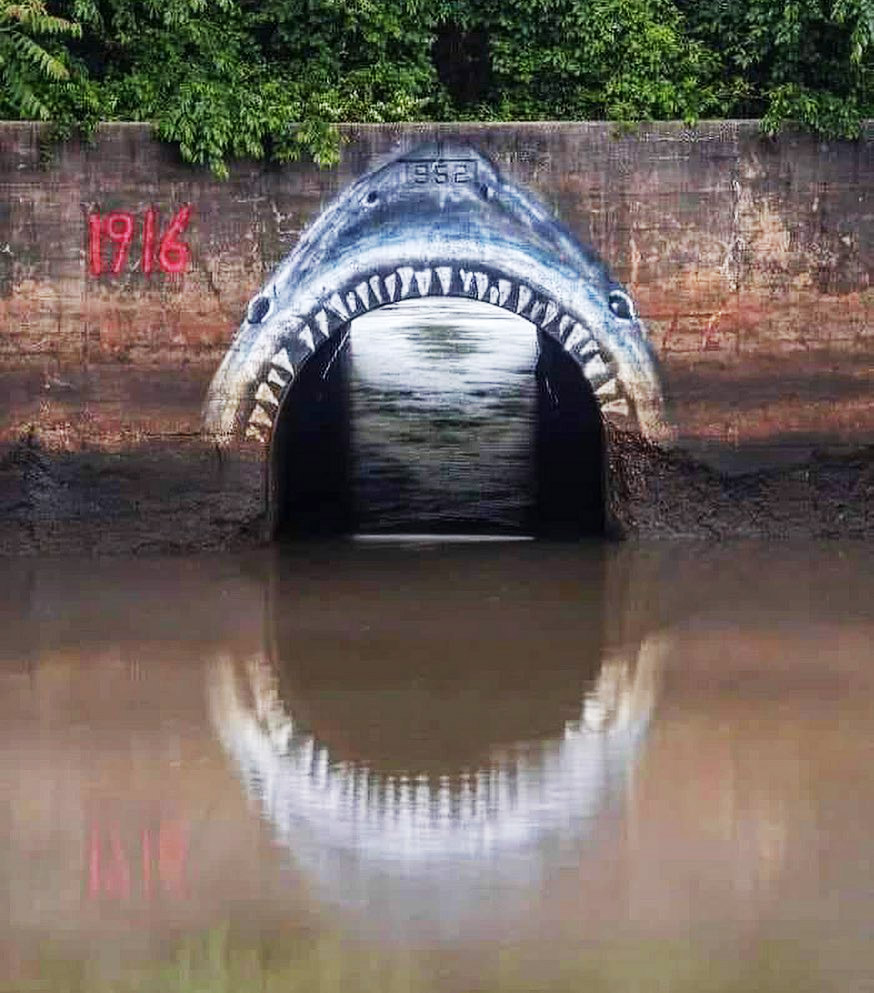
So…about that photo at the top of this blog.  The bridge is a Jersey Central railroad bridge that crosses Matawan Creek only 100 yards away from where Fischer and Stillwell were attacked.  Amazingly, the open-mouthed shark painting was accomplished in under 35 minutes, in complete darkness, by an artist who goes by the name Tattoo Bob.  I don’t know his last name or even if Tattoo Bob is his real name; he wishes to remain anonymous for obvious reasons.

All of this hit home for me.  I’ve been in Matawan many times, and it’s not that far from where I grew up.  When I was a kid, we used to swim in the freshwater creeks in New Jersey (they all ultimately flow into the Atlantic).  A big day was to go down the shore and swim in the ocean.   Jaws didn’t get published until 1975 (I read it when I was in the Army in Korea, when the novel was first published).   It’s a good thing, I guess, that I didn’t know any of the above about Matawan Creek back in my youth. If I had, there would have been no way I’d enter the water, and even today, I won’t swim in the ocean.  I’ll stick with much safer things, like jumping out of an airplane or riding a motorcycle.


Never miss an ExNotes blog:

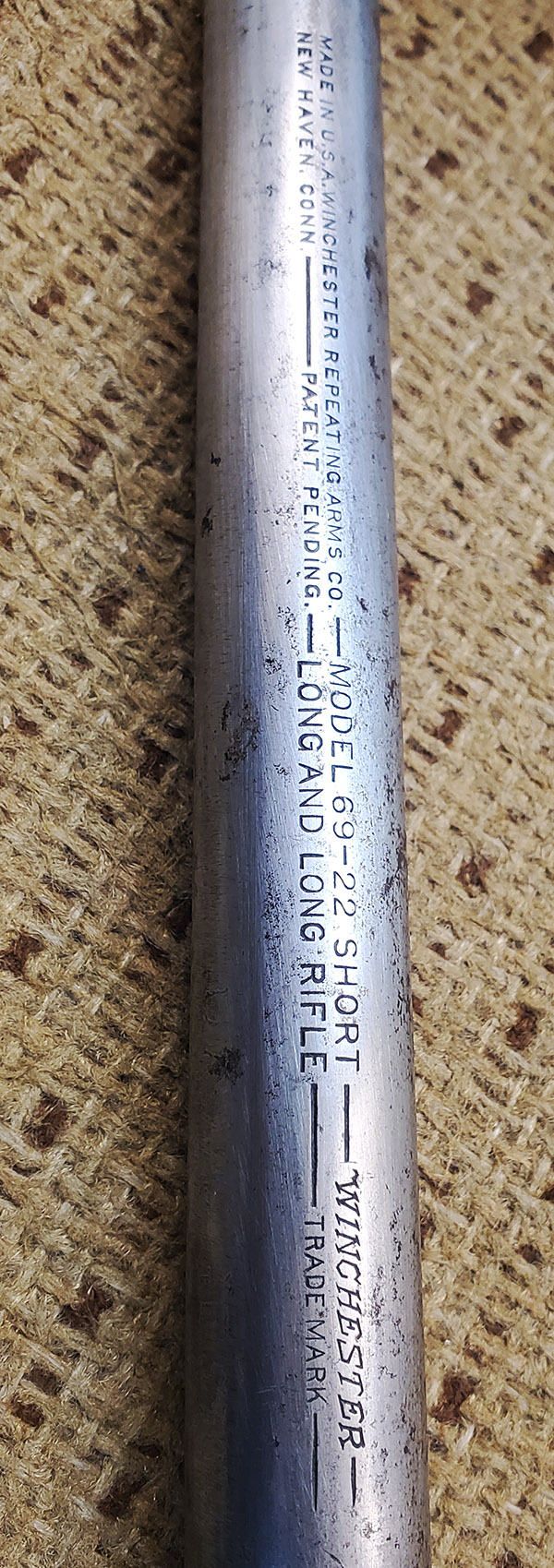
The Rimfire Series: Model 69 Winchester

By Rob Morel

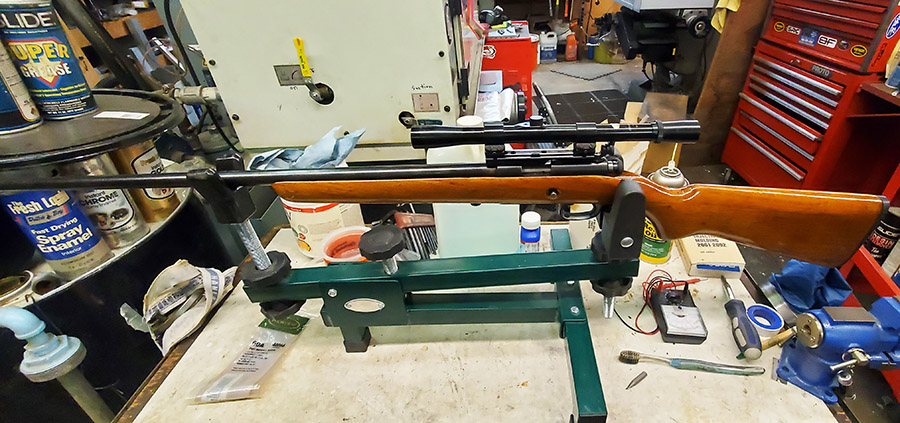
After seeing Joe Berk’s article on the .22 bolt action Springfield rifle, I thought about my recent project Model 69 Winchester.  I bought it from my favorite gunstore.  It was in pretty bad shape when I bought it and it was obviously well used. The Winchester had a screw for a bolt handle that did not work well, a homemade peep sight, the rifle was rusty, and it had a dinged-up stock with a lot of miles on it.  I bought the rifle for $150 knowing it would make for a good project.  I wanted to fix and preserve it as a plinker.
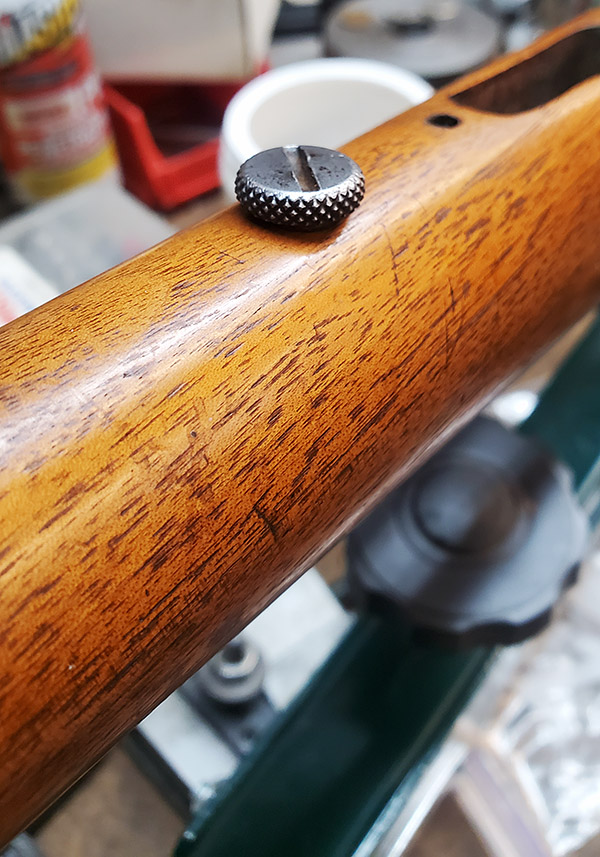
The Model 69 Winchester is an old magazine fed rifle made in 1936.  It is an interesting vintage .22.  I believe it was made around 1935 based on the exposed side magazine release and the exposed screw that holds the barrel to the stock (as shown in the above photo).   These two features make it one of the earlier Model 69 rifles Winchester produced.
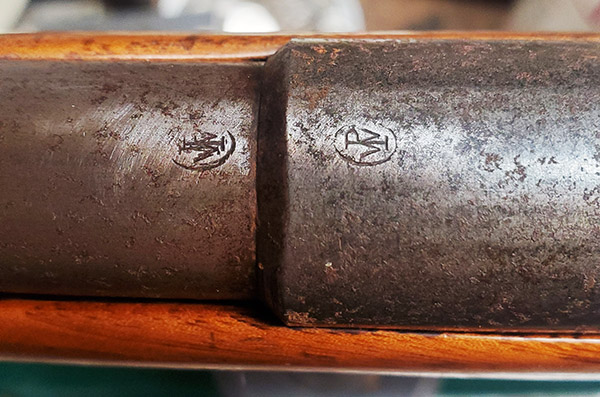
The finish on the barrel and the receiver had left the building a long time ago.   It exhibited what might be called an authentic patina, but to me it was just rust and I wanted to prevent it from heading further down that road. I sanded it very lightly and used Birchwood Casey cold blue to preserve it. That turned out well eonugh, but it was not as good as a hot blue job would have been. Maybe I will clean it better and redo it someday.  But my cold blue approach had the rifle looking good (I think for now the steel finish is good enough), so I continued fixing other things.
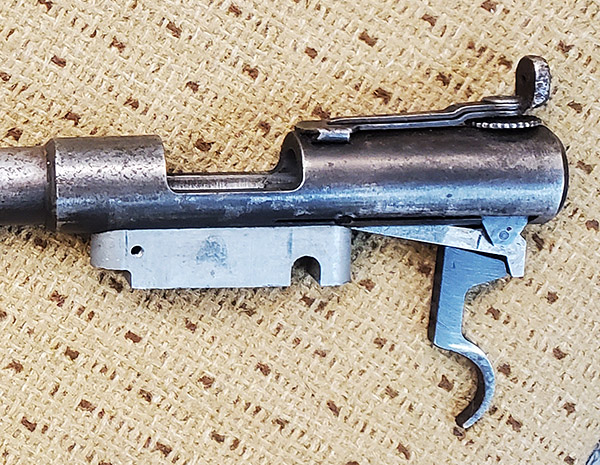
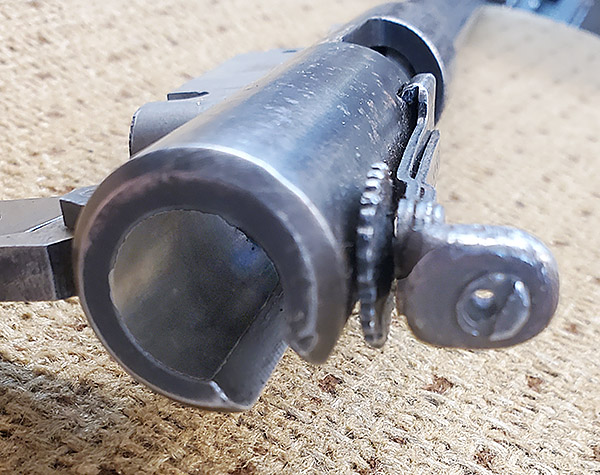
The rifle’s original peep sights had been “fixed” (read:  Bubba’d) by a shade tree gunsmith.  The sights worked, but they looked terrible. Bubba had drilled out the original aperture and tapped it to a larger thread. Then he took and sawed off a length of all thread (all thread is threaded rod) after drilling a small hole way off center.   Maybe he did that to allow for windage by rotating it in the threads…who knows?  Or maybe he was just sloppy.
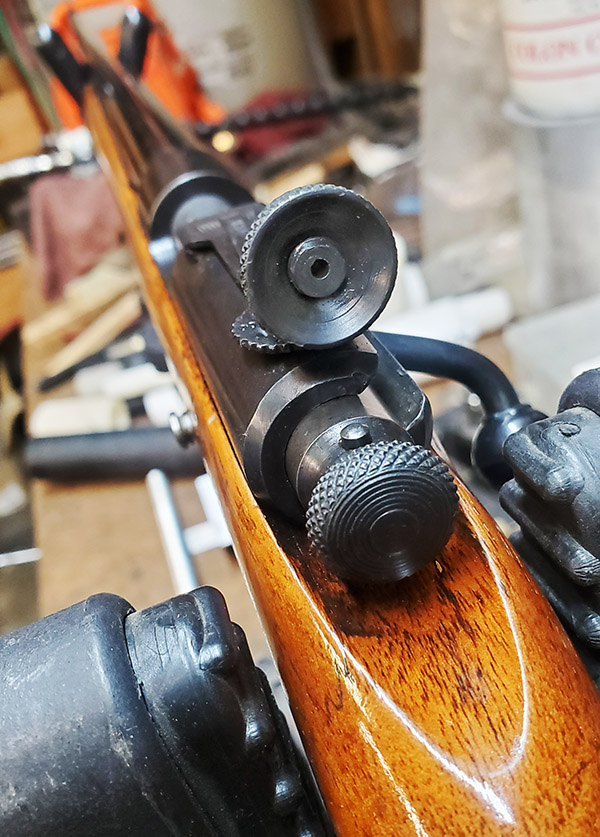
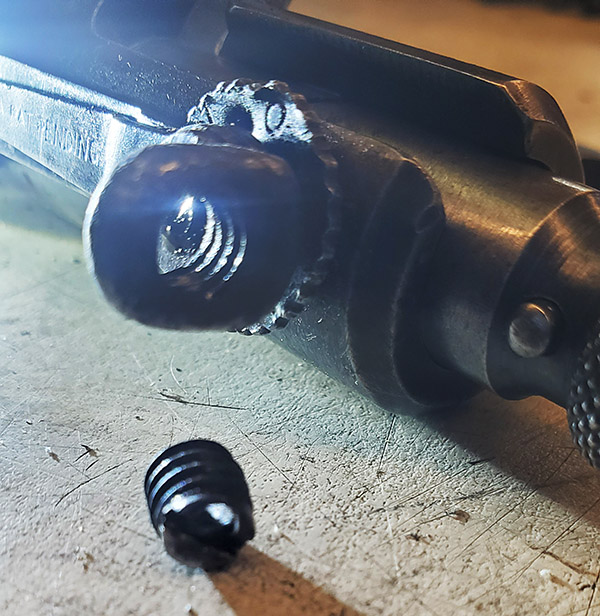
I machined a nicer-looking knurled retina (see the picture above), but I ended up putting a scope on it, so for now the peeper looks good but is not used.  I’ve seen comparable sights on Ebay for over $225, so I’ve got that going for me.
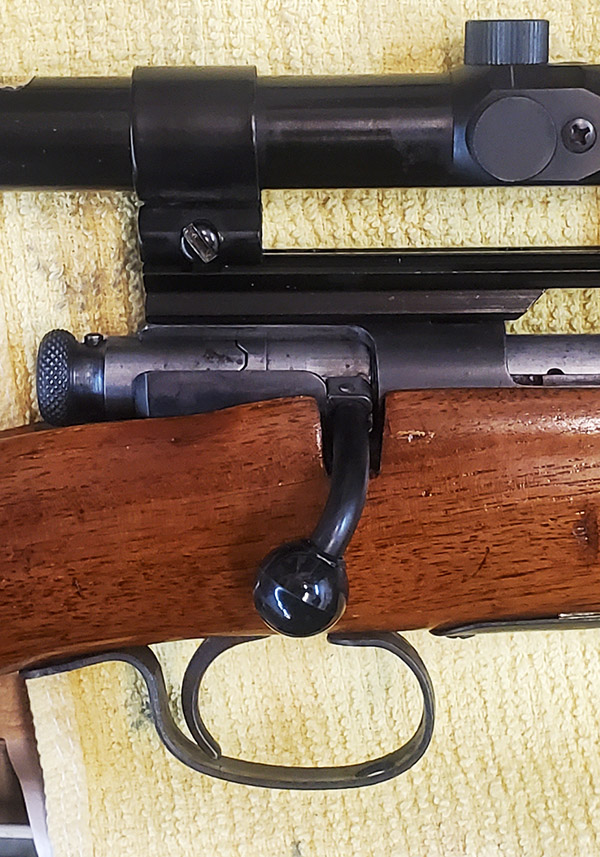
The old bolt handle was a standard screw from someone’s grandpa’s blacksmith stable. It didn’t work. The handle needs to go through two sleeves to cock the firing pin properly.  It wasn’t too hard to make a new one that works well. I had the little ball end you see above in my tool box for years.  It was waiting for me to use it on something, and it looks like it belongs on this rifle.
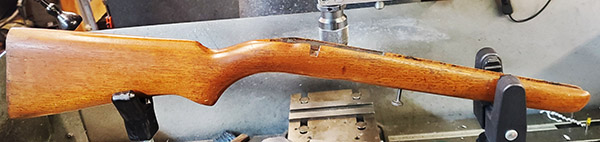
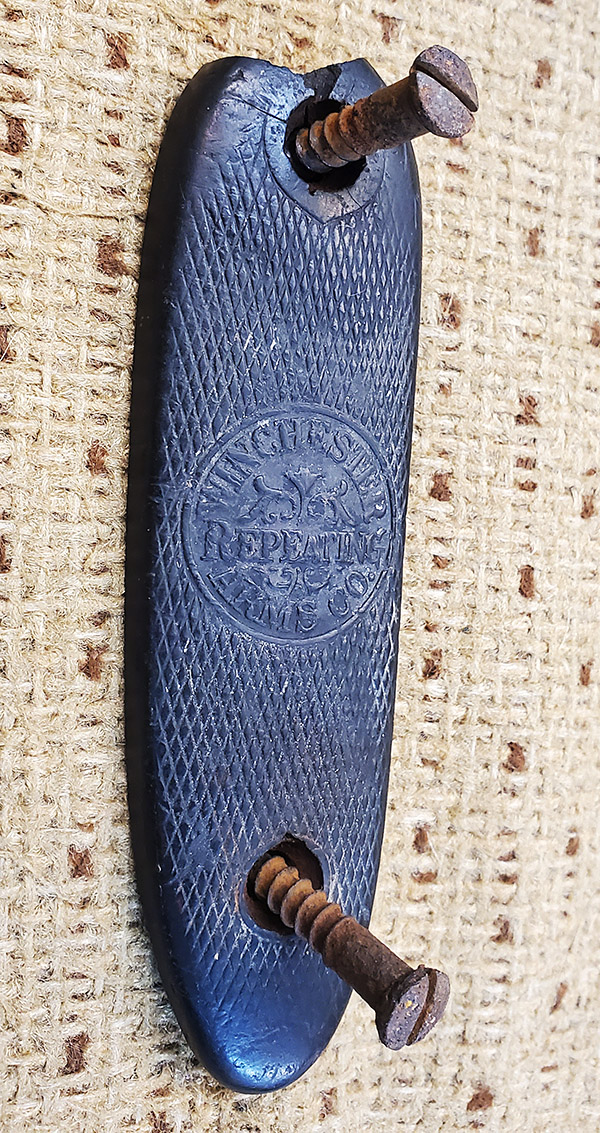
The rifle’s wood stock showed its 85-plus years of use, so I sanded it lightly, stained it, and gave it a clear varnish finish.  I similarly cleaned up the buttplate and its screws.  I think it all turned out well.

After doing the above work, it was time to sight the rifle in. Waiting until it was dark, I clamped the rifle in a cleaning rest so it wouldn’t move on the table. With the bolt taken out I could look through the barrel at a distant streetlight.  I then looked through the scope and adjusted the scope’s windage and elevation so it was right on the streetlight several hundred yards away. After making sure the barrel and scope were secure, I tried the rifle on the farm the next day.  The rifle can shoot .22 Short, Long, and Long Rifle ammunition.  I could hit dirt clods fairly consistently from 40 to 100 yards away. That’s good enough for now. After shooting it for the first time, I had to go out and celebrated with a Yoo-Hoo and a new box of 50 rounds.  I’ll next shoot at a paper target from a rest to hold it steadier then my 66-year-old arms can.
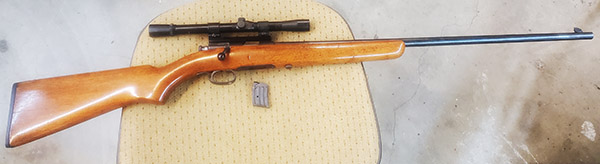
Overall, resurrecting the Model 69 Winchester has been a fun and satisfying project.  It didn’t cost very much and gave life back to this 85-year-old firearm that is a hoot to shoot.  It would be great for a youth rifle and for teaching kids to shoot.  The rifle is small and light, and it can be taken apart for cleaning and reassembling quickly.


Meet our newest contributor:  Rob Morel
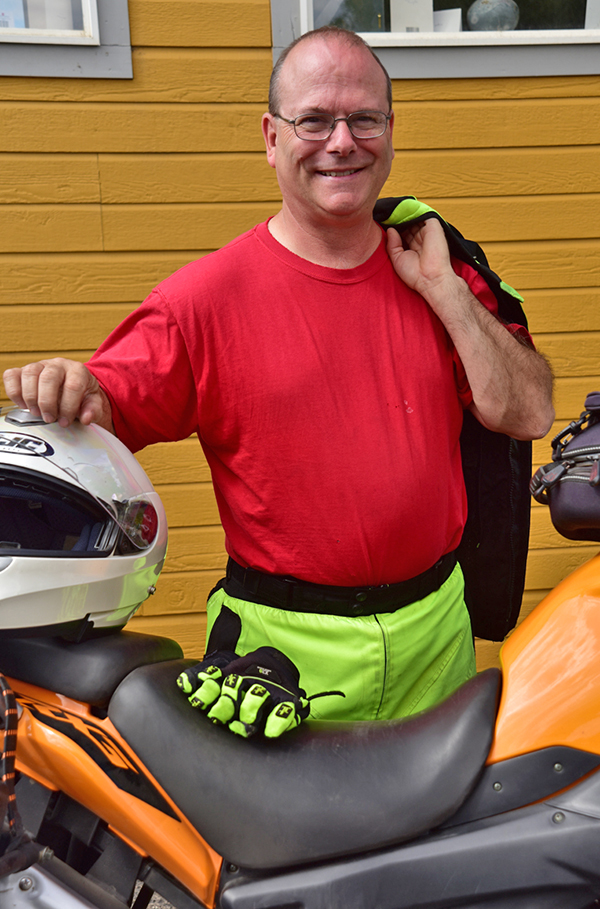
Rob Morel is a good guy…a considerate, literate, and motorific kind of man.  I first met Rob on the Western America Adventure Ride, when guys who owned Zongshen RX3 motorcycles joined Joe Gresh, a group of Chinese riders, a couple of guys from Colombia, and yours truly for our 5,000-mile romp around the US.  Rob joined us in Idaho, and I knew I was going to like him the minute I saw the guy seated by the side of the road, waiting for us, somewhere before we crossed into Hells Canyon.  It said a lot about Rob:  He would be ready, he wouldn’t hold the rest of the group up, and he put others ahead of himself.  Like I said, I liked him instantly.  Rob has ridden with us a number of times…on that first Western America Adventure Ride, in Baja, on another ride through the Southwest, and more.  He’s a machinist, a motorcyclist, a shooter, and a writer.  This is Rob’s first piece as an ExNotes contributor.  Welcome aboard, Rob, and thanks for this story!

– Joe Berk


More stories in the Rimfire Series are here.


Never miss an ExNotes blog!
Life as a Digital Nomad: Part 6 (Ecuador)

By Mike Huber

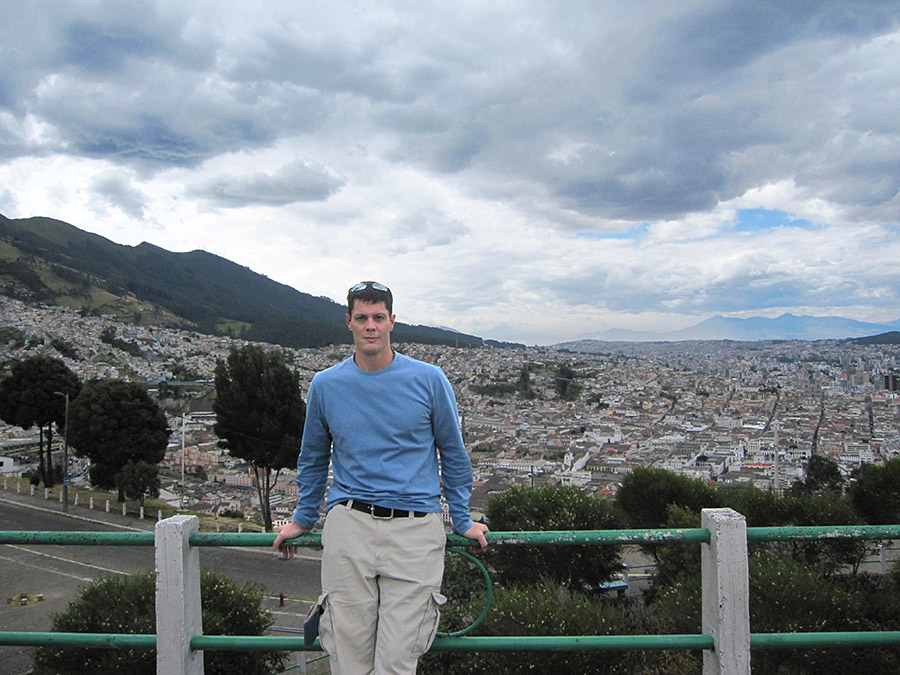
Feeling confident that Quito, Ecuador would work out for the foreseeable future I wanted to begin absorbing the culture as I did in Nicaragua. One of the best ways of doing this was to begin taking Spanish lessons.  A great thing I learned about Ecuador almost instantly is they spoke Spanish much slower than in Central America, where I was frequently lost by the lightning speed with which they spoke.  This would be the perfect place to take lessons where I could retain and practice speaking Spanish constantly as I went about my daily routines.  Fortunately, there was an excellent Spanish school just two blocks from my aparthotel, so I could attend classes during lunch. It felt great taking steps towards integrating into this incredible culture.

I adjusted to a routine of work and Spanish lessons during the weekdays and on weekends I would explore local hikes and rainforests. I was almost at the base of Cotopaxi, which technically is the highest mountain in the world as it is on the equator and bulges out more than Mt. Everest (if you’re one of those rare people that believe the Earth is round).
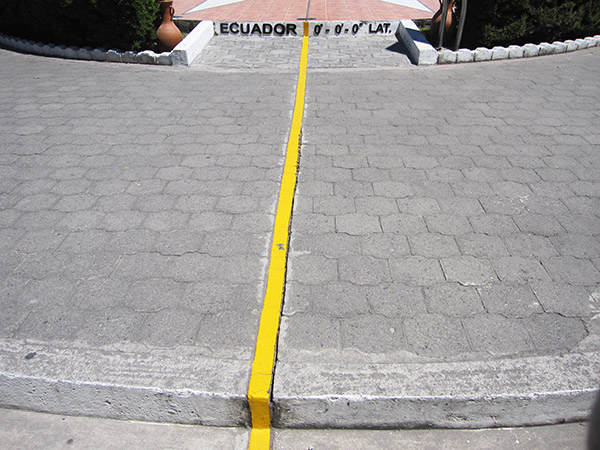
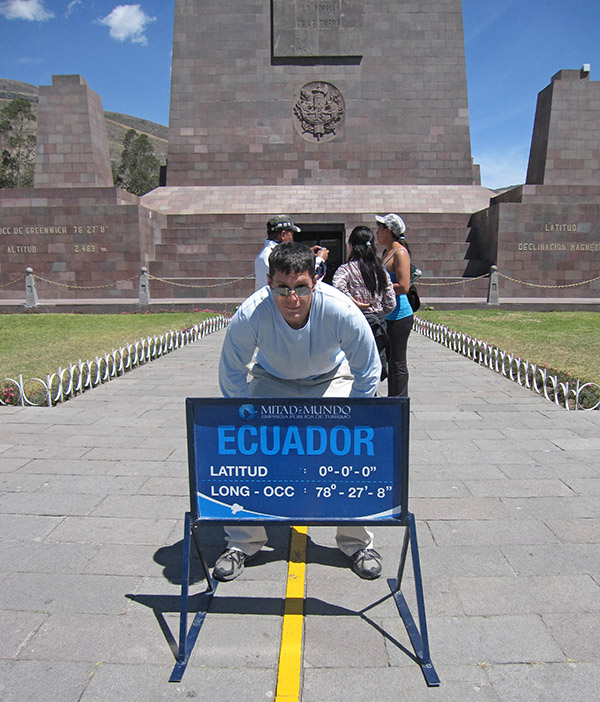
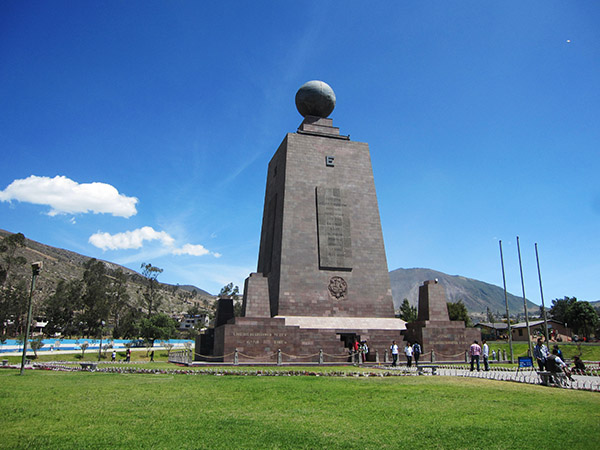
With my weekday schedule and routine defined by Spanish classes and runs to increase my tolerance at the high elevation, I returned to being successful at my day job as a project manager.  Doing the best to conserve my vacation days for the next country (an upcoming blog will get into that adventure), weekends were the only time to explore the surrounding areas of Quito in more depth.  This, of course, had to include a trip to the equator.

The equator was just a short train ride from Quito.  I fully understood it would be a total tourist trap but where else would I have this opportunity to jump on both sides of the line like an idiot? It felt almost mandatory to do so.  When preparing to leave I saw an indigenous tour that brought you into the Andes mountains and included a 4-mile round trip hike.  As I boarded the bus figuring I would be solo on this trip, three Germans jumped into the bus reeking of BO with nothing but a tiny backpack they each held. As we were dropped off and began the hike into the Andes I began a conversation with one of them who didn’t have shoes.  It seems someone stole his shoes in Chile while playing soccer with some kids and he decided not to purchase another pair.  It was also interesting that the only items in his backpack were a machete, a journal book, and his passport.  I was instantly intrigued.  These guys were minimalists to another level.  Coming from me that is quite an extreme statement.

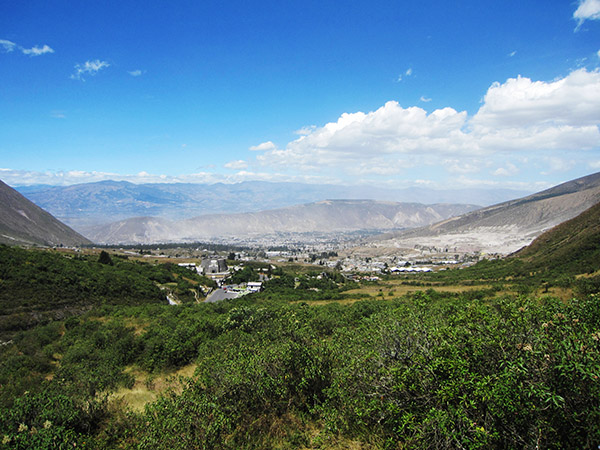
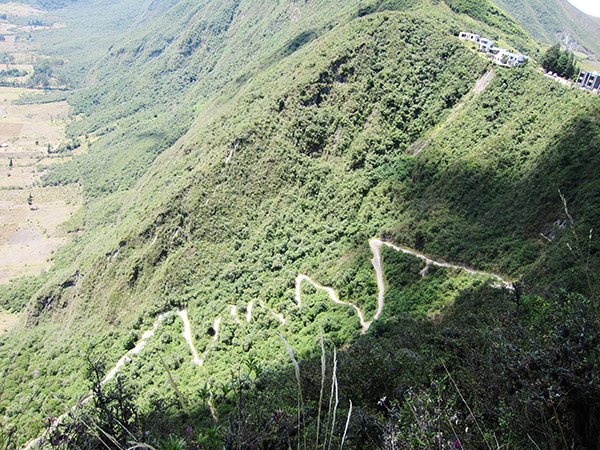
As we reached the summit of our hike there was an overlook that peered down into a small village in the valley of the Andes.  It was abundantly clear that time hadn’t touched or changed this hidden village.  As the guide ushered us in a half circle for him to sing and give thanks to all the beauty around us, the German I had befriended was fidgeting around and produced a marijuana joint and sparked it up while the guide was deep into his singing.  Although some would see this as very disrespectful the guide seemed to relish in the smoke that emitted from the joint. This German represented full freedom to me.  He was probably the most carefree person I have ever met in my life, and most of the people I surround myself with are pretty carefree, so this guy now has another title to add to minimalist in my eyes.

As my Quito adventure continued, I settled into a routine. One of my better work habits is writing a to-do list over the weekend for work tasks with dates.  This has helped me in not only my organization, but also in the prioritization of tasks to stay ahead of any deadlines my team or myself are responsible for.  Normally I write this list on a Friday afternoon when I am in good spirits and tend to over commit yet hold myself accountable for these deadlines.  With hiking most weekends in Quito and exploring I found myself not having written out my list and it was Sunday afternoon with no plans.

I chose to go to a dark Irish bar in the heart of Quito to write my list.  As I ordered a cold beer and began outlining my objectives for the week, I didn’t notice the bar became less and less crowded.  It was now about 4:30 PM and I was alone in the bar with three beautiful Ecuadorian females. The bartender began pulling the shades down and locking the doors.  With no idea where this was going, I thought I would order another beer before the bartender asked me to go home.  It seems in Quito if you are IN the bar when they close you can stay.  It didn’t take long for the Ecuadorians to invite me over and I quickly decided my task list was completed for the day. I was in love with Quito, Ecuador!

As the weeks flew by my time was filled with hiking, work, and immersing myself in the culture of this beautiful country I now called home.  My frustration with work problems melted away as soon as I left the aparthotel every afternoon to meet new friends and partake in all the activities throughout the city of Quito.

Entering Week 4 in Quito I began to feel in the groove enough to venture forward.  Although Ecuador has endless activities and places to explore, I was saving my vacation for the next country that I wanted to become even more immersed in.  There would be no coin toss for this next stop as my soul has yearned to visit this country for years.  Peru!


Never miss an ExNotes blog:

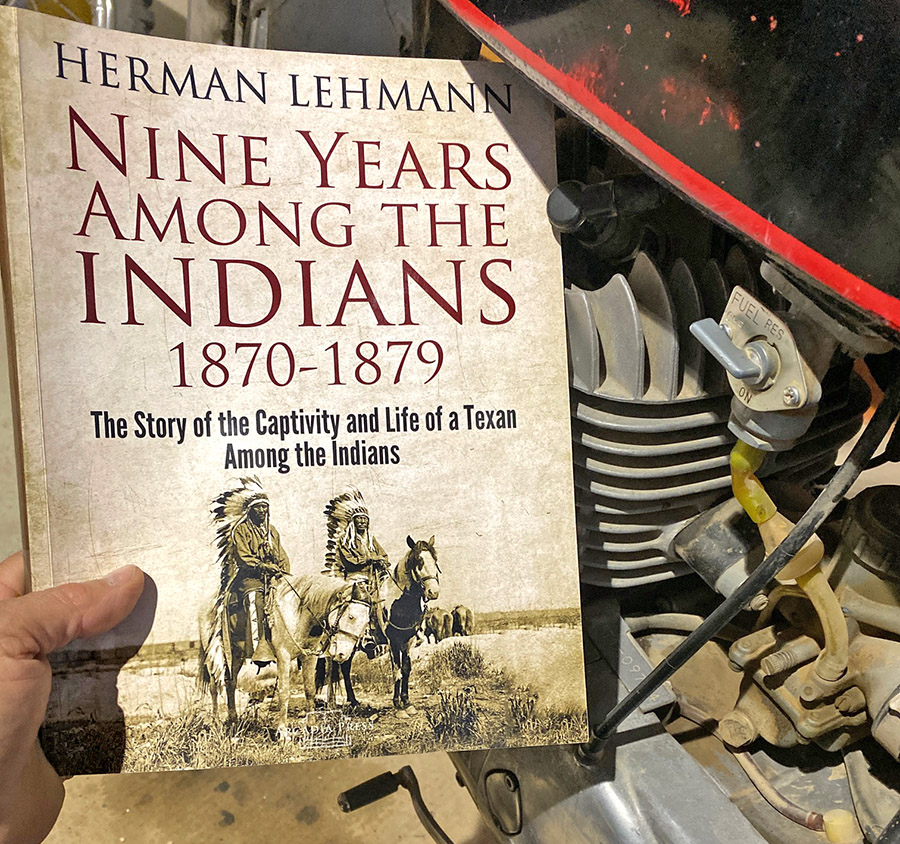
ExNotes Review: Nine Years Among The Indians

By Joe Gresh

When I first met CT I used to read a lot of books. We didn’t have a television (by choice) and the Internet hadn’t been invented yet so reading a book was entertainment. I’ve slowly fallen out of the habit. Part of it was that my failing eyesight made it harder to read small print. My job was physically demanding and I had to work outside in the hot Florida sun. I ran my own business and I was always busy working, trying to pay off the American Dream. When I got home I was so washed out I just wanted to sit, drink beer and not think.

For some reason it seemed like the places we lived were always poorly lit. It’s hard to read in the dark. Later, bright computer screens made it easier to read but I consumed mostly junk. Ad copy, moto-journalism, poorly done Youtube videos: my mind had become a vast, featureless wasteland.

I had a couple cataracts replaced with new lenses a year ago and that operation made things a lot brighter. Maybe those places we lived weren’t all that dark after all. For kicks I had the eye surgeon install long-distance lenses and now I can see far away things pretty good. My up close vision isn’t the greatest and I’ve been too busy to get reading glasses. I started a few books but lost interest. Stupid memes and arguing with strangers on the Internet were more to my liking.

It’s been awhile since I’ve plowed through an entire book but I plowed through Nine Years Among The Indians in two short days. You know how they say you can’t put it down? I did put it down but only because my eyes were tired.

NYATI was first published in 1927 about events from 1870 to 1879, which places the language used in the book far from modern sensibilities. It’s the story of Herman Lehmann who was abducted by Apache Indians when he was 8 years old. Herman was raised by the Apaches and became an Apache. The Apaches were his family and Herman tells how the process was accomplished so thoroughly he forgot how to speak English and spoke only Apache.

One of the reasons I liked the book so much was that the area where the action happened (and there is plenty of action), New Mexico and west Texas, feature prominently. The Apaches at that time lived in nomadic bands and traveled to suit the seasons. River crossings serve as waypoints as you follow the tribe across the modern day southwest.

Lehmann writes in a matter-of-fact way and doesn’t sugar coat the things he did as an Apache warrior. Human life was not valued any higher than common animals in the wild west and a lot of people were killed. The Apaches were in an end-of-times war with the White Man and due to superior numbers and disease the White Man just kept coming and taking everything he saw before him. The Buffalo hunters were the worst. They killed and skinned buffalo, leaving the meat to rot and they killed buffalo in the millions. Buffalo were critical to the Apache. How would you feel if someone came along and destroyed your entire way of life? Bitter, I imagine.

Later Herman has a falling out with the Apaches and becomes a Comanche, and he remained Comanche the rest of his life. The Comanches were slightly less stern than the Apaches and Herman noted there was more joy and laughter as a Comanche. There are really no good guys in the book. The Whites are/were just as savage as the Indians and it’s sad how it ended for the Indians.

You know how it played out: eventually the White Man manages to subjugate the Indian tribes and force them to live on reservations. After reading NYATI I can’t imagine a worse fate for a free-roaming American Indian of the west. Herman is sent back to his family but now he is completely Indian-ized so it takes a while to relearn English and the White Man’s dull way of life.

Nine Years Among The Indians kept me reading when the other books didn’t. Each chapter is a story that stands alone once you know the background of the writer. The Apaches lived and continue to live such a different life from Europeans. Herman got to know both cultures and I think if he had his choice between the Apaches, the White man’s world, and the Comanches, he’d be back with the Comanches.


Never miss an ExNotes blog:


Want to advertise on ExNotes?   Check this out!

Nick Adams

By Joe Berk

Sometimes you get lucky and a hidden Internet gem emerges.  NickAdamsWriting.com is that hidden gem for me.  I found it surfing the web for Moto Guzzi information.  I always wanted a Moto Guzzi, preferably an older classic, and when searching on that topic Nick’s website popped up.

Nick Adams is a guy my age who has cool website and an even cooler set of videos.  He’s based in Canada.  The video below about his ride across that great land is a treasure.  Nick is a skilled videographer and photographer, his narration is soothing, and the scenes and the story are magnificent.  The fact that he rides a classic V-twin Guzzi makes it a joy to watch.  My advice:  Grab a cup of coffee, click on the video, expand it to full screen, and enjoy.  I sure did.

Nick wrote a series of books on a variety of topics (including motorcycle touring).  I ordered one a few days ago (you might consider doing the same), and after I’ve read it I’ll post a review here.  I’m expecting a great read, and I intuitively know Nick won’t let me down.


Never miss an ExNotes blog:

Phavorite Photos: Tall Tales in Chongqing

By Joe Berk

It’s been a little while since we posted a phavorite photo (thanks for the series suggestion, Peter), so I thought we were due.  Usually the pics in our Phavorite Photo series are pics I took, but I can’t take credit for the photo you see above.  Susie was with me when we visited Zongshen to negotiate CSC’s first RX3 order, and during those meetings, Zongshen asked about sending Chinese folks over to ride with us in the United States.  The idea was Zongshen would provide the motorcycles and pay all expenses for a dozen or so riders if we would plan and lead the ride.  During our meeting, good buddy Thomas Fan asked if I had any destination suggestions (Fan is Zonghsen’s marketing director; in the photo above he’s the first guy seated on my left).  Boy, did I ever.  I had a bunch of photos on my laptop from my rides to US National Parks, Baja, and more.  I pulled up the photos, told tall tales about each, and our Chinese hosts were mesmerized.  Sue had the presence of mind to grab my Nikon and snap the photo you see above.   It became an immediate favorite.

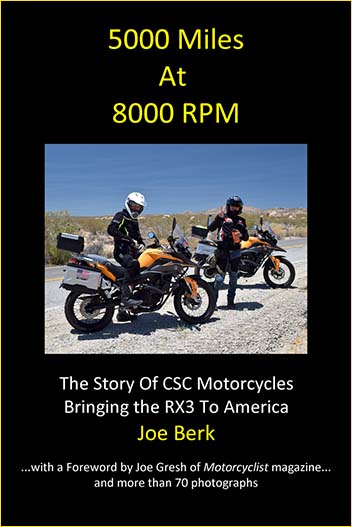
Zongshen came through on their promise, and we had a hell of an adventure.  We rode from southern California to Sturgis, cut across the country headed west to the Pacific Coast, and then followed the coast back down to So Cal.  It was a 5,000-mile ride we dubbed the Western America Adventure Ride.  Folks in the US who had purchased RX3 motorcycles joined us on portions of the ride.  It was where I first met Joe Gresh (Motorcyclist magazine sent Joe and he wrote a wonderful story).  The Western America Adventure Ride was a key part of our CSC marketing strategy and it worked.  You can read all about in 5000 Miles At 8000 RPM. Buy the book; don’t wait for the movie.

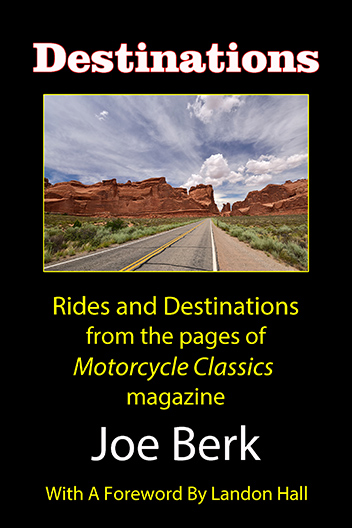
About those destinations: What Fan didn’t know when he asked if I had any suggestions was that I write the “Destinations” column for Motorcycle Classics magazine.  We did a book on that, too.  You should buy a copy.  If you buy a thousand copies, I’ll ride my Royal Enfield to your place and sign every one of them.


Earlier Phavorite Photos?  You bet!  Click on each to get their story.


Never miss an ExNotes blog…sign up here for free!

Live on Amazon!

A Cup O’ Joes is available now on Amazon.  Every bathroom in every motorcycle shop and every motorcyclist’s home needs this book.  They make great gifts.  Check out the blurb:

Joe Gresh and Joe Berk bring you a collection of their favorite articles and stories from the ExhaustNotes.us website, Motorcycle Classics magazine, Rider magazine, Motorcyclist magazine, ADVMoto magazine, and other publications.  Ride with the Joes in China, Colombia, Mexico, New Zealand, Canada, the former Soviet Union, and the United States.  Read their opinions on motorcycles, accessories, and more.  Humor, wit, insight, and great reading…this collection of motoliterature belongs in your library.  Published in black and white.

You could wait for the movie, but the movie deal fell through.  You know the story…I wanted Leonardo di Caprio to play me or Gresh, the studio countered with Danny DeVito, and things fell apart after that.

Seriously, though, you need this book.  It will make you taller, skinnier, more attractive, and a faster rider.  Trust us on this.


Never miss an ExNotes blog: