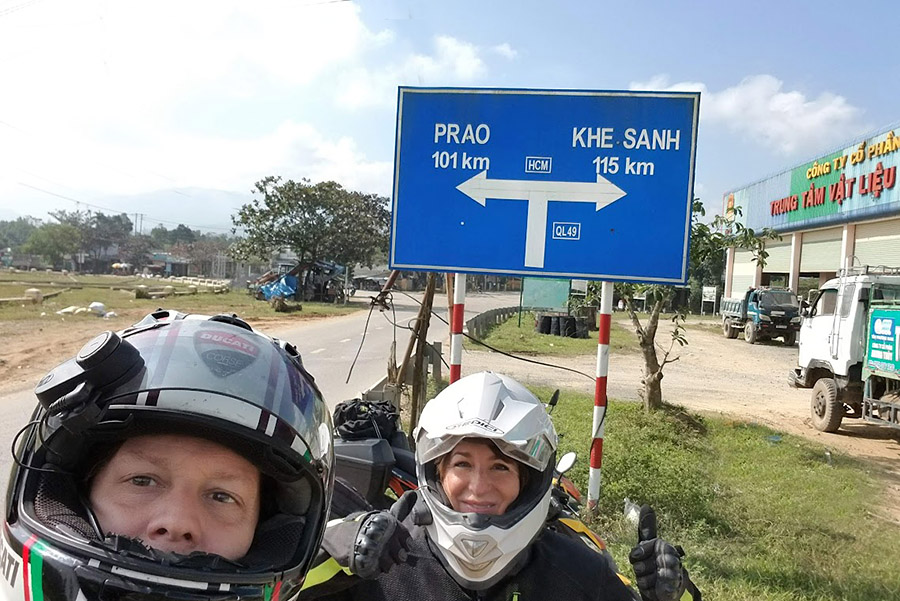
By Day 3 we were fully acclimated to the roads, food, and culture and it was now time to start taking on more challenging rides. The next day entailed leaving Hoi An to continue north to Hue for a couple days. Along the way we detoured to experience riding across the Hai Van Pass. According to locals this was one of the best motorcycle roads in the country if not all of Asia.
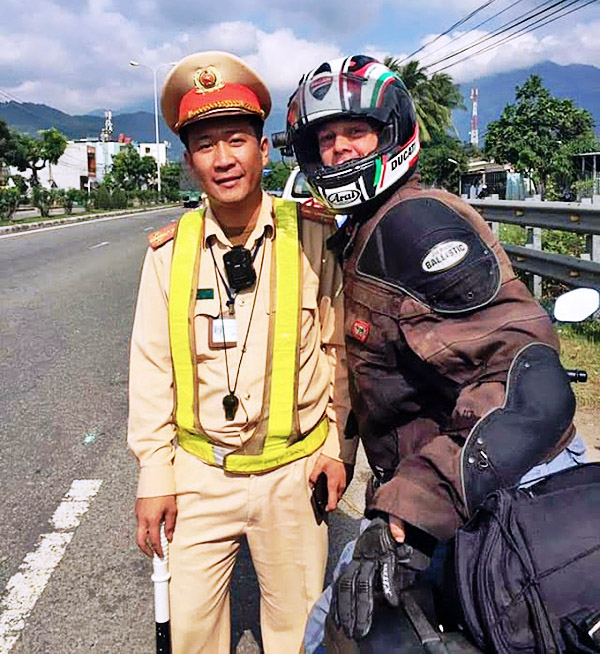
As we entered the Pass there was a police road stop and I was waved over instantly. “Ahhh, I’ve got this” I thought, thinking I would just play the dumb tourist and skate out of any ticket. Well…it half worked. As soon as I began performing my best “sad tourist, I don’t speak Vietnamese” act the officer pulled out his phone with Google Translator. “Shit,” I thought, this isn’t going to turn out too great. Within a couple minutes another officer was called over. “Dammit!” I now thought, this definitely isn’t how it is supposed to go down. It turns out I simply meandered into a lane that wasn’t designated for motos. The other reason was that the officers wanted to honk the pink horn attached to my moto and take some photos with me. That was pretty cool.
Once our introductions to the local authorities were wrapped up we continued to the base of the Hai Van Pass. By this time, we felt very comfortable in our abilities riding in Vietnam. It was just like riding a local road in the US: Leaning, feeling, and embracing each moment while blasting (blasting for a 150cc bike, by the way) into the corners while traversing the mountain passes. As soon as we gained our confidence in riding in this country, we received a big wake up call. This was in the form of trucks passing recklessly on blind corners. I labeled these trucks “Terminators” based on my experience driving Humvees near the DMZ in Korea. It didn’t take long before I took the lead and would shout over our Sena headsets to forewarn what was around the next turn: “Clear,” or in many cases “Get to the side of the road, NOW!”
After completing the Hoi An Pass, we hit a new alertness level. A rule of thumb became that around every corner expect a Terminator to be coming at you head on and always have a sure path of egress when (not if) they did. This stayed with us as our Hondas continued winding north to the Hoh Chi Minh Trail.
These cautionary actions didn’t mean we weren’t having fun. As we entered the city of Hue, I noticed the bike was riding quite rough as if the shock was just gone. It turns out that my showing off for the locals in traffic by performing wheelies and endos had caused the shock to go a bit sooner than anticipated and fluid was leaking out. It was time to find a repair shop as this wasn’t something that would be tolerable for another 900+ miles. Fortunately, Hue is a large city and while working with our rental company, Tigit, they quickly referred us to a local mechanic named Mr. Kim. As I explained the situation to him (I left out the wheelie part) I could hear all the mechanics honking the pink horn on my bike in the back. One thing about Vietnam: They get things done, and fast. Within two hours Mr. Kim had rebuilt the shock and “bike all fixed, Mr. Hooba, no more bouncy bouncy.” Upon arrival to pick up the bike I continued to hear the honking of my horn in the back of the shop prior to them rolling it out. The shock was repaired, and we could continue the ride with a few less wheelies along the way.
With another obstacle (self-induced) behind us we continued to Khe Sanh. Khe Sanh looks as though it hasn’t changed one bit since the war. Gray concrete buildings line the streets, the smell of smoke from trash burning hung in the air, there were very few shops, and there were even fewer people along the main street through the center of town. To add to this gloomy scenario, it was a dark cloudy day, and we were freezing from the ride. The hotel we stayed in even had a chill that refused to leave and stayed with us all evening. I began thinking about the soldiers that fought here 50 years ago and what their opinion of this town was, both then and now. Our night was short and after eating a warm bowl of pho we returned to the hotel. We planned a longer ride the next day, and we wanted to be fully rested as we wandered deeper into this country of never-ending adventure.
Please click on the popup ads!
Never miss an ExNotes blog:
If you missed Parts 1, 2, and 3 of the Vietnam ride, here they are:
We’re introducing something new here on ExNotes. We publish new content every other day (sometimes more often, sometimes less often, but we’ve been pretty good about bringing you new stuff). But what about the days we don’t publish? We’ve published about 1200 blogs in the last four years, and a lot of them received super responses. So, on the in between days when when we don’t publish new material, we’re going to select some of our favorites from the past. This is the first. Every one of these reruns we’ll be preceded by The Wayback Machine in the title.
Enjoy, my friends. And don’t forget:
Click on the popup ads!
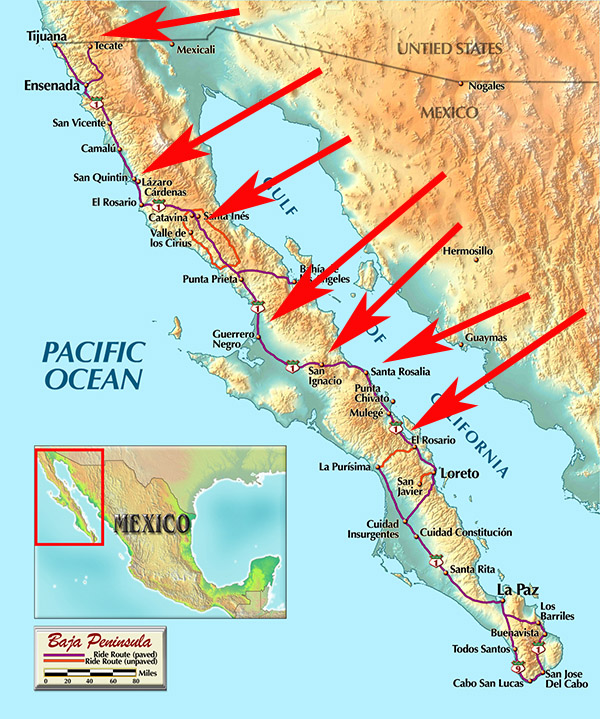
Baja is a motorcycling paradise and I have a bunch of favorite destinations there. Seven of them, to be precise, although truth be told, I like everything in Baja except for Tijuana and maybe La Paz and Loreto. That said, my favorites are:
Tecate
San Quintin
Cataviña
Guerrero Negro
San Ignacio
Santa Rosalia
Concepcion Bay
Here’s where they are on a map:
So what’s so great about these places? Read on, my friends.
Tecate
Tecate is the gateway to the middle of northern Baja, and it’s the easiest point of entry. Both Tijuana and Mexicali are too big and too complicated, and the Mexican Customs guys are too official in those bigger cities. Tecate is a friendly place. The last time I picked up a tourist visa in Tecate, the Customs officer tried to sell me salsa he and his family made as a side gig. That’s what the place is like. I love it.
If you’re into fine dining (not as in expensive dining, but just great food), it’s hard to go wrong anywhere in Baja. Tecate has some of the best, from street taco vendors to Malinalli’s to Amore’s. I could spend a week just in Tecate. It’s that good.
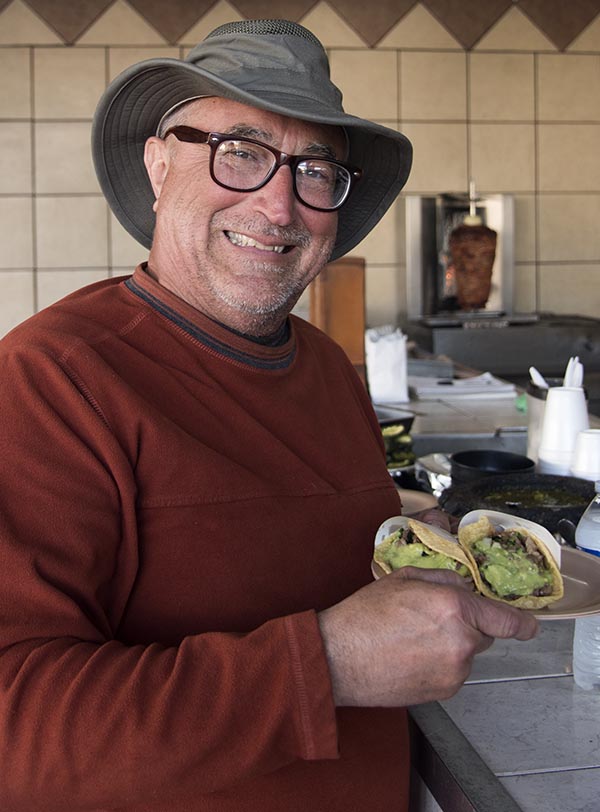
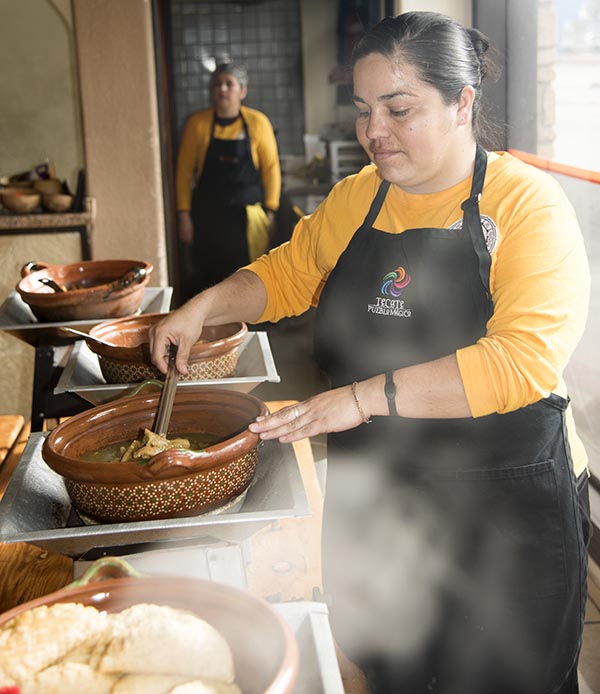
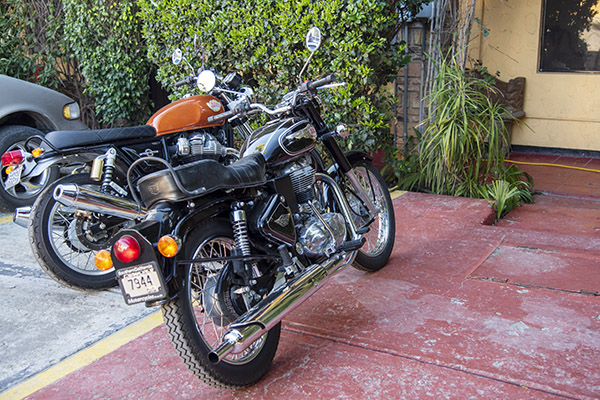
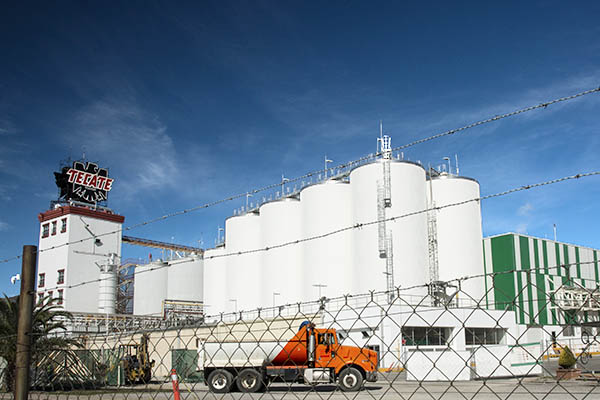
Uncle Joe Gresh with street tacos in Tecate. Wow, were they ever good.The buffet at Malinalli’s is regional, awesome, and inexpensive. It’s a hidden treasure.Dos Joes’ motos on an Enfield expedition that took us through Tecate.The Tecate brewery dominate the Tecate skyline and is visible from just about anywhere in town. A can of ice cold Tecate with sea salt around the rim and a bit of lime juice…life doesn’t get any better.
San Quintin
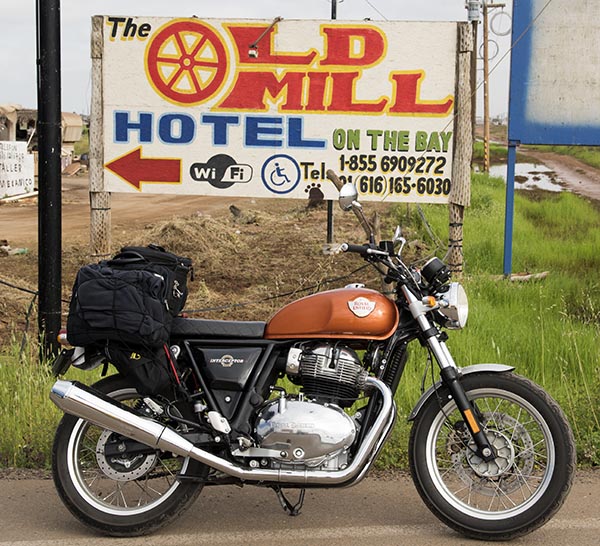
San Quintin is 186.4 miles south of the border on Baja’s Pacific coast. It’s usually a quiet ag town that has a lot of things going for it, including interesting hotels, good food, and Bahia San Quintin. The Old Mill hotel and its associated restaurant, Eucalipto, is my personal favorite. The hotel is about 4 miles west of the Transpeninsular Highway, and what used to be a harrowing soft sand ride to it is now easy peasy…the road is paved and riding there is no longer a test of your soft sand riding skills. The Eucalipto restaurant is second to none.
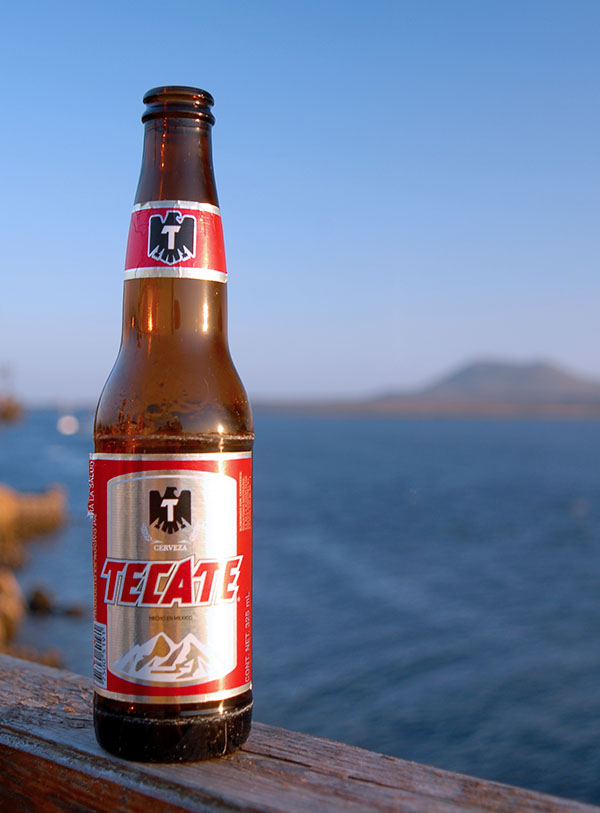
What could be better than an ice cold Tecate overlooking Bahia San Quintin after a day’s riding in Baja? We once saw a California gray whale from this very spot.
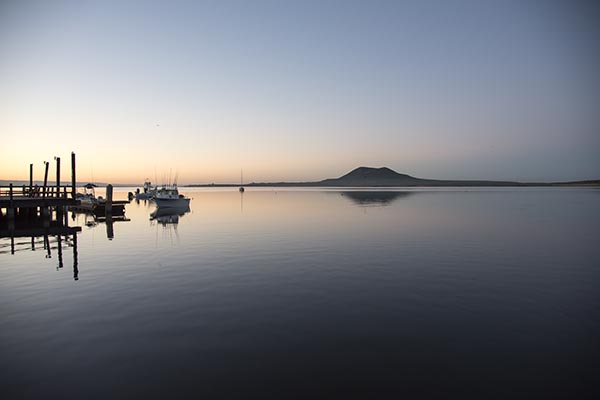
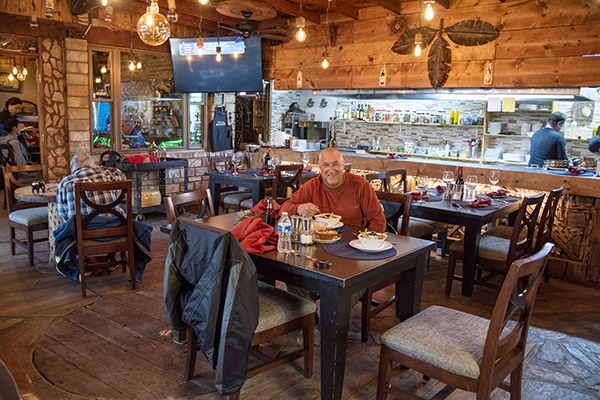
A man, a motorcycle, and Mexico….the sign on the Transpenisular Highway pointing toward Bahia San Quintin and the Old Mill Hotel. The bike? That’s the 650cc Royal Enfield, perfect for riding Baja. But then just about any motorcycle is perfect for riding Baja.Bahia San Quintin at dawn. It’s an awesome spot.Uncle Joe enjoying breakfast in the Old Mill’s Eucalipto. It is an exquisite restaurant.
You’ll notice at the top of my scribblings about San Quintin I said it is usually a quiet town. The one exception for us was when there was a labor riot and we were caught in it. The Mexican infantryman about 80 miles north of San Quintin told me the road was closed, but his English matched my Spanish (neither are worth a caca), and without me understanding what I was riding into, he let me proceed. It’s not an experience I would care to repeat. But it’s the only event of its type I ever experienced in Old Mexico, and I’d go back in a heartbeat.
The Cataviña Boulder Fields
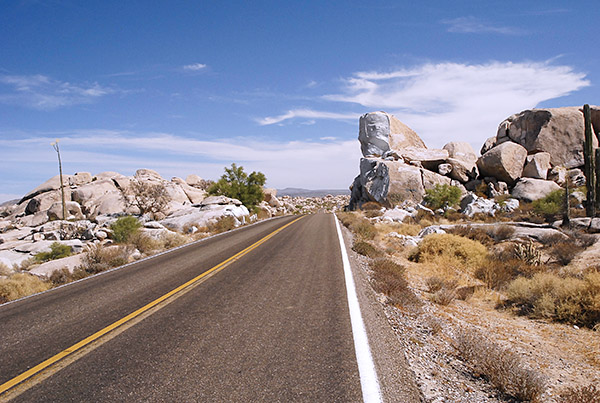
Ah, Cataviña. Rolling down the Transpeninsular Highway, about 15 miles before you hit the wide spot in the road that is Cataviña you enter the boulder fields. Other-worldly is not too strong a description, and if the place wasn’t so far south of the border it would probably be used more often by Hollywood in visits to other planets. The boulders are nearly white, they are huge, and the juxtaposition of their bulk with the bright blue sky punctuated by Cardon cactus.
Pastel geology. The area really is as beautiful as the photos depict it to be.
I get a funny feeling every time I enter this part of Baja. Not funny as in bad, but funny as in I feel like I’m where I belong. I once rolled through this region in the early morning hours with my daughter and she told me “you know, it’s weird, Dad. I feel like I’m home.” She understood (as in completely understood) the magic that is Baja.
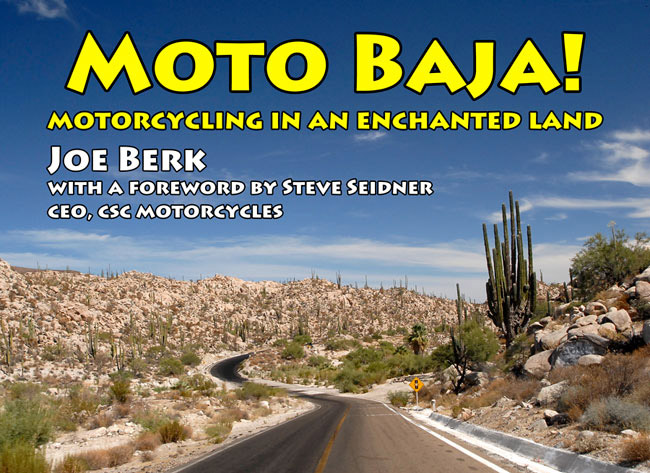
I like the area and its stark scenery so much that one of my photos became the cover of Moto Baja! I grabbed that shot from the saddle at about 30 mph on a CSC 150 Mustang replica, which I subsequently rode all the way down to Cabo San Lucas (that story is here).
You should buy a copy or three. They make great gifts.
Every time I roll through Cataviña with other riders, the dinner conversation invariably turns to how the boulders formed. When I was teaching at Cal Poly Pomona, I asked one of my colleagues in the Geology Department. He know the area as soon as I mentioned it. The answer? Wind erosion.
Guerrero Negro
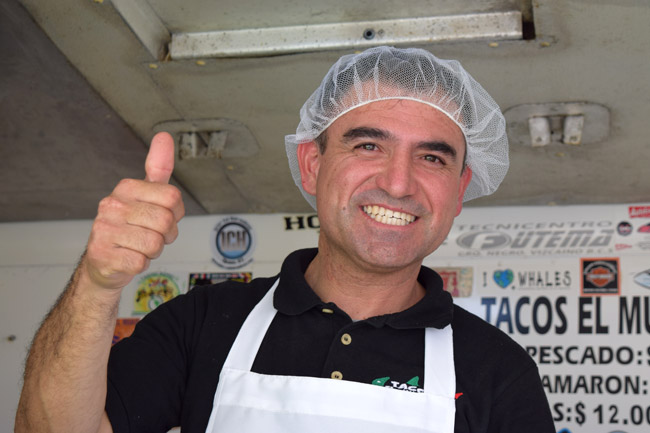
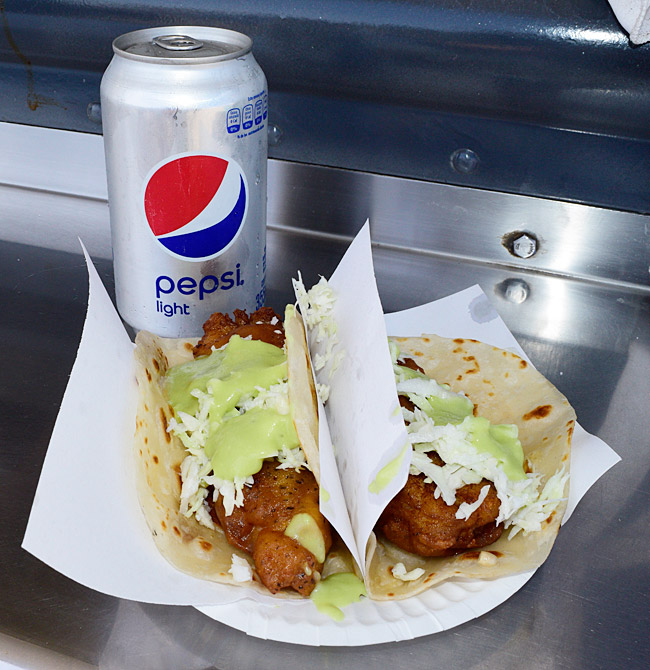
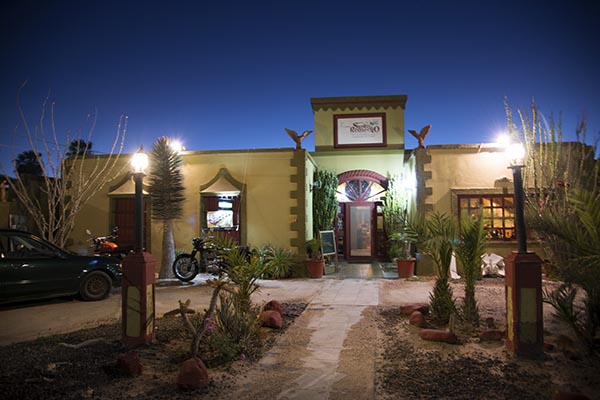
The Black Warrior. The town is named after a ship that went down just off its coast. It’s a salt mining town exactly halfway down the peninsula, and it’s your ticket in for whale watching and the best fish tacos in Baja (and that’s saying something). I’ve had a lot of great times in Guerrero Negro. It’s about 500 miles south of the border. You can see the giant steel eagle marking the 28th Parallel (the line separating Baja from Baja Sur) a good 20 miles out, and from there, it’s a right turn for the three mile ride west into town. Malarrimo’s is the best known hotel and whale watching tour, but there are several are they are all equally good. It you can’t get a room at Malarrimo’s, try the Hotel Don Gus.
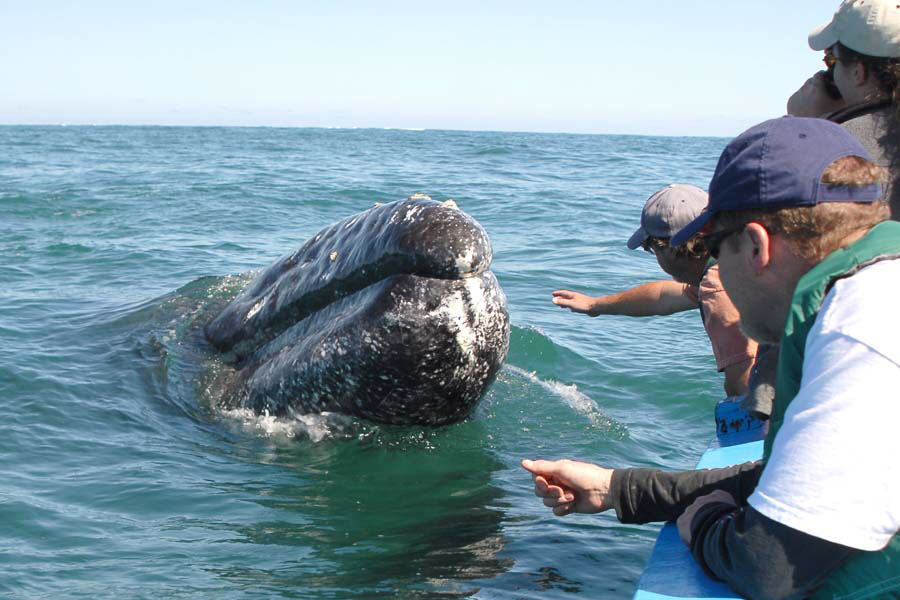
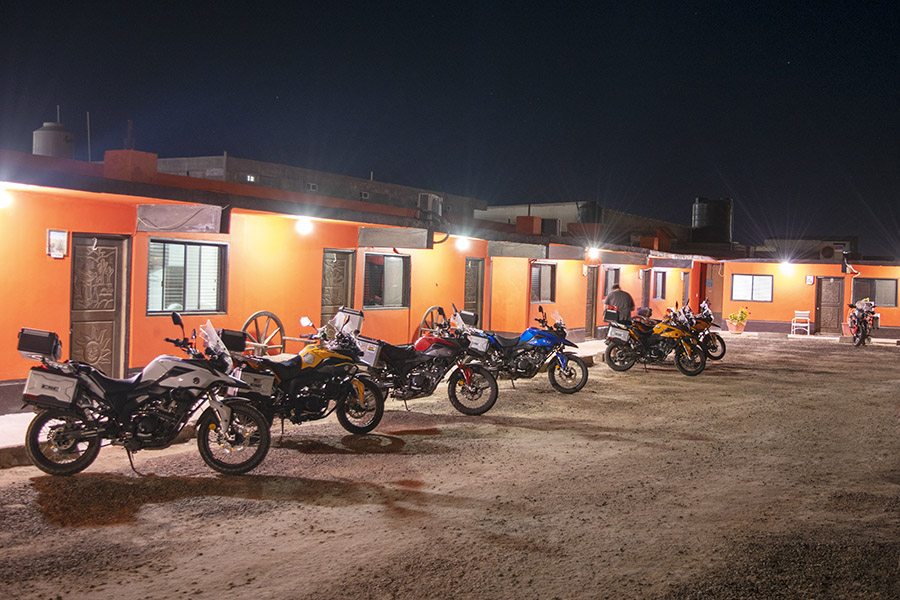
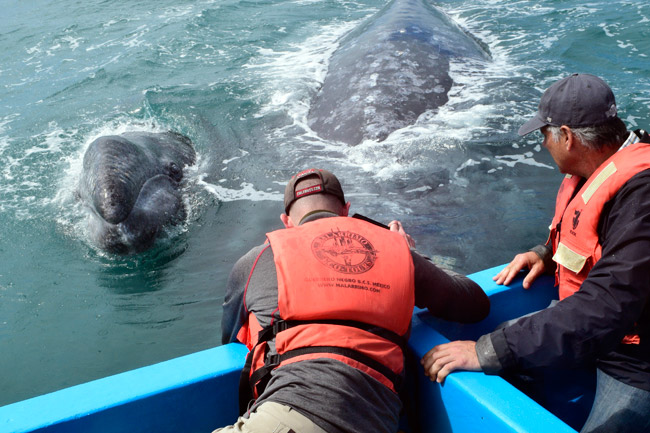
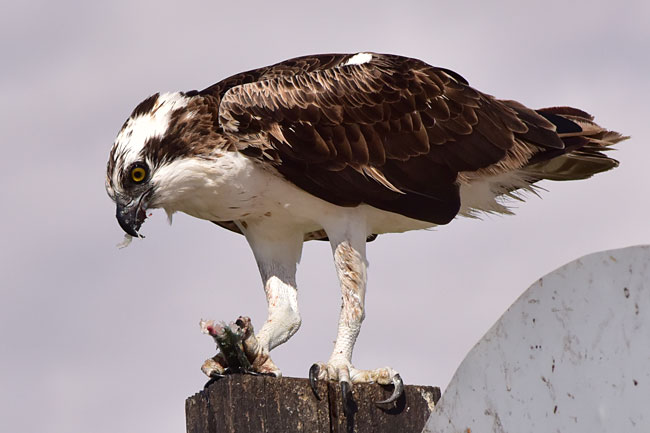
CSC RX3 motorcycles at the Hotel Don Gus. We used to do annual Baja tours with CSC…those were fun times and great trips, and introduced a lot of folks to the beauty of Baja.What it’s all about…getting up close and personal with the California gray whales. They are in town from January through March.Tony, taco chef extraordinaire. You might think I’m exaggerating. I’m not.It’s worth the 500-miles trek to Guerrero Negro just to savor Tony’s fish tacos. You might think I’m exaggerating. But like I said above…I’m not.Man does not live by fish tacos alone, so for breakfast or dinner, it’s either the restaurant at Malaririmo’s or the San Remedio, a block north of the main drag into town. You won’t be disappointed at either.Sue’s photo of a Guerrero Negro osprey enjoying some sushi.
After you leave Guerrero Negro and continue south, the Transpeninsular Highway turns southeast to take you diagonally across the Baja peninsula. About 70 miles down the road (which is about half the distance to the eastern shores of Baja and the Sea of Cortez along Mexico Highway 1) you’ll see the turn for San Ignacio. It’s another one of Baja’s gems.
San Ignacio
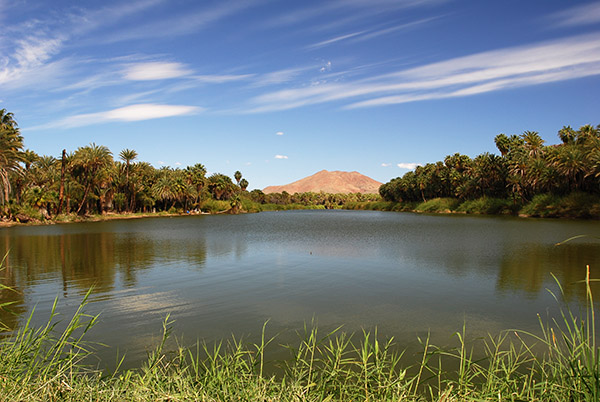
San Ignacio is an oasis in the middle of the desert that forms much of Baja. The Jesuits introduced date farming to the region hundreds of years ago, and it’s still here in a big way. Leave Guerrero Negro, head southeast on Mexico Highway 1, and 70 miles later you run into a Mexican Army checkpoint, a series of switchbacks through a lava field, and when you see the date palms, turn right.
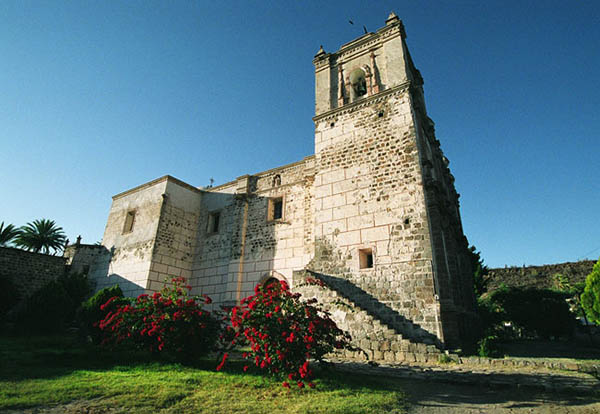
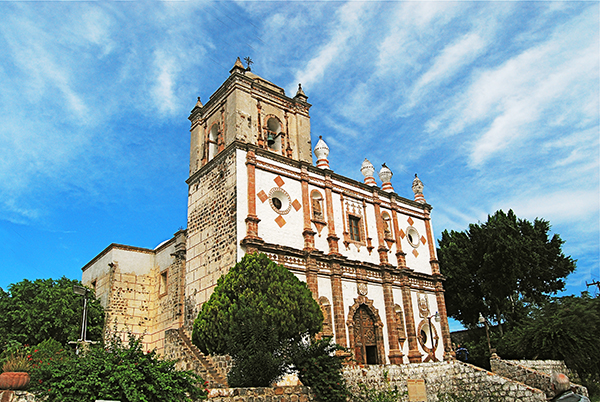
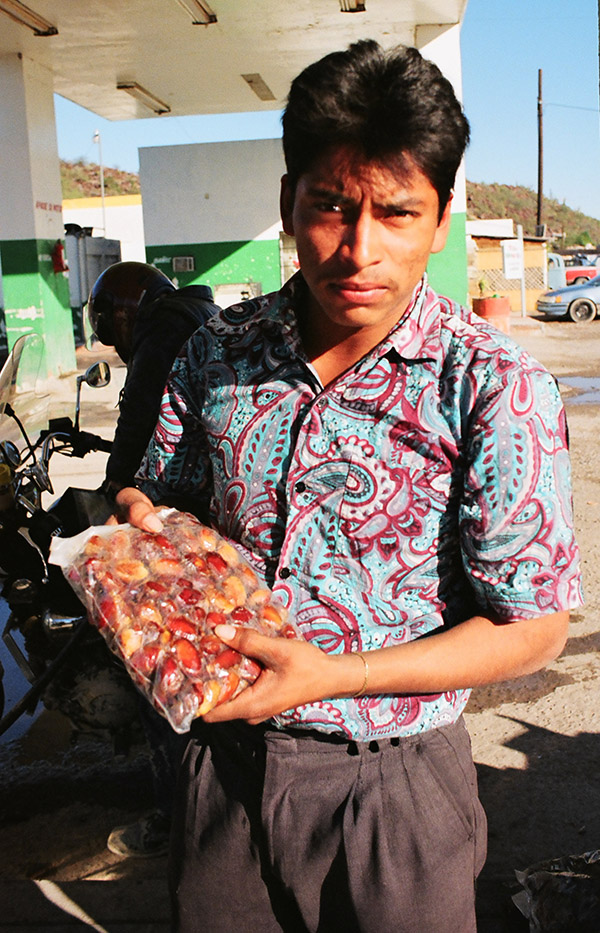
An oasis is usually formed by a volcano, and when a volcano is done discussing politics, it forms a lake. That’s the San Ignacio volcano and its lake, visible on the left as you ride into town.The San Ignacio church, built as a mission in the 1700s, dominates the center of San Ignacio. It’s a beautiful spot, one of the most photogenic in all of Baja.Another photo of the San Ignacio Mission. You’ll want to grab some photos in San Ignacio.Dates? Nope, not on that trip, but dates are one of the things San Ignacio is known for. I’ll bet they are delicious.
San Ignacio has a town square that’s right out of central casting, there’s a little restaurant that serves the best chile rellenos in all of Mexico (I’m not exaggerating), and the place just has a laid back, relaxing feel about it.
Santa Rosalia
You know, this town is another one of Baja’s best kept secrets. As you travel south on Highway 1, San Ignacio is the first town you encounter after traveling diagonally across the peninsula. Folks dismiss it because it’s an industrial town, but they do so in ignorance. There’s a lot of cool stuff in this place.
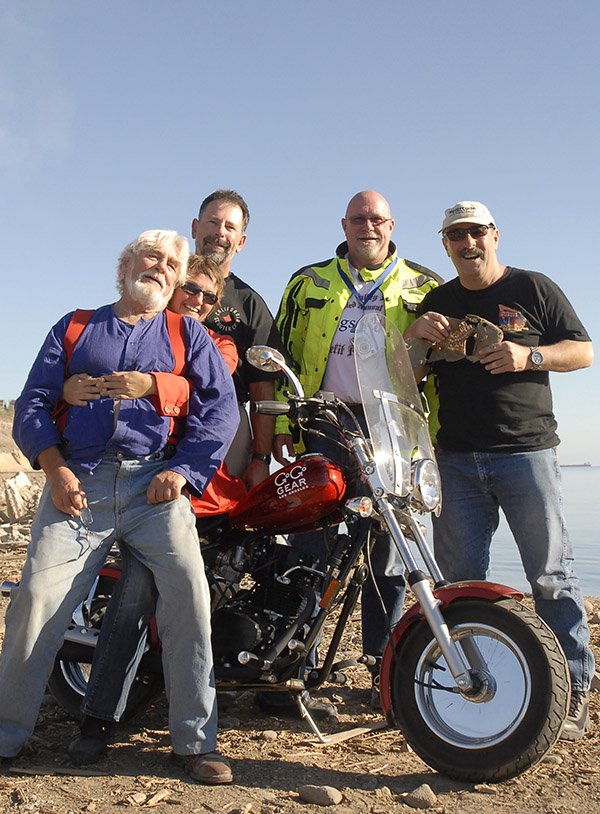
The ride into Santa Rosalia a few years ago with novelist Simon Gandolfi, Arlene Battishill, J Brandon, John Welker, and yours truly. That’s a dead fish I’m holding. We did a round trip to Cabo San Lucas on 150cc Mustang replicas, just to say that we could.
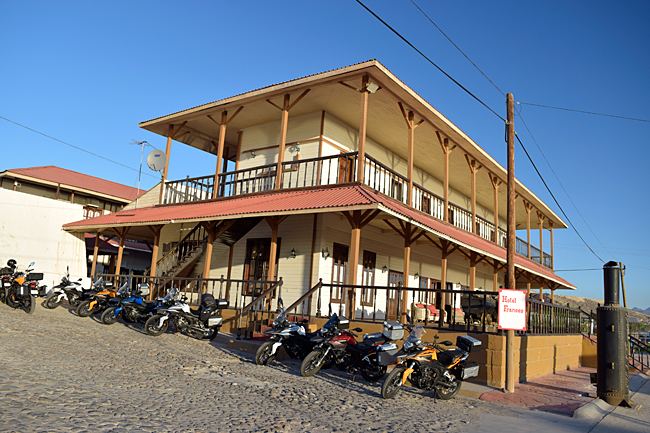
One of the things that’s unique about Santa Rosalia is the all-wooden architecture. The town was originally built by a French mining company (Boleo) and they built it they way they did in France. Like the Hotel Frances, which sits high on a mesa overlooking the town and the Sea of Cortez. I love staying there.
The Hotel Frances. It used to be a brothel.
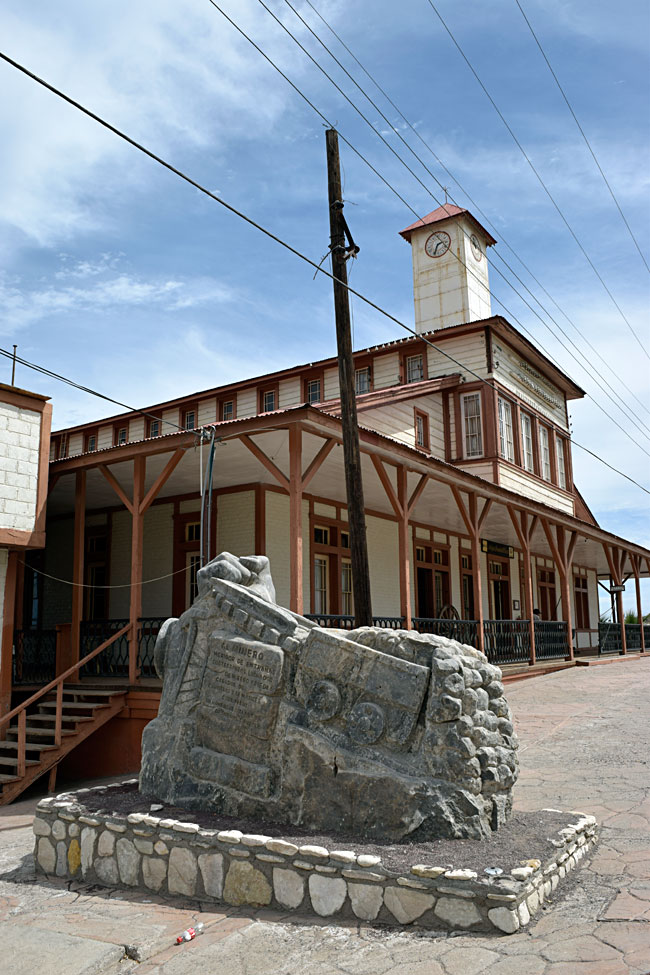
There’s a cool mining musuem a block or two away from the Frances, and it’s worth a visit, too.
The mining museum in Santa Rosalia.
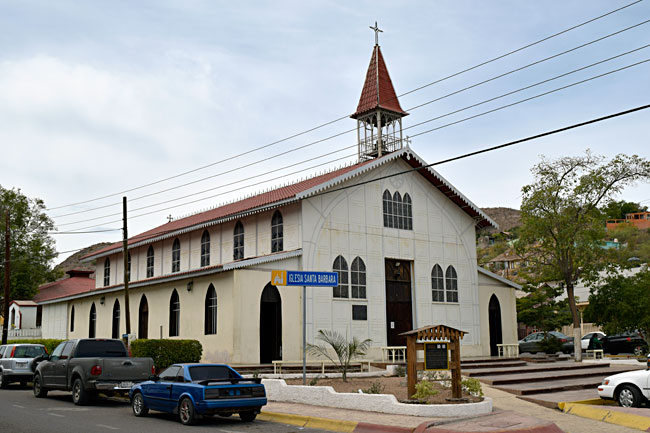
There are many cool things in Santa Rosalia, and one of the best is the Georg Eiffel church. It was designed by the same guy guy who did the Eiffel town.
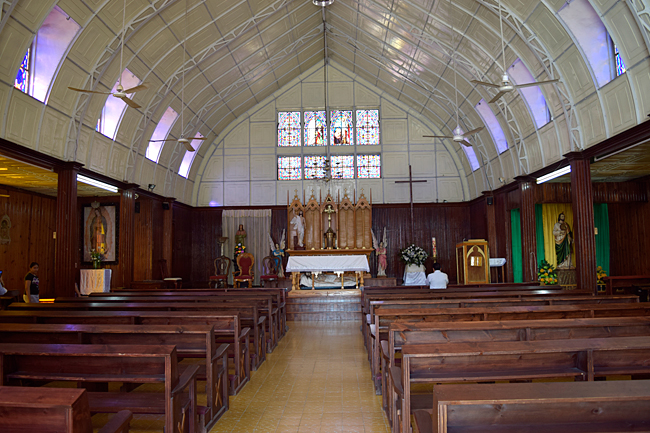
Santa Rosalia’s church. It’s an unexpected delight. And I’m not even Catholic.Inside Santa Rosalia’s Georg Eiffel church.Stained glass. Photos ops abound in Santa Rosalia.
I’ve heard people dismiss Santa Rosalia as a gritty, industrial place not worth a stop. Trust me on this: They’re wrong. It’s one of my favorite Baja spots.
Bahía Concepción
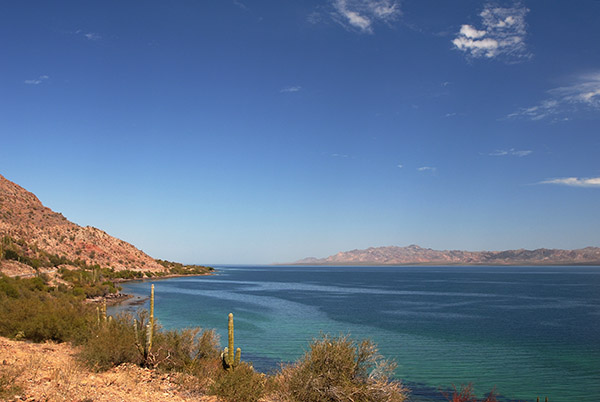
Concepción Bay is easily the most scenic spot in Baja. It’s just south of Mulege (another delightful little town, and the subject of an upcoming ExNotes blog). Bahía Concepción runs for maybe 20 miles along the eastern edge of the Baja peninsula. I’ve seen whales from the highway while riding along its edge, the beaches are magnificent, and the photo ops just don’t stop. The contrast between the mountains and Cardon cactus on one side and the pelicans diving into bright green water is view from the saddle you won’t soon forget.
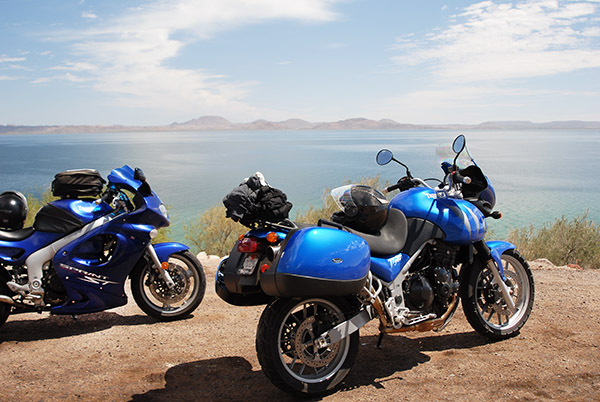
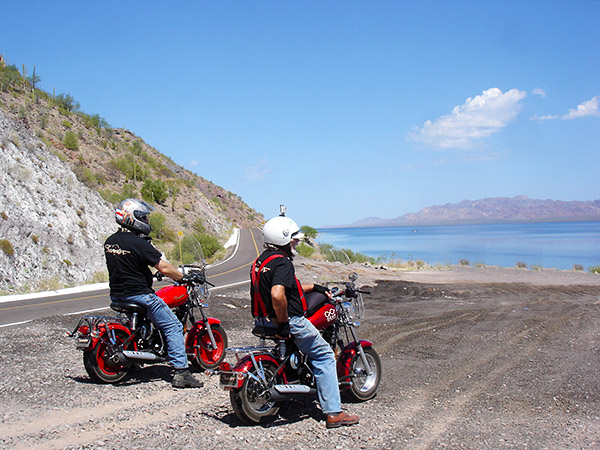
On one of many rides along Bahía Concepción, good buddy Joe Lee and yours truly rode our Triumph Triples. This is a favorite shot of mine.Besides “wow,” what can I say?World-famous novelist and motorcycle adventurer Simon Gandolfi andn yours truly on 150cc scooters. We were on our way back from Cabo San Lucas when we stopped for this Bahía Concepción photo. Hardtail 150cc scooters. Up and down the length of Baja. I think about that ride every time I see a GS parked at a Starbuck’s.
So there you have it: My take on seven favorite spots in Baja? How about you? Do you have any favorite Baja destinations? Let us know here in the comments sction!
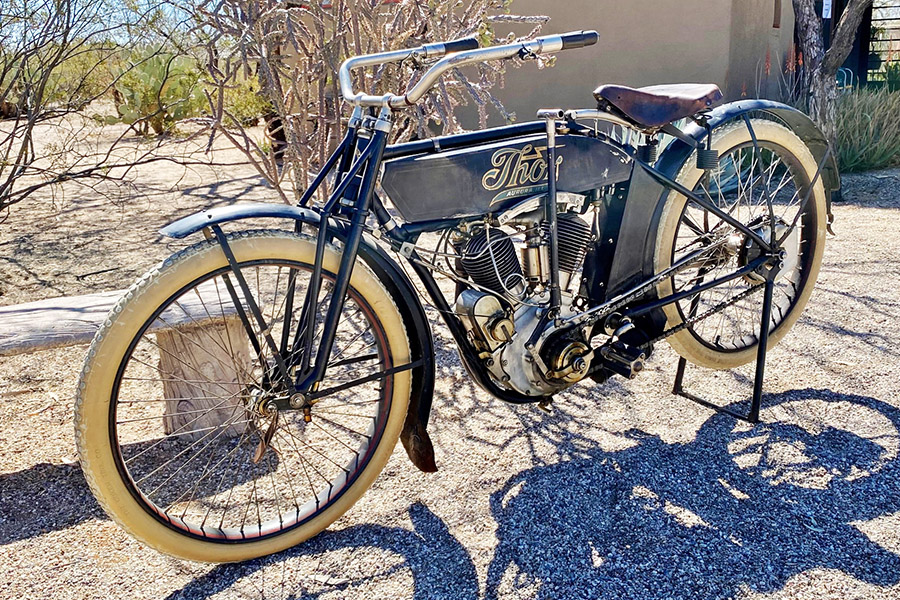
That motorcycle you see in the photo above is a 1913 Thor. It’s not been restored; the paint is original, as are the tires (and they still hold air). You don’t see something like that every day, and it’s something I didn’t even know was there. “There” being the Franklin Automobile Museum in Tucson, Arizona, a hidden gem in every sense of the word (more on that in a second).
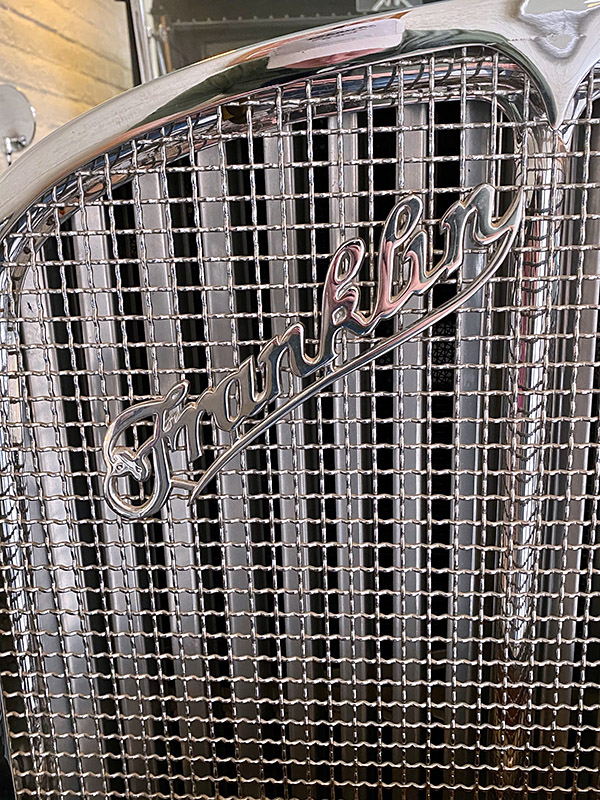
A Franklin grill. These are majestic automobiles.
Never heard of the Franklin automobile? Don’t feel bad; I hadn’t, either. In checking out what museums were in the Tucson area, we found the Franklin Automobile Museum with an Internet search. The Franklin Automobile Museum has been called Tucson’s best kept secret. I believe it. I’ve been to Tucson many times and, as I said above, I had never heard of it.
Franklins were luxury cars, competitors to Cadillacs and other high end automobiles before the Great Depression. A Ford Model A in those days might cost $600. Most Franklins cost about $3,000; some went as high as $6,500.
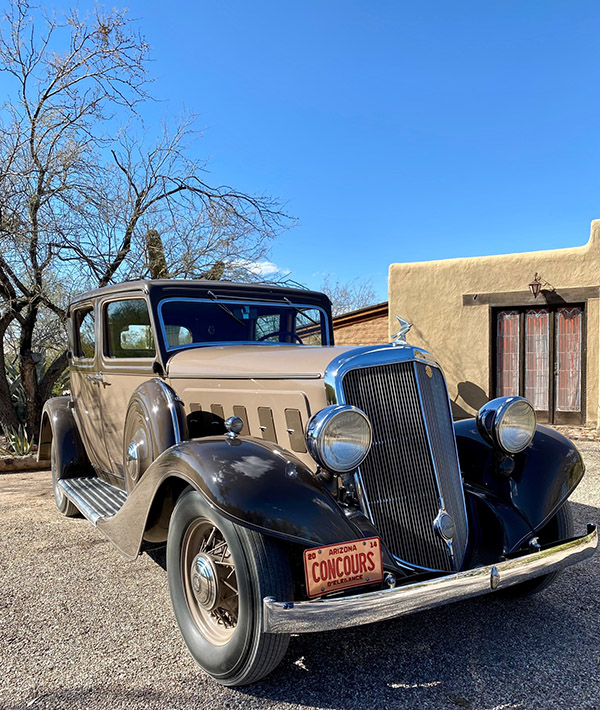
A 1934 Franklin 19-B Club Sedan. This automobile has a 274-cubic-inch factory supercharged air-cooled straight six engine.
The first Franklin was designed by John Wilkinson in 1900. An industrialist named Herbert H. Franklin manufactured the cars, and the car was named accordingly. Franklins featured air cooled engines (initially four cylinder engines, but as the company grew, so did the cars and their engines…all the way up to a V-12, and yes, even the V-12 engines were air cooled). The cars were manufactured in Syracuse, New York. Franklin built approximately 153,000 cars from 1902 to 1934, and then the firm closed its doors, a victim of the Great Depression.
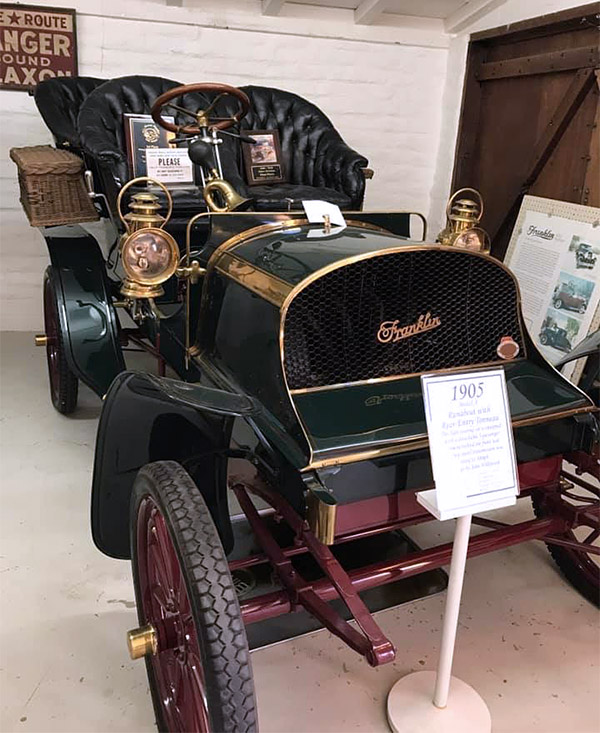
An early 1905 Franklin Model A Runabout. The car has a transversely mounted air cooled inline four cylinder engine.
The H.H. Franklin Club, founded in 1951, aimed to preserve the legacy of these automobiles. Approximately 3700 Franklins survive.
The Franklin Automobile Museum came to be as a result of the late Thomas Hubbard, a Tucson businessman. Hubbard was born in New York but raised by his aunt and in Tucson. Hubbard’s parents owned a Franklin. They visited Thomas in Tucson every year, driving the Franklin from New York to Arizona. Hubbard was impressed by his parent’s annual road trips, and he bought his first Franklin in 1953. It was the first of many. Hubbard opened the Franklin Automobile Museum in Tucson in 1962.
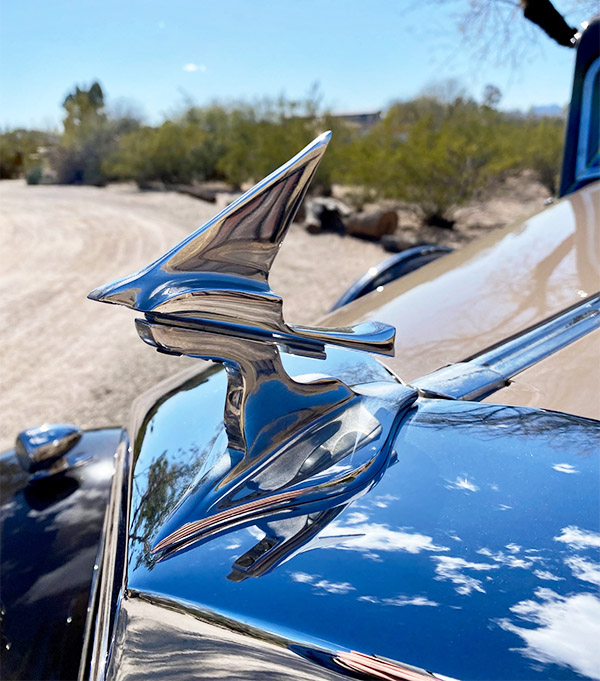
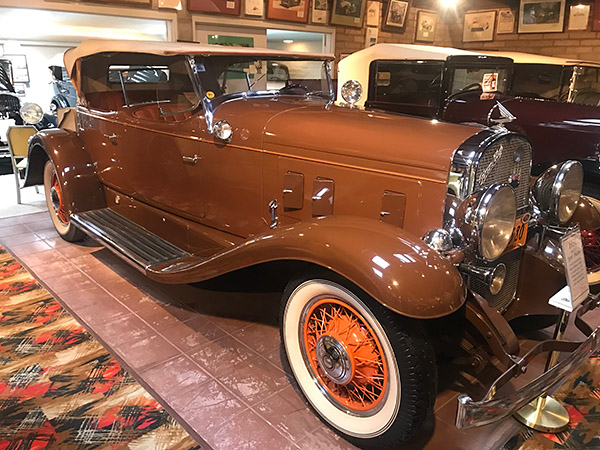
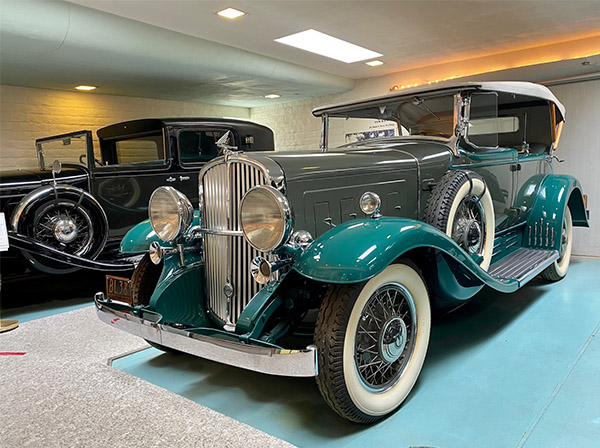
The distinctive Franklin hood ornament.A 1931 Franklin 153 DeLuxe Phaeton, with a custom body by the Merrimac Body Company. This Franklin has the 274 cubic inch air cooled straight six engine. This car’s original price was $6,500, a heady sum in 1931!A 1932 Franklin Series 16 Pursuit Phaeton, with the original factory body style and colors. This car has the same 274 cubic inch straight six air cooled engine. It was the first year of the synchronized transmission.
The Franklin Museum is tucked away in northeast Tucson’s Richland Heights area at 1405 East Kleindale Road. It’s not a place you would just stumble on to or notice from the street. If you use a nav system to find your way to the address (a highly recommended to get there), don’t be surprised when you enter the neighborhood: Even though the Museum is in a major American city, the roads in this area are dirt. And even though the address is on East Kleindale, the Museum entrance is on Vine (just around the corner).
The Franklin Automobile Museum is open mid-October to Memorial Day, Wednesday through Saturday, 10 a.m. to 4 p.m. Admission is $12, with discounts available for senior citizens and students. I’d give the place two thumbs up, and that’s only because I don’t have three thumbs. It’s well worth a visit.
A special thanks for Tony Warren of the Franklin Automobile Museum for the photos you see here.
Help keep us publishing: Click on those pop up ads!
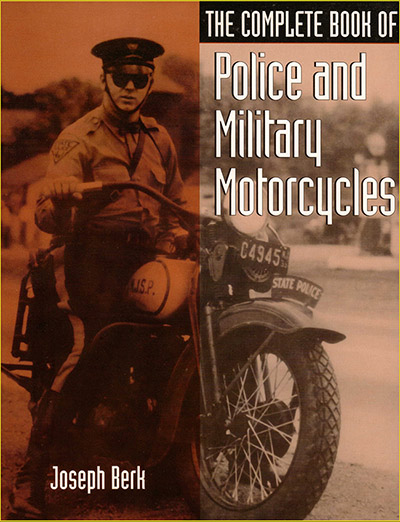
You’ve read about good buddy Jerry, his vintage Honda 305 Scrambler, and his Dad’s service as a New Jersey State Trooper motor officer. A photo of Gerry’s father, Ralph Dowgin, graces the cover of The Complete Book of Police and Military Motorcycles.
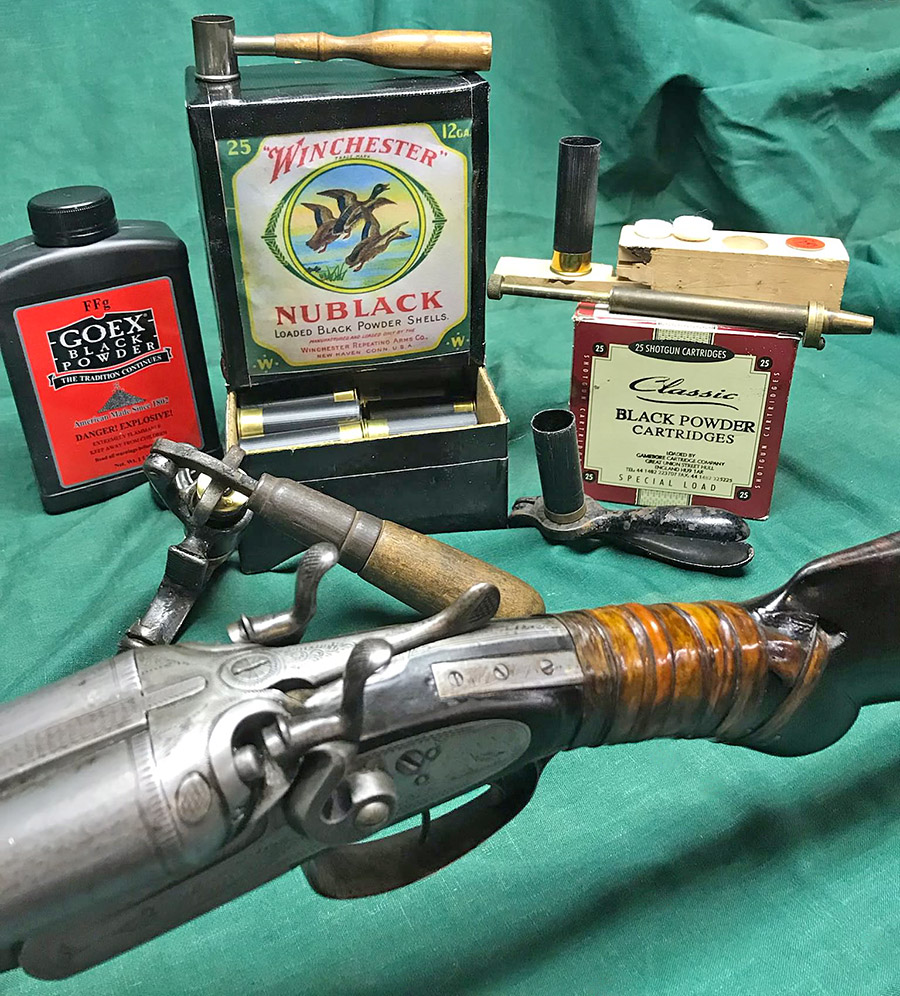
Not surprisingly, and in keeping with the ExhaustNotes’ theme (i.e., that folks who play with motorcycles are frequently interested in firearms, photography, watches, and other shared interests), Jerry sent a note to me recently about his restoration of a vintage shotgun. It’s the one you see at the top of this blog. Here’s Jerry’s description.
I restored my grandfather’s pre 1900 12 gauge Damascus double-trigger black powder shotgun. I researched how to load black powder shells for it, bought the loading equipment, made some of it myself and made the reproduction shotgun boxes from that period.
Using 70 grains of powder and No. 6 shot I hit 2/3 of the clay birds. Not bad for someone who only shoots clays every couple of years! I have since then loaded a box of buck shot.
Black powder fires at 10,000 fps vs modern powder that fires at 100,000 fps or so I read.
My grandfather fed 8 children on his 50-acre farm and I am sure his shotgun helped do it. The only things he bought in the store were sugar, salt, flour, and tobacco. Everything else he and Grandma made!
I did not find anyone else loading black powder shotgun shells in the literature.
Grandpop’s shotgun has silver inlays and rawhide wrapping on the pistol grip because grandpop’s oldest son John borrowed the gun and accidentally broke the pistol grip. Instead of just bringing it home broken and saying sorry, Pop, he brought it to a jeweler who inlaid the silver inlays to strengthen the pistol grip part of the stock and wrapped it in rawhide. That corrective remedy is how all future Dowgin children should behave when they break items of their parents. Thank you Uncle John for being a great role model.
Jerry, that’s awesome. The shotgun story is interesting; your efforts in recreating black powder shotgun ammo (including the box it came in) is downright fascinating. Good shooting, and I’m looking forward to seeing you next month!
I used to work in the recreational vehicle industry. I ran a plant for Johnnie Crean at Alfa Leisure a couple of decades ago making See Ya motor homes (I’ve written about that before), and I consulted with Thor Industries on their travel trailers and Zieman on their trailers. It’s a fun business, although it was quite a bit different than the mostly aerospace work I had done up to that time. In the aerospace business, tolerances are thousandths of an inch, and if something is nonconforming (even if off by only a thousandth), it is rejected. In the RV business, tolerances are huge (usually denoted in fractions like ±1/8 or ±1/4 inch), and if the tolerances aren’t met, corrective action involves finding a bigger hammer.
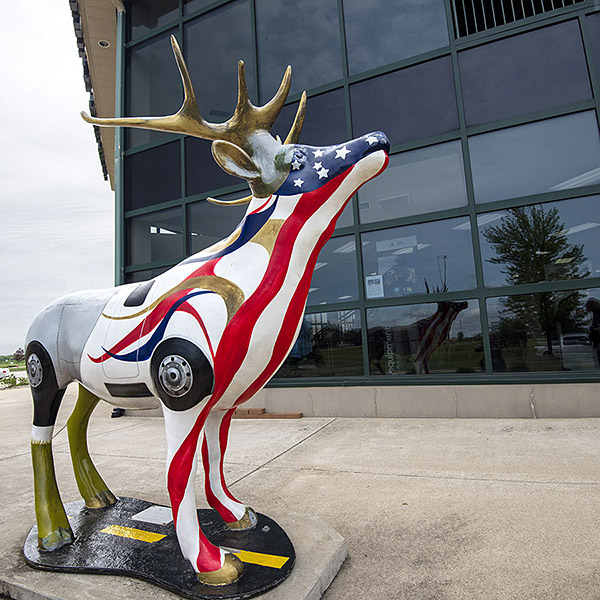
You see a lot of elk statues in Elkhart. The RV and Motor Home Museum and Hall of Fame has one.
I loved making RVs and I loved working for Johnnie Crean. The guy is the most creative person I’ve ever known, and his ability to find simple solutions to complicated problems always impressed me. Johnnie came from RV royalty: His father was John Crean, the self-made billionaire who founded Fleetwood. I met Johnnie’s father a couple of times. He was a cool and unassuming guy. When Johnnie finished college, he went to work for his dad at Fleetwood and realized after a couple of weeks he could start his own RV company, and that’s what he did. I worked for Johnnie at Alfa Leisure and I ran the motor home plant.
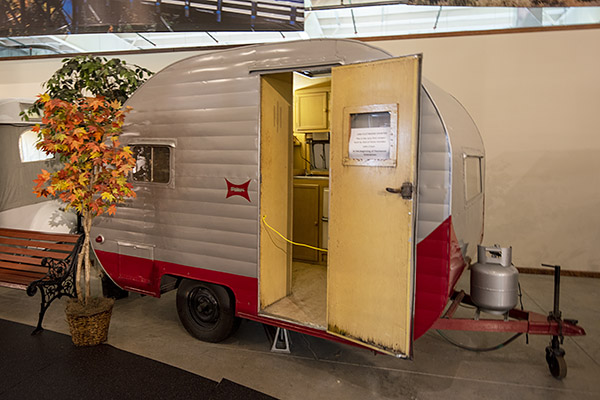
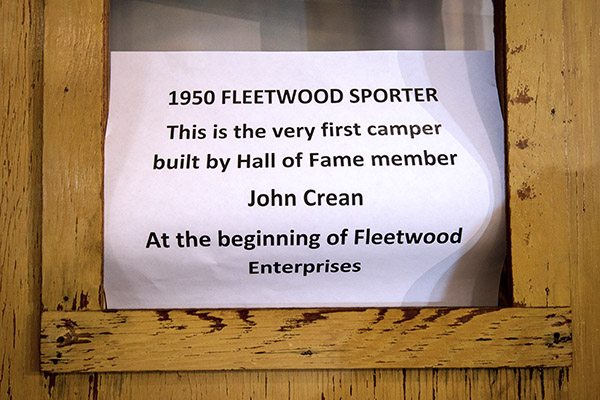
Anyway, I’m getting off topic, which is the RV and Motor Home Museum and Hall of Fame in Elkhart, Indiana. It was a fun visit and not surprisingly, John Crean’s name appeared more than a few times. Check out the little travel trailer in the photo below.
A 1950 Fleetwood travel trailer. This one has quite a pedigree.The very first. This is pretty cool.
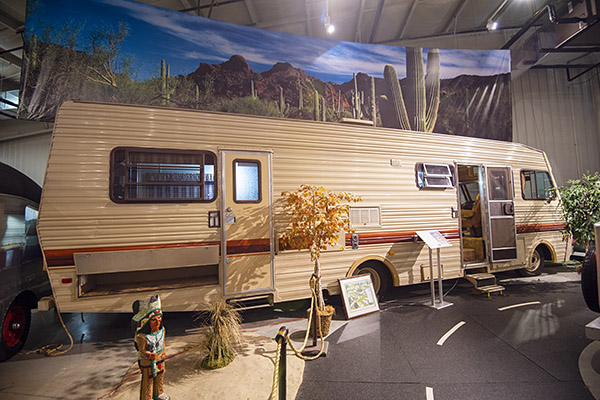
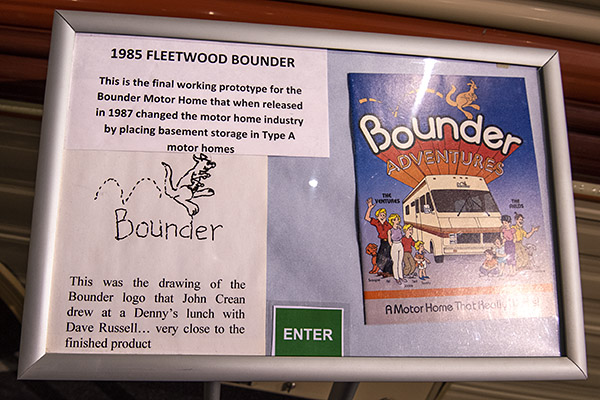
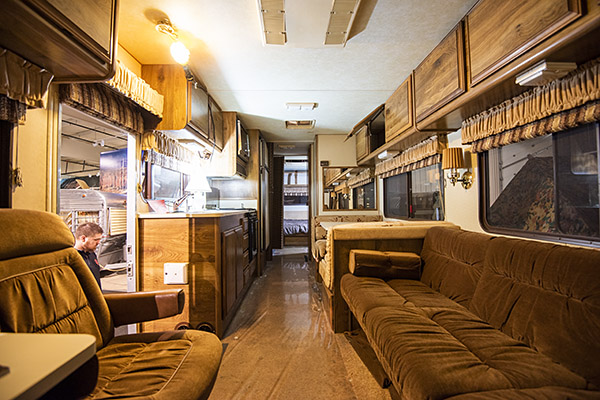
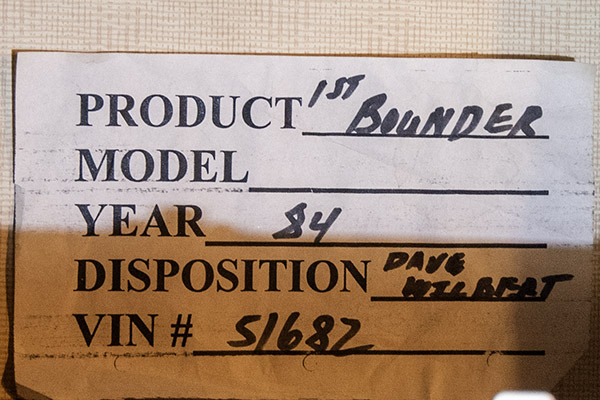
The RV/MH Hall of Fame also included the very first Bounder, another John Crean design that set a new standard in the RV business.
The first Fleetwood Bounder.John Crean drew the Bounder logo on a napkin in a Denny’s restaurant. It’s a cool story. It’s one of the concepts that made him a billionaire.The Bounder interior.The very first one.
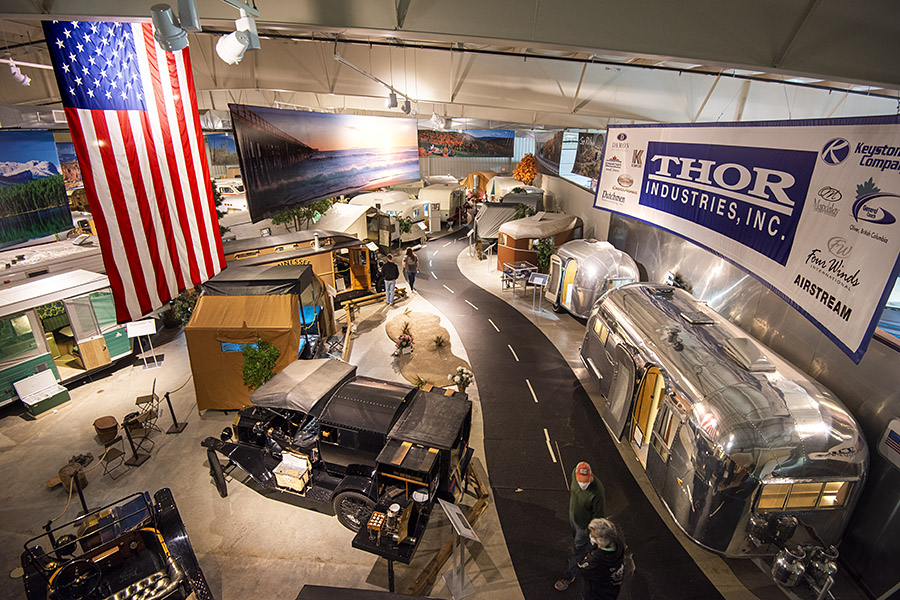
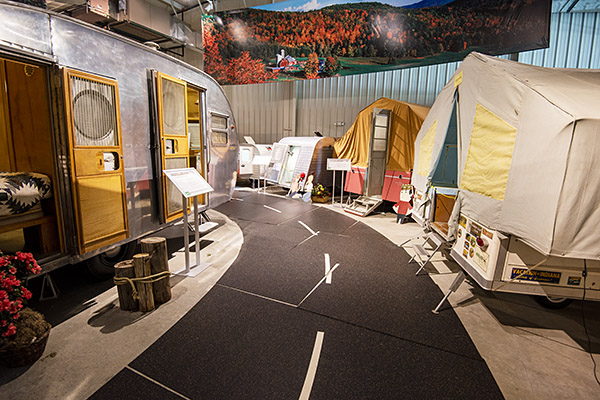
The main exhibit hall in the RV/MH Hall of Fame displays iconic recreational vehicles and early campers along a walkway painted to look like a two-lane road.
Some early RVs and campers.
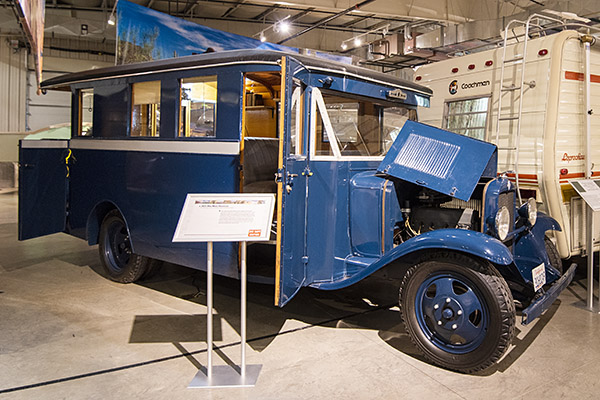
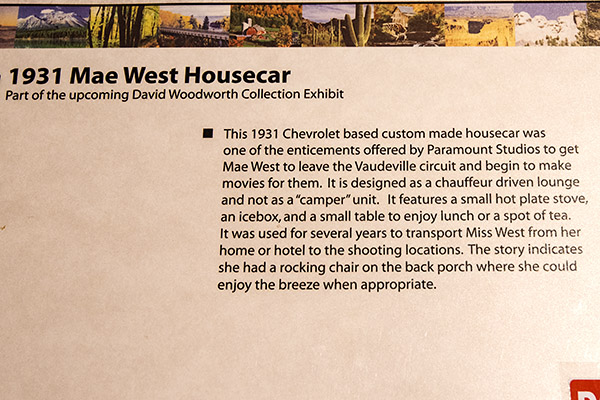
Mae West, the famous actress, was an RVer. Her RV was interesting.
Mae West’s housecar.A bit of info about the MaeWestMobile.The interior of the Mae West housecar.
This concept of movie stars having an RV is interesting. When I ran the Alfa Leisure plant, we also manufactured 5th-wheel trailers (they connect to a pintle inside a pickup bed instead of a trailer hitch). Alfa Leisure was the preferred 5th wheel in Hollywood, and big name movie stars’ contracts stipulated Alfa Leisure RVs.
The Museum also displayed several examples of early travel trailers and motorhomes.
An early travel trailer.An early motor home.General Motors dabbled in the motor home business briefly. It looks interesting, but GM’s interest in RV’s was fleeting.
In the early days, motor homes did not include bathrooms, showers, or other amenities. Today, high end motor homes include all of those things and more. Some sell for more than a million dollars.
Walmart used to allow RVs to park in their lots for free (maybe they still do). We joked about folks who would spend a million bucks on an RV and then spend a half day looking for a Walmart where they could park overnight for free.
When I was in high school back in the early 1970s a new idea in educational teaching methods came about. This new method was called LAPS, for Learning Activity Package or maybe Learn At your own Pace. Whatever it stood for, LAPS was an attempt to uncouple individual students from a strict, class-wide learning schedule.
In the old style of everyone learns at once system if you were a smart kid you were held back by the slowest learners in your class. By the same token if you were a stupid kid you always felt pressured to learn as fast as the rest of the class. LAPS was a system designed to make learning either less boring or less stressful for the student, depending on which end of the intelligence spectrum you found yourself.
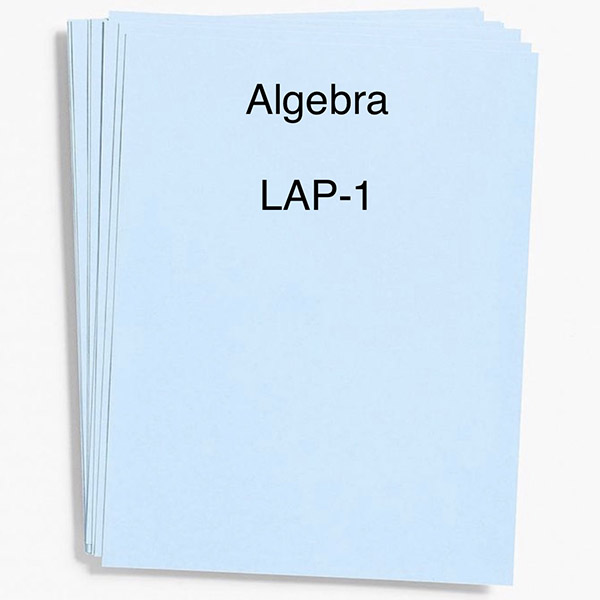
LAPS consisted of 20-page LAP printouts. A light blue cover sheet would be titled Algebra LAP-1 and inside were smelly, mimeographed pages of the 1st algebra lesson. This naming convention continued until Algebra LAP-20. After a student felt that they had mastered a particular LAP there was a final test. If you passed the final you went on to the next LAP. This process continued until you had successfully completed the Algebra course.
There was no set time to complete a LAPS course. A student didn’t have to complete all 20 LAPS to pass the course. They just had to do the best they could. Everyone received LAP-1 on the first day of school but from then on students progressed at their own pace. The teacher didn’t address or teach the class as a group. How it worked was you read LAP-1 and as you came to things you didn’t understand you went to the teacher’s desk and she would give you the personal, one-on-one help you needed to grasp the mathematical concept at hand. The program rapidly became known as “Laps for saps.” Failing a LAPS course was pretty hard to do because you were always right on the pace you needed to be.
For me school was misery. I hated sitting in class and watching the minute hand slowly rotate until the bell rang and you changed classes only to start the clock watching all over again. When school was over I could not sprint out of the damn place fast enough.
Another thing I hated was to ask for help. I still don’t like to ask for help. (See concrete.) A scrum of students was always at the teacher’s desk bugging her for information on how to do this or calculate that. No way was I going to wait around at her desk like a paparazzi hoping for a compromising shot.
I stared at the LAP-1 lessons and none of it made sense to me. It was like looking at Egyptian hieroglyphics: Look, there’s a scarab beetle. Over here is a bird with a human body with the number 7 hovering over its beak. I never approached the teacher for assistance because I was sure algebra was total BS and anyway I couldn’t fail the class. I will say this about the LAPS learning program: At least no one bothered me. I’m sure by now loyal ExhaustNotes readers can take a guess at how well the LAPS program worked.
The autumn months dragged by, the daydreaming days grew shorter and when Christmas season rolled around I was still on LAP-1, the only kid in class still on LAP-1. Apparently my most comfortable learning pace was a dead stop. Most kids were up around LAP-8 or LAP-10. Those kids were the jerks sucking up to the teacher.
Somehow the school notified my mom that I was an exceptional student in that I might be the only student to ever fail a LAPS class. I guess you had to do one LAP minimum to pass. Mom went ballistic. She was astounded that I had accomplished absolutely nothing in 4 months of schooling. Mom told my older sister Marlin to help me out (that’s not a typo, I’ve spelled my sister Marilyn’s name that same way since I could spell and I see no need to change it now).
So began my crash course in algebra. Marlin would sit with me at the dinner table for a couple hours a night and explain what the scarab beetles and the birdmen meant. It was pretty easy, even fun, when she showed me the ropes. We spent more time laughing than learning. I passed Lap 1 the very first week.
The pace quickened. Marlin had places to go and people to see so she rammed that algebra into my brain as fast as it would accept it. We were doing one, sometimes two LAPS a week. The teacher grew suspicious and thought I might be cheating so she actually sat with me to watch me take a couple of the LAP final tests.
By March I had caught and passed some of the smart kids and by mid-April my sister and I had completed all 20 LAPS of algebra. My brain was so jacked up it glowed in the dark. I had to wear a towel over my head to get any sleep at night. Unfortunately, I have since forgotten much of what I learned but I still use the concept of information that is missing to help figure things out.
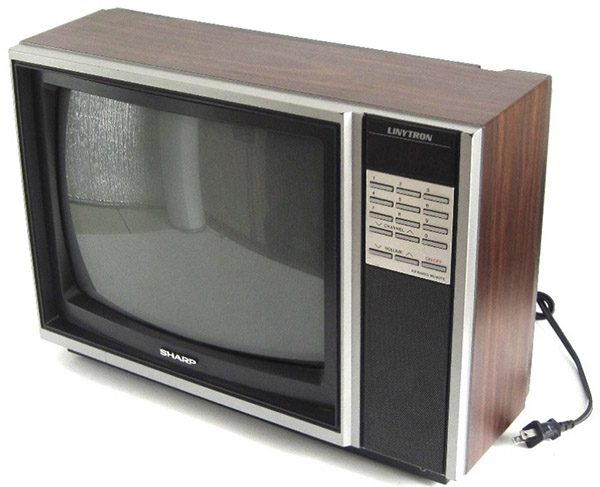
Then came something the LAPS system didn’t plan for: What to do with kids that finished early? They couldn’t let us roam the halls so they put me with two brainiacs in a classroom and called it current events. In other words, we sat and watched TV. The TV club slowly grew as other students finished their LAPS. I watched TV or slept in that class for 2 months and learned nothing except that I didn’t like any of the kids I was with. It was a bizarre end to a bizarre way of teaching.
The following school year the LAPS program was discontinued, for me anyway. I went back to learning the old fashioned way without very impressive results. I muddled along, skipping school to ride motorcycles and flunking out my senior year from too many days playing hooky. Who knew there were a minimum number of days you had to attend to graduate? I finally managed to get a high school diploma but there was no pomp and ceremony to the thing. I simply went to the administration building after completing summer school and picked up the diploma from some clerk in an office I had never seen or been in before. It was like a janitor’s closet or a mechanical equipment room.
Those few months of intense learning with my sister were so much fun. I loved blowing past the smart kids with my secret weapon, Marlin. It was like having the fastest motorcycle on the block. What an advantage I had! Marlin taught me that learning stuff wasn’t such a bad thing and she taught me more than algebra: She taught me that while I may be slow, I’m not stupid.
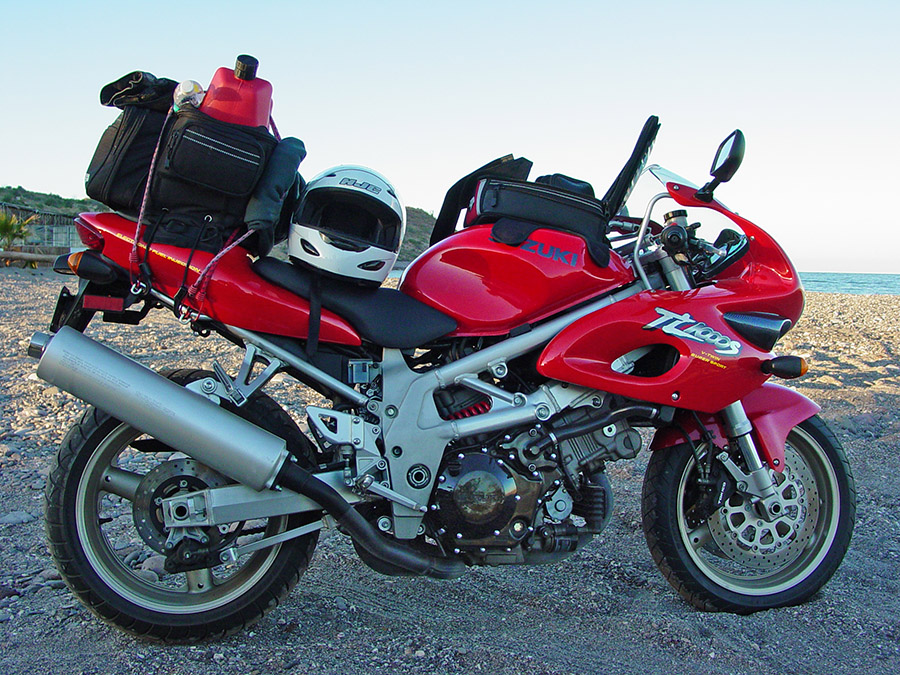
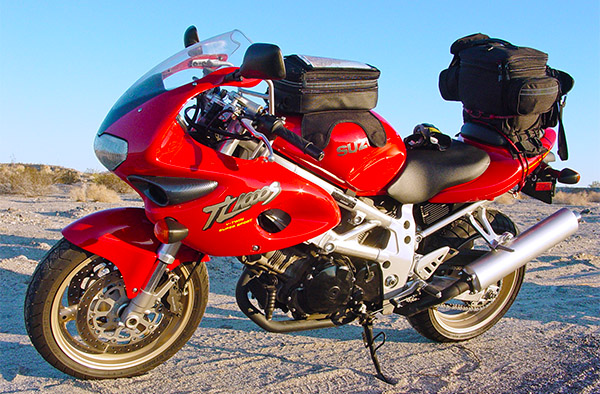
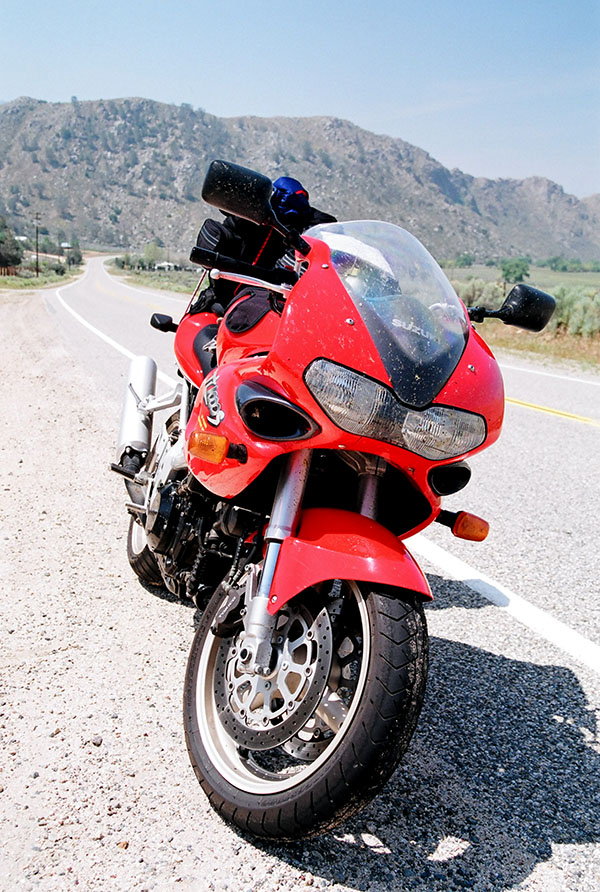
The year was 1997 and the Ducati V-twins had been dominating magazine covers for years. Not to be outdone, two Japanese manufacturers produced similarly-configured V-twins (actually, L-twins). Honda had the SuperHawk, and Suzuki the TL1000S. I’ve always liked Suzuki better, so I went with the TL1000s. Suzuki offered the TL in two colors….a forest green with red accents; and bright red with yellow accents. For me, it had to be red.
My ’97 TL1000S, somewhere in northern Baja.
I bought my TL at Bert’s in Azusa. If I recall correctly, I negotiated the guys down to $8700 out the door, and part of that was a Yamaha 650 twin I traded in. I had bought the Yamaha used from a guy in a course I taught at McDonnell Douglas, thinking the Yamaha would be like my old Triumph Bonnevilles but reliable. The Yamaha was a bust. It was too heavy, it had cheap fasteners, the Hopper/Fonda riding stance was awful, it didn’t handle, and it lacked the low-end grunt of my earlier Triumphs.
I remember riding the TL home from Bert’s. The riding was awkward with the bike’s low bars and high footpegs, but I got used to it and I made it less punishing with a set of Heli-Bars. The Heli-Bars were slighly taller and wider (you got about an inch more in each dimension, which made a difference).
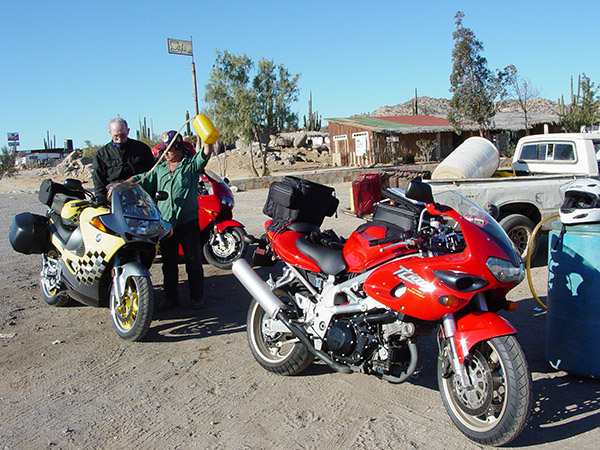
A stop for fuel in Catavina. The guys sell gasolina from bottles along Mexico Highway 1.
The TL was the fastest and hardest accelerating motorcycle I ever owned. It would wheelie in third gear if you weren’t paying attention, and it went from zero to 100 in a heartbeat. The bottom end torque was ferocious. Fuel economy was atrocious, and it had a tendency to stall at low rpm. But wow, did it ever look good. Did I mention it was fast?
My friend Marty had an Aprilia V-twin (a Mille, I think, or something like that), another bit of Italian exotica, that cost even more than the Ducati. Marty’s spaghetti-bender was more than twice what I paid for my TL. We swapped bikes once on a day ride and I came away unimpressed. My TL was faster.
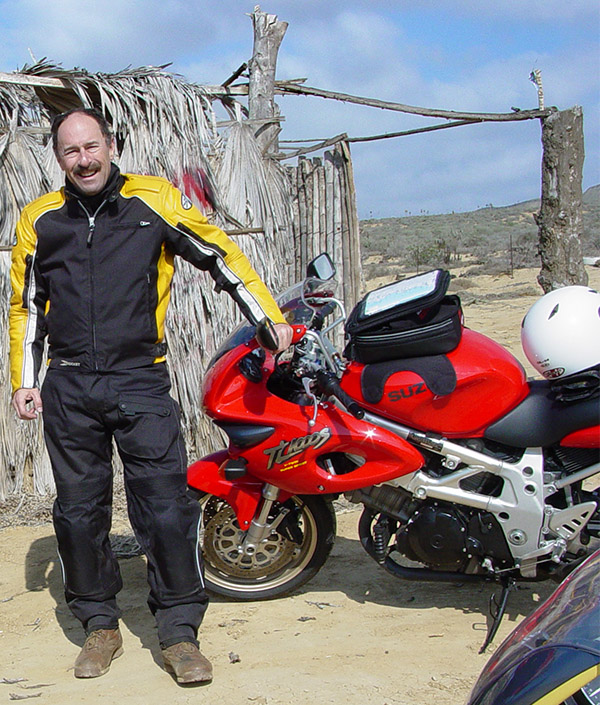
Baja a few years ago. Younger, thinner, and hair that hadn’t turned gray yet. That motorcycle made me look good.
I wanted the look of a sport bike, but I’m not a canyon racer and the exotic look didn’t do anything for me once I had ridden the TL a few times. Then something funny happened. My Harley died on a Baja ride. I nursed my Harley home, parked it, and took the TL. Surprisingly, it did a good job as a touring platform. And I could ride at speeds the Harley couldn’t dream about. In those days, if there were speed limits in Baja, I didn’t know about them.
That first big trip on the TL instead of the Harley cinched it for me. I bought sportsbike soft luggage and used the TL on many rides after that. 700-mile days in Baja became the norm (I could make Mulegé in a day; the TL wouldn’t break a sweat). The only downside was the abominable fuel economy (the fuel light would come on after 105 miles), but a one-gallon red plastic fuel container and a bungie cord fixed that. It was Beverly hillbillies, but it worked. Not that there’s anything wrong with being a hillbilly (somebody’s got to shoot those road signs).
TL1000S touring. The bike was a surprisingly good touring machine.
Even with the TL’s mid-30-mpg fuel economy, I only ran out of fuel twice. Once was on the Bodfish-Caliente Road (one of California’s best kept secrets). I didn’t have my gas can with me; Marty rode ahead and returned with a gasoline-filled water bottle he hoped wouldn’t dissolve (it didn’t). The other time was on Baja’s long stretch headed south to Guerrero Negro. That road runs straight as an arrow, and I ran the TL at a surprisingly comfortable 145 mph (still well below the TL’s top speed). The TL was fuel injected and when it ran dry it was like someone shut the ignition. I poured my extra gallon in and made it to the next Pemex station. The guys I rode with were still far behind.
I had fun with the TL, but I dropped it a lot more than any other bike I had ever owned. All the drops were my fault. The low-mounted sport bars restricted steering, and once when pulling into my driveway, there wasn’t enough to keep the bike upright. Before I realized it, the bike and I were both on the ground (my first thought was to wonder if anyone had seen me). The next time the bike was in my driveway, facing slightly downhill. I started it to let it warm up, and the bike rolled off the sidestand. Again, my first thought was if anyone had seen me. The third time was more dramatic. The TL had a slipper clutch; you could downshift with reckless abandon. The clutch would slip and not skid the rear tire. It was cool, until I used it diving hard into a corner. The curb was coming up quickly and I wasn’t slowing fast enough. The slipper clutch was doing its thing, but when I touched the front brake, that was enough to unload the rear wheel. It broke loose and I fishtailed into the curb. I went over the bars, executed a very clean somersault, and came to rest in the sitting position looking straight ahead. I had been watching the Oympics on TV the day before and I remember thinking (as I completed my dismount) I could be a competitor. A woman in a station wagon saw the whole thing. She rolled down her window and I half expected to see a sign with a 10 on it (like they do at the Olympics). “Are you okay?” she asked.
“Yeah, I’m fine,” I answered. “I’m a gymnast and I’m practicing.” The window went up and she disappeared.
I loved the looks of the TL. Yeah, the carbon fiber was faux, but I didn’t care. In those days I was running a factory that made carbon fiber aircraft stuff and I never understood the attraction. Even with fake carbon fiber, the TL was a motorcycle that looked fast. And it was.
Serious miles were easy on the TL1000S.
Suzuki only made the TL for a few years. Some guy in the UK killed himself in a speed wobble, the bike got an Internet rep as a tank slapper, and that killed sales worldwide. Suzuki had a recall to add a steering damper, but the damage had been done. Bert’s installed the damper on my TL, I couldn’t feel any difference , and my bike never went into a wobble (either before or after the recall). My hypothesis is that the UK guy rolled on too much throttle exiting a corner, lifting the front wheel with the bike leaned over. That will induce a wobble, you know. There was another recall to fix the low speed stalling issue. I guess it worked; my bike never had a low speed stall after that.
Suzuki offered a more radical fully-faired version called the TL1000R (I didn’t like its looks), but the TL-R didn’t survive, either. The engine, however, proved to be a winner. Today, 25 years later, a detuned version is still soldiering on in the ADV-styled V-Strom. I never owned a V-Strom, but I should have. Everybody I ever talked to who owned one loved the V-Strom. Me, I loved my TL.
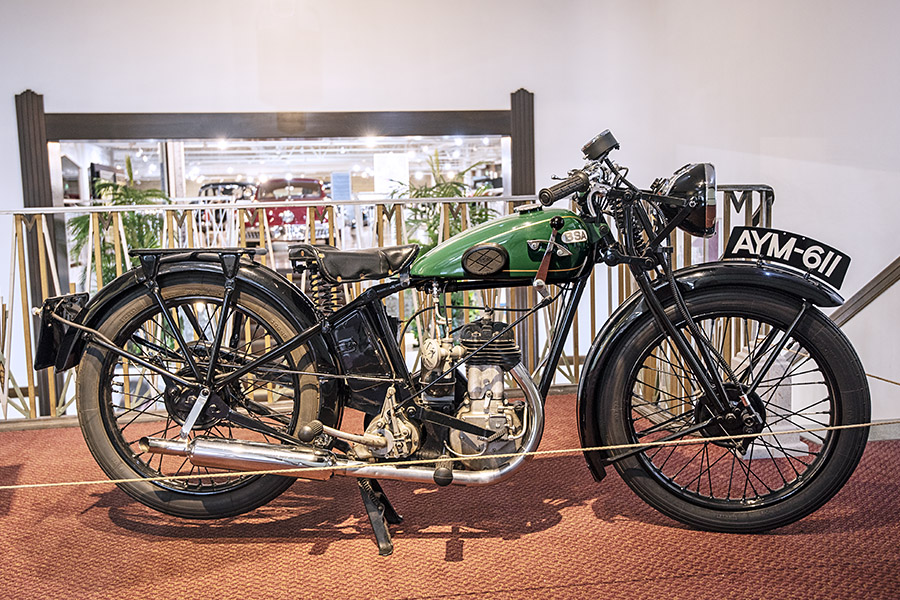
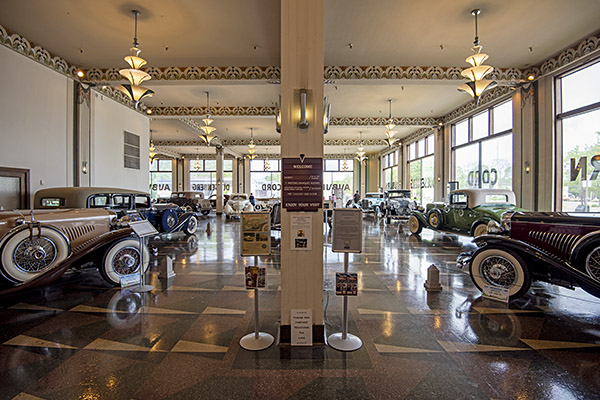
The Auburn, Cord, and Duesenberg Museum is somewhat misleadingly named. Yes, they have a stunning and visually arresting collection of Auburns, Cords, and Duesenbergs (one of the best I’ve ever seen), but the collection of more than 120 vintage automobiles includes more than just these three marques. There’s even a vintage BSA motorcycle (I’ll get to that in a bit).
The Museum is housed in what used to be the Auburn factory. It’s in Auburn, Indiana, where they used to make Auburn automobiles. Auburn is north of Indianapolis (the quick way in is on Interstate 69); we stopped there on our way to Goshen to visit the Janus factory. Janus was fun and I grabbed a ton of awesome photos there, too. Grab the September/October issue of Motorcycle Classics magazine and you’ll see it. But that’s not what this blog is about. Let’s get back to Auburn and the Museum.
The Museum is magnificent and the automobiles are stunning. The Duesenbergs are beyond stunning but don’t take my word for it. You might consider seeing this magnificent collection yourself. I took enough photos to fill a book and I had a hard time picking just a few to show here. I probably went a little overboard, but the cars are so nice it was hard not to.
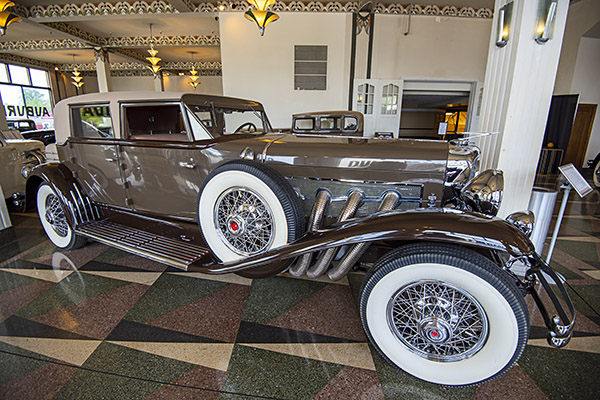
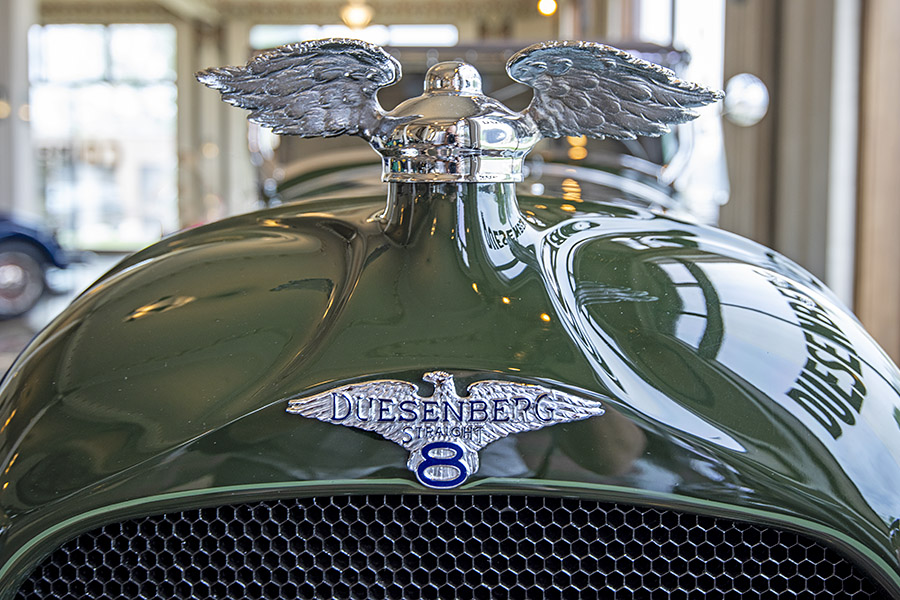
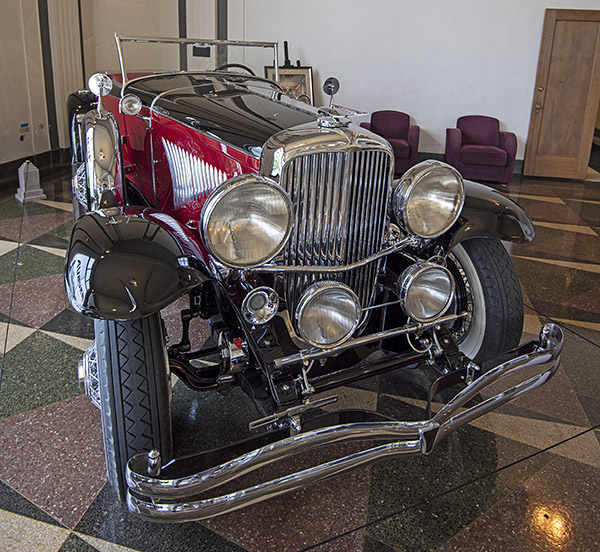
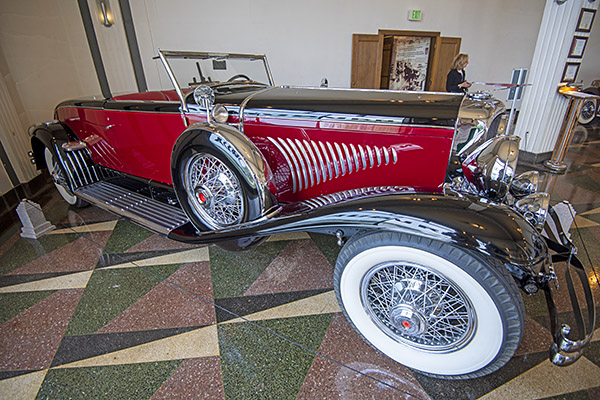
Here’s a 1931 Duesenberg Model J. The body was built by the Murphy company of Pasadena, who made more Duesenberg bodies than any other company. The car has a straight 8 engine.
This is a V-16 Cadillac, another truly magnificent automobile.
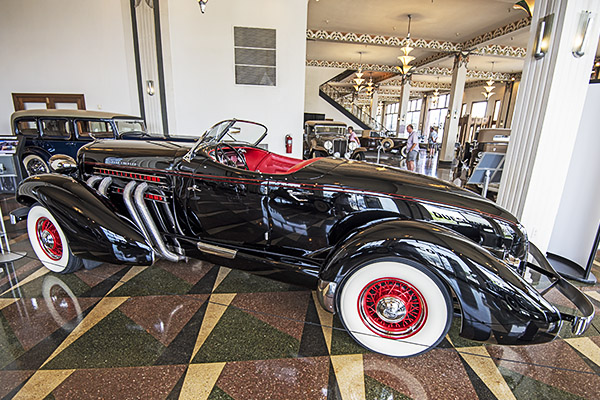
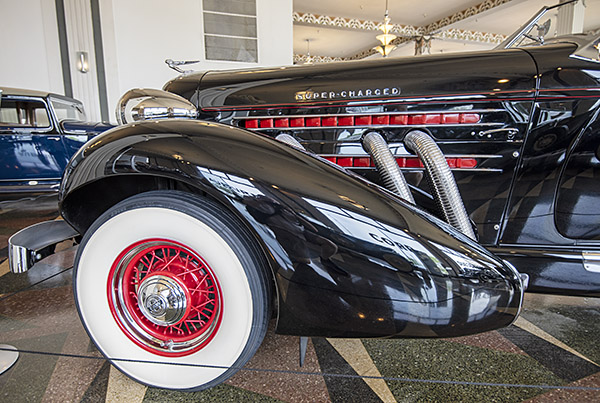
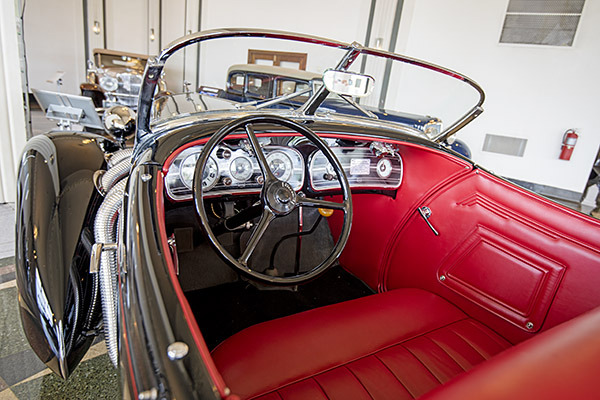
Next up is a supercharged 1935 Auburn. It is an 851 Speedster, with a Lycoming straight 8 engine. It cost $2,245 when it was new (less than a used Sportster, if you’re using that as a benchmark). The lines on this car are beautiful, and the colors work, too.
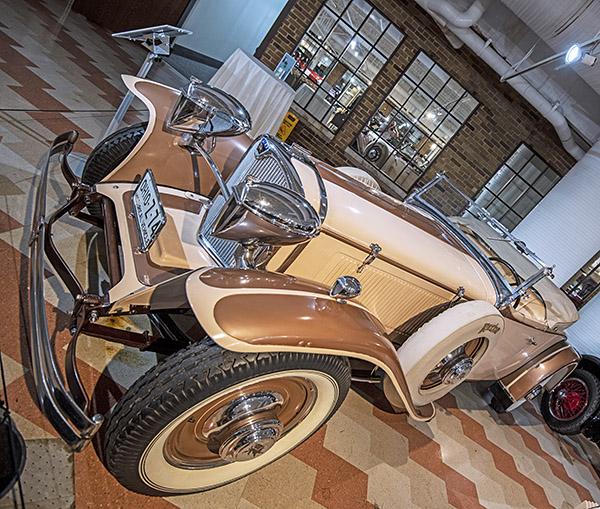
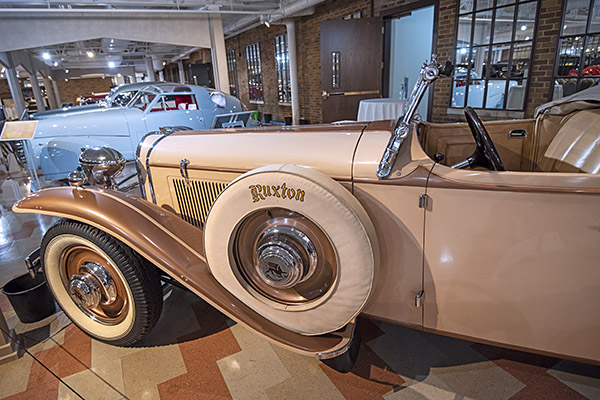
This next car is a 1929 Ruxton, a car I had never heard of before visting the Auburn Cord Duesenberg Museum. It’s a front-wheel-drive car, a competitor to the Cord in its day. According to what I found online, the Ruxton was lower, lighter, and handled better than the Cord. The looks and the colors work for me.
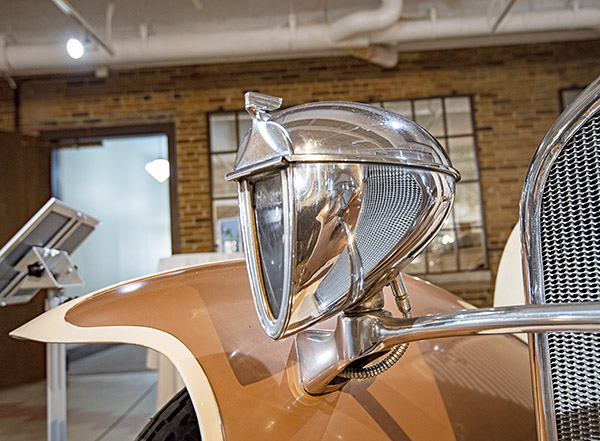
Check out the Ruxton’s headlights. These are Woodlite headlights, which are very art deco. They look like helmets.
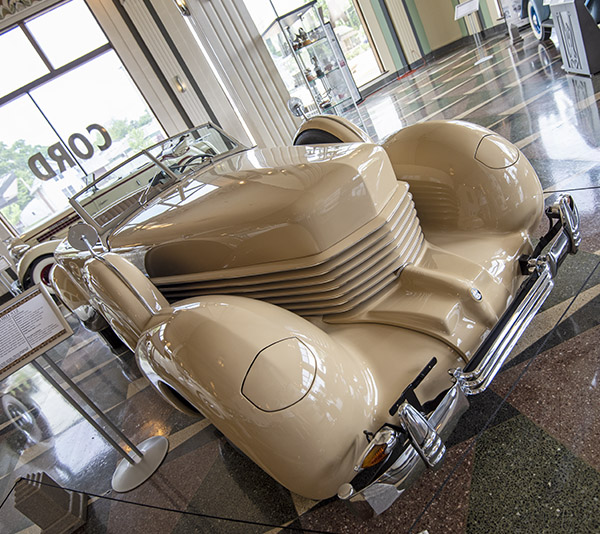
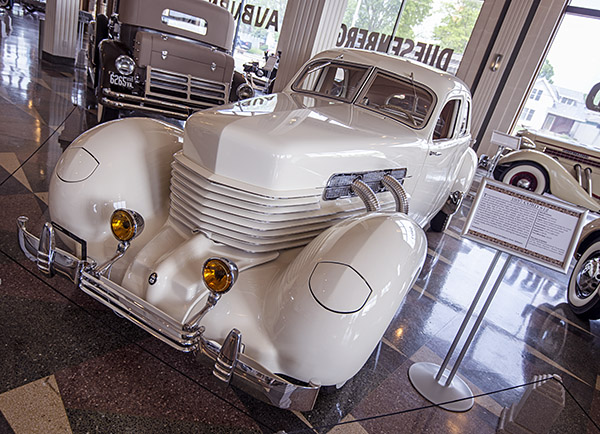
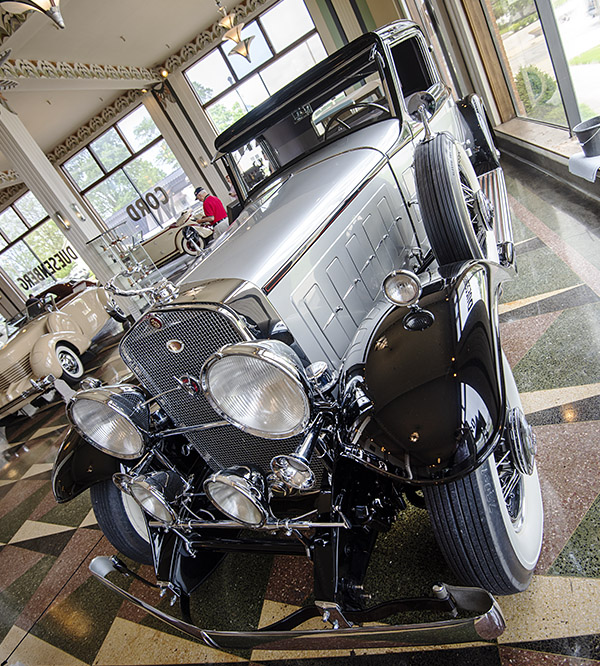
Here are two 1937 Cord 812 automobiles: A convertible and a coupe. The colors and the style are impressive. When I was a kid, I built a Monogram plastic model of a Cord that I think was based on the convertible I saw in Indiana.
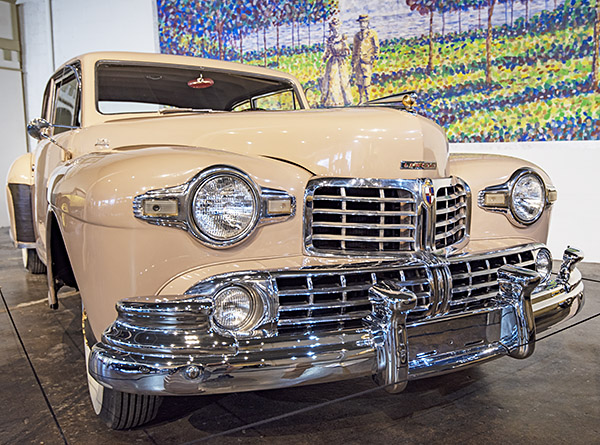
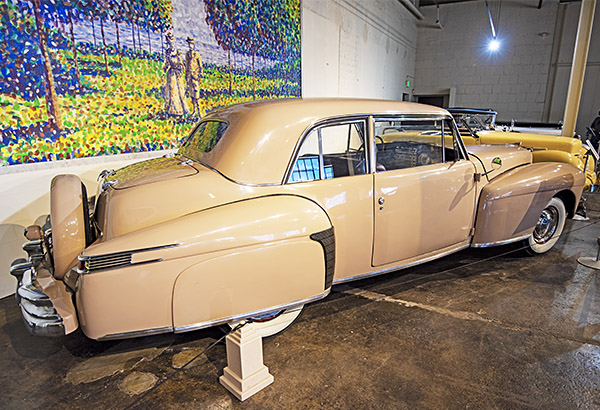
Here’s a 1948 Lincoln Continental Coupe with a V-12 engine. 1948 was the last year any US automobile manufacturer made a V-12. This one had 305 cubic inches and it produced 130 horsepower. The car you see here cost $4,145 in 1948.
This 1933 250cc single-cylinder BSA is the lone motorcycle in the Cord Auburn Duesenberg Museum. This one was E.L. Cord’s personal motorcycle, which he kept on his yacht and at his Nevada ranch.
Another magnificent Duesenberg. This one is a 1931 Beverly sedan, with a 420 cubic inch, straight 8, 265-horsepower engine It went for $16,500 when it was new.
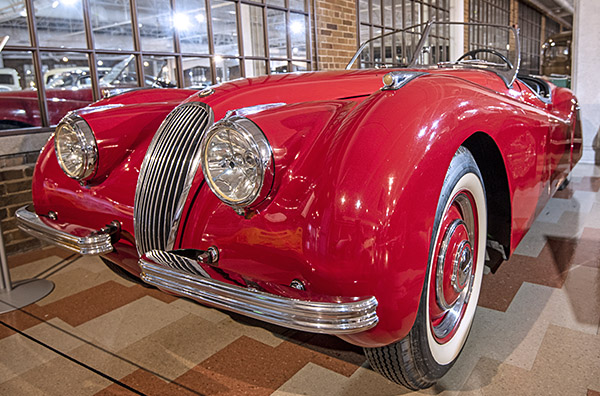
This is an XK 120 Jaguar. I think this is one of the most beautiful cars ever made. It’s my dream car, in exactly these colors.
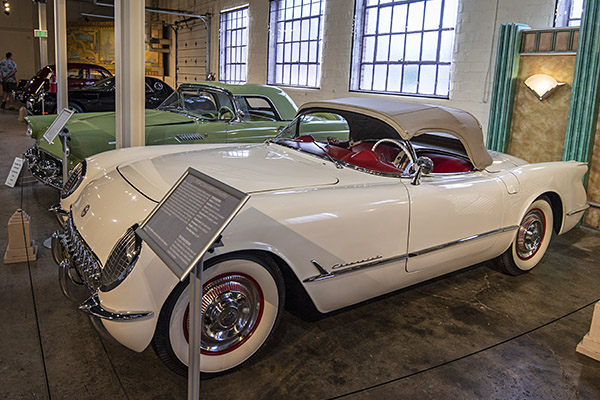
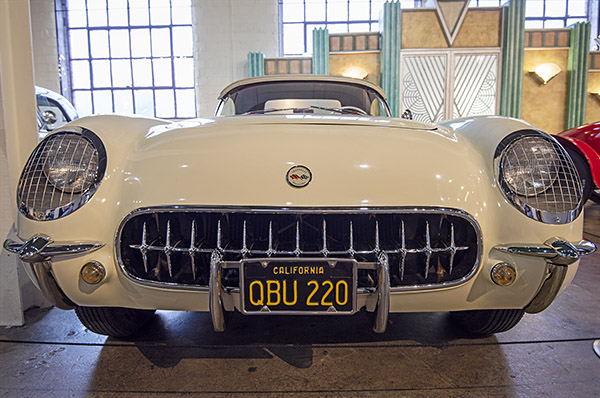
Here’s a first-year-of-production, 1953 Corvette. Chevy introduced the Corvette in the middle of the 1953 model year, so there were only a few made. The 1954 Corvette was essentially the same car.
Chevy was going to discontinue the Corvette due to its low sales, but the dealers convinced them otherwise. The dealers didn’t sell a lot of Corvettes, but they sold a lot of other Chevys to people who visited the showrooms to see the Corvette.
Another view of the first year Corvette. Note the mesh headlight protectors.
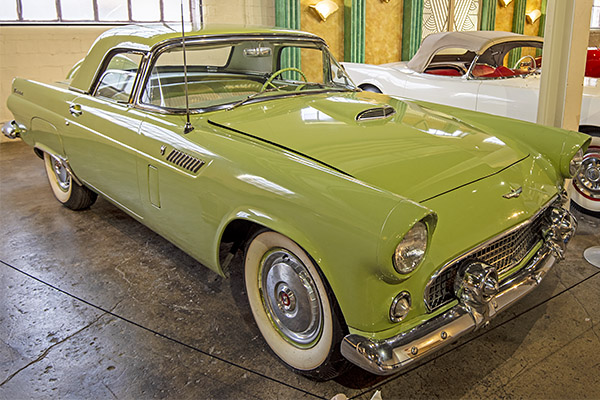
Ford’s answer to the Corvette…the two-seat Thunderbird. The little T-Bird never matched the Corvette’s performance. After three years of production (1955 to 1957), Ford redesigned the Thunderbird as a larger four-seater.
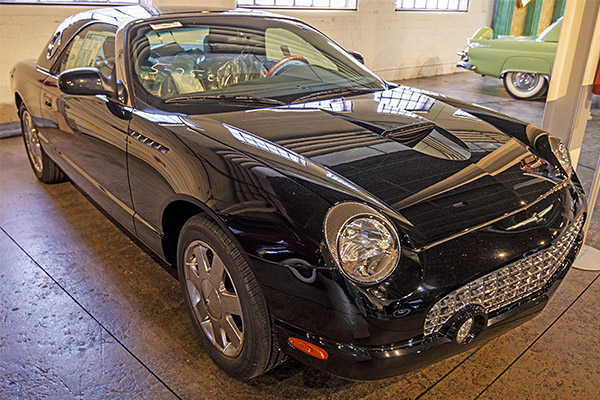
The Thunderbird soldiered on as a four-seater for years, then it was discontinued, then it briefly emerged again as a two-seater in 2002 (that’s the car you see below). The new Thunderbird only lasted through 2005, and like the classic ’55/’56/’57 two-seat T-Birds, Ford dropped this one, too. My buddy Paul drives one that looks exactly like this.
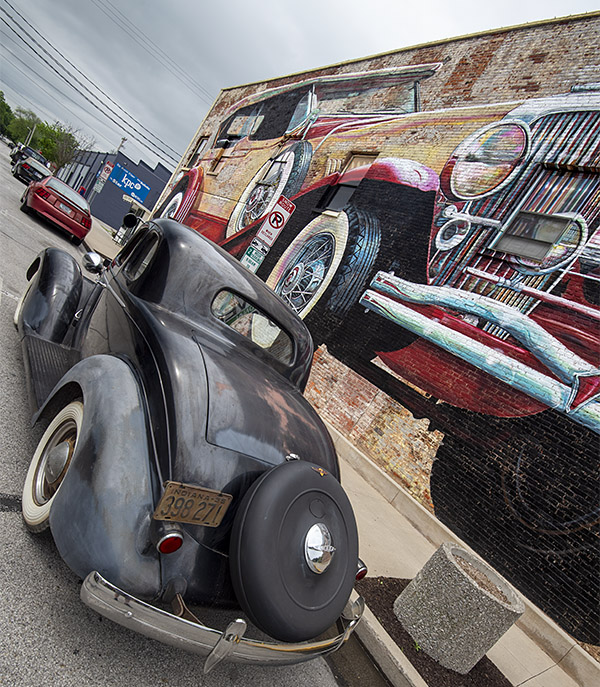
Auburn is a cool little town. Its population is about 14,000 and the town is about 145 miles north of Indianapolis (it’s a straight shot up on Interstate 69). The town is rooted in automotive history, and other history as well. In 1933, John Dillinger and his gang raided the local police station and they stole several firearms and ammunition. But it’s the automobiles and their history that make this town a worthy destination. Auburn, Indiana, loves its automobiles and automotive history. We saw several vintage cars being used as daily drivers. The murals were cool, too.
You can easily spend three or four hours in the Auburn Cord Duesenberg Museum, and spending the entire day there wouldn’t be out of the question. One of Auburn’s best kept dining secrets is Sandra D’s, a reasonably-priced Italian restaurant with an exquisite menu. Try the eggplant parmesan; you won’t be disappointed.
Here’s a quick update on things we’ve posted about recently.
Someone else won the auction for Hank Williams .357 Ruger Blackhawk, and like I said I would, I ordered a New Model Ruger Blackhawk instead. To my astonishment, the Hank Williams gun sold for a whopping $4,993.37 (when new in 1972, it was a scosh over $100). My New Model .357 Blackhawk is at the local dealer, and I’m in the Peoples Republik 10-day cooling off period. I snagged it for $659 on Gunbroker, a reasonable price in today’s economy. I’ve got a bunch of ammo in a variety of flavors reloaded and ready to test, but I think I know what works in a Blackhawk. We’ll see.
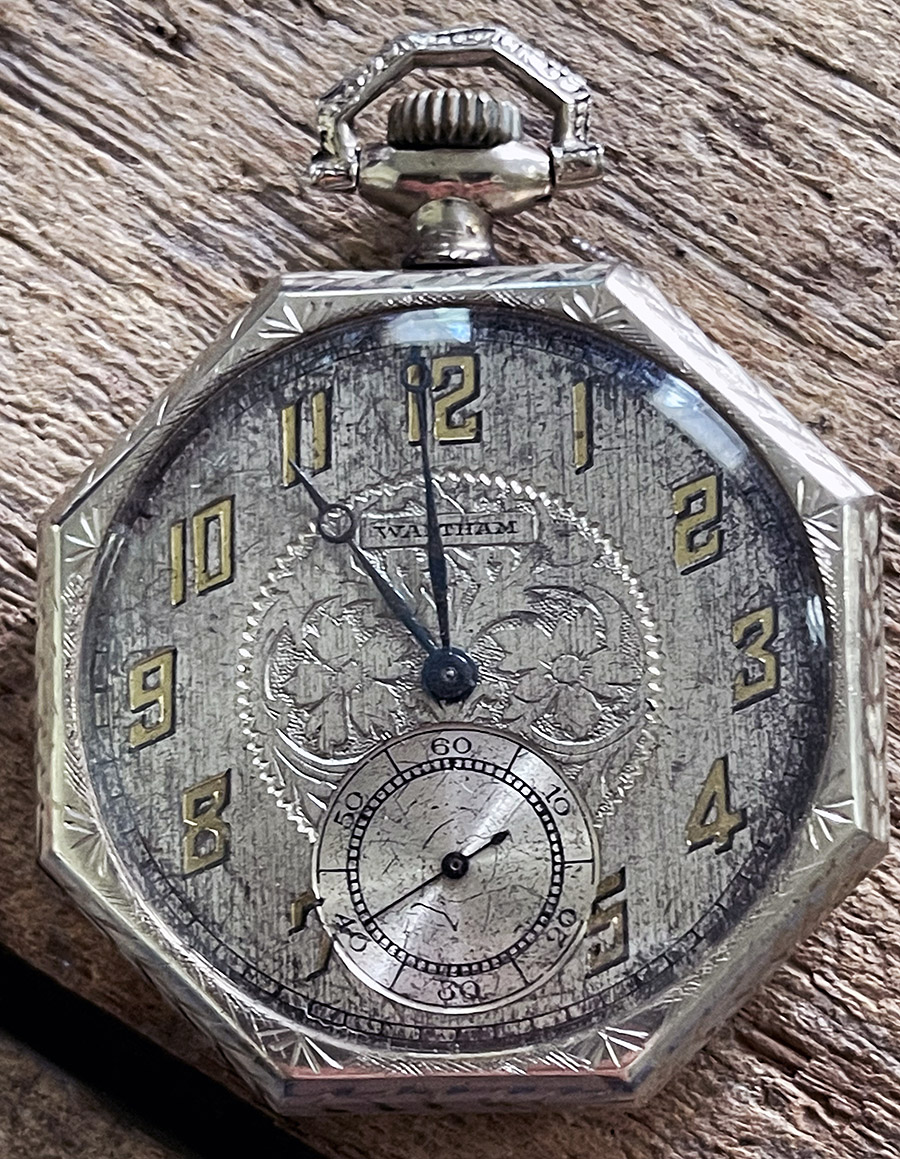
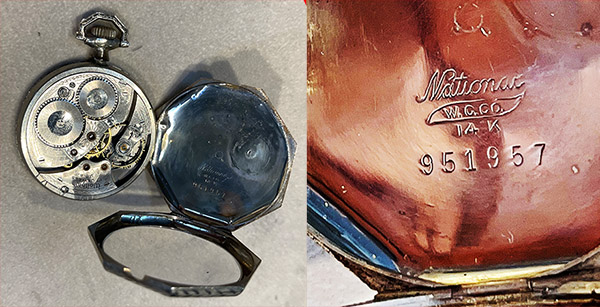
I took Poppy’s watch to the repair shop and it was enlightening. My guy opened the watch up, which confirmed it is 14-carat white gold and revealed the serial number. The watch tech looked it up, and I learned that Poppy’s watch dates to 1884. It’s 138 years old and it’s still ticking. It’s the oldest and coolest thing I own.
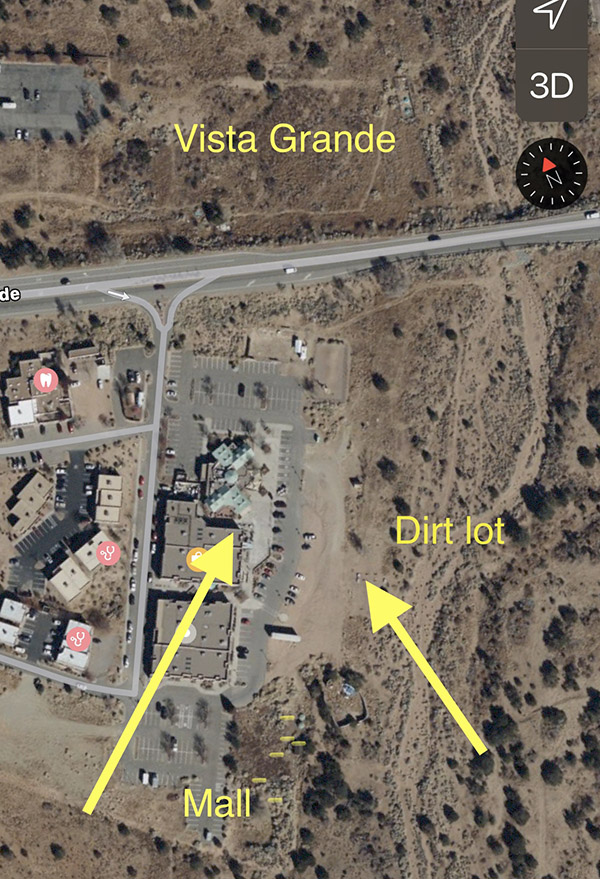
Gresh’s blog on a proposed vintage bike gathering in New Mexico garnered a lot of comments and it was picked up by Motorcycle.com. I think this event it is going to happen. A few guys have posted it on other forums (we appreciate that). We’ll keep you updated right here on the ExNotes blog.
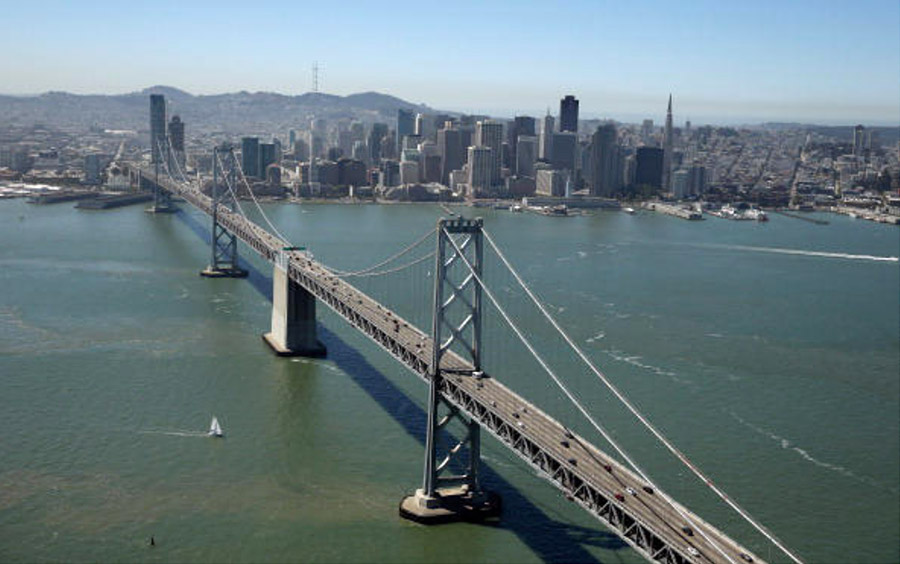
The Harley that flew off the Oakland Bay Bridge? It’s still under water (dive crews can’t find it). I wouldn’t have thought it worth the effort (you know, you can buy a brand new Chinese motorcycle from CSC for less than what a used Harley costs). I would think the divers could just look for the oil spots and work back, but hey, what do I know?
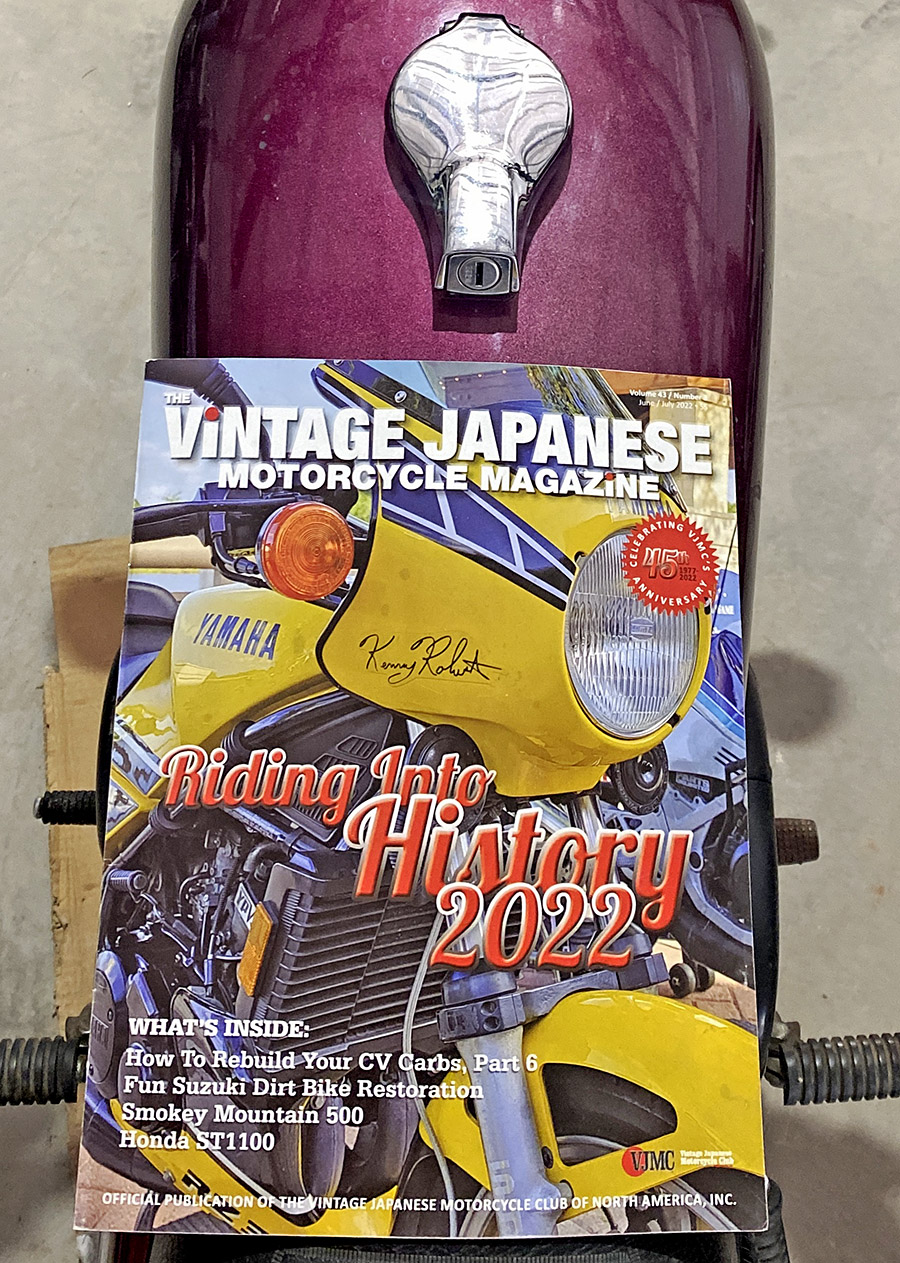
I found the piece Gresh did on the Vintage Japanese Motorcycle Club particularly appealing and I joined the VJMC, too. Like Joe, I recently received my first print magazine, and Gresh was right….there is a special excitement in getting an actual printed magazine in the mail.
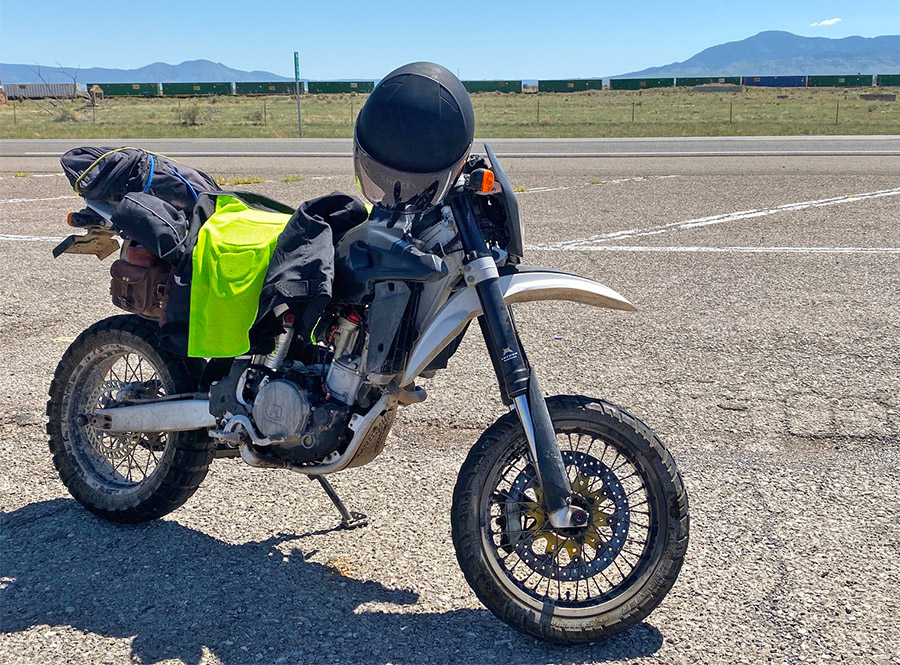
The Gresh Husky saga soldiers on. Joe is already deep into the guts of his Husky’s transmission, and his engineering talents and Ebay prowess are moving things in the right direction (you’ll get an update on that in the very next ExNotes blog). Good buddy Terry pointed out that Gresh could have bought a used Sportster for what he’ll have into his Swedish meatball (it seems that Harleys are the benchmark for all things motorcycle). With Gresh’s considerable skills and Harley’s rumored reliability, maybe the best approach would be to wedge a Milwaukee transmission into the Husky (a Husky-Davidson?). Like you, I’m looking forward reading about how this adventure progresses.
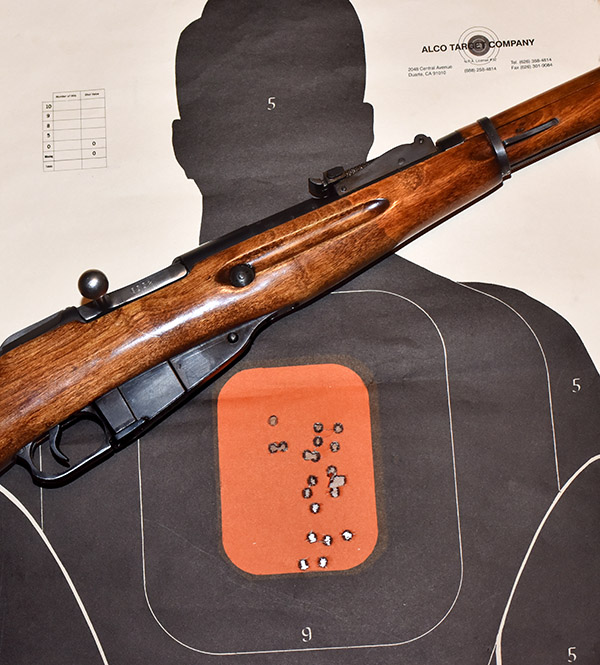
And finally, one last comment, this one on Mosin-Nagant rifles. We’ve done Mosin stories (see the Tales of the Gun page). It’s no secret I’m a big fan, and it looks like that interest could pay dividends if I was interested in selling my Mosins (I’m not). Rock Island Auctions recently published an article on Mosin-Nagant price trends, and it shows they are sharply up. That’s good.
So there you have it. We appreciate you following the ExNotes blog and we appreciate your comments. Please keep the comments coming, and as always, please keep hitting those popup ads!
I’ve owned three Colt Pythons. Back in the ‘70s I had a blue 6-inch Colt Python and another 6-inch nickel-plated one (they were only about $250 back then, and I could buy them for even less through the Post Exchange). Both those Pythons went down the road, and yeah, I’m sorry I sold them. Who wouldn’t be?
Please click on the popup ads…it keeps us going!
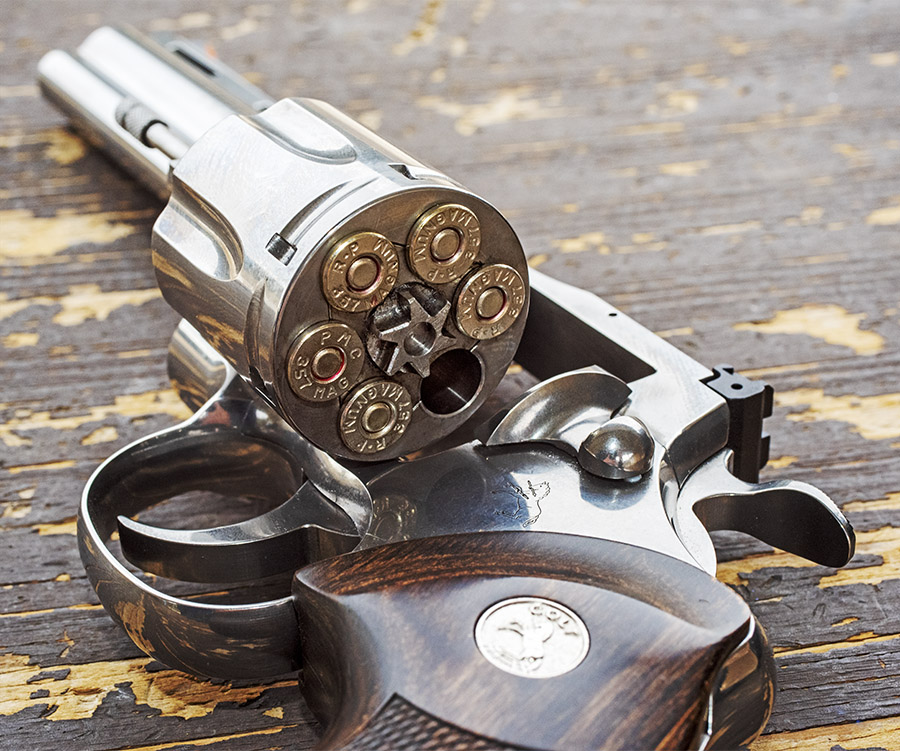
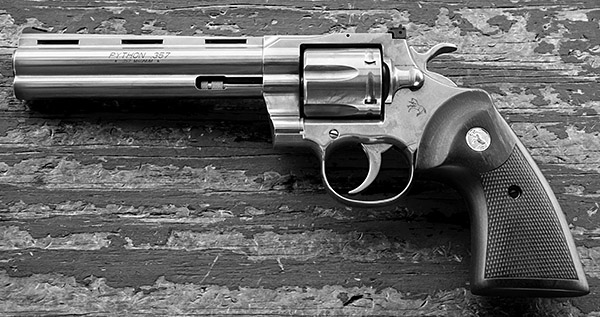
These days, I have a 6-inch bright stainless Colt Python, the new model, and I love it. It’s the one you see in the photo above. I’ve been to the Colt factory to see how they are made, and both the Python’s design and its production are impressive. I’ll let you in on a secret: The new Pythons are better guns. I shoot my Python a lot. In the last few months I’ve been hitting the range with it at least a couple of times every week. I’m old school, I guess: I prefer a revolver to a semi-auto, and I prefer .38 Special and .357 Magnum over 9mm. Your mileage may vary. I know what I like.
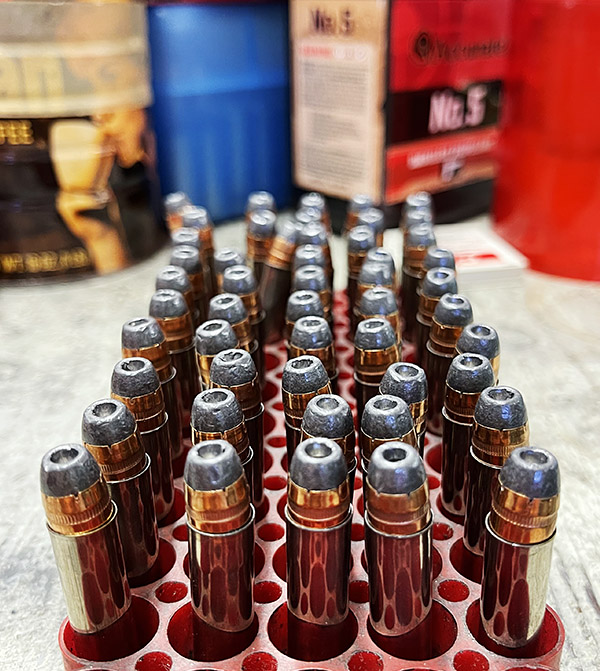
Winchster 110-grain jacketed hollow point bullets waiting to be seated and crimped.
I remembered that back in the day I found a 110-gr jacketed hollow point bullet with 10.0 grains of Unique (the max load in the Hornady manual in the 1970s) and it was extremely accurate in my blue steel Python. I mean, like one-hole accurate. Accurate enough to keep that load in my memory for five decades.
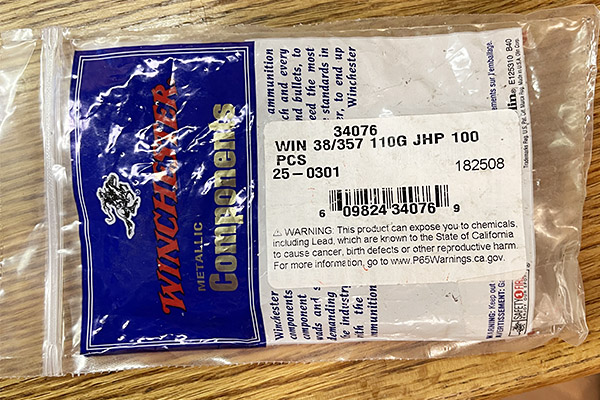
Fast forward 50 years and you’ll find me scrounging for reloading components on a fairly regular basis. On one of those scrounging expeditions Rick Phillips (of Phillips Wholesale) had Accurate No. 5 propellant in stock. It’s a handgun powder, and Rick told me that Accurate No. 5 has a burn rate about like Unique. Hmmm. Unique, huh? That stuck in my mind, mostly because I had some 110-grain .357 pistol bullets in my components stash: I had Winchester jacketed hollow points, and Hornady jacketed hollow points. I bought a bunch of the Winchester bullets during the Obama years when everything was scarce, and I was down to one unopened bag of 100. I had an unopened box of the Hornady 110-grain bullets, too.
Winchester, if you’re paying attention, this bag was 15 bullets light.
I loaded the last of the Winchester bullets recently using some junk 357 brass. I have Unique, but I wanted to see if I could get good results with Accurate No. 5. Rick’s comment about Accurate No. 5 being about like Unique stuck in my mind. The max load on the Accurate site for 110 grain bullets is 11 grains, so I loaded some at 10.1 grains and some at 10.5 grains, both with magnum CCI primers.
Winchester shorted me on that last bag of 100 grain bullets. The last bag I had was unopened, but it had only 85 bullets in it. I wrote to Winchester customer support, and they responded with an answer that was left blank. I wrote to Winchester again after receiving the above non-answer for an answer, but I’m not holding my breath.
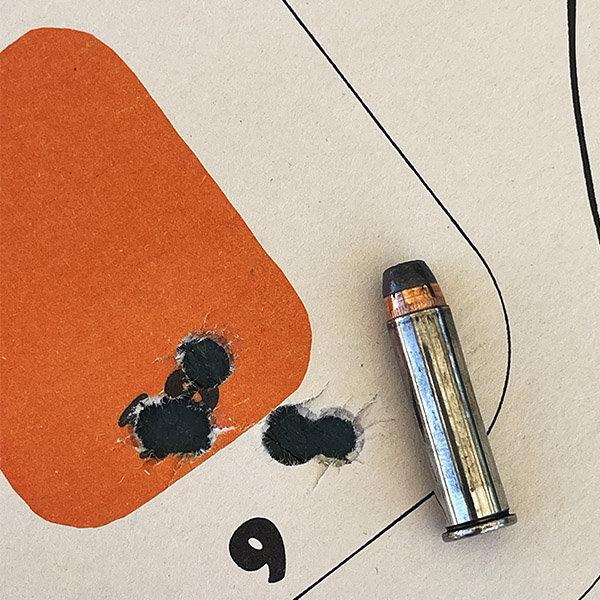
The results with both the Hornady and Winchester bullets were great. Here’s a 5-shot group at 50 feet with 10.1 grains of Accurate No. 5 and the Winchester bullets. This was the best group this morning, but they were all good.
That’s how we like to do it. I know the brass is dirty. This was a quick and dirty test. The laod was 10.1 grains of Accurate No. 5, a CCI 550 primer, and Winchester’s 110-grain jacketed hollowpoint bullet. The distance was 50 feet.
The 10.1 and the 10.5 grains of Accurate No. 5 loads shot about the same from an accuracy perspective, but the 10.5 grain loads made the primers flatter, so I’ll load the 10.1 grain load the next time I reload this ammo. No sense burning up more powder and stressing the gun and the brass if there’s no accuracy improvement. It’s already excellent at 10.1 grains.
Rugged, reliable, regal, and rewarding: Today’s Colt Python.
The Winchester bullets looked cruder than the Hornady bullets but I think they maybe had a slight accuracy edge. I went online to buy more, but I learned Winchester discontinued them. One of my buddies had two bags and he gave them to me, but the odds of me ever getting any more are slim. Hornady, Speer, and Sierra all make JHP 110-grain bullets, but nobody has any in stock. I have 85 left of the Hornady bullets (I used 15 of the Hornady bullets to make up for the ones Winchester shorted me) and now, an additional 200 Winchester bullets. You still owe me 15 bullets, Oliver.






 Here are two 1937 Cord 812 automobiles: A convertible and a coupe. The colors and the style are impressive. When I was a kid, I built a Monogram plastic model of a Cord that I think was based on the convertible I saw in Indiana.