Imagine my surprise: I thought there would be but one 10-cylinder motorcycle. I thought this would be a quick blog. There’s the Dodge Viper-powered Tomahawk that was newsworthy maybe 10 years ago. But wait, there’s more (as my hero Billy Mays used to say). I found two more poking around on the Internet.
Two Dodge V10 Motorcycles
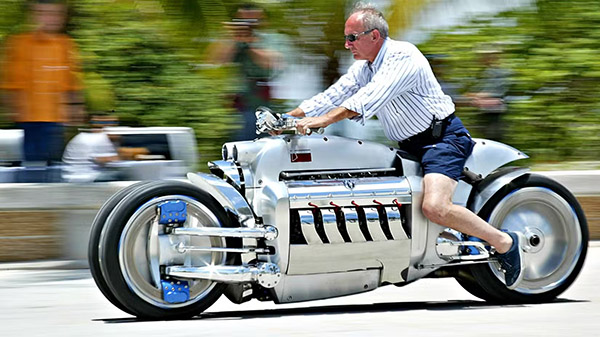
You may remember a Dodge Viper powered V-10 motorcycle a couple of decades ago. It was a weird one with two wheels upfront and two wheels in back. Between that feature and the weight, the handling must have been atrocious.
I thought Dodge had just built one as a showpiece, but according to online references they actually built and sold nine of the things (at a price of $550,000). The Dodge boys called it the Tomahawk. It has a theoretical top speed of 450 mph. Take a look:
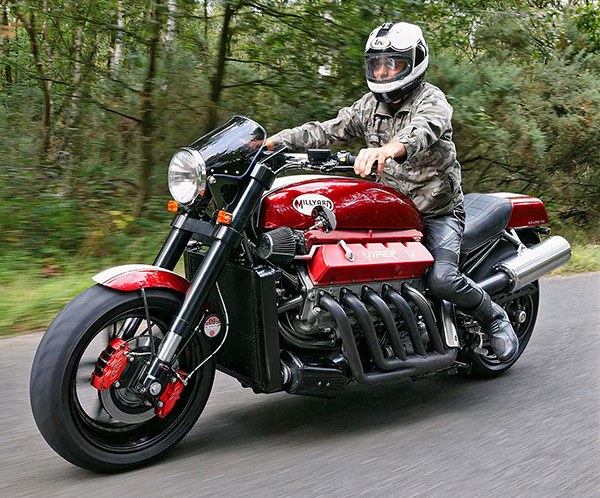
Allen Millyard, a builder who created a number of mega-cylinder motorcycles and who has been featured in a few of our previous ¿Quantos Pistones? blogs, also built a Dodge V-10 motorcycle. It is more conventional (if a 10-cylinder can be called conventional) wheel layout, with one at the front and one at the rear.
Here’s a YouTube about the Millyard V-10. It’s cool, as it shows a 172-mph, two-up run.
The Bistella
The Bistella is an unusual 10-cylinder, 500cc, supercharged two-stroke , Jawa-based motorcycle designed by Czech engineer Marek Foltis. It’s a weird one, and I guess Foltis is living proof that if you have the talent, nothing is impossible. The bike used the cylinders and pistons from ten 50cc Jawas. Wow. Just wow. Take a listen:
You might be wondering: Is there more to come in our ¿Quantos Pistones? series? Yep, there is. Stay tuned.
Missed any of the earlier ¿Quantos Pistones? blogs?
I have two motorcycles with upside down forks. Both of these motorcycles have leaking fork seals. Coincidence? I think not. I have no love for USD forks and one of the reasons I wanted a Buell Cyclone was the conventional forks those bikes came with.
I don’t care for upside down forks. They seem to leak more than conventional forks.
Alas, I ended up with a Thunderstorm, which is mostly the same as a Cyclone except for the forks. Mine were leaking, which is not unexpected for a 30-year-old motorcycle.
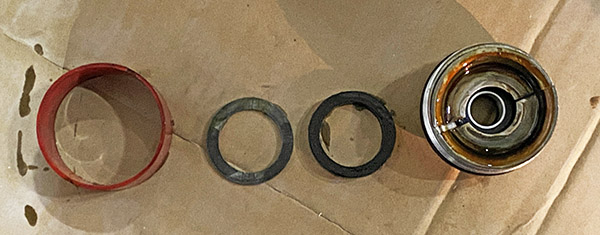
I try to lay out the parts in the order they are removed. Until I kick the cardboard and the bits scatter. This is the fork cap-retainer-plastic spacer-metal washer top of the tube parts.
New fork seals were kind of hard to find. I tried contacting the OEM manufacturer, White Power (that name didn’t age well), but I got no response. Through the wonder of the internet, I found a company in England that had the seals.
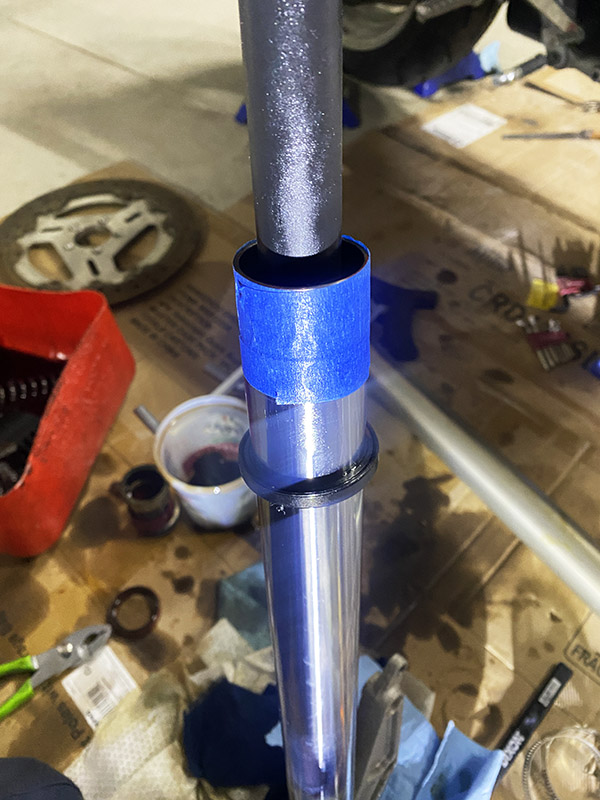
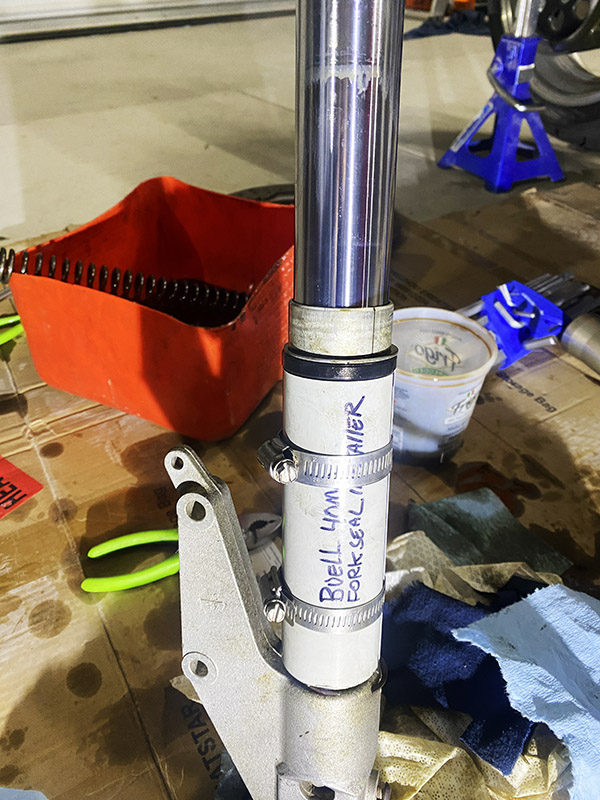
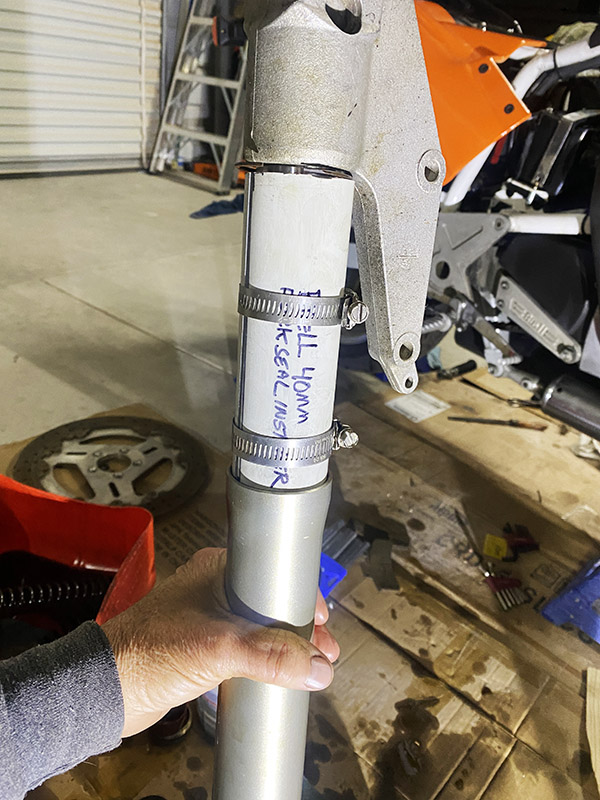
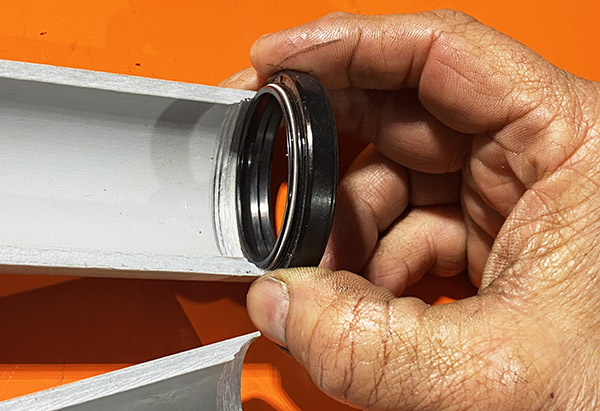
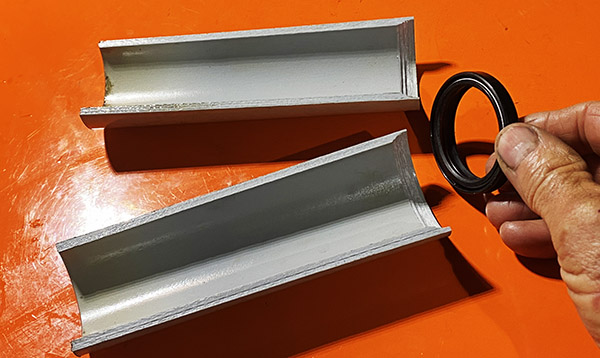
Always tape over ridges so the seal doesn’t get cut or damaged when sliding it into the tube.The seal installer in action. Sliding the fork tube presses in the fork bushing, a spacer and the seal in one motion.After pressing the two halves are removed. Next is the seal retaining clip (which is all that holds the forks together).
The seals were reasonably priced at $14 per set, but the shipping was expensive. I bought three sets since the shipping was the same. Now I have enough Buell S2 fork seals for the rest of my life. On a side note: a week after the seals were delivered FedEx sent me a $20 invoice for “fees.” I haven’t paid the fee yet; I’m not sure, it may be a scam. The fees may be re-named tariffs.
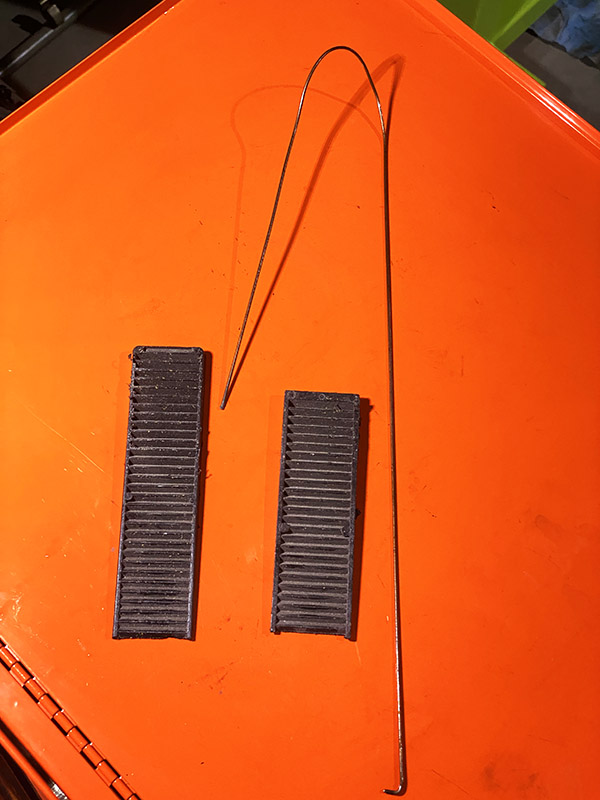
Without this relief cut the seal installer would smash the seal lip.Buell seal installer. PVC tube machined to fit seal lip then cut in half.
The Buell has a large front disc. To remove the wheel, you have to remove the brake caliper. To remove the brake caliper, you have to remove the brake pads and then retract all six of the caliper pistons back inside their respective bores.
The old Performance Machine brake caliper pistons were pretty crusty, and I didn’t want to push all that mess across the bore seals into the caliper. Removing the brake disc from the wheel allowed enough wiggle room to get things apart.
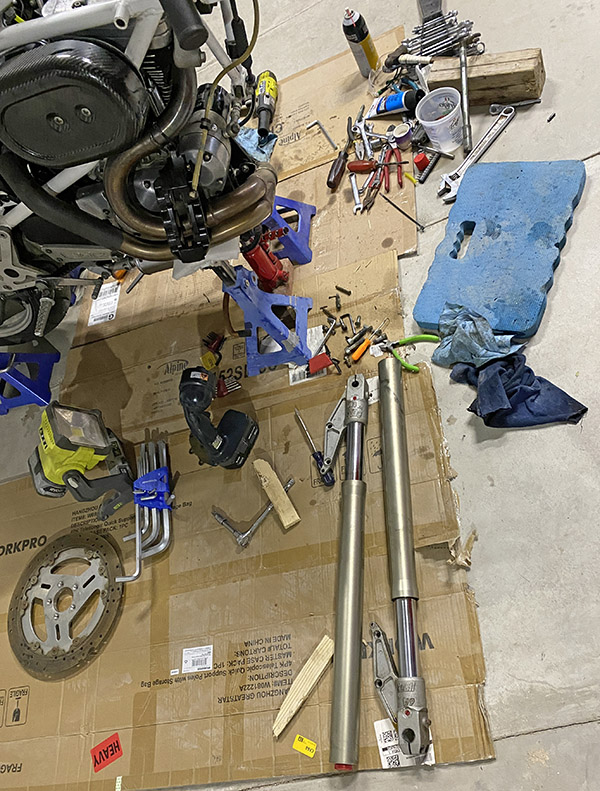
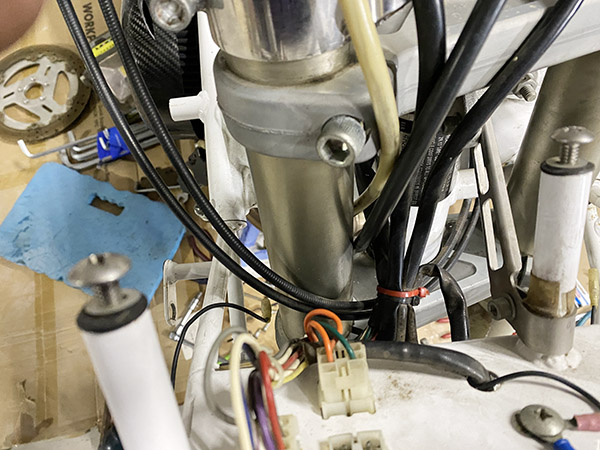
The WP forks were super tight in the triple clamps. I used a wedge to expand the fork tube bores and still it was a struggle to slide the forks out. Once out, disassembly was fairly straightforward (although oily) experience.
These triple clamps really grip the fork tubes. You almost don’t need pinch bolts.
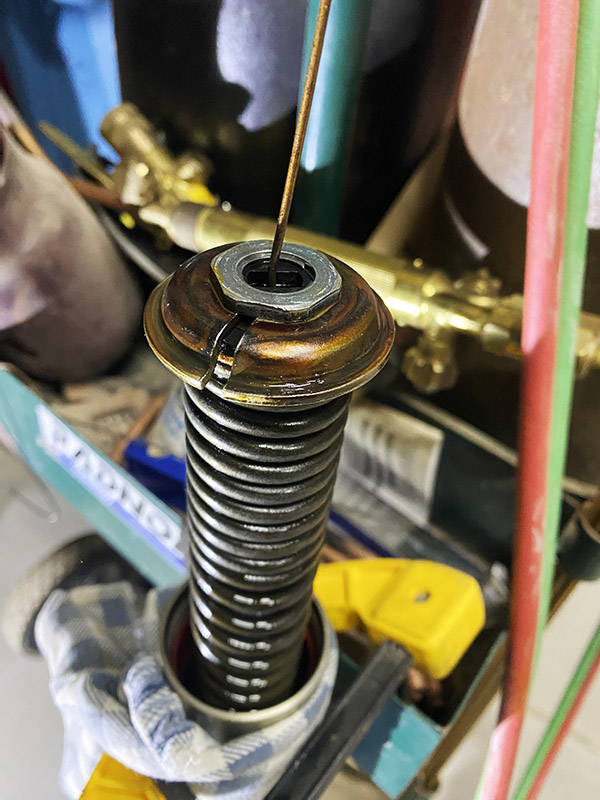
You’ll need to make a seal installer to press the new seals into the forks. I made mine from PVC tubing in the hope of avoiding scratching the sliders. The new seals fit well, and the hardest part was compressing the fork spring while holding the damper rod up with a bent wire and using a third hand fitting the damper rod spring keepers. My Buell shop manual describes this process as a two-man job. And it really is.
It took a couple days to figure out how to one-man a two-man job. I ended up employing an oxy-acetylene welding cart as a prop to hold the fork. The T-handle on the cart was in a convenient location and height to loop the damper-rod holding wire over and I still had two hands free to compress the spring and slip in the keepers.
After the seals are in place the fork spring retainer goes on. Note the wire holding the damper rod and the welding cart holding the fork. This setup leaves both hands free to compress the fork spring and fit the retainers.More Buell specialty tools. Wire to hold damper rod, wedges to spread triple clamps.
The Buell manual called for 7-1/2 weight fork oil. I should have ordered fork oil online, but I didn’t, so I called around and the local Honda shop had some. It’s a 20-mile drive to the Honda shop. The Honda fork oil bottles are confusingly labeled. What looks like 7 weight ended up being 5 weight, but I wanted to get the front end put back together. So I poured a pint of 5 weight into each fork leg. Stay tuned for a follow up report if I can feel any difference between 5 and 7 weight fork oil.
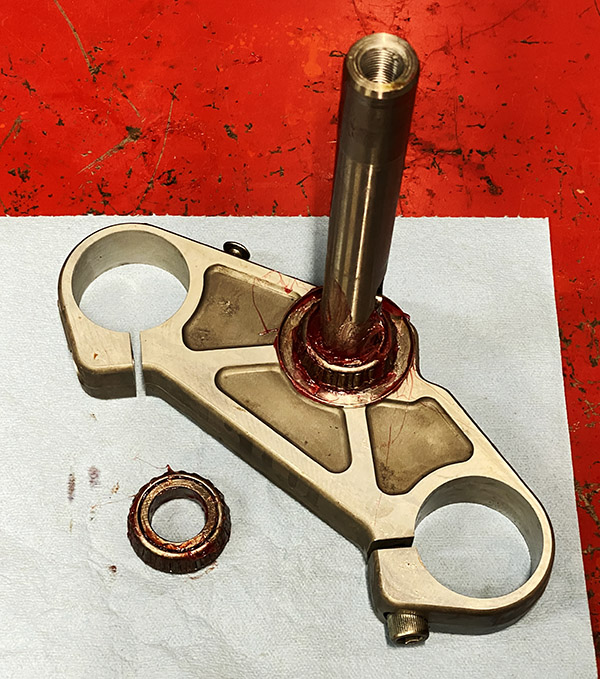
While the forks were off, I re-greased the steering head bearings. They still had a little grease remaining but thinly applied. I walked out the old stuff and smooshed in fresh grease. That left just the front caliper to clean up.
Re -greased steering head bearings. I don’t like the design of the cup under the bottom bearing. It seems like it would hold water. I might bend a drain channel into the low side.
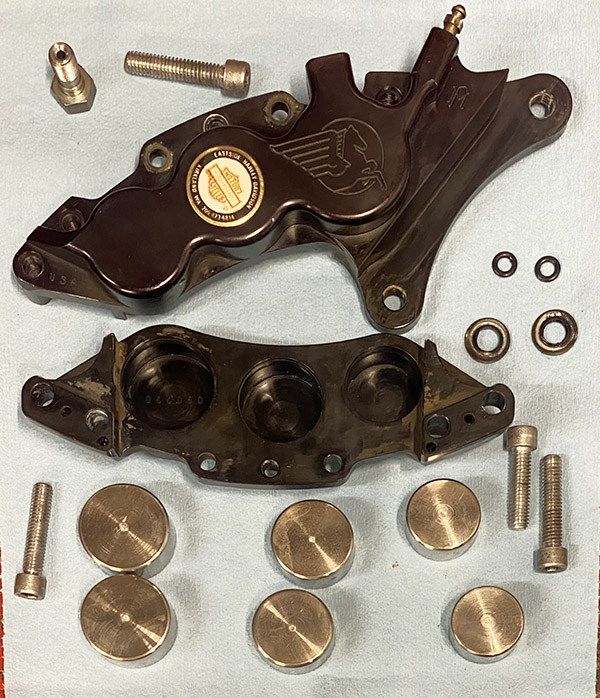
The caliper came apart easily, but the pistons did not. I used to have a big pair of reverse pliers (the jaws expand rather than close when the handles are squeezed). I would use these pliers to grab inside the hollow pistons and pull them out of the caliper. I would, that is, if I could find them. I spent a few hours looking for the pliers and finally gave up.
A snap ring Oliver was pressed into service and I managed to get all six pistons out. Performance Machine uses chromed steel pistons and the bit of piston that was exposed to the elements had corroded. Finding new pistons would be an impossible task and a new caliper would cost $600, so I polished the corroded pistons on the buffing wheel.
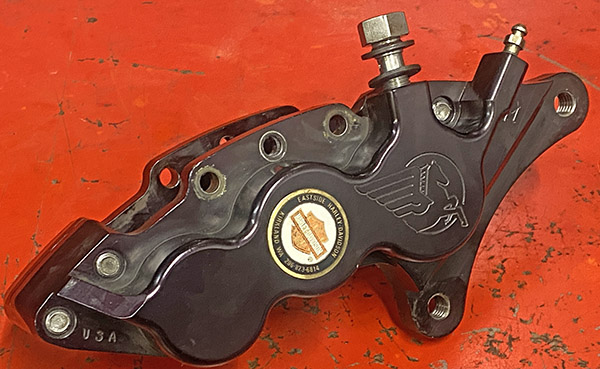
Except for the chromed pistons, the PM caliper is a nice looking unit. Note the piston diameter change to apply evenly distributed wear.Performance Machine caliper back together and waiting on brake pads
I’ve had good luck piston polishing. Yes, they re-corrode, but the section of piston covered with brake fluid doesn’t corrode. I look at it as an ongoing maintenance item rather than a bad part. You’ll have to wait for new brake pads to arrive to see if the caliper leaks in Buell Fever Part 7.
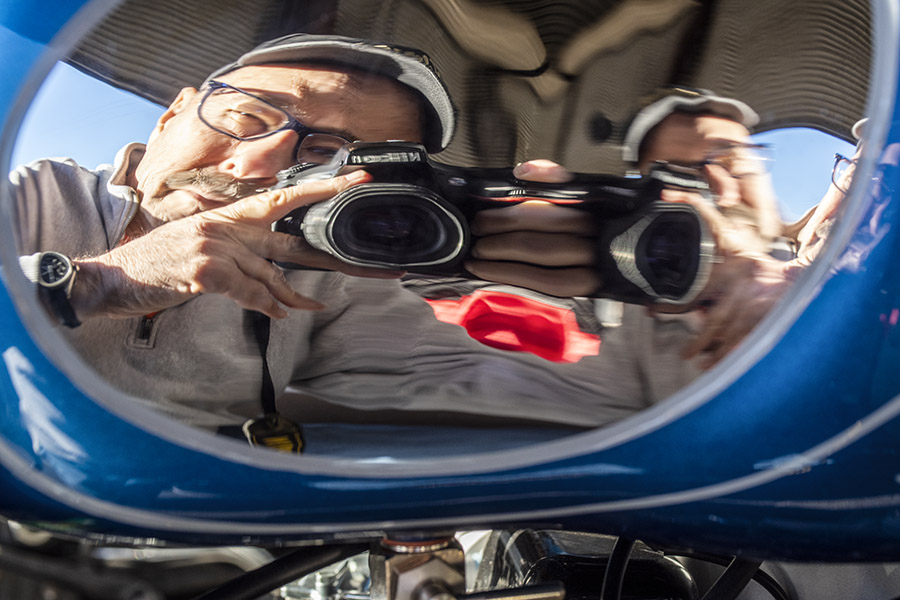
The saying is “if I was any happier there would be two of me.” The photo above kind of captures the feeling. It’s how I feel every time I visit with the Cycle Garden team in Indio, California.
When I first heard that one of Moe Moore’s custom Moto Guzzi motorcycles went for $40,000 to $50,000, I was shocked. Then I realized a new Harley full dresser inhabited the same realm. Per Google’s AI:
A new top-of-the-line Harley-Davidson (CVO™ model) generally costs between $45,000 and over $50,000 for the 2025/2026 model years, with models like the CVO™ Street Glide® and CVO™ Road Glide® starting around $44,999 to $51,999.
Then the question became: Which one would I prefer owning? That’s a no-brainer. It’s the Guzzi. The one featured in this blog is a case in point. It’s not a stock motorcycle by any stretch of the imagination. But wow, would I ever love to own it! More than a Buell, even.
Before I get into that, though, I need to tell you a little bit about Cycle Garden and what they do, and what I’ve been doing with them.
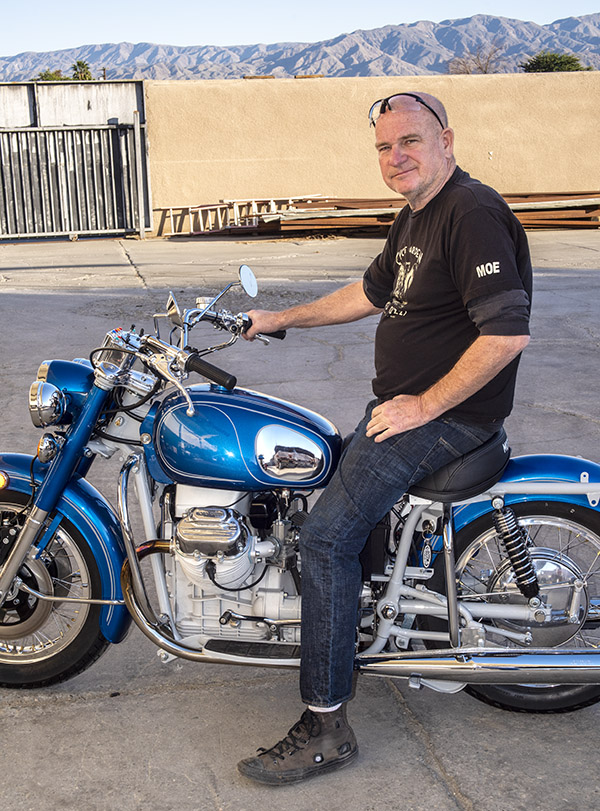
Moe Moore, head honcho at Cycle Garden. He’s a nice guy. All the folks at Cycle Garden are nice people.
I am in the process of writing a series of How To articles for Motorcycle Classics magazine (and I’m loving every minute of it). I did the first on how to lace a wheel (with help from good friend Kenny Buchanan of Buchanan Spoke and Rim). The next was on drum brake servicing, and it will appear in the March/April issue of Motorcycle Classics (due out any day now). And I have three more that are written and awaiting publication (things have a long lead time in the print publication world). I’m really enjoying the plant visits, the interactions, the photographing, the writing, and the ego-stroking that accompanies seeing each of these pieces in print. I’m especially loving being around the vintage motorcycles. You’ve seen the blogs on Emma Booton’s Triumph. Don’t tell this to the magazine, but seeing the vintage Guzzis at Cycle Garden is so cool I’d almost write those How To pieces for free. I’m especially enjoying hanging around and learning about Guzzi maintenance from Moe, Steve, and Lindsay.
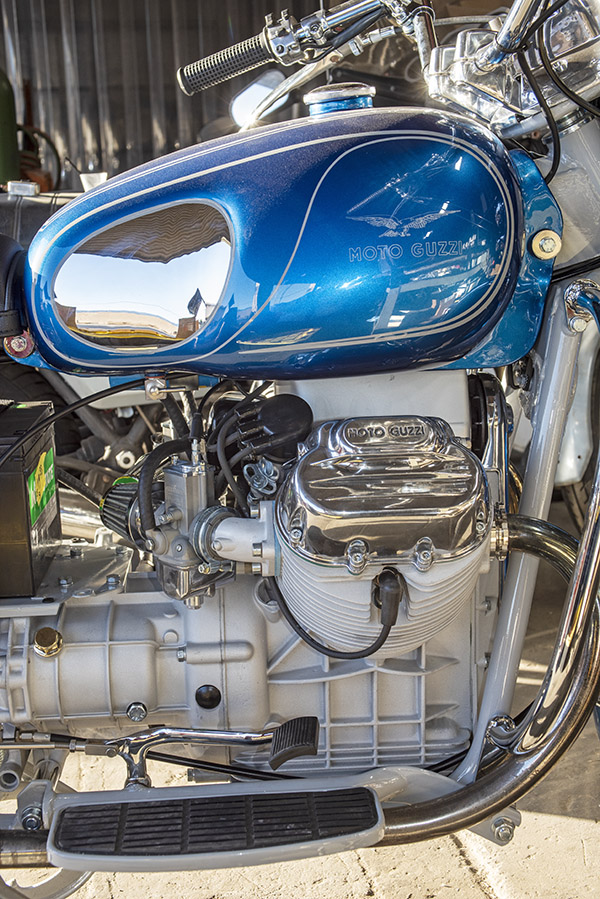
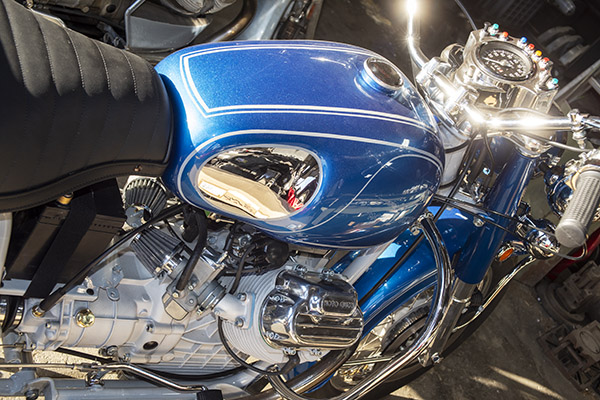
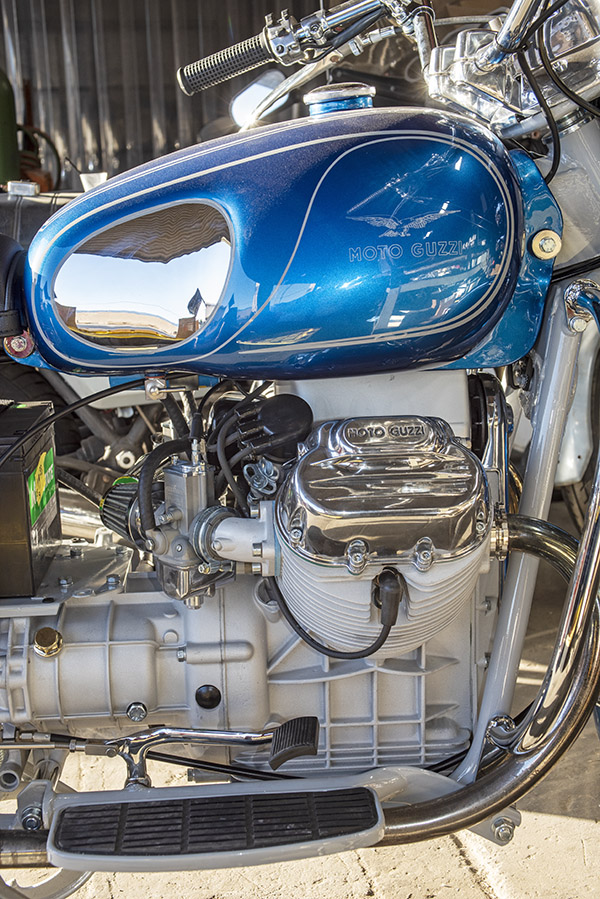
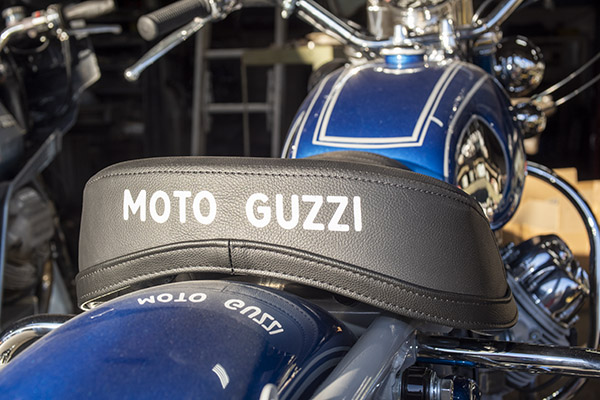
This resto-mod 1974 Guzzi police motorcycle is beyond stunning. I’ll let Moe tell the story on it. There’s a YouTube at the end of this blog in which he does that, but first, a few photos…
Yessir buddy…that is a beautiful motorcycle. The bike is 52 years old this year.The colors are magnificent. Lindsey did the painting. Steve did the engine work.Awesome. Just awesome.
Here’s the promised YouTube. There’s more Moe Moore coming up on the ExNotes blog and in Motorcycle Classics magazine, so as the saying goes…stay tuned!
I had stopped at the perfect place for my morning coffee. Not only did the owner know of less chaotic roads, but the coffee shop was at the exact location to turn off to hit these mostly unexplored roads. I quickly finished my coffee and was out the door in minutes.
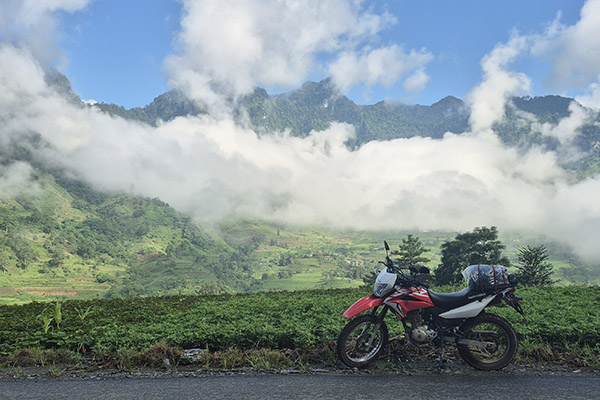
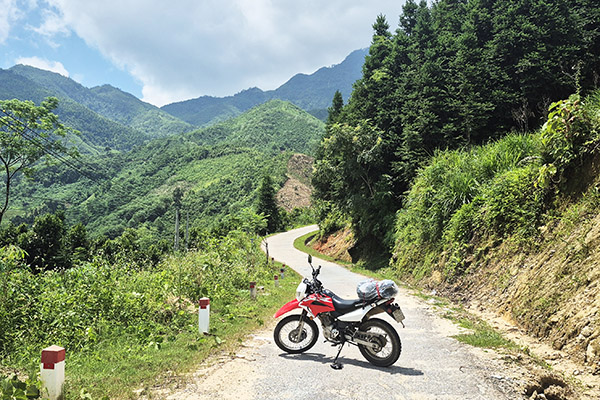
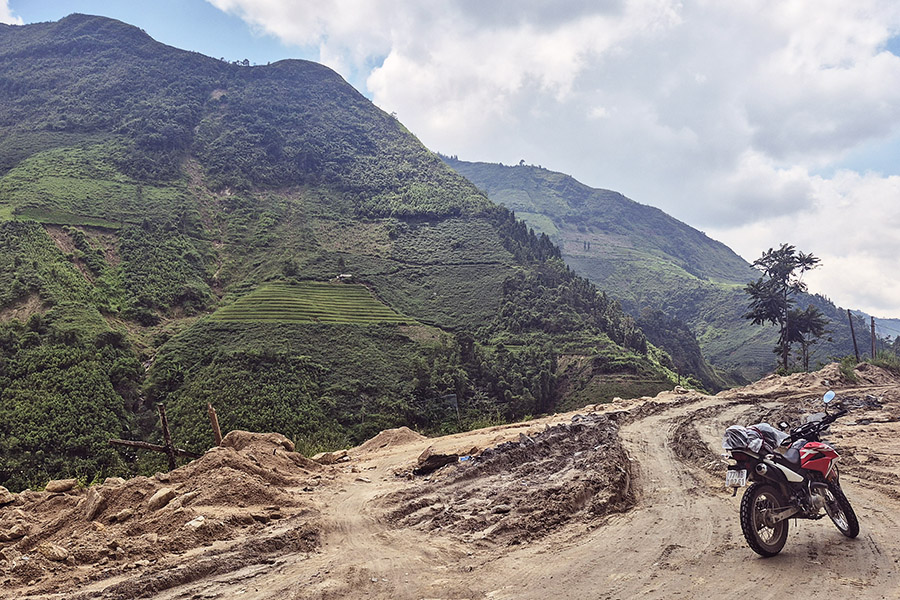
This would be the Vietnam I was looking for. No congestion, no traffic stops, just miles of mountain switchbacks. This new chosen path didn’t come without a bit more adventure, too. Over the next five days I didn’t see one Westerner or tourist. None. The village homestays I chose were so far off the beaten path I don’t even think many of the locals had ever seen a Westerner. Communication was strictly between my charades and some Google Translate. The more rice wine I drank at the end of the evening, the less I relied on Google and the more colorful my charades became.
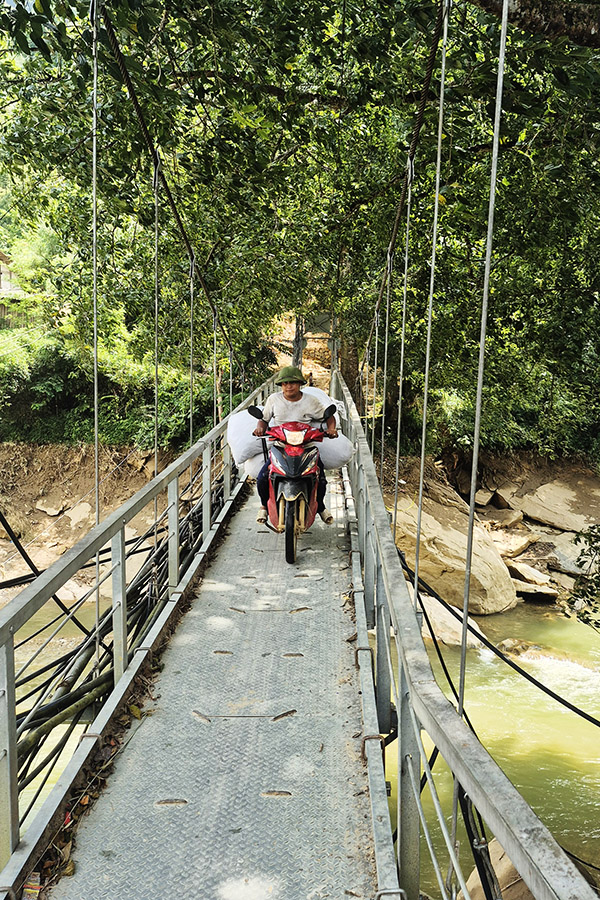
The roads were beautiful as the paved switchbacks disappeared into the lush jungle mountains and became dirt. Some had precarious places with mudslides that consumed the dirt along these roads. On more than one occasion I would be filled with confidence as I successfully negotiated these obstacles, only to be put in my place as a 10 year old girl on a scooter would overcome the same obstacles (but one-handed as her other hand was busy texting). Talk about an instant ego check.
The days actually became very isolating with the empty mountain roads, and even emptier villages where I found myself staying. On more than one occasion I found myself alone in a rundown hotel room having ramen for dinner by boiling water from a tea kettle. Those moments were overshadowed by the adventure that always arrived the following day as I chose new mountain roads. It was exactly the experience I desired while motorcycling Vietnam.
For the next five days I hardly saw pavement or even other vehicles. When I would stop for a break at a viewpoint or for a drink of water there was absolute silence. Even if there had been noise, the dense jungle would have absorbed it. The jungle even consumed the sound of my moto crashing into the rocks when I occasionally lost focus. It wasn’t dense enough to absorb my pain-induced swearing as I reinjured my broken rib from my Thailand crash.
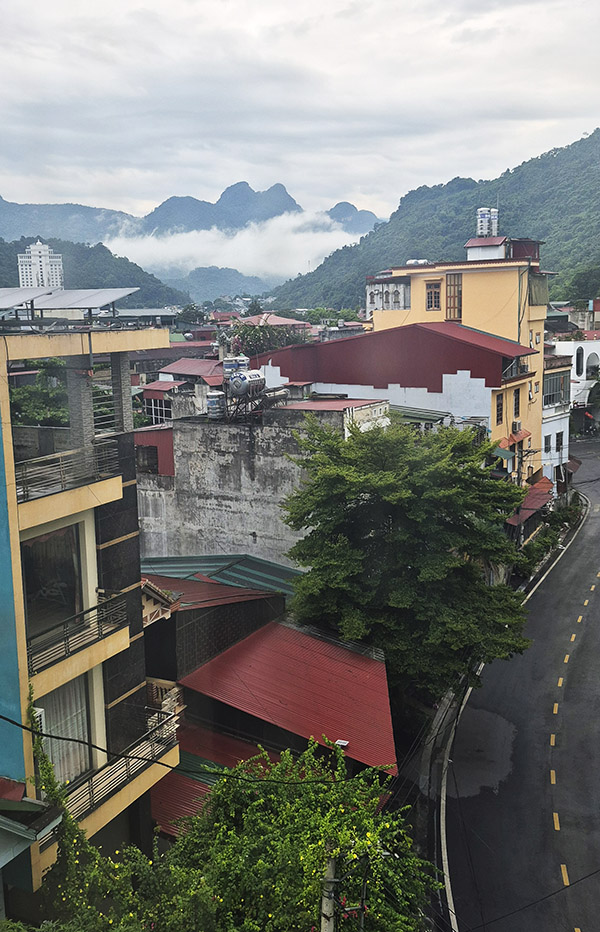
After nine days I returned to the sensory overload of Hanoi, which came in the form of massive traffic and chaotic roundabouts. I had completed the Ha Giang Loop. It was such an epic road. The greater accomplishment was leaving the tourist trap loop and experiencing the true, raw, and mostly unexplored roads of Vietnam.
I have an interest in old or unusual motorcycles, to put it mildly. So it was strange that I never heard of Iconic Motorbikes out of Panorama City, California. My recent Buell Fever led me from online search to online search to Iconic’s website.
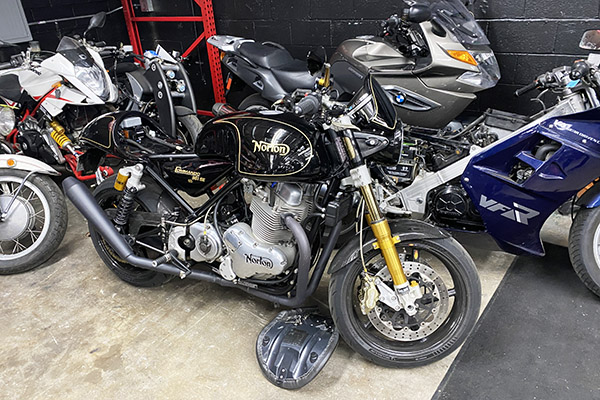
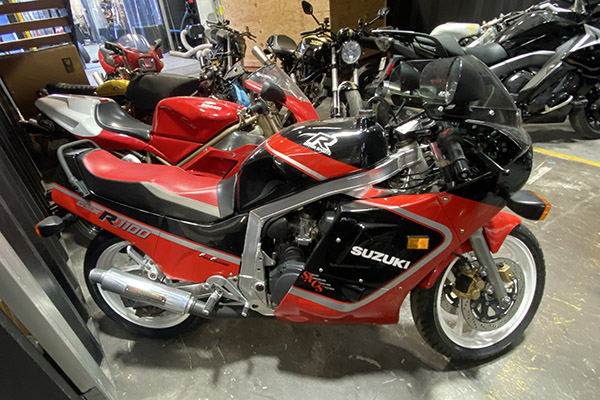
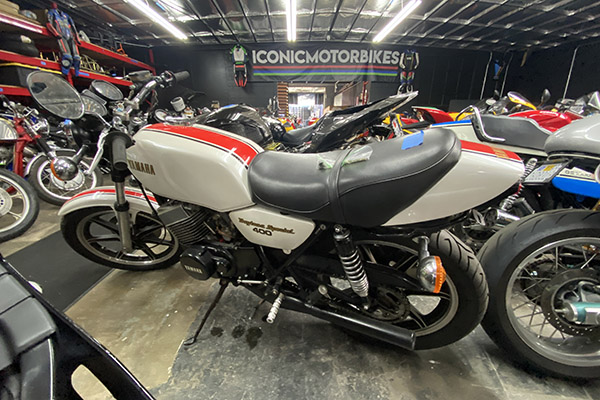
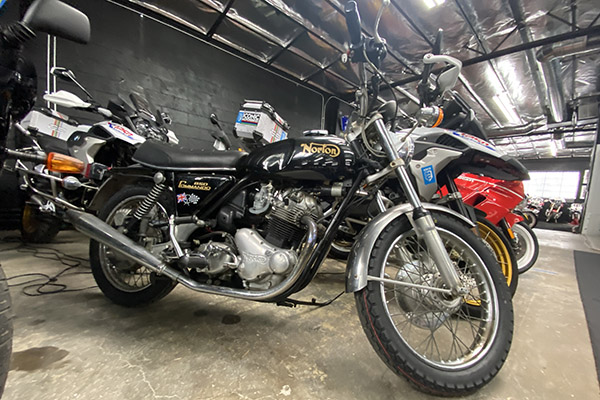
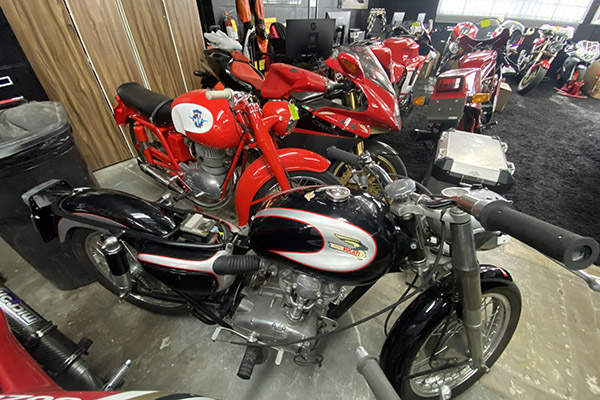
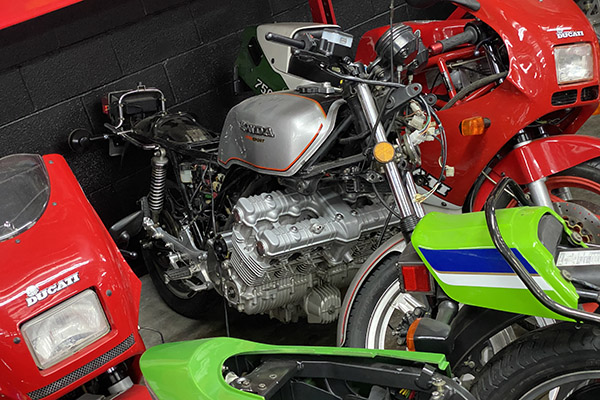
Rare, updated Norton still using the old bottom end. Norton has gone through some owners.An un-wrecked, oil-air cooled slabby GSXR.Yamaha Daytona 400. The last of the air-cooled RDs.Super condition Norton. The real deal before the owner shuffle began.MV grocery getters!A cannibalized CBX. Probably with a fortune as is.
It’s a good thing I didn’t find their site earlier or I’d be homeless, living in the streets surrounded by my collection of fantastic motorcycles. Iconic has a lot of cool bikes.
And for Buell’s, they got ’em. Plenty to choose from, and all at reasonable prices. The process works like this: you register to bid on the Iconic website and in no time you’re blowing money on cool motorcycles.
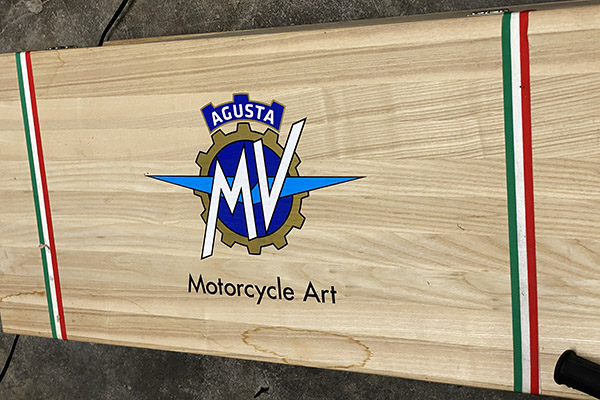
Even MV’s crates are beautiful. I wonder what swag is inside?
The site is set up for auto-bid: you put in your highest offer and Iconic bids for you as your chosen motorcycle’s price rises. This releases you from having to watch the bidding and gives you more time to pour concrete.
In my case all the Buells I bid on went over my budget. Don’t despair if you don’t get your dream bike: Iconic’s website has a section just for you called Buy It Now.
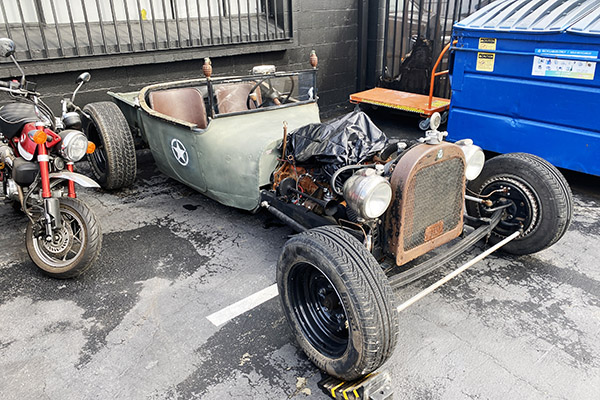
The odd rat-rod at Iconic’s Panorama City location.
Iconic’s Buy It Now section is full of bikes that didn’t make their reserve price on the auction side of the site. That’s where I found my VR1000-esque Buell. You can still make offers in Buy It Now, Iconic will contact the seller with your offer. Or, like me, you pay the asking price and the bike is yours. Most of the bikes in Buy It Now are not outrageously over-valued. There are a few kite-flyers, but you never know. Not all the motorcycles for sale are in Panorama City; some bikes are at other locations around the US.
Once the deal is made you pay Iconic for the bike and go pick it up (at Iconic or the owner’s location), and you’re done. It’s a pretty easy process. Iconic will also ship the motorcycle to wherever you want for an additional cost.
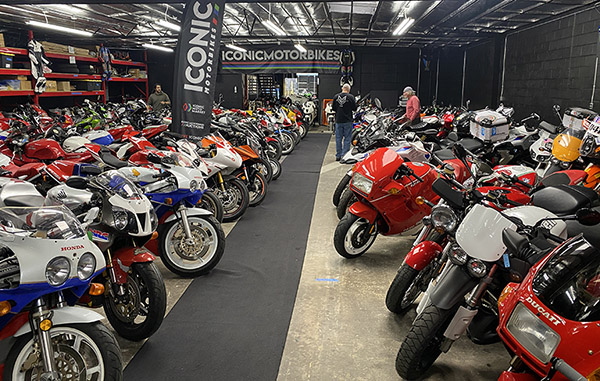
Wall to wall and two stories high. If you can’t find your dream bike in this lot you’re having a nightmare.
I liked Iconic for the huge selection and their extremely detailed reports on the condition of the motorcycles on auction. It’s like having a trusted friend go check on a bike for you like my buddy Deet did when I bought the RD350.
I wasn’t buying a piglet in a poke when I bought the Buell and I am using their list of recommended repairs as a check list while working on getting the ’95 Buell Thunderbolt back on the road.
Iconic’s huge location in a warehouse district of Panorama City, California, is a candyland of motorcycles. There are at least 300 motorcycles stuffed cheek-by-jowl and two floors up, all of them cool. Leave your wallet at home if you visit Iconic or you’ll leave with a bike you didn’t know you wanted.
I give the buying process at Iconic high marks. It’s almost too easy to blow money on motorcycles there, so use their site wisely, my brothers.
In December 2019 I spent a month motorcycling central Vietnam, but due to poor weather I missed riding the Ha Giang Loop. The Ha Giang Loop is a 240-mile loop through northern Vietnam. It has spectacular mountain views and roads that go up to Vietnam’s North Pole, the northern-most point in Vietnam. This loop is the best road I have motorcycled in Asia. It may be the best road I have ridden anywhere.
I started the 10-day journey from where I had previously left Hanoi. I rented my moto from the same place I had six years earlier (Tigit Motorcycles). I was familiar with the company and felt comfortable renting from them again.
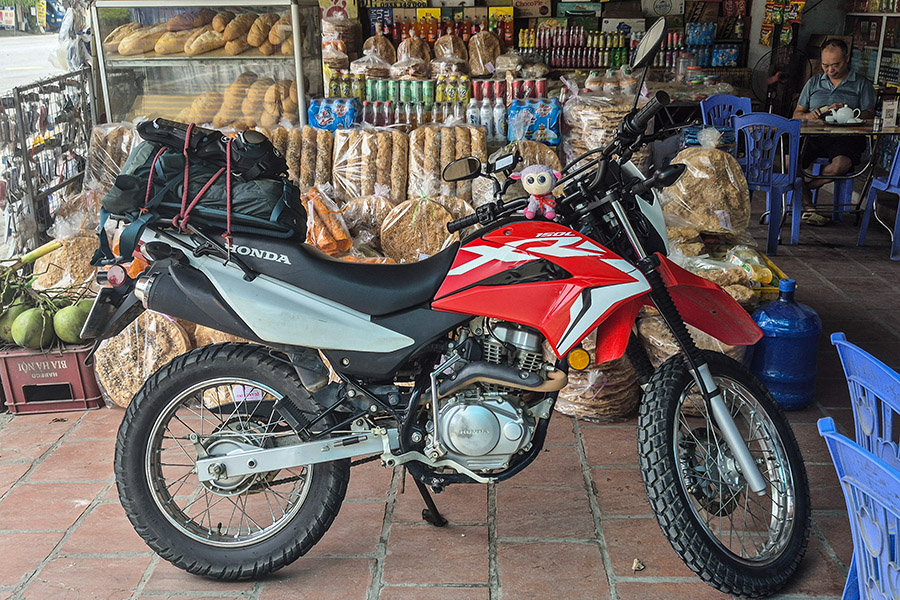
Upon arriving and securing my motorcycle, a Honda XR150, the representative went over the usual rules and a few route suggestions. He informed me that my International Driver’s License was not valid. What this meant was that I would be expected at some point to pay the police “a fee.” This was news to me as I had previously ridden for four weeks through central Vietnam, and I of course had been pulled over. The police then never really seemed to care; however, now the Ha Giang Loop has become so popular that you are expected to pay the police this fee. The representative stated the amount in Dong (Vietnamese currency) I would have to pay, but my ADD kicked in and I didn’t hear the amount.
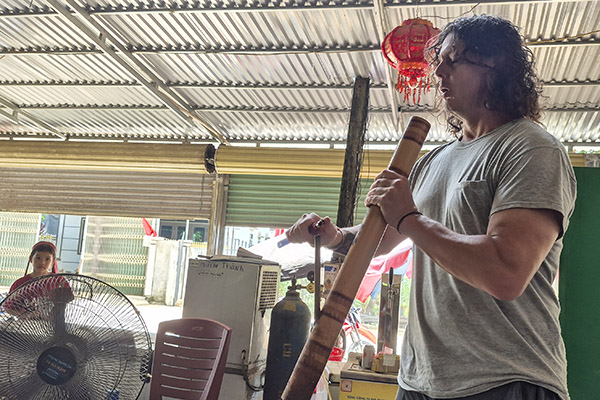
It took me two days just to get to Ha Giang, where this epic road began. During this time there was one moment that really stood out. It was getting late and I was about 30 kilometers south of the city of Ha Giang when I decided to stop in a restaurant to get some Wi-Fi and book a place for the evening. As I sat down, I noticed a group of four Vietnamese men a bit older than I was. Within a few moments they invited me over and we began passing my phone around using Google Translate as beers, a bamboo tobacco pipe (which looked similar to an Australian Digeridoo), and food begin to arrive at the table. A dish of food and a beer suddenly appeared in front of me. The conversation eventually got deeply serious about the Vietnam War and about the history surrounding the United States and Vietnam.
After an hour or so, I went to pay the waitress. I tried to be slick and ensured she knew I was paying for the entire table. She quickly waved me off. As I turned around, the men from the table all gave me hugs and nudged me towards the door. They texted on my phone “Your money is no good here.” It was probably one of the nicest gestures I encountered in all my travels, especially knowing they don’t make much money and for them it was a substantial amount.
After drying my eyes, I got on the Honda and continued to my hotel. Carefully parking my bike in the hotel’s garage, it was now time to get some local food and retire for the evening. Tomorrow was the day I was to begin the Ha Giang loop and I wanted to ensure I was fresh as it would be a long day.
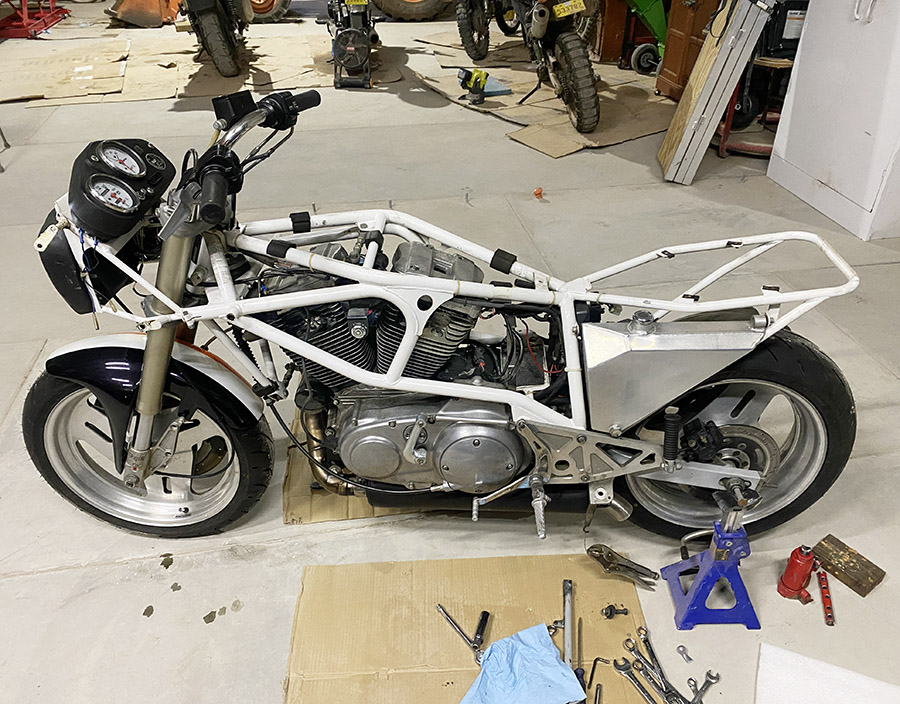
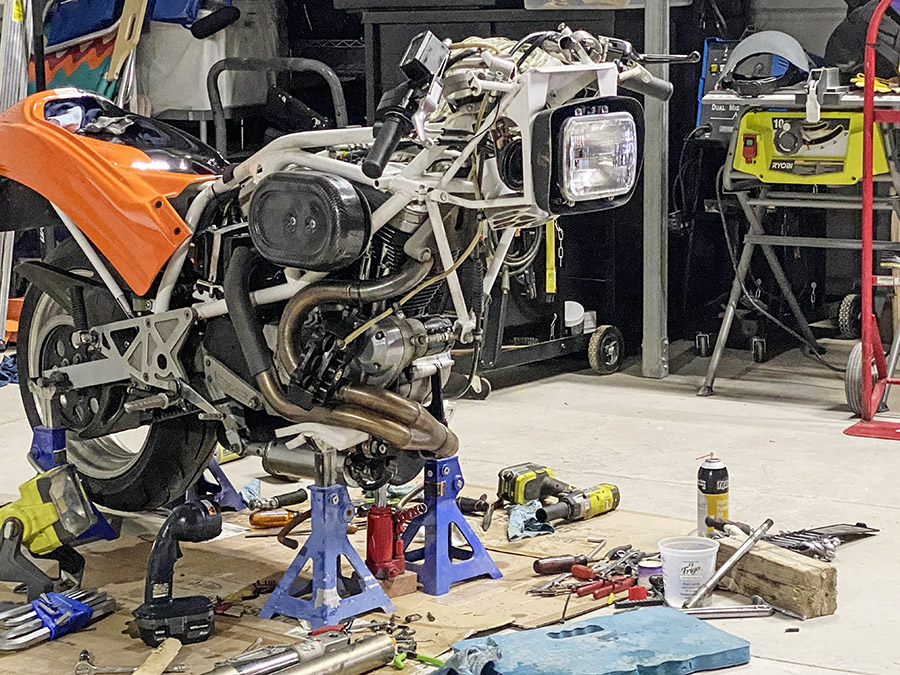
I’ve been ordering parts for the Buell as I dismantle the beast for service. I really like the way Erik Buell wrapped his tube frame around the 1200cc V-twin Harley lump. The bike is all engine and actually looks even better with the bodywork removed.
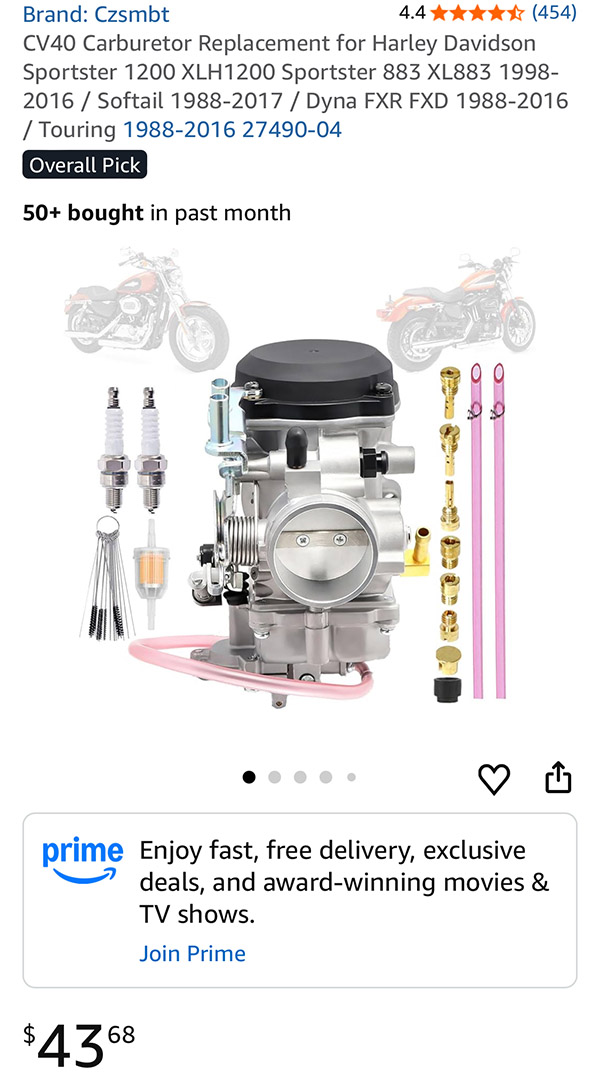
A new carb for $44! Tariffs? Never heard of her.
I’ve got the carb off and apart. It looks pretty clean inside, and the bike probably would have run fine, except for the rubber tip on the float needle. It has a pronounced ridge that may or may not have caused a flooding issue.
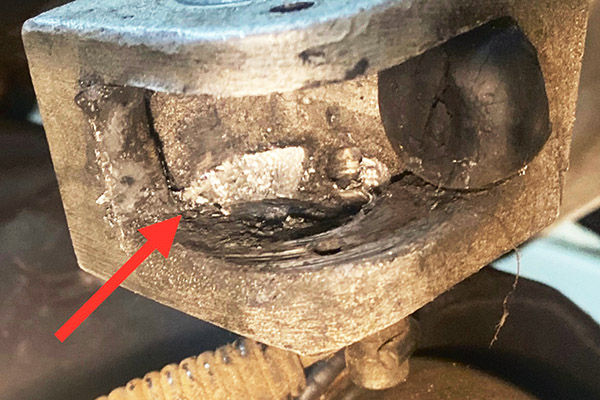
The kickstand culprit. This worn area was the locking boss. It’s wiped out so no locking. I may weld it up and relocate the pivot to allow for over-centering (eliminating the lock system).
The Buell has a strange kickstand (another bike with a goofy kick stand; see the Husqvarna kickstand story here on ExhaustNotes). The stand has an elongated mounting hole that allows the stand arm to pivot up and down in addition to the normal fore-aft motion. This extra motion was designed to allow the square pivot end of the stand to drop into a notch cast in the frame mounted, aluminum foot peg/kickstand boss. That’s a mouthful but when you see it it’s easy to grasp the concept. When new this setup made for a locking stand when deployed with the bike’s weight bearing on the stand.
The operative words here are “when new.” On my Buell the notch area inside the kickstand boss is worn out and the stand no longer locks. As built the stand doesn’t over-center and naturally stay in place like normal kickstands. You know where this is going. Fixing the kickstand was on my Buell to-do list. I should have made it job one.
Kickstands break levers. Ask me how I know.
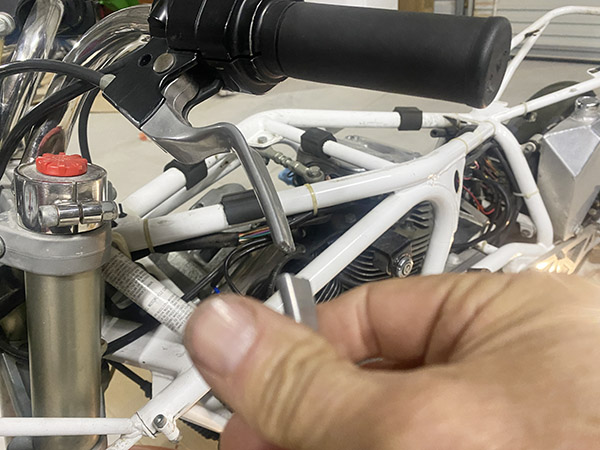
As I was removing the carb (standing on the right side of the bike) the Buell started rolling forward. As it fell left I held onto the frame as best I could but the bike hit the ground hard breaking the clutch lever. The right mirror, which is also a faring mount, took a hard hit and things look a bit off from the cockpit. I have the bike on jackstands now and it’s stabilized.
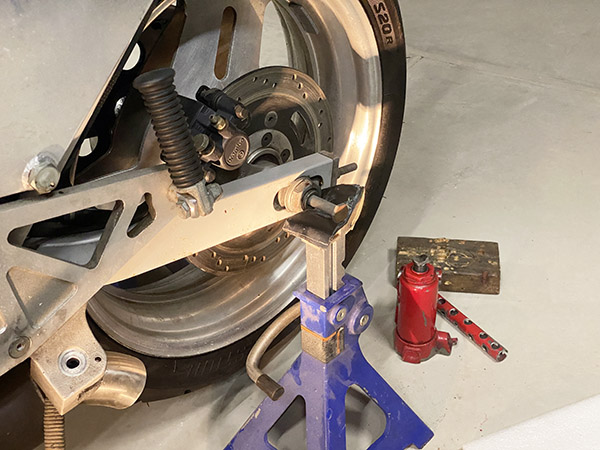
Jack stands after the horse has left the barn. At least I stopped dropping the bike.
Luckily, I had most of the bodywork removed and the only bits left, the front fender and fairing, are unscathed. $20 will get me two new levers (Harley parts are cheap!) but I think I’ll just weld the broken tip back on. You know, to keep it original.
Back to the carb. The Buell motor is a stock 1995 Sportster mill and there is a huge parts aftermarket serving the Sportster. The carb kit was $13! I can get a complete, clone carburetor with new spark plugs, fuel filter and jet cleaning tool for $44! I know, I know, it’s Chinese but who’s to say the original isn’t Chinese? The Amazon clone carb reviews are positive: just bolt it up and the bike runs great. I bought the kit but that new carb was tempting.
This 1995 Sportster is quite a bit different than my old 1968 Sportster. The bottom end looks similar but everything else is different. What I thought was a pressure feed for oiling the top end seems to be a vent as the hose ends under the battery with the hose end left open to the breeze.
There’s also a rubber grommet with an open hole in the filtered side of the air cleaner. I suspect a crankcase vent hose went there but I’m not sure. As is, the hole allows unfiltered air into the carburetor so that’s not good. I’ll plug the hole or figure out what goes in it.
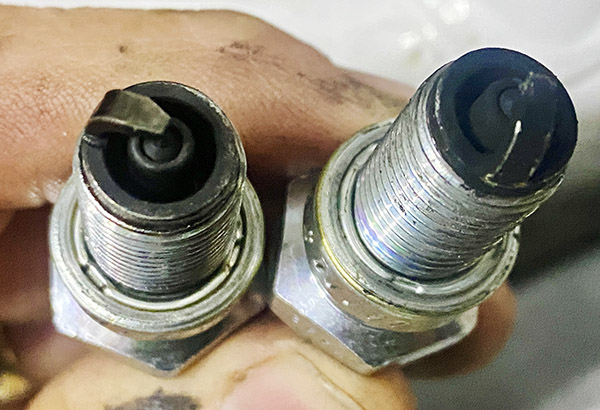
Plugs look a little sooty. I’ll clean them up and flog the bike to blow out the soot.
I don’t know how long the Buell sat so I pulled the iridium spark plugs (sooty) and squirted some motor oil in the cylinders so the rings don’t have to scrape on dry bores. When I get a battery, I’ll give the motor a spin with the plugs removed to blow out any excess lube.
Apparently, the White Power front forks on the 1995 S2 are different from the following years. I’m having trouble finding fork seals and have emailed White Power directly. No response yet. If I had a 1996 S3 fork seals are everywhere for the damn things.
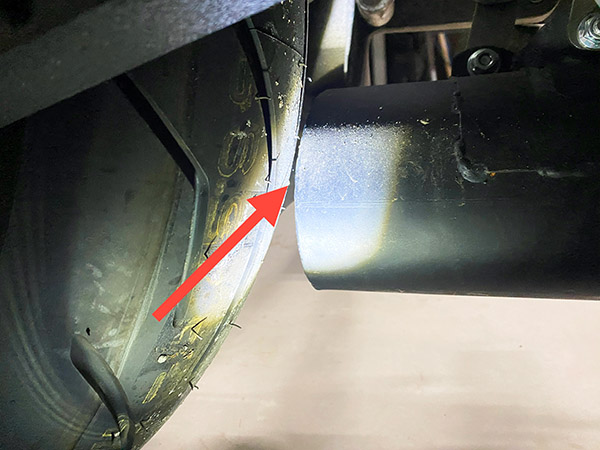
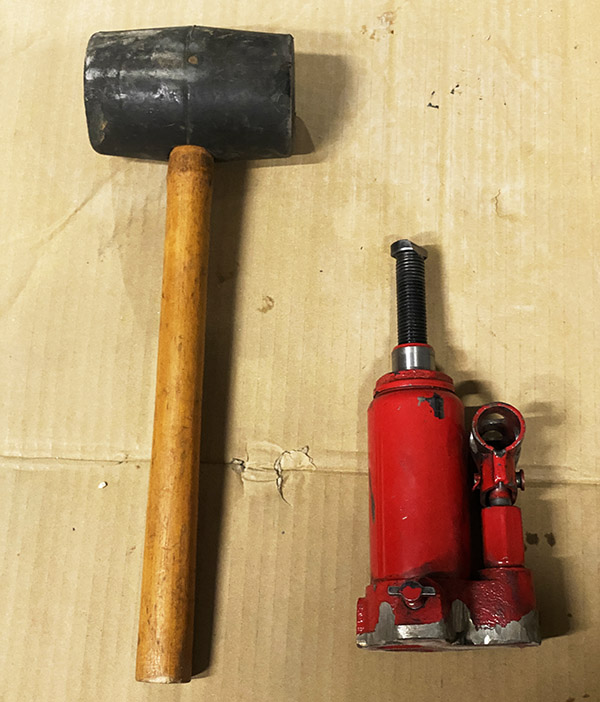
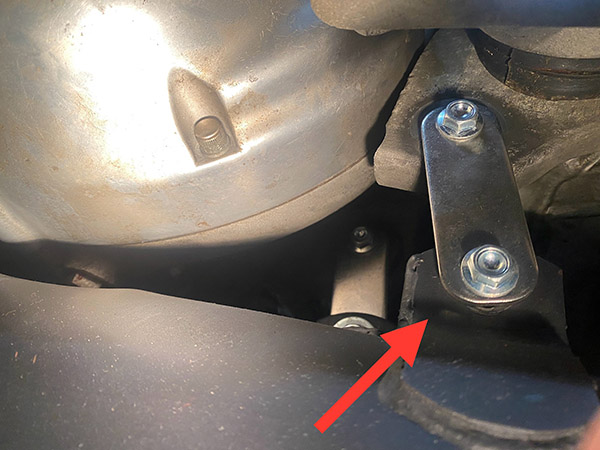
For me, the rear tire was a little too close to the Buell’s underslung muffler. Like a 1/8″ gap. It looks like the muffler slid back a bit from the header pipe. I loosened the pipe clamp and mounting bolts then beat the muffler forward with a rubber mallet.
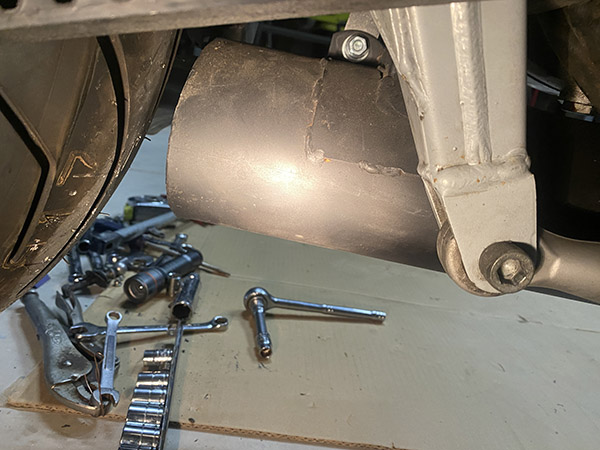
Does this tire gap make me look crashed? Not much clearance, Clarence.Hammers and jacks gained quite a bit of clearance. I have no faith in this fix.Buell tools. Anvil and forge not shown.I think the permanent fix is to make these brackets a bit longer so the muffler fits the header better. Then weld the brackets on the muffler side to prevent the parallelogram effect when the bolt clamping inevitably loosens.
A jack under the header pipes pushed the header into a more agreeable position and I tightened the bolts. This beating gained about 3/4″ but I’m sure it won’t hold. The muffler looks like a new one or freshly painted. The angle of the header pipe isn’t quite right. The tail of the muffler needs to drop about 1/4″ which means slightly longer muffler brackets. Once the bike is operational, I may do some exhaust re-engineering.
$30 seems cheap but then I’m approaching the end so I’m risking less.
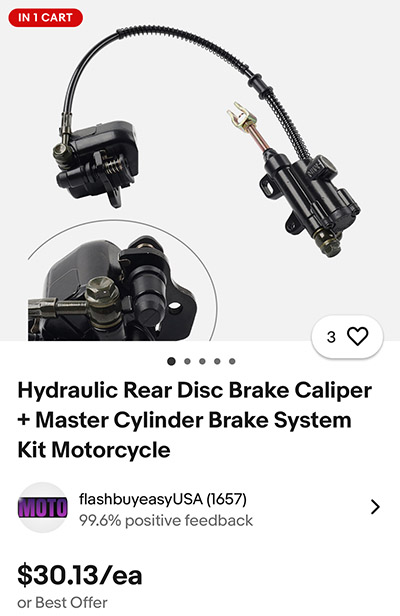
The rear brake Brembo master cylinder is stuck and will need to come apart along with the rear caliper. Seals for the rear brake components are another hard to find item. I did find a Brembo clone master cylinder/caliper/brake line set up that may fit for $30 so I bought that. Watch for the ExNotes Brembo-clone brake system review.
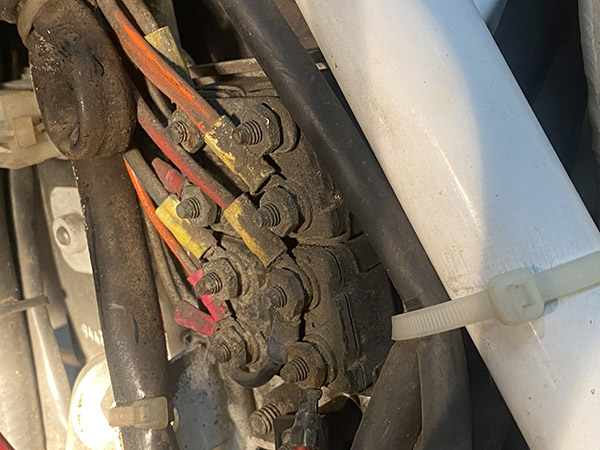
Wiring straight out of 1960. I love it.
Except for the damage I’m causing by dropping the Buell, it looks to be in good shape. I probably could have poured gas in the thing, popped a battery in and gone for a ride. Who needs a rear brake anyway? I’ll be dismantling the front end soon to measure the fork seals and to give the steering head bearings a shot of grease.
That 6-mile Cyclone (the one I didn’t win) is looking more and more like a steal!
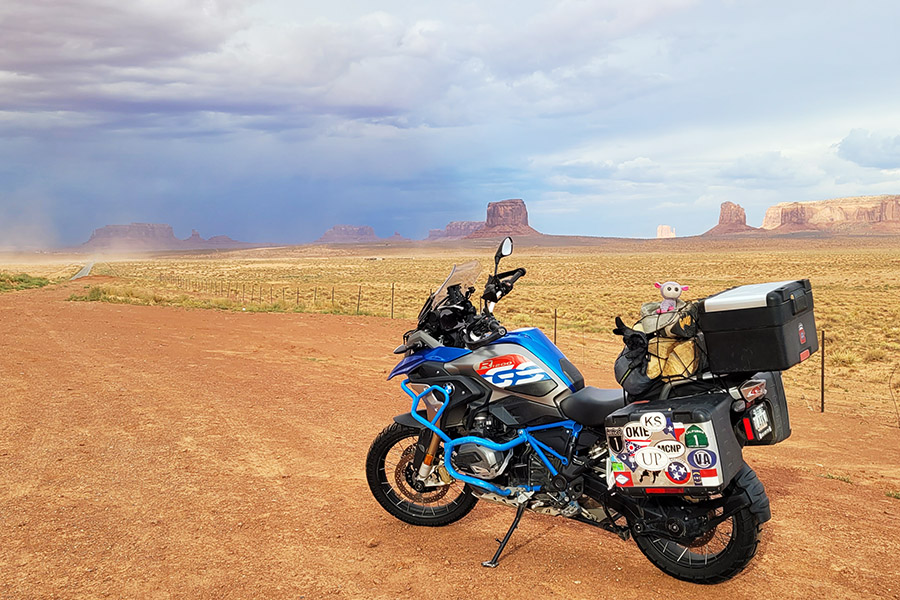
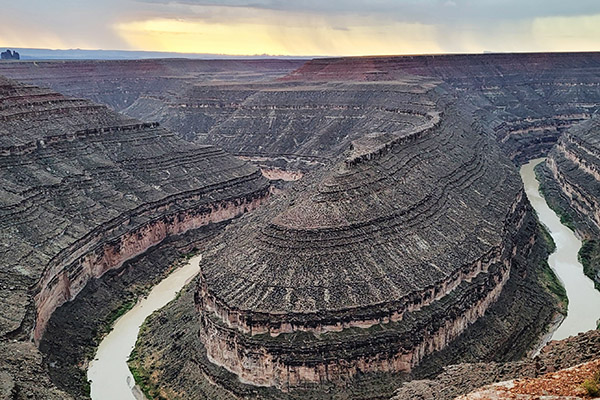
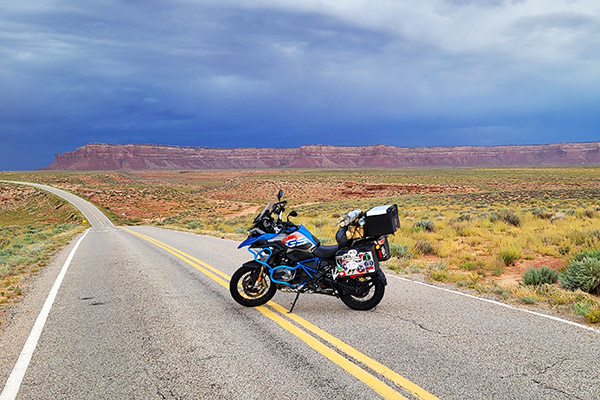
As I left the gas station in Mexican Hat the sky was looking extremely menacing. I knew that camping in a lower elevation in the Valley of the Gods may not have been the best idea, due to possible flooding. The roads can get really slick with rain. There was a great state park just a few miles away. In fact, it is such a great place to camp I was hesitant to name it here, but it is Gooseneck State Park. There are about 20 campsites there which are on the edge of a 1,000 foot drop into what looks exactly like Horseshoe Bend. This park would suffice for my home for the evening, although in hindsight I should have gotten a hotel. But then there wouldn’t be a story.
I pulled into Gooseneck State Park and set my tent up. The sky was black. It really looked menacing, and I was quite sure it wouldn’t be a dry night. After setting up my tent I did my usual walk around the park and talked with other campers. I began chatting up some other riders and invited them over for a beer and to share my fire. Within five minutes of talking to them one replied to me as he pointed to the sky. “Yeah, you may need all those beers for yourself, and there is no way we are having a fire. Good luck.”
A few minutes later I found myself in my tent alone drinking my beers as the sky opened up. This was not good. As the rains continued to pelt down the winds picked up. Within two beers the ground became so soaked that my tent stakes had uprooted in the now mud puddle I was camped in. The tent was being blown all over just making loud cracking noises like a whip. Fortunately, I had brought my panniers inside and positioned them at diagonal corners of the tent in an attempt to keep the tent somewhat grounded. Unfortunately, the winds had grown so strong that my entrance zipper was ripped apart.
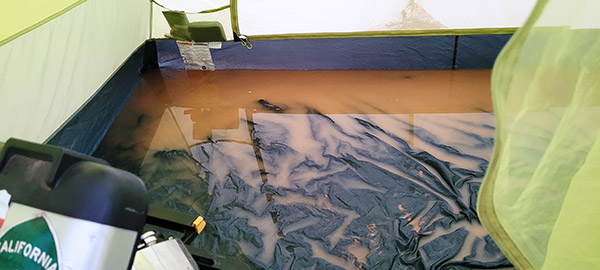
I felt like this was as bad as it would get. Sadly, I was mistaken as a strong gust got under the tent and threw my pannier across the tent and in doing so the floor of my tent was ripped apart. I managed to get a little bit of sleep that evening but not much. In the morning as I awoke at 5:00 a.m., I noticed my tent had a couple inches of water in it. It resembled a kiddie pool. Everything I owned was soaked.
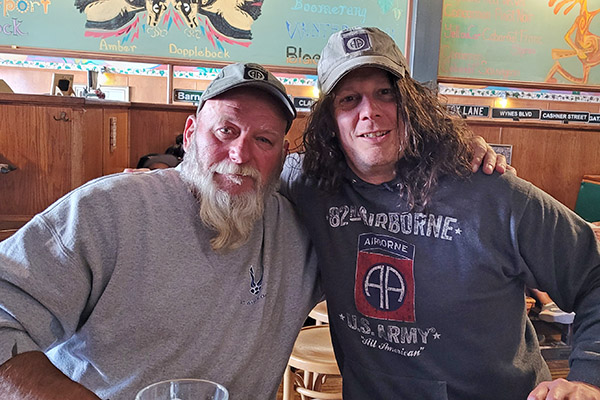
By 05:30 I had everything packed up and I was ready to find a coffee shop to dry out in. My plan for that day was to meet one of my 82nd Airborne friends in Cortez, Colorado for lunch. Even though I had an early start I showed up late, due to trying to dry my gear out. When asked why I was late I simply replied I had to hit a hardware store for duct tape. He then looked me up and down as I was covered in mud and even my 82nd Airborne hat was destroyed from the previous night. “What the fuck happened to you?” he asked as he took in my appearance. I ordered a beer and began to tell him of my adventure. Even though I had a rough night, Scenic Byway 163 is still one of the greatest roads in the United States.
As my age keeps creeping up and I slowly fall apart like Jeff Goldblum in the movie, The Fly, there is an urgency, a panic lying just below my normally placid exterior. Time is running short for all of us and if you have unfulfilled dreams, it’s best to get a move on.
The ill -fated VR1000, inspiration for my Buell’s paint.
Owning a tube frame Buell has been on my wish list since the S2 model came out in the mid 90’s. The combination of modern sport bike and 1957 lawnmower engine had a strange appeal to me and let’s face it: everyone should own a Sportster.
The dawn of 2026 found me frantically searching the internet for a 2000+ Buell Cyclone and I found a few. Several were pretty beat up all were reasonably priced but far away.
The deal I missed due to my inherent thriftiness.
I happened upon Iconic Motorbike Auctions and they had a pile of Buells from a private collection. The crown jewel was a Cyclone with only 6 total miles. It was a brand new, 25-year-old motorcycle. I bid on the bike and it made reserve at $4,000. What a deal! $4K was out of my self-imposed Buell budget so I stopped bidding. Someone got a hell of a deal.
Next up at Iconic was a clean, Buell Ulysses complete with Buell saddle bags. It was a gas-in-frame model. I prefer a tube-framed Buell but bid on the Ulysses anyway. It sold for $3,250! I didn’t bid anymore on it because it just wasn’t the bike I wanted. Although if I got it for $2K I would have learned to love it. After that, Iconic had an S3 with saddlebags that went for over $5,000. Now I was starting to freak out. I had Buell Fever bad-like. What if I was witnessing a Buell market correction in real time?
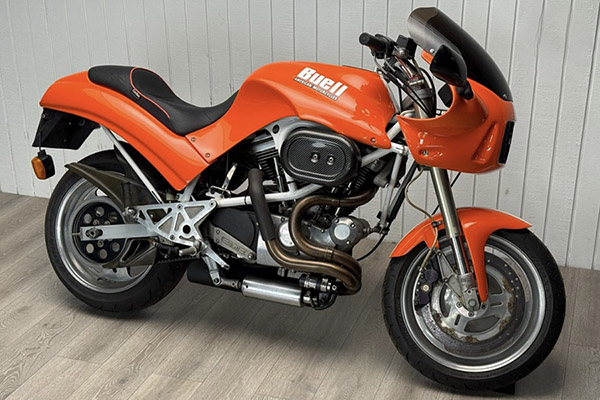
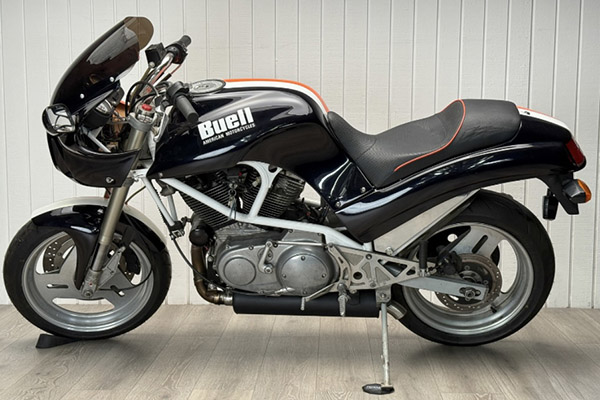
It’s like getting two bikes in one! Orange on the right.And black on the left.
Iconic has a buy-it-now section for motorcycles that don’t make their auction reserve. I plundered around in buy-it-now and found a beautiful 1995 Thunderbolt with only 13,000 miles for $3,000. It has a few minor issues to sort out like any 30-year-old motorcycle but what really got to me was the Harley VR1000-tribute paint scheme . It looked cool as hell. I loved the paint job. I pushed the button.
It’s not an actual Cyclone, but it mostly is a Cyclone. The main cosmetic difference is the front forks and faring. Also the 1995 Thunderbolt used a bone-stock Sportster engine that Cycle World dynoed at 65-ish horsepower. Later Buell’s were pumped up a lot with Buell-specific heads and other parts churning out 100 horsepower.
While I wouldn’t mind another 35 horsepower, the truth is I just putt around on bikes. My go-fast days are behind me much like the strange growth I had cut out of my back a few months ago (see The Fly with Jeff Goldblum).
One advantage to the Sportster engine is that parts availability should be excellent for the remainder of my life and beyond. If I truly need more oomph there are tons of Sportster hop-up parts and 60 years of institutional knowledge on the Internet. 75 horsepower is a pipe and cams away.
But I probably won’t do anything to the Thunderbolt except ride it and look at it. I’ll be fixing the minor issues right here on ExhaustNotes so you’ll be able to follow along with this Buellishness.
Got to go. Driving out to Panorama City in California to pick up my dream bike from Iconic motorbikes.
Yet again apologies for the prolonged hiatus from writing. I think five or six countries have passed since my previous blogs and I have just been caught up in the moment and dealing with life in my own way (is there any other way to deal with it?). Having a bit of downtime over the holidays I thought I would try to pick up where I believe I left off.
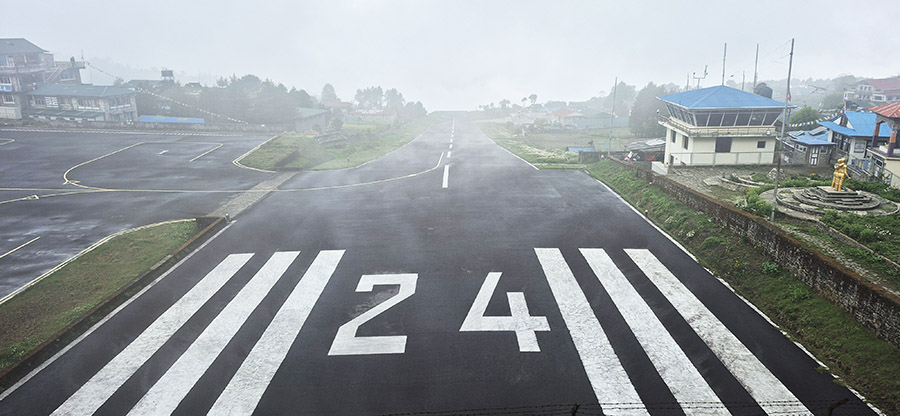
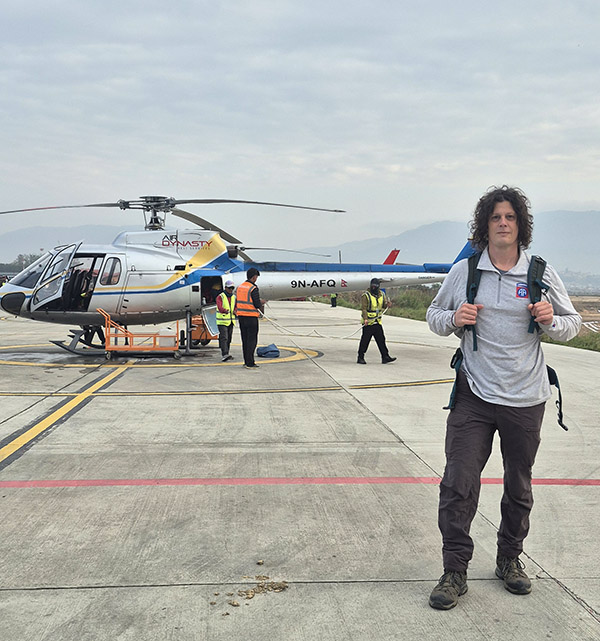
In April I was scheduled for a 0700 flight from Ramechhap Airport in Nepal into Lukla Airport, which is the gateway to Everest Base Camp. It is only a 20-minute flight between the two airports and as I stated in my previous blog after three days of delays forced me to scrap the Everest Base Camp trek originally. This was due to constant cancellations e to weather conditions. As you can imagine the weather patterns in the Himalayan Mountains aren’t always smooth. There is nothing more demoralizing then boarding a flight and having the props fire up and then have the flight scratched and having to deplane. Actually, there is. That being if you fly halfway to Lukla and then are forced to return to Ramechhap due to winds. This isn’t the best way to start off your journey to the rooftop of the world.
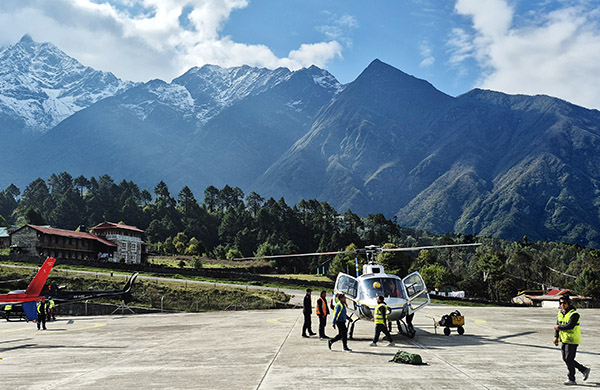
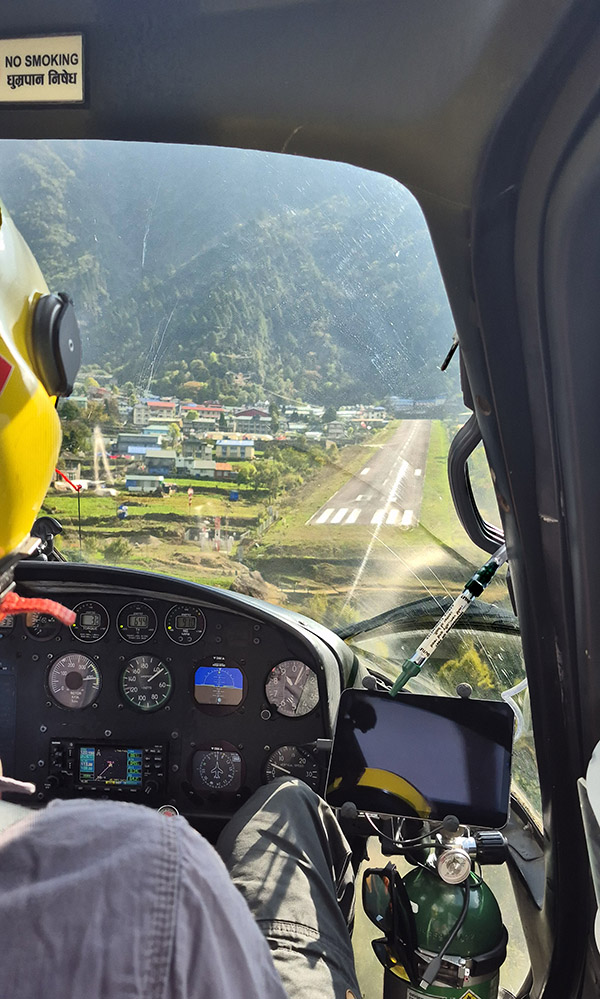
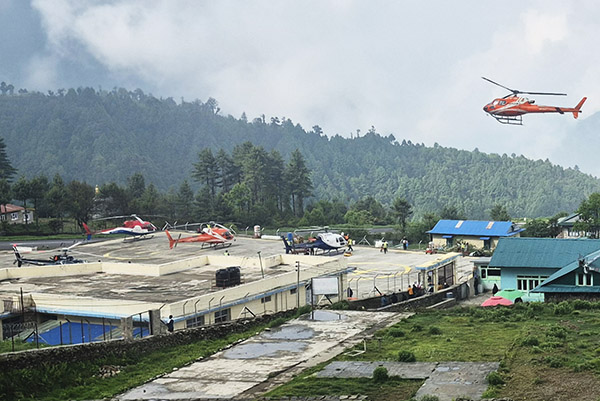
Lukla Airport is the world’s most dangerous airport. Nature is brutal in these mountains and add in the dramatic runway at a 45-degree angle which ends abruptly and drops off 2,000 feet into some foggy abyss becomes a recipe for either numerous cancelled flights, or worse yet, a disaster. When the Airport is up and running it is quite a sight. Helicopters in and out constantly in-between fixed wing aircraft landing and gear and supplies being wheeled all over the tarmac. It’s probably not only the most dangerous airport in the world but the busiest one for having only a single runway.
The other thing that I was to learn was even though it took four days to obtain a successful flight into the airport (I ended up opting for a helicopter to improve my odds of making it to Everest Base Camp) was that leaving Lukla airport is just as difficult. After two days of cancelled flights to return to Katmandu I once again chose to take a helicopter.
I was fortunate that I was in no rush, that and having the foresight to obtain a 90-day visa for Nepal almost assured me that I would eventually make it in and out of Lukla with minimal stress. Having both time and patience was required for this as five full days of my two months in Nepal were spent gaining access and leaving Everest Base Camp through Lukla Airport. I knew this time spent sitting in the airport making new friends would pay off once I began the trek to Everest Base Camp.
Another great asset was having my tour guide Kiran from www.theholidaytrek.com make the layovers much more tolerable as all I had to do was show up and hope the flight would be a go. He took care of all the bookings, rebookings, and hotel accommodation setups. I am not one to plug companies and I rarely am on tours but Kiran made being stranded for five days almost fun. There also was another positive out of it. While having a captive audience in Lukla I became friends with another trekker and we are going to be neighbors in the next country I travel to in a week. Colombia!
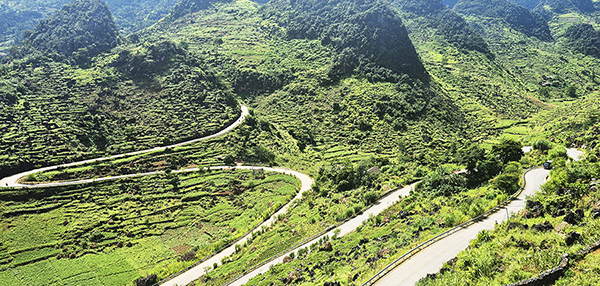 This would be the Vietnam I was looking for. No congestion, no traffic stops, just miles of mountain switchbacks. This new chosen path didn’t come without a bit more adventure, too. Over the next five days I didn’t see one Westerner or tourist. None. The village homestays I chose were so far off the beaten path I don’t even think many of the locals had ever seen a Westerner. Communication was strictly between my charades and some Google Translate. The more rice wine I drank at the end of the evening, the less I relied on Google and the more colorful my charades became.