The Dream is perched on the new Harbor Freight lift and slowly coming apart. I’ve been busy with other projects so don’t freak out if it seems like progress is slow. It’s not me. It’s the environment I work in.
This installment involves a bit of inventory control. I need a decent front rim but all the ones online look just as bad as the rim I have. The parts bike front rim is bad too. They are sturdy and run true but lots of surface rust makes them look bad. I can get new rims on eBay, sold in pairs for around $200 delivered, but I only need one rim. Anyone want to form a syndicate and go halvies on some 305 Dream rims?
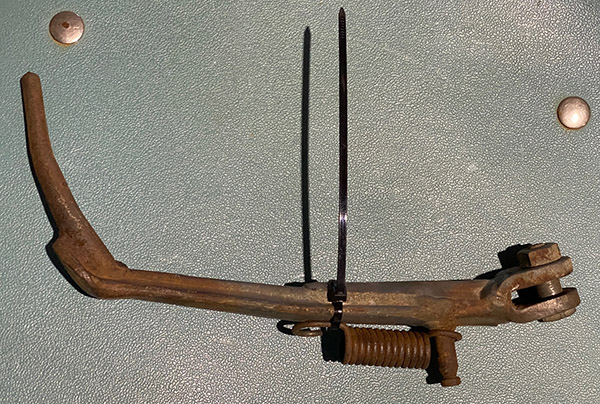
$20 kickstand. Sometimes I do it the easy way.
Both of the Dreams were missing their side stands and I debated making one from scratch. Just for kicks I went on eBay and some hero had a side stand for $20 so I bought it. It’s kind of like cheating but It would take me two days to make a stand.
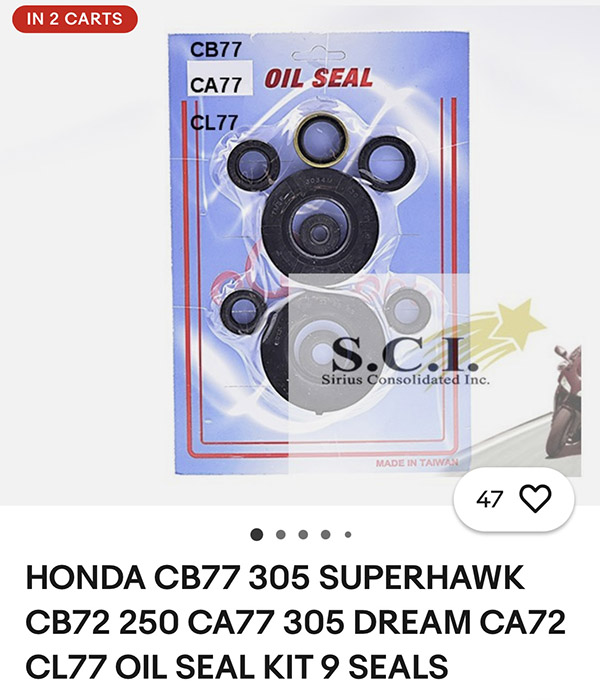
Hopefully these seals will work, keeping the oil inside where it belongs.
I’ve also ordered a set of engine seals. I’ll have the engine side covers off to free up the clutch plates and clean the centrifugal oil filter can. Also I need to remove the alternator to gain access to the starter clutch as it’s hit and miss. I figure it’s a good time to replace the seals. The only one leaking at the moment is the shift-shaft seal but you know how it goes with old rubber. Twenty miles down the road another seal will start leaking. Then another.
Deez Nuts were tight as hell. It took me two days to get them loose.
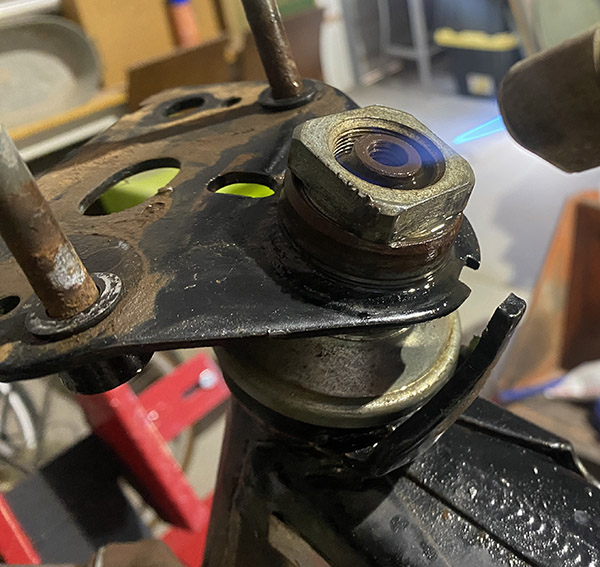
Getting the Dream’s steering stem apart was an Ossa. The top lock nut was knitted to the cone nut and the thing was tight as hell. Much hammering, heat and penetrating oil was used over the course of two days. The steering stem nuts finally unwed and spun off by hand. All the bearings and races look good with no divots or flat spots to cause erratic steering. There was even soft grease still inside! Impressive for a 63-year-old motorcycle.
The Dream on the maiden lift.
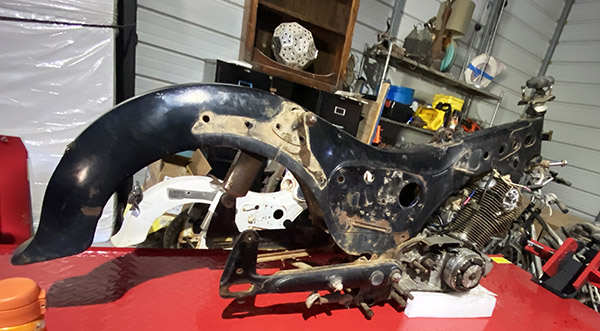
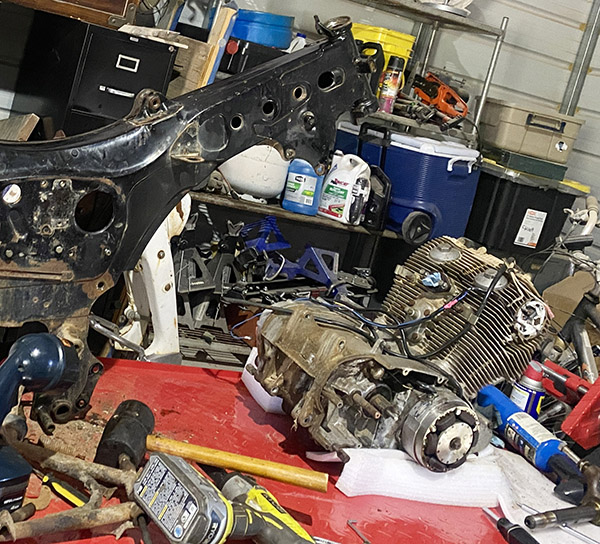
I’ve got the frame off the engine now. It’s a fairly lightweight sheet metal construction. Kind of like a monocoque Norton but with a separate fuel tank. Honda copied a lot of ideas from German and British sheet metal frame manufacturers.
The Dream frame is light. Easy to lift off the engine for an old man.
The frame has a few dings to fix and the Dream is made from pretty thick metal. The dents are hard to get behind to push out. I’ll try the painless/paintless dent remover but I don’t hold out much hope as the frame is twice as thick as gas tank metal. If that doesn’t work I’ll get a stud welder and pull the dents with a slide hammer.
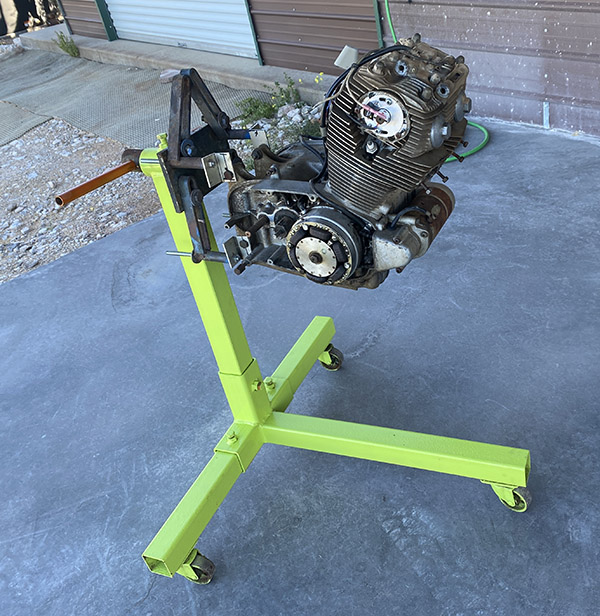
Kind of Kawasaki green for the new paint on the stand. Almost safety vest green. I had a can in stock.
Since I have a new, shiny lift I decided to clean up the old, rusty engine stand to match. I’ve had this stand since the late 1970’s and it’s had everything from a 4-Cylinder Volvo marine engine, many Chevy small blocks and a big, heavy, Ford 427-inch OMC inboard strapped to the thing. The big Ford was pretty bouncy. With the cast iron, water-cooled exhaust manifolds the thing probably exceeded the stand’s weight rating by 300 pounds. I used a 2×4 in the front to help stabilize the engine.
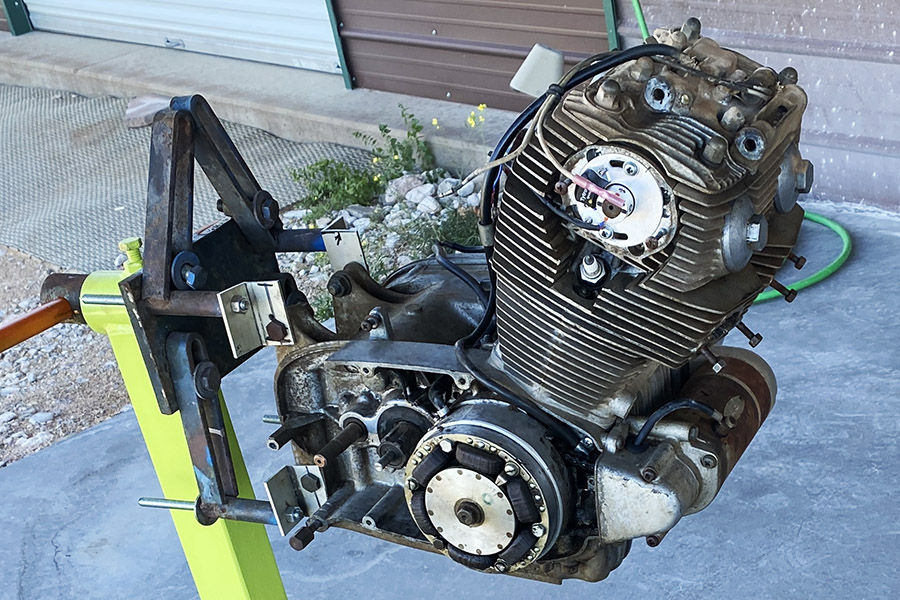
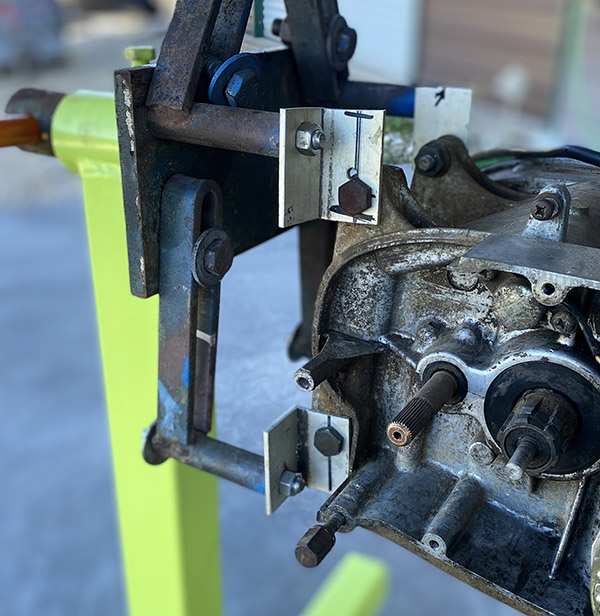
A few aluminum tabs and the Dream engine bolted right up. I’m going to do this method on the next MC engine I work on.
In all those years this will be the first motorcycle engine I’ve had on the stand. It makes everything easy with the mill at hip level. You can rotate the engine 360 degrees by spinning the T-handle. Which begs the question: why didn’t I think of this before?
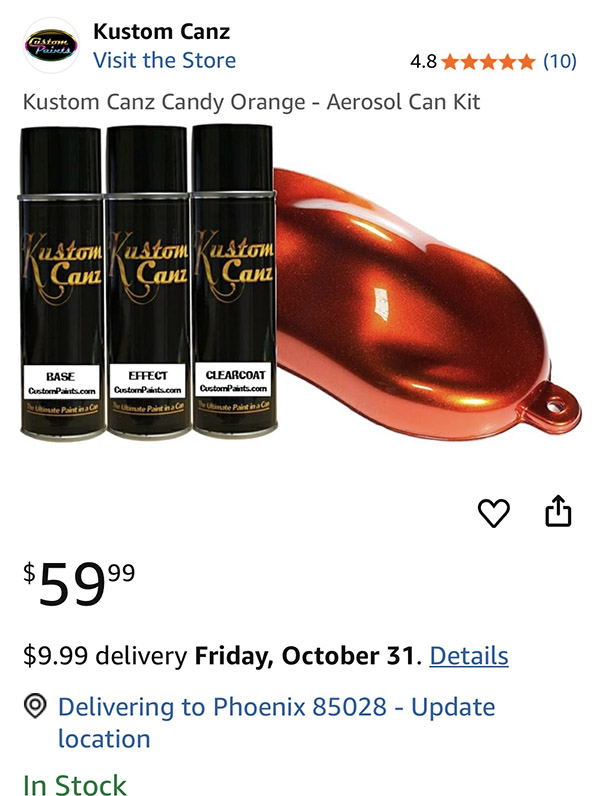
I’m thinking heavy metallic with candy-copper followed by 2K clear. What are the odds it won’t bubble?
I hear you: not much progress but I’m a bit lame right now and taking it easy for a week or so. What about a 3-part metallic orange for a color? Too much? Atomic Green? Black, red or white is boring.
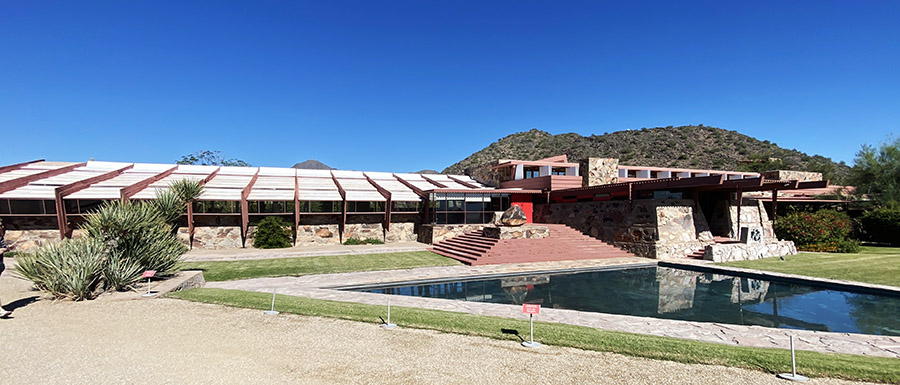
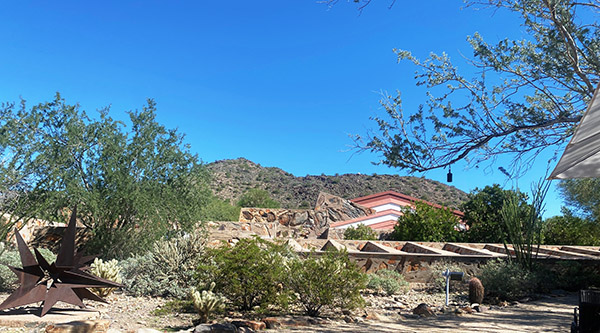
East of Scottsdale, Arizona, is a Frank Lloyd Wright house he named Taliesin West. The word “house” is being kind; it’s a mashup of tent and stone. The place is built using local rock and concrete, so you know I’m predisposed to like Taliesin.
Front view from the visitors entrance. The rocks blend in because they are from the site. We didn’t get to see the borrow pit.
I’m usually not a fan of Wright’s designs. They pointlessly stretch the function of materials and the idea of space in directions I dislike. Wright pushed the boundary of possibilities: A structure didn’t have to provide structure, it could exist simply as an idea. Take Falling Water. It barges in on the environment lording itself over the river and unnecessarily cantilevering all over the place. It’s a rude work. Not to mention his stuff leaks.
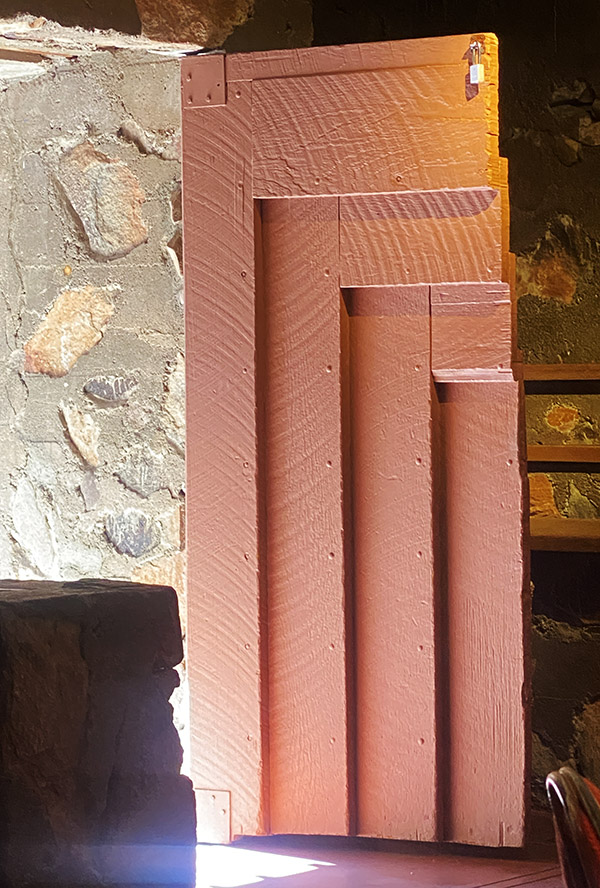
Door into the Kiva room. Kivas in my neck of the woods are round inside and partially underground. Wright got the feel with a square room.Detail of a plywood embellishment in the Kiva.
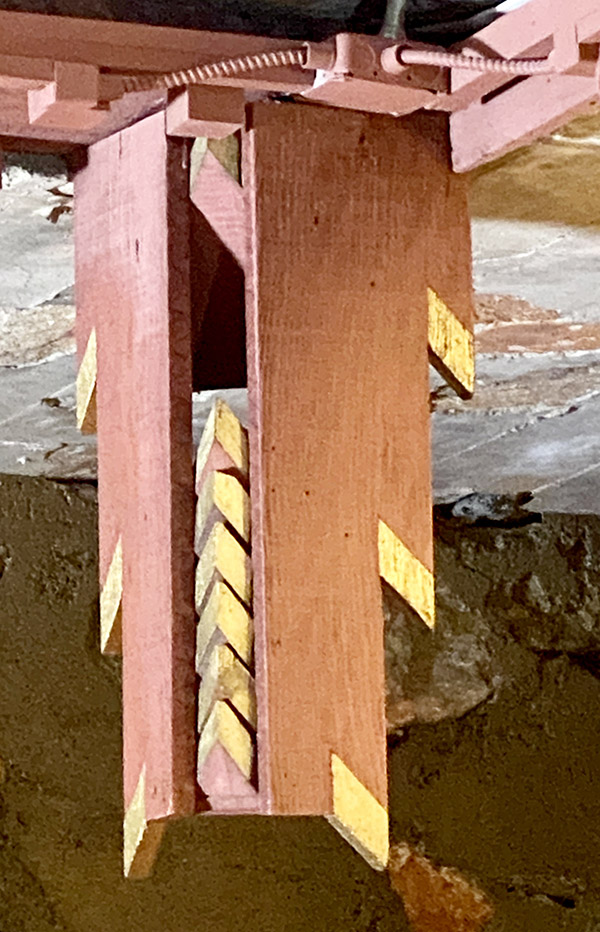
Taliesin West follows Wright’s usual distain for practicality and water tightness. Many roofs are canvas. Shutters open backwards so rain can blow in instead of shielding the windows. Painted plywood, probably the miracle material of the 1940s, is used extensively and today lends a cheap feel to the building. Not to mention the constant painting and replacement plywood requires. Odd little squares line the eaves requiring constant upkeep. Shallow reflecting pools breed slime and need cleaning frequently.
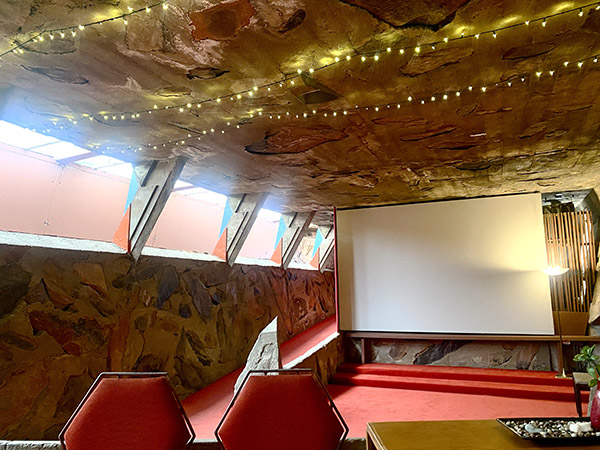
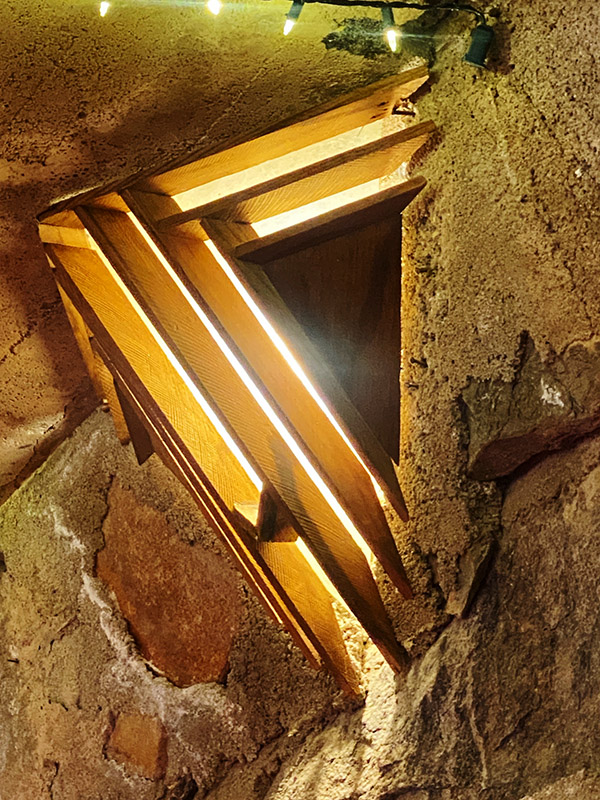
The entertainment room. Its low, heavy ceiling gives a crypt-like feel. Lots of windows to let dust and air inside.Interior wall lamps. Painted wood. Taliesin uses cheap materials, easy to replace.
Over the entertainment area the roof is a series of angled concrete and stone boxes that look like ideal water traps. Ceilings are low most everywhere and typically large Americans had to duck to get inside rooms. There’s a reason we all live in boxes. Boxes work.
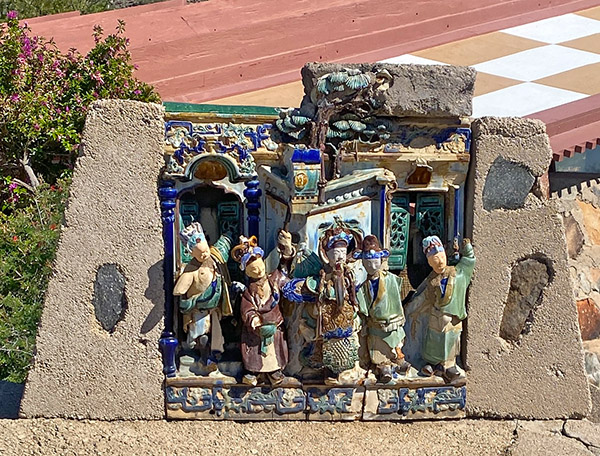
Wright liked Chinese ceramics and design. Taliesin West looks sort of Oriental.
Having said all that, I loved Taliesin. Wandering around, my inability to think outside the box kept me shocked at the unsuitable designs Wright employed. I’ll never be as free as him. Things like moving a window because he didn’t want to move a vase amaze me. My values always default to sensible. I’m going to move the vase no matter how much I like it there. Wright doesn’t do sensible.
Sitting in the Garden Room, looking out the low, western wall, gave a feeling of it being a special place. None of the boxes I build feel special. The density of the walls with their large rocks strangled in concrete felt safe. My dry-stack rock walls can tumble down at any moment. Corrugated metal buildings feel anything but safe.
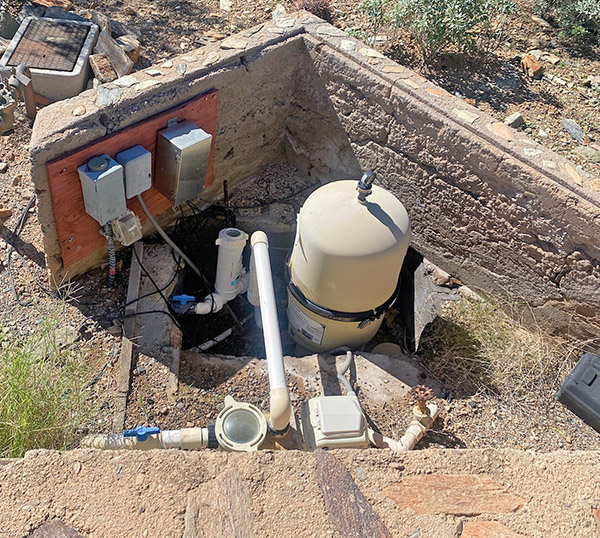
Water pump and surge tank. I’m not sure if this is for the house or the landscaping.
Taliesin started out as a 500-ace campsite and when Wright left for the summer the canvas roofs were removed and the buildings were left to the elements. Returning for winter the place would be reassembled and a crowd of designers worked there. Taliesin has a magical, Disney-theme-park feel. You expect a gnome to pop out and spin a hex around every corner.
My takeaway is this: I’m never going to build something that is doomed to fail, but I might be able to loosen up a bit and do some dumb things just because I want to. At least I’m going to try and stretch my thinking. Wright showed us that we don’t always have to follow the rules.
A few months ago Sue and I visited the Jameson Classic Motorcycle Museum in Monterey, California, for a Motorcycle Classics “Destinations” article. It was a marvelous museum in a marvelous locale, we had a wonderful time, Motorcycle Classics published the article, and I first learned of Emma Booton. Staci Jameson, heir to the Jameson museum collection, explained that several of the bikes on display had been lovingly restored by Emma Booton, whom Staci described as a “restoration goddess.”
I’m currently working on another Motorcycle Classics set of articles featuring how to do different motorcycle maintenance activities, which led me to seek Emma’s advice and, hopefully, to photograph her activities as she did some of the things I would be writing about. Well, I hit a home run there, too. Emma was very willing to support the activity, so Sue and I did another run up to the Monterey Peninsula to visit with Emma at her Moto Town shop.
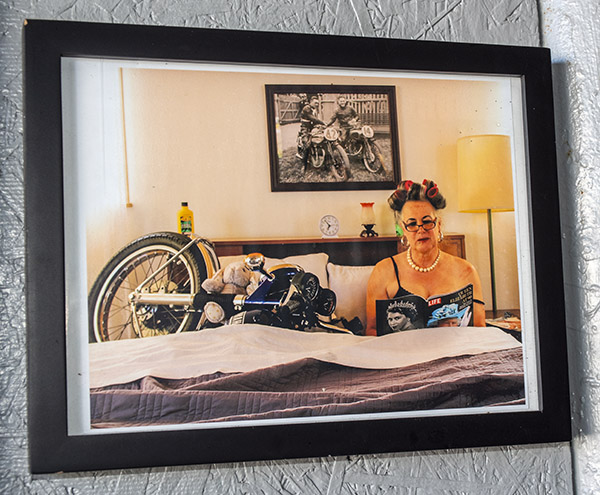
Emma has a sense of humor, as this photo in her shop demonstrates. That’s Emma on the right.
Emma and I spent a great morning together as she worked through a series of activities on a vintage Honda dirt bike and I snapped away with my Nikon. Emma is a wonderful teacher with a delightful British accent and a very keen sense of humor. It was fun and I enjoyed every second of it.
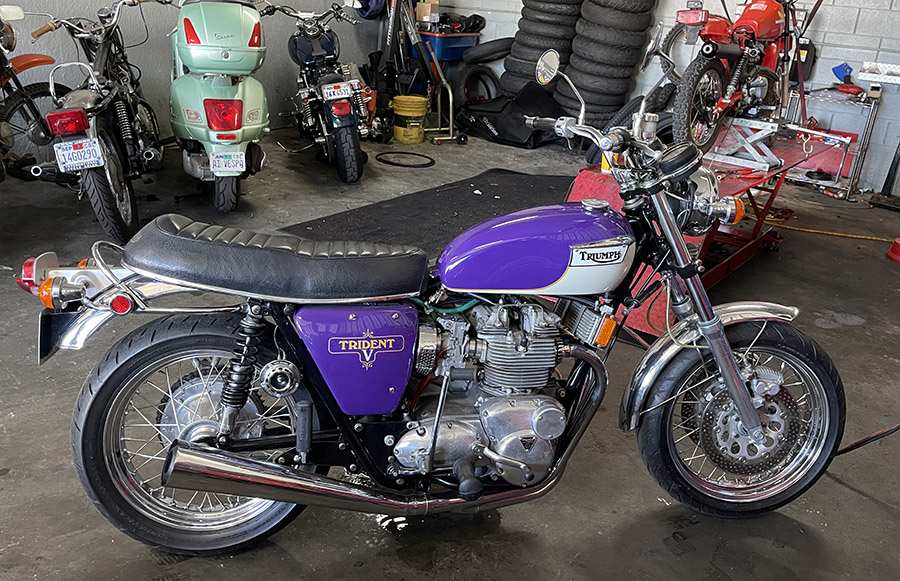
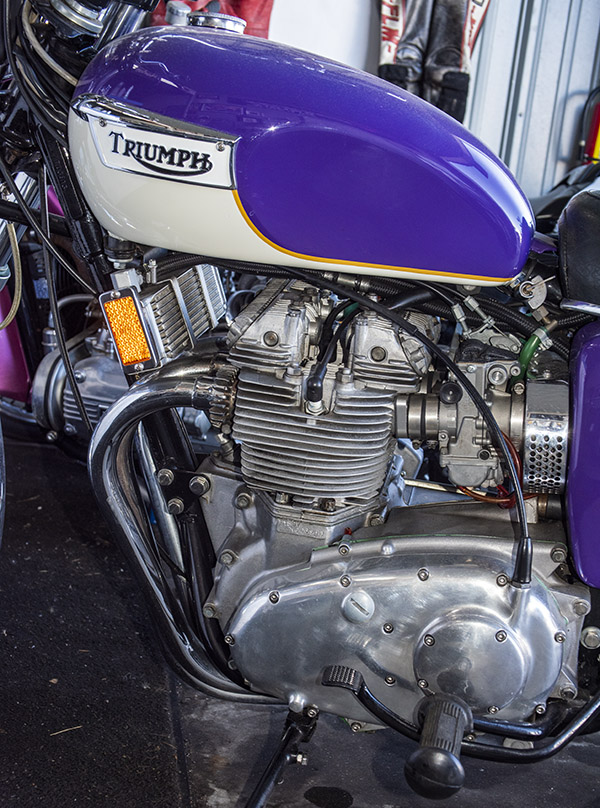
Emma Booton’s resto mod Triumph Trident. I want it.
While all this was going on, my eye wandered to the other bikes in the shop, and one in particular was visually arresting: A resto mod Triumph Trident. I asked Emma about it and learned it was one of her personal bikes. The bike has been poked out to 900cc, it has larger diameter forks and dual disk brakes, bigger carbs, transistorized ignition, a hotter cam, an oil cooler, and lots more.
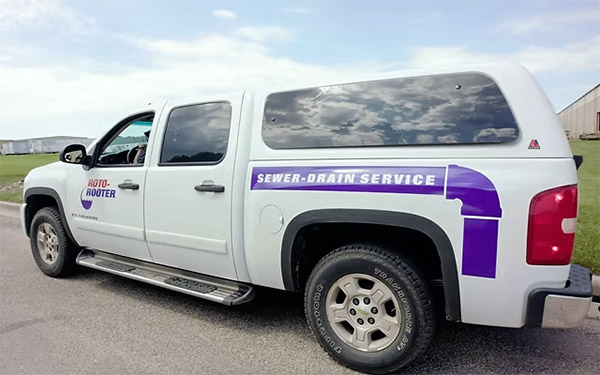
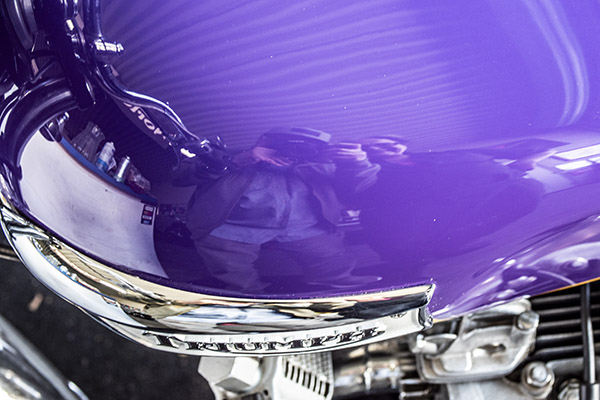
I asked Emma if the colors were the stock Triumph purple that was available in those early 1970s Trident days. I remembered that Triumph had a purple, but Emma’s bike was much more vibrant than any Triumph I remembered. “No, dear,” came the answer in that vibrant British accent (aurally matching the Trident’s stunning purple paint). “I knew I wanted purple, but not the Triumph purple, which wasn’t very uplifting. I looked and looked and looked and couldn’t find exactly what I wanted, and then I saw it…the purple on a Roto Rooter truck! I call it Roto Rooter purple!”
Call Roto Rooter, that’s the way…
There weren’t any Roto Rooter trucks nearby, and on the long drive back down to So Cal, Sue and I diligently scanned the other cars and trucks we saw on the road, but we didn’t see any Roto Rooter vehicles. A quick look on Google Images struck paydirt, though, and we saw it. Emma was right. She nailed it: Rotor Rooter purple!
Emma and yours truly.
I would dearly love to own Emma’s Triumph. Not many motorcycles reach out and grab me like that, but the Trident you see here sure did. It’s a good feeling.
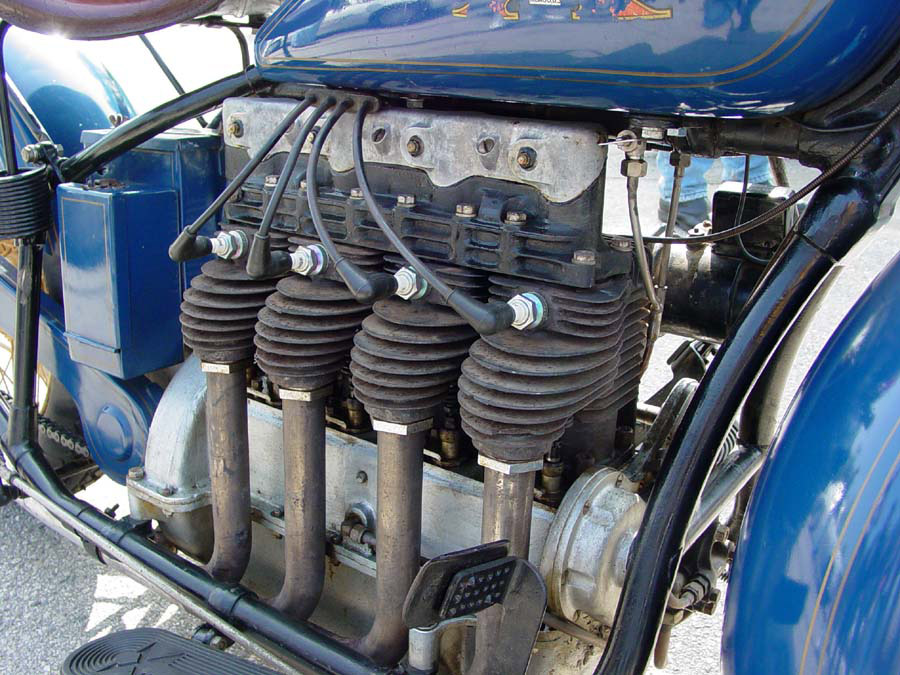
Fours? I’ve owned a few, and Lord knows I’ve sure seen a bunch of them. For starters, there’s the 1931 Excelsior-Henderson at the top of this blog (a photo that graces every one of our ¿Quantos Pistones? blogs). It’s not mine and I didn’t ride it. I was so interested in photographing that motorcycle, I didn’t realize I was standing next to Jay Leno until he took his helmet off. I’ve written about that encounter before.
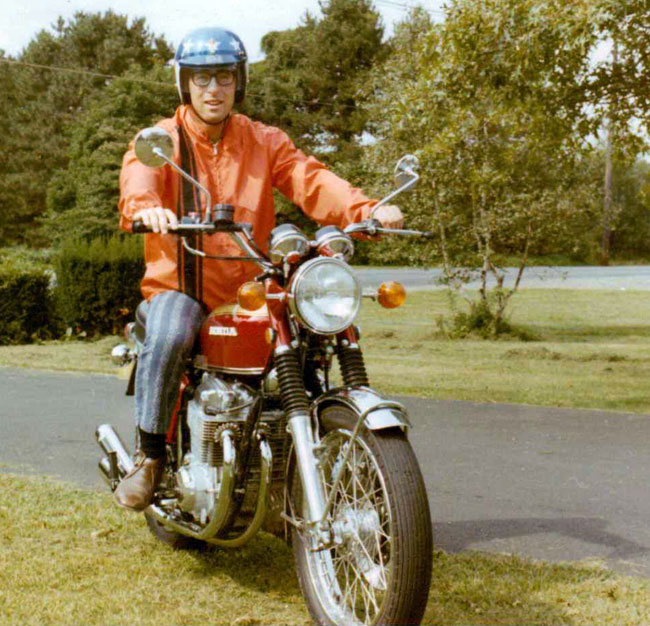
Honda CB 750
When the Honda CB 750 Four came on the scene in 1969, it turned the motorcycle world upside down. I thought the bike was interesting before I saw one, but I also thought I was a 650 twin kind of guy (you know, Triumphs and BSAs). The first 750 Four I ever saw accelerated past my house when I was way younger. It was a gloriously visceral and symphonic four. To a guy used to lopey Harleys and throaty Triumphs, the CB 750 sounded like an Indy Offenhauser. When I heard that high performance four-cylinder yowl, it was like walking through the jungle on a moonless night and having an unseen leopard suddenly scream a short distance away. It reached deep, took hold, and shook me mightily. I remember it like it happened yesterday. At that instant, I knew I would own a 750 Four someday soon. And I did.
Yours truly in the 1970s. Hard to believe it was more than 50 years ago. I loved that motorcycle.
Our family bought our motorcycles from Cooper’s Cycle Ranch in Hamilton, New Jersey. The CB 750 was $1539 out the door (I can’t remember what I had for lunch earlier today, but I remember that number), and my 750 was the color I wanted. Honda offered the 750 Four in four colors in 1971 (brown, green, gold, and candy apple red). I wanted a red one, and Sherm Cooper made it happen. It was a glorious bike. I rode it to Canada with a fellow Rutgers student (Keith Hediger, who had a white Kawasaki 500cc triple). That was my first international motorcycle trip. I rode it a lot of other places, too. It was a wonderful motorcycle. I wish I still had it.
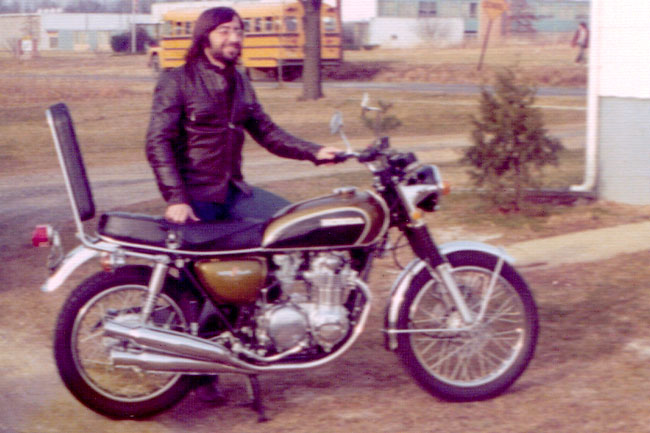
Honda CB 500
I owned two Honda CB 500 Fours. I bought one from good buddy John who was a high school and college classmate. I only put a few miles on before putting it on my front lawn with a for sale sign. It sold quickly. I liked the bike (it was very smooth), but I needed the cash for something else (I can’t remember what).
Good buddy John and the CB 500 I bought from him.
A similar opportunity popped up decades later when a guy at work had a metalflake orange CB500 for sale at Sargent Fletcher (an aerospace plant I ran in the 1990s). Metalflake orange was a factory color on the CB 500 Honda. At $500, I figured I could take a chance. I bought it, rode it a little bit, never registered the bike, and sold it with a Cycle Trade ad a couple of weeks later.
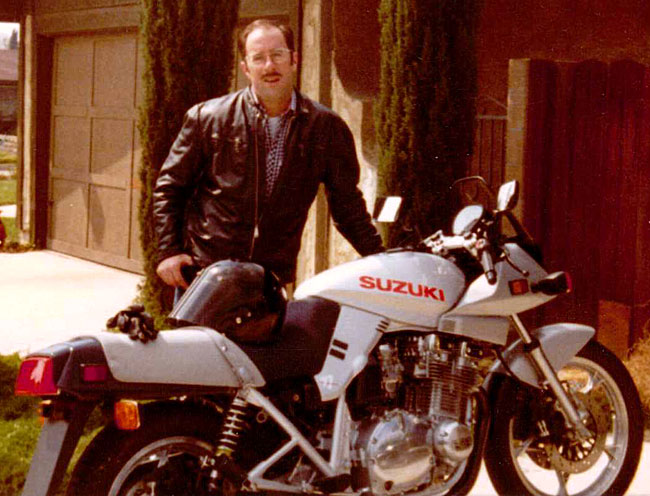
Suzuki Katana
This was a bike way ahead of its time. Wow, was it ever fast. In 1982, the performance was incredible. It would probably be tame by today’s hyperbikes, but back in the early ’80s, it was something else.
Me and my Katana. I still had some hair in the 1980s. Not much, but some.
Take a good look at that photo. The ’82 Katana you see above is the only vehicle (car or motorcycle) for which I ever paid over list price. When it first came out, it was pure unobtanium. Suzuki only made 500 initially. I think mine was No. 241. I paid $5500 for it, which was way over list price in 1982, and I had to go all the way to Victorville to find one.
I thought I had something special, but that only lasted a month or two. After the initial limited release, Suzuki made another 500, bringing the total number to 1,000. I found that troubling, and I felt cheated. Those sold quickly, too, so Suzuki went ahead and produced yet another 500. Those last 500 didn’t sell well at all (Suzuki had reached all the fools like me by then and the market for a bike like the Katana had been saturated). Suzuki had to discount the remaining bikes heavily to move them. That really pissed me off. It would be another 15 years before I would buy another Suzuki (that was my ’97 TL1000S). The way I was buying and selling bikes in those days, that was a long time.
The Katana was my first ever superbike. It was scary fast in 1982, and it would probably still be scary fast today. Thanks to Joan Claybrook and Jiminy Carter (remember those two?), the speedo maxed out at 85 mph (as if that would somehow slow anyone down).
The pipes were one of the coolest things on the Katana. They were what Suzuki called black chrome and they looked great. The instrument pod was cool, too. The tach and speedo needles moved in opposite directions, which made it seemed like the two needles were unwinding as you rowed through the gears. This was my first ever bike with low bars. I didn’t like them, but the rest of the bike was very, very cool. I sold the Katana when my first daughter was born. A fat lady knocked it over in a shopping mall pulling her car out of its parking space. I took that as an omen. Time to step away from riding for a bit. I wish I still had that motorcycle.
Suzuki went on to use the Katana name (a Katana is a Japanese Samurai sword) on other models, but they were never the same at that first 1982 Katana.
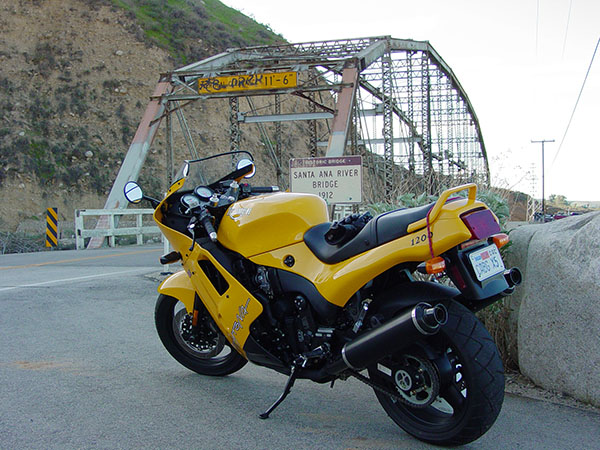
Triumph 1200 Daytona
This was a fun machine. I bought when it was still brand new (but already 7 years old) on Ebay, thanks to an alert from my buddy Marty. It was $7,000. As soon as I won the auction, the next highest bidder contacted me and offered to buy it, but I turned it down.
The Locomotive. This was one of the best motorcycles I ever owned.
I’ve written about the Daytona before, and rather than reinvent the wheel, I invite you to read the more complete Daytona story here.
Honda Gold Wing
Back in the day, the initial Honda Gold Wing was a four, as they continued to be for several years. I thought I wanted one when the Gold Wing was first introduced (I was in Korea at the time and I saw the new Gold Wing in a Cycle World magazine). But I never acted on the urge to buy one and that was a good thing. I rode a friend’s a few years later and the bike had no soul whatsoever. It was boring beyond belief; I would not have thought any motorcycle could be that boring. But it was and it made me glad I never bought one.
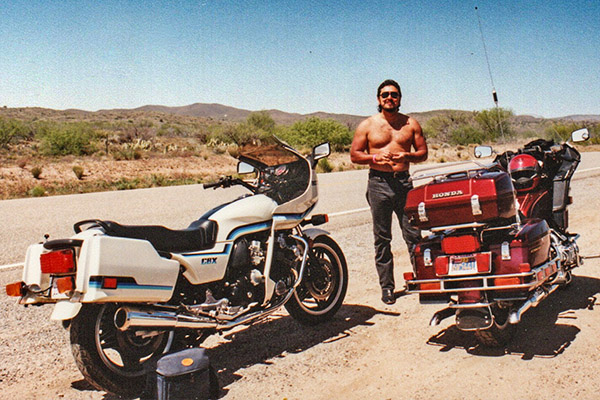
Somewhere in Arizona on a road trip in the ’90s. That’s my CBX (to be covered in a later ¿Quantos Pistones? blog), my buddy Louis V (who went into the witness protection program), and Louis’s Honda Gold Wing (the most boring motorcycle I ever rode). All the gear, all the time was definitely not Lou’s motto.
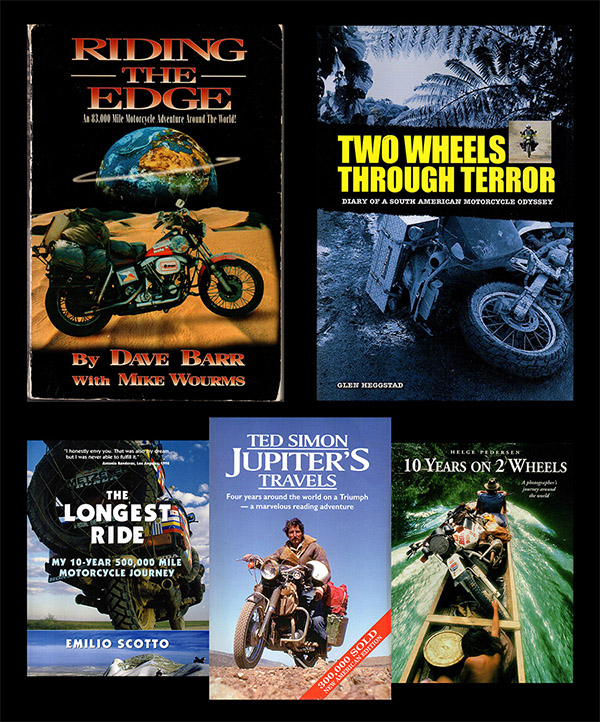
Guys who have Gold Wings seem to love them. Emilio Scotto rode one around the world and wrote a great book about it. Today, of course, Gold Wings are sixes. I’ve read that the handling on the new ones is great for a big bike. But they’re not my cup of tea. You may feel different about Wings, and that’s okay.
So there you go: My experiences with four-cylinder motorcycles. The configuration makes sense from a lot of perspectives. They can be powerful and they are an almost universal configuration on Japanese motorcycles. But they’ve grown too big for my liking. I know there have been smaller fours out there (the Honda CB350 Four comes to mind), but as I’ve matured (read: become a geezer), I like smaller bikes better. As always, your mileage may vary.
Missed our earlier ¿Quantos Pistones? stories on the Singles, the Twins, and the Triples? Hey, no problemo! Here they are:
I think the lucky amongst us are born with a lust for nature and a deep-seated bug to get to as many National Parks as possible. Out of 63 National Parks, I’ve been to 41 so I’ve still got some work to do. I’m not helping with this road trip as it is a return to some of my favorites.
In Part I, we visited Mesa Verde National Park then made our way to Ouray, Colorado. That’s where I will pick up my story.
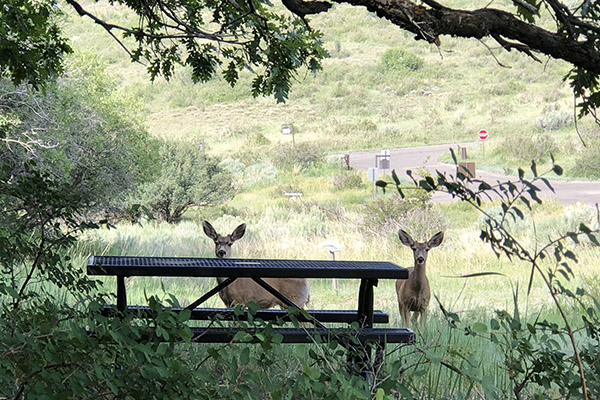
Tom is a late riser; I’m up before sunrise whether I’ve gone to bed with the sunset or stayed up past midnight. This morning was no different, and yet it was. Right before dawn, I awoke to a single gunshot, adrenaline pumping, I waited for another shot or noise from the distant camper. Drifting back to sleep I wondered what had warranted the single shot? Mystery solved, a camper nearby forgot and left out his cooler, along comes mama bear with two cubs in tow. Let me tell you, once a bear is in your cooler they are not leaving until they have finished with everything you got! Well, a good story for the camper and a reminder that a bear that interacts with humans is often a dead bear so keep your campsite tight!
Finally crawling out of the tent just as the sky started to lighten, I brewed a cup of coffee with my AeroPress and built my last fire in Colorado. Taking some time to watch the sun start to light up the tips of the peaks above our steep and narrow valley floor, thinking about the day to come.
Coffee consumed and the fire dying down I got to work packing up the camp, leaving only the tent with a lightly snoring man to complete the breakdown. Tom eventually made it out of the tent with the promise of hot coffee and cold juice to get his day rolling.
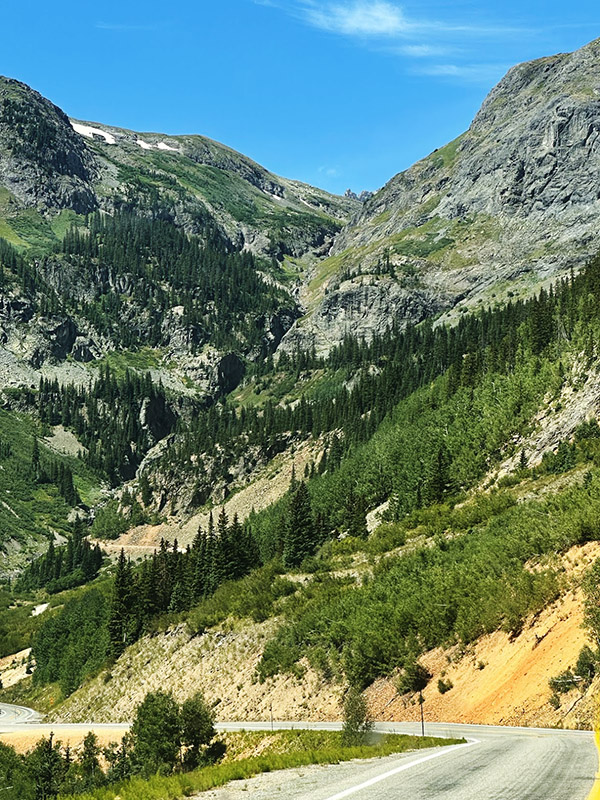
While a bit sad to leave the alpine world of Ouray, we had the promise of a hotel room to wash off the stench of five nights camping and hiking to keep us motivated to knock out this day of driving to Utah. We drove out of Ouray on the last of the Million Dollar Highway, Route 550 towards Ridgway picking, up Route 50 through Fruita and on to Route 139 to our destination of Vernal, Utah.
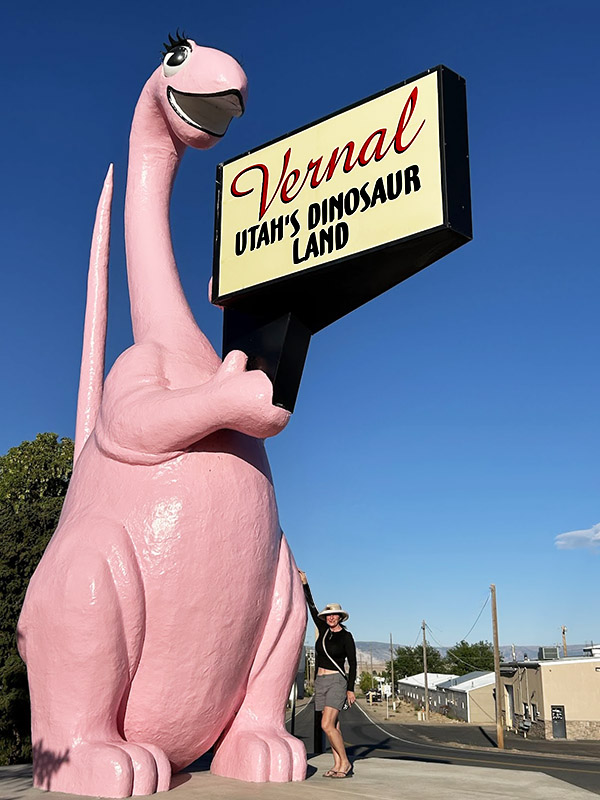
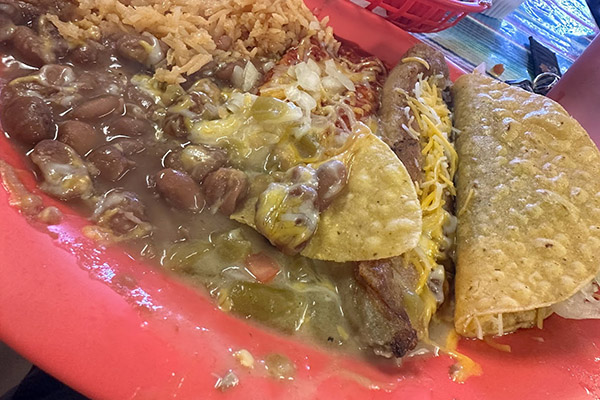
A shower along with another fine dinner of enchiladas and the most powerful margarita I’ve ever had, made for a great evening in this little town. If you ever find yourself in Vernal, well I assume you are lost or really like dinosaur tracks but hey, if you do stay there the nicest staff is at the Wyndham Micro Hotel and if you love authentic Mexican food, then I highly recommend a visit to Plaza Mexicana on Main Street. Don’t forget to take your picture with the giant pink dinosaur before leaving town!
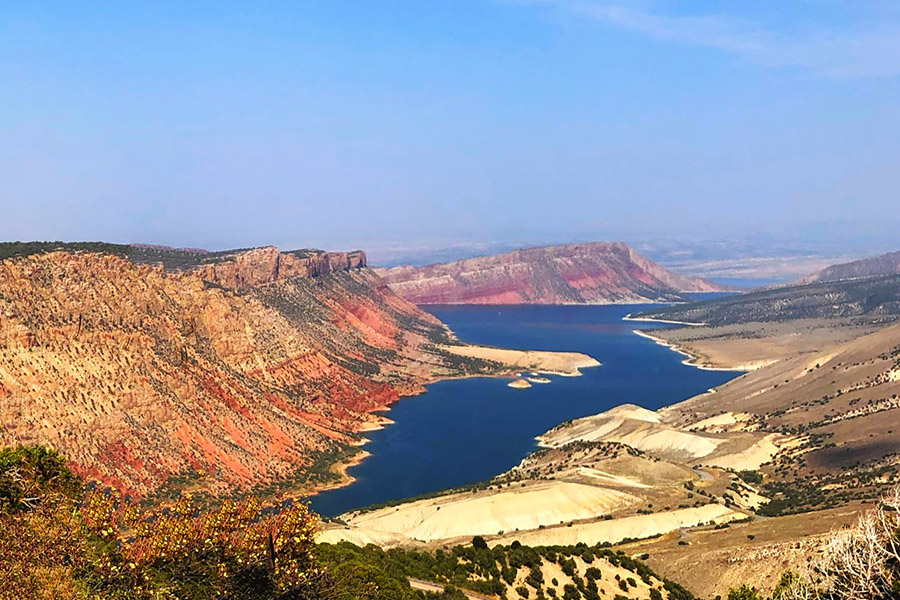
After a restful night and a full stomach, we continued north toward Pinedale, Wyoming, planning to camp before hitting the Tetons. This would set us up for an early arrival to Grand Tetons the next morning, allowing an extra few hours in the day to explore the park.
We pulled into Pinedale, stopping to restock our wine supply and invest in a decent bottle of single malt Scotch with the good luck of having a ranger station next door. The first ranger, an older woman, said no way will we find a campsite, but a younger gal told us to ride up the road to Lake Fremont Campground.
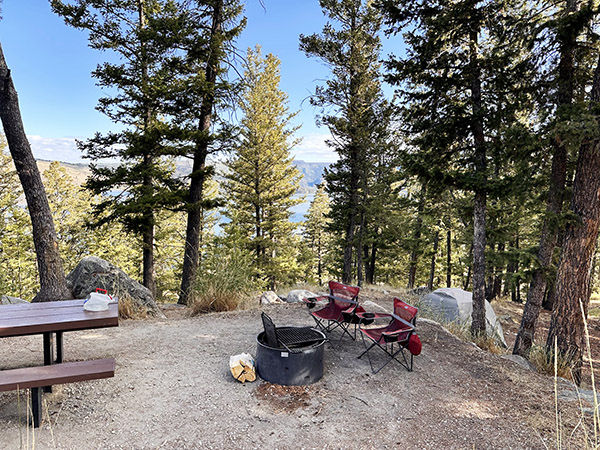
Score! This place has earned a spot on my list to return to. Perched in a shaded camp spot overlooking the lake we had a lazy afternoon watching the clouds move across the foothills, threatening a rain that never came.
With the Tetons looming ahead and Yellowstone just a drive away, we settled in for the night—excited for what the next day would reveal. More on that in Part III.
For as long as I can remember I have loved summer road trips and a chance to camp. My mom tells me (with a bit of frustration in her voice) “you are just like your dad!” True enough, I am that indeed. My dad, being disabled, had restricted mobility but driving, camping, and fishing he could do. I learned at an early age that the mountains meant freedom, that a campfire and a rustic meal cooked over an open flame with my gateway to a good life!
Add to that, Arizona in August is no fun with daily temperatures reaching 100+ degrees and after 10 weeks laying low while Tom recovered from his motorcycle accident we were ready to roll! So, when friends invited us up to Yellowstone we jumped at the chance!
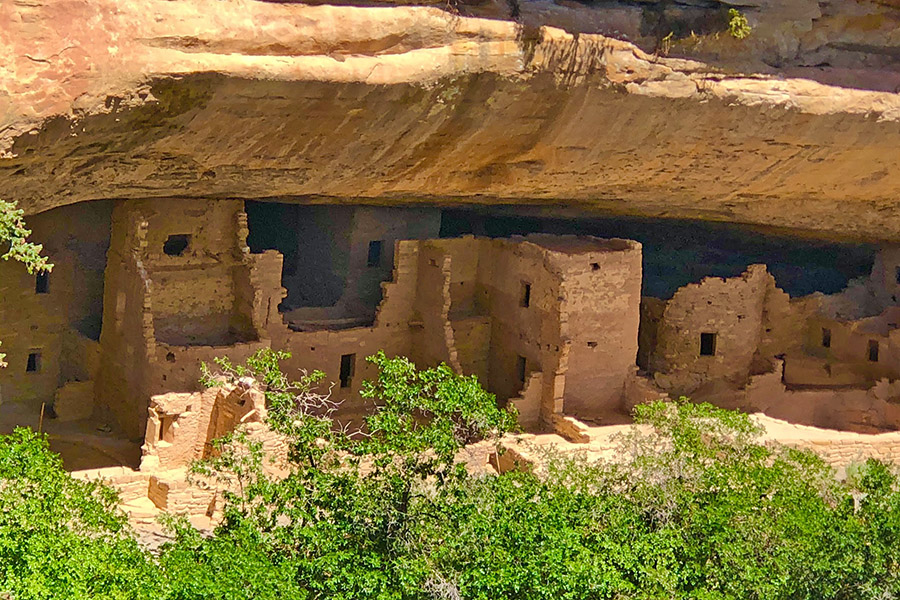
Pulling out of Sedona August 6th for a two-week road trip, car loaded with camping gear, our first stop was Mesa Verde National Park in Colorado. The ancient stone homes you see in the photo at the top of this blog are in Mesa Verde.
As lead-foot Tom tore up Oak Creek Canyon from Sedona to Flagstaff, Arizona we realized if we detoured a half hour we could go to Genaro’s Café, a local favorite for New Mexican food. Easy decision, in three hours I would have a plate of the best enchiladas and tamal in front of me covered with true red chili sauce, not that crap they call enchilada sauce! Try their stuffed Sopapilla if you dare as well as their green chili. God, I want to drive back for another plate just writing about the place.
A full belly, we pulled out of Gallup heading for Shiprock and on to Colorado. Eventually the western town of Cortez that I know so well came into view. Soon we would arrive at our night’s destination.
Mesa Verde National Park is a favorite stop of mine, I’ve camped here countless times on my motorcycles and always feels like coming home. Morefield Campground is spacious, clean and sets you up for visiting the ruins the next day. The highlights of this park are the ranger led tours, four tour options with my favorite being the Balcony House Tour – The most adventurous for sure and involves climbing a 32-foot ladder, crawling through a narrow tunnel, and climbing stone steps with handholds. A one-hour tour focused on how Ancestral Pueblo people lived.
After our adventure back in time we took off for cooler ground, driving along RT 145 from Cortez to Telluride then joining the famous Million Dollar Highway, an epic road filled with tight sweeps and stunning views. Just don’t take your eyes off the road as guard rails can be few and far between!
With a few stops for fuel and campfire wood we made it to our destination for the next three nights camping above one of my favorite towns, Ouray, CO, a turn-of-the-century gold and silver mining town. The area is nicknamed “Switzerland of America” due to its dramatic Alpine setting, complete with restored Victorian homes and hot springs aplenty. We found a sweet remote campsite off Yankee Boy Basin and set up home for the next three nights.
We spent the following days and nights indulging in cold nights around a campfire, hitting our Jamison Whiskey to help with the adjustment to tent camping and hiking some of my favorite trails between Ouray and Silverton.
When you visit, I highly recommend a dip in the hot springs and several waterfall hikes that never disappoint. My favorite being Ice Lake Falls. My last tip is stopping at Ouray Grocery Store, going back to their meat counter, picking up a grass raised hunk of beef and burning that baby on your campfire to a perfect medium rare, serve with a side of potatoes and a nice Malbac and I guarantee you are going to have a great night.
Back in the 1970s when I was in the Army, I was eligible for what the government called “Space A” flying. “Space A” was space availability, and what it meant is that if a US military aircraft had an open seat, I could grab it (and a free ride) to wherever that aircraft was going. Having never been to California (and a lot of other places back in those days), I copped a free C-141 seat out of McGuire AFB and flew to Travis Air Force Base in California. The plan was to fly out to the west coast and then travel by Greyhound bus back to New Jersey. You know, the “leave the driving to us” guys.
My first bus stop was Reno, Nevada, and while I was there I visited Harrah’s auto collection. It was the largest car collection in the world in the 1970s, with more than 1800 automobiles (or 1400, depending on which source you believe). Bill Harrah was a rich guy with a casino and an overwhelming interest in cars of all types.
Harrah passed away in 1978, and Holiday Inn bought his hotel and casino in 1980. The guys at Holiday Inn auctioned off the car collection, but when they first announced the sale of the auto collection, the City of Reno kicked up a stink. So, Holiday Inn donated 175 cars from the collection for a future auto museum. Those 175 cars became the nucleus for what is now the National Automobile Museum located in downtown Reno. Susie and I rode up there recently to explore the place and grab a few photos for an upcoming magazine article. We had a great visit. It was fun.
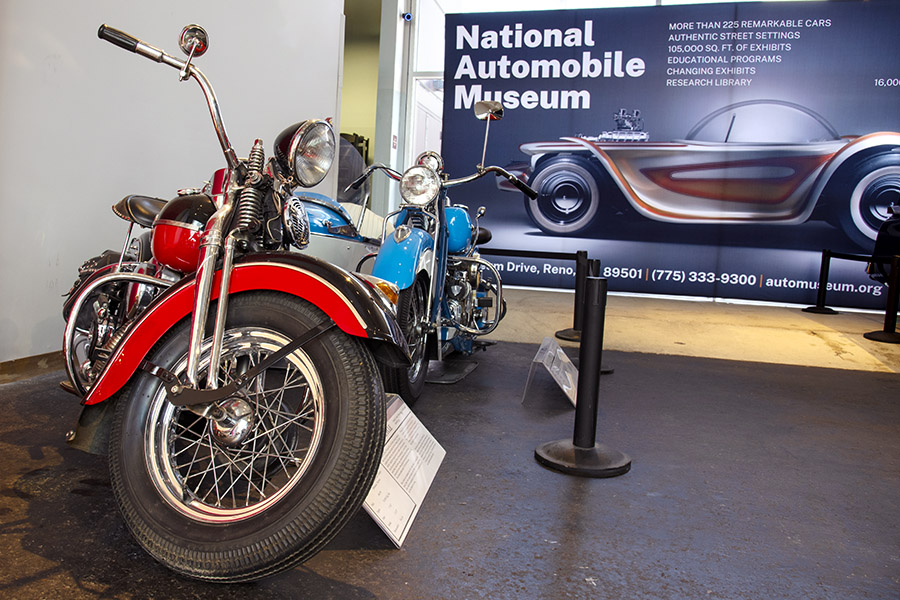
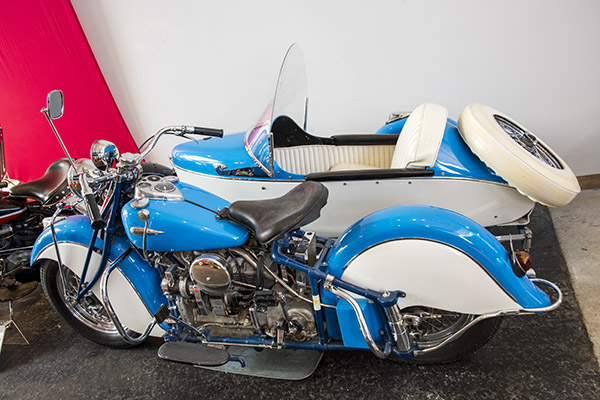
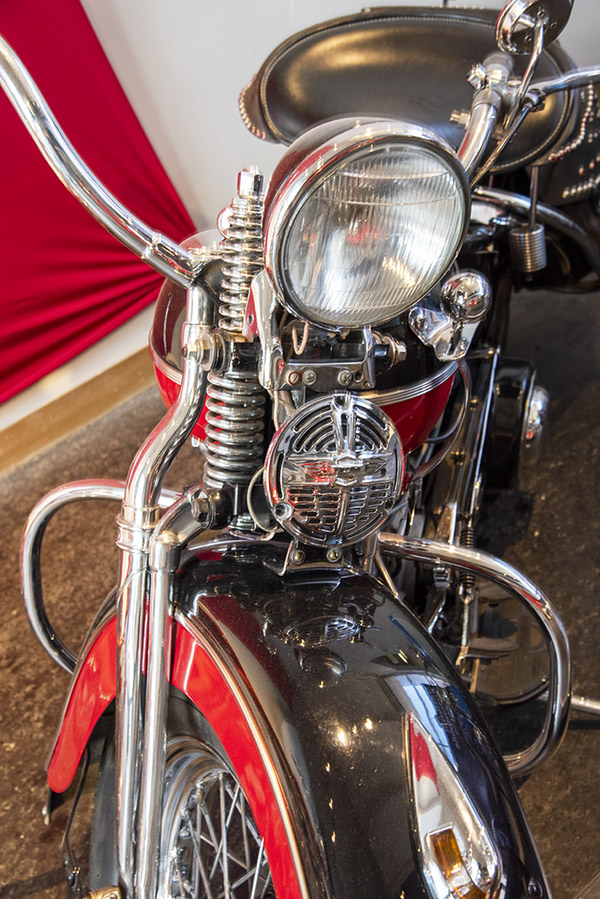
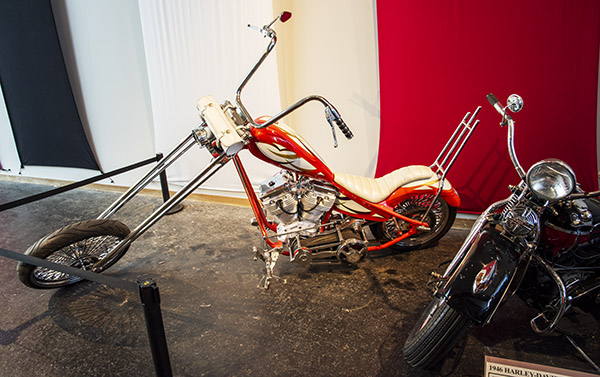
My principal interest was the collection’s motorcycles. When I first spoke to folks at the Museum, I was told they only had three motorcycle (a 1946 Harley, a 1941 Indian, and a (yawn) chopper), but I found there were quite a few more.
The National Auto Museum’s 1941 Indian, with a matching sidecar.The 1946 Harley Knucklehead.A chopper. You see one, you’ve seen them all.
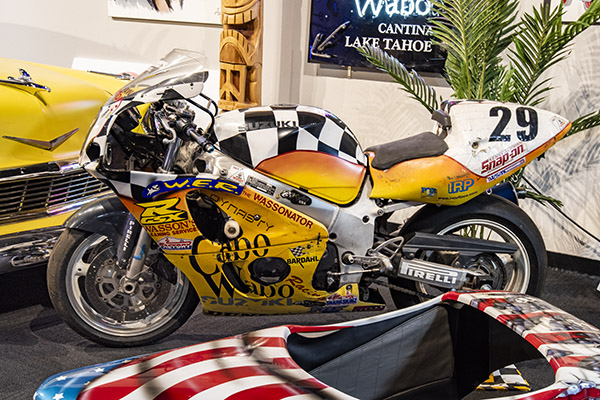
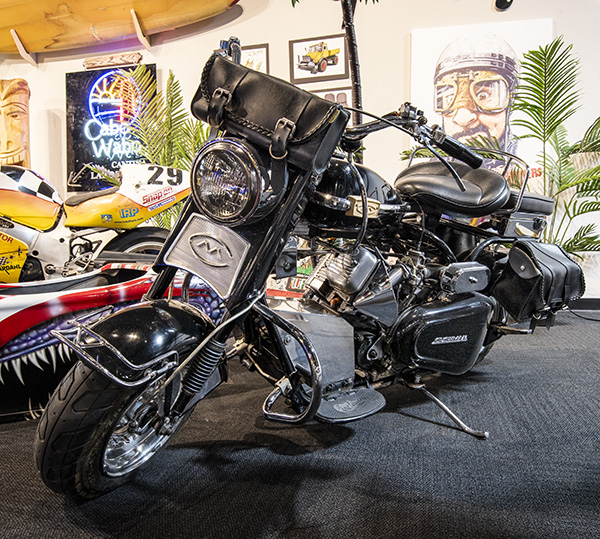
Our motorcycle discoveries as we wandered about in the Museum included a GSXR race bike and a full-dress Cushman scooter. The Cushman reminded me of my days with CSC when we first built a resurrected version of the old Mustang motorcycle.
A Gixxer.A full-dress Cushman scooter. Cushmans are cool, Mustangs are cooler.
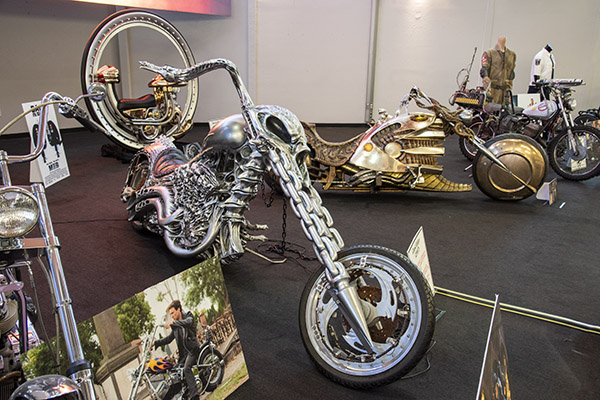
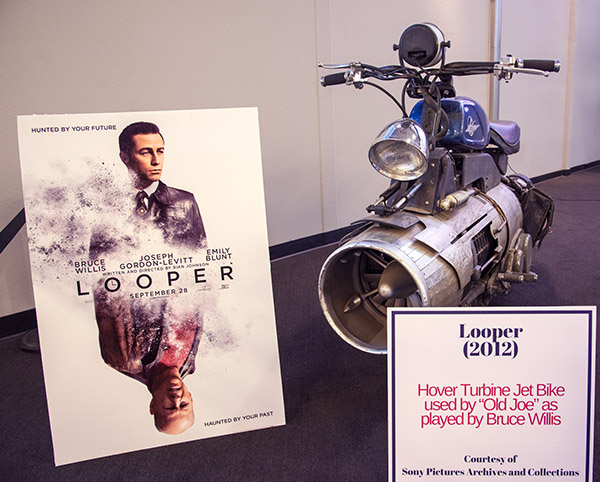
Another motorcycle exhibit included motorcycles that had been featured in different movies, including the Ghostbusters bike and others.
Movie bikes of all flavors.Bruce Willis’ ride, a hover turbine bike. I missed this movie when it was in the theatres.
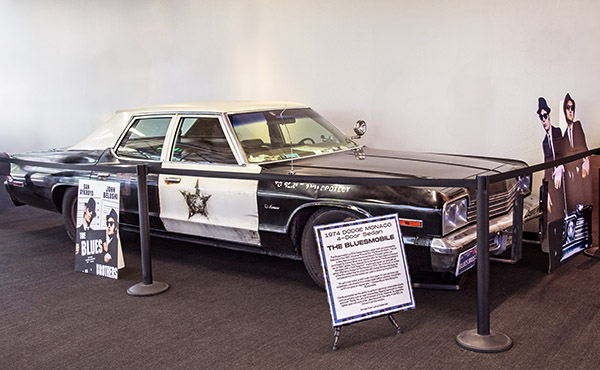
We saw the BluesMobile near the movie bikes. The Blues Brothers has to be one of the best movies ever made. Whenever I see it on TV or on any of our streaming video channels, I’ll watch it. The music is incredible. Akroyd was incredible. Aretha, Ray Charles, and Cab Calloway were awesome. Belushi was incredible (he died way too young). The Blues Brothers doing Rawhide was incredible (I included a YouTube of this at the end of this blog). The Blues Brothers was a great movie; I think it is one of the best ever. Seeing the BluesMobile from that show was a treat.
The BluesMobile. It was a featured car in The Blues Brothers.
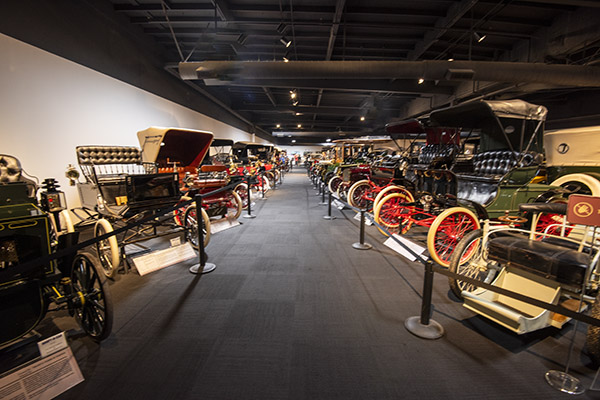
The National Auto Museum is arranged in four large galleries showcasing different automobile categories, with other collections in the hallways separating the galleries. The first gallery held cars from the earliest days of the automobile. The galleries were almost overwhelming; there was just so much to take in. Even though the Harrah collection downsized dramatically when Holiday Inn acquired the business, there are still a lot of things to see.
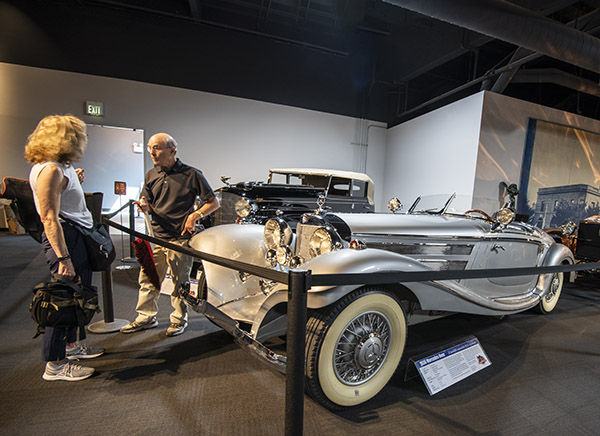
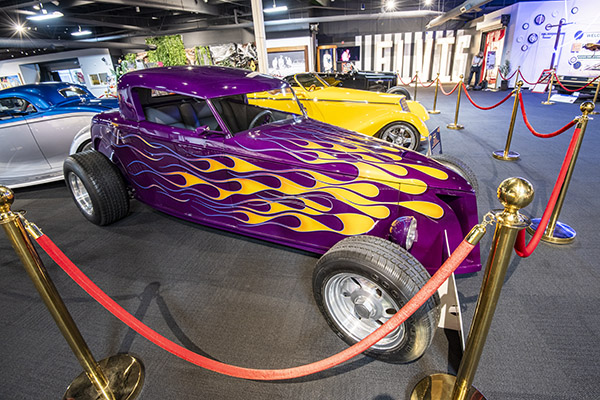
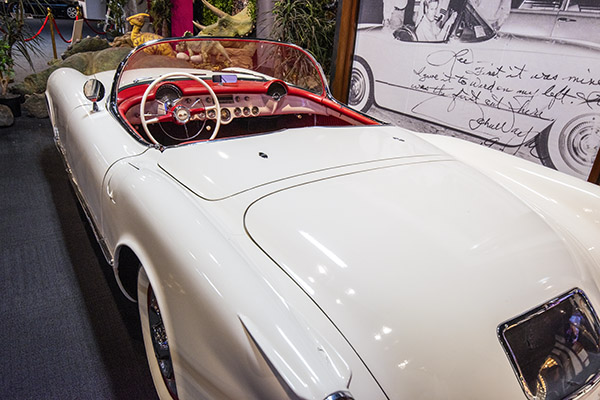
One of the Museum’s four halls, this one featuring very early automobiles.Sue chatting up one of the docents working on a beautiful Mercedes Benz from the 1930s.Another of the Museum’s halls featured custom cars.John Wayne’s 1953 Corvette.
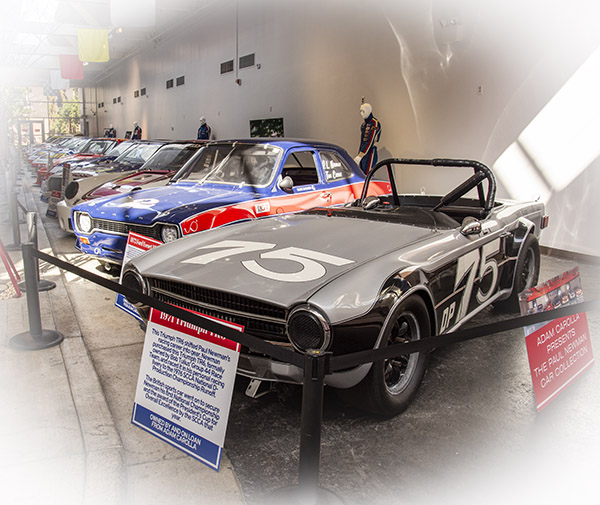
One of the “in between the main galleries” exhibits was a collection of sports cars previously owned by Paul Newman. The collection was later purchased by Adam Carolla and is now displayed in the Museum.
The Paul Newman collection, owned by Adam Carolla.
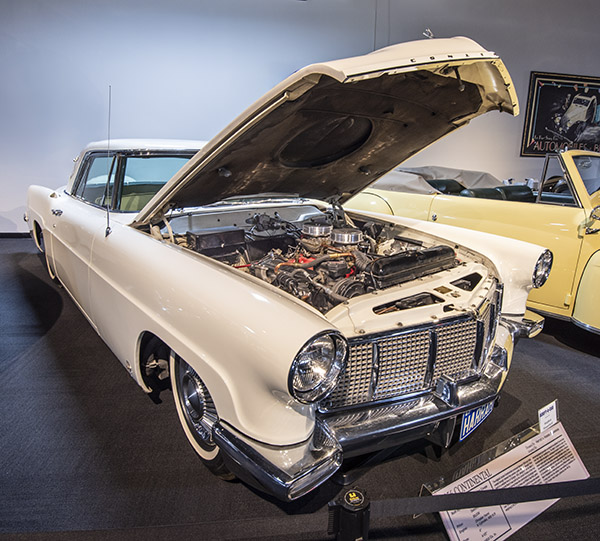
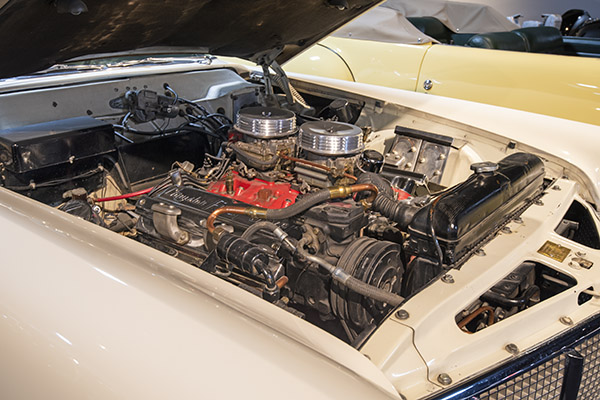
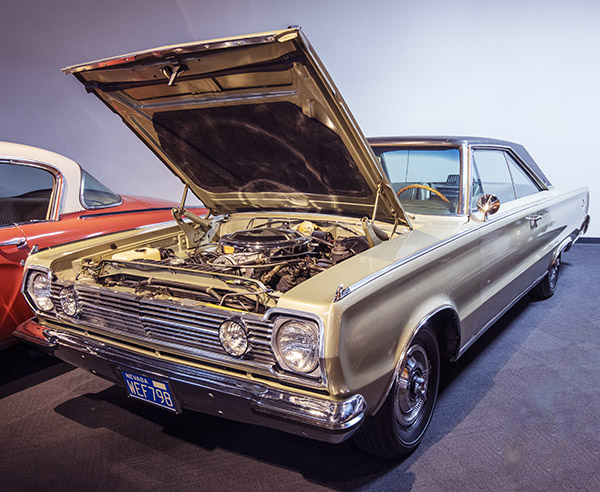
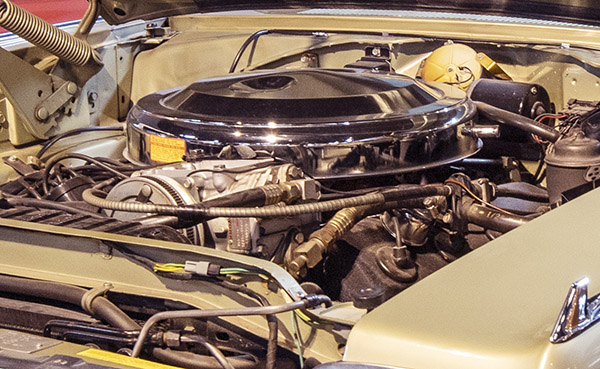
Another gallery featured a collection of cars from the 1950s and 1960s. Several had my attention. One was a gorgeous white two-seat Lincoln Continental Mark II powered by a Chrysler Hemi engine. Another was a 1966 Plymouth with a 426 Hemi engine, a car I drooled over back the ’60s.
A custom 1956 Mark II.This Mark II had a Chrysler Hemi engine.A Hemi-powered ’66 Plymouth.The ’66 Plymouth’s 426 Hemi engine.
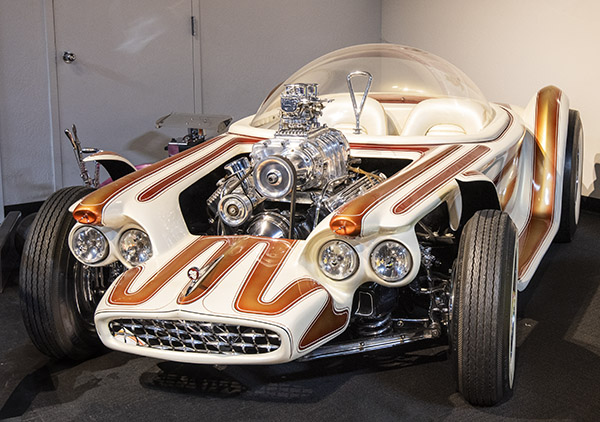
There were other cars tucked into hallway exhibits, including one I knew from my days as a very young teenager. It was Ed “Big Daddy” Roth’s Beatnik Bandit, a futuristic, supercharged, bubble-topped hot rod. One of its features was that the car was completely controlled by a centrally-mounted yoke (the yoke controlled the throttle, the brakes, and the steering). Revell released a 1/25-scale Beatnik Bandit model in 1963 (I built one of the model kits). The Beatnik Bandit is permanently etched in my memory, and seeing the actual car was a treat. I had never seen it before.
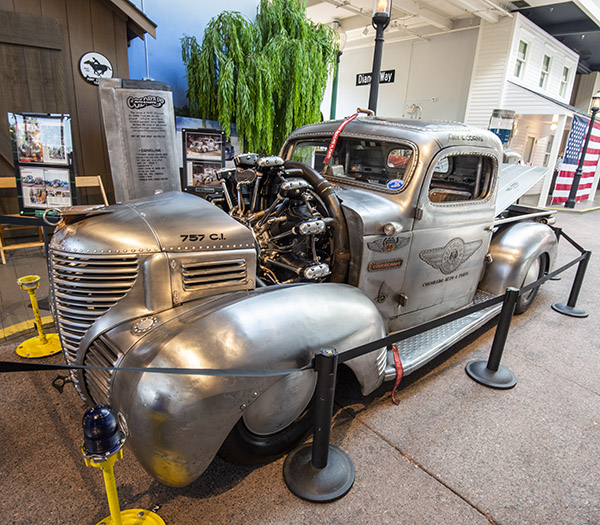
Ed Roth’s Beatnik Bandit. Note the passenger compartment yoke.A custom pickup truck powered by an aircraft radial engine.
There’s a garage to the left as you enter the Museum, and there were interesting cars in there for service (I asked if I could enter the garage; the answer was no).
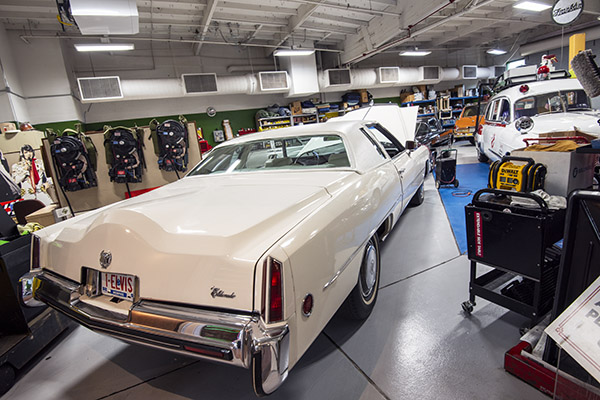
The Elvis Eldo, with Harrah’s orange Jerrari parked ahead of it.
One of the cars in the garage to be service was Elvis Presley’s all-white Cadillac Eldorado. Another one that would make for an interesting display (and it probably is on display when not being serviced) was Bill Harrah’s “Jerrari.” In addition to being fabulously wealthy and the owner of Harrah’s casinos, Harrah was the Ferrari distributor for the western United States. He lived up in Tahoe, and coming down (or going up) the road from Reno to Tahoe can be an exciting experience when there’s snow or ice on the road (I know this from personal experience). Harrah had his guys put a V-12 Ferrari engine in a Jeep Wagoneer. You can just spot Harrah’s Jerrari in the photo (it’s the orange vehicle out ahead of the Elvis Eldo).
The National Automobile Museum is a solid 10 in my book. We traveled up US Highway 395 to Reno (a magnificent road with great scenery through the eastern Sierra Nevada Mountains), and the Museum was well worth the trip. Like a lot of America’s cities, Reno has become a bit sketchy and it seems its streets are overrun with refugees from the Star Wars bar scene. That said, we enjoyed our visit. One of Reno’s best kept secrets is an absolutely fabulous breakfast restaurant (The Two Chicks). Their chile relleno omelet was delicious. Dos Chicas is another spot that, all by itself, is worth a ride up to Reno. It was that good.
My nesting work here at the ranch is taking me further away from electrical power. A 100-foot extension cord isn’t cutting it anymore. The little Harbor Freight Tailgator has been a trooper, but 700-watts isn’t enough for the electric jackhammer or two concrete mixers at once, and besides that the urge to spend money is strong.
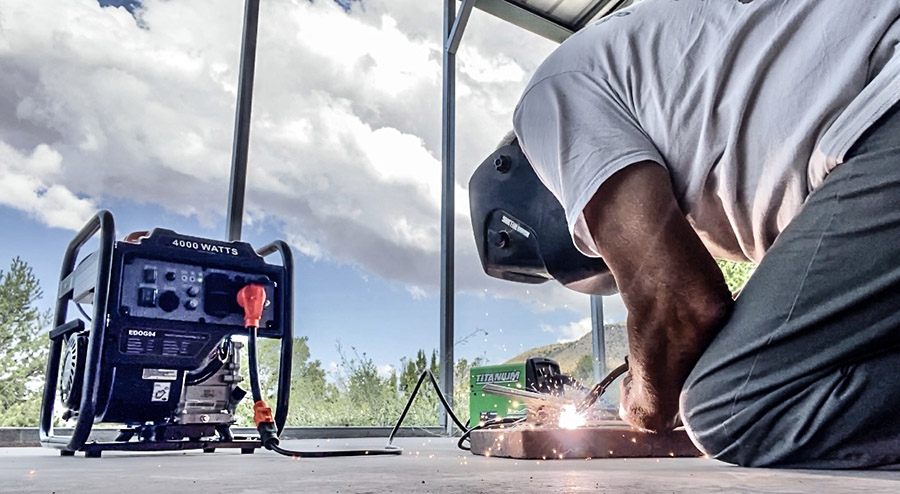
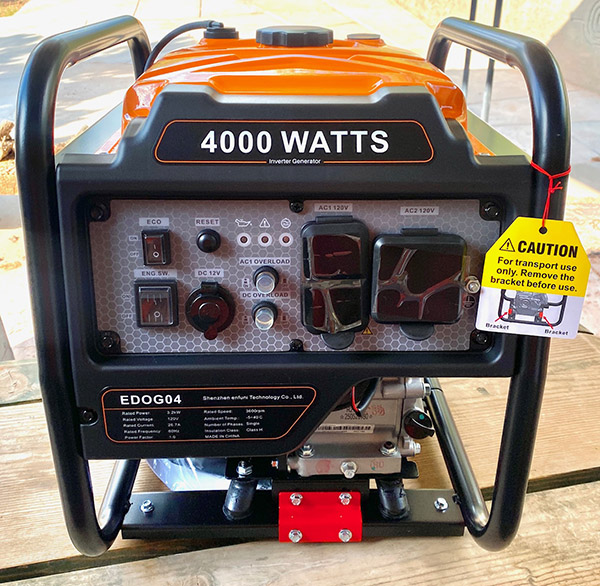
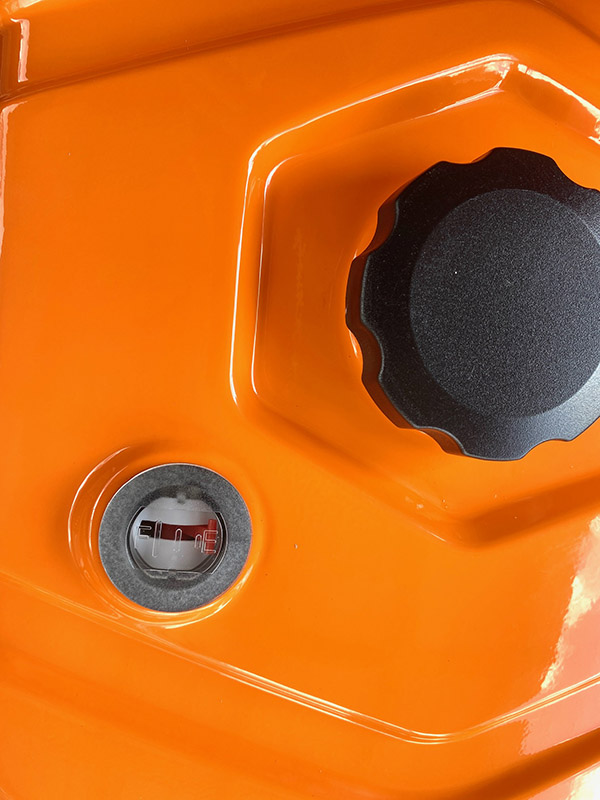
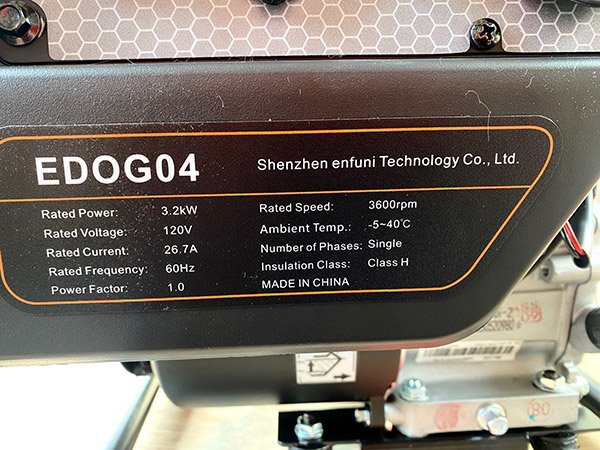
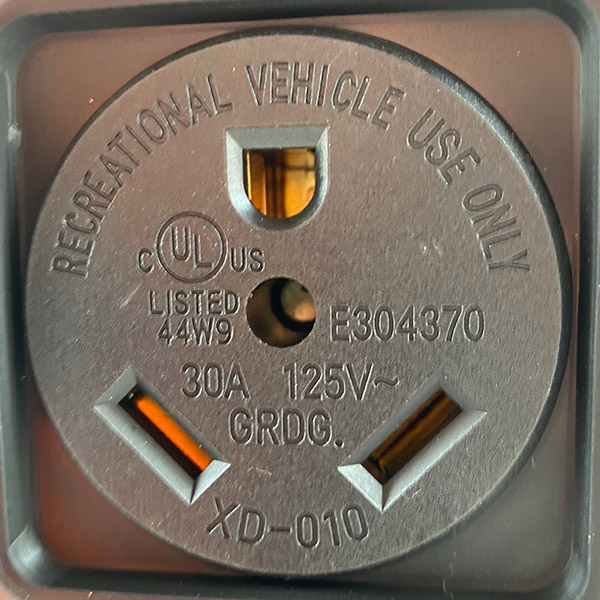
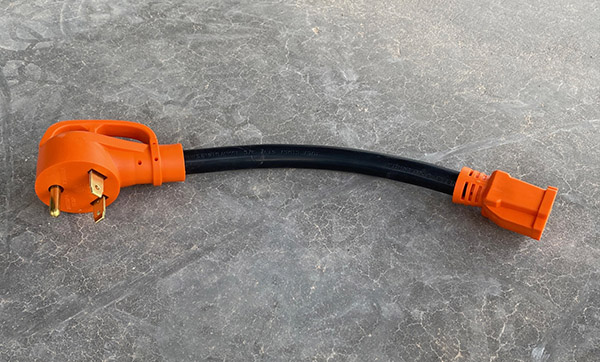
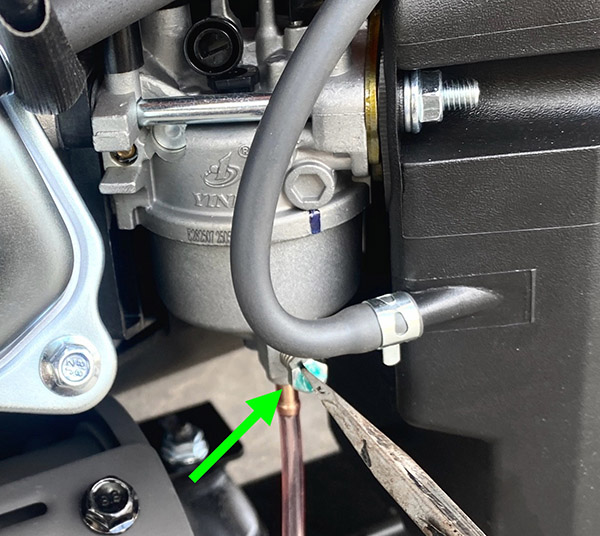
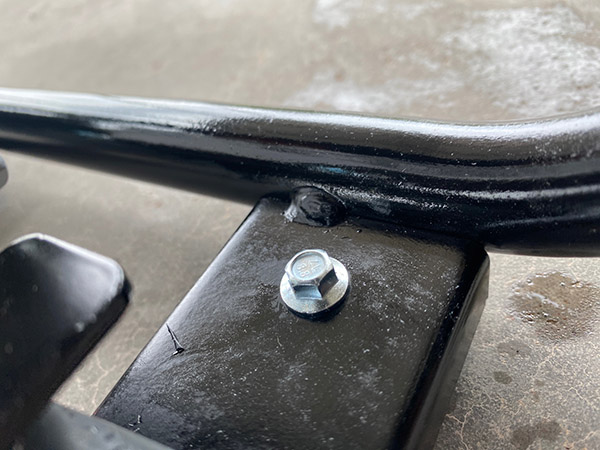
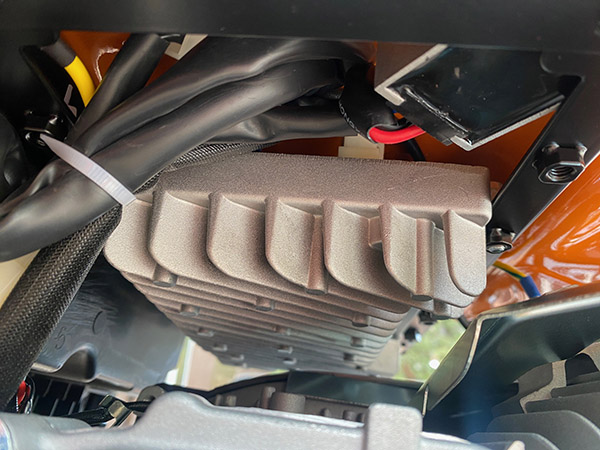
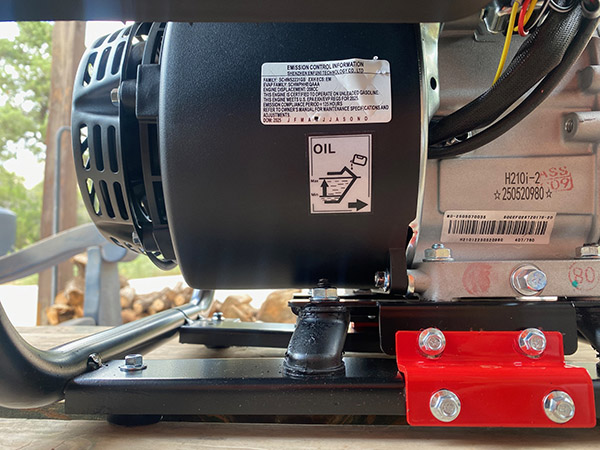
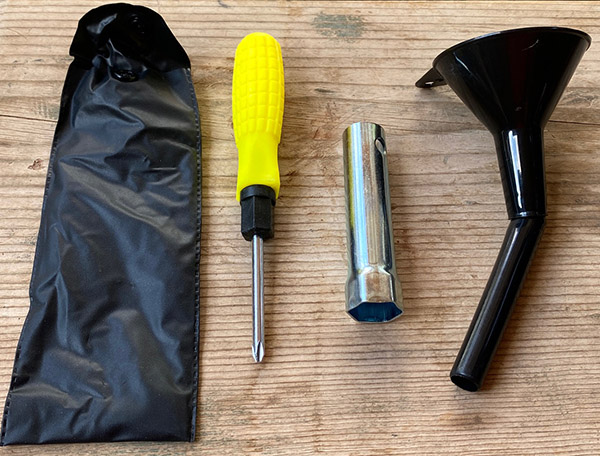
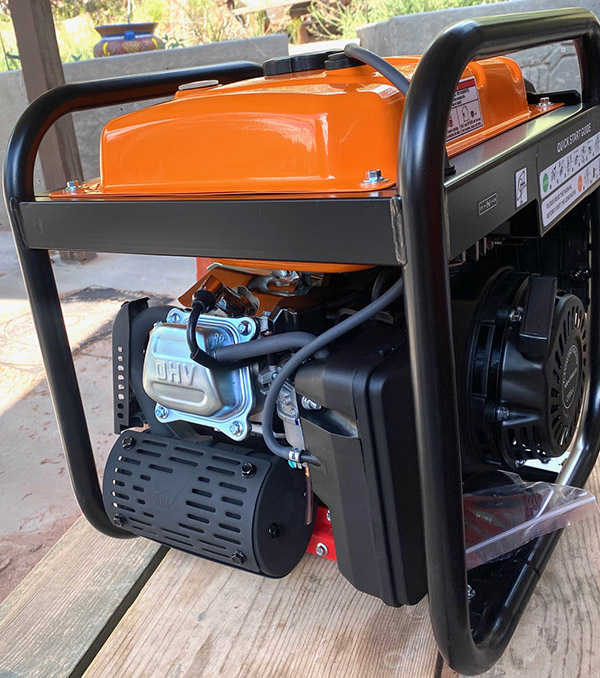
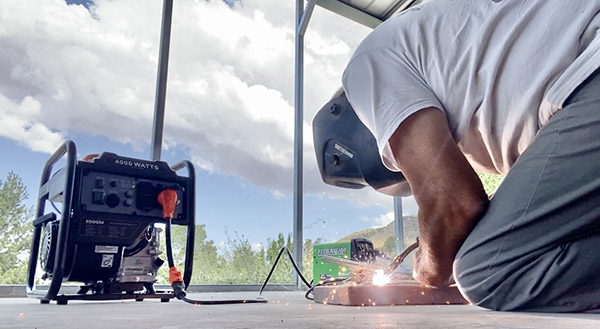
Lots of buttons and outlets on the 4000. A 12-volt cigarette lighter outlet is unusual for cheap stuff.A cool little fuel gauge is fitted to the top of the tank.Rated 3200 continuous and 4000 surge, the ‘Zhen seems to power most anything up to 26 amps. That’s four times as much as the Tailgator.The 30-amp, RV-type plug is great for welding.But you’ll need an adaptor to plug your light duty flux core into the 4000.This handy float bowl drain is a must-have for today’s crappy, alcohol laced fuel. Drain it after every use.I’d like to see a little more weld on the frame. It would only take 30 seconds.The inverter lives under the fuel tank. This is where the magic happens converting DC into AC.Unlike a normal genset that hangs the AC portion off of the crankshaft opposite the pull start, the Shenzhen incorporates the power source inside the blower area and the rope start.The generator came complete with a cute tool kit. You won’t get far with it but the thought counts.The muffler isn’t super quiet like a Honda but it costs a lot less. The ShenZhen is around 63 decibels using my seat of the ear dyno.
I have more than the usual number of generators: in addition to the Tailgator, there’s a 10,000-watt Italian-Honda mash up and a 9,000-watt Predator (also from Harbor Freight), but both of those machines are heavy and hard to move on the steep and rocky New Mexico terrain we are currently beating into submission.
I wanted something light-ish that I could toss in a truck or carry downhill to a terracing job. It needed to have enough juice to run my equipment loads and if it could power the flux-core welder, that would be ideal.
At 60 pounds the Shenzhen 4000 seemed like the way to go. Amazon reviews on the generator were mostly good.
The ‘Zhen 4000 is an inverter-type generator. Unlike a standard AC generator which must run at a steady RPM to make 60 cycles per second, an inverter generator makes DC power (zero cycles or one endless cycle, depending on how you look at it). That DC is then converted to AC by an inverter.
The advantages to inverter-type generators are several:
The engine RPM can vary according to load making the unit more economical for powering lighter loads. At full load there probably isn’t much difference.
The frequency can be tightly controlled, putting out 60 hz regardless of the load.
The sine wave form can be cleaner with less noise. Small generators induce jagged wave forms due to the slight increase/decrease in crankshaft rotation speed through the engines power cycle.
There’s less noise at lighter loads, because the engine speed can be slowed to meet demand.
The disadvantage to inverter-type generators is basically a more complicated generator with more parts to fail. There is a slight efficiency loss converting DC to AC voltage but it’s kind of a wash (see Item 1 above)
The Shenzhen I bought from Amazon was $299. Now that I’ve bought it, my ever-alert Facebook algorithm is sending fly-by-night offers for the same unit at $149. If you can get it for that price without being scammed, it’s a hell of a deal. $299 isn’t bad either.
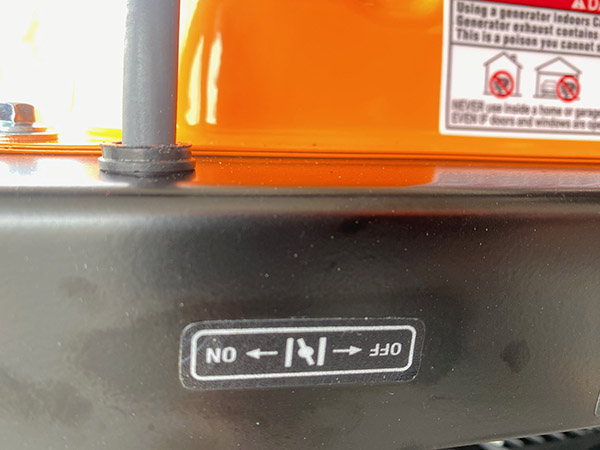
The choke was labeled backwards which led to a lot of rope pulling. It might be ok in the southern hemisphere but around here we peel the sticker off and flip It over.
The unit started right up once I realized the choke was labeled backwards and seems to have plenty of power. It runs my little flux core welder better than a regular receptacle. I’m mobile!
Time will mention under its breath if the ‘Zhen holds up and I’ll be sure to let you know if it’s junk. For now, it’s the real deal.
The Shenzhen 4000 runs the flux core welder nicely. I can crank it all the way up, a setting that pops a 15-amp breaker after a minute.
When I was younger (by a lot) I used to modify all my motorcycles. Different forks, different gas tanks, different wheels. I never left well enough alone. Until I bought a new, 1983 Honda XL600, I only had a few stock bikes. The XL600 was so good it started me thinking about why I kept messing with original bikes. And so I stopped.
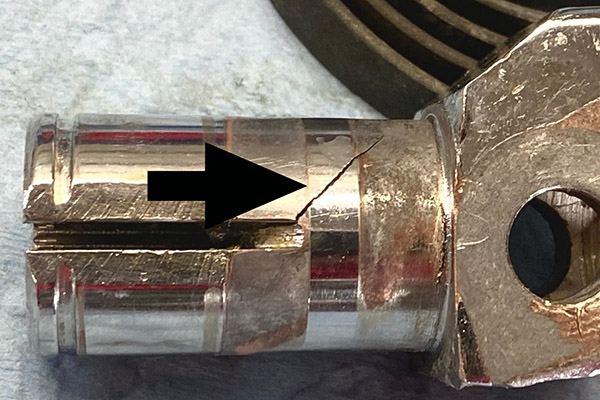
I found the reason why the kickstart splines slip. The lever knuckle is cracked allowed the splines to expand when kicking. Luckily the spare engine has the part.
I pretty much leave motorcycles stock now. It’s a lot easier and quieter. Let’s face it: The bikes are more reliable stock. Reliability is important to me now. Along with resale value.
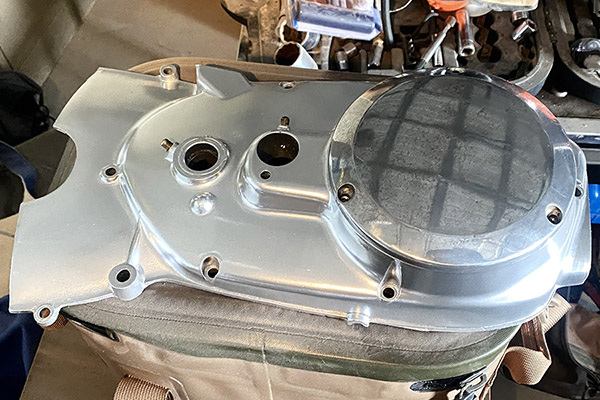
I’ve been polishing the turd a bit. The aluminum color is too bright, I’ll try something else but the bike should clean up and look decent.
Lately, the Dream 305 decision tree has branched off in a different direction. Getting the bike running was exciting but figuring out how to proceed has not been. What to do with this beast? If the engine was bad things would be easy: Part it out. But the engine is not bad.
The main issue is the low value of restored Dreams. A couple thousand bucks will get you a nice rider that needs nothing. My ’62 is an early model that has some cachet, but not enough to make much difference.
I was going to leave the bike rough and stock, just get it operational, but deep down, I don’t like the way a Dream looks. The engine is fine. I like the close-set fins, but It’s those fender flares. They make the bike look stodgy and old.
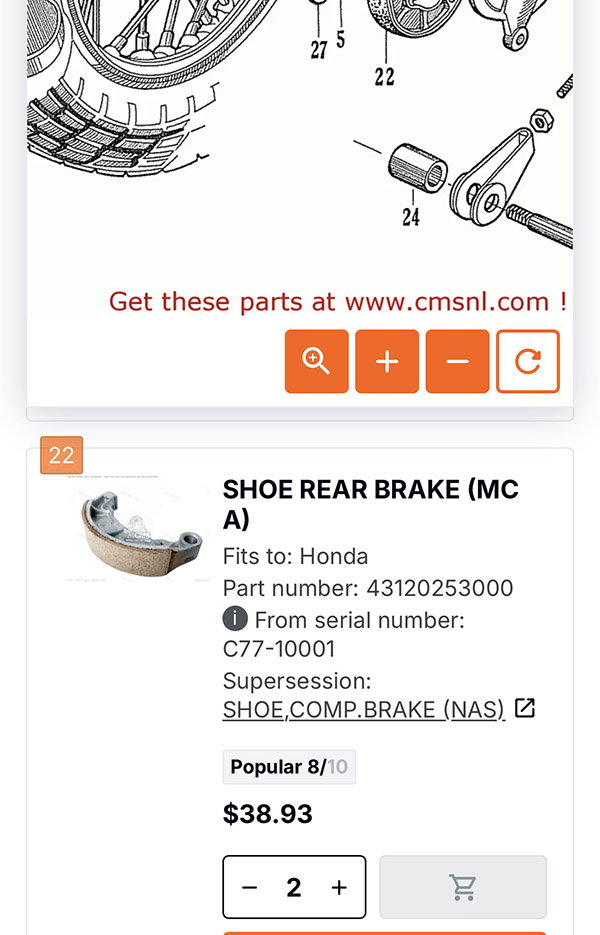
Front brake shoes are cheap and available for the Dream but rear shoes have a different mounting set up. At $38 each shoe I’ll be running the old ones. Hopefully the lining stays glued on and doesn’t come loose and lock up the wheel.
I’ll be the first guy to tell you don’t modify old bikes because it lessens interest and value, but what if the bike has little value to start with? I’ve decided the flares have to go. Kind of a return to my roots on a bike that isn’t in great shape.
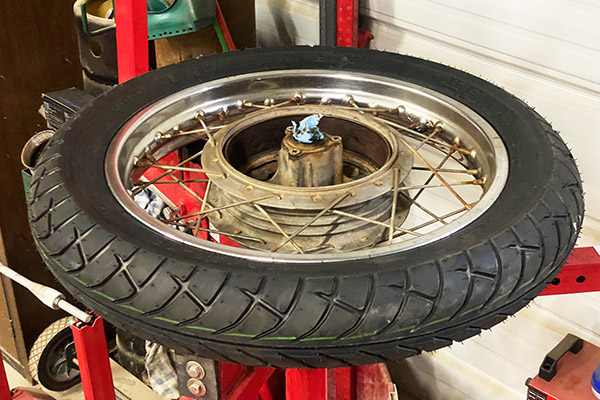
The rear rim is in fairly good shape, and the new Kenda fit will. Neither of the front rims are very good. They are round and straight, but the chrome is shot. As this is a budget build, I may try some chrome spray paint just to get the bike on the road.
Hear me out: Modding this bike is not a big deal as I have a bit of metalworking to do on the Dream’s sheet metal frame and have decided to take the bike completely apart to allow easy access and flat welding.
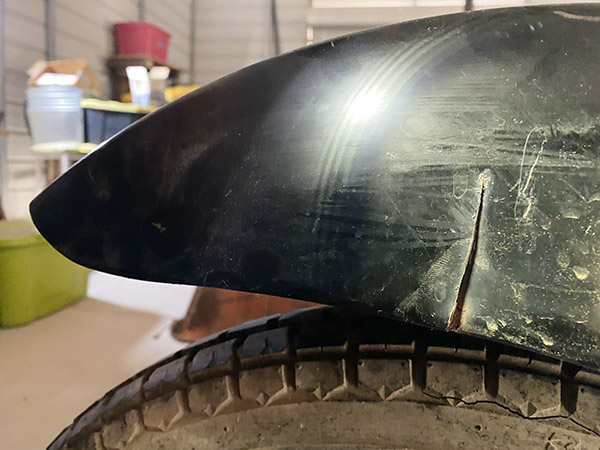
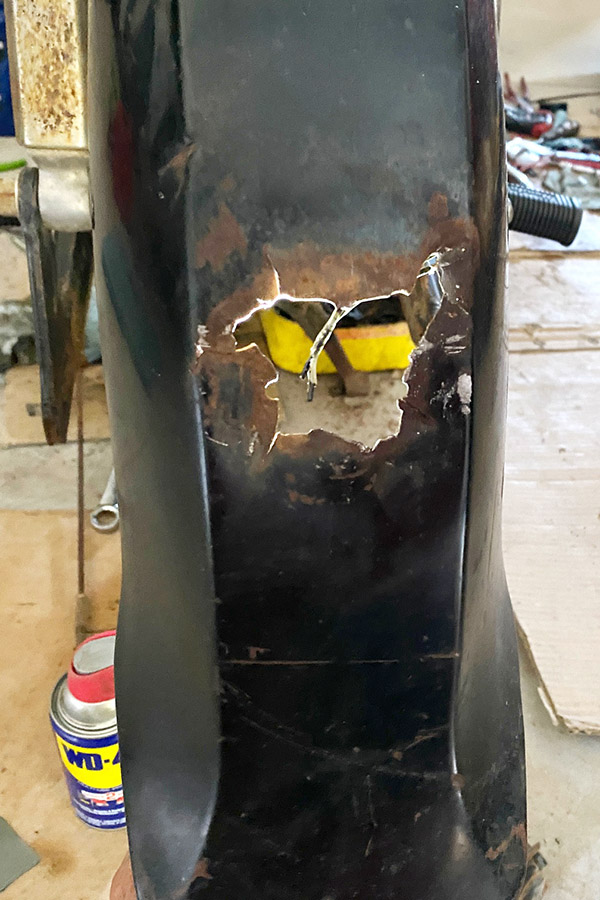
The Dream has been down sometime in the last 60 years. I’ve tweaked the front fender straight-ish. A little welding and trimming will make it usable.The taillight area is kind of a mess. I’ll use the flare cut-off to supply original sheet metal when I plug this hole.
The front fender has a crack and the flare is bent; it will need some massaging and removing the flare removes one problem. The rear fender has a gaping hole where the taillight sat, and I’ll be welding that closed. There are a few dents that would be easier to beat out with the frame upside down. The bike won’t be original, but it won’t be far off original. And most importantly, I’ll like the way it looks. I’m shallow that way.
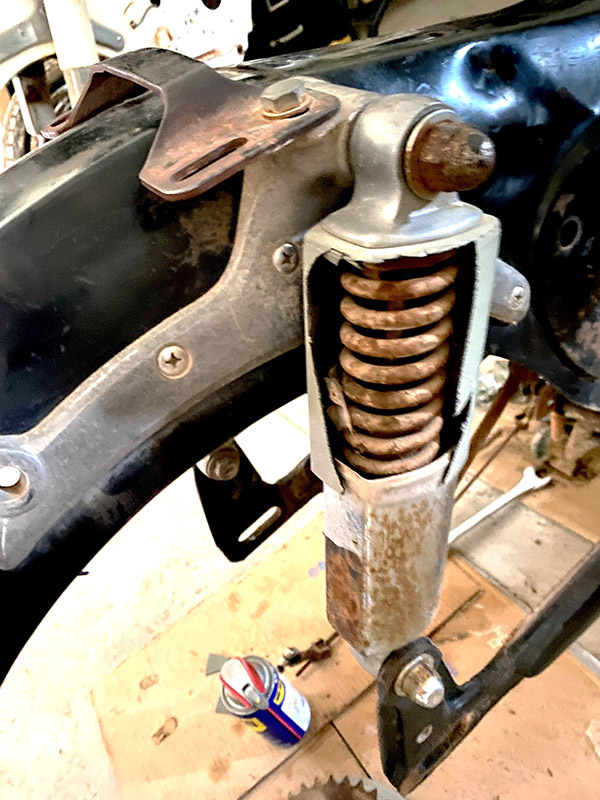
These square shocks are iconic Dream bits. No longer held to a high standard, I won’t be looking to replace the eroded plastic covers.
Things are hopping at the ranch, so I have made little progress (but not zero progress). Just having clarity, freedom and a plan saves on lateral moves.
I thought I’d read everything that had ever been published about traveling the world on a motorcycle. I’ve written about it on ExNotes, describing my favorites among all the books on this topic.
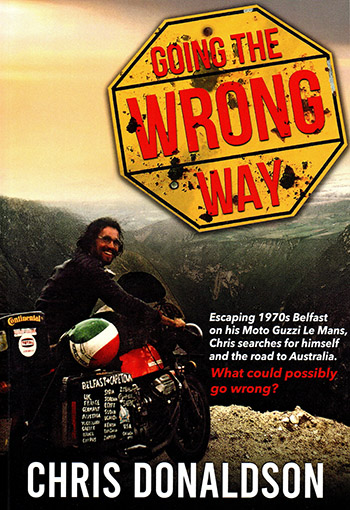
Notice that I’m writing in the past tense, and the reason for that is I most recently learned about another motorcycle saga that belongs on my best-in-class list: Going the Wrong Way, by Chris Donaldson.
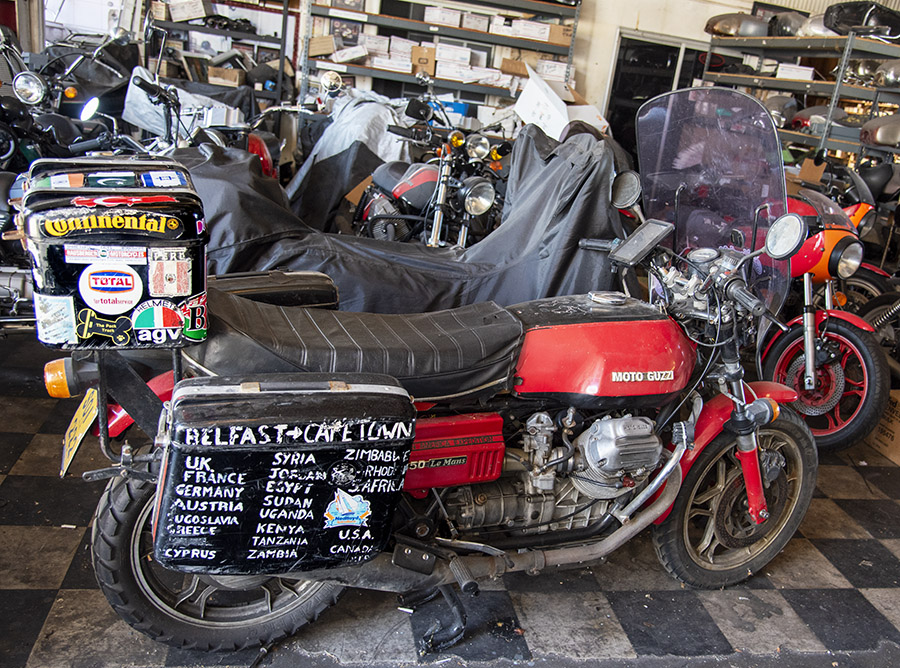
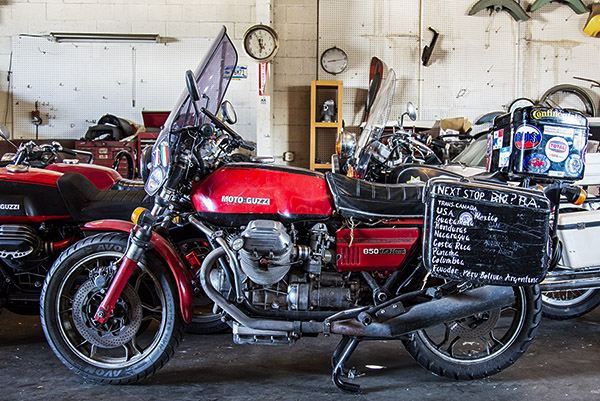
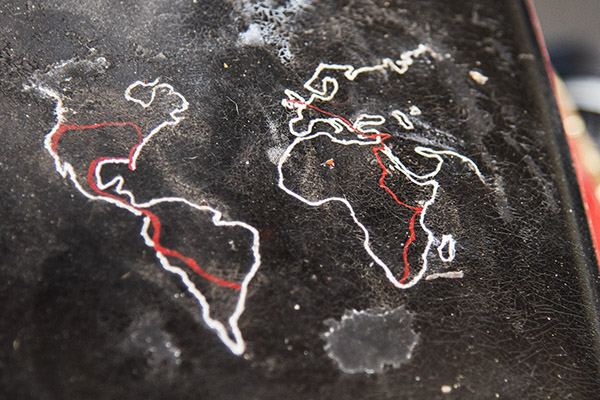
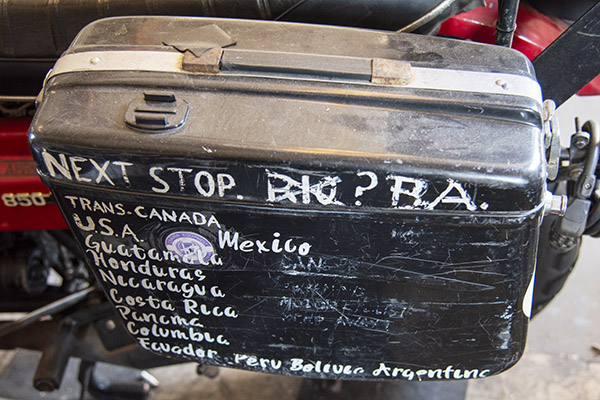
My newfound discovery came about almost by accident a few days ago when I visited with Moto Guzzi Classics, an independent Guzzi revival and maintenance facility in Signal Hill, California for a potential story I’m doing for the ExNotes blog and maybe one of the motorcycle magazines. The guys who run Moto Guzzi Classics are, in as few words as possible, both a bit eccentric and absolute subject matter experts. One of them, my new good buddy Wyatt, showed a few of the bikes in their shop to me, and one of those motorcycles belongs to Chris Donaldson. Chris is a Belfast boy (as in Belfast, Ireland) who is going around the around on a Moto Guzzi 850 Le Mans.
Man, there’s a lot to unpack in that last sentence. Belfast. Coming of age during The Troubles. Getting out of Ireland as a young man. Moto Guzzi, which has to be one of the coolest motorcycles on the planet (they’re like Harleys, but for people who like motorcycles). The Le Mans 850, which has to be one of the worst motorcycles in the world for world travel. Traveling the world (as in present tense). That’s right, the journey is not over, even though Mr. Donaldson started it many decades ago. Donaldson plans to continue his global conquest on the same motorcycle, which is one of the reasons why the bike you see here is currently in the queue at Moto Guzzi Classics in Signal Hill.
I’ve had a hard time putting the Going the Wrong Way down on my nightstand each night for the last several nights. I’d read until I couldn’t stay awake, and fall asleep reading it. Don’t get me wrong; the book is anything but boring. Just the opposite is true. It’s fabulous, and even though I couldn’t keep my eyes open because I was reading into the wee hours, I couldn’t stop reading. Going the Wrong Way has all the bike reliability stuff to keep an engineer interested, all the philosophical stuff to keep a philosopher awake, all the people stuff to keep a people person awake, all the border crossing drama stuff to keep a world traveler tuned in, and, well, I could go on, but I don’t want to spoil it for you. The writing is almost poetic. It’s that good.
Folks, Going the Wrong Way is a great read. Don’t just take my word for it; there are something like 1,394 Amazon reviews posted on this book (soon to be 1,395, when I write mine), which is really kind of stunning for a motorcycle travel book written by a rider with no sponsors. Trust me on this: Get yourself a copy of Going the Wrong Way. You can thank me later.
Our other book reviews (along with reviews on a lot of other things) are here.


 I’ve had a hard time putting the