Highway 395 Closed

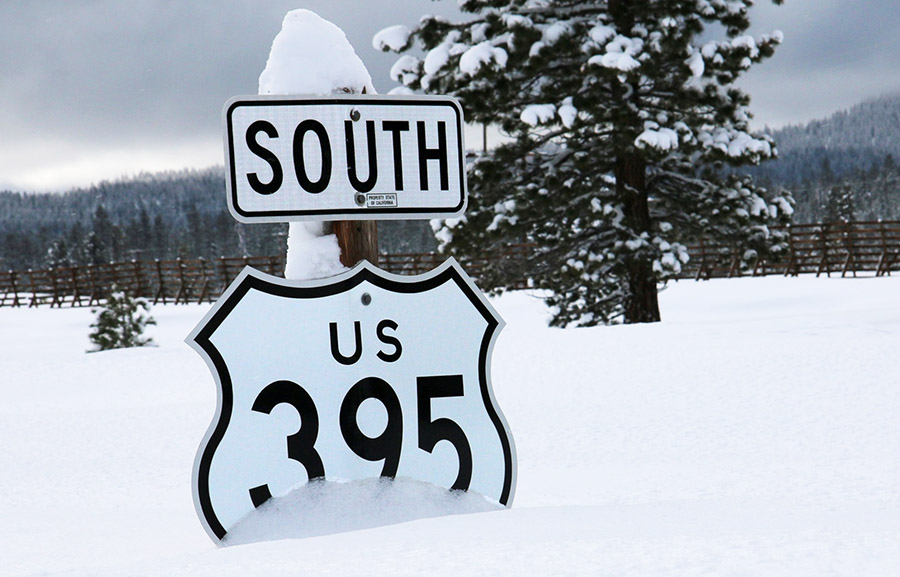
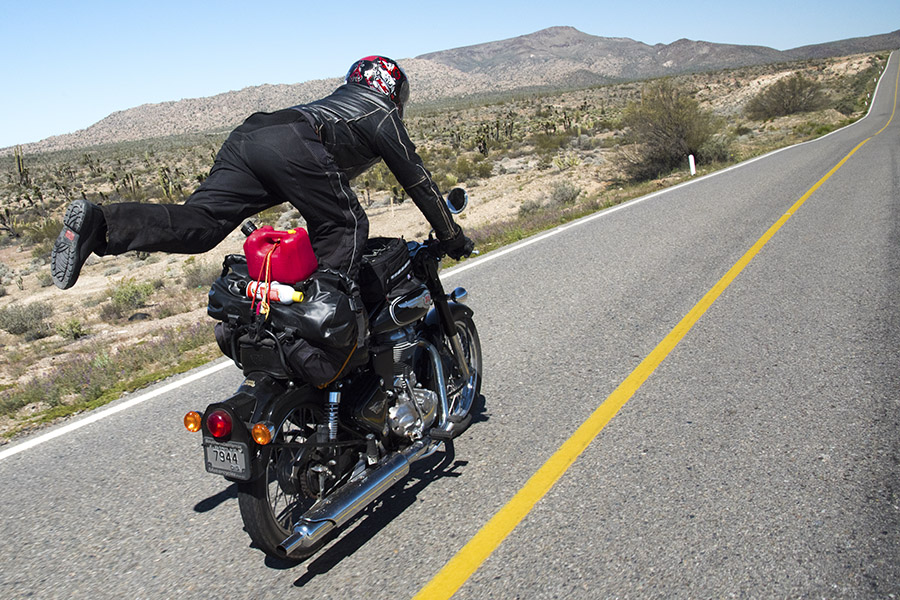
Highway 395 closed yesterday just north of Bridgeport due to snow.  I know that road well.  I’ve ridden it a bunch of times and it’s a favorite, but wow, the weather can turn on a dime up there.  Once you leave Bishop heading north, the elevation goes up abruptly, and in the next 30 miles or so it can go from cold to damn cold mighty quickly.

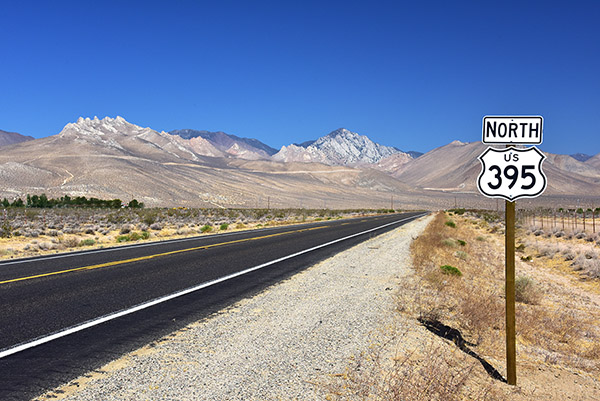
Highway 395 in warmer times. As I recall, temperatures were in the triple digits when I shot this photo around Manzanar.

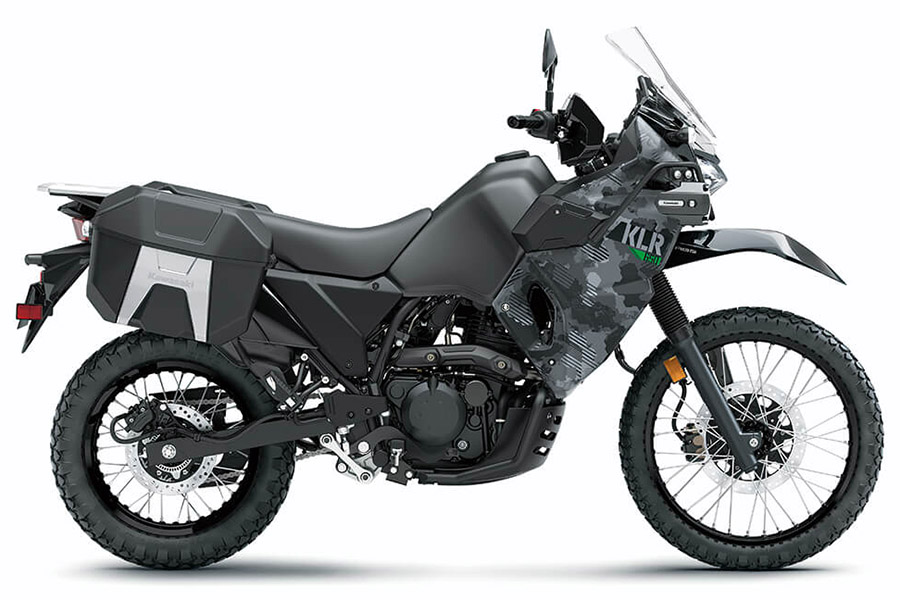
I once rode my KLR 650 up to Lake Tahoe on a press junket and the weather was okay.  Moderate, not too cold, nice riding weather on the roads in and around Tahoe.  The ride home was something else, though.  Tahoe is pretty high in elevation and I dropped maybe two or three thousand feet coming down the mountain to Highway 395.  That’s when the cold really set in.  I had good gear on, but no electric vest, and the cold was brutal.  I stopped at the Bridgeport Inn maybe a hundred miles down the road and went in for breakfast.  Well, that’s not entirely true.  I went in to warm up, and I wanted to just sit there for a couple of hours sipping coffee after breakfast.  It worked, but it took a while.

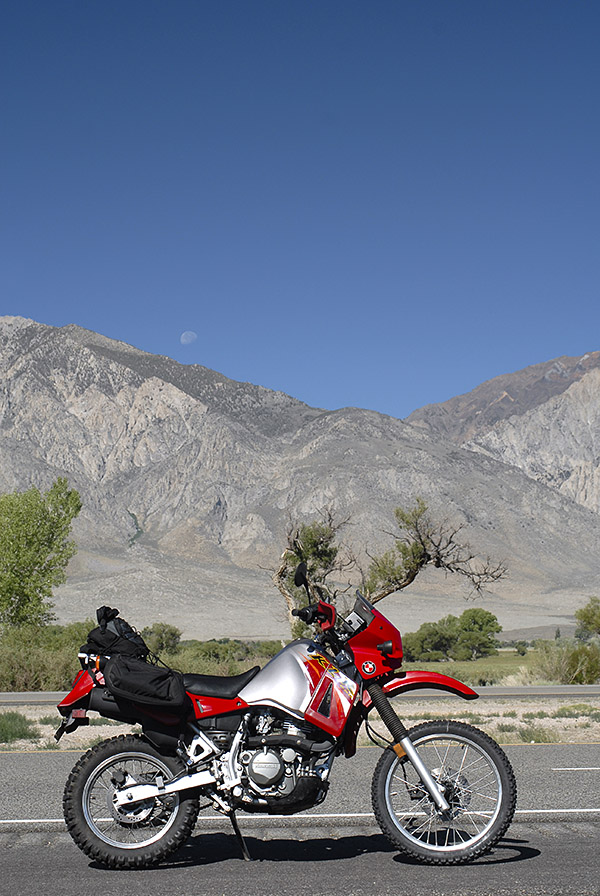
The KLR 650 on Highway 395, with the Sierra Nevada Mountains in the background. It was cold going north; it was way colder coming home.  This is an interesting photo – you can see the moon peeking out just above the mountains.

You know, the funny thing is that another hundred miles or so south when I rolled through Adelanto on the 395, it was so hot I took most of that gear off.  The temperature had gone from near freezing on the 395 north of Bridgeport to nearly 100 degrees down in the desert.

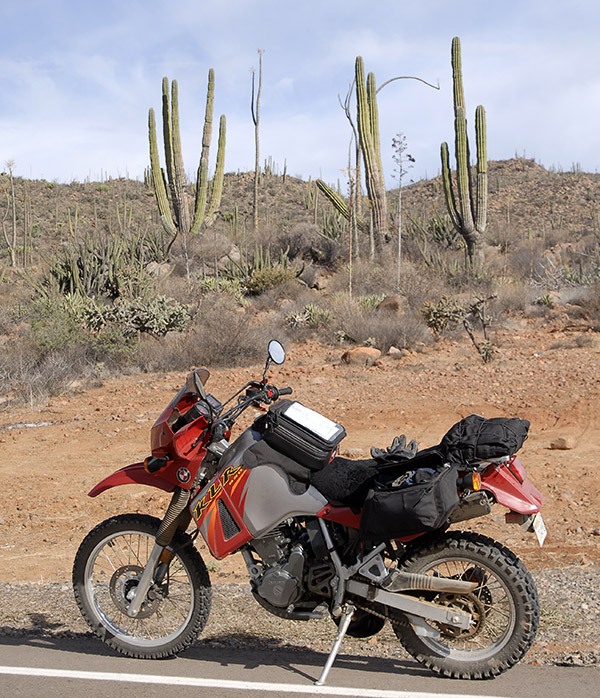
The KLR 650 was a good road bike and a great traveling companion.  I rode it all over Baja and through a lot of the American Southwest.  It’s gone down the road now (I sold it to a friend of a friend who may still have it).  Good fuel economy, it could touch 100 mph on a good day, and the thing was just comfortable.  The ergonomics were perfect for me. It was was one of the great ones.

I remember the bad weather rides way better than any of the ones with clear skies and moderate temperatures.  That ride back from Tahoe will stay with me for a long time.


More epic rides are here.

KLR250 Reflash: Part 4

I know what you’re thinking. You’re thinking I’ve been working on the KLR250 for forever. It seems that way to me also. Since the last KLR blog 325 years ago we have sold The Love Shack in Astor, Florida and the Widowmaker 250 no longer has a purpose in my life. I’m not one to store a good motorcycle and the KLR250 will make some newbie rider (or older experienced motorcyclist) a fine machine to learn the dark art of dirt riding.

It’s time for the KLR to go. I can’t keep all these bikes registered and insured, much less in operating condition. But before I let a new owner crash about on the KLR there are a few more things I need to fix.

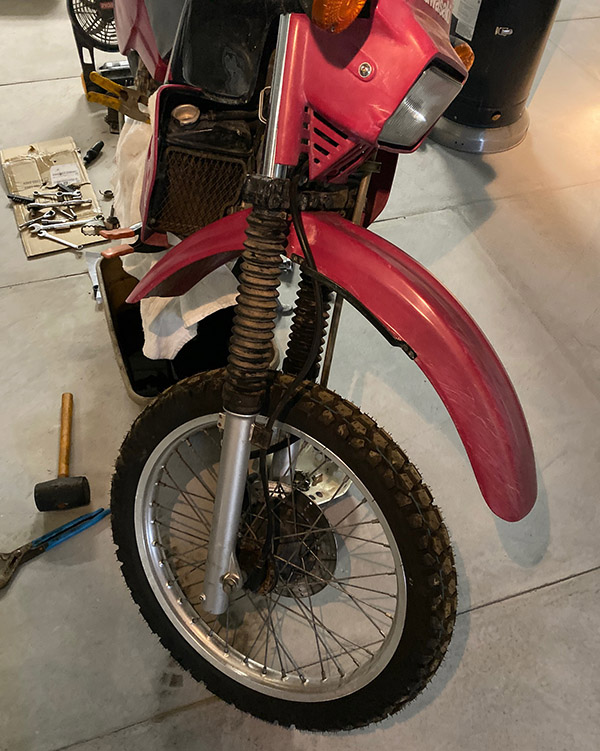
Equipped with a worn out 21” front tire, a very popular size, I blew a few bucks on a new Dunlop semi-dirt tire and a new tube. These skinny 21” wheels are super easy to change tires on, it took like 20 minutes.

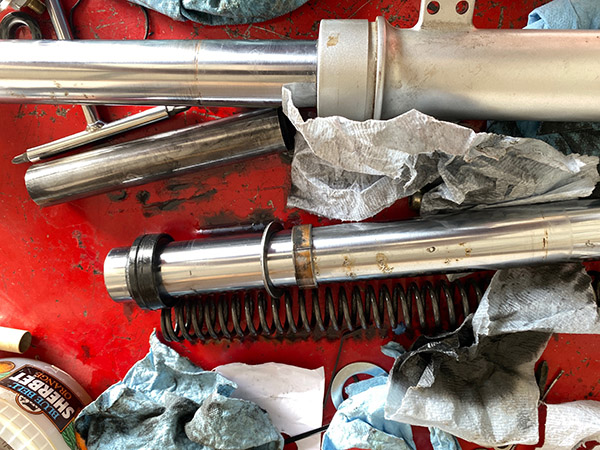
The Widowmaker’s fork seals were dribbling a decent flow of oil; in fact one tube only had a few ounces left inside. One fork leg came apart easily: Impact wrench on the bottom bolt and zing-zing it was apart. The other leg was more trouble. The recessed allen bolt just spun when I hit it with the impact.

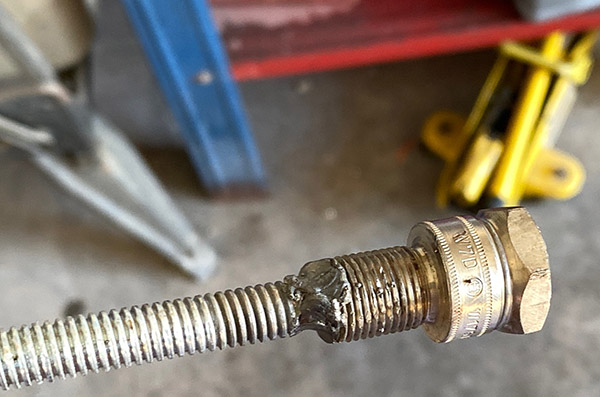
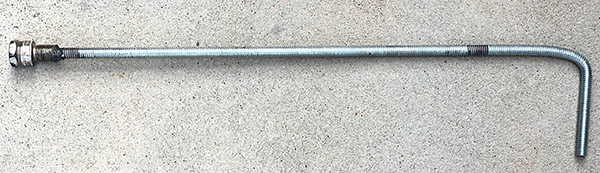
I needed something to stop the inner damper rod from spinning the fork spring, which wasn’t offering enough resistance. Looking through my nut and bolt bins was futile. I found a spark plug was the closest to fitting the damper. I cut down the plug and removed the ceramic, then welded a length of all thread to the plug. With my new eye I could just make out the puddle. It was great, before I saw nothing but glare.

The damper rod retaining tool worked excellent and I was able to dismantle the other fork leg. After cleaning assembly was straightforward. A length of PVC pipe was used to press the new seals into the sliders. I didn’t have enough fork oil in one viscosity so I mixed 10 weight and 15 weight together. I figure I’m running 12.5 weight in the forks now.

I reassembled the front forks and all seemed done at the front. Next I installed a new battery just for the KLR250, no more sharing with the Husky and Z1. The battery has been sitting around a year or so but still had juice. I popped it into the KLR250, lowered the bike off the motorcycle jack and the thing started in about 7 kicks. These KLRs are tough cookies.

Thinking I was pretty much done, I took the bike on a road test. The carb might be a little clogged up as it’s either idling at 3000 RPM or dying. Once up to speed the bike ran as good as it ever has. Parking the bike on the brand new shed floor it was easy to notice coolant dripping from that small hole in the water pump housing. Rats, this is what I mean when I say I can’t keep them all running.

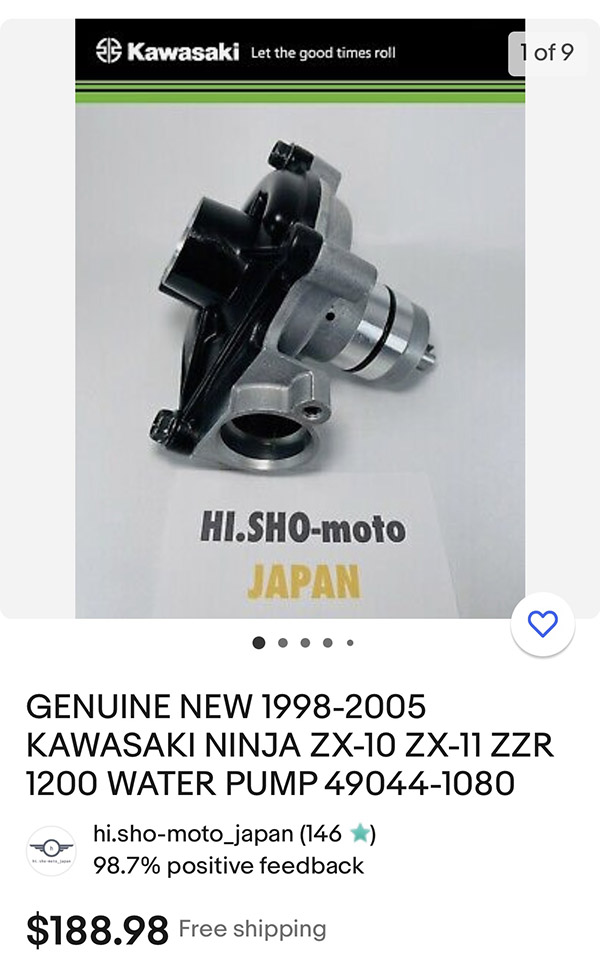
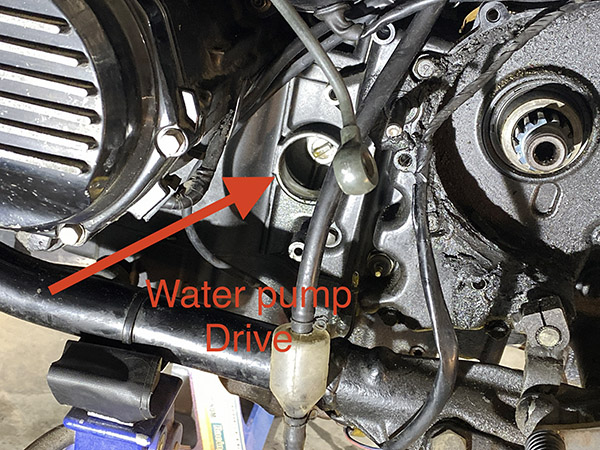
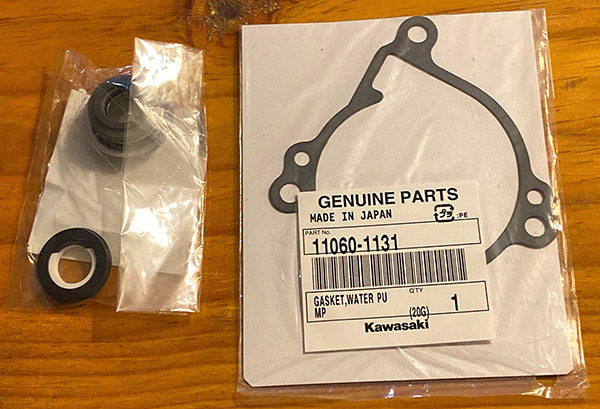
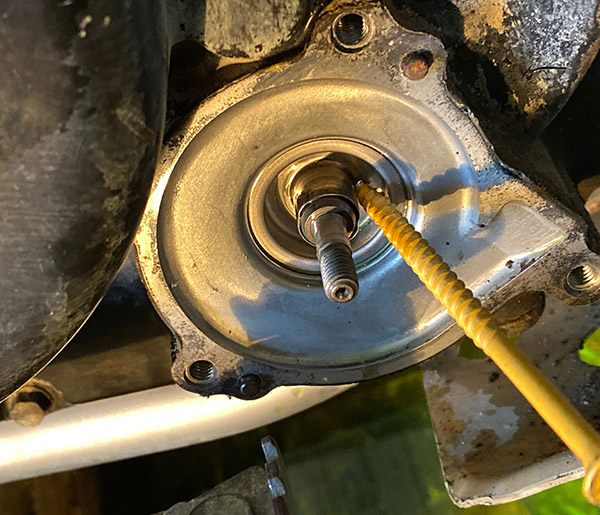
I ordered a new water pump seal and when it arrived I drained the Widowmaker’s coolant and removed the water pump cover and impeller. The seal is a spring-loaded ceramic type of deal and the spring part pulled off with little effort. That left the steel part still stuck in the engine.

If you’re lucky, sometimes you can thread a deck screw into the thin metal seal and pull the thing out with no problem. I wasn’t lucky and the seal kept looking worse the more I tried to remove it.

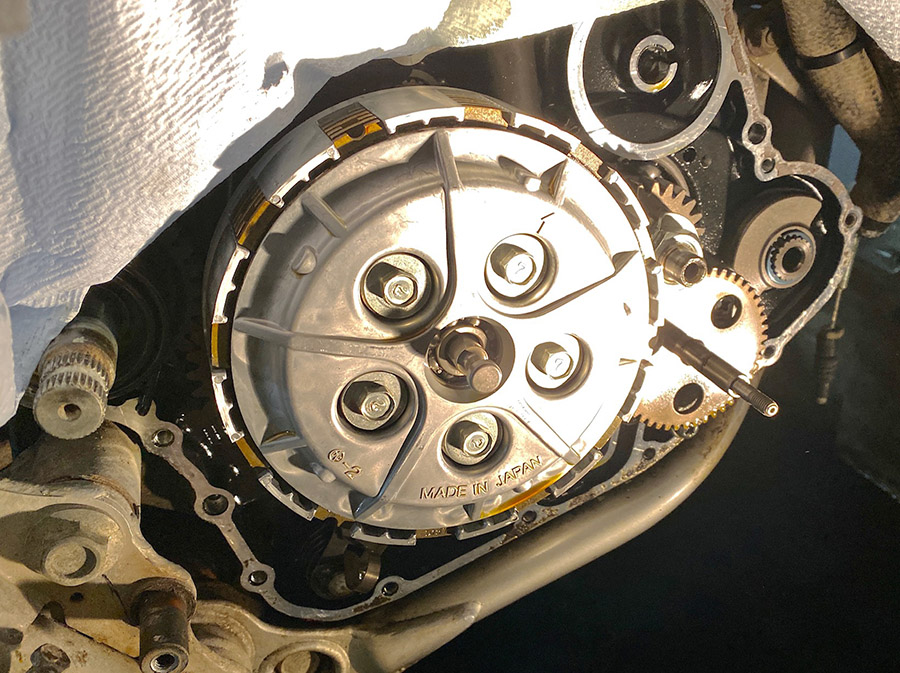
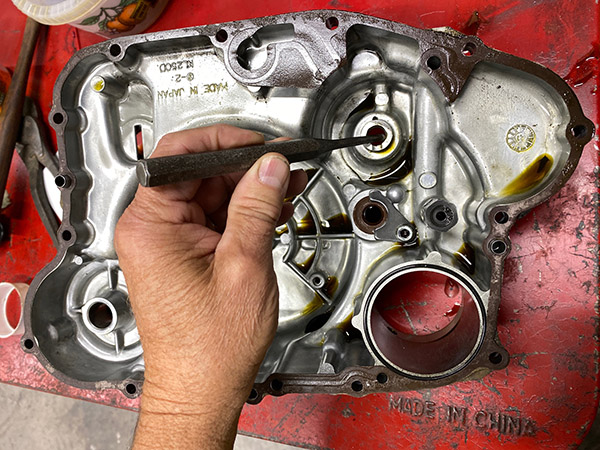
Finally I gave up and removed the right side engine cover to gain access to the seal from the other side. Removing the cover meant I had to remove the rear brake lever, foot peg and clutch cable. With the engine cover off it was a piece of cake to poke the seal out from the inside with a ¼” punch.

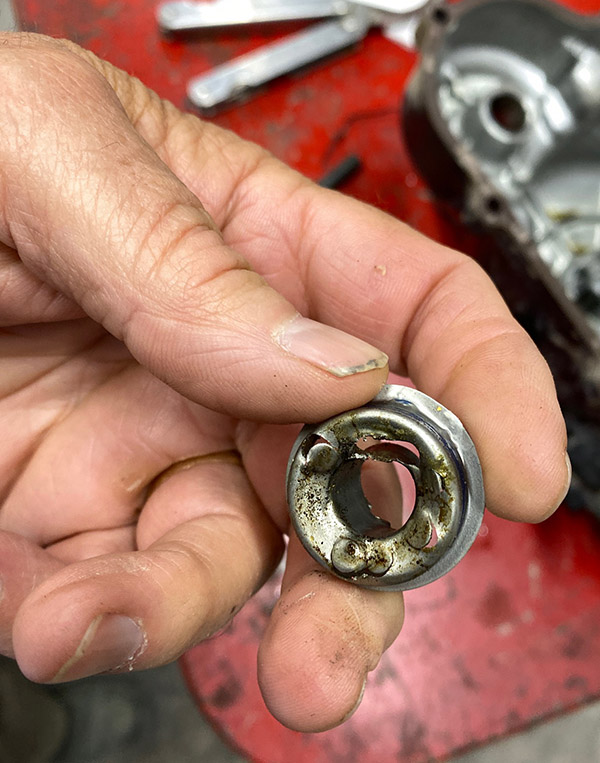
As you can see, I pretty much mangled the seal trying to save taking the engine cover off. For good measure I also destroyed the pump shaft oil seal in the process. I guess it needed changing also. Now I’ve got to look up a pump oil seal and a cover gasket for the Widowmaker. I think I’m going to clean the carburetor and see if I can’t make it run better low speed. Since I have to take the tank of to clean the carb I may as well adjust the valves. It’s super easy on the KLR250. And then it will be ready to sell.


More on the KLR and other Resurrections!


Never miss an ExNotes update…get your free subscription here.

Dan’s Drifter

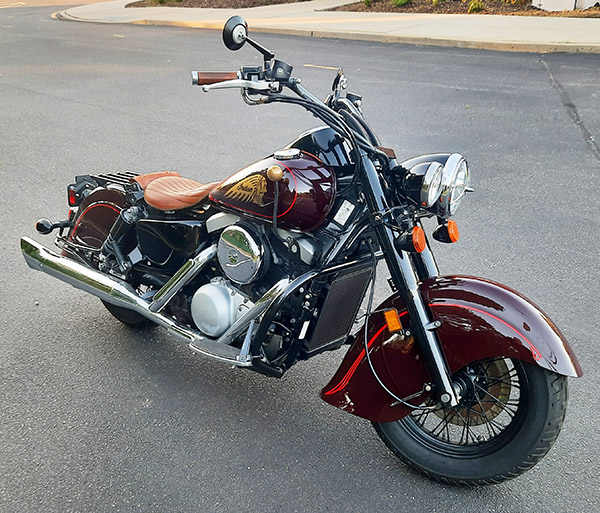
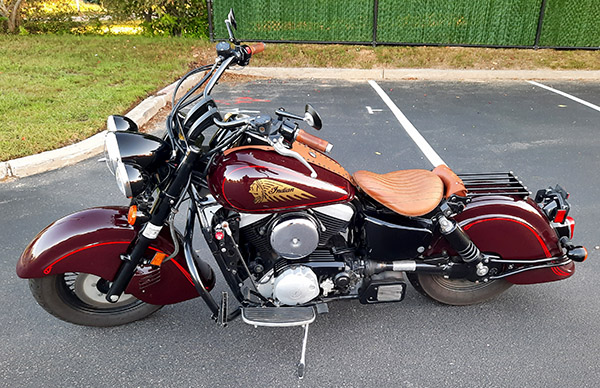
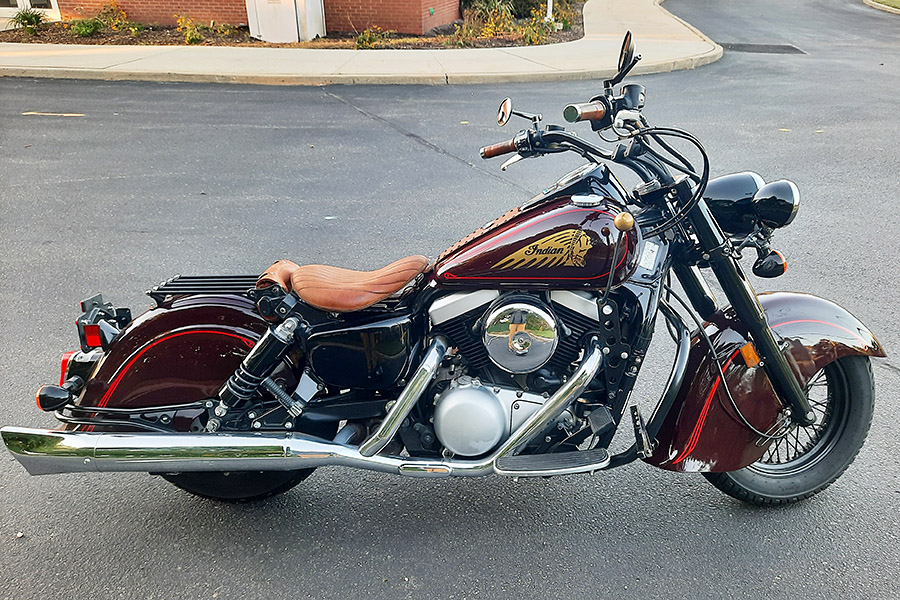
Good buddy Dan, a loyal ExNotes reader, enjoyed our recent blog on the Kawasaki Drifter.  Dan wrote to tell us about his Drifter.  Check this out, folks.  It’s a beautiful motorcycle.


Joe:

My motorcycle is a 1999 Kawasaki Drifter 1500cc.  Recently got it, love the combination of  Japanese bike reliability that will go forever and the Indian style that is a real head turner. Changed up the seat, added some Indian badging including the tank decals and even an Indian VIN plate cover. Other adds on include the jockey shift that is actually linked to the heel toe shift, the book rack and the triple head lights. I couldn’t afford a 40s Indian and even if I could some of those you have to be a mechanic to operate, this is a great compromise that doesn’t feel like a compromise.

I think people who appreciate the bike for what it is might like the look of the seat and such. It’s funny as a tribute I was even on the fence about the Indian badging but at the end of the day I subscribe to “ride whatever, be safe, have fun.”  I even had a rider of a current Indian tell me his was no more Indian than mine…they stopped making them in ’53 and as far as he was concerned anything after that was nothing more than a tribute.

Thanks and be well…I enjoy the blog.

Dan


Thank you, Dan.  Your Drifter is a good-looking motorcycle and it’s one I’d be proud to ride.  Great photos, too!

A Kawasaki Indian Wannabe

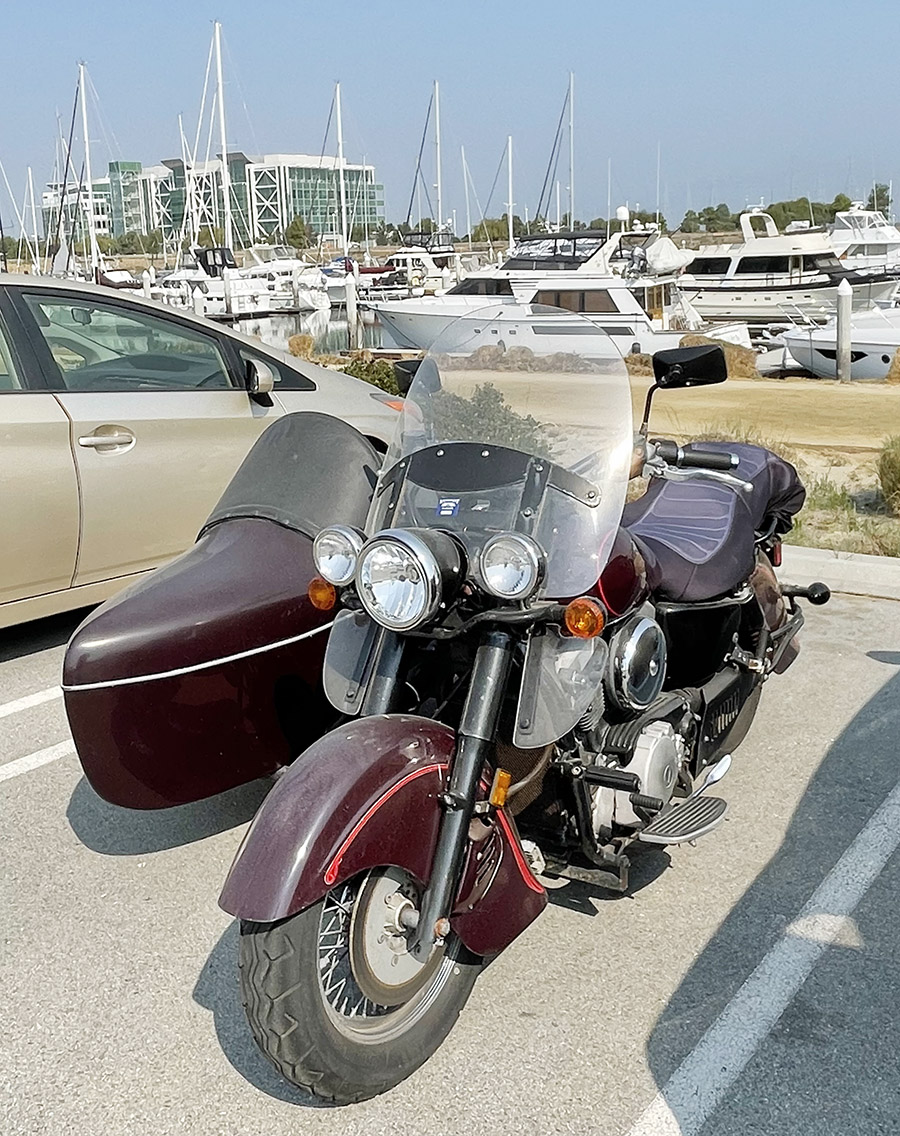
Fuel injected, shaft driven, water cooled, and startlingly reminiscent of a 1940 Indian Chief:  The Kawasaki 1500cc Drifter is one of those bikes I always wanted.  They were only made from 1999 to 2005, I think, and other than what I’ve read on the Internet, I have no idea if they were any good.  The most common complaint seems to be that the plastic gear that drove the water pump was prone to failure (Kawasaki used a plastic gear on at least one other model that was also problematic; these guys were slow learners, I guess).  But in my eyes, they hit a home run in the styling department.  They just look cool.

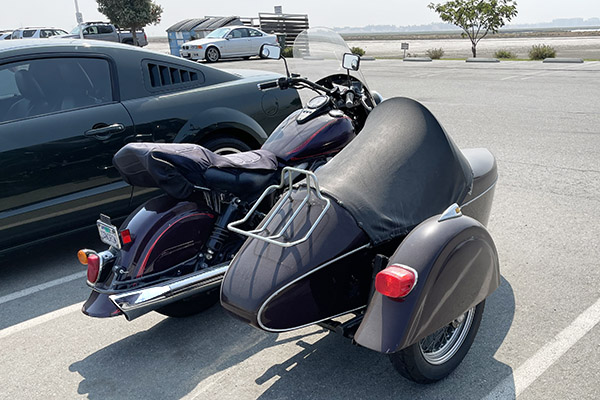
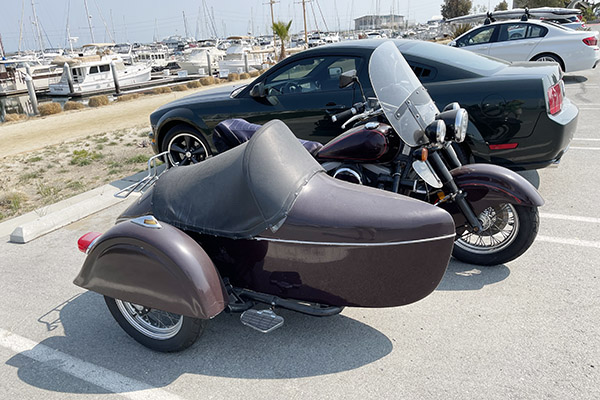
I spotted this one in a San Francisco Bay marina parking lot, and I instantly wanted it.  Don’t get me wrong:  Doug Bingham notwithstanding, I have absolutely zero desire to own a sidecar.  If I had this bike, the first thing I’d do is lose the sidecar and sell it.  But ah, that motorcycle.  That I would keep.  And ride, and ride, and ride.

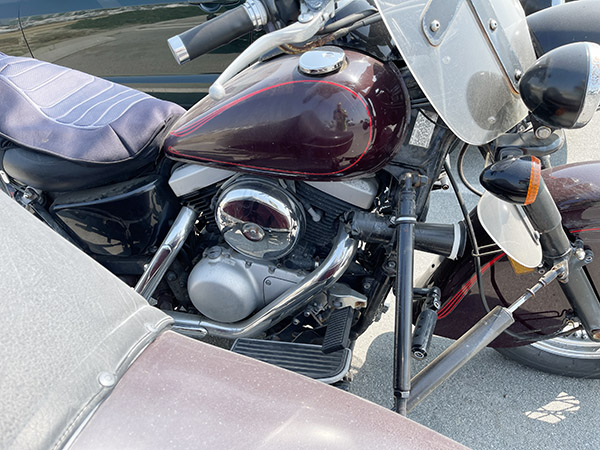
The later years had different colors; the first year, I think, got it right with the deep burgundy, red pinstriping, and those beautifully valanced fenders.  Kawasaki got a little weird from what I’ve read with the rear fender design; it pivots up and down with the rear suspension.   Ah, what’s a little unsprung weight between friends, especially on a motorcycle that no one bought because of the handling.  I also read that the fuel economy was abysmal on these bikes, but other folks said it was okay.  Whatever.  I wouldn’t buy this bike to save fuel.  But I would buy it if the price was right, even though I could get a used Sportster for the same kind of money.  I like it.

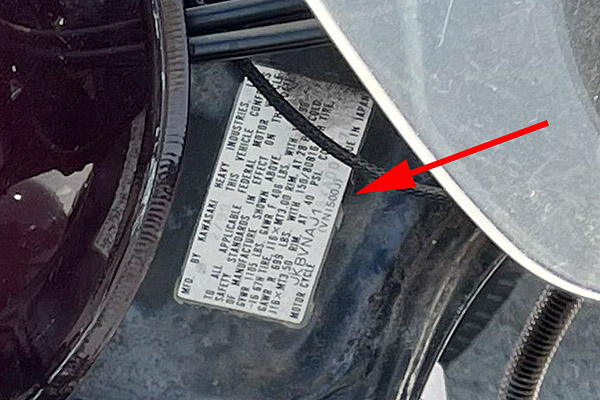
Kawasaki made both a 1500cc and an 800cc Drifters.  The 800cc version came in a pastel blue that was stunning.  When one of my friends first saw these photos, he asked if the bike was a 1500 or the smaller 800.  I was pretty sure it was the 1500, but I wasn’t sure.  Then I remembered one of my photos caught the VIN label and I was able to zoom in enough to know.

I shot these with my phone, and I guess that iPhone 12 does a good job.  It’s a 1500cc Drifter, as you can see above.

If I owned this bike, I think the only thing I’d do (other than a regular service and a good detailing) is to maybe get the seat redone.  It looks just perfect to me as is.


We dream about motorcycles all the time.  You can read about some of them here!


Never miss an ExNotes blog!


Want to advertise with us?  Check here for more info!


Hey, how about this supercool World War II US Navy Indian 30-50?

You can see the Indian 741 featured in the above video in person at the Chino Planes of Fame Museum, and you can read our feature story on it in Motorcycle Classics magazine.

Zed Plays Dead: 1975 Kawasaki Z1 Woes

To really understand the cloud of confusion surrounding my brain you’ll have to go back to the very beginning. Back when Zed was left for dead. We don’t have time for that now so I’ll cut to the chase: Zed ran fine for 3000 miles and then the carbs started puking gas from the overflow tubes. The bike was running rich and fluffy as hell. Idle was hit and miss.

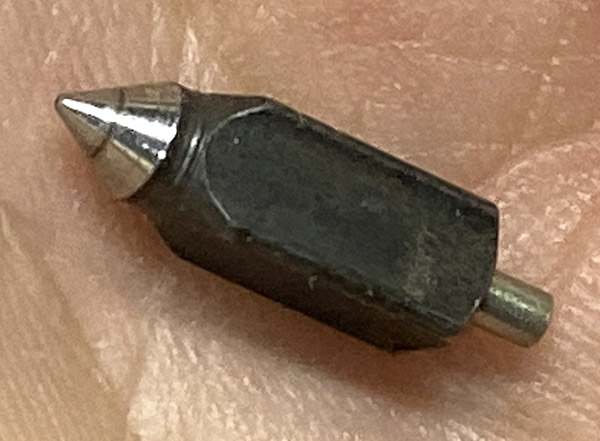
My natural assumption was that the old float needles had worn a groove into the sealing surface preventing the cone-shaped needle tip from seating. I purchased a cheap but shoddy set of needles/seats on eBay and with my deft touch soon had them fitted into Zed’s 4 carburetors.

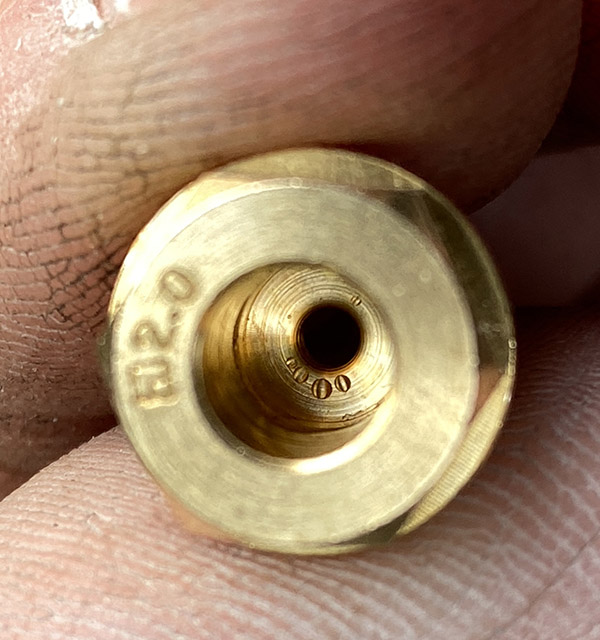
And one of the carbs still puked fuel. If you’ve followed this saga online you’ll know that the brass seat was punched with some tiny, elfin numbers. This punching deformed the seat so that the fuel kept leaking into the float bowl and then overflowed onto the ground. I replaced the new seat with the best looking seat out of the old batch.

This cured the fuel leaking issue. I could leave the petcock in the “on” position and the bike stayed nice and dry.

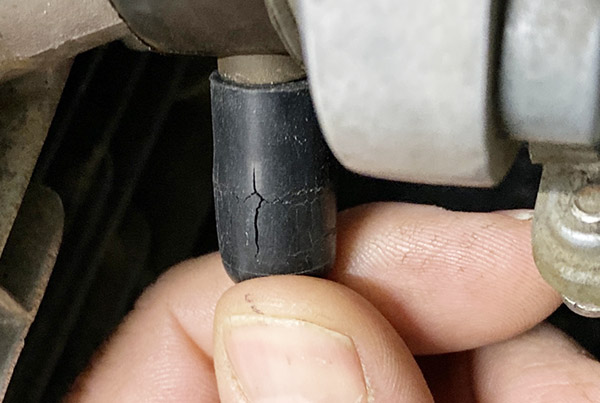
Yet Zed was still running poorly, cylinders would cut out randomly and the idle was inconsistent. Further investigation revealed that the rubber, year-old vacuum port plugs had dry rotted allowing air to seep past and upsetting the tenuous air/fuel ratio. I ordered new vacuum plugs and was sure the running problems would go away.

They didn’t. In fact, fixing the air leak seemed to make things worse. The bike would run on 3 cylinders and then 4 as your road speed increased. It seemed the longer it ran the worse it ran. I checked the ignition points. They were the original points that came with Zed and had served me well but now they were pitted badly. I filed the points back to good smooth contacts and now the filed points were so thin I couldn’t rotate the mounting plate enough to set the timing correctly.

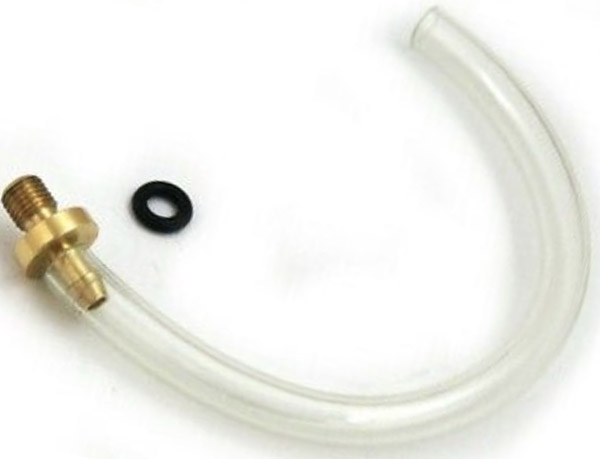
And so it continued. I ordered new points and reset everything. I had fat, blue spark. The Kawasaki ran terrible. I checked battery voltage, changed fuel filters and nothing worked. In my befuddled state I hit on the float level as a potential cause of the problem and ordered the cool little bowl drain fitting and clear tube tool used to set the float levels.

The float levels were all high. I reset the float levels to spec and now I was truly sure I had the bike problems licked. It ran worse each test ride. I could go about 10 miles before the bike would start missing. It seemed like cylinder 1 was the most likely culprit as removing the plug wire on #1 had no effect on the engine. Pulling the #1 sparkplug revealed a flooded cylinder. Cylinder #4 was also sort of weak, not exactly shouldering the load if you know what I mean and I think you do.

I checked coil resistance and coil 1&4 were exactly the same as coil 2&3. Must be the condensers, I told myself. Condensers are typically replaced along with points: they come as a set. I didn’t buy them that way because in my entire life I’ve only found one bad condenser. Anyway, the way reproduction parts are made you want to keep the original stuff if it still works.

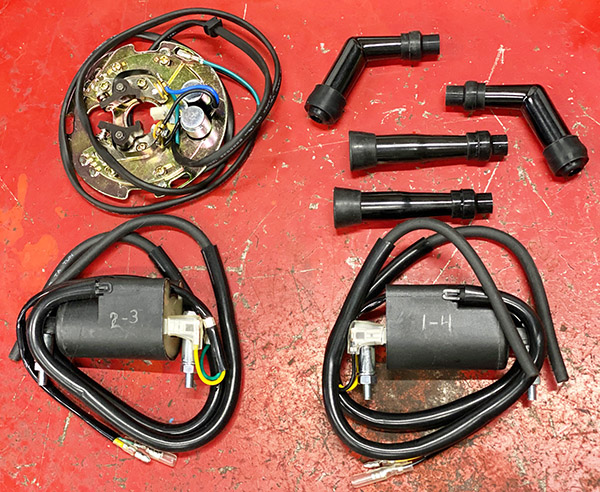
My frustration was growing. Instead of nickel and diming my way through the ignition system I bought new coils and an entire ignition backing plate with new points, condensers and fresh screws the heads of which were not stripped out. It was a whole new ignition system. I was sure something was heating up and fouling the plugs.

My $114 dollar ignition system bought me nothing but clarity. But it was a glorious clarity. The bike ran worse than ever. I didn’t get out of the shed before the #1 cylinder fouled. I was smiling; the odds were narrowing rapidly and in my favor. What are the chances of two completely different ignition systems having the exact same fault? Nearly zero, my brothers. You’ll not hear me complaining about blowing $114 on an ignition system I didn’t need because I was sure then that the problem was carburation. I re-checked the float level in the #1 carburetor. It was fine but I knew now that the only thing I had changed in that carburetor was that damn needle and seat.

I picked through the old needles and seats and selected the best looking set. I removed the eBay needle and seat and reinstalled the old ones. That was it. Zed ran on all four cylinders. I took the bike out for a test ride keeping my fingers crossed at the dreaded 10-mile mark but the bike kept running. I lugged the motor in high gear. The motor pulled cleanly without missing.

I know better than to assume anything was fixed without putting a few miles on the bike so I did a loop to Capitan, out to Roswell and then through Ruidoso to home, a trip right at 300 miles. At my first gas stop in Capitan I was astounded at the fuel mileage. Previously Zed was a steady 40 miles per gallon bike. That first fill-up netted 50 miles per gallon.

From Capitan to Roswell was a nice, winding, 4000 rpm tootle enjoying the breeze and the smooth running Kawasaki. I filled up again and the old Z1 returned 59 miles per gallon. Almost a 50% increase in fuel mileage.

In Roswell’s hot, stop-and-go road construction traffic Zed started to stumble. Crap, I was 100 miles from home and the problem had returned. One cylinder started dropping out and then another. The bike was dying in the middle of the road. Out of instinct I reached down and found the fuel petcock in the off position. Zed ran all the way home on 4 cylinders.

I can’t explain why it took so long to figure out the problem. There were so many distractions on the way to that moment of clarity. I’ll be looking for some OEM Mikuni needles and seats. They say the cheap man pays the most but I’ve found that value is very subjective. For example, what would I be writing about if I bought the correct parts the first time around?


Hey, you need to read the complete Kawasaki Z1 resurrection story!


Need more Joe Gresh?


Never miss an ExNotes blog:   Sign up here!
2022 KLR 650 Video

This flew into my mailbox last week from Kawasaki.  I’m still on their mailing list (I purchased a new KLR 650 in 2006).  I’ll let the video do the talking.

I had good times on my KLR. I don’t see another KLR in my future, but if the new model is as good as my 2006 KLR was, I think Kawasaki will do well with this motorcycle.   Both Gresh and I had thoughts about what the new model might feature; you can read those blogs here.

If I were going to buy a new KLR (I’m not, but if I were), I would probably wait until the 2023 models were out.  When Kawasaki introduced the Gen II KLR back in 2008, the 2008 bikes had oil consumption issues.  Kawasaki had a recall (if I recall correctly) and they fixed the problem in the 2009 model.  I think it’s best to let others work through the new model teething issues.

I’m guessing the full-freight new KLRs (luggage, ABS, etc.) will push $10K, which is roughly twice what a new CSC RX4 costs, and for me, selecting the RX4 over the Kawasaki would be a no-brainer.  For that kind of money, you could almost buy a new Sportster.


Never miss an ExNotes blog:  Subscribe here for free!

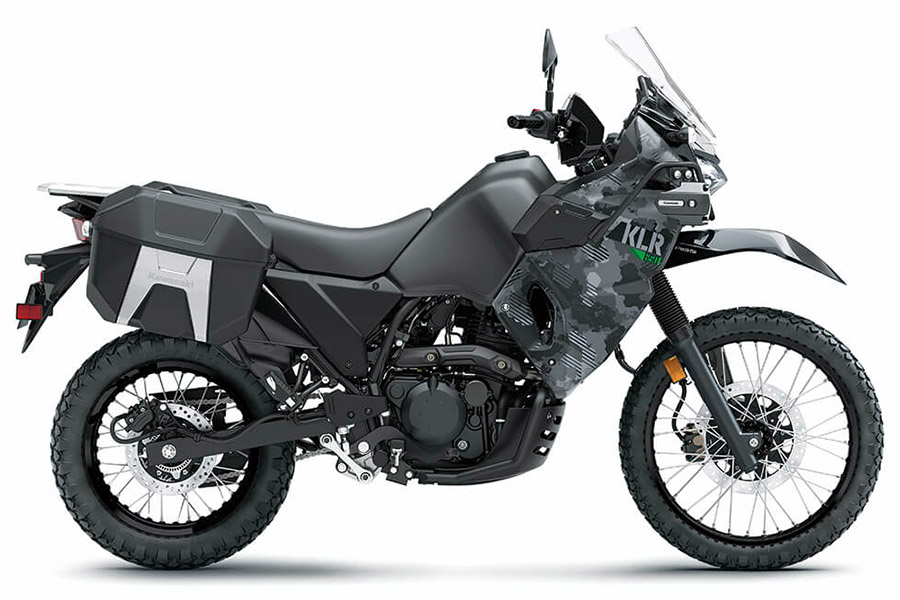
Want to see our predictions on what the new KLR would be?  Just click here.

The Six Best Motorcycles for Baja

This is a blog that is sure to be controversial and elicit a few comments. It attempts to answer a very specific question: Which motorcycles are best for Baja?

As a qualifier, let me mention a few things up front:

    • Most of my Baja riding is on asphalt, and that necessarily colors my opinions. Yeah, there’s a lot of great dirt riding in Baja, but I am a streetster at heart. Your mileage may vary.
    • You don’t need to spend $30K on a Baja blaster.  What good is driveway jewelry if you are afraid to get it dirty and if you’re constantly worried about where you parked?  In Baja, a big, heavy motorcycle (ADV-styled or otherwise) puts you at a disadvantage.  I am not a fan of huge displacement, tall, expensive motorcycles.  For real world riding (especially in Baja), monster motorcycles are more of a liability than an asset.  Even that new one that’s 20 years late to the party.
    • What I think you need in Baja is a comfortable bike with range. There are places where you can go more than a hundred miles between fuel stops, and you need a bike that can go the distance. That means good fuel economy and a good-sized fuel tank.
    • Luggage capacity is a good thing, but if your bike doesn’t have bags, you can make do with soft luggage. In fact, I’d argue that soft luggage is better, because it’s usually easier to detach and bring in with you at night.

With that said, here goes:

CSC’s RX3

Say what you want about Chinese bikes, and say what you want about smallbore bikes, I’m convinced my 250cc CSC RX3 was the best bike ever for Baja.

The RX3 tops out at about 80 mph and that’s more than enough for Baja’s Transpeninsular Highway (the road that runs from the US border all the way down to Cabo San Lucas). The bike is comfortable and it gets 70 mpg. The fuel tank holds over 4 gallons. I could carry everything I needed (including a laptop, a big Nikon and a couple of lenses, and clothes) in the bike’s standard panniers and topcase. I also carried tools and spare parts, but I never needed them. It was superbly well suited for Baja exploration, as I and more than a few others know.   One more thought…before you pummel me with the inevitable “Ah need at least a thousand cc” comments, take a look at our earlier blog, Why a 250?

Kawasaki’s KLR 650

I owned a 2006 KLR 650 Kawasaki for about 10 years. I bought it new and I loved the thing.  I think it is one of the best bikes I’ve ever ridden in Baja.  Yeah, it was a little tall, but once in the saddle I had no problem touching the ground.

The Kawi didn’t come with luggage, but I bought the cheap Kawasaki soft luggage panniers and a Nelson Rigg tankbag and I was good to go (I didn’t need the obligatory KLR milk crate). Although the KLR was heavy, it did surprisingly well off road (especially running at higher speeds over the rough stuff), and I did more offroad riding with the KLR than I have with any of the other motorcycles I brought into Baja. It averaged 56 mpg, and with its 6-gallon gas tank, I could make the trek between El Rosario and that first Pemex 200 miles further south without stopping for fuel.

CSC’s RX4

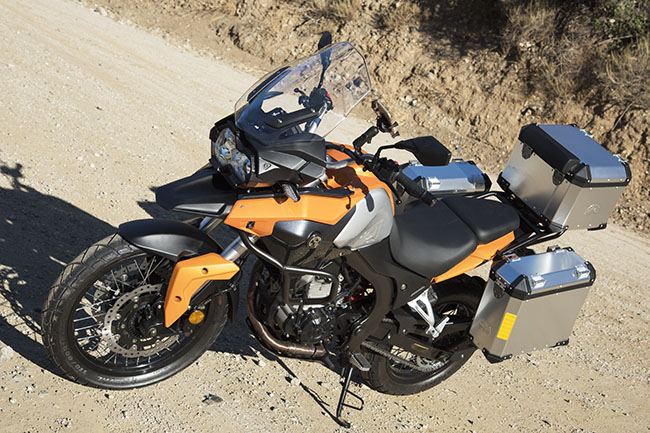
I’ve never owned an RX4, but I’ve ridden one a fair amount and I’ve done detailed comparisons between the RX4, the RX3, and the KLR.

I’ve never taken an RX4 into Baja, but I’ve ridden both (the RX4 and Baja) enough to know that it would do well down there. Think of the RX4 as an RX3 with more top end, more acceleration, and a bit more weight. It’s got the luggage and the ground clearance for extended travels with some offroad thrown in, and it also gets about the same fuel economy as the RX3. Fit and finish on the RX4 is superior (it’s almost too nice to take offroad).  The RX4 is a lot of motorcycle for the money.  The pandemic hit our shores not too long after the RX4 did, or I would have seen more of the RX4 south of the border.

Genuine’s G400c

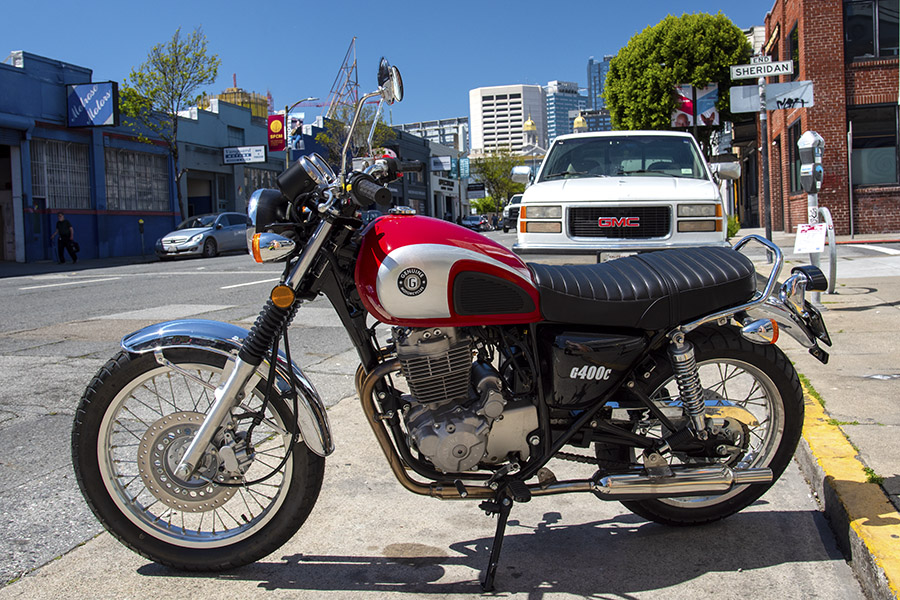
I rode Genuine’s new G400c in San Francisco, courtesy of good buddy Barry Gwin’s San Francisco Scooter Center, and I liked it a lot.  It’s compact, it has adequate power, it has an instrument layout I like, and it’s a fairly simple motorcycle.

I think with soft luggage, the Genuine G400c would make an ideal Baja blaster, and the price is right:  It rings in right around $5K.  With its Honda-clone 400cc motor (one also used in the Chinese Shineray line and others), it has enough power to get up to around 90 mph, and that’s plenty for Baja.  I rode a different motorcycle with this powerplant in China and I was impressed.  I think this would be an ideal bike for exploring Baja.

Royal Enfield’s 650 Interceptor

Yeah, I know, the new Enfield Interceptor is a street bike with no luggage. But with a Nelson Rigg tailpak and Wolf soft luggage, the Interceptor was surprisingly in its element in Baja. Gresh will back me up on this.

We had a whale of a time exploring Baja on a loaner 650 Enfield (thanks to Enfield North America and good buddy Bree), and I liked the bike so much I bought one as soon as I could find a dealer that didn’t bend me over a barrel on freight and setup. There’s one parked in my garage now. The bike is happy loping along at 65-70 mph, it’s comfortable (although I’ll be the first to admit it needs a sheepskin cover on that 2×4 of a seat), and it gets 70 miles per gallon. I wouldn’t take it off road (except maybe for that 10-mile stretch to go see the cave paintings in the Sierra San Francisco mountains), but like I said at the beginning of this conversation starter, I’m mostly a street rider.

Royal Enfield’s 400cc Himalayan

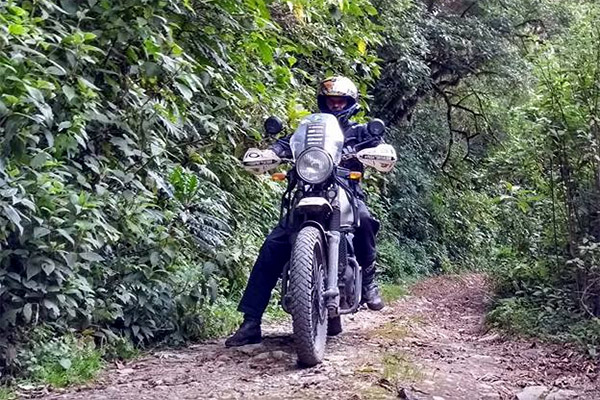
I’ve seen these but not ridden one yet.  Good buddy Juan Carlos, a great guy with whom I rode in Colombia, has gone all over South America on Enfield’s new Himalayan and he loves it (that’s his photo below).  Juan knows more about motorcycles than I ever will, and if Juan says it’s good, it’s good.

I like the look of the Himalayan and I like its single-cylinder simplicity (come to think of it, with the exception of the Enfield Intercepter, every bike on this list is a single).  400cc, I think, is about the right size for Baja. The price is right, too.   Royal Enfield is making fine motorcycles that won’t break the bank.  I think the Enfield Himalayan would be a solid choice for poking around the Baja peninsula, one that probably has the best off-road capabilities of any bike in this list.


I’m sure I’m ruffling a few feathers with this piece, and I’m doing that on purpose.  I’ve been taking pot-stirring lessons from Gresh (that’s him in the photo at the top of this blog).  We’d like to hear your comments if you disagree with any of the above. Do us a favor and leave them here on the ExNotes blog (don’t waste your time posting on Facebook as that stuff will scroll on by and be gone; ExNotes is forever).

All the above notwithstanding, I’ll add one more point:  The best Baja motorcycle for each of us is the one we have.  You can ride Baja on just about anything.  I’ve been to Cabo San Lucas and back on everything from a 150cc California Scooter to a Harley Heritage Softail cruiser.  They’re all good.  Don’t put off a trip because you don’t think you have the perfect motorcycle for a Baja adventure.  Baja is the best riding I’ve ever done.


Please visit our advertisers and click on the ads!


I’ve done a lot of riding on a lot of different motorcycles in Baja.  You can read all about that in Moto Baja!


Heading into Baja?  Make sure you insure with BajaBound, our choice for the best motorcycle insurance in Mexico!


More info on Baja?  It’s right here!


Never miss an ExNotes blog.  We cover an eclectic mix of topics, including motorcycles, travel, bicycles, construction, guns, reloading, all kinds of product reviews, and more.  Subscribe here for free:

The KLR 650 is back!

An new exciting thing is that Kawasaki brought back the KLR 650.  A review of the Kawi info makes it look like the big change is fuel injection, along with a few other things (like digital instrumentation, accessory and USB outlets, higher alternator output, optional integrated locking luggage, and optional ABS).  Per the Kawasaki announcement:

The all-new KLR®650 dual-sport motorcycle is built to empower your passion to escape and explore. Featuring a 652cc engine, new fuel injection system, all-digital instrumentation, disc brakes, and optional ABS, the KLR650 is ready and eager to make new memories. Dual-sport capability allows the journey to go on- and off-road with all three available models, including two special edition models that are equipped with factory-installed Kawasaki Genuine Accessories. With the KLR650, KLR650 Traveler, and KLR650 Adventure motorcycles, your next great expedition awaits.

This is good; Kawasaki is finally catching up to CSC’s RX3 and RX4 series of adventure motorcycles.  Don’t get me wrong; I owned a KLR 650 (first gen) and it was a stellar motorcycle.  One of my good buddies is still riding it.  They were fabulous motorcycles; I hope the new one is as good.  By the way, if you’d like to read our comparison of the KLR 650 to the CSC RX4, you can do so here.

My 2006 KLR 650 in Baja.

Pricing, per Kawasaki, is $6699 for the base model and $7,999 for the fully-loaded model, with a Kawasaki-listed destination charge of $410.   There’s no mention of the setup fee.  But they do mention in the small print that the dealer sets the actual destination charge and your price may vary.  You think?  Mark my words…dealers will throw on a $1500 freight and setup fee on this bike.  When you enter the green room, be forewarned: Having worked in the motorcycle industry, I can tell you that actual freight (what the dealer really pays) is well under $400, and setup on a KLR 650 takes under an hour.  And as point of reference, when I bought my ’06 KLR 650 new, it was $5200 out the door.  Let the good times roll.

Giblets 1

With only two full-time writers here at ExhaustNotes.us, it’s a real challenge to churn out the quantity of content a website demands. Luckily we have Joe Berk on staff. One Berk equals like seven normal writers. Coming up with topics is easy but some of the ideas don’t rise to the level of an actual ExhaustNotes.us story. I’ve swept the floor at the luxurious ExhaustNotes.us office plaza and tossed all the bits into this blog post.

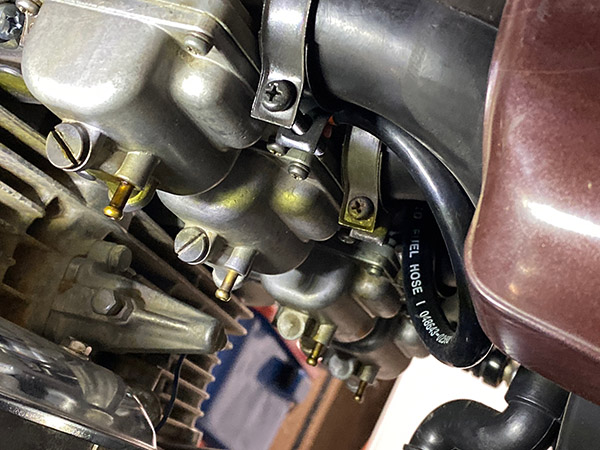
Reaching in through the bottom of the chicken we find that the 1975 Kawasaki Zed has been having a few problems as of late. The far right-side carburetor was spewing gasoline sporadically so I purchased 4, generic carb repair kits online. I really only needed the float needle and seat but at $14 a kit it was cheaper to buy the whole shebang rather than just the seats.

The carburetors sit relatively high off the crankcase on a Kawasaki Z1 so most carb circuits can be accessed from the bottom or top without removing the whole bank of 4 carbs. You can get to the idle jet, the main jet, the needle and seat and even the slide needle and emulsion tube if you’re willing to struggle a bit. When I say access theses parts I don’t mean to imply that it’s easy to do. I have the cuts on my hands to show for it.

After 3000 miles of running I was surprised by the lack of debris in the Kawasaki’s float bowls. If you followed Zed’s resurrection you’ll know how rusty Zed’s tank was. I expected the main-jet sump to be full of fine red dust. Installing the new needles and seats was a fiddly job but I managed to get them in and replaced the pilot jets just because I had them. I left the original main jets in place.

Before turning on the fuel I checked the fuel filter on the petcock and found it clean. I bought new inline filters but seeing how clean everything was I left the old inline filters alone. Don’t fix it if it isn’t broken is a good motto to live by with aging motorcycles.

As soon as I turned the petcock on fuel started pouring out of Carb Number 3 (from the ignition side). Of course this is the hardest one to work on. I pulled the float bowl back off and removed the float and the needle. Everything looked ok. Figuring a piece of dirt must be in there I blew carb cleaner into the seat and reassembled the carb. Back together with the petcock on, the fuel leaked as bad as it ever did.

I took the float bowl back off and removed the float. Holding the needle in place with my finger I turned on the petcock and gas poured down my hand, onto my wrist and up the sleeve of my shirt. This led me to believe there was a problem with Number 3’s new needle/seat.

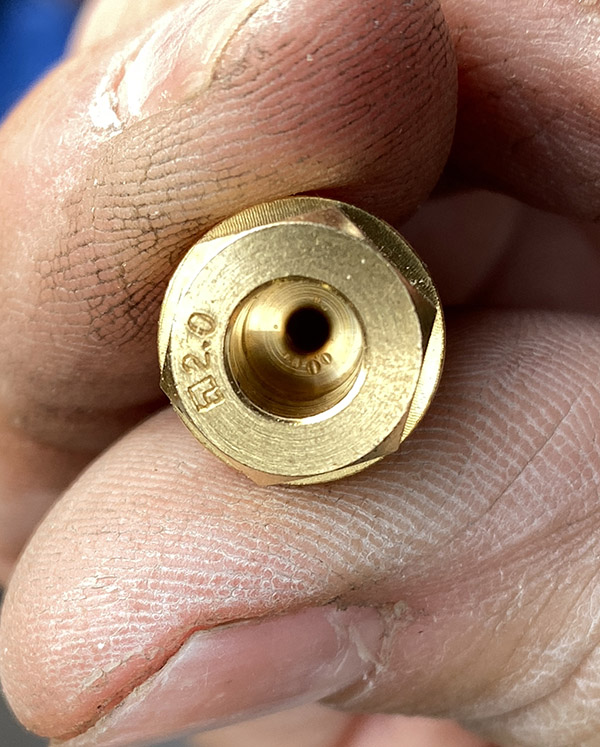
Upon further examination I found some unexplainable marking on the inside of the seat where the needle valve would normally seal. I’m not sure what is going on. Are the stampings some kind of size identifier? Did the punch that marks the seat miss and stamp the inside of the seat?

It became obvious to me that this particular needle/seat combination was never going to seal so I picked the best looking needle/seat from the old parts and installed them into Carb Number 3. No more leaking.

For the real mechanics: I know I should reset the floats but the bowl drain screws are very tight; removing them may break something I don’t want broken. My rationale is that the replacement needles/seats are the same overall length so the float levels wouldn’t have changed much, if at all. One day I’ll get the drain screws out and set the float levels using the clear tube system.

The upshot is that Zed is running much better. I took a quick, 140-mile, 60-degree-January-day jaunt and stopped several times leaving the fuel petcock on: no leaks. Spinning 5000-5500 RPM in top gear the Zed returned 41 miles per gallon not including the amount of fuel that I spilled while working on the carbs. In addition, I had to turn the airscrews in almost one whole turn after installing the new needles/seats and pilot jets.

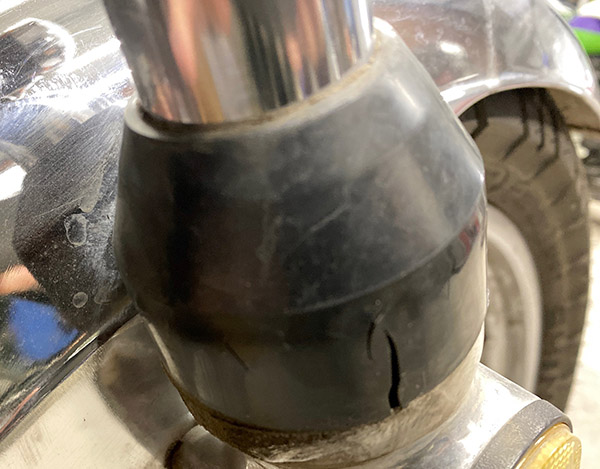
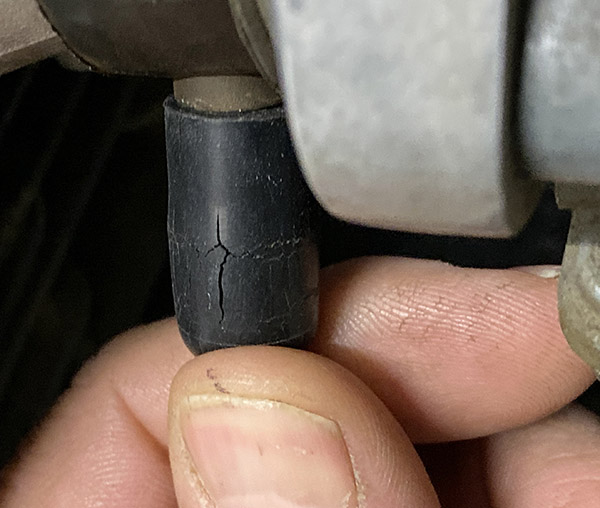
Moving on from the carburetor woes, there are a few disappointing rubber-issues with some parts on Zed. The rubber fork wipers have split in just a little over a year. I really expected them to last a bit longer than that. The rubber vacuum plugs that cover the ports used for balancing the carbs have also rotted and split. These were new about the same time as the fork wipers. Not only are the vacuum plugs rotted, but one of the brass nozzles cast into the new rubber intake manifolds came adrift when I tried to push the vacuum plug into position. Luckily it didn’t go all the way into the intake port and I managed to pull it out and get the plug onto the thing.

When I was resurrecting Zed I sourced parts from all over. I’m going to try and dig around to see if I have any receipts that will tell me where I got the various rubber bits. If they are EBay sellers I won’t bother but I’m sure the more reputable companies will work on making it right. One factor that may have caused the rubber failure is the fact that Tinfiny’s shed gets very hot in the summertime. With the doors closed it’s not unusual to hit 130 degrees inside. 130 degrees isn’t that hot for an air-cooled motorcycle engine but New Mexico’s dry air combined with long term exposure might affect the rubber. None of my other bikes stored in the same conditions have had rubber failures.

Well, what do you know, I had more ground to cover but this carb story ended up running on for so long it’ll make a standalone ExhaustNotes.us blog! I’ll post up Giblets 2 soon.


Read all about Zed’s resurrection here!


Whoa!  You’ve won a free subscription to ExhaustNotes!

Not Worth Selling: How I Let The Free Market Determine My Transportation Needs

We own a lot of motorcycles and cars. There are two Jeeps, a Toyota truck, a 4×4 Suburban, an MGB GT, three Kawasakis, a golf cart, a Yamaha and a whole bunch of other motorcycles. I can’t afford to insure or repair all these vehicles so many of them sit around and collect dust. You may wonder why I keep all this junk. It’s optically distressing and hints at my unearned, depression-era, scarcity mind-set. But it’s not simple hoarding that litters my view. It goes deeper than that. I don’t want to own all these wrecks. The junk stacks up because of my twisted sense of fair play.

This misfit collection of vehicles didn’t happen accidentally or overnight. They were each bought and mostly used as directed but somewhere along the line their purpose became obsolete and other, more capable or more enjoyable vehicles took their stead. And that’s the spot where the free market fouled everything up.

We don’t really need the Toyota pickup truck. It has a couple hundred thousand miles on it but the thing still runs perfectly fine. It’s our go-to vehicle when we want to get somewhere fast. With a 4-liter V-6 pumping out 200 horsepower the lightweight Tundra will cruise at 90 miles per hour all day long. Its soft, car-like suspension coddles the driver and one passenger. And there’s the rub: The Tundra is a standard cab so two people are all you can realistically fit inside, out of the weather. On those long trips your luggage will be wrapped in garbage bags then tossed in the bed. The Tundra was fine when it was my work truck but it’s no longer optimal.
So why don’t we get rid of it? We tried once but it’s worth next to nothing on the free market. The 14-year-old truck has a few minor dings and a manual transmission. We tried to sell it for 3000 dollars but nobody wanted it. We had a few offers under 2000 dollars but I stomped my feet and said, No! I mean, where am I going to get a truck this good for under 2000 bucks? The Toyota stays because it’s not worth selling.

It’s the same with my Kawasaki ZRX1100 or as I like to call it, The Coat Rack. I let the bike sit for a year when we went to Australia. In that year everything hydraulic froze. The front brakes, the rear brakes and the clutch all need repair. The engine still runs ok but the carbs are clogged up from our crappy, alcohol-laden fuel. With only 23,000 miles the ZRX is overdue for a valve adjustment. It needs a new chain, sprockets, a throttle cable and I can never seem to find time for the bike because I’m having so much fun on the 1975 Z1 that I won’t sell.

So why don’t I dump the ZRX1100? I tried to get 2000 dollars for the bike once but no one wanted it. It’s worth even less now. The basic bike is solid but if you took the ZRX to a shop the cost of repairs would exceed the value of the motorcycle. That winnows the pool of eligible buyers down to people who know how to fix motorcycles. Those handy-types traditionally hold out for a super low selling price because they know how a few unknown problems can kill the budget on a project motorcycle. Besides, you can get a showroom condition ZRX1100 for 3500 bucks. Why bother with all the issues on my bike?

When I look at it in the garage, the perfect bodywork, the glossy green paint, and the totally original everything I say to myself, “That’s a great bike, I love the styling. A week’s work would have it running like a champ again. What would I do with 2000 dollars anyway? I’d rather have the non-running Kawasaki!”

And so it goes. The Suburban was bought for its engine and drivetrain but has proved so much better than the Toyota at hauling heavy loads it has taken the place of the pickup truck that I refuse to sell. If I did unload the Bomber it wouldn’t be worth 1000 dollars on the free market. Why bother?

The MGB GT could be worth a pretty penny if it were restored. I see nice GTs going for over 10,000 dollars but then again it would probably cost 9,999 dollars to restore it. At one time I offered it for 250 dollars but couldn’t get a single taker.

After walking past the little blue sports car for several years I’ve grown to love its classy British/Italian mash-up styling. I’ve spent a couple hundred dollars getting a clear title to the MGB. My buddy Lynn managed to get the hood open and everything looks intact in the engine room. I think I can get it running. Wait, I know I can get it running. You can bet I won’t be selling the MGB; its potential as a prop in my fantasy world far exceeds any real-life street value.

I’ve got a Kawasaki 250 that I only use once a year for Bike Week at Daytona. It’s paid for and in pieces at the moment. The KLR always starts first or second kick after sitting for a year. It’s not bad in the dirt, if a little underpowered. I bought it used with very low miles and the sunk cost has long been absorbed. I’d be lucky to get 700 bucks for it and 700 bucks won’t buy much of anything nowadays. The KLR250 stays at our shack in Florida so that I always have two-wheeled transportation whenever I visit. That feeling of moto-security is worth whatever small amount of money I could get for the bike.

You’re starting to get the picture by now. I don’t really want all this junk; it’s just that The Man and society places so little value on my treasures I keep them out of spite. I’ll go to my grave clutching my outdated ideas on what my things are worth and to whom. Sure, it’s a sick way of approaching life but I can think of much worse things, like accepting Market Value.